


We’re excited to introduce you to the always interesting and insightful Munesu , Reye. We hope you’ll enjoy our conversation with Munesu , Reye below.
Munesu , Reye , thanks for joining us, excited to have you contributing your stories and insights. I’m sure there have been days where the challenges of being an artist or creative force you to think about what it would be like to just have a regular job. When’s the last time you felt that way? Did you have any insights from the experience?
Well, I’m happy being an artist but I do think about having a regular job, in the sense that life as an artist is very financially volatile , scrapping pay check to pay check, worse if you come from a developing country , survival often takes precedence of career advancement and passions. I realised that being a creative comes with sacrifice and strategy and inginuity learning to adapt , collaborate and revise your previous short comings to keep moving forward , I came to the conclusion to change my mindset to already see the end and live in the end as if I’ve achieved what I wanted
Awesome – so before we get into the rest of our questions, can you briefly introduce yourself to our readers.
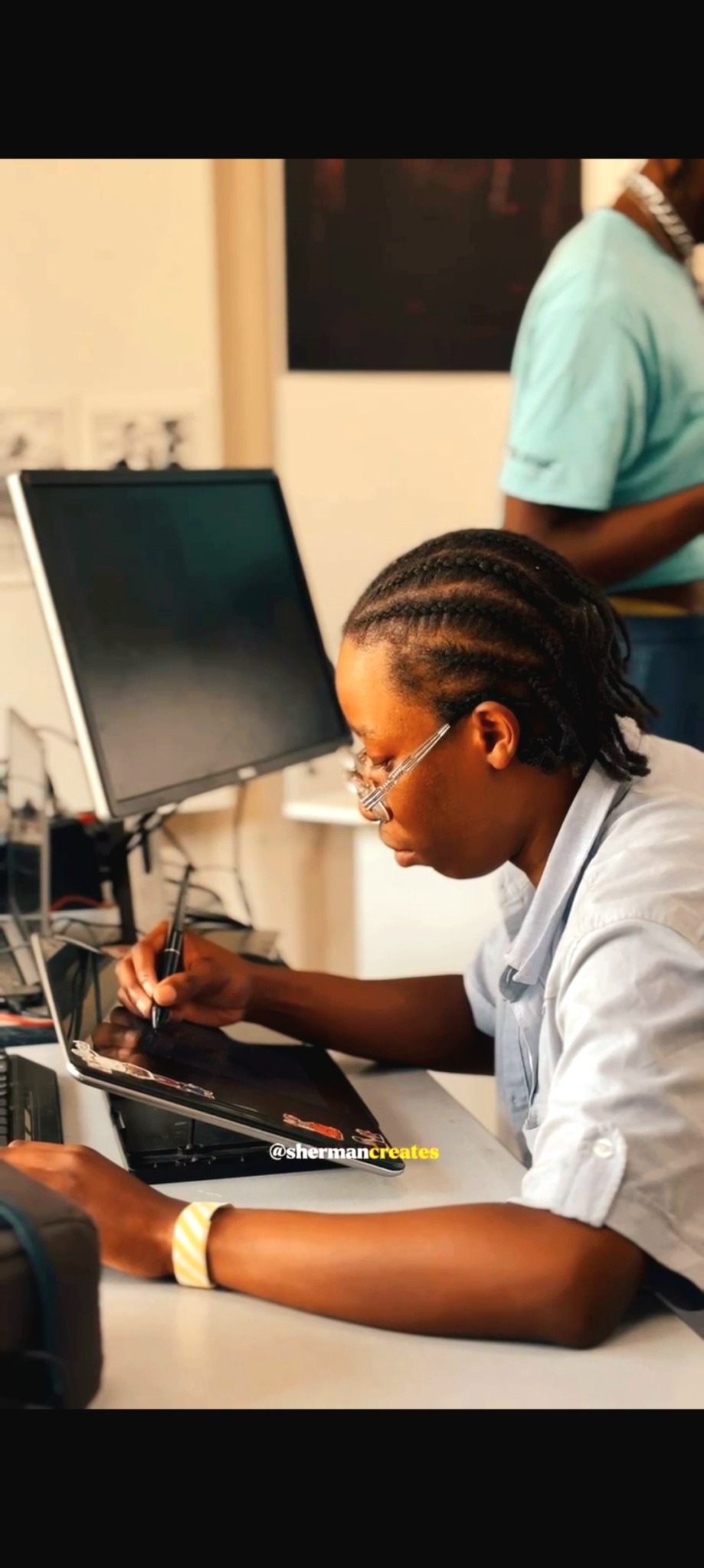
I began drawing at the age of 4 years old and my first picture was a rendition of Superman which changed my world as well as a lot of pop culture influence from the west and east. Then my parents sent me to a school that had art education which I pursued all the way to a degree level. I became a professional artist in college when I was 21 and I was introduced to the industry circles in Zimbabwe such as comexposed. The following year I decided to specialize in digital art , comic book illustration and animation all the way to the present. Essentially I create short story comic books, illustration and I animate occassionally for companies who want to enhance their brand to the local population in Zimbabwe using artistic mediums reflected of our era defined by popular culture. What sets me apart from other creators is the grandure of my imagination and my desire to put that into my story telling especially as a black creator, and elevate afro storytelling , to not just be generic culture exposé but universal appeal all round.
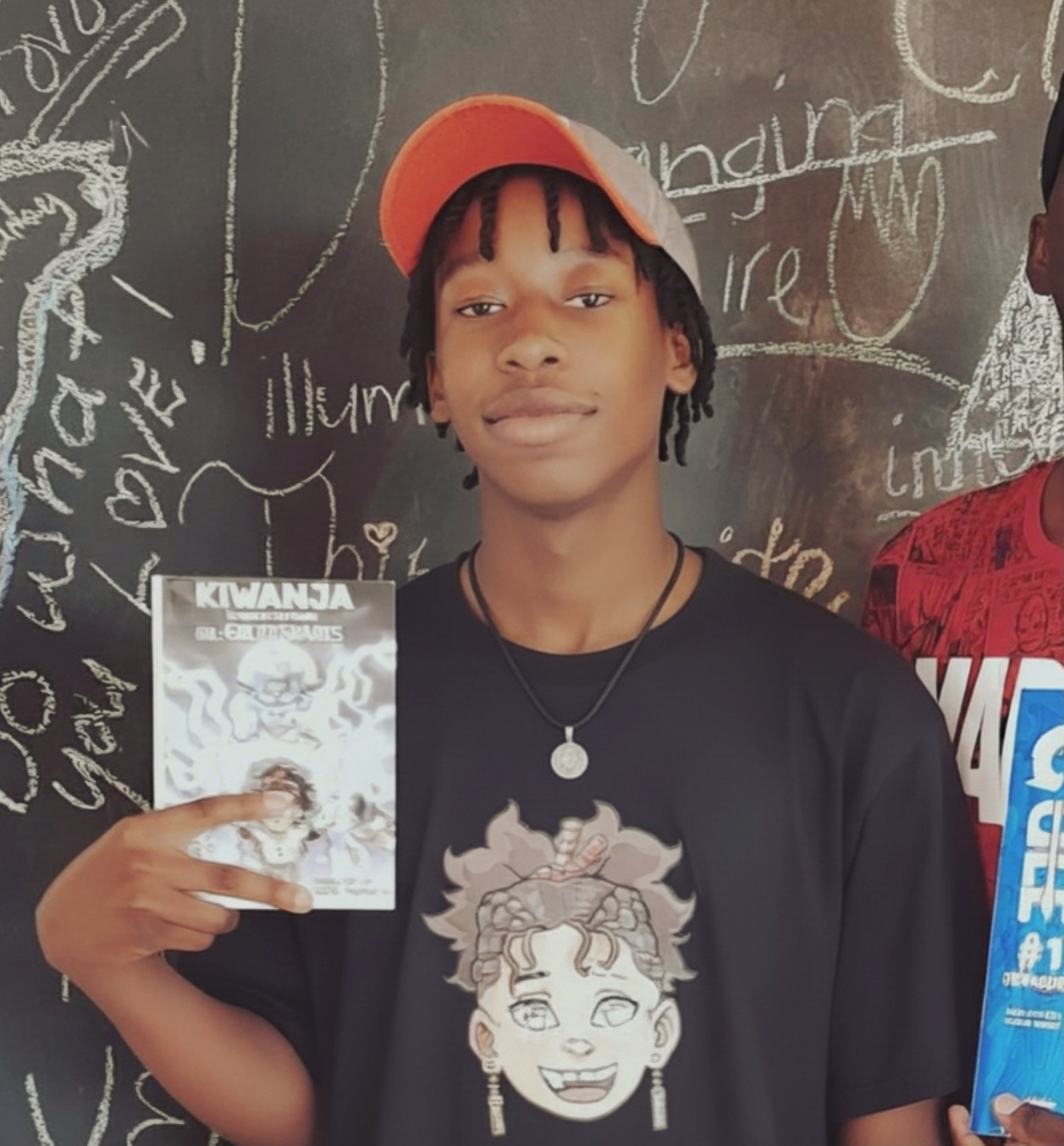
I created a graphic novel called kiwanja land of the Forge , it’s loosely inspired by sub Saharan African mythology but it is mostly high fantasy mythology meant to usher in a new wave of African story telling which is self contained, think of star wars or lord of the rings. My colleagues and I created a indie brand called off panel studios where we create this type of content and uplift local talent to reach a wider audience
As that will connect us more to the global community as zimbabwe is such a small country recognition in the creative and popular culture industry is difficult to be recognised both beyond and within the boarders.
My goal is to create a popular culture phenom using the i.Ps I create and collaborate with other creators and add my input to studios willing to progress African and black story tellers and what they have.
We’d love to hear a story of resilience from your journey.
My story as comic book artist and animator has been a long and often difficult one, for the most part because popular culture and visual arts are not taken very seriously, I often felt isolated as a creator and for the longest time before I went into it professionally I was a hobbyist drifting without any idea , not saying creating comics and digital art is bad as a hobby, but there was no incentive to go at it professionally until I was introduced to the comexposed community, this opened my eyes and made me realise that perhaps there is a career in comic books and animation because prior to that my mind had been settled on graphic design or product design. The interactions I had in the comexposed community exposed me to industry professionals such as Bill Masuku, Tinotenda Makoni and Eugene Mapondera who helped to mentor me into that path that I am in today , initially it was difficult especially financially, I had a whole see saw routine between my life as a creative and working a 9 to 5 as a admin in a publishing company but this gave me insight to business practices and some capital to sustain my career as a creator and allowed me to create my graphic Novel series Kiwanja which I’m still currently working on even now.
What can society do to ensure an environment that’s helpful to artists and creatives?
I think the best way for society to support artist is in the little things and by that I mean , giving unconditional support , most people think supporting an artist must only come if they make work that relates to certain cultural landmarks like tabloid news and certain controversial contemporary culture practices. This alienates artists who feel a disconnect with their audience, unconditional support entitled that regardless of what the creative or artist creates, we support them because they are our fellow country man or woman in a field that is prestigious and deserving of attention. This helps the visual artist and popular culture industry grow at least a bit further from the foundation and establish sub cultures similar to Otaku culture in japan or comic cultures in the west.
Contact Info:
- Website: https://reyedessinsart.weebly.com/
- Instagram: https://reyedessinsart.weebly.com/
- Facebook: Rey Manyengawana
- Linkedin: https://www.linkedin.com/in/reye-manyengawana-4ab5a919a?utm_source=share&utm_campaign=share_via&utm_content=profile&utm_medium=android_app
- Twitter: @riellyreye9
Image Credits
Reye “Reye Dessins ” Manyengawana