

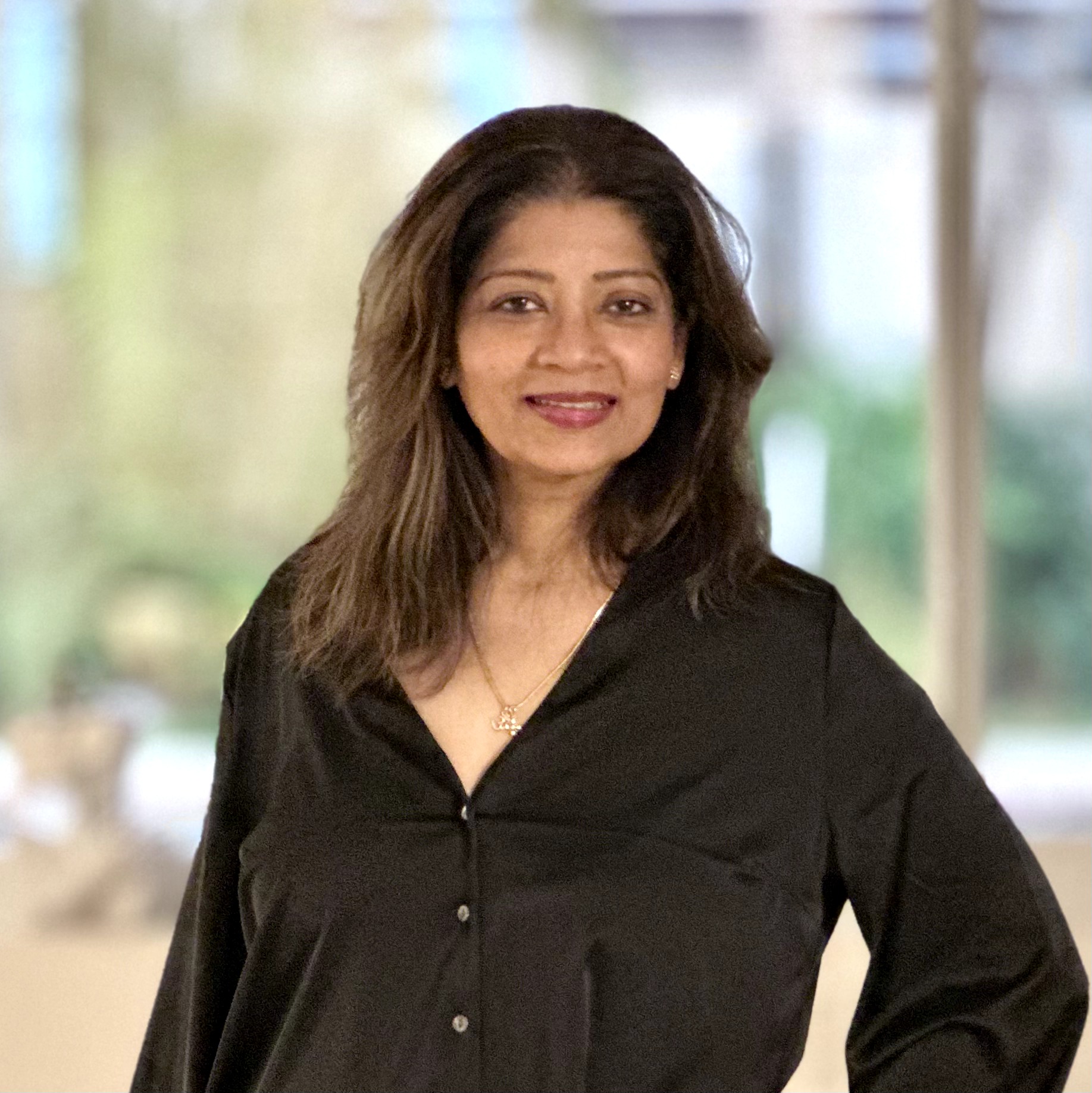

We recently connected with Mridula and have shared our conversation below.
Mridula, looking forward to hearing all of your stories today. Was there a defining moment in your professional career? A moment that changed the trajectory of your career?
Yes, there was a defining moment, and it came when everything in my life seemed pretty good.
Four years ago, I moved from Boston to Florida with my husband. A few months after the move, I accepted an administrative assistant role—work I knew well and had done successfully for years. I had applied for and taken it up without much thought; it was familiar to me.
But within ten days of starting, I had a very different realization.
I wasn’t overwhelmed or unhappy—quite the contrary. I was efficient, capable, and doing exactly what was expected of me. And that was the problem. Sitting there, I caught myself thinking, What am I doing? Why am I doing this work when I know I want something more?
Earlier in my life, I had taken on roles like this because circumstances demanded it. Responsibility came first. Survival came first. This time, neither was true. I wasn’t trapped; I was defaulting.
That realization stopped me.
I resigned within those ten days, even though I stayed on for two additional months to help the organization transition. It was the first time I chose not to override an inner knowing just because something felt safe or familiar.
That decision created space—space I hadn’t allowed myself before. And it was in that space that coaching came to my awareness. Until then, I had no idea it even existed as a profession. But when I encountered it, it felt less like a new career choice and more like permission to step into work that reflected who I had already become.
At that moment, I realized I no longer needed to live by old survival patterns, and that completely changed the trajectory of my career.
I realized that staying in what I was good at was no longer the same as staying true to what I needed.
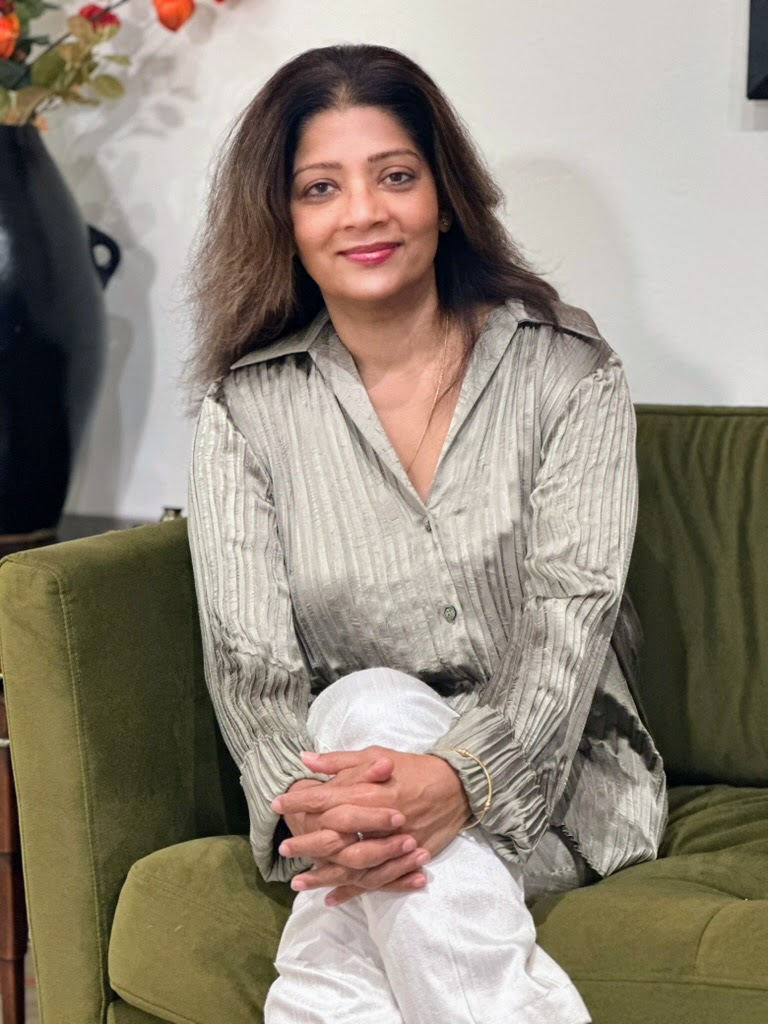
As always, we appreciate you sharing your insights and we’ve got a few more questions for you, but before we get to all of that can you take a minute to introduce yourself and give our readers some of your back background and context?
I’m a Life and Resilience Coach who partners with high-capacity women to move from quiet depletion to a steadier, more self-led way of living and leading.
I work primarily with women who are capable, thoughtful, and often carrying a lot—careers, families, transitions, expectations. Many of the women who come to me are doing “well” by most external measures, yet internally they feel tired, stuck, or disconnected from themselves. They are not in crisis—but they know something needs attention.
I came into this work after years of choosing what was necessary and familiar, before realizing I no longer wanted to live or work from survival patterns. That personal shift led me to coaching—a field I hadn’t previously been aware of, but one that immediately resonated because it mirrored the inner work I had already been doing: pausing, reflecting, and learning to lead myself more honestly.
At the heart of my work is helping women reconnect with their inner resources, clarity, emotional steadiness, and a sense of direction. Many of my clients feel depleted not because they lack capability, but because their internal energy is constantly being overridden. Through one-on-one coaching, small-group programs, workshops, and reflective experiences, I help them restore balance between thinking, feeling, and doing, so they can move forward with greater ease.
The challenges my clients bring are often subtle but deeply felt: persistent fatigue, self-doubt despite competence, difficulty setting boundaries, emotional overwhelm, or a sense of operating on autopilot. Many are navigating transitions—caregiving, divorce, leadership changes, or simply the realization that the way they’ve been living no longer feels sustainable.
What sets my work apart is that I don’t push people toward quick answers or constant action. I pay close attention to the inner signals—energy, emotion, and intuition that are often ignored in high-functioning lives. By working with these internal cues alongside practical reflection, clients begin to trust themselves again and make decisions that are aligned rather than forced.
As a result of our work, my clients typically feel more emotionally grounded, clearer about what truly matters to them, and more confident, making decisions and setting boundaries that genuinely support their lives.
I’m most proud of creating spaces where women feel safe enough to slow down, listen inward, and be honest with themselves, often for the first time in a long while. What I want potential clients, followers, and readers to know is that my work is not about fixing or reinventing yourself. It’s about reconnecting with the strength, wisdom, and steadiness that already exist within you and learning how to live and lead from that place.
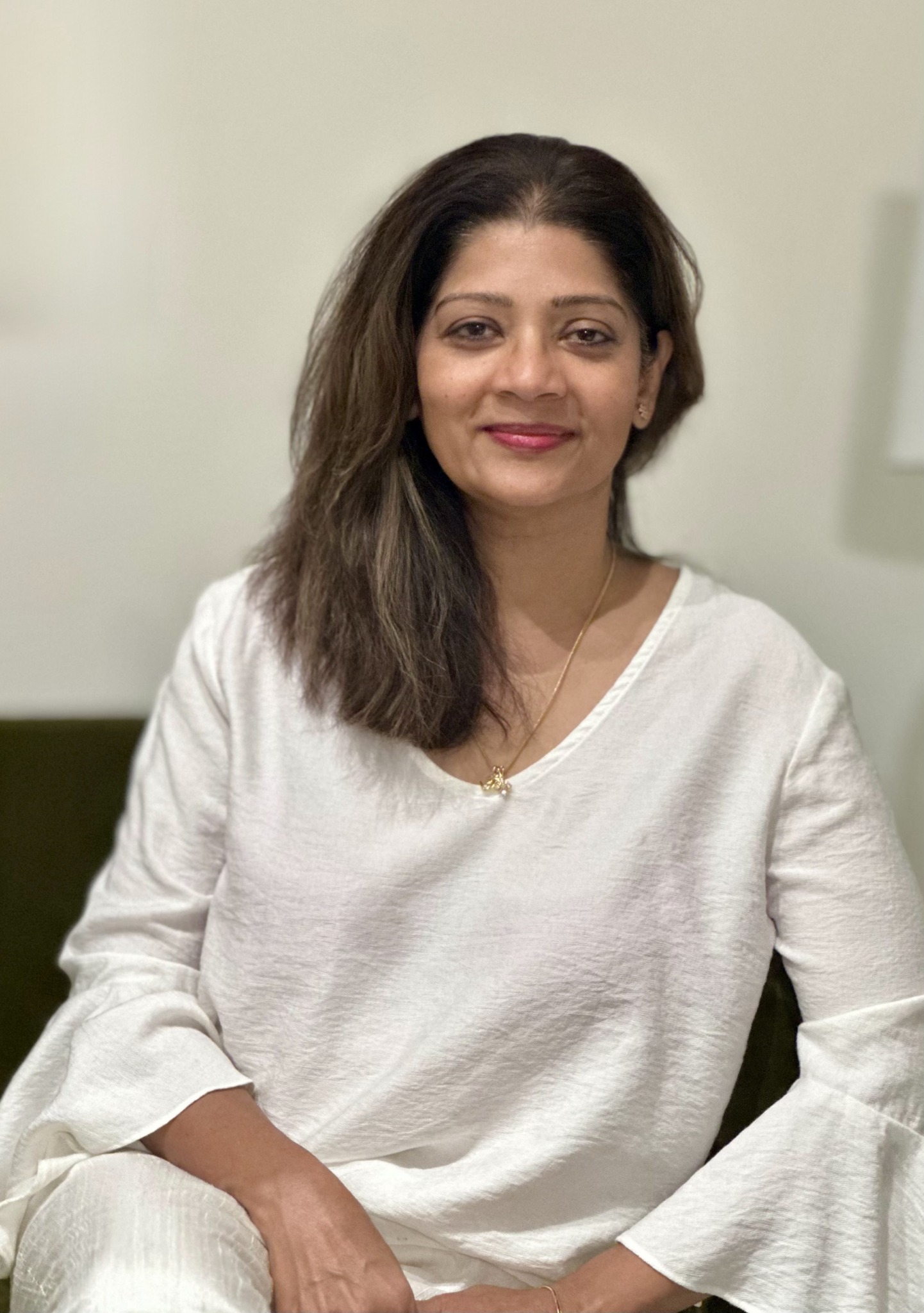
We often hear about learning lessons – but just as important is unlearning lessons. Have you ever had to unlearn a lesson?
One of the most important lessons I had to unlearn was the belief that being strong meant not showing emotion.
When I was about ten years old, I remember promising my mother that I wouldn’t cry over “silly things.” As a sensitive child, I cried easily, and somewhere along the way I internalized the idea that strength meant holding it in—staying silent, putting on a brave face, and withstanding whatever came my way. Being stoic in the face of heartbreak became something I quietly took pride in.
That belief followed me into adulthood. I learned to equate responsibility with endurance. Showing up, holding things together, and not slowing down, especially when others depended on me, felt like the right thing to do. For a long time, this way of being seemed to work. It helped me navigate challenges and meet expectations.
Over time, though, I began to notice the cost. I was functioning well on the outside, but I had become disconnected from my own emotional needs. I had grown very skilled at smiling through pain and overriding my feelings. Eventually, that constant suppression took a toll on my health, and I was first diagnosed with diabetes and later with ulcerative colitis—clear signals that something deeper needed attention.
The backstory isn’t a single dramatic moment, but a gradual reckoning. I had to unlearn the idea that resilience meant silence or self-denial. What I came to understand, instead, is that real strength means allowing yourself to feel, acknowledge, and respond to what’s happening inside, rather than simply enduring it.
Unlearning that belief changed how I relate to myself, my work, and the way I show up in the world. It also deeply informs how I support other women who have learned to be strong by staying quiet for far too long.
For anyone reading this who has been holding themselves together quietly for years, I want you to know that needing support does not make you less strong.
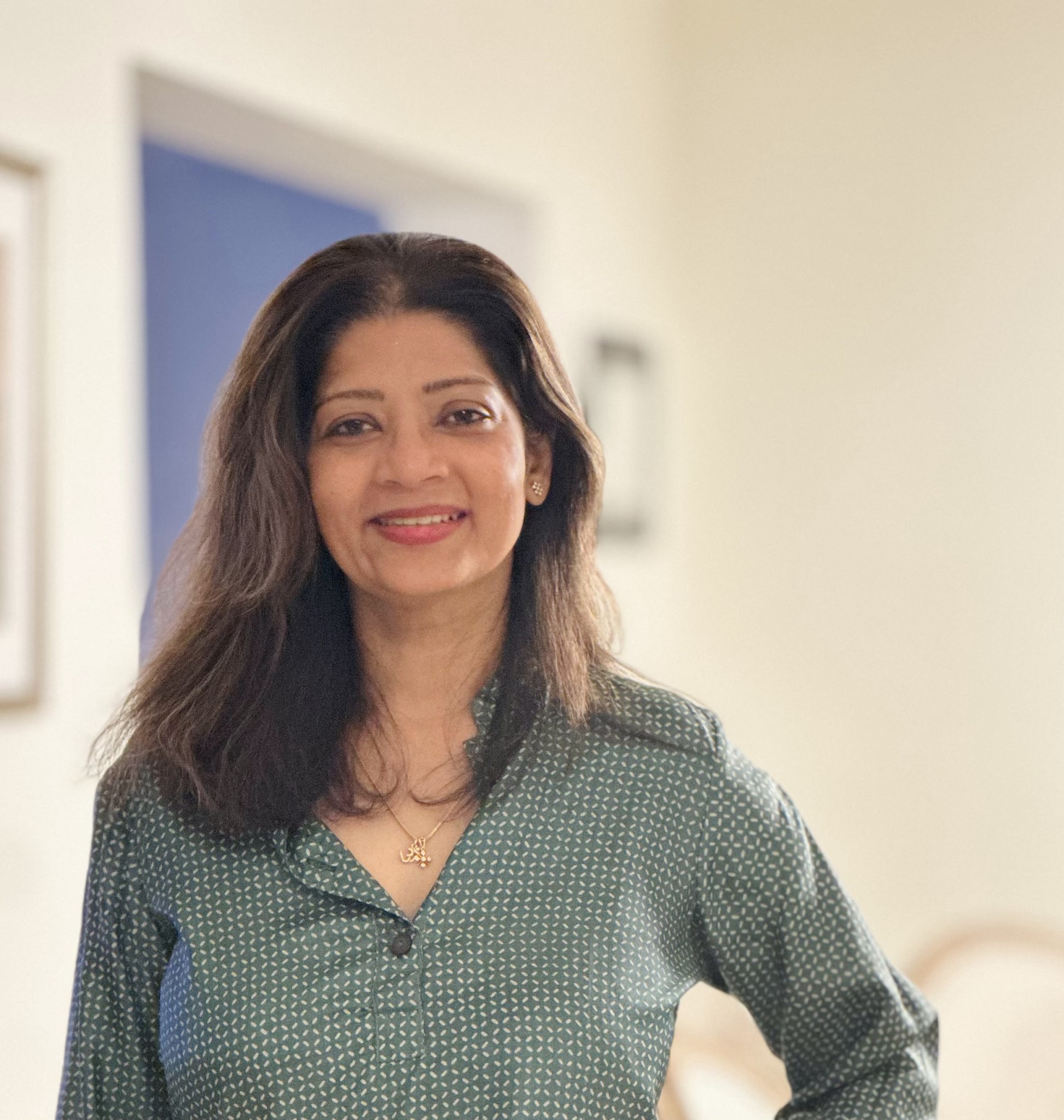
Let’s talk about resilience next – do you have a story you can share with us?
My understanding of resilience was shaped very early in life.
I grew up in a traditional city in South India with a single, divorced mother. At the time, to my knowledge, we were the only divorced family in our community. My mother was remarkable in many ways, but she also lived with deep depression for much of my childhood. As a young girl, I learned to adapt quickly—to be observant, responsible, and emotionally aware beyond my years.
Resilience, in those early years, meant learning how to stay steady in environments that didn’t always offer emotional safety or certainty. It meant finding ways to keep moving forward while carrying unspoken weight.
Years later, when I became a single mother myself, I found myself drawing on that same inner steadiness. My teenage child went through a difficult emotional period, echoing some of what I had witnessed growing up. By then, I understood that resilience wasn’t about being unaffected—it was about staying present, seeking support when needed, and responding with care rather than fear. That chapter, too, is now in the past.
What this long arc taught me is that resilience isn’t a single act of strength. It’s the ability to remain compassionate and grounded through cycles of challenge, across different seasons of life. It’s the choice to break patterns gently, rather than repeat them unconsciously.
That understanding continues to shape how I live, parent, and show up in my work today.
Contact Info:
- Website: https://www.coachmelife.com
- Instagram: https://www.instagram.com/coach.me.life/
- Linkedin: https://www.linkedin.com/in/mridulapat/
- Youtube: https://www.youtube.com/@CoachMeLife
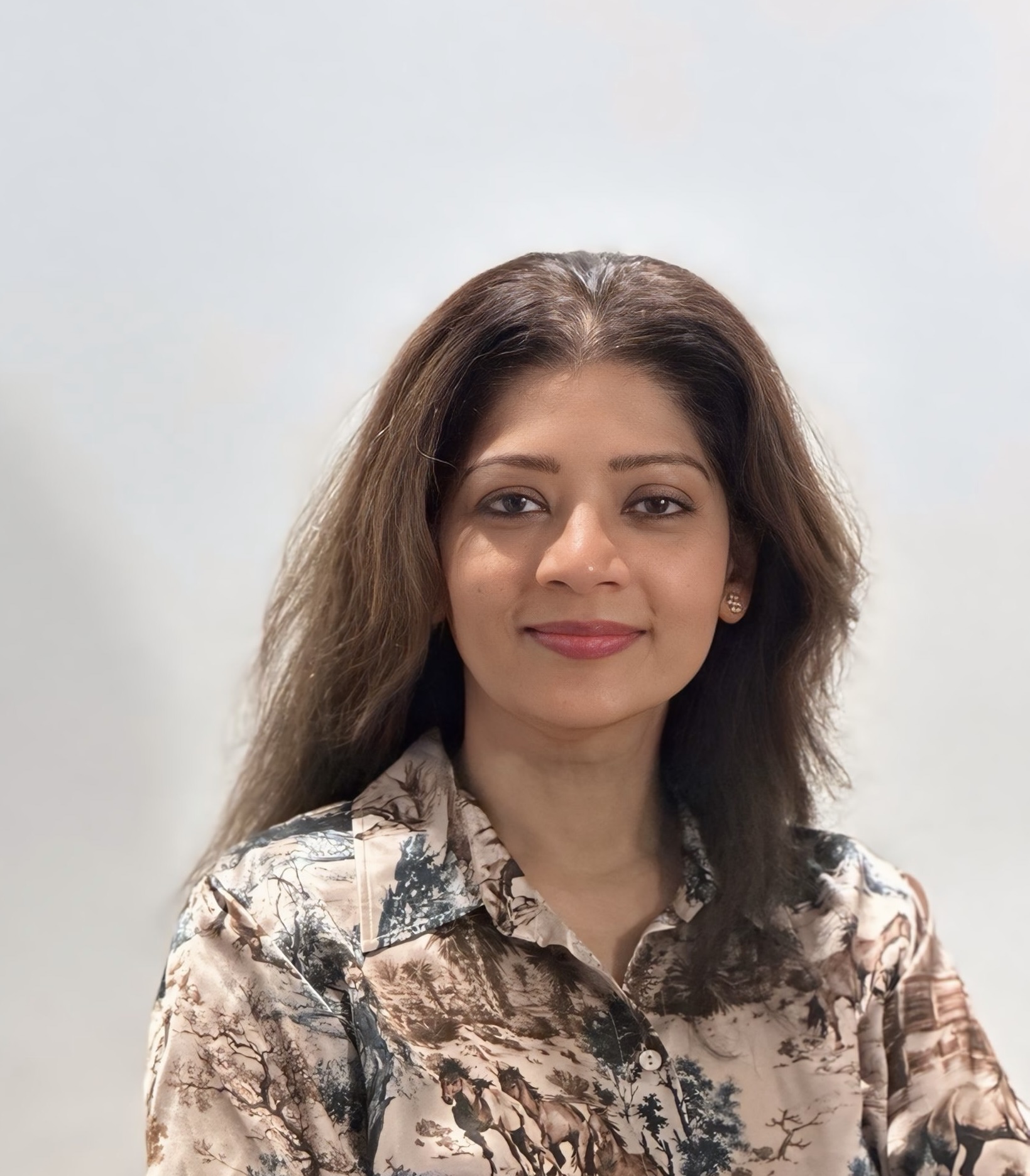
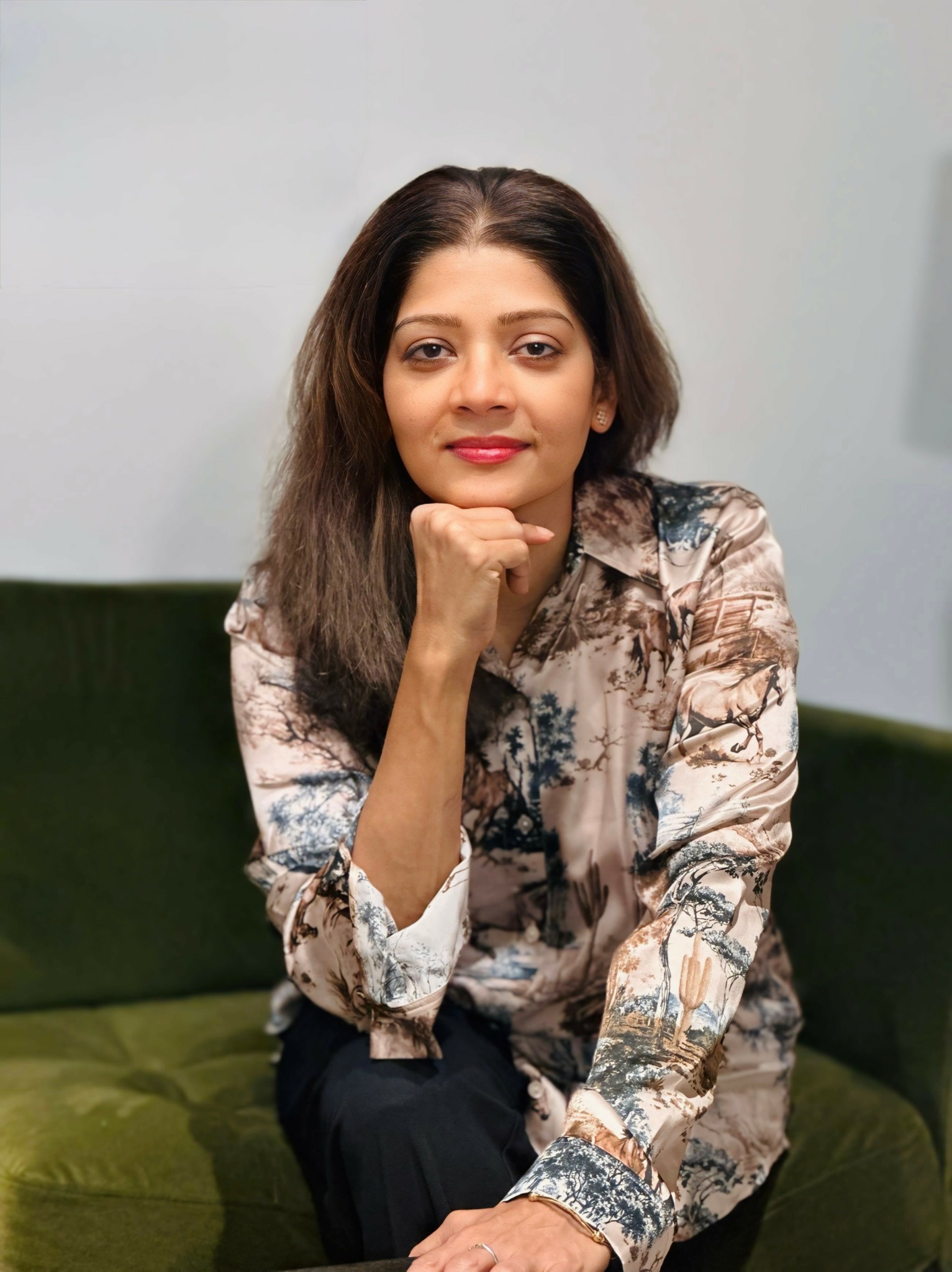
Image Credits
Bidhan Patnaik