


We recently connected with Miwa Mayemura and have shared our conversation below.
Miwa, thanks for taking the time to share your stories with us today Alright, so you had your idea and then what happened? Can you walk us through the story of how you went from just an idea to executing on the idea
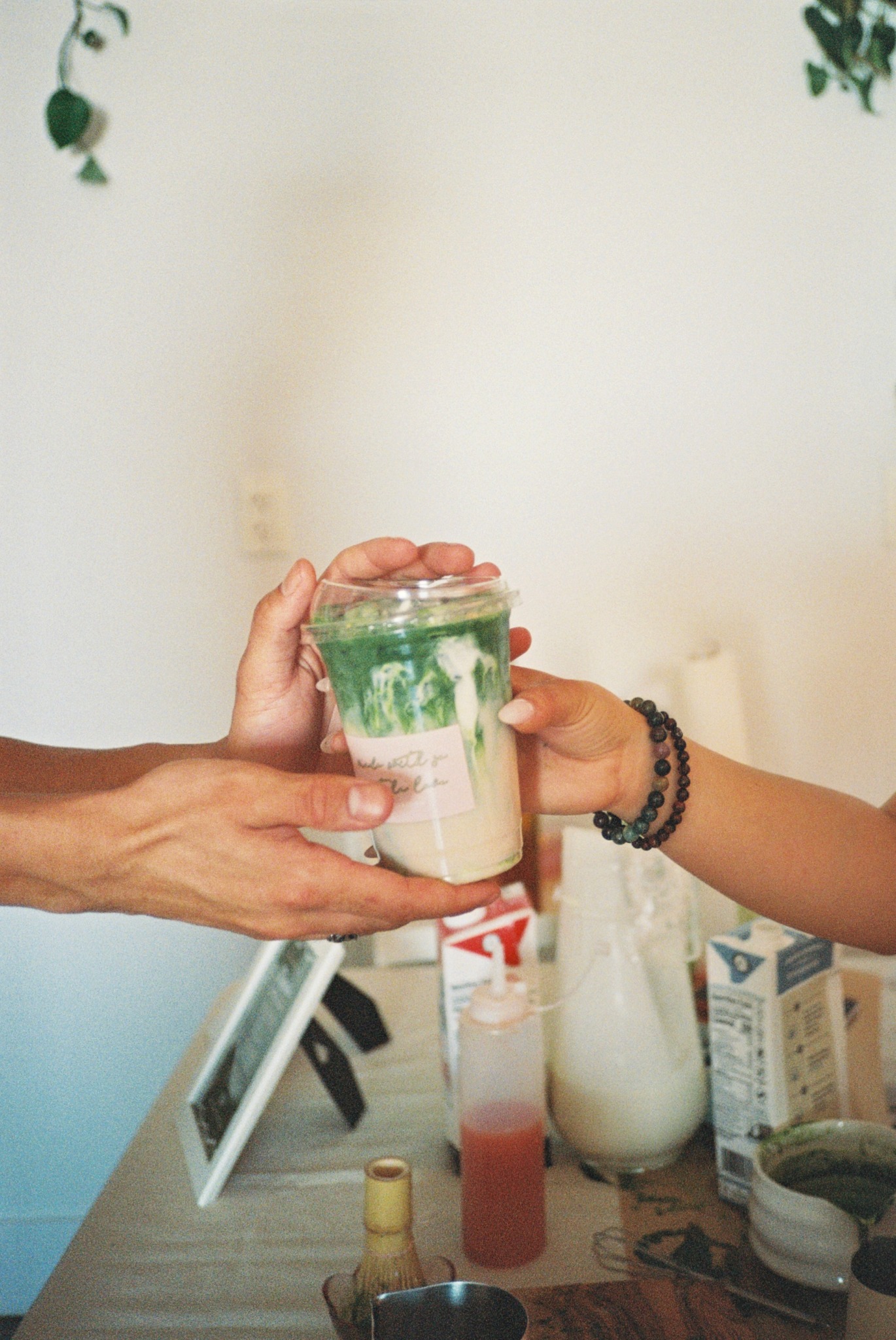
Creating Matcha Miwa from the ground up wasn’t on any of my New Year’s bingo cards. It honestly never crossed my mind that I could build a legitimate business out of making matcha lattés with uniquely handcrafted flavors. Matcha Miwa actually began as a side extension of my licensed beauty business, and my very first pop-up took place at a Lunar New Year community market I co-hosted at the studio I work out of.
Looking back, Matcha Miwa was already in the making long before the name became my personal Instagram handle years ago. At the time, I just thought the name sounded cute and flowed well, never imagining what it would eventually grow into. During the pandemic, I became a self-proclaimed at-home barista. While everyone was busy baking banana bread, I was in the kitchen experimenting with specialty tea lattés—perfecting my matcha ratios and refining my process. I’ve always loved crafting drinks and sweet treats for my friends and family. Growing up, movie nights were so fun because I’d whip up decked-out hot chocolates, extra creamy, lightly drizzled with a rich chocolate syrup, and sprinkled with mini marshmallows. My drinks definitely aren’t as sweet as they were back then, but to be honest, it was never about the drink itself. It’s always been about the experience and joy I found in making them.
Making matcha was just something I enjoyed and shared with those who were lucky enough to get a taste. I’d rave about how good my matcha was and eventually, a beauty colleague of mine—who’s like a big sister to me—encouraged me to sell it at our first event together. The idea stuck, but I was honestly really nervous. I had a lot of self-doubt and kept wondering if people would even like it. Eventually, I decided to take the leap anyway.
My first pop-up was chaotic, to say the least. I was working off a small countertop (a.k.a., one of the aesthetic cabinets we had in the studio), making every drink to order with nothing prepped ahead of time. A line started forming, and I had people writing their names down on a scratch piece of paper just so I could keep track of orders. I was whisking nonstop the entire event and completely exhausted—but guests kept circling back saying they loved the matcha, some even ordering seconds. That moment showed me there was real potential in what I was building.
After that, I didn’t rush to scale. I took time to reflect on what worked, what didn’t, and what kind of experience I actually wanted to cultivate. A few months later, I had another fast-paced pop-up opportunity at a local fitness studio, and around that same time, I began developing my own experiential concept: Sip & Slow. That’s when things really shifted for my brand.
Instead of simply serving drinks, I started intentionally designing gatherings centered around creativity, culture, and genuine human connection. Sip & Slow became my way of creating a “third space”—somewhere people could slow down, be present, and share a soft, beautiful collective energy.
I quickly learned that execution starts with committing to a physical place and a date. Once that’s secured, everything else begins to fall into place—I build around it, refine the details, and breathe life into my vision. Initially, I had pretty ambitious ideas for my first Sip & Slow, but because I wanted to trial-run the concept within the next few weeks, I decided to scale things back and keep it intimate. I rented a cozy studio loft in DTLA and invited ten of my friends to simply gather, unwind, and experience it together.
I carried a small tray around the room and whisked each matcha drink in front of guests so I could still be involved in the conversations naturally unfolding throughout the space. I also incorporated a few heartfelt reflective activities around the room like conversation cards and other small interactive elements, gently encouraging guests to reconnect with their authentic selves and find common ground with one other. My first Sip & Slow turned out better than I could have imagined. More than anything, I was just proud of myself for finally bringing the idea to life and having that first experience under my belt so I could continue building on the vision I had in mind.
From there, things began to grow more organically. Since my first pop-up in early 2025, I’ve hosted over a dozen pop-ups, private bookings, and curated experiences. Looking back, the biggest thing that moved me from idea to execution wasn’t having everything figured out—it was being willing to start before I felt ready. I had to trust my instincts, lean into what I genuinely enjoyed creating, and let that guide how my brand continues to grow.
Awesome – so before we get into the rest of our questions, can you briefly introduce yourself to our readers.
I’m a licensed esthetician and the founder of Serenaire, my beauty business that I’ve been building for the past five and a half years, as well as Matcha Miwa—my experiential matcha concept rooted in community, connection, and culture.
As a fourth-generation Japanese American woman, Matcha Miwa feels especially meaningful to me. I source my ceremonial-grade matcha from Kagoshima, Japan, which is where both of my paternal grandparents’ families are from. Being able to share something that traces back to my ancestry in that way feels really special. As my brand continues to grow, one of my long-term goals is to build more intentional relationships at the source—eventually working closely with a family farm in Kagoshima to cultivate matcha that reflects both my heritage and my creative vision, while honoring traditional Japanese practices.
My background is actually in public health and psychological science, which plays a huge role in how I approach my work. I’ve always been drawn to emotional wellbeing, shared human experiences, and community care, as well as shaping environments that foster and support them. At its core, Matcha Miwa is more than just matcha. Matcha just happens to be the medium I use to bring people together, but the deeper purpose behind it all is creating intentional spaces where people can reconnect with the present moment, experience joy, and feel at home and truly seen by those around them. Through my pop-ups and curated experiences like Sip & Slow, people are welcome to come alone or with friends, meet new people, and simply exist without any pressure.
What I offer ranges from pop-up experiences and private matcha bars to community-centered events designed with intention. Everything is handcrafted and thoughtfully curated, from the drinks themselves to the atmosphere, music, and overall experience. I put a lot of care into the tiniest details because I want to evoke a comfortable, familiar vibe that people can feel as soon as they step into the room, and hopefully leave feeling more like themselves.
What sets my work apart goes beyond the high-quality ingredients I’m using in my drinks or the unique flavor profiles I’m coming up with at 3 in the morning. It’s about the experience and the energy of the space that’s actively co-created the moment you walk through the door. The matcha is the invitation, but the feeling of warmth and connection is why people linger and what they remember walking away with.
What I’m most proud of is starting before I felt ready and allowing the brand to evolve naturally. It’s been such a process of learning to trust myself, staying aligned with what feels authentic, and creating something that reflects who I am.
We often hear about learning lessons – but just as important is unlearning lessons. Have you ever had to unlearn a lesson?
A lesson I had to unlearn is that I have to do everything on my own. I don’t—and in fact, things flow better when I don’t rely only on myself. People need community and their village. And while I’m actively creating that for others through Matcha Miwa, I’m also learning how to receive that for myself as I continue to build.
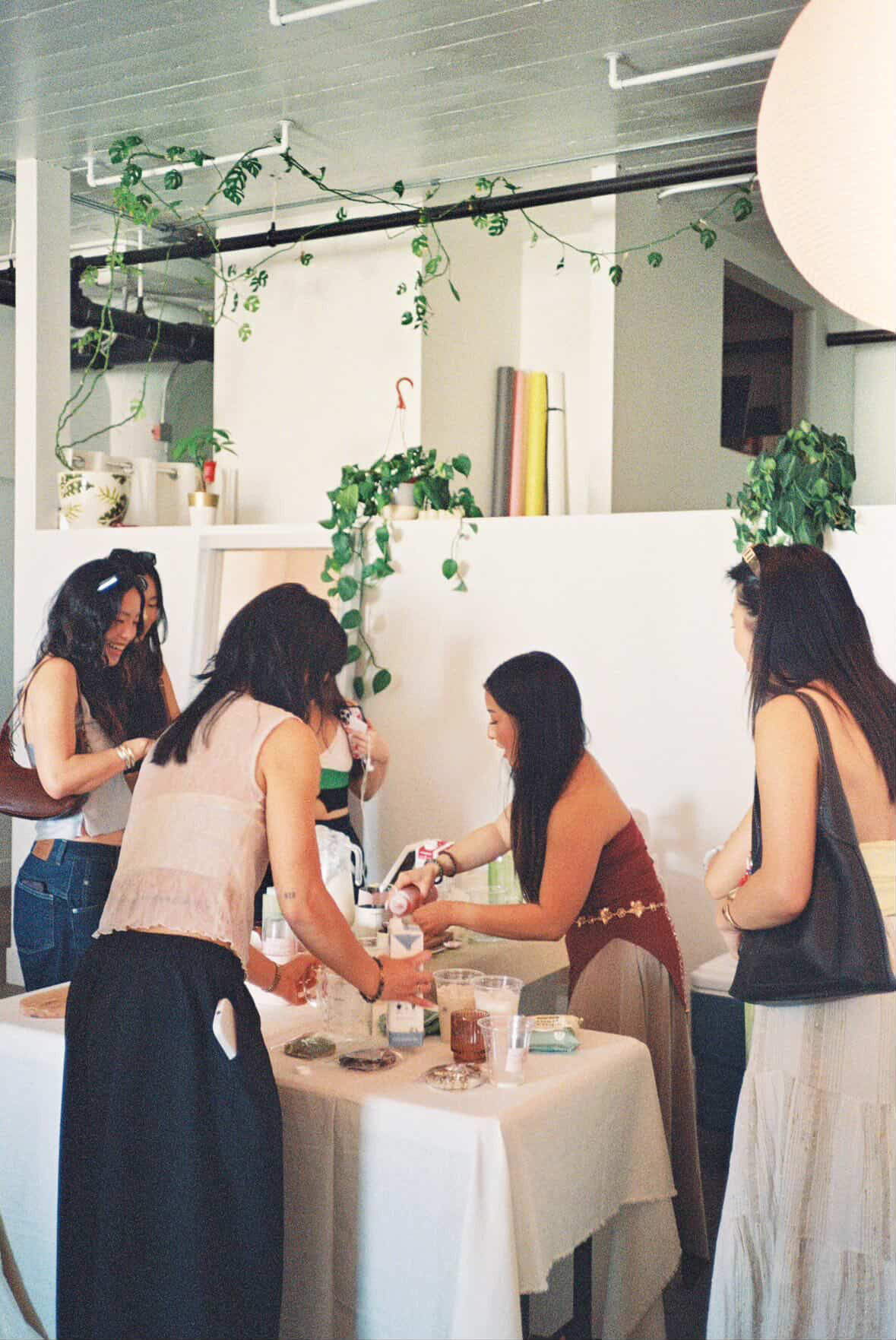
One of the biggest moments that taught me this was during one of my larger café-style events. It was one of the biggest I’ve hosted so far, with around 50 people in attendance. Most guests found the event through Partiful, so people were coming in genuinely open to the concept of a third space—showing up with friends, or even solo and leaving with new familiar faces to come back to future events with.
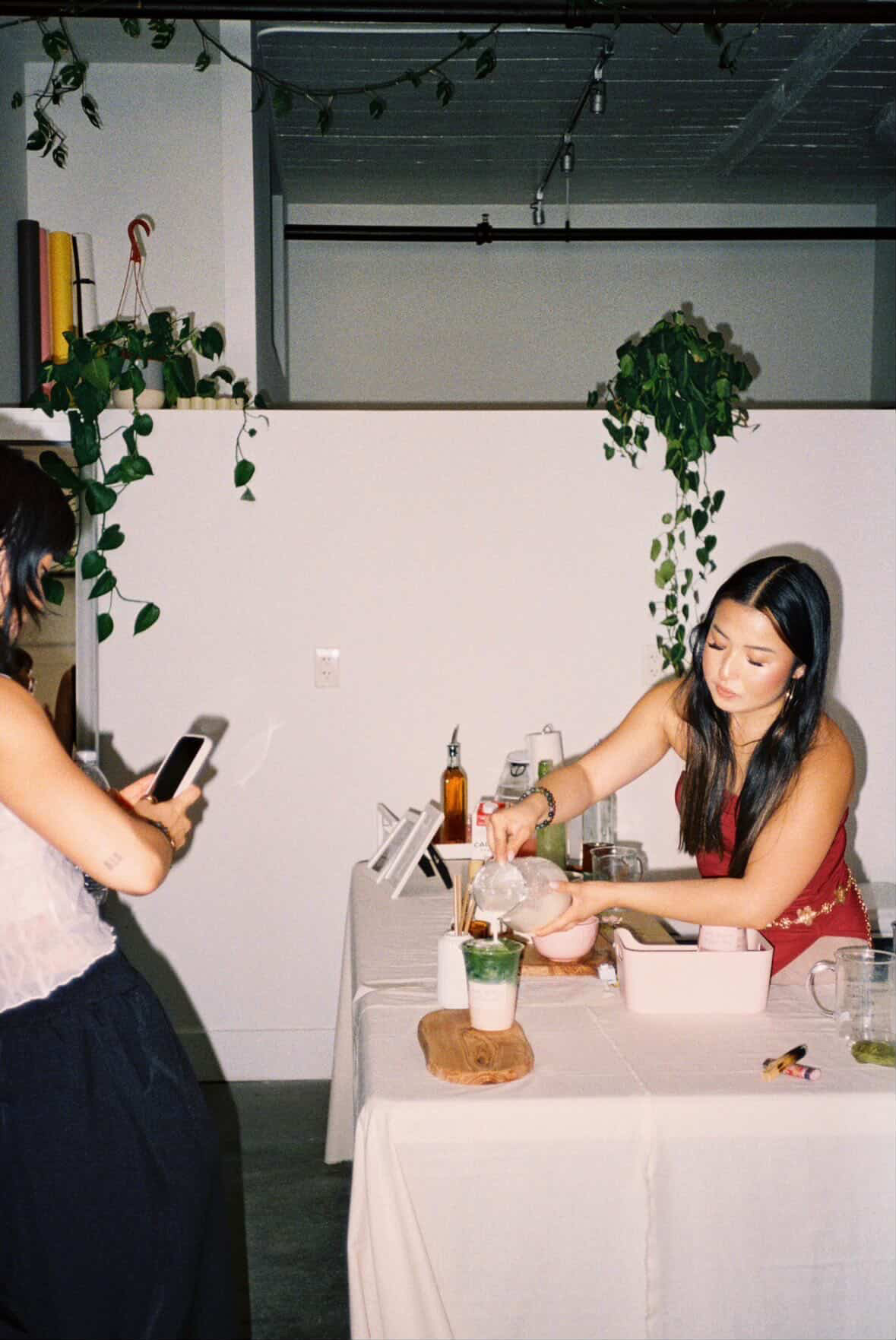
What I didn’t expect was the line that formed and stayed for almost the entire three-hour event. It felt surreal hearing guests say you could feel the energy buzzing from the hallway—the space already felt inviting before they even arrived. I was the only one behind the bar, whisking each drink individually, and I remember feeling overwhelmed because I couldn’t fully step away to host the way I had envisioned. I was worried people were waiting too long, or that I wasn’t doing enough as a host. But I had to pivot in the moment and just focus on being present with the people right in front of me—I guess you could say this was me living out the core of my brand. What ended up happening next was something I couldn’t have planned. People in line started talking, sharing a laugh, and forming conversations on their own. By the time they reached the front, you would have never guessed they had just met.
In that moment, I also had to learn how to accept help. A friend of mine, who owned the creative studio we were in, stepped in to support me throughout the event—cleaning tools, prepping milk, helping wherever she could. And that support made a huge difference. It alleviated so much of the stress I was putting on myself to do everything alone. It showed me that letting people in doesn’t take away from what I’m building… it actually allows it to grow. And just as importantly, it reminded me that connection isn’t meant to be orchestrated. You have to trust it will naturally happen when the space feels warm, welcoming, and genuine.
What do you think helped you build your reputation within your market?
What really helped build my reputation was focusing on cultivating real community rather than just serving the matcha itself.
Fast-paced pop-ups can overwhelm me pretty quickly, which is actually what pushed me to create something different. I started designing experiences with people like me in mind—people who crave connection, slower moments, and spaces that feel intentional. I kept telling myself, “If I like the spaces I’m building, I know there will be others who will too.” That required a bit of what I’d call a delusional level of self-belief, but I’m really proud of myself for leaning into my ideas before I ever felt ready.
From my first pop-up—where I was figuring things out in real time—to now hosting multiple events each month and building a growing community, a lot of that growth has come from people actually feeling something when they show up and wanting to come back and share the experience with others.
Alongside Sip & Slow, the faster-paced pop-ups I’ve been doing at local yoga, pilates, and fitness studios have also played a big role in building that familiar sense of community. Being in these environments regularly has allowed me to connect with people in a more natural, ongoing way. Because I’ve continued returning to some of these studios, those relationships have grown over time, and it’s been really rewarding to watch things grow organically through word of mouth in such a short amount of time.
Contact Info:
- Instagram: @sipmatchamiwa
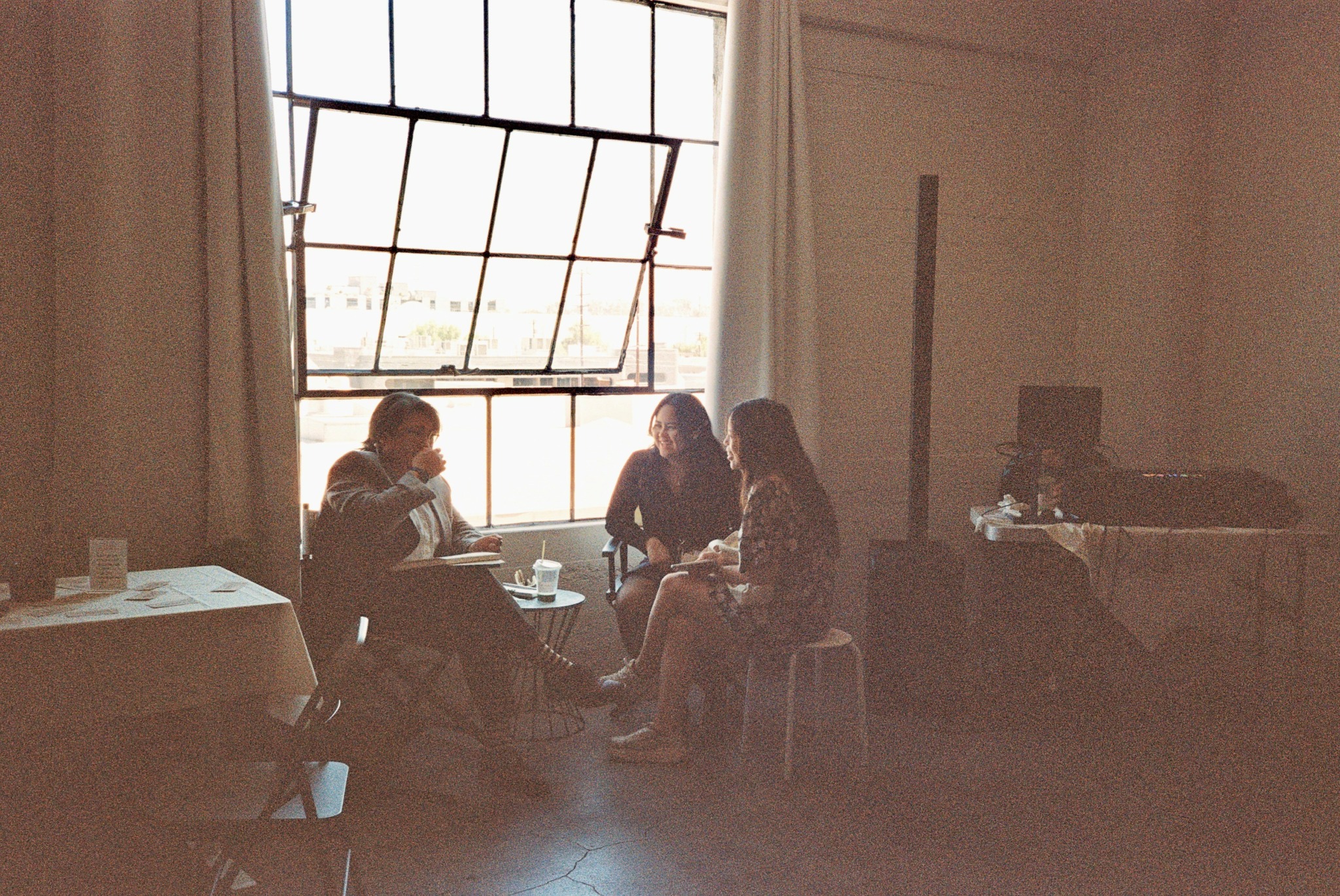
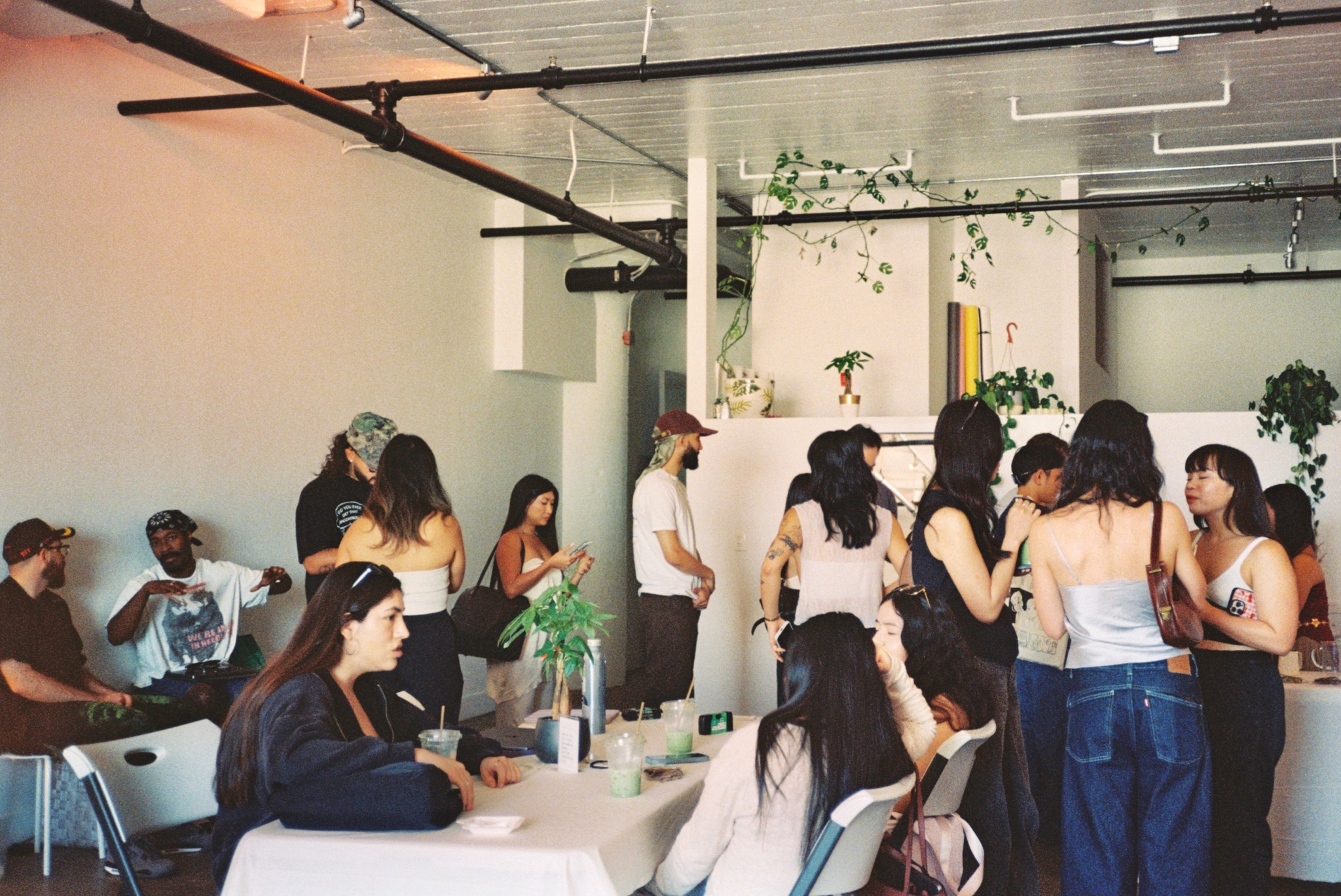
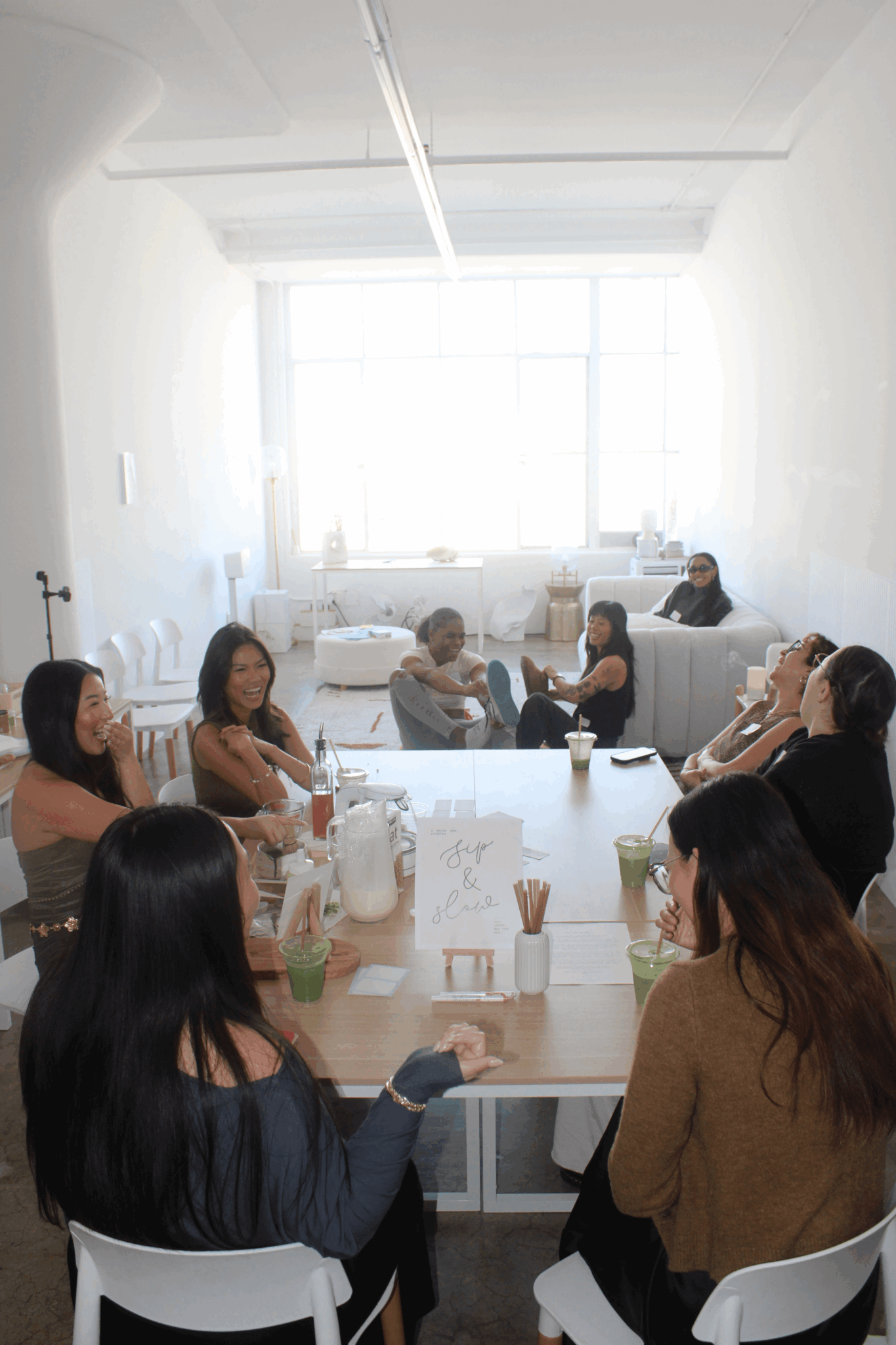
Image Credits
Christine Kang
Brandon Herrera