



We were lucky to catch up with Miriam Zylberglait recently and have shared our conversation below.
Miriam, thanks for taking the time to share your stories with us today If you had a defining moment that you feel really changed the trajectory of your career, we’d love to hear the story and details.
One defining moment in my professional career was the realization that I wasn’t feeling fulfilled by the traditional healthcare system. Despite dedicating over two decades to medicine, I found a misalignment between my values and the constraints of the system. This misalignment became increasingly apparent as I yearned to provide patients with a comprehensive approach to care, one that extended beyond rushed consultations and standardized protocols.
The turning point came when I recognized the limitations of trying to change the system from within. Despite my efforts, it seemed impossible to reconcile my beliefs with the established practices. That’s when I made the courageous decision to create my own path. I founded my clinic, a place where I could embody the principles of care that I hold dear.
In this clinic, I have the freedom to spend ample time with each patient, listening to their unique stories and tailoring treatments to their individual needs. It’s a place where protocols take a backseat to personalized care, and where I can truly make a difference in the lives of those I serve.
This moment not only changed the trajectory of my career but also reignited my passion for medicine. Now, as both a woman and a doctor, I am proud to provide the level of care that every patient deserves, and I find immense fulfillment in knowing that I am staying true to my values while making a meaningful impact in healthcare.
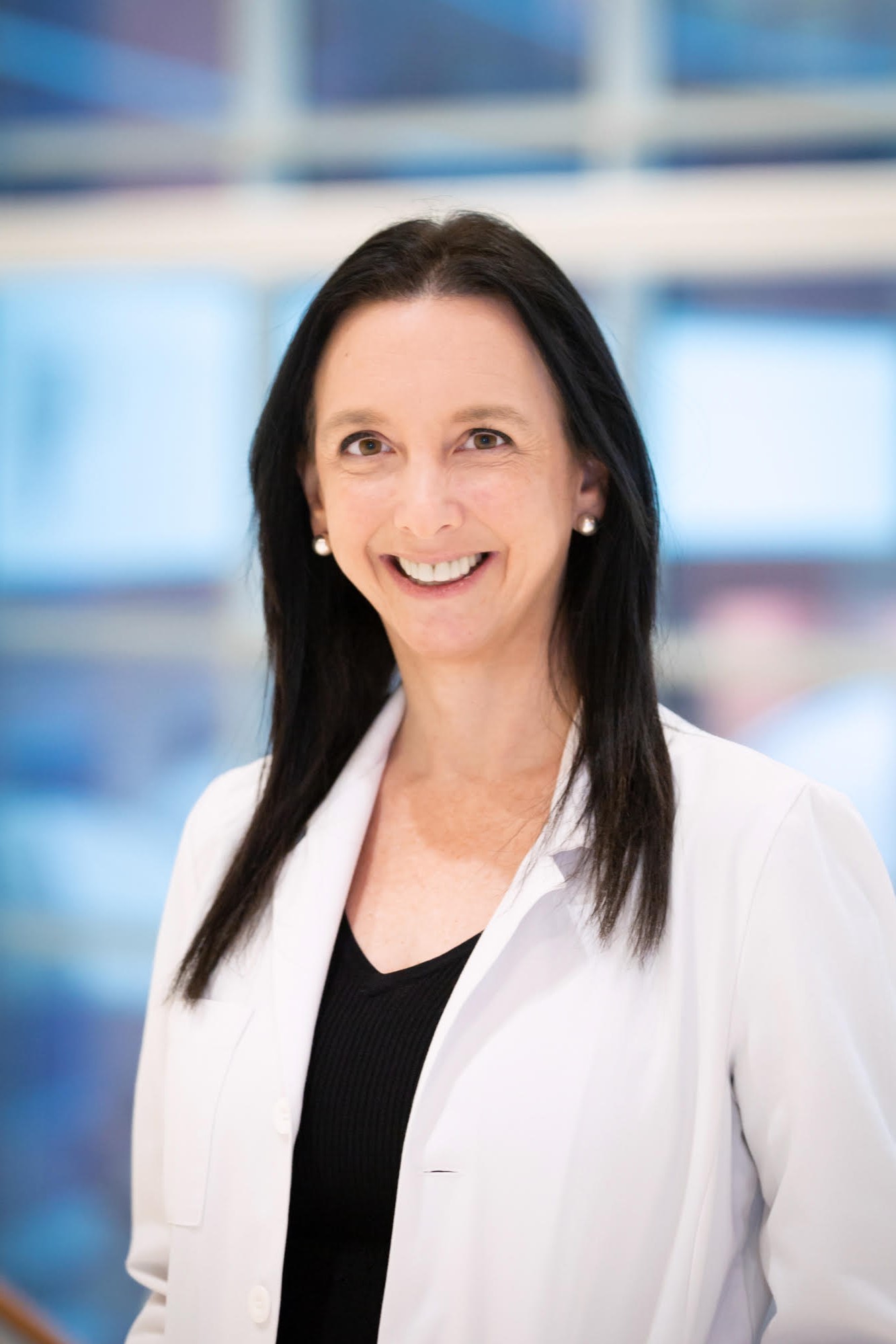
Miriam, love having you share your insights with us. Before we ask you more questions, maybe you can take a moment to introduce yourself to our readers who might have missed our earlier conversations?
I completed a fellowship in Leadership Education and Development, certification as Mental Health Ally, and training as Chief Wellbeing Officer with the World Happiness Foundation.
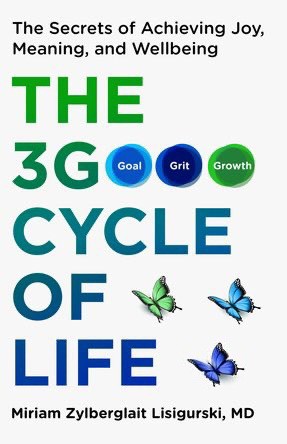
I am the author of the #1 Best Seller Book “The 3G Cycle of Life: The Secrets for Achieving Joy, Meaning, and Well-being”, which has been awarded at the 17th Annual National Indie Excellence® Awards (NIEA-2023), and received the Golden Medal Florida Authors and Publishers Association’s Annual President’s Book Awards (FAPA-2023). I had the pleasure to publish the child’s version of the book “The 3G Cycle Quest! The Epic Adventure of the 3G Explorers” which was co-authored with my two sons.



Other than training/knowledge, what do you think is most helpful for succeeding in your field?
In addition to training and knowledge, I believe that emotional and cultural intelligence, empathy, and compassion are indispensable for succeeding in the field of medicine, especially considering the context of creating a clinic aligned with personal values.
Emotional intelligence allows physicians to understand and manage their own emotions effectively, which is crucial when facing the complexities and challenges of patient care. It also enables them to empathize with their patients, recognizing and validating their feelings and experiences. This ability to connect on an emotional level fosters trust and rapport, essential elements of a successful doctor-patient relationship.
Cultural intelligence is equally important, particularly in a diverse healthcare landscape. It involves the ability to navigate and respect the cultural norms, beliefs, and values of patients from various backgrounds. By demonstrating cultural sensitivity and understanding, physicians can ensure that their care is inclusive and respectful of each patient’s cultural identity.
Empathy and compassion are the cornerstones of patient-centered care. Empathy involves understanding and sharing the feelings of another, while compassion drives action to alleviate suffering and improve well-being. In the context of a clinic founded on personalized care, these qualities are paramount. They enable physicians to approach each patient as a unique individual, with their own set of needs, preferences, and concerns.
By embodying emotional and cultural intelligence, empathy, and compassion, physicians can not only provide high-quality care but also create a clinic environment that values and prioritizes the well-being of both patients and healthcare providers. These qualities not only contribute to professional success but also foster a sense of fulfillment and purpose in serving others.
Learning and unlearning are both critical parts of growth – can you share a story of a time when you had to unlearn a lesson?
A lesson I had to unlearn was the notion that as a physician, I was somehow immune to burnout, and that sacrificing my own well-being for the sake of others was noble or necessary. The backstory to this realization is rooted in the pervasive myth of the “superhero doctor” – the belief that physicians should be able to handle immense pressure, long hours, and emotional strain without showing signs of weakness or needing support.
However, the truth is that burnout exists across all professions, affecting doctors, parents, lawyers, CEOs, teachers, firefighters, and countless others. We are all human, susceptible to stress, fatigue, and emotional exhaustion. Ignoring our own needs and pushing ourselves to the brink in the name of empathy and compassion ultimately leads to burnout, jeopardizing not only our well-being but also our ability to provide effective care to others.
The lesson I had to unlearn was that self-care is not selfish, but rather essential for maintaining resilience and compassion in the face of challenging circumstances. Just as flight attendants instruct passengers to put on their own oxygen masks before assisting others, we must prioritize our own well-being in order to be fully present and effective in our roles.
Recognizing this lesson required a shift in mindset – from viewing self-care as a luxury or an afterthought to understanding it as a fundamental aspect of professionalism and ethical practice. By acknowledging my own humanity and limitations, I am better equipped to set boundaries, seek support when needed, and cultivate resilience in the face of adversity. In doing so, I am not only taking care of myself but also ensuring that I can continue to serve others with empathy, compassion, and integrity.
Contact Info:
- Website: www.virtualwellbeingmd.com
- Linkedin: https://www.linkedin.com/in/drzmd/