



We recently connected with Mir Garvy and have shared our conversation below.
Mir, looking forward to hearing all of your stories today. Taking care of customers isn’t just good business – it is often one of the main reasons folks went into business in the first place. So, we’d love to get a conversation going around how to best help clients feel appreciated – maybe you can share something you’ve done or seen someone do that’s been really effective at helping a customer feel valued?
We operate a long-cycle business. Unlike industries where customers return weekly or monthly, our client may not need us again for several years—often at a pivotal moment, like a chance for a promotion or immediately following a layoff. For that to happen, three things must be true: they had real success, they connect that success to our work together, and they believe we were worth the investment.
That’s why we’ve built appreciation directly into every step of our process and we go out of our way to find out if clients are unclear about next steps, frustrated with their experience, or are having reservations or even anxiety about their upcoming job search.
That means we check in early and often: Are you happy with the direction of your resume so far? What questions do you have for me? What could we be doing better? There’s a statistic that says for every one complaint, there are 26 unhappy but silent customers. As a business owner, that fact will keep you up at night! So instead of wondering if a client is or isn’t happy with our services, we proactively ask them—at defined milestones throughout every project. I don’t want to wait until we’re wrapping up to ask. If we’re off track, I want to know that right way—so I can pull us back on track immediately.
In practice, here’s what that looks like: Midway through the project, I personally call every client to check on their experience. At the end, we send a thoughtful thank-you package by mail, followed by a 60-day check-in to make sure they’re seeing traction in the real job market. We also provide resources beyond the resume itself—a 20-page job search guide, a job search tracking tool, and a series of tutorial videos about networking—so clients feel supported, not just serviced.
I want to make sure our clients don’t feel like “just a transaction.” I want our clients to know that we’re invested not just in delivering documents, but in their long-term career success.
And years later, when they need us again—or when a colleague asks for a referral—they’ll remember us.
Great, appreciate you sharing that with us. Before we ask you to share more of your insights, can you take a moment to introduce yourself and how you got to where you are today to our readers.
I’m the founder of Job Market Solutions, a 15-year-old career services firm. Although my team supports professionals nationwide, we maintain a virtual presence in several key markets: Raleigh, NC; Seattle, WA; Boston, MA; Irvine, CA, Austin, TX, and Greenville, SC.
At our core, we do two things: we write and we coach.
On the writing side, we create strategic resumes, LinkedIn profiles, and cover letters that position our clients clearly and competitively in today’s market. On the coaching side, we help with career mapping, networking strategy, interview preparation, and salary negotiation. Some clients come to us for documents. Others need deeper guidance. Most request both.
We work with professionals at every level—from college students and early-career candidates to senior leaders and executives—across industries and job functions. While some clients contact us to have an updated resume on file, most people reach out at a transition point: a promotion, a layoff, a career pivot, a return to work, a graduation. They need clarity about where they’re headed and confidence in how they present themselves.
Most people don’t struggle because they lack experience. They struggle because they don’t know how to articulate their value in a way that resonates in a competitive, increasingly digital job market. They’re too close to their own story. They undersell themselves. Or they feel overwhelmed by modern hiring systems and expectations.
What sets us apart is that we don’t treat this as a transactional writing service. It’s taken years for us to build a highly intentional, milestone-based process that emphasizes communication, feedback, and reflection. We guide clients through the difficult tasks of quantifying their successes with metrics, being specific about their accomplishments, and connecting the dots across their career history. By the time their documents are complete, something shifts. They’re not just holding a stronger resume. They’re speaking about themselves differently and they feel more confident.
I’m proud that much of our business comes from referrals and repeat clients who circle back years later. That only happens because our work holds up in the real world and our clients feel genuinely supported.
If there’s one thing I want potential clients to know, it’s that we care deeply about outcomes, not just deliverables. Whether clients take the time to give us a five-star review or not, I want them to look back and know their time working with us helped move their career forward.

What do you think helped you build your reputation within your market?
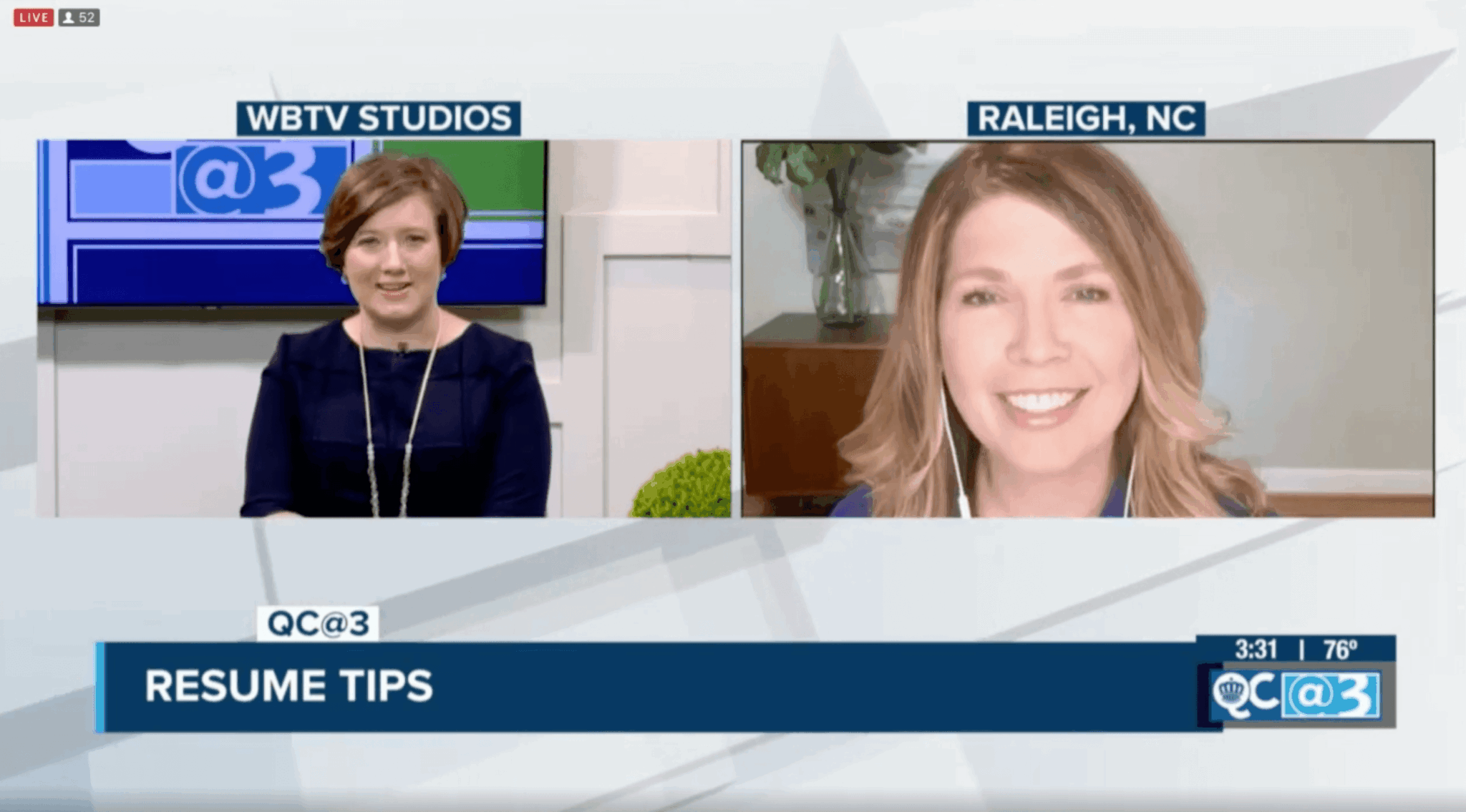
I am a go-to resource for media outlets, who reach out to me for commentary on hiring trends, layoffs, and job search strategy. Being featured as an expert voice reinforces that we’re not just writing resumes—we understand the broader employment landscape.
In addition, downsizing companies have trusted us to support impacted employees. That’s a responsibility we take seriously. When an organization brings us in to guide their team through career transitions, it reflects confidence in our ability to provide practical support at a time when people can be emotionally charged.
And then there’s the most important piece: word of mouth.
A significant portion of our business comes from referrals and repeat clients. People leave thoughtful online reviews. They tell colleagues. They come back years later when they’re ready for their next move. That kind of organic growth doesn’t happen through marketing alone. It happens when people had a genuinely positive experience and the work delivered results.
What’s been the most effective strategy for growing your clientele?
Over the years, I have experimented with all kinds of marketing—sponsoring local events, hosting seminars, guesting on podcasts, paid PR, social media campaigns, and email marketing. Honestly, very few of those efforts have translated into new clients. What has consistently worked for us is two things: organic search and client referrals. When someone finds us through Google or comes recommended by a past client, that’s when they’re ready to invest in our services.
I see this as a positive, actually. It reflects the fact that our reputation has been built over more than 15 years of consistently helping people achieve real results in their careers. Clients come to us because they trust that we deliver value, and past clients often refer friends and colleagues because of that experience. In a way, the business has grown in the most sustainable way possible: through proof of success rather than marketing hype.
Contact Info:
- Website: https://jobmarketsolutions.com/
- Linkedin: https://www.linkedin.com/in/mirgarvy/

Image Credits
Professional headshot by Season Moore Photography.