



We caught up with the brilliant and insightful Ming Li a few weeks ago and have shared our conversation below.
Ming , thanks for joining us, excited to have you contributing your stories and insights. What were some of the most unexpected problems you’ve faced in your career and how did you resolve those issues?
There was a time when I had a misalignment with the PM regarding design options for a project, and we decided to conduct a remote usability test to validate our choices. The challenge was that it was an urgent project with a tight timeline—only two days left for delivery—because we aimed to launch quickly and gain an edge in the market.
To meet the deadline while obtaining solid results to support our decision-making, I proposed a plan. I suggested sending the prototype to users for self-testing and gathering their feedback through a survey. This approach allowed us to collect the data we needed efficiently, avoiding the time-consuming process of 1-on-1 usability testing. The PM was very pleased with this plan as it saved significant time.
I broke the project into several tasks and collaborated with the PM to divide responsibilities. The PM crafted the survey, while I created the prototype. We used Trello to track task progress. To minimize prototype work without sacrificing quality, I prioritized the most relevant features on the page, focusing only on those for the prototype.
This plan allowed us to prepare all the materials and send them to users within one day. On the second day, we collected the feedback and data. The results showed that 90% of the users supported one of the options we had. We were thrilled to move forward with that option and successfully launch it online.
Ming , love having you share your insights with us. Before we ask you more questions, maybe you can take a moment to introduce yourself to our readers who might have missed our earlier conversations?
I got into the field of digital product design because I saw how impactful product design can be in making the world a better place. This interest started during my college years when I enrolled in an HCI program, where one of our assignments was to build an app. I collaborated with an animal welfare organization to develop an app that helps save homeless cats. A few months after its launch, we successfully saved hundreds of cats. This experience solidified my decision to become a product designer.
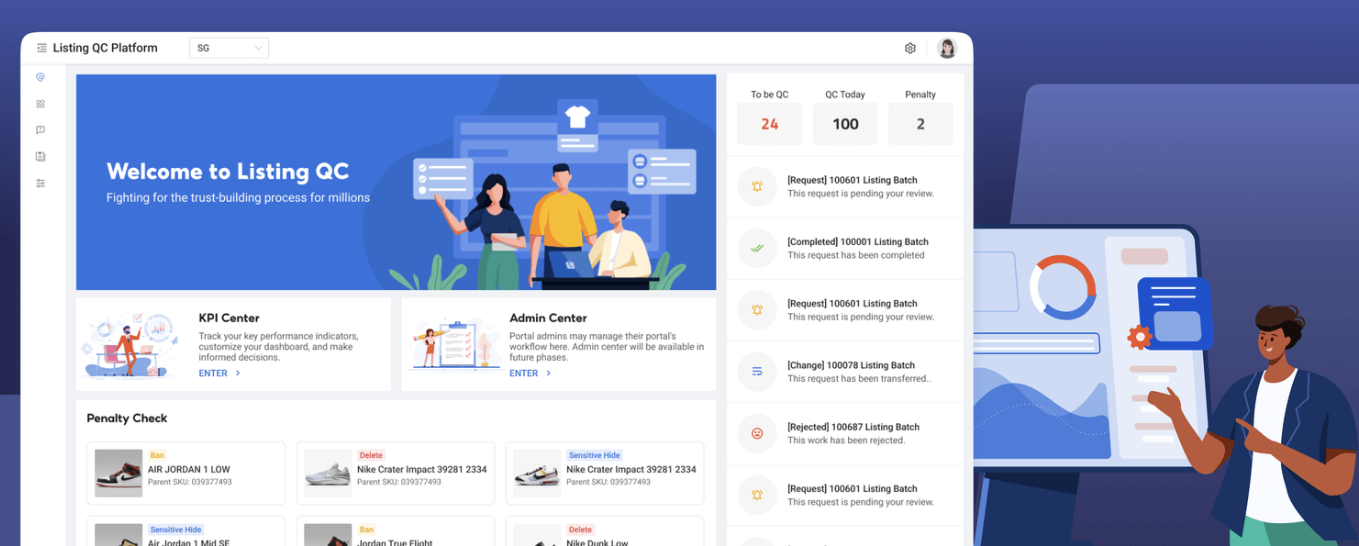
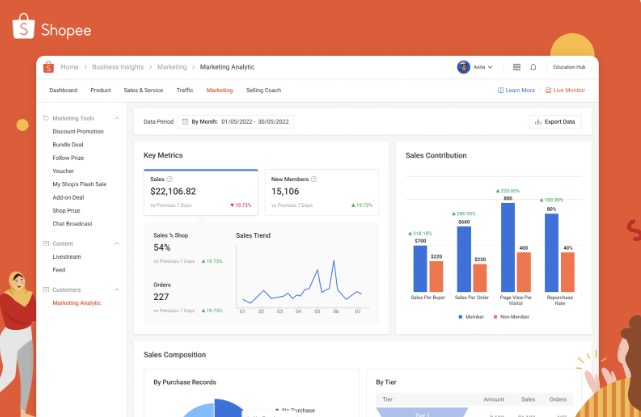
I have been working in this field for around seven years, primarily in the B2B space. Most of my time was spent at an e-commerce company, where I designed for the seller experience—ranging from uploading listings and managing orders to gaining insights from their data. I also worked on various internal tools, including QA tools for listings and data visualization tools for marketing strategies.
One of the accomplishments I’m most proud of is my proposal to build a bridge for connecting users at Shopee. At Shopee, we had limited resources for conducting user research, so I created the “Voice of User” channel to continuously gather feedback from backend teams. After setting it up, we received many valuable initiatives and project ideas, helping the company save 70% of manpower.
We’d love to hear a story of resilience from your journey.
There was a time when I was assigned to a highly technical product team with no prior UX maturity—there was no PM or designer before, and I collaborated directly with engineers. Our first meeting was challenging because they were unfamiliar with the design process and also struggled to craft a PRD (Product Requirements Document).
To build a strong collaborative relationship and increase UX maturity within the team, I developed two strategies to help the project succeed:
1. Building Trust by Solving Problems
I aimed to build trust by proactively addressing their challenges. For example, I noticed they had difficulty creating a PRD. I leveraged my design visualization skills to translate their technical concepts and data definitions into visual formats, crafting early-stage wireframes to express their ideas. This approach gave us a “mini PRD” that made it easier to communicate with other stakeholders. The team really appreciated this support, which helped us establish a solid trust-based relationship.
2. Promoting User-Centric Thinking
I also focused on fostering user-centric thinking within the team by involving users through usability testing. At times, we faced design disagreements—for instance, the engineers believed that more features and data on the homepage would be better. However, usability testing revealed that users preferred a simpler, more intuitive design. Over time, this process helped the team understand the value of user-centered design principles and adopt them in their work.
By implementing these two strategies, I successfully built a smooth collaborative relationship with the engineering team and elevated the UX maturity of the group. Together, we created three impactful cybersecurity products.
Key Learning
The biggest lesson I took from this experience is that solving stakeholders’ problems early on is an effective way to build trust. Establishing trust helps new teams onboard quickly and collaborate more efficiently.
Learning and unlearning are both critical parts of growth – can you share a story of a time when you had to unlearn a lesson?
I like to say: “Shoot first, and aim later.”
The backstory is that I was always trying to improve my public speaking skills. I studied a lot of material, but I couldn’t see any significant improvement. So, I sought help from my manager. He told me that I didn’t need to keep reading endless books or materials behind the scenes—instead, I should learn by doing: “Shoot first, and aim later.” He encouraged me to sign up for public speaking sessions to practice in real situations.
I took his advice and began signing up for design talk sessions. It was really challenging at first, and I felt incredibly nervous. However, throughout the preparation process, I improved significantly and performed well in the actual session. In the end, I received a 4.3 out of 5 rating.
Since then, I’ve embraced the philosophy that “shoot first, and aim later” is the best way to learn and grow. It’s a mindset I always remind myself to follow—learning by practice and refining along the way is a principle I continue to live by.
Contact Info:
- Website: https://mingli.webflow.io/
- Linkedin: https://linkedin.com/in/mingli7
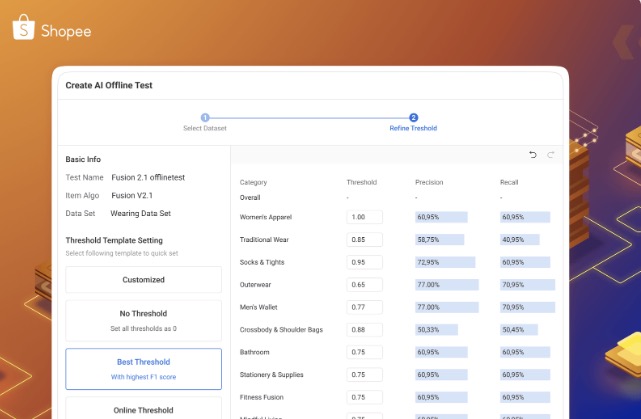
Image Credits
Ming Li