
Alright – so today we’ve got the honor of introducing you to Miles Hobbie. We think you’ll enjoy our conversation, we’ve shared it below.
Miles, thanks for taking the time to share your stories with us today Can you talk to us about a project that’s meant a lot to you?
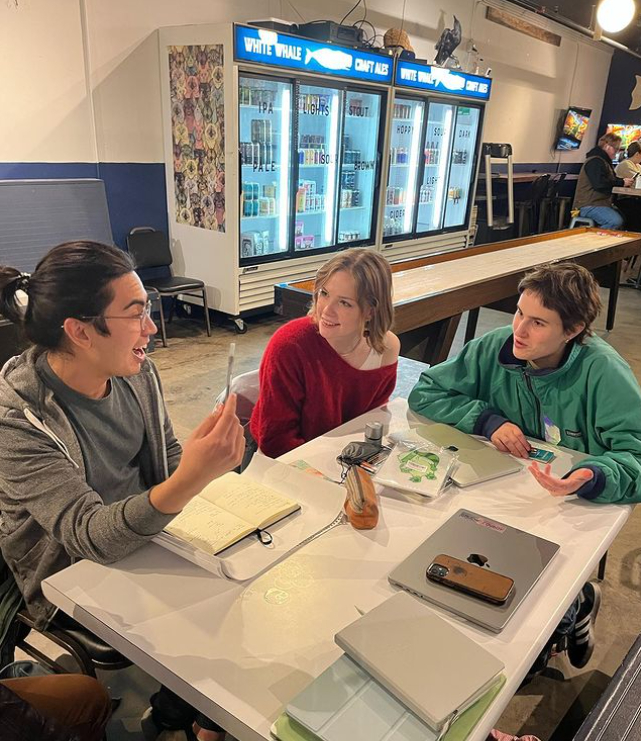
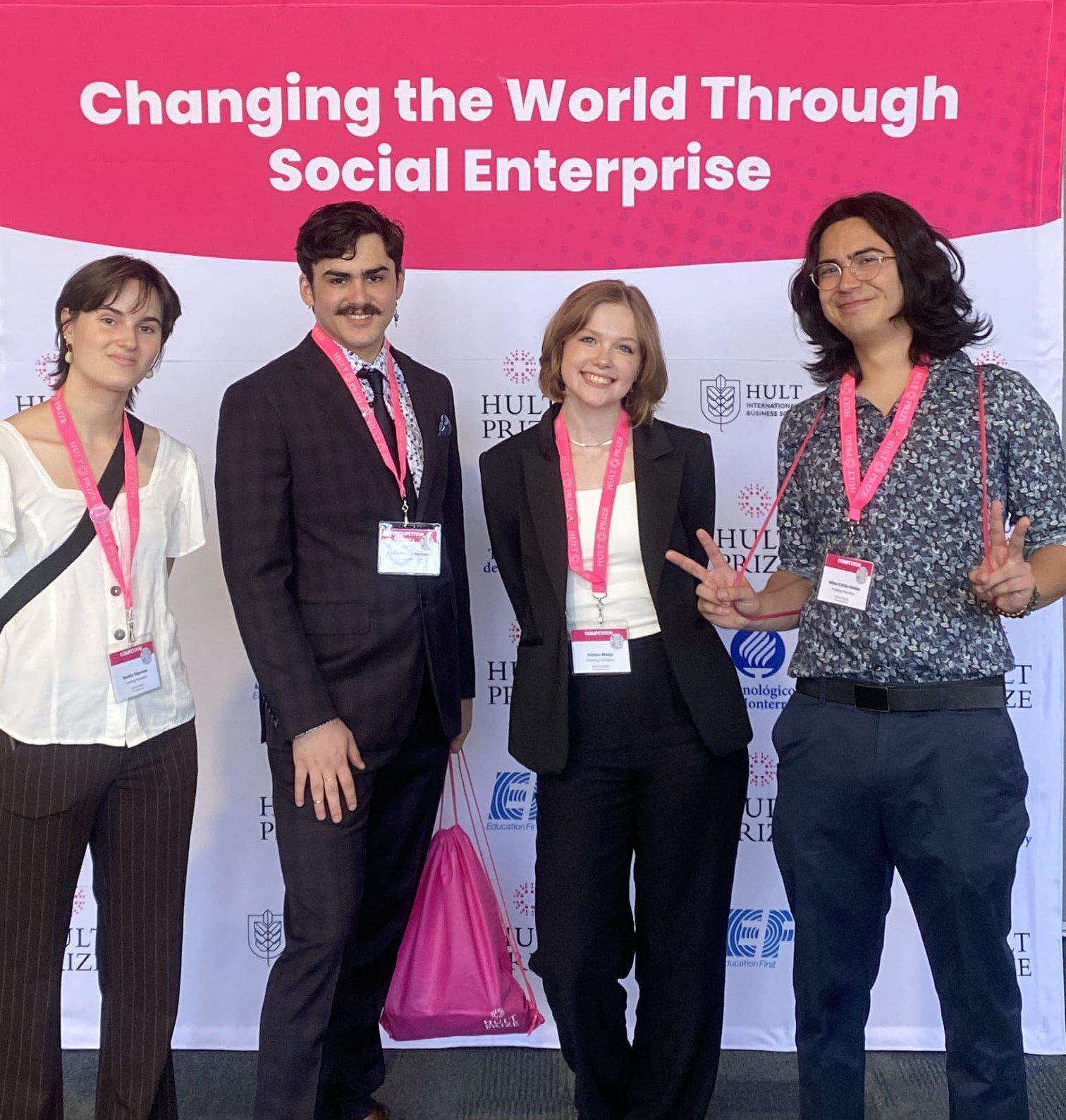
One of my most meaningful projects that I’m currently working on is outdoor equipment for migrants in the Americas. With my teammates Saskia Eberman, Emma Wosje and Avery Boone Jackson, we decided to try to design solutions for the most vulnerable. What we found was that some of the most preventable causes of deaths were happening at shocking rates along migrant routes such as the Darien Gap. Deaths from flooding, fatigue, and lack of outdoor experience are increasing every year as a result of larger systemic issues. We decided that we needed to work on solutions outside of these systems and help individuals more directly through industrial design. Namely, by designing migration-oriented camping equipment for civilian use.
Personally, we were very concerned about the reasons why these refugees were displaced to begin with. Lack of economic opportunity, gang violence, displacement from climate change- the circumstances were severe and desperate. Knowing that climate change related displacement will inevitably worsen, we wanted to directly address displacement as a whole and create portable shelters.
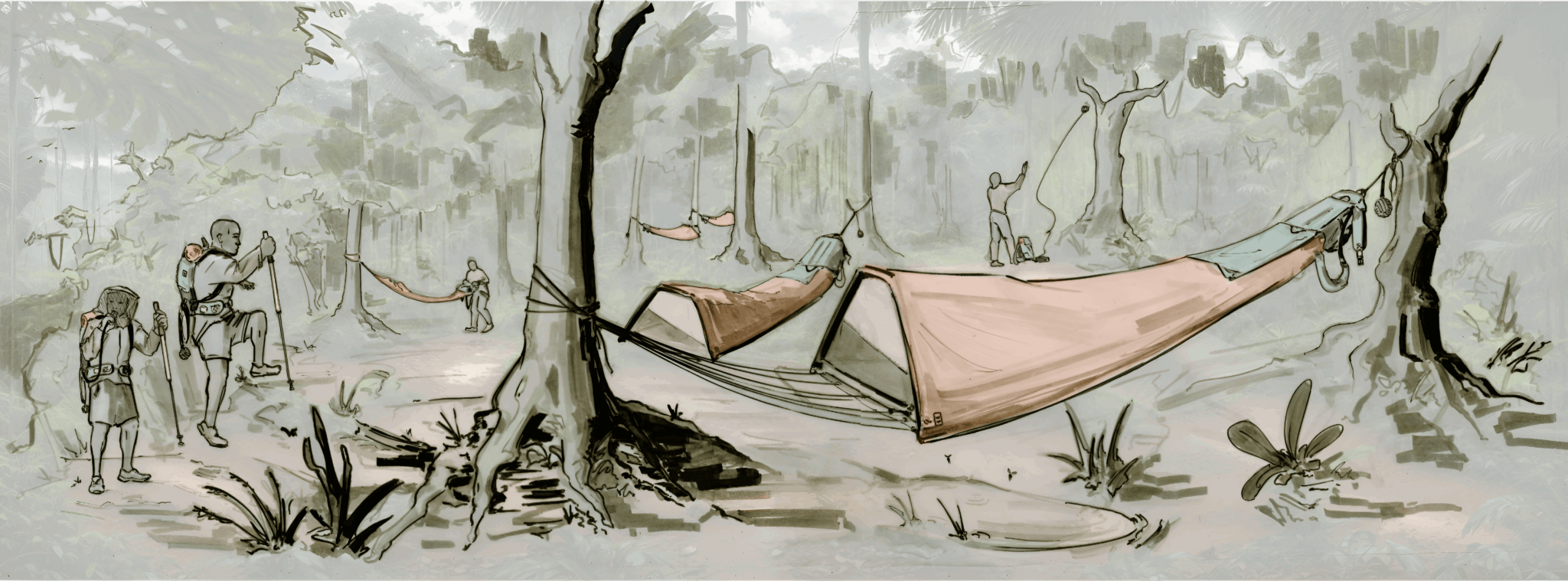
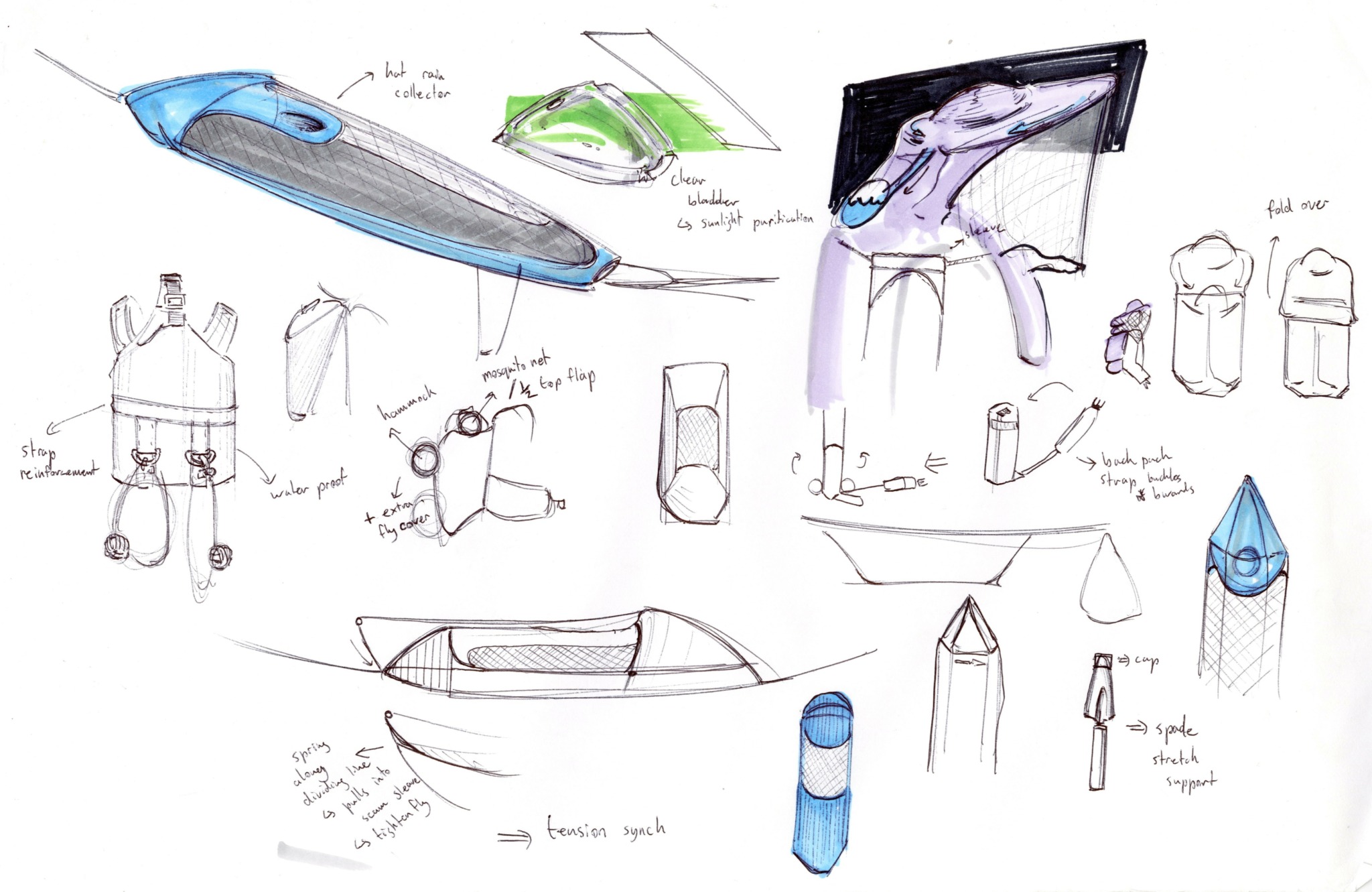
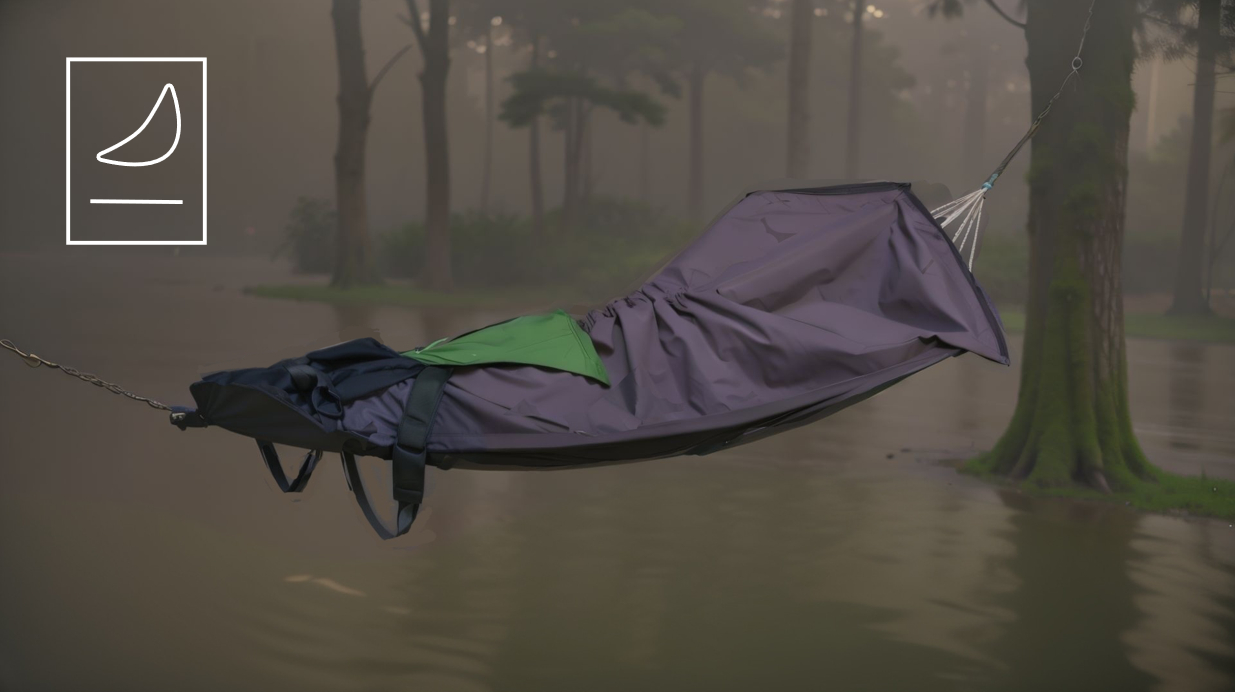
Named “The Journey bag”, we designed what is essentially a hybrid of a hammock, tent and hiking bag. Through the rough combination of these products, we created the most efficient catch-all solution for the deadliest elements of migration and displacement. For instance, the hammock allow the user to sleep above flood prone landscapes, but the rope of the hammock itself is an invaluable tool to keep from being swept away when crossing rivers. What we believe is the beauty behind this design is the challenge of economy- including only the most necessary weight, and altering different elements to give them a more robust range of utility.
Our passion and dedication for this project eventually led us to win the university level bracket of the Hult Prize, an esteemed international competition that awards 1 million USD yearly to a team of student entrepreneurs and their sustainable business start-up. After booking a modest room, we traveled to Monterrey, Mexico for the next round of the competition, where we were able share our design and argue for a more hands-on approach to remedying the immediate effects of displacement.
Great, appreciate you sharing that with us. Before we ask you to share more of your insights, can you take a moment to introduce yourself and how you got to where you are today to our readers.
For those unfamiliar with industrial design, the field is revolves around designing products or objects to be reproduced identically, usually on an industrial scale. Unlike engineers, we design objects to be personable and ergonomic as well as functional, and unlike craftsmen, design in conjunction with industrial manufacturing methods to reduce the individual unit costs. This philosophy of design has always interested me- a perfect crossroads between creativity and stylization, intersecting with the challenge of reproducibility. In practice, it can be powerful and life-changing, not to mention the instances where it has shifted our very culture (e.g. the iPhone, Tupperware).
However, my specific focus is on a humanitarian application of this philosophy. To design products and solutions that can be beautiful, all while remaining low-cost and accessible, is an exciting prospect when addressing problems like systemic disenfranchisement and climate change.
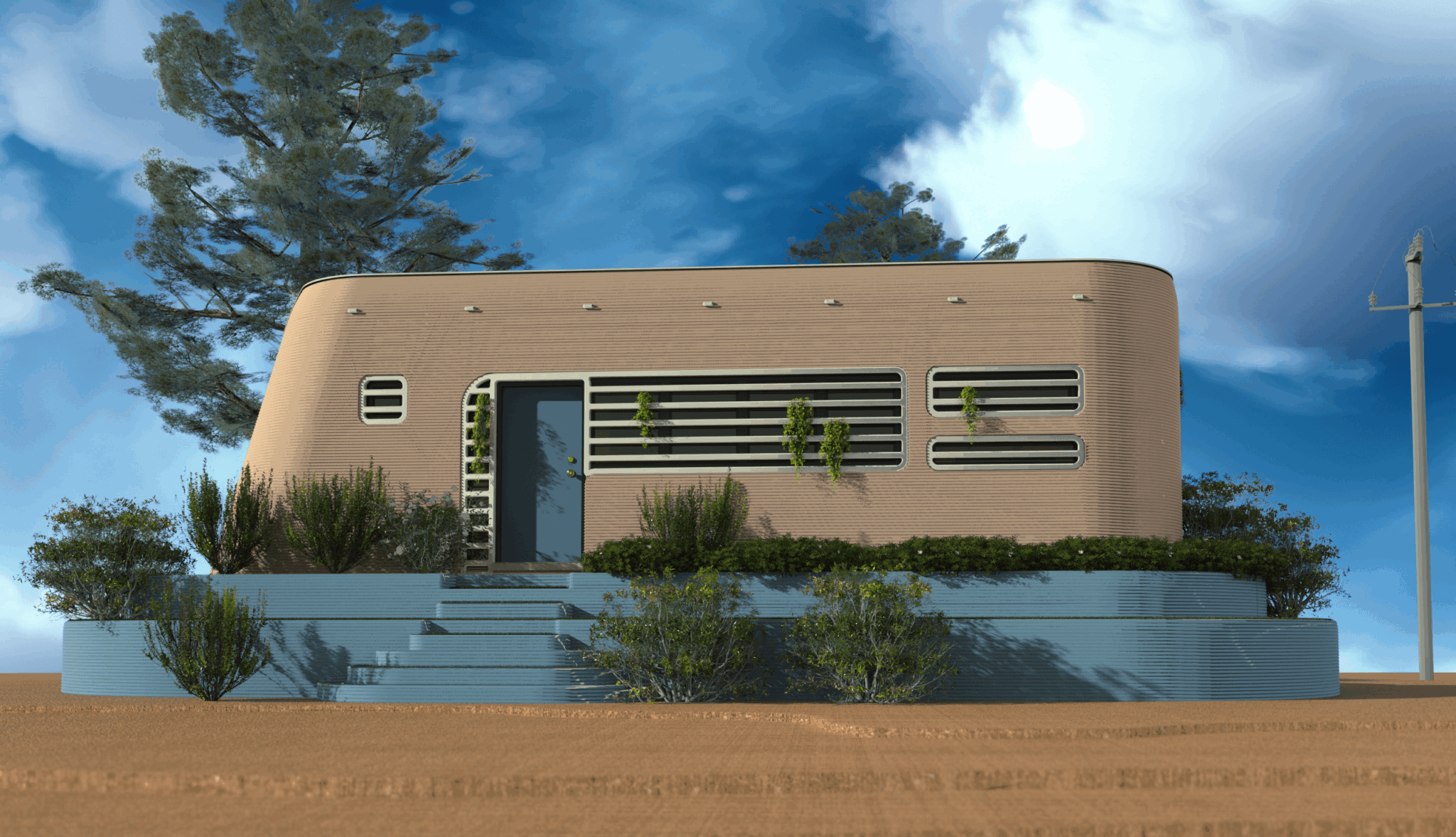
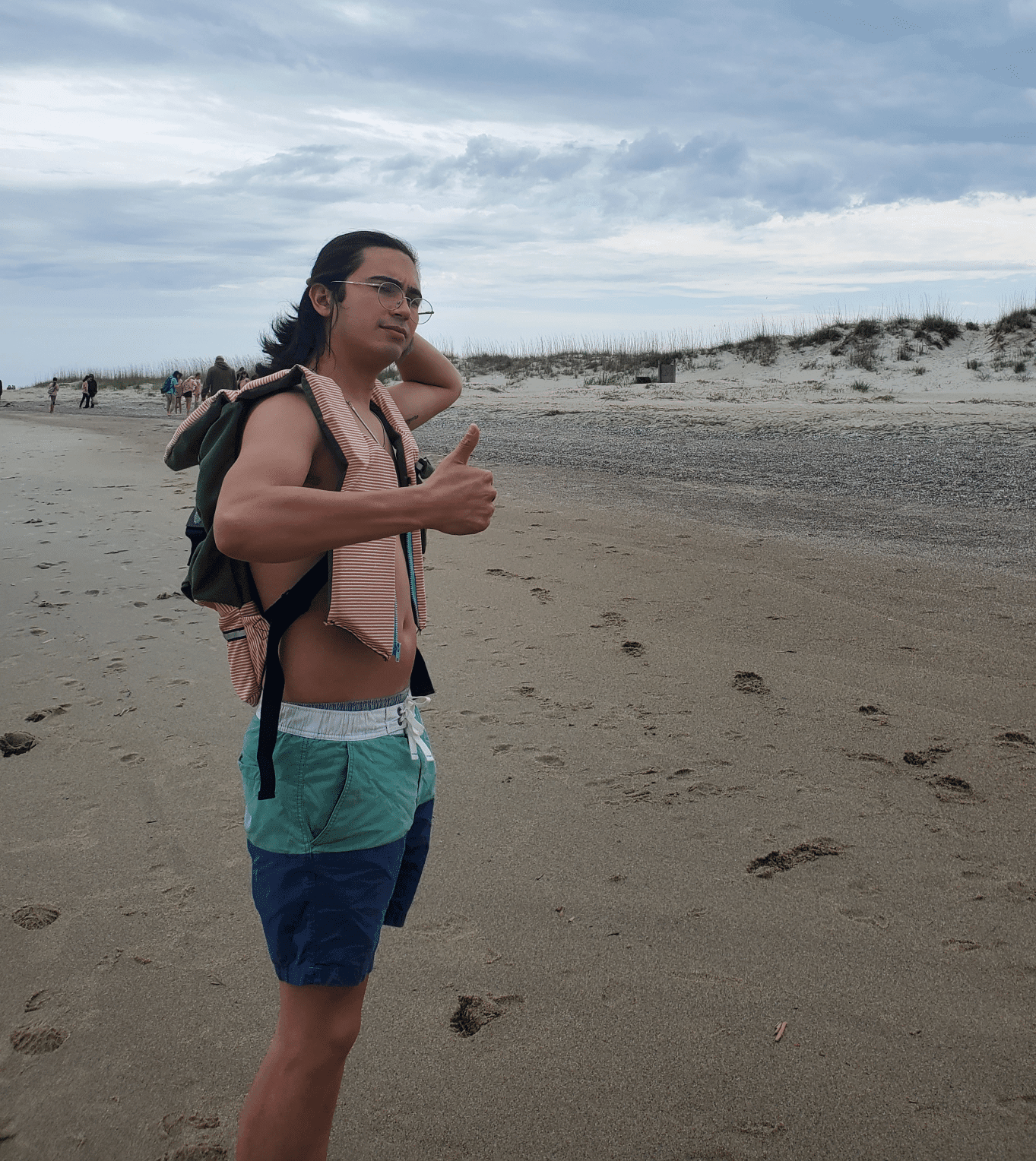
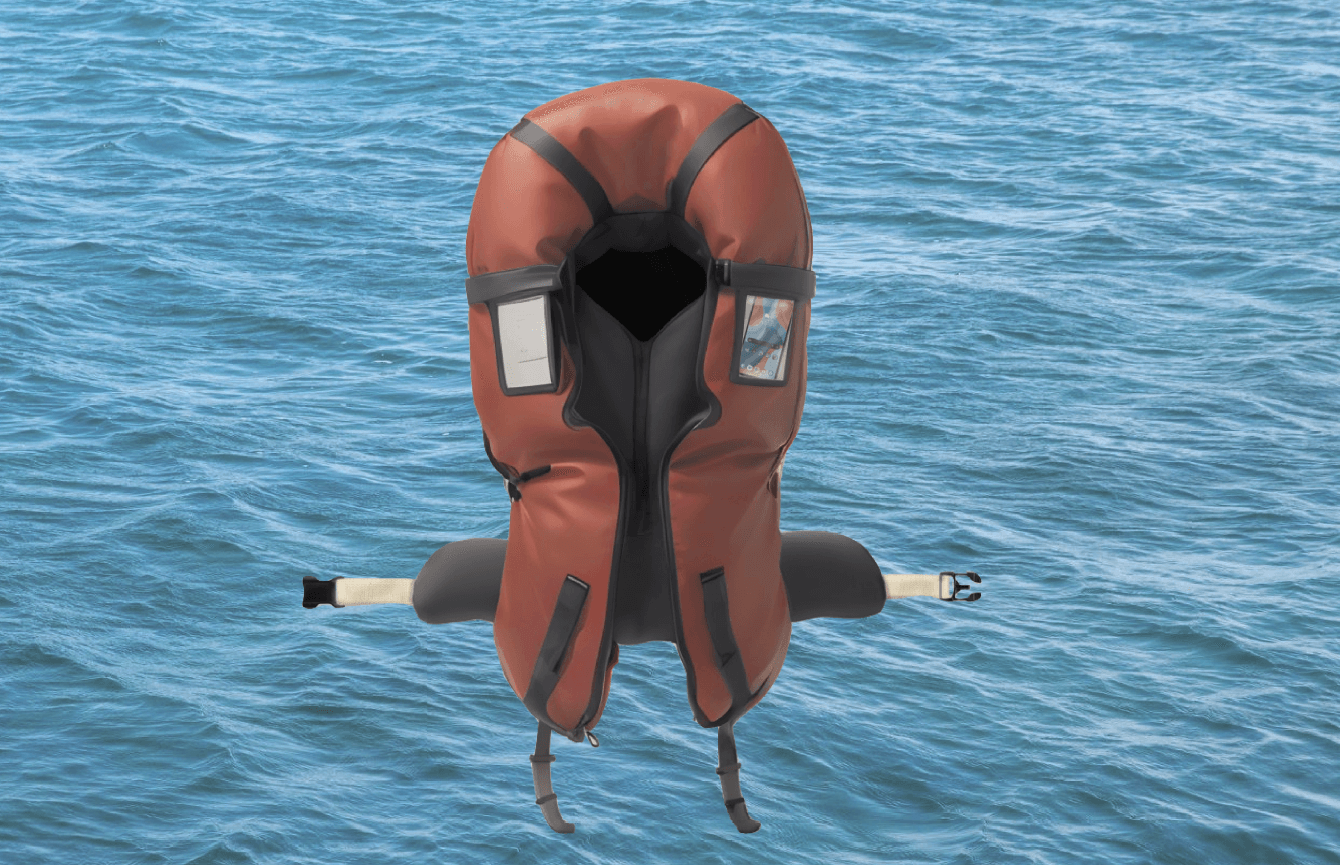
As a recent undergraduate, I would consistently focus on designs that tackled these problems in some capacity. For example, a life-preserver go-bag for refugees traveling across the deadly Mediterranean migrant route, designed to keep the user afloat, and their documents and supplies dry. For my senior capstone project, I dedicated my final months to designing a 3D printed mobile home as a safer, lower-cost and more stylized alternative to traditional mobile homes currently on the market.
My long-term goal is to continue along this route, bring these more complex designs to the consumer market and hopefully begin bringing about change that I would like to see.
Revision
Revision
Contact Info:
- Website: https://www.instagram.com/thefloatingplantains/
- Instagram: @miles.hobbie
- Linkedin: https://www.linkedin.com/in/mileshobbie/