


We caught up with the brilliant and insightful Mike Ferris a few weeks ago and have shared our conversation below.
Hi Mike, thanks for joining us today. Can you talk to us about how you learned to do what you do?
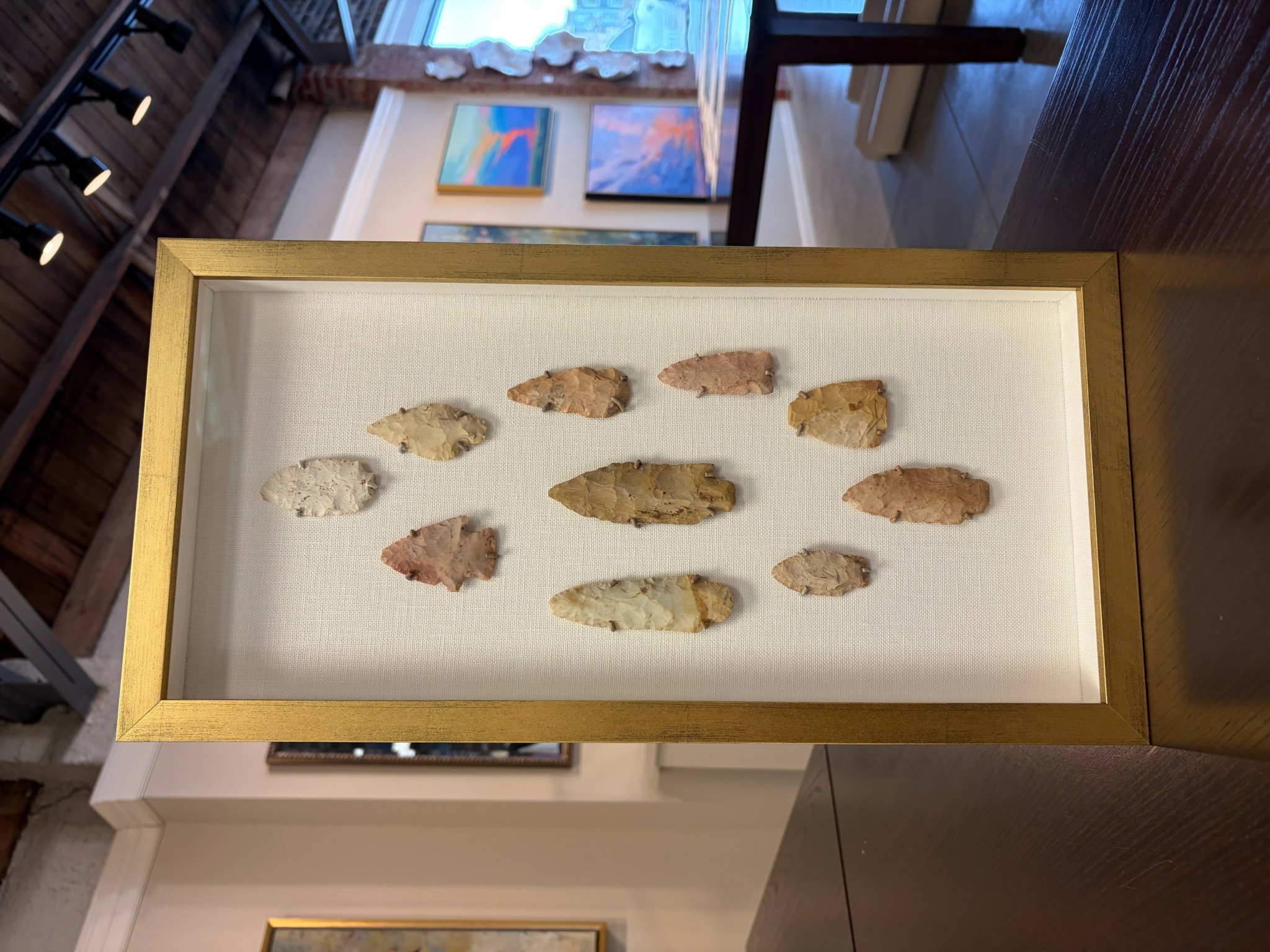
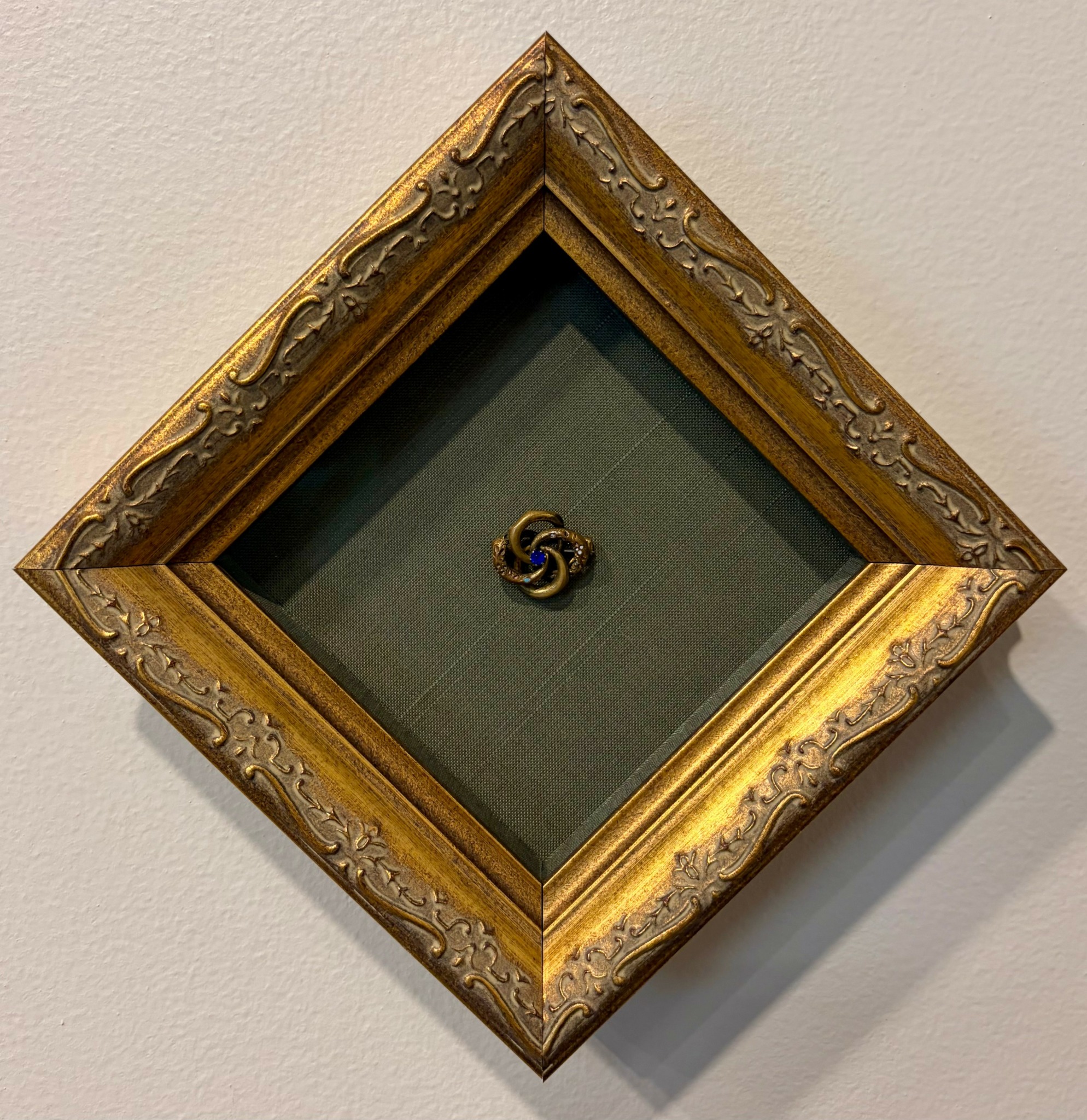
Curiosity and a drive to explore my creative potential brought me to the current experience of my crafts. My early childhood interests helped influence the direction of my creative energy today, but it takes more than just inspiration and being influenced to develop one’s skills. I learned tough skills in hand balancing, strength feats and my everyday job of custom framing through consistently showing up, dedicating the necessary time it takes to get better at something, and navigating tough moments and learning from them.
I’ve always been more of a self-starter/self-taught kind of person, and sometimes I can take that learning process very far into an activity. Looking back, I may have progressed differently, or in a more serving way, if I had sought help from other acrobatic or strength professionals. For the activities that I do, progress can be very slow, and the training can be monotonous at times. Professional guidance at an earlier moment in starting my crafts probably would have prevented some unnecessary wasteful experiences, but I’ve learned from them!
Being able to push through difficult moments of failure, monotony, lack of motivation, and distraction in a craft is extremely important for improvement. The talent can be there, but talent is just one facet of many. It takes more than talent. If there’s talent but no drive to learn or ability to overcome obstacles, than the skill will never be developed. Talent and skill are two very different things, and without skill, talent is wasted.
Several obstacles stand in the way of learning more. Distraction is a huge obstacle lately. In a world that is exceedingly noisy, my focus can be deeply challenged. Over-complexity is another challenge that I think distracts the direction of my practice at times. Lately, I’ve been working to reduce and simplify my work, which has helped me tune in to it more.
Great, appreciate you sharing that with us. Before we ask you to share more of your insights, can you take a moment to introduce yourself and how you got to where you are today to our readers.
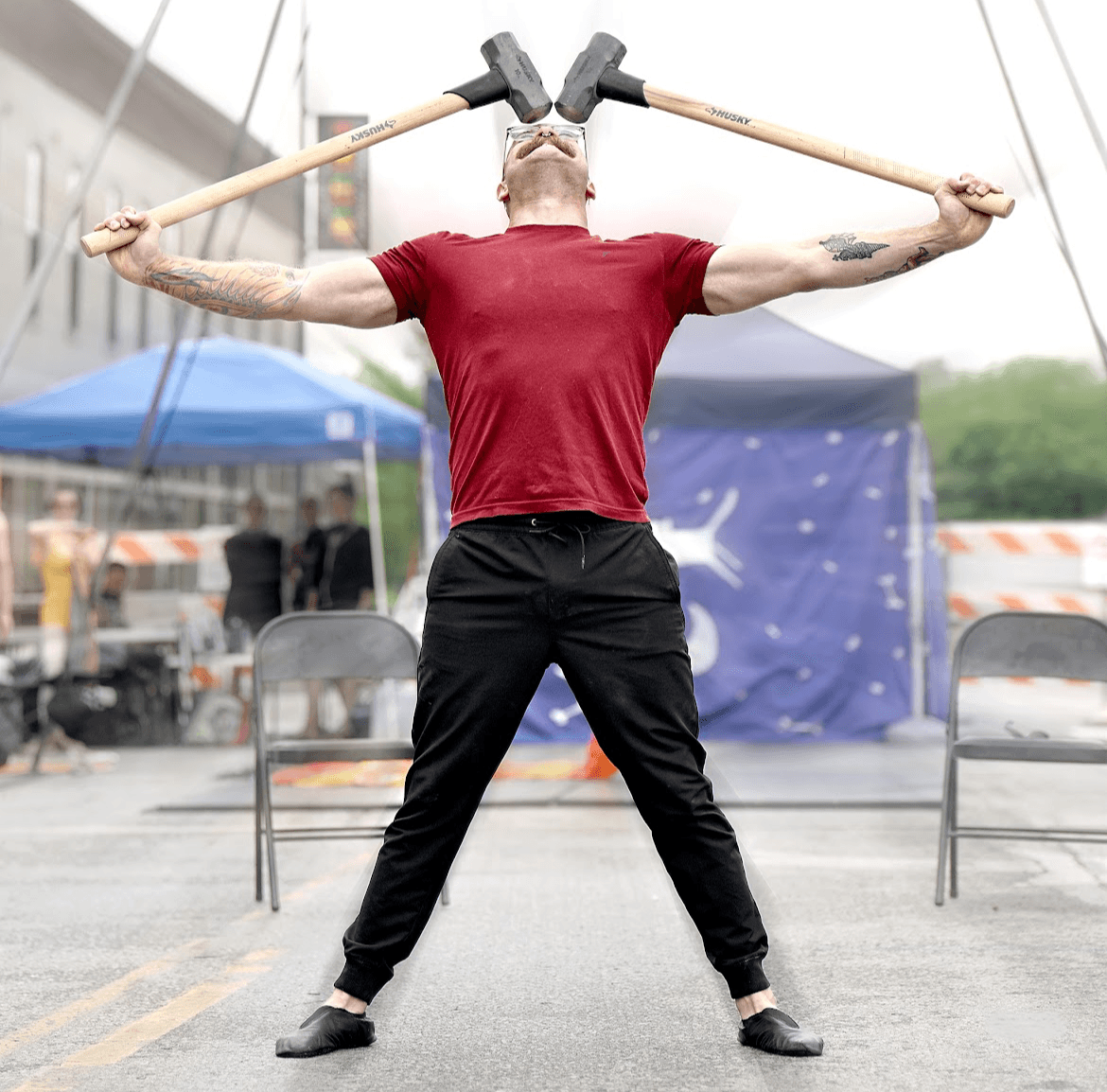
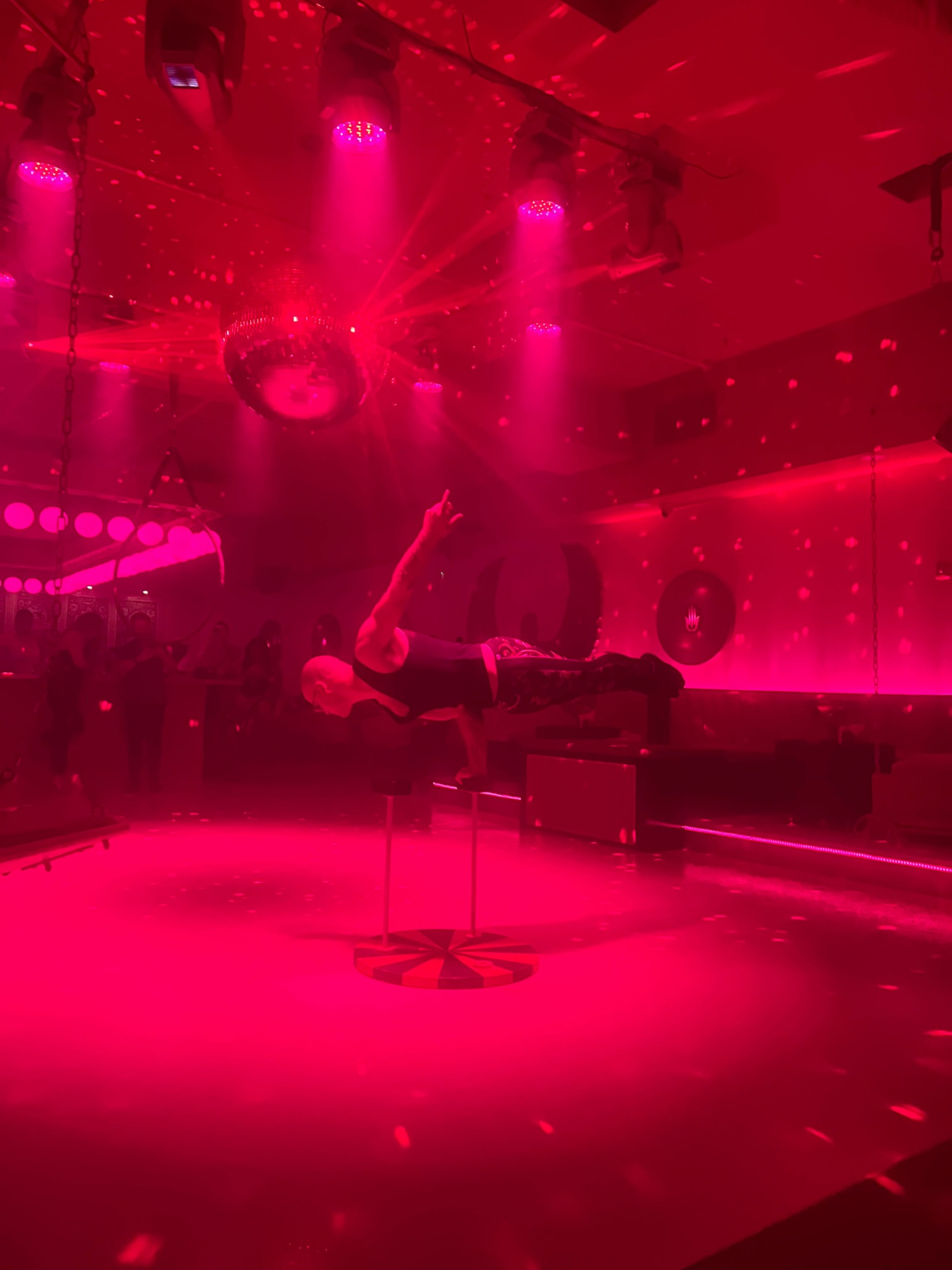
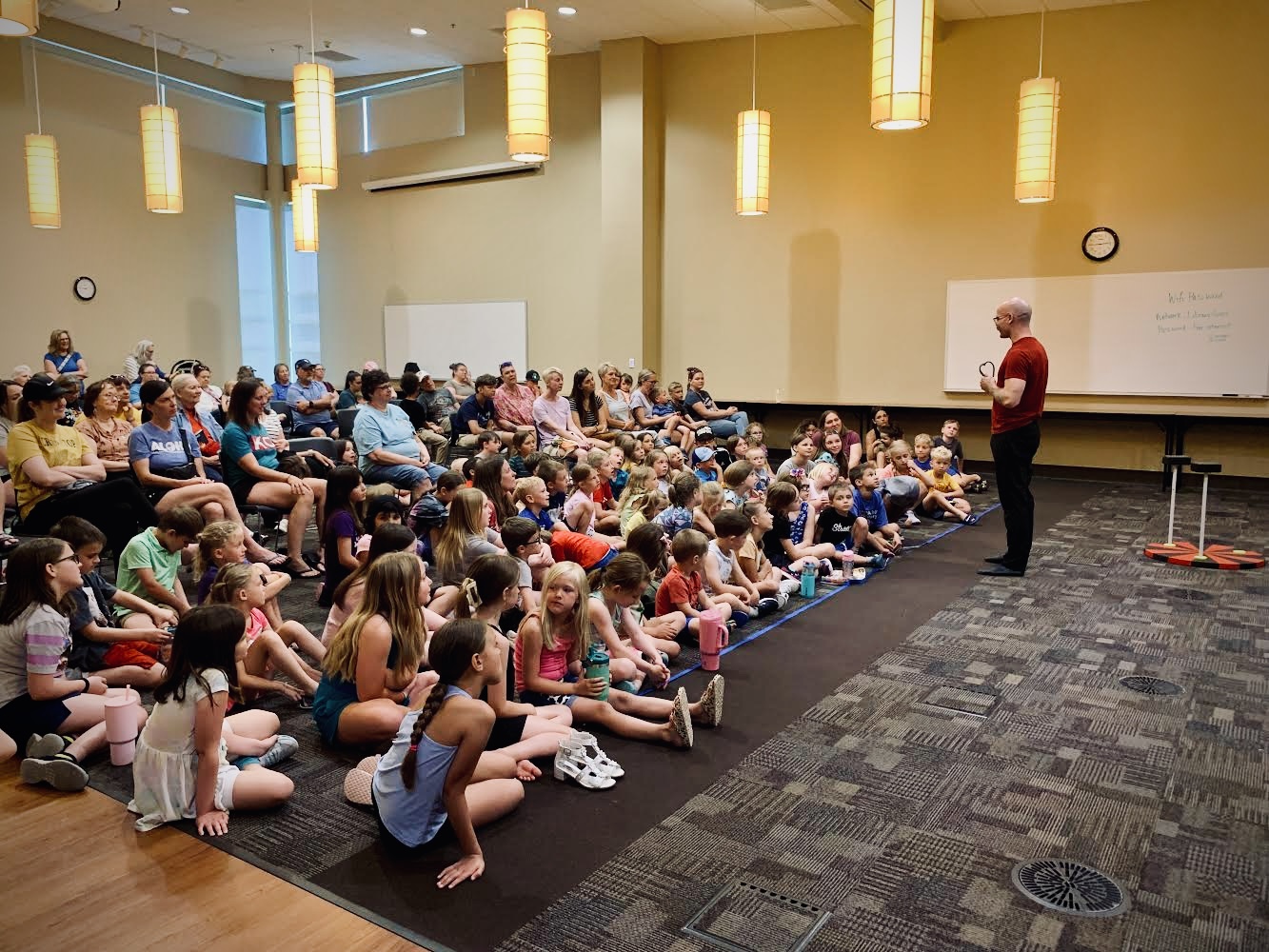
I am a certified professional picture and memorabilia framer for a locally owned gallery in Kansas City by day, and I train and perform a rare combination of hand balancing and strength feats on the side. I perform for a local library organization in the KC metro, program being The Eximious Mike’s Feats of Brawn and Balance, and in festivals and corporate events with a local circus group. As a performer, I offer a blend of contemporary hand balancing skills, feats of strength that include steel bending and sledge hammer levering, and a unique combination of strength feats with flexibility. I also participate in steel bending competitions with other steel benders around the world.
I didn’t start the practice of hand balancing or steel bending with the idea of performance in mind, but rather as a way to challenge myself with a unique way of moving the body. I absolutely love challenging myself with learning new skills that seem completely impossible at first. Learning how to do a one arm handstand, or how to bend, with the hands, a piece of steel that rates over 600 Ibs of force needed to bend, all are incredibly daunting tasks. To be able to do these kinds of feats consistently is a huge personal achievement. The opportunity to share with others just happened over time, first with a small performing group in KC.
After I became more comfortable in front of an audience, I submitted a proposal with a local library organization a few years later to perform a more intimate program for families and children. This program combines a rare combination of the skills like hand balancing, horseshoe bending and card tearing, but paired with messaging that serves to inspire children and adults alike to pursue fun, challenging and fulfilling activities. In these programs I explain the countless obstacles I faced when acquiring these skills, and what I did to face them and overcome them. I work to relate that messaging to the crafts of the children, and help them learn to navigate the obstacles they will face in their passions and life.
I feel most proud when folks come and tell me that they were inspired from a show of mine to start a new craft, or explore and existing craft further. A mother recently told me that she and her son say something everyday they took from my program two years ago; they say everyday “I can do hard things”.
For me personally, I’m most proud to prove to myself that I can learn feats that just seem so impossible at first, and at nearly 40 years of age!
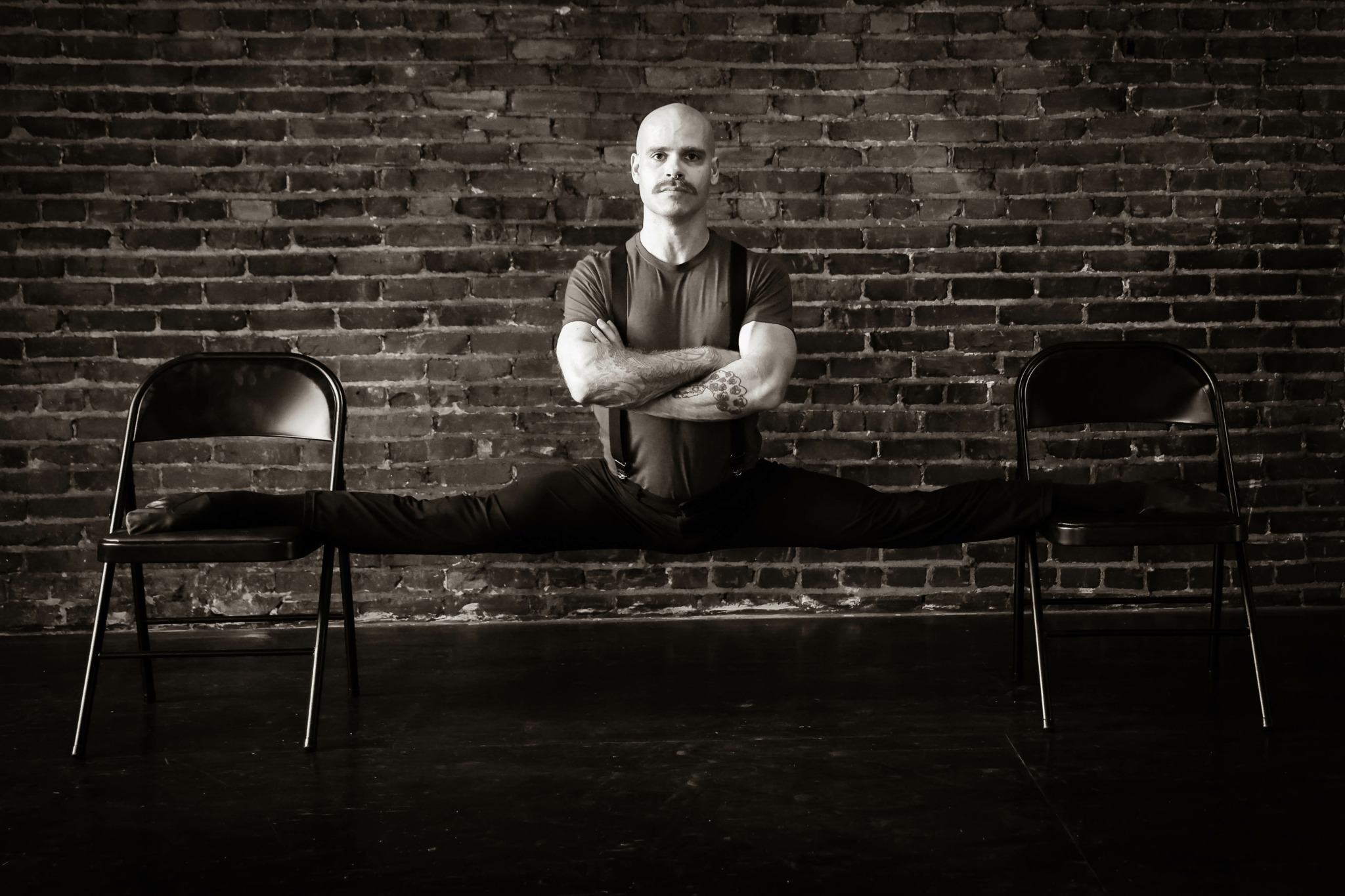
Can you share a story from your journey that illustrates your resilience?
I began training handstands at what would be an older age to start training acrobatics of any kind, at 28 years old.
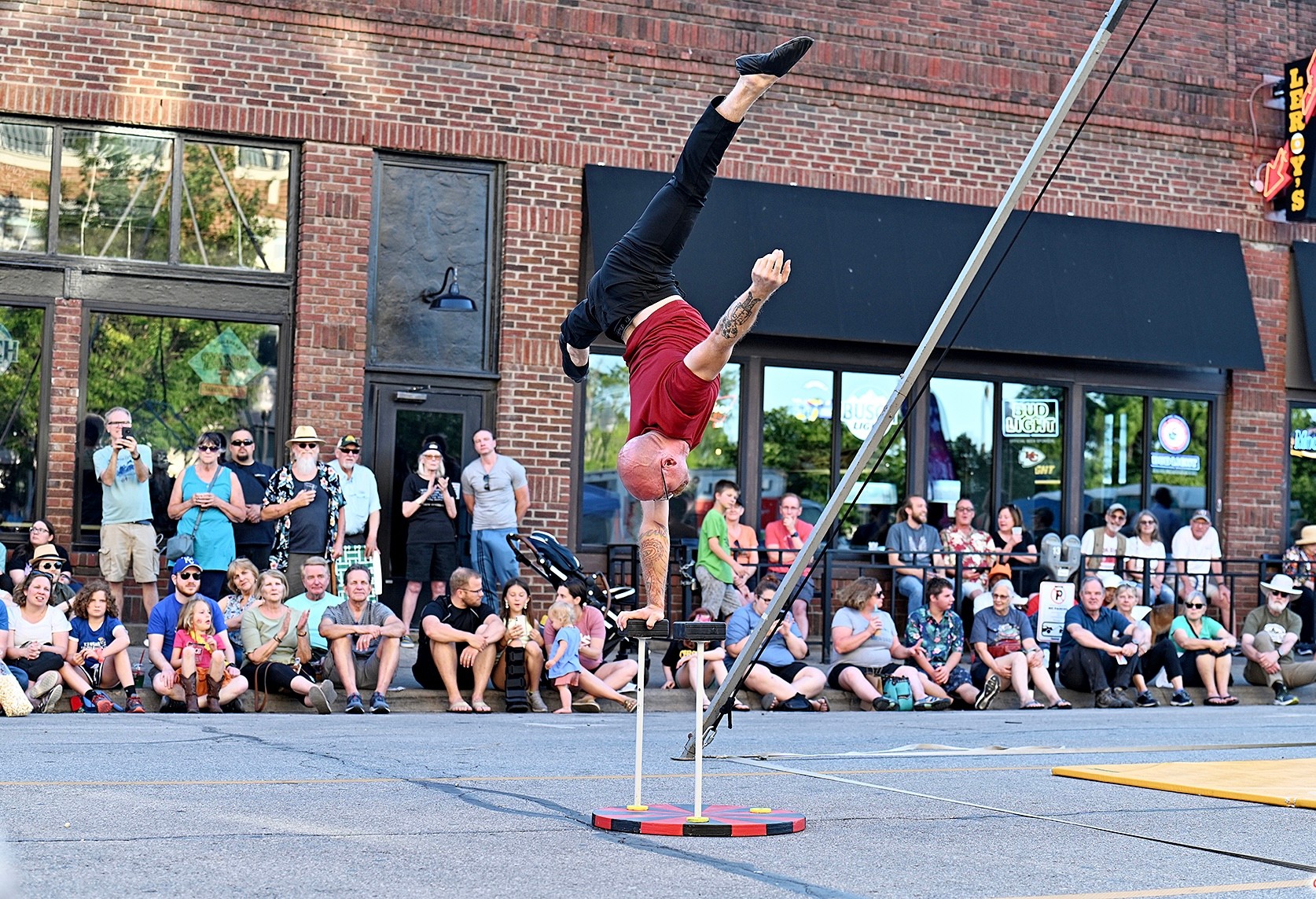
About two years into the practice, I decided to pursue one of the most rare and difficult physical feats on the planet; the one arm handstand. It’s nearly impossible to describe with words just how truly difficult it is to do a one arm handstand consistently.
To put it most simply, there is no comparison between holding a regular handstand and holding a handstand on one arm; one arm handstand is entirely its own skill. It takes longer than expected to learn. It is harder to learn than expected. To be deeply honest, it’s a skill that several will set out to accomplish, but few will achieve consistently. It is that difficult. Learning as an adult with no background in acrobatics or gymnastics of any kind made the task that much more daunting. But, I was up for it.
To illustrate the resilience required to learn the skill, I’ll explain the time and dedication it took. To start training towards one arm handstand, my practice required 13-15 hours per week of training JUST hand balancing, on top of my full-time job! For 2.5 to 3 hours per day, five and sometimes even six days per week, I showed up to practice. 30 minutes at a time here and there throughout the week won’t get anyone a one arm handstand, no matter how hard one tries.
Training one arm handstand didn’t mean just whipping my hand away and hoping to balance on one arm. It meant practicing several drills designed to teach my body how to properly manage the chaotic change of dynamics from handstand to one arm handstand. Progress with these drills took months, not days or weeks. I also had to spend a lot of time exploring what drills and activities worked best for me, to reduce boredom and get the most out of a session.
Over the course, there were countless moments of frustration, impatience, feelings of unworthiness and so many other internal obstacles. Progress was never linear or tangible, there would be more off days than on, and the practice could get lonesome at times. What’s remarkable to me however, is that I never once thought “this isn’t worth it”. It turns out I was right; holding a one arm handstand is a magical feeling that isn’t replicated in any other way. After a couple years, if began happening consistently. It truly feels like flight. Or another way I like to look at it is that I’m simply holding the planet with one hand.
I enjoy sharing this story in my library programs and with folks after a performance, because it shows that something so seemingly impossible at first can be reached through being resilient, overcoming those internal obstacles and showing up. One’s will is a powerful tool!
What do you find most rewarding about being a creative?
Being a creative person means that I explore my inner experiences deeply and thoroughly. I have an outlet to digest my thoughts and emotions, and to finally express them. I believe we are living in a world that is increasingly challenging our patience and focus, one that disparages moments of introspection and solitude. I believe working on our passions gives us much needed moments to learn about ourselves, and express ourselves. That in and of itself is most rewarding, outside of the work that we creators get to share with the world.
Contact Info:
- Instagram: the_eximious_mike
- Other: Email:
Mikeferrisfitness@gmail.com
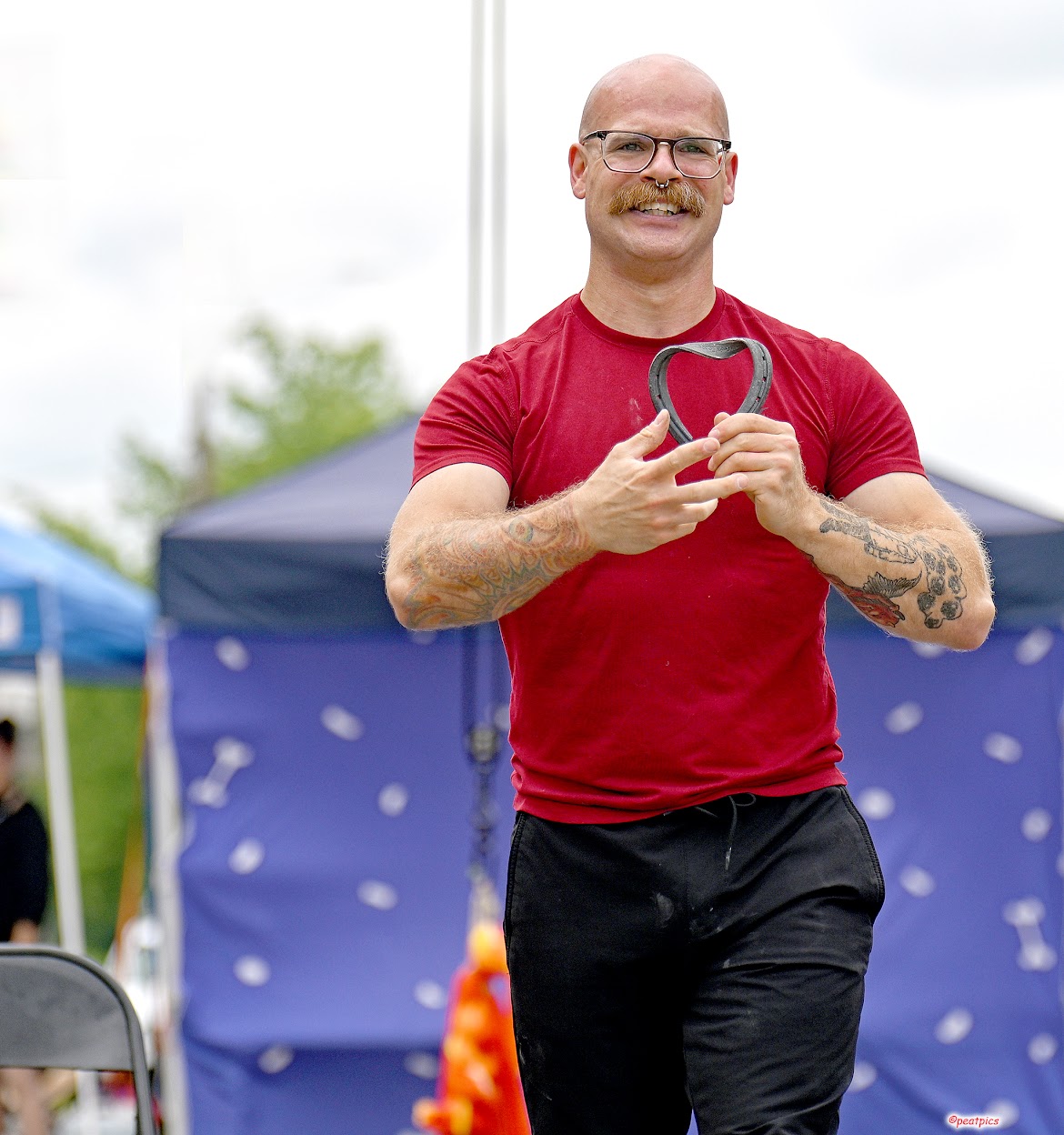
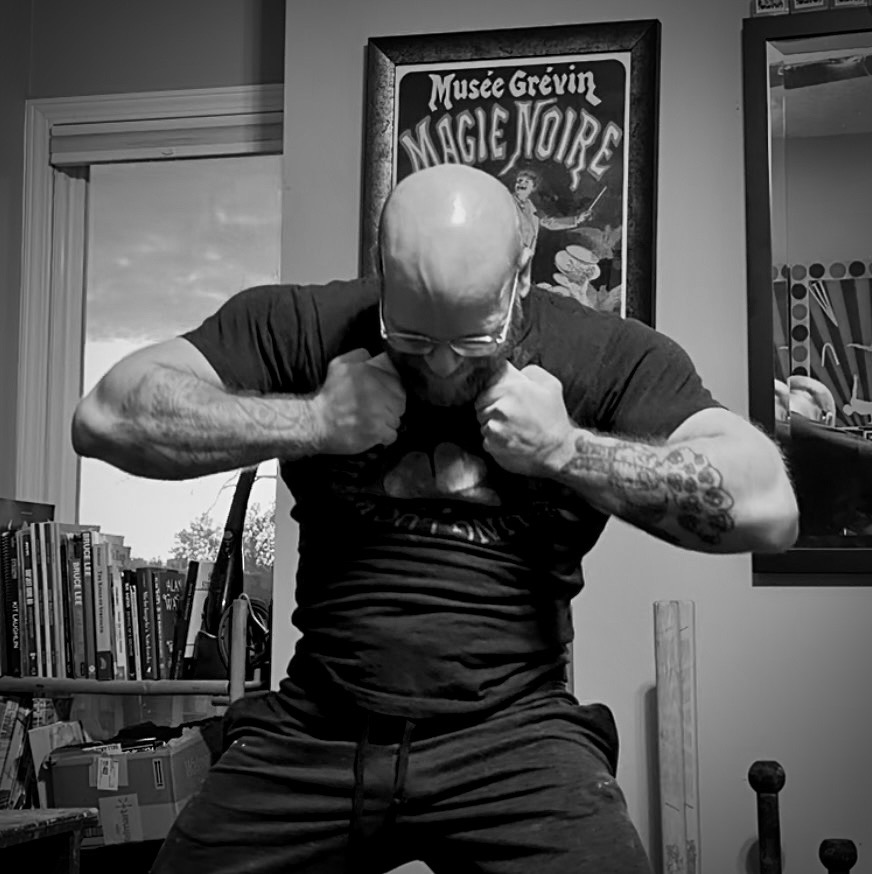
Image Credits
Tim Dub
Peaty Romano