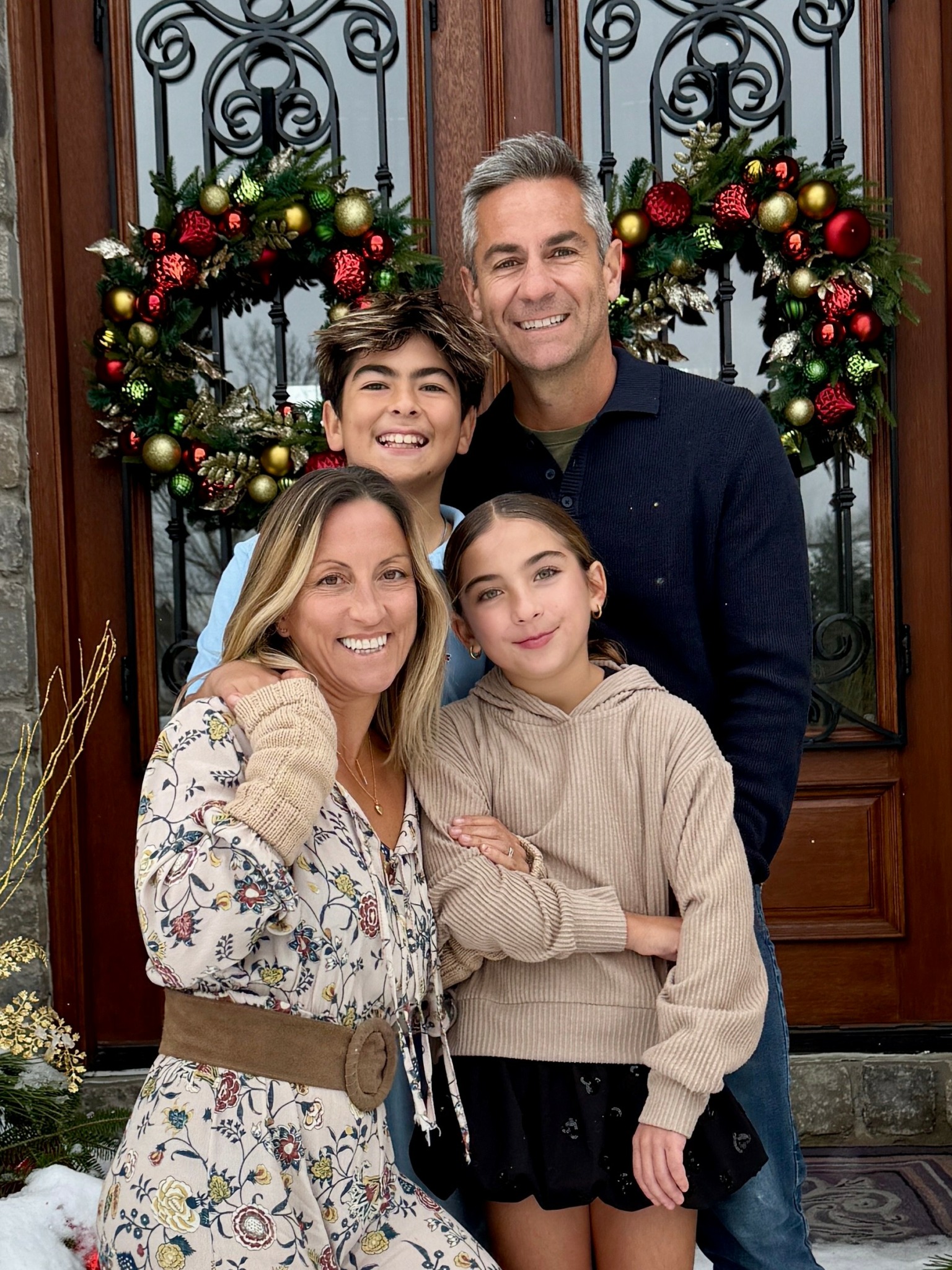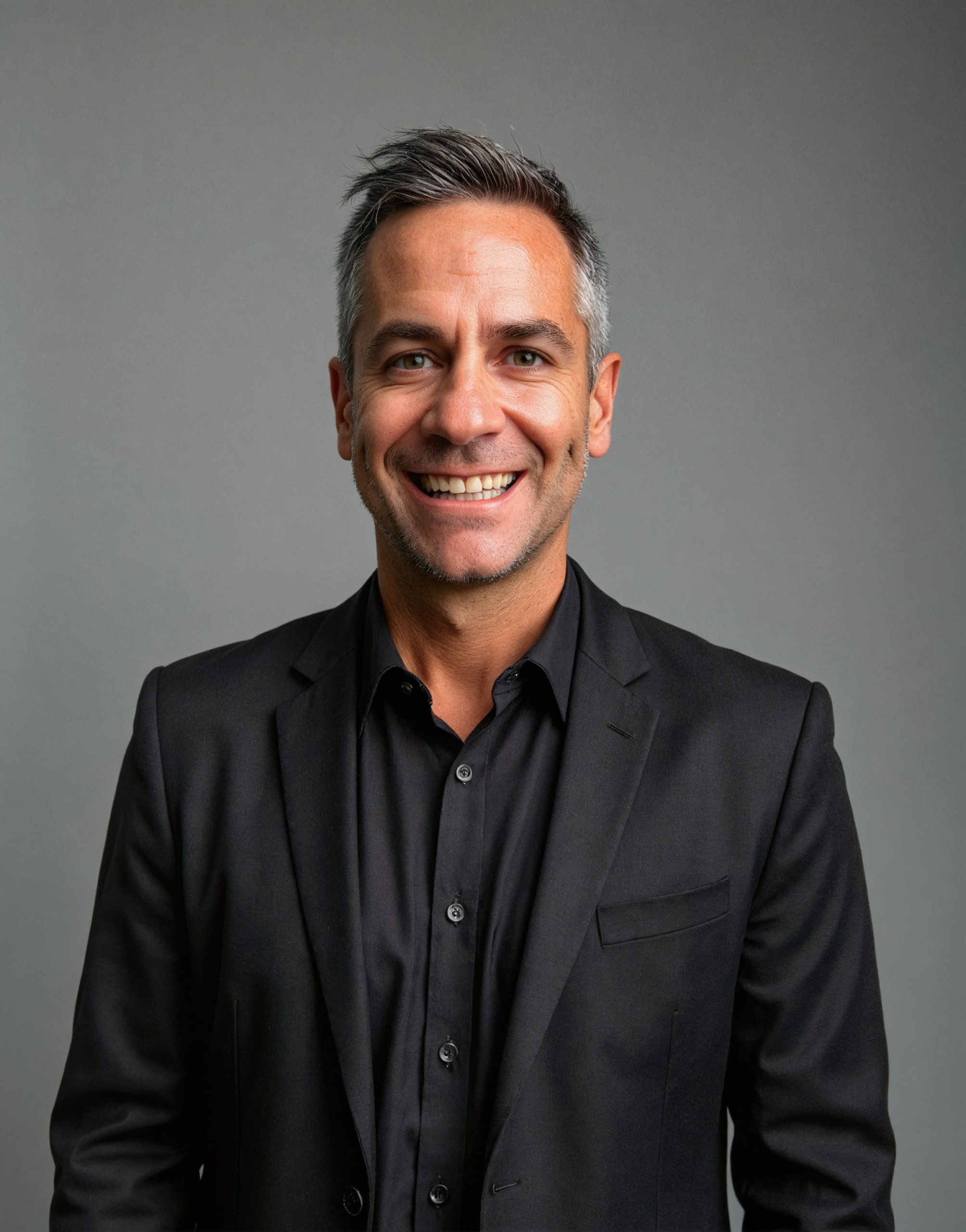

We caught up with the brilliant and insightful Mike Bodkin a few weeks ago and have shared our conversation below.
Mike , thanks for joining us, excited to have you contributing your stories and insights. What’s the backstory behind how you came up with the idea for your business?
The idea found me before I found it.
For a decade I ran Giant Propeller, the digital agency I co-founded. The thing that nearly killed us, over and over, was hiring. How do you find senior marketing and creative talent at margins that don’t break the business? US salaries kept climbing. Our margins kept tightening. Fiverr, Upwork, the offshore VA shops. None of it worked at our level.
Then we started hiring in Latin America. Almost by accident. What we found was that LATAM had something nobody was talking about. Senior specialists with US-level work, fluent English, real time-zone overlap, craft-driven culture. Same work, structured differently.
After we exited Giant Propeller, I kept hearing the same story from every agency owner I knew. They were drowning in the problem we’d already solved. Nobody was building a real channel for it.
So Talent Scout isn’t a startup idea. It’s the answer to a problem I lived for ten years. Every role we place, every client we onboard, I’ve sat on the other side of that table. That’s the whole thesis
Mike , love having you share your insights with us. Before we ask you more questions, maybe you can take a moment to introduce yourself to our readers who might have missed our earlier conversations?
I caught the film bug at nine years old.
My friends and I were filming Wayne’s World remakes on my dad’s VHS camera. Reenacting SNL sketches. We weren’t trying to be cool. We were trying to make ourselves laugh. From that moment, I told everyone I was going to be a Hollywood director.
When I was thirteen, my family took a spring break trip to LA and visited my dad’s cousin, a successful Production Designer. He could only take one person onto an active film set that day. I got picked. First step onto a working Sony stage, the energy, the chaos, the buzz. That was it. My whole life pointed at that.
I spent every summer from age fourteen to sixteen living in my uncle’s guest house, working as an art department intern. Making copies. Running blueprints to the construction guys. Doing the obligatory lunch runs. Living the dream. Then I went to the University of Michigan to study film and video, packed up after graduation, and moved to LA for good.
My first paid film job was Looney Tunes: Back in Action. Then The SpongeBob SquarePants Movie. Then Barnyard at Paramount. Along the way my directing dreams shifted into producing, and I didn’t fight it. I was good at the chaos. Good at the people. Good at making the impossible math of a film production actually work.
Paramount picked our team for a special research project: figuring out whether stereoscopic 3D filmmaking was viable as a modern theatrical medium. We spent a year crisscrossing North America testing vendors and meeting with every major player in the industry. Out of that work came the green light for Jackass 3D, which I worked on through the editorial and camera departments. Working alongside those guys while traveling the country was a childhood fantasy realized.
Then a brand-new company called StereoD asked me to join as employee number thirty. I jumped. They promoted me to VP of Production and Executive Producer, and we scaled from thirty people to fifteen hundred in four years. I was leading a US team of five hundred. I worked directly with Steven Spielberg, James Cameron, Guillermo del Toro, and J.J. Abrams. The director idols I had as a ten-year-old kid filming Wayne’s World remakes on a VHS camera. We landed on Fast Company’s Most Innovative Companies list in 2013, and the company got acquired by Deluxe Media.
In 2015 I had my first kid. Fourteen-hour days, six days a week, stopped looking as exciting. My priorities shifted. So I left post-production and went back to the creative side of things, this time with my hands on the wheel.
I co-founded Giant Propeller, a full-service marketing agency. We bootstrapped it from a two-person operation. I had caught a different bug by then. The entrepreneurial one. After more than a decade producing other people’s visions in Hollywood, I wanted to build something of my own. Make a name out of nothing. Prove I could do it.
That first year was every cliché about startups, and every cliché was true. No paycheck. Pitching anyone who would listen. Closing nights with a half-eaten sandwich next to a half-built deck. We kept showing up. The work kept getting better. Clients responded.
Eight years later we had grown to forty employees doing multi-million-dollar revenue across full-stack marketing services. Brands like L’AGENCE, Sprayground, MeUndies, Warner Bros., Dermalogica, Timex, Goorin Bros., and Energy Muse trusted us to run their marketing departments. We weren’t a niche shop. We were the entire marketing team for brands that didn’t want to build it in-house.
Two things happened during the Giant Propeller years that shaped where I am now.
The first was discovering Latin American talent. We started hiring in LATAM almost by accident, looking for cost-effective creative production. What we found instead was a workforce most US agencies didn’t know existed. Senior specialists, fluent English, time-zone aligned, craft-driven. The work was as good as anything we were getting from US specialists, sometimes better, and the cost structure changed what we could offer clients. That insight quietly became one of the most valuable things I learned running an agency.
The second was the entrepreneurial community itself. Once I caught the bug, I didn’t just want to run a business. I wanted to be around other people running them. I started investing in early-stage companies. Advising founders. Joining communities of operators who were further along, further behind, or right in the same trench. Post-Exit Founders Group has been one of the most important rooms I’ve ever joined. The relationships I’ve built with other entrepreneurs over the past decade are the kind of thing you can’t manufacture. You earn your way in by doing the work, and once you’re in, the network becomes the multiplier on everything else you do.
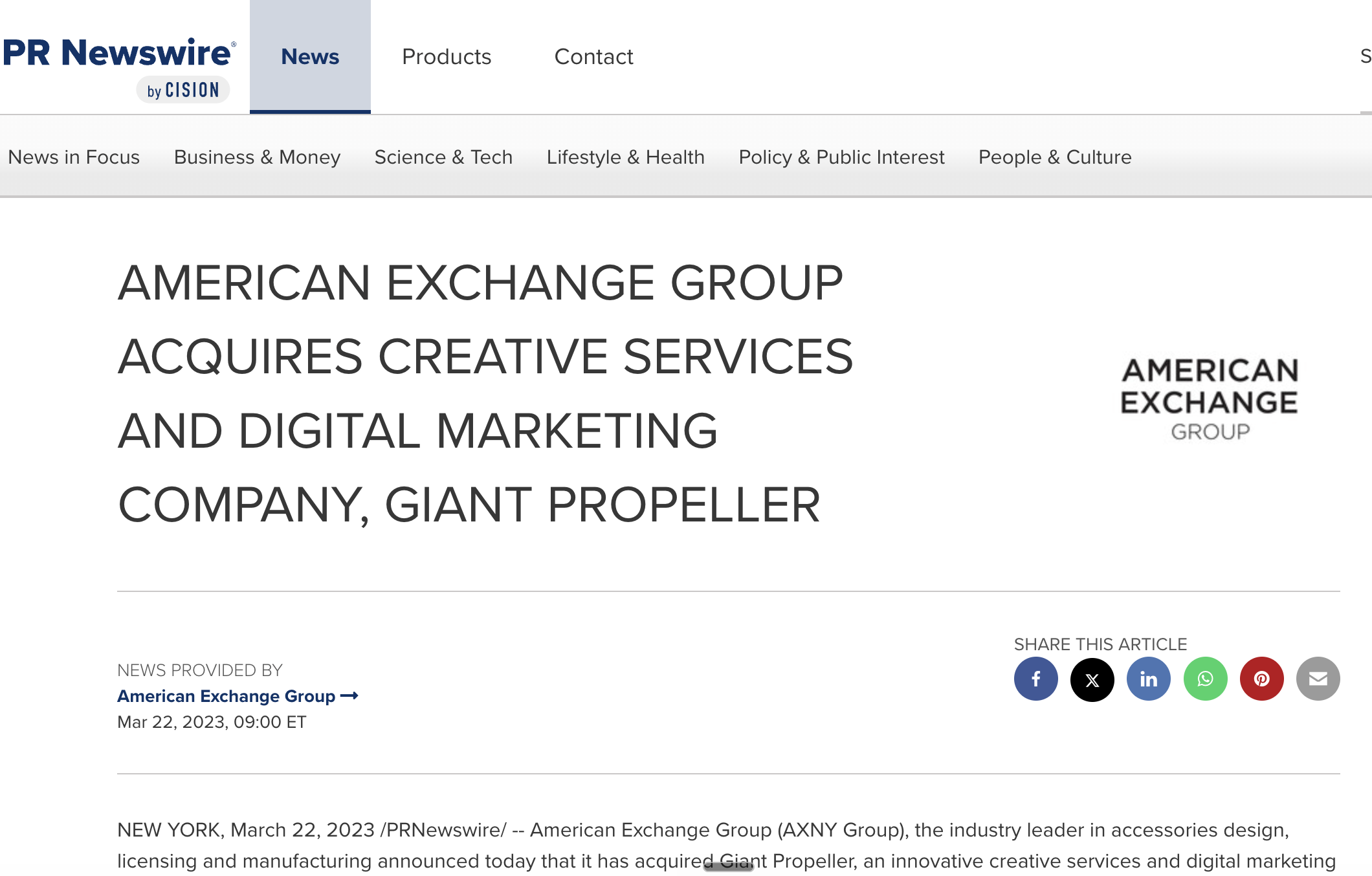
In March 2023, I sold Giant Propeller in a strategic acquisition to American Exchange Group. Eight years of building. The most clarifying decision I’ve ever made in business. You build something, grow it, create real value, and then the moment comes when you choose to sell or keep going. Anyone who has stood at that decision knows the feeling.
The current chapter is Talent Scout, where I’m co-founder and CEO. We help US agencies and in-house marketing teams scale by placing senior, full-time marketing, creative, and operations talent from Latin America. Operators hiring operators. Two decades of producing, building, scaling, and selling are the foundation. The community I’ve built along the way is the multiplier.
The kid with the VHS camera grew up. The wave my uncle told me to ride is still moving. I’m still on it.
Can you talk to us about your experience with selling businesses?
Yes. I sold Giant Propeller in March 2023, after eight years of building it. And I’ll tell you straight: selling a business you birthed is one of the hardest decisions you’ll ever make.
This thing is your baby. You fed it, fought for it, lost sleep over it. The choice to let it go or keep growing it pulls you in two directions at once. There’s no clean way to feel about it.
The positives are real. It’s an accomplishment so few founders ever experience. The financial reward matters. And there’s a quiet sense of permanence when you can finally say: this thing I built had enough value that someone paid me for it.
The negatives are equally real. You lose control. You get bosses, the exact thing you spent years running away from. You have to fit into someone else’s system, and your old gut-call autonomy becomes a series of conversations. For someone wired to build their own thing, that adjustment is harder than you’d expect.
In our case, the sale fell out of the sky and into my lap. I’d never seriously thought about selling. Eight years in, business growing, I was just in a mindset of openness. Then I met someone through one of my peer networking groups who knew my story, who happened to be consulting with a New York group that had just acquired a portfolio of consumer-facing brands and needed someone to consolidate the digital marketing. He asked if I’d be open to a conversation. I said yes.
Had we not moved to Miami during COVID, had I not joined that particular group, had that group not paired me with that particular person, had that company not needed exactly what we offered, none of it would have happened. When I stepped back, I realized: opportunities like that don’t show up every day. So I seized it.
A few lessons I’d pass on to other entrepreneurs:
Say yes more often. Open the door. The biggest deal of my career came through a conversation I almost didn’t take.
Ask more questions about the transition. I stayed on for two years, and it wasn’t smooth. PE-style strategic acquisitions look one way from the outside and feel very different from the inside. The business has many priorities. Your old company is one of them, not the only one. Ask up front what the transition is going to look like, then ask again.
Care for your team through it. The hardest part of any acquisition isn’t the deal. It’s the people. They’re watching you, and what they see during the transition shapes everything that comes after.
Would I do it again? In a heartbeat. The deal was magical, the team at American Exchange Group has been incredible, and the experience taught me more about business than the eight years before it did. The bumps were real. The gratitude is bigger.
Alright – let’s talk about marketing or sales – do you have any fun stories about a risk you’ve taken or something else exciting on the sales and marketing side?
This one still gives me chills to talk about.
A few years into Giant Propeller, my friend Andrew called and said, “Hey, I got these guys. They don’t have a ton of money, but they’re looking to get some 3D animation done.” He knew I’d say yes to almost anything in those days. We were still growing, still hungry. I took the meeting.
The “guys” were Allen and Rollin, two old-school Chicago marketing legends who had built their careers in the heavy advertising era of the 1970s. Their close friend Tom had recently lost his wife to pulmonary fibrosis, a devastating and underdiagnosed lung disease most people have never heard of. The three of them had a mission. Put pulmonary fibrosis on the map. Help people catch the symptoms early enough to actually do something about it. They had developed an animated character named Norm to help tell the story. They needed someone to build him in 3D.
What they didn’t know walking in was that my background was 3D animation and visual effects. I had spent over a decade producing animated and stereoscopic content for major films. This was the exact kind of work I had come up through. We had one of our most talented artists at Giant Propeller bring Norm to life, and we did it at a level they didn’t expect from a small marketing shop. Norm walked off the screen as a real character with personality, presence, and warmth.
Allen and Rollin were blown away. Over the course of the project, they got to know the team and the broader capabilities at Giant Propeller. They flew Tom in from Chicago to meet with us in person. They had thought they were hiring an animation studio. They realized they were sitting across from a full-service marketing agency with media buying, paid search, paid social, creative production, web development, and out-of-home capabilities. They handed us the entire campaign.
We had never worked in healthcare. We figured it out anyway.
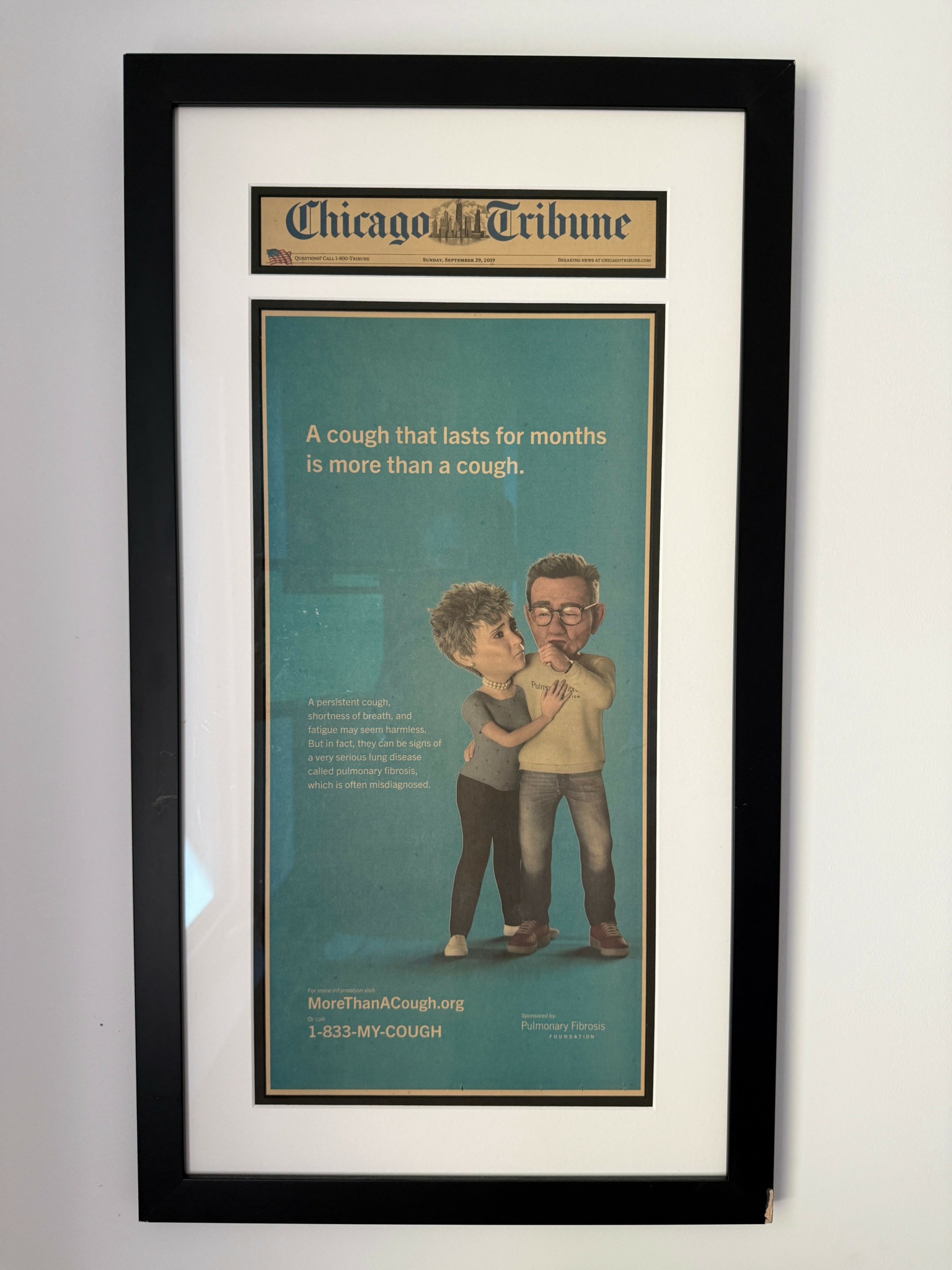
What we built together became LungStory, a national diagnostic support platform for chronic lung disease. We built the brand from scratch, the website, the symptom survey tool, and a one-page diagnostic report patients could take to their doctors. We layered on a national paid media campaign across Google Search, paid social, programmatic display, and out-of-home placements. We took a full-page ad in the Chicago Tribune that’s still framed on my office wall. We made physical Norm cutouts that traveled to community events around the country.
We worked with patients, caregivers, clinicians, and epidemiologists. We combined direct-to-consumer marketing tactics with national healthcare data. We treated potential users as consumers, not patients, and that shift changed everything about how the work landed.
Here’s where it gets crazy.
LungStory drove 53,132 site visitors. 9,309 of them completed the symptom survey. 18% participation rate. 64% opted into ongoing research. Our awareness campaign delivered a 576% lift in results over baseline.
Those aren’t vanity metrics. Every one of those 9,309 completions is a real person, with real symptoms, who walked into their doctor’s office with a one-page summary that helped them get diagnosed faster than they otherwise would have. Chronic lung disease can take years to diagnose correctly. We compressed that timeline for thousands of people who were silently suffering.
(The full case study is at giantpropeller.agency/cases/lungstory.)
I tell this story for two reasons.
The first is the obvious one. Say yes to small things, especially the ones that don’t look like much. The biggest creative campaign of my agency career walked in the door as a low-budget animation favor for a friend.
The second is the part that hits harder. We thought we were taking a project. What we got was a chance to do work that mattered to people who had lost someone they loved, and to help thousands more catch a deadly disease before it caught them. Twenty years of building things in entertainment and marketing, and LungStory is one of the few campaigns I’ll talk about for the rest of my life.
The Chicago Tribune page is still on my wall. So is the lesson.
Contact Info:
- Website: https://www.gettalentscout.com
- Instagram: @gettalentscout.com
- Linkedin: https://www.linkedin.com/in/bodkinmike/