

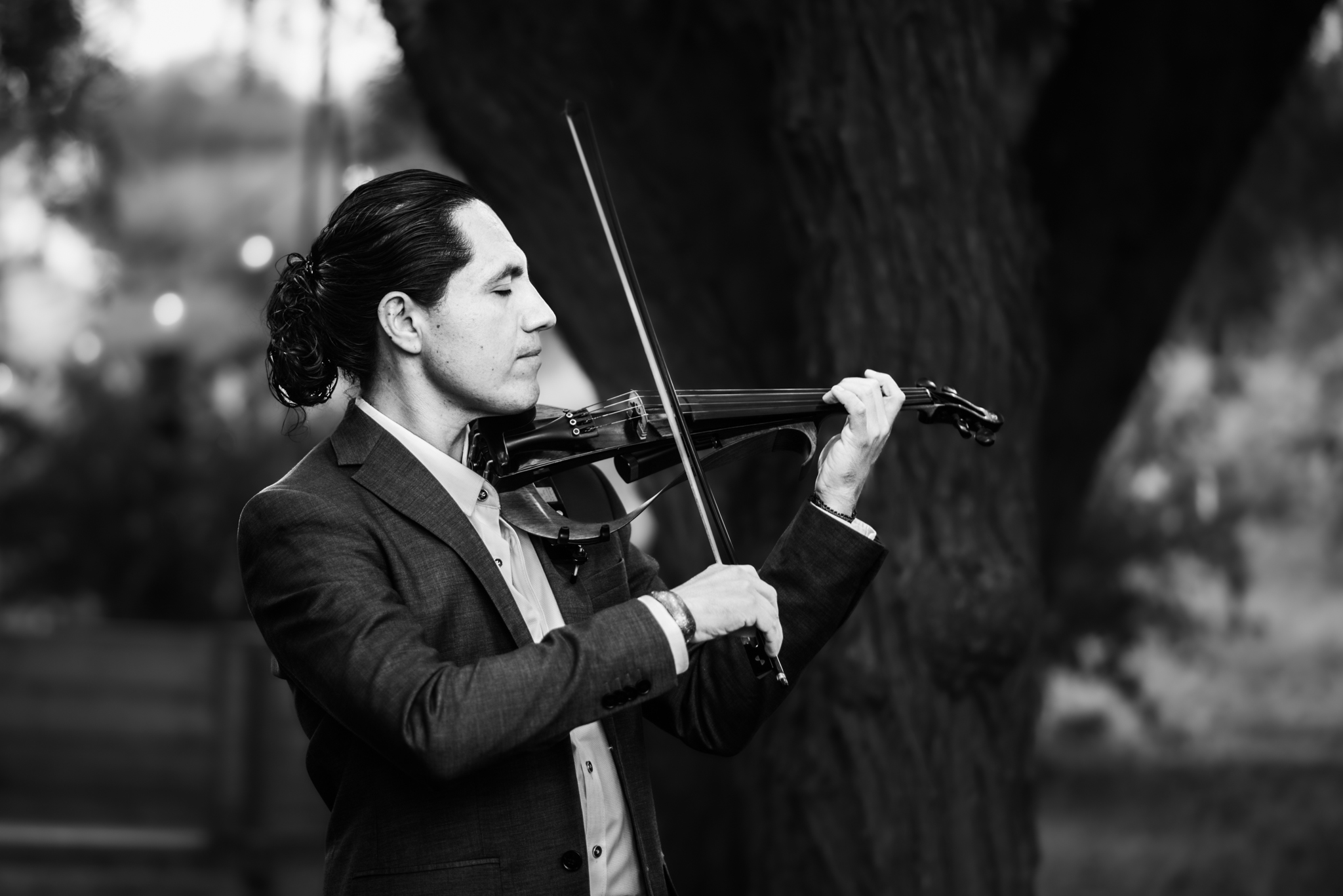

We’re excited to introduce you to the always interesting and insightful Miguel Fajardo. We hope you’ll enjoy our conversation with Miguel below.
Miguel, thanks for joining us, excited to have you contributing your stories and insights. I’m sure there have been days where the challenges of being an artist or creative force you to think about what it would be like to just have a regular job. When’s the last time you felt that way? Did you have any insights from the experience?
I’ve experienced both worlds very deeply.
Right after finishing my studies, I joined a symphony orchestra. For about eight years, I had stability—a salary, benefits, healthcare. From the outside, it looked like everything an artist should want.
But internally, something was fading.
I remember feeling constantly tired. Not frustrated, just… drained. I would sit there yawning, my posture slowly collapsing into the chair, like my energy was leaking out of me. It wasn’t physical exhaustion—it was something deeper. I was losing my connection to the music, and I didn’t fully understand why.
Looking back, I think my body knew before I did.
There’s one moment that still feels symbolic to me: one day I made a real effort to show up early. I prepared everything the night before, woke up ahead of time, arrived almost an hour before rehearsal… and realized I had forgotten my violin at home.
At the time it felt like a simple mistake. Now I see it differently. Part of me didn’t want to be there.
At the same time, I had started playing with my band, exploring jazz and other styles. That world felt completely different—alive, expressive, unpredictable. And eventually, both paths collided.
I was invited to play a festival in Mexico City, and my conductor gave me an ultimatum: the festival or the orchestra.
It was a difficult moment. I felt nervous confronting him. But at the same time, something inside me already knew the answer.
I chose the festival.
And that night changed everything.
I remember being on stage, hearing people clap, shout, react. I was improvising, experimenting—playing even classical music, but transformed, with klezmer influences. It felt alive. It felt like me.
That contrast made something very clear: I wasn’t meant to stay behind a music stand. I needed a stage.
From there, my path as an independent artist started to take shape. Opportunities began to appear gradually, almost like gravity pulling me in a different direction. Jazz became a turning point—it opened a new way of understanding music and myself.
Now, being independent is not romantic in the way people imagine.
When things are going well, it’s incredibly fulfilling. But when they’re not, you face everything directly. There’s no institution holding you—you become your own structure. Your own strategy. Your own safety net.
There have been hard moments. The pandemic, for example, stopped everything overnight. No concerts, no income. That kind of reality forces you to confront uncertainty in a very real way.
And still… I don’t regret it.
Not even close.
Today, I see my career as something deeply valuable—something I’ve built with intention. I wouldn’t trade it for a regular job, unless it was something truly extraordinary. Because this path allows me to stay connected to what made me fall in love with music in the first place.
It’s not an easy life, and it’s definitely not something to idealize.
But if you feel that inner call… it’s worth exploring.
Because in my case, staying in a safe structure would have meant losing my creative voice.
And that, to me, would have been the real loss.
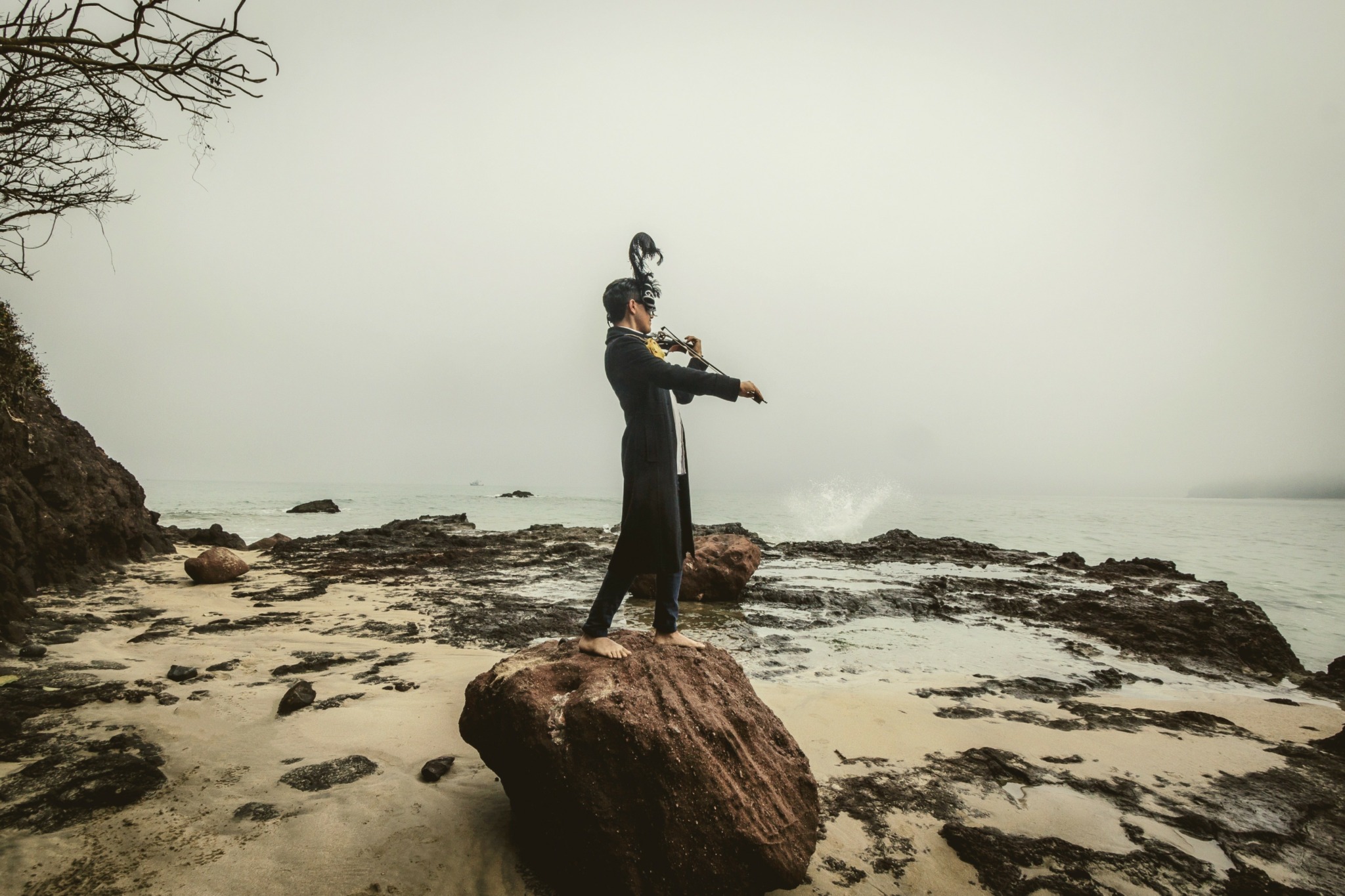
Miguel, before we move on to more of these sorts of questions, can you take some time to bring our readers up to speed on you and what you do?
I’m a professional violinist, but at my core, I see myself as a musician and a composer.
My background is rooted in classical training, but over time I felt drawn to explore music more deeply—through improvisation, harmony, and personal expression. That search eventually led me into composition, which has become a central part of my artistic identity.
A key moment happened in 2020, when I met violinist Karen Bentley. After playing together, she simply asked me, “Why don’t you compose something?”
That question changed everything.
I wrote my first piece, Estrellitas de Esperanza, as a violin duet. It was very technical, almost like I was pouring all my knowledge into the music. From there, I continued developing my voice through more complex and expressive works, including Electricidad Interna, and later Crónicas de Medianoche, an album I created with composer and pianist Pedro Dabdoub.
That project marked a shift—my music started to feel more honest, more intuitive, less about complexity and more about expression.
More recently, I composed Vals del Coyote in just a couple of weeks, which reflects how much more natural and fluid the process has become. It feels less like constructing something, and more like discovering it.
Alongside this, I’ve built a career performing at weddings and live events, which has become an important space for exploration. Even when I’m playing familiar music, I approach it with improvisation and reinterpretation, treating each performance as a living, evolving experience.
What defines my work is that intersection:
A strong technical foundation, combined with a constant search for something deeper—something expressive, intuitive, and alive.
To me, music is not just something you play.
It’s something you listen to, shape… and, in some way, receive.
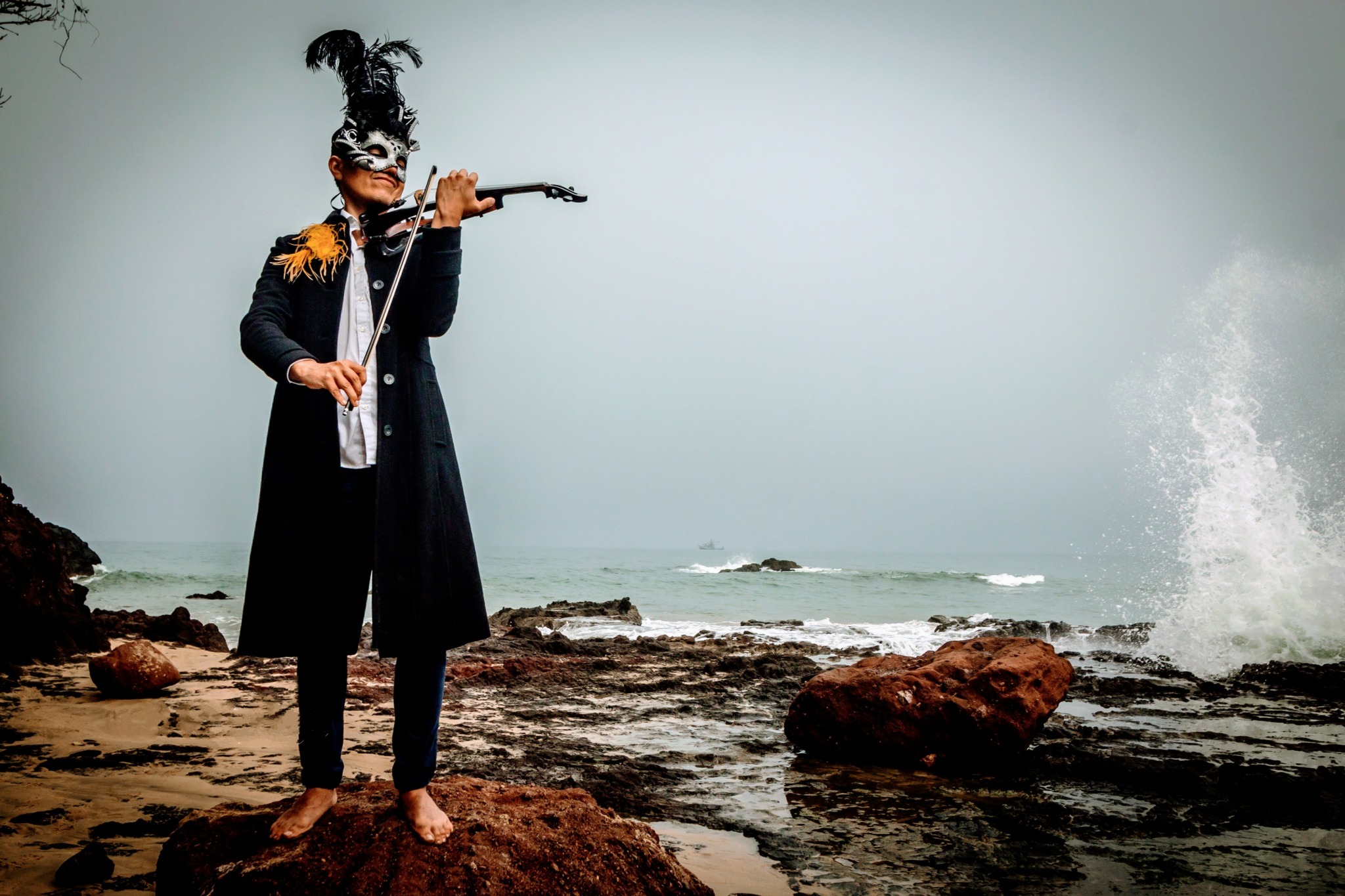
We’d love to hear a story of resilience from your journey.
One of the most defining moments in my journey was during the pandemic.
Like many artists, my entire source of income disappeared almost overnight. All events were canceled, and for a moment, everything I had built simply stopped.
It wasn’t the first challenge I had faced, but it was the most clear and unavoidable one. There was no quick solution, no external structure to rely on—just uncertainty.
At that point, I had two options: wait for things to return to normal, or adapt.
I chose to adapt.
That period forced me to rethink not only how I worked, but how I understood my career. I started to look at my work not just as performances, but as something I could reshape, communicate differently, and rebuild from the ground up.
It was uncomfortable, but it also made me stronger.
Over time, I realized that resilience isn’t something special—it’s part of the path. Every career has its own challenges, but in the arts, you face them very directly.
You learn to move forward without guarantees.
And in a way, that becomes part of your identity.
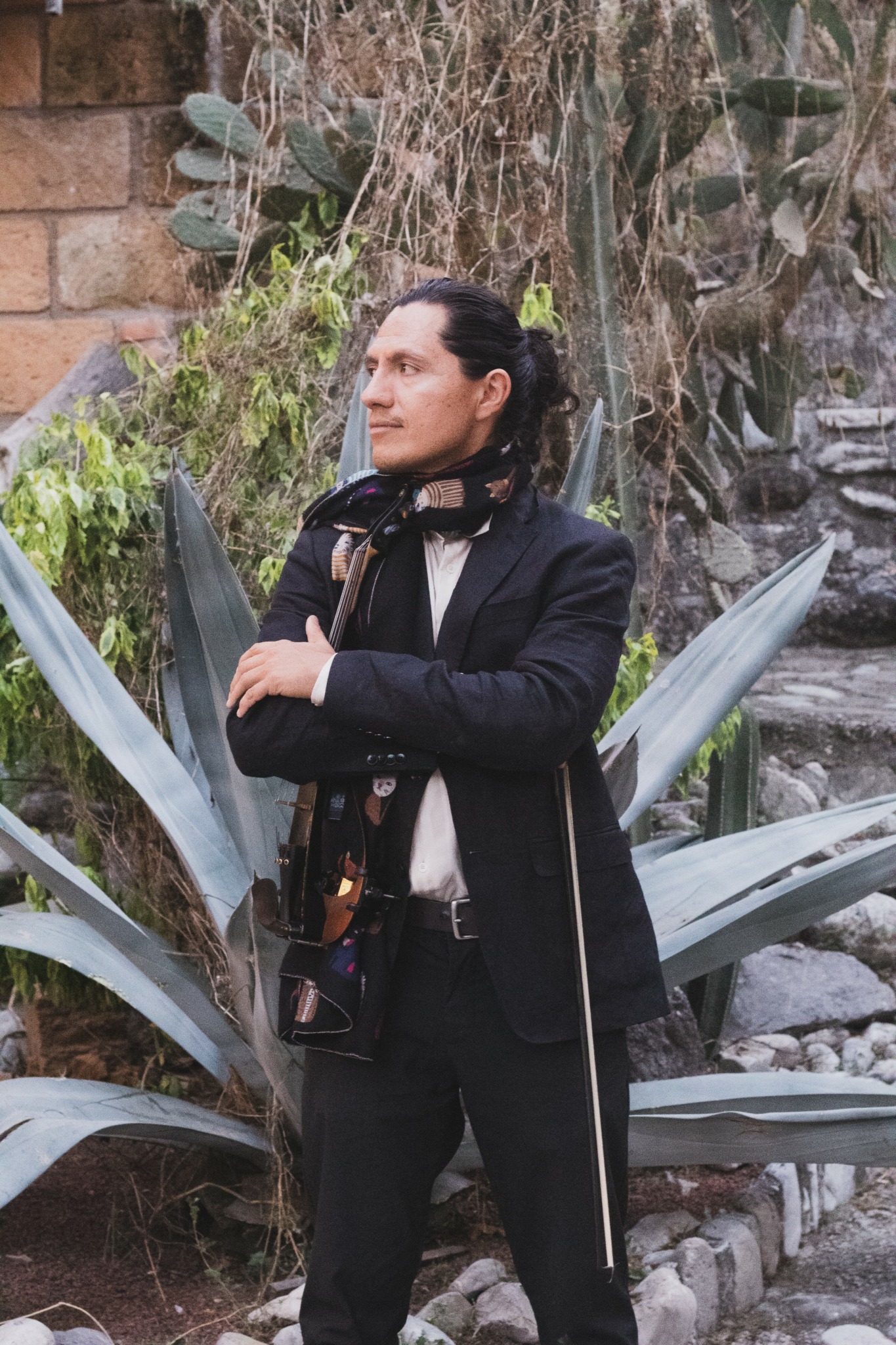
Is there mission driving your creative journey?
I don’t think of my journey as being driven by a fixed mission, but rather by an ongoing search.
From a very early age, I felt that music had something beyond technique or performance—something intangible, almost like a language that connects directly with emotion.
Over time, that feeling became a kind of direction.
What drives me is the desire to stay connected to that space, and to understand it more deeply. Sometimes it shows up through improvisation, sometimes through composition, and sometimes through the way a performance affects people in real time.
I don’t see myself as someone who “creates” that energy, but rather as someone who learns how to listen to it and give it form.
That idea has guided many of my decisions—including choosing a more uncertain path as an independent artist.
If there is a goal, it’s this:
To keep getting closer to a more honest expression of music—one that feels alive, and that can genuinely connect with people.
I don’t think I fully understand it yet.
But that search is what keeps me moving forward.
Contact Info:
- Website: https://linktr.ee/miguelfajardomusic
- Instagram: https://www.instagram.com/miguelfajardomusic/
- Facebook: https://www.facebook.com/miguelfajardomusic
- Twitter: https://twitter.com/miguelfajardovl
- Youtube: https://www.youtube.com/c/MiguelFajardo
- Other: https://open.spotify.com/intl-es/artist/0Cce2v0CoHnGtFtcLus30Q?si=17J-kq_aQ5qq4Oez9rEp6w
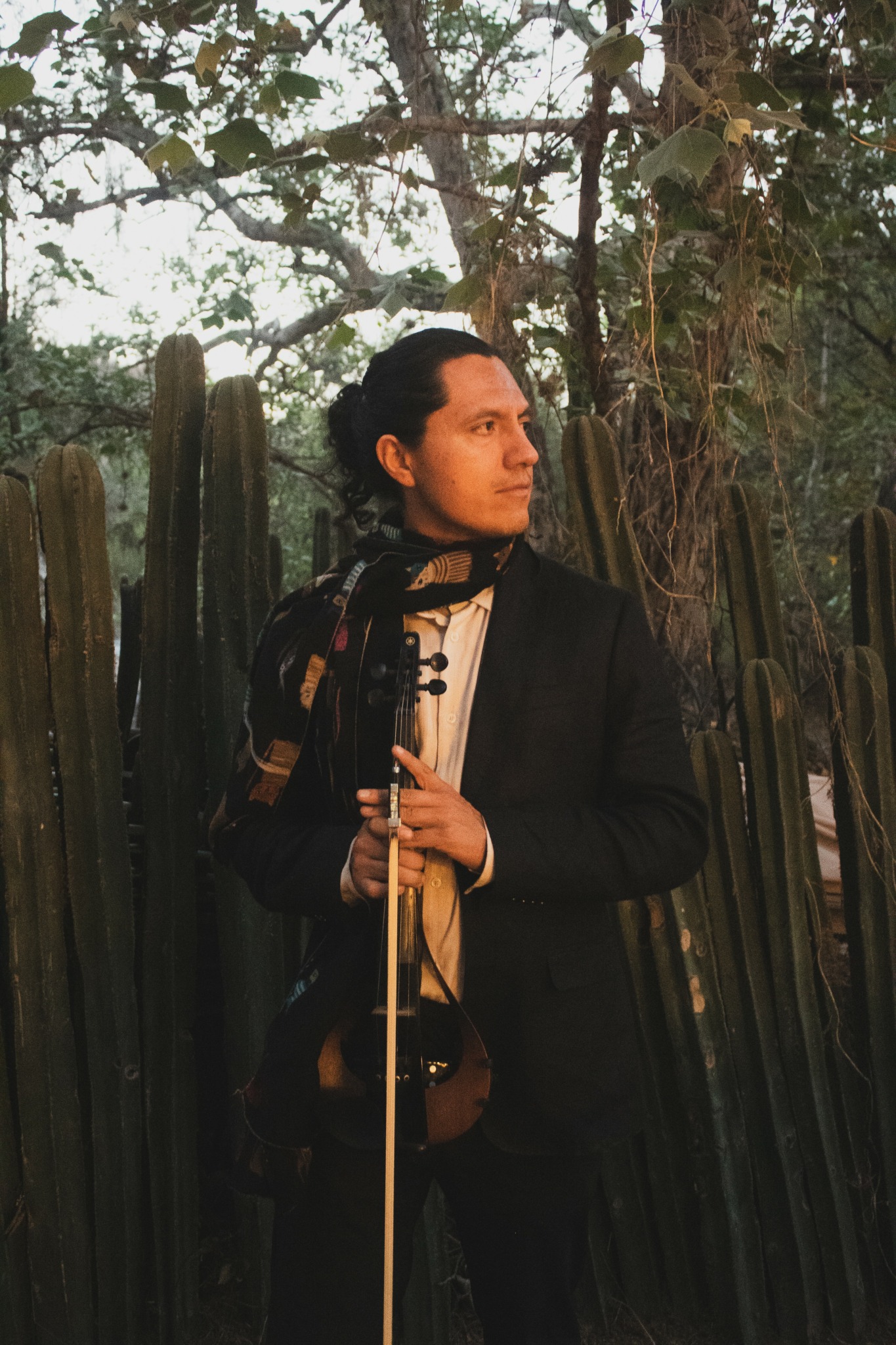
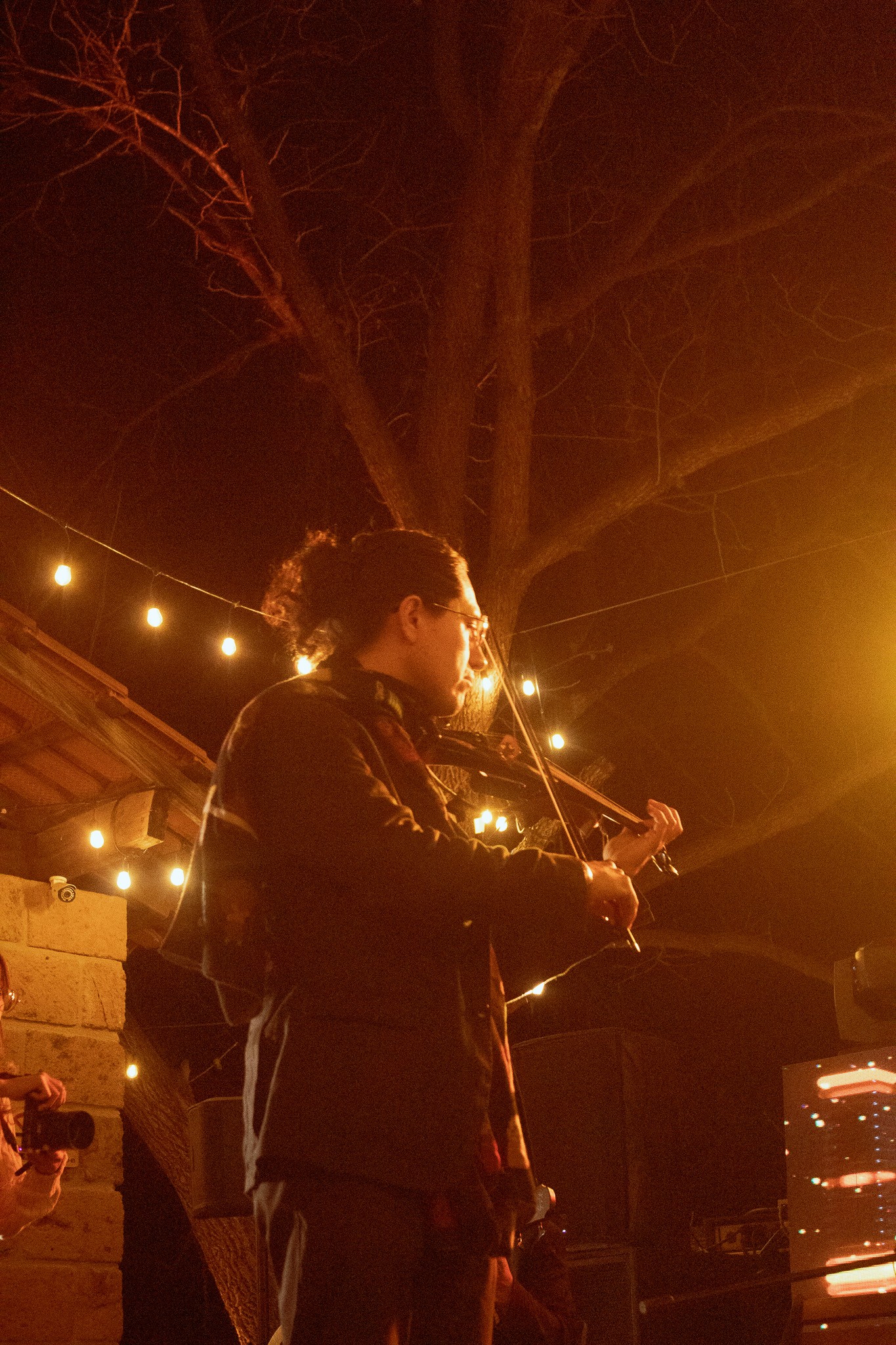
Image Credits
Karen Mireles
Sandy Camacho