

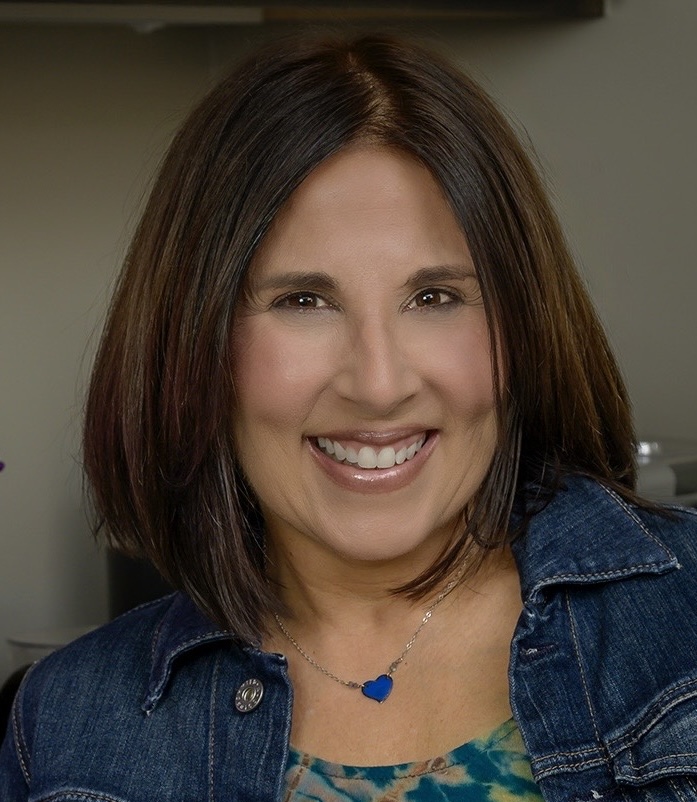

We were lucky to catch up with Michelle Gilbert recently and have shared our conversation below.
Michelle , looking forward to hearing all of your stories today. Risk taking is something we’re really interested in and we’d love to hear the story of a risk you’ve taken.
The biggest risk I’ve taken is leaving corporate America to start Purple Engine Coaching & Consulting. The company I worked for went through a restructuring and my job, among many others, was impacted. My choices were to apply for another job with the company or take a severance and write my own next chapter.
Being told your job is being eliminated is devastating, embarrassing, and scary. Even though I knew it had nothing to do with performance, I couldn’t help but feel like I was being discarded. While my decision to finally take a chance on me felt risky, it was a clear decision to make — as I knew that it was time for me to leave my career in public relations, something I’d done well for 34 years, and spread my wings.
It was risky for so many reasons: I knew nothing about starting, let alone, running a business. I was switching careers by getting my certification as a leadership coach, so everything I had been known for and valued for, seemed irrelevant now. I was walking away from a regular bi-weekly salary, a generous bonus structure and health insurance. Yet, every gut instinct told me it was the right thing to do.
I took this risk for many reasons: I wanted to build more flexibility into my schedule. I was tired of coveting vacation days, feeling like I was a prisoner to my email box, being beholden to drive through rush out traffic 4 days a week versus working from where I wanted to and that feeling of overwhelm and not being able to climb out of it.
So, how did it turn out? I’m very proud of the progress I’ve made in 2 years. I’m growing, learning every day, building my skills and business savvy and proving to myself that I can do very hard things. Most importantly, I’m happier.

Michelle , before we move on to more of these sorts of questions, can you take some time to bring our readers up to speed on you and what you do?
I’m Michelle Gilbert, founder of Purple Engine Coaching & Consulting. I’m a certified executive and leadership coach, and before that I spent 34 years in corporate communications, including 24 years inside Fortune 50 companies.
For most of my career, I led internal and external communications strategy for major national brands at the local level — translating big corporate narratives into meaningful community stories, navigating crises, and advising senior leaders through high-stakes moments. But what energized me most wasn’t perfecting the message; it was helping leaders become the kind of people who could deliver it with clarity, confidence, and steadiness.
Long before I officially left corporate life, I knew that when it was time to hang up my corporate cleats, I wanted to focus on helping others grow their careers. That’s why I became a certified coach.
Today, through Purple Engine, I help leaders, entrepreneurs, creatives, and small business owners tackle the uncomfortable conversations and high-stakes moments they’re tempted to avoid.
The name Purple Engine reflects how I work. Purple is the blend of wisdom and power — the strength that’s already within you, waiting to be unlocked. And even the most powerful engines need a tune-up sometimes. That’s where I come in: part partner, part catalyst, part engine of momentum.
My work falls into four primary areas:
1:1 Leadership & Executive Coaching I work privately with leaders at all levels, including business owners, who are capable — but not always showing up as powerfully as they could. Many come to me because they’re avoiding something: a difficult conversation with a leader or colleague, a boundary they need to set, a strategic shift they’re hesitant to lead. We build both mindset and execution. I don’t hand clients scripts; I teach them how to think, prepare, and lead with intention.
Group Coaching & Cohorts There’s something powerful about growth in community. I lead small-group coaching experiences for high-potential leaders who want to strengthen executive presence, strategic thinking, and influence. These cohorts blend real-time problem solving, peer insight, and practical frameworks participants can immediately apply to their businesses and teams.
Interactive Workshops & Professional Development I design and facilitate highly interactive sessions for organizations and professional communities on the leadership skills people are rarely formally taught but are expected to master. From managing strategic relationships and networking with confidence (without feeling awkward) to handling difficult conversations and strengthening executive presence, my workshops blend strategy with real-world application. Participants leave with clear next steps, not just inspiration.
Career Strategy & “Why Me?” Story Development I help professionals articulate their value with clarity and confidence. Whether they’re preparing for a job interview, pitching a client, or presenting to a board, many talented people struggle to translate their experience into impact. They know they’re capable, but they don’t always know how to say it in a way that resonates.
Through my “Why Me?” framework, I help clients identify their differentiators, structure their stories, and communicate their strengths without sounding scripted or self-promotional. Because selling your value isn’t about bravado; it’s about clarity. And clarity is a skill that can be learned.
What sets me apart is the combination of corporate credibility and coaching depth. I understand the pressure of high-level leadership because I lived it. I know what it feels like to be responsible for results, reputation, and relationships all at once. I balance candor with compassion. I will tell you the truth — kindly — and then help you act on it.
I’m also deeply customized in my approach. No two leaders face the same dynamics, so no two coaching experiences look identical. We use your real-life challenges as the curriculum.
What am I most proud of? Not a single milestone, but the visible shifts.
The client who once avoided difficult conversations and now leads them with steadiness.
The professional who secures the job because she clearly communicates her impact.
The leader whose increased preparation and intentionality are so visible that her organization invests in her continued growth.
Those moments tell me the work is landing.
At the core of my work is a belief: confidence isn’t a personality trait. It’s your birthright, and it’s strengthened through preparation, self-awareness, and action. And when you claim it, everything shifts.
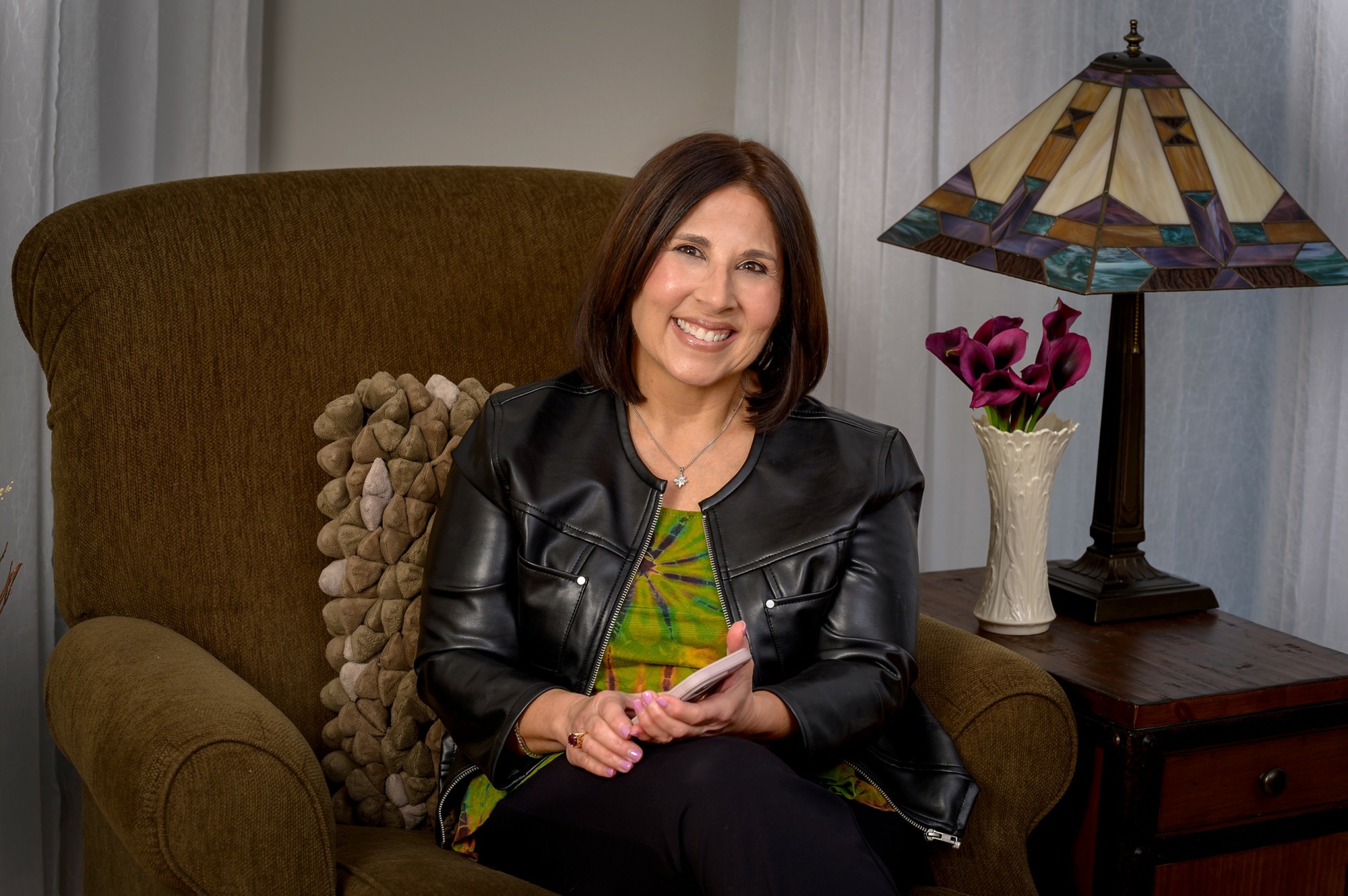
Any thoughts, advice, or strategies you can share for fostering brand loyalty?
Last fall, I launched a weekly newsletter for clients and my “first-to-know” community. Each week, I share personal and vulnerable leadership lessons from my own career. I’ve always believed it’s important not just to teach from expertise, but to teach from experience, especially the messy parts.
Everyone wants to position themselves as the expert people can learn from. But some of the most powerful lessons come from the mistakes we don’t want to repeat.
I’ve written about being publicly embarrassed by a boss for rambling in a meeting, being sworn at and ruminating about it for six weeks before finding the courage to address it, and even accidentally sending a snarky email to the very person I was venting about — and how I handled it afterward.
Each story includes practical insight and tools readers can apply if they find themselves in a similar situation.
More importantly, it shows my clients that I’ve walked in their shoes. I’ve felt the anxiety, the self-doubt, the overthinking. And I’ve learned how to navigate those moments with greater clarity and confidence.
That transparency builds trust. And trust builds loyalty.

Any advice for managing a team?
High morale isn’t built through perks. It’s built through strong leadership. Here are my top 7 tips for managing a team and keeping morale high:
Start with patience and curiosity. Listen with the intent to understand, not to respond right away or fix. When people feel heard, they engage differently.
Don’t micromanage. Set clear expectations, then give people autonomy. Micromanagement signals distrust. Clarity plus ownership builds confidence.
Flex your communication style. Some team members want direct and concise. Others need context. Strong leaders adjust so their message actually lands.
Give feedback regularly, not just when something’s wrong. Ongoing feedback prevents surprises. And genuine, specific positive feedback fuels performance. Catch people doing something right and name it.
Create safety for disagreement. Teams with high morale can challenge ideas without fear. When constructive dissent is welcomed, innovation rises and resentment drops.
Address issues early. Avoidance erodes morale faster than bad news. People can handle honesty. They struggle with silence and inconsistency.
Above all, be kind and transparent. And model emotional steadiness. Teams take their cues from you. If you’re reactive or avoidant, morale dips. If you’re clear, calm, and accountable — even in hard moments — your team feels secure.
Morale isn’t built in big speeches. It’s built in everyday interactions.
Contact Info:
- Website: https://www.purpleenginecoaching.com
- Linkedin: https://www.linkedin.com/in/michellebgilbert
- Youtube: https://www.youtube.com/@PurpleEngineCoaching

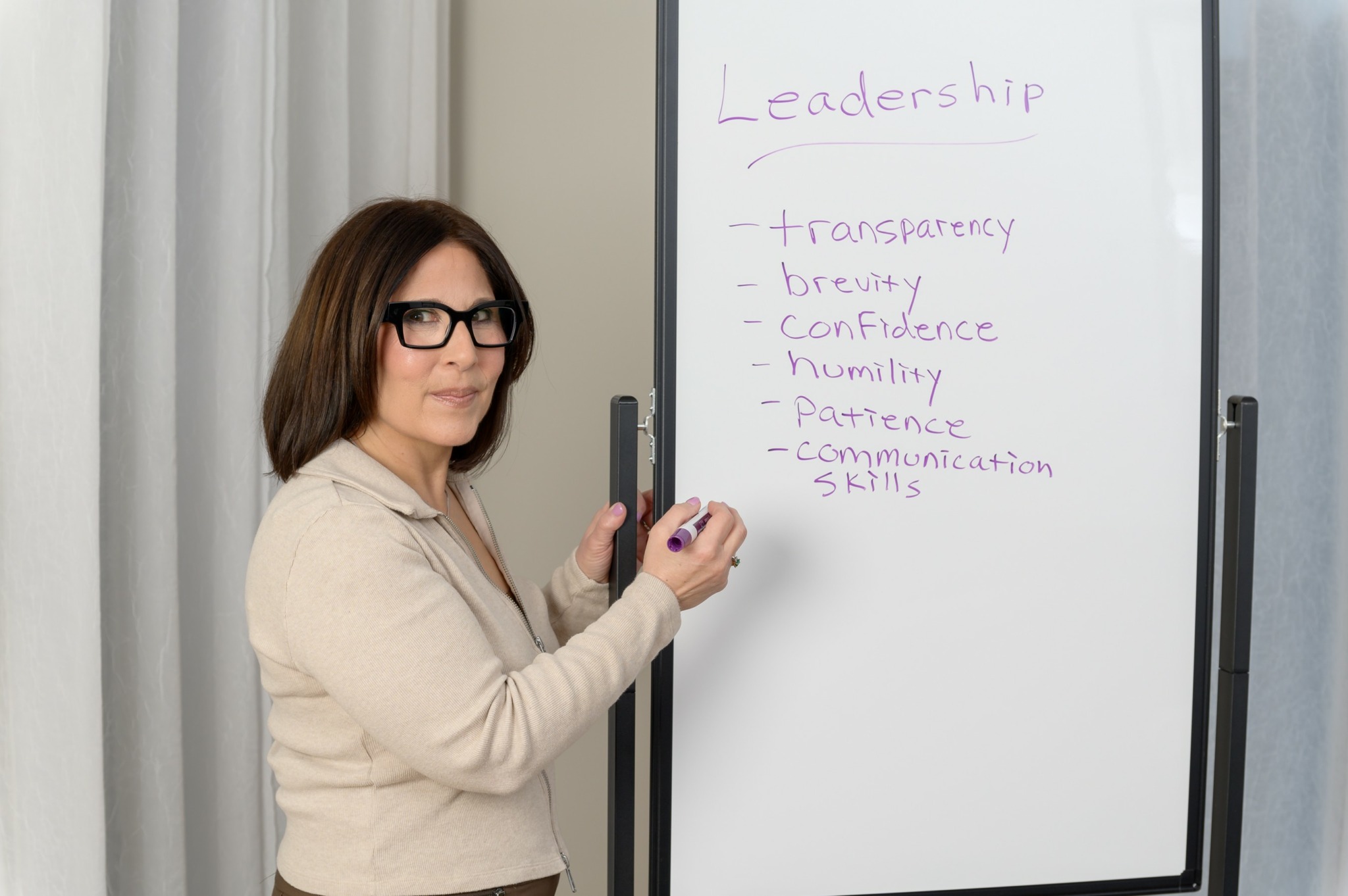
Image Credits
Santa Fabio for all photos except the one with the dogs.