



Alright – so today we’ve got the honor of introducing you to Michelle Carter. We think you’ll enjoy our conversation, we’ve shared it below.
Michelle , looking forward to hearing all of your stories today. Have you been able to earn a full-time living from your creative work? If so, can you walk us through your journey and how you made it happen? Was it like that from day one? If not, what were some of the major steps and milestones and do you think you could have sped up the process somehow knowing what you know now?
I’ve been fortunate enough to make a full-time living from my creative work, and while the journey as a creative is a constant roller coaster…full of highs and lows…it’s also incredibly rewarding. It definitely hasn’t been a straight line to earning a full-time income from day one. I’ve been in bands, worked as a solo artist, and for the past decade, I’ve focused on film composition and sound design. Now, I’m back to my roots as an artist with my band, 6 Minute Escape. There have definitely been moments where I look back and think I could’ve done things differently, but I see those challenges as valuable lessons that have shaped who I am as an artist. Honestly, I’m really happy with where I am in my musical journey, so it’s hard to pinpoint what I would change. Even the toughest times have helped me grow. The willingness to change course or learn new skills, like picking up new instruments or diving into music production, has been key in helping me evolve as a working musician.
I’ve been in music since I was 11, and after decades of working as a singer, artist, composer, voice teacher, and sound designer, I still absolutely love what I do. Every day feels like a privilege to make music and be part of this world. Sure, the gigs come and go, but the passion is always there. I truly believe that the key to longevity in this career is staying connected to what you love and focusing on the journey rather than just the destination.
One of the most important lessons I’ve learned is to trust your gut when it comes to relationships and opportunities. If something doesn’t feel right, it usually isn’t. Surrounding yourself with the right people is crucial. Also, it’s easy to take gigs just for the paycheck, but I’ve learned that the projects that resonate with me on a deeper level are the ones that lead to the most success. That’s been my experience, and it’s what continues to drive me as an artist. Being an artist isn’t just a career choice for me—it’s truly who I am.
Michelle , love having you share your insights with us. Before we ask you more questions, maybe you can take a moment to introduce yourself to our readers who might have missed our earlier conversations?
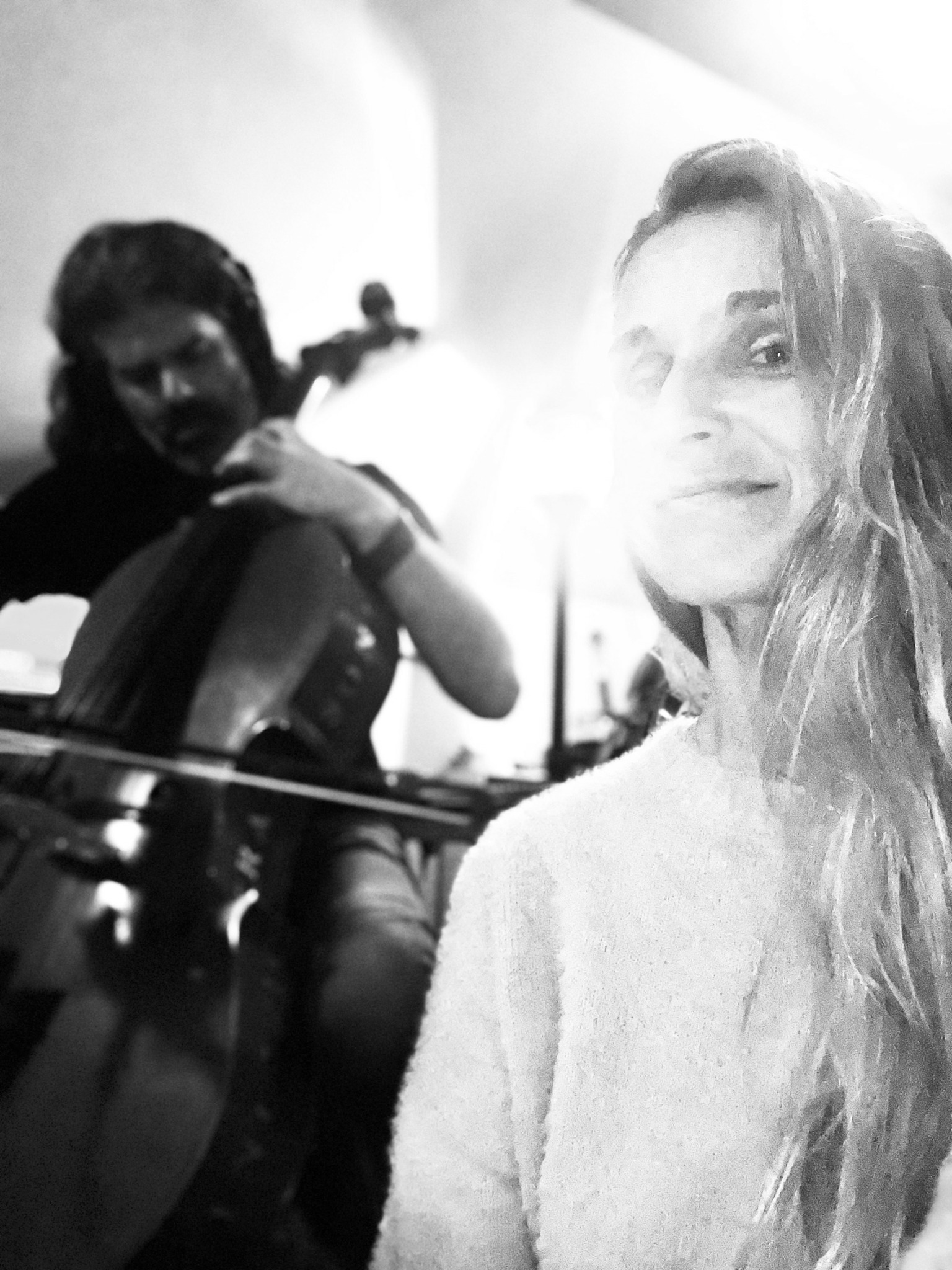
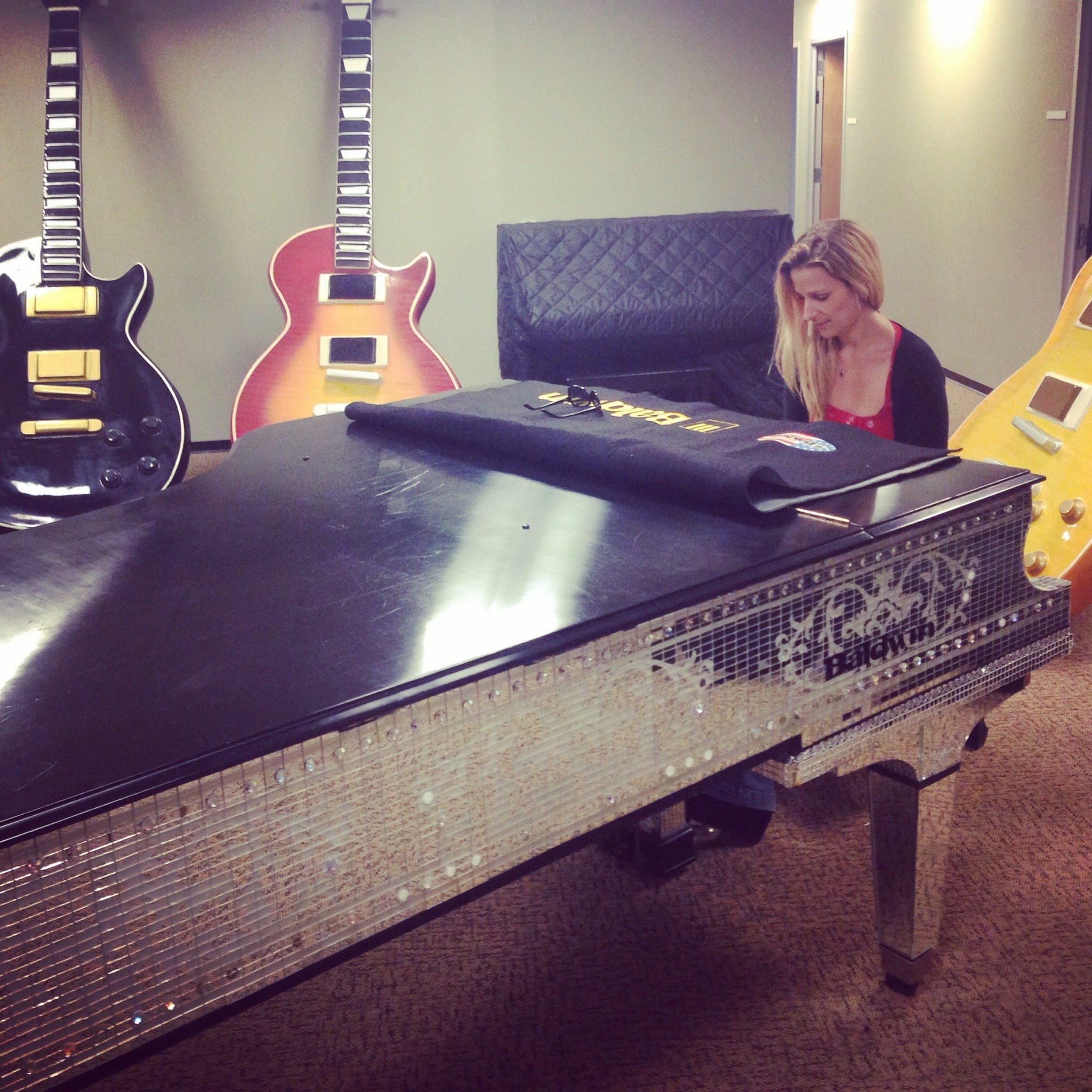
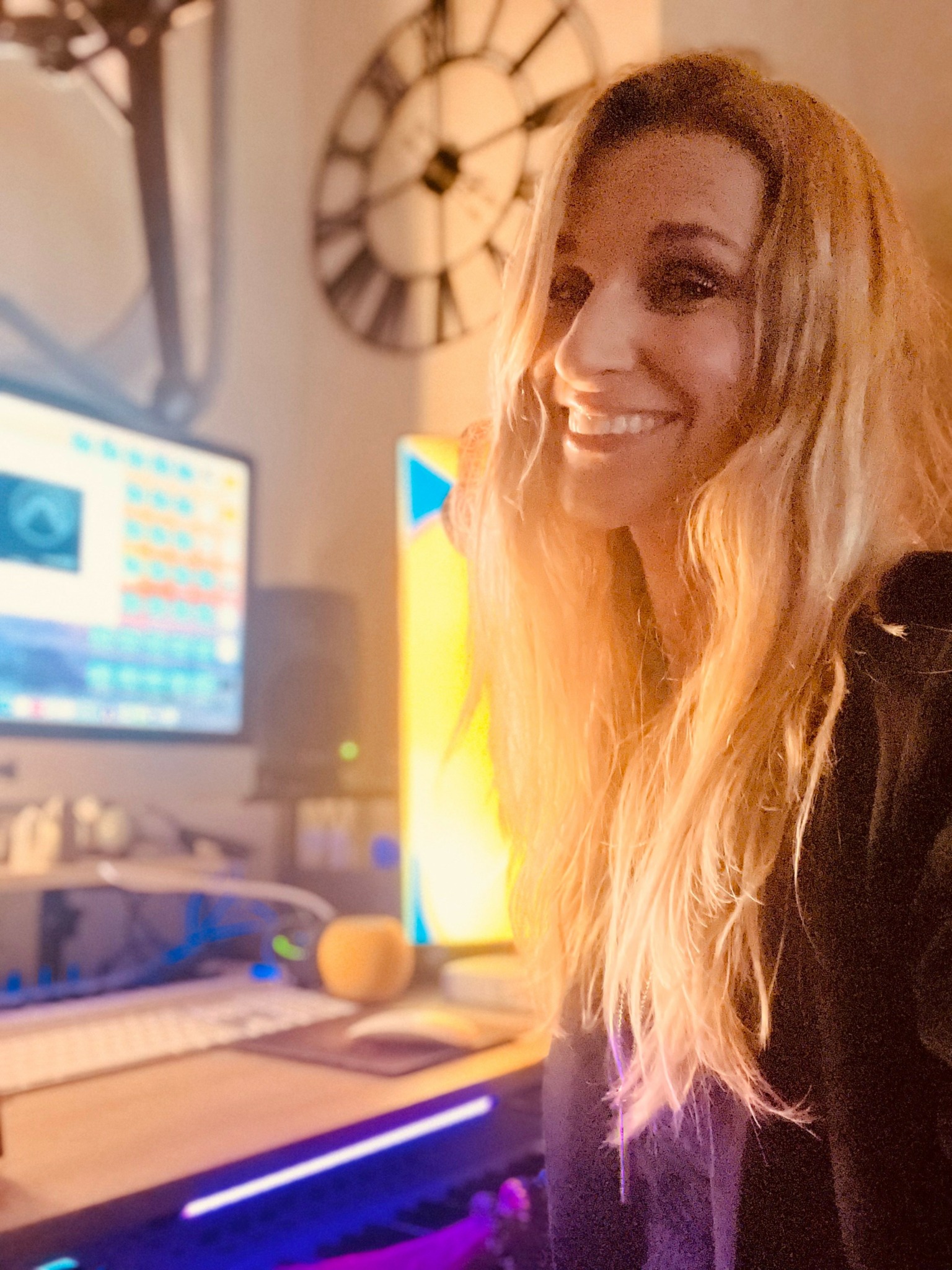
I’m classically trained singer, composer, and sound designer from Canada, now based in Los Angeles since 2009. I’ve been involved in music since I was 11 when I started studying singing, and over the years, I’ve had the chance to explore many different aspects of the music world. My career has been shaped by a love for both performance and composition, and I feel lucky to have worked in areas like songwriting, composing, sound design, vocal coaching, and creative collaboration.
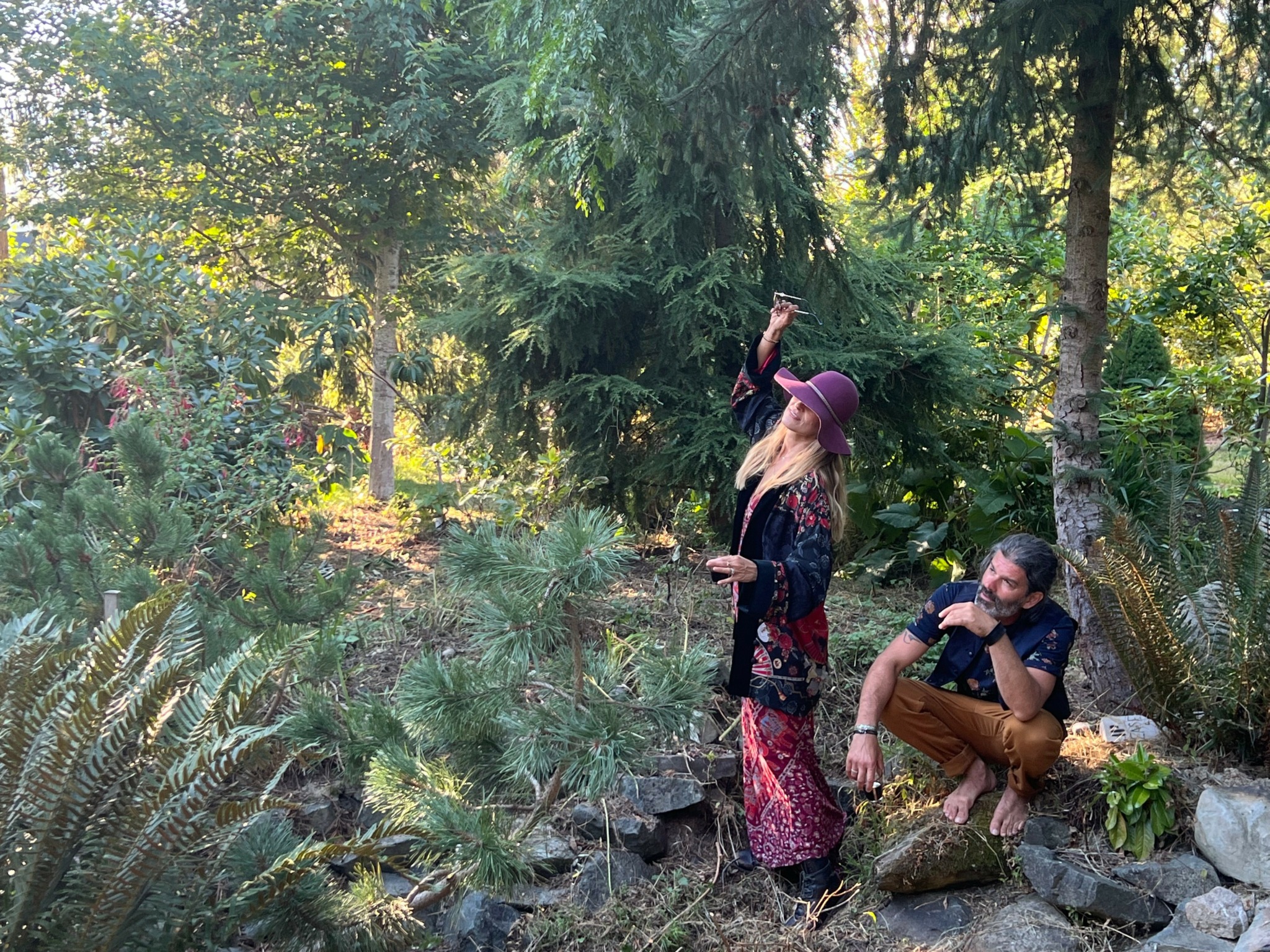
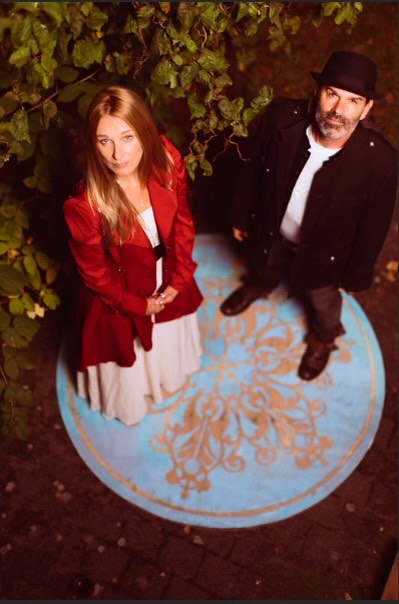
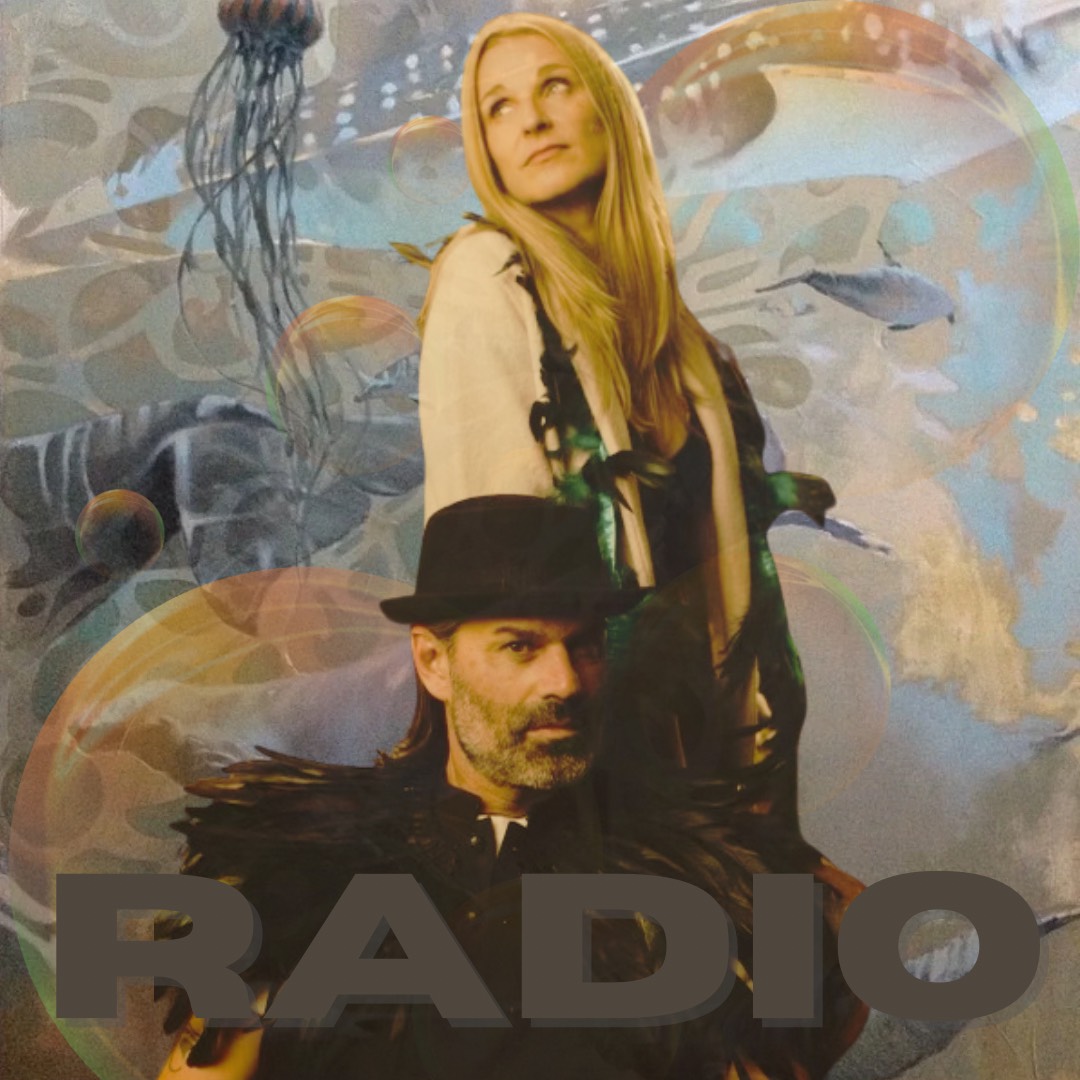
Along with visionary artist/musician Mike Soloman, I co-created the band 6 Minute Escape (Since 1997). Our music blends different genres and emotions, and we try to bring a fresh, honest sound to the world. Right now, we’re really excited about a project we’ve been developing for a while “LESEDI”, a Ballet/Opera experience that combines movement, music, and storytelling in a way I’ve never explored before. We’re in the production stage now, and it’s something I can’t wait to share.
I remember a turning point earlier in my career when I was leaving a show in West Hollywood with my guitar in tow. Even though the show itself went well and I received positive feedback, I felt completely disconnected from my songs. They no longer felt like my own. I realized they had become more about the producer I was working with than my own vision for the music. A friend said to me, “If you don’t like your songs, how do you expect anyone else to?” That really stuck with me, and since that moment, I’ve been on a journey to create music that I am personally connected to, rather than just chasing trends or a sound that doesn’t feel authentic to me.
I’ve also had the privilege of composing music and designing sound for a variety of projects, including several films, documentaries, and even meditation pieces. One of the pieces I’m especially proud of is Hymns of Dawn, which was recorded at Hollywood Scoring and selected for the SS Composer Master Series. It’s always a rewarding experience to see your work out in the world, especially when it connects with people in different ways.
When it comes to my work, I believe my classical training provides a solid foundation, but I love exploring new ideas and pushing myself creatively. What I really enjoy is the process of blending different styles and genres, and finding ways to bring out emotions through music. I really value creating work that feels genuine and meaningful to me at the time. I am also open to changing, like creative moods
I’m actually pretty happy with the journey I’ve been on so far. Every project I work on feels like a step forward in both my craft and my personal growth. What I want people to know is that I’m always learning, experimenting, and trying to find new ways to connect through music. It’s not always about the end result; it’s about the process and the passion behind it.
More at www.michellecartermusic.com and www.6minuteescape.com
We’d love to hear a story of resilience from your journey.
There was a pivotal moment in my journey where everything I’d built seemed to come crashing down, but it ultimately became the foundation for my career today. I was once signed to a indie record label, which was a dream come true for me at the time. However, after I left the label, they sued me, and I quickly realized that the music industry could be an incredibly harsh place. To make matters worse, I signed another deal with a producer, but that ended up being just as bad, if not worse. I lost ownership of my own music, which was gut-wrenching. I had poured my heart into creating, and now I didn’t even own the rights to my own work.
That was a breaking point for me. I couldn’t continue down this path of making bad deals just to get my music out into the world. I realized I needed to take control of my own destiny, so I decided to teach myself ProTools. It wasn’t easy, a lot of trial and error but it was the decision that changed my life. With ProTools, I not only became more independent, but I also became a composer for film, and a regular contributor to PremiumBeat/Shutterstock with original music. I started producing my own tracks and slowly, over time, regained control over my music and my career.
It was a process that took years, but the results were worth it. I’m proud to say that today, I own my music, and I control the narrative. That same resilience has carried me into the current creation of our large scale opera production LESEDI, where I can apply everything I’ve learned—both musically and in terms of the business side of things. I’ve had to navigate setbacks, and each time, I’ve used those challenges as fuel to push forward.
This journey has taught me that resilience isn’t just about bouncing back, but also about being willing to learn new skills, take risks, and fight for what you believe in. Now, I can look at everything I’ve accomplished and know that I made it happen on my own terms.
In your view, what can society to do to best support artists, creatives and a thriving creative ecosystem?
In my view, one of the most important things society can do to support artists and creatives is to ensure that they are fairly compensated for their work. The current streaming model, where music artists often don’t see much return for the value they create, is one of the biggest challenges in today’s music industry. Streaming has undoubtedly made music more accessible, but it has also made it incredibly difficult for artists, especially independent ones, to earn a living from their craft.
To truly support creatives, society needs to value the work we do, not just in terms of exposure, but also financially. This means rethinking how streaming platforms operate and finding more sustainable models that allow artists to thrive. There are also other avenues like live performances, merchandise, and crowdfunding, but streaming needs to evolve into a system that better supports the people who make the content in the first place.
Beyond just the financial side, it’s also important for communities to nurture and celebrate creativity in all its forms. Providing access to arts education, funding for independent projects, and spaces where artists can collaborate and grow are crucial to maintaining a healthy creative ecosystem. The more people support art in a way that acknowledges its true value, the better off the entire creative community will be.
Ultimately, artists need both fair compensation and a supportive environment to create and thrive. When that balance is achieved, it benefits everyone, whether they’re listening, viewing, or engaging with the art.
Contact Info:
- Website: www.6minuteescape.com and www.michellecartermusic.com
- Instagram: www.instagram.com/6minuteescape and www.instgram.com/mcartermusic
- Other: Our music is currently only available on our website. We are looking for alternatives to the current streaming platforms that are more supportive of the artist.
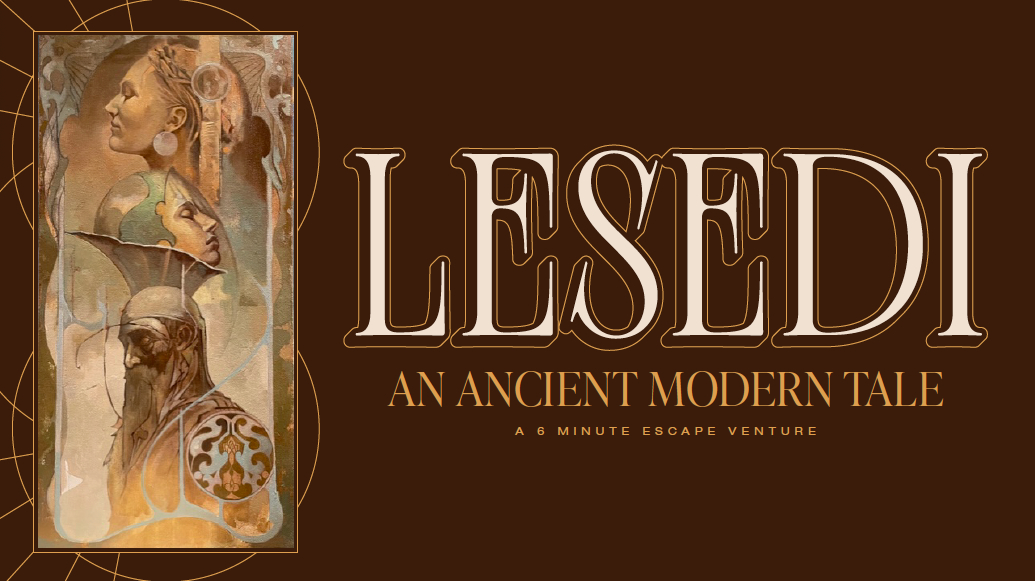
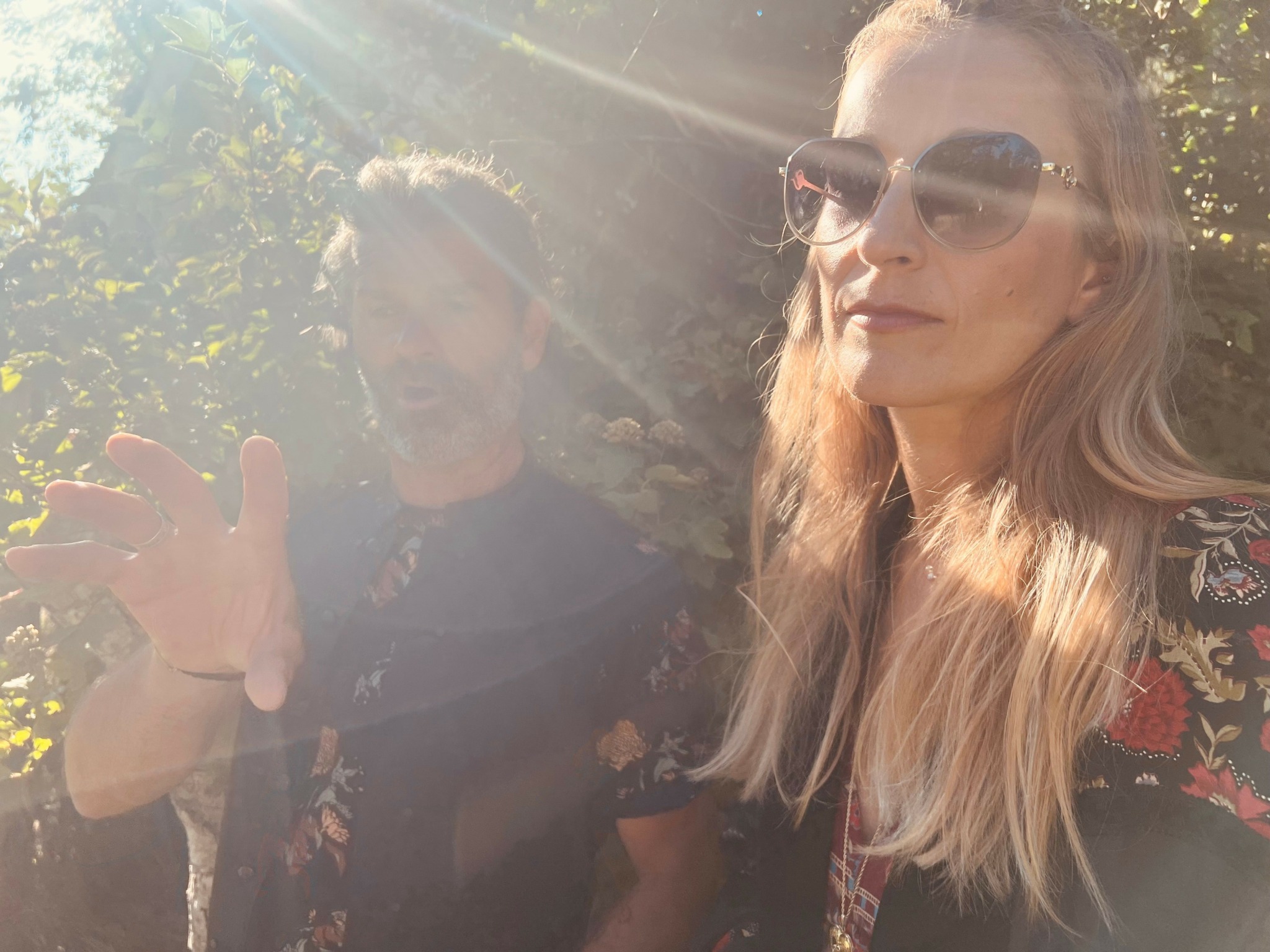
Image Credits
JW Perkins Photo for the side profile picture