

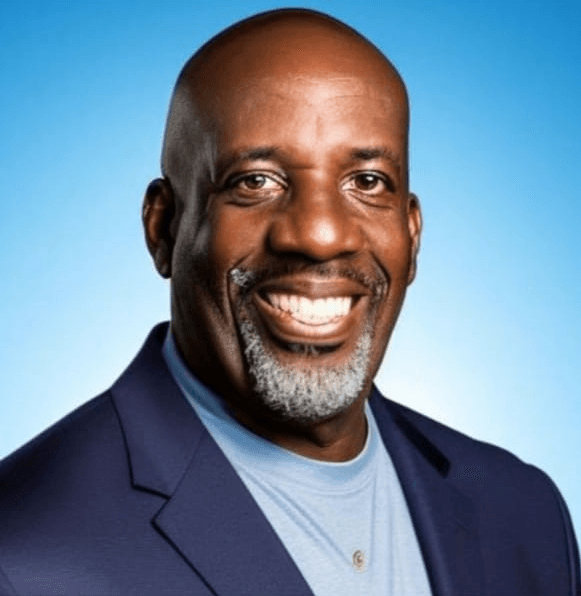

We were lucky to catch up with Michael Wright recently and have shared our conversation below.
Michael, appreciate you joining us today. It’s always helpful to hear about times when someone’s had to take a risk – how did they think through the decision, why did they take the risk, and what ended up happening. We’d love to hear about a risk you’ve taken.
The greatest risk, or let’s say, one of the greatest risks taken, was 34 years ago. A risk, that led to things that I’m very much involved in today. It’s a risk that involved my wife Patricia, and her agreeing to take that risk with me. It was a risk that also involved bringing our 4 yr old and 7 yr old son and daughter along. A risk that involved us selling everything we owned, including the furniture and car, and giving away most clothing. And it was a risk that involved purchasing a one-way ticket for the four of us, to Africa.
Prior to that, we worked normal jobs. My wife worked in Administration while I worked as a lab specialist for the city’s wastewater treatment plant. Until then, life was pretty much normal, routine. That was until I saw a video shown in a local church, of people in Kenya, East Africa, that was in desperate need of help. Men and women, who seemed trapped in vicious cycles of poverty and desperation. Children that wondered the streets, orphaned, hungry, alone, and desperate. Many sniffing glue, not because of a drug problem, or to get a recreational high, but because it was the only thing that kept them from feeling the pains of hunger. I’d seen commercials of such on tv from organizations asking for money, and I’d seen such videos in local churches as a missionary would come to town. But this time, this was different. This time, it felt as if I was the only one in the room, and it felt as if I was the only one on earth, that was left to help. I made a decision, along with my wife, that we would take the risk, and go to a place that we’d never heard of, and a place we’d never been, Mombasa, Kenya, East Africa.
Thus, the risk began. That was 34 yrs ago! Since then, we’ve been involved in starting a total of 14 missions, and currently supporting 3 children’s homes caring for close to 500 children that were once orphaned, including special needs children. Through our non-profit organization, Global Development Project Kenya, we also sponsor several yearly Women’s Empowerment Initiatives, Youth Empowerment Initiatives, and special assistance and trauma care for women who’re living with HIV. 34 years later, we’re still at it, and it’s growing and spreading throughout East Africa. Many women have found help, healing, career training and purpose. Many of the children, not only have found shelter, but a nurturing and supportive care that has provided new beginnings, hope, education, and a chance at life! Many have succeeded in their higher education and have returned to help, assist, and even teach at the children’s homes or during one of our initiatives being held throughout Kenya. The risk, was great, but the payoff, so much greater!
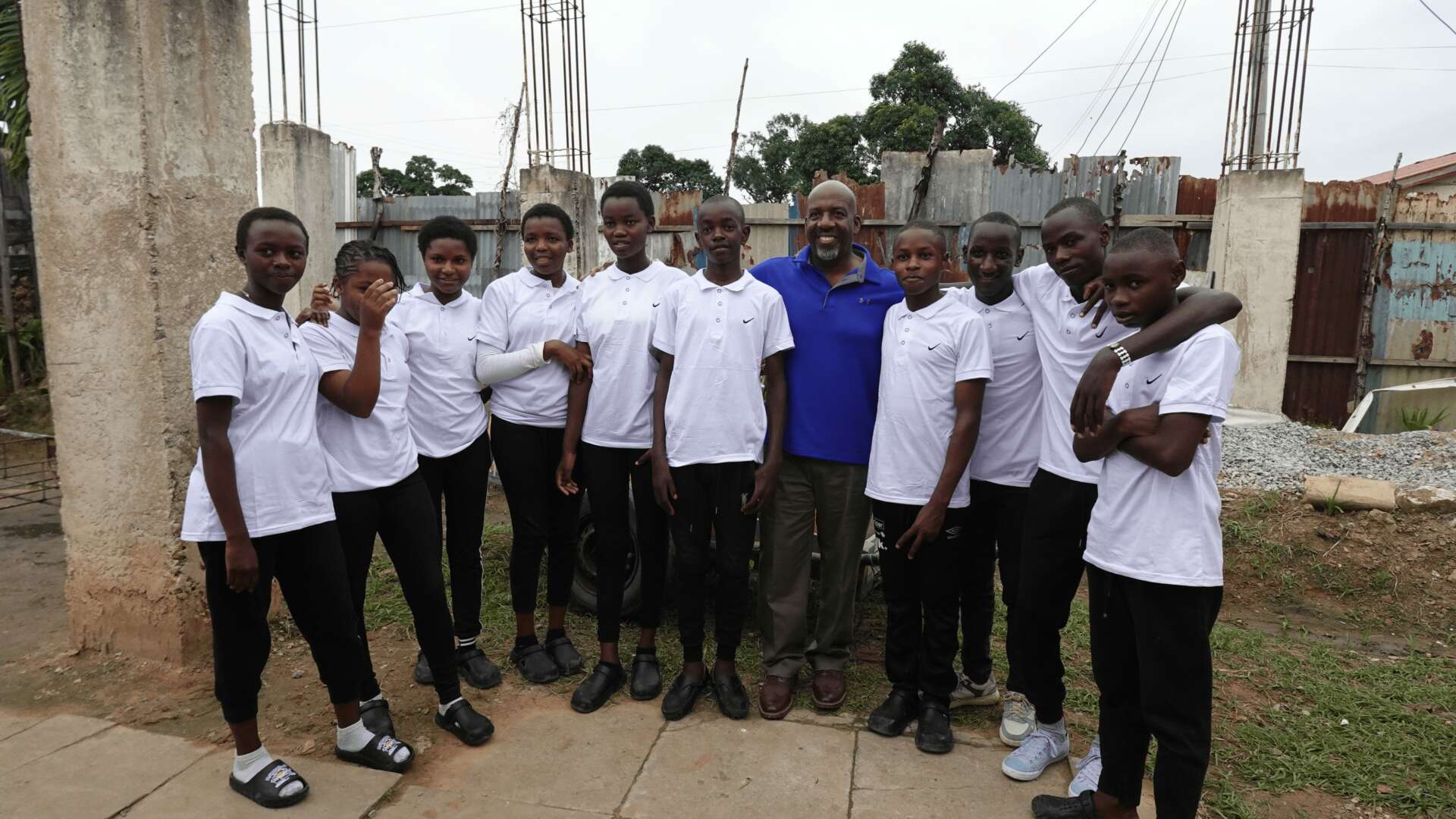
Awesome – so before we get into the rest of our questions, can you briefly introduce yourself to our readers.
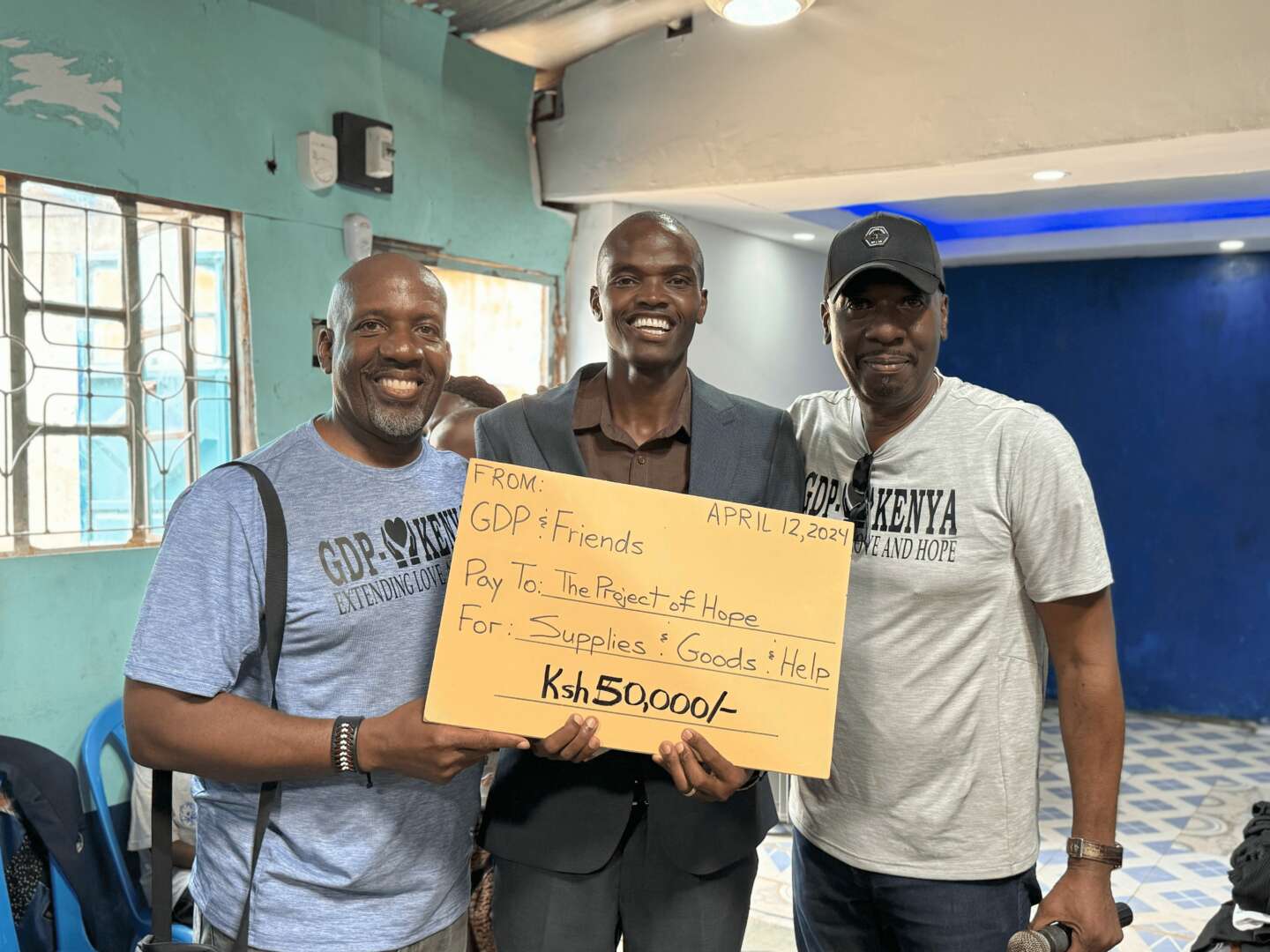
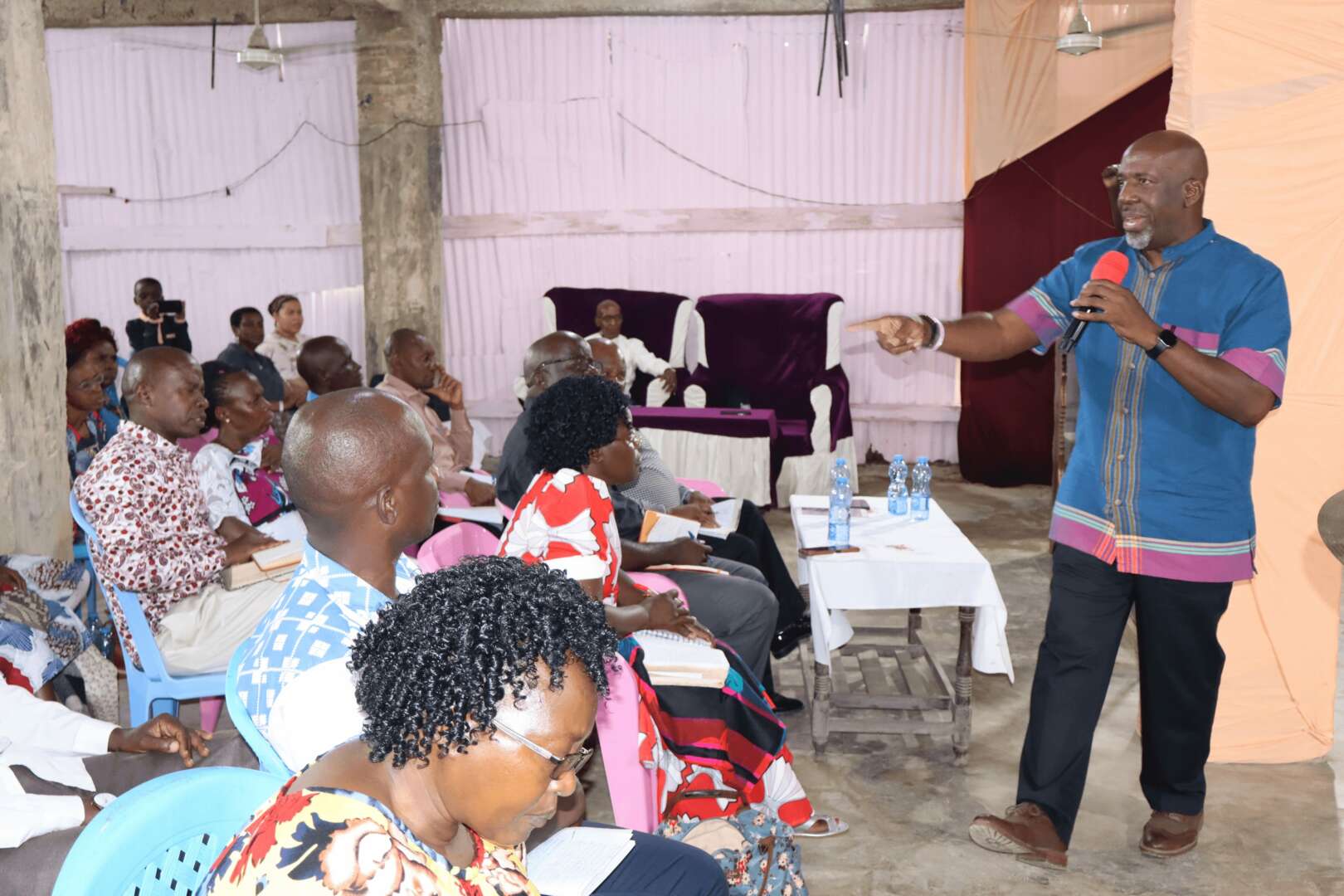
For many years, we, along with a few friends and well-wishers, carried the burden of supporting the orphanages and initiatives that we began. But over the years, the financial burden grew to be more than we could carry ourselves as the needs continued to be great, and the orphanages expanded. We had others who saw the need, and simply wanted to come along side of us and help by volunteering to go on short mission’s trips to Kenya to help or simply support and sponsor an orphanage, a special initiative, or even a child education. That led my wife Patricia and I to start a US registered non-profit organization called Global Development Project Kenya (GDP). Through that, donors can support any of these initiatives through a one-time gift or donation, or a monthly donation to any of the initiatives choose to be a part of. All of these are tax deductible through our organization. 90% of all donations go directly to the initiatives and the remaining 10% going to the administrative and logistical cost of supporting the organization. The entire board is a volunteer group, donating their time, support, and help to supporting the efforts of GDP. Our focus is simply on helping. Our motto is “Extending Love and Hope Across the Borders”. It’s not just a slogan for us, it’s what we do on a daily basis, hands on with every one of these initiatives. GDP was listed as one of the Great Non-Profits in 2024.
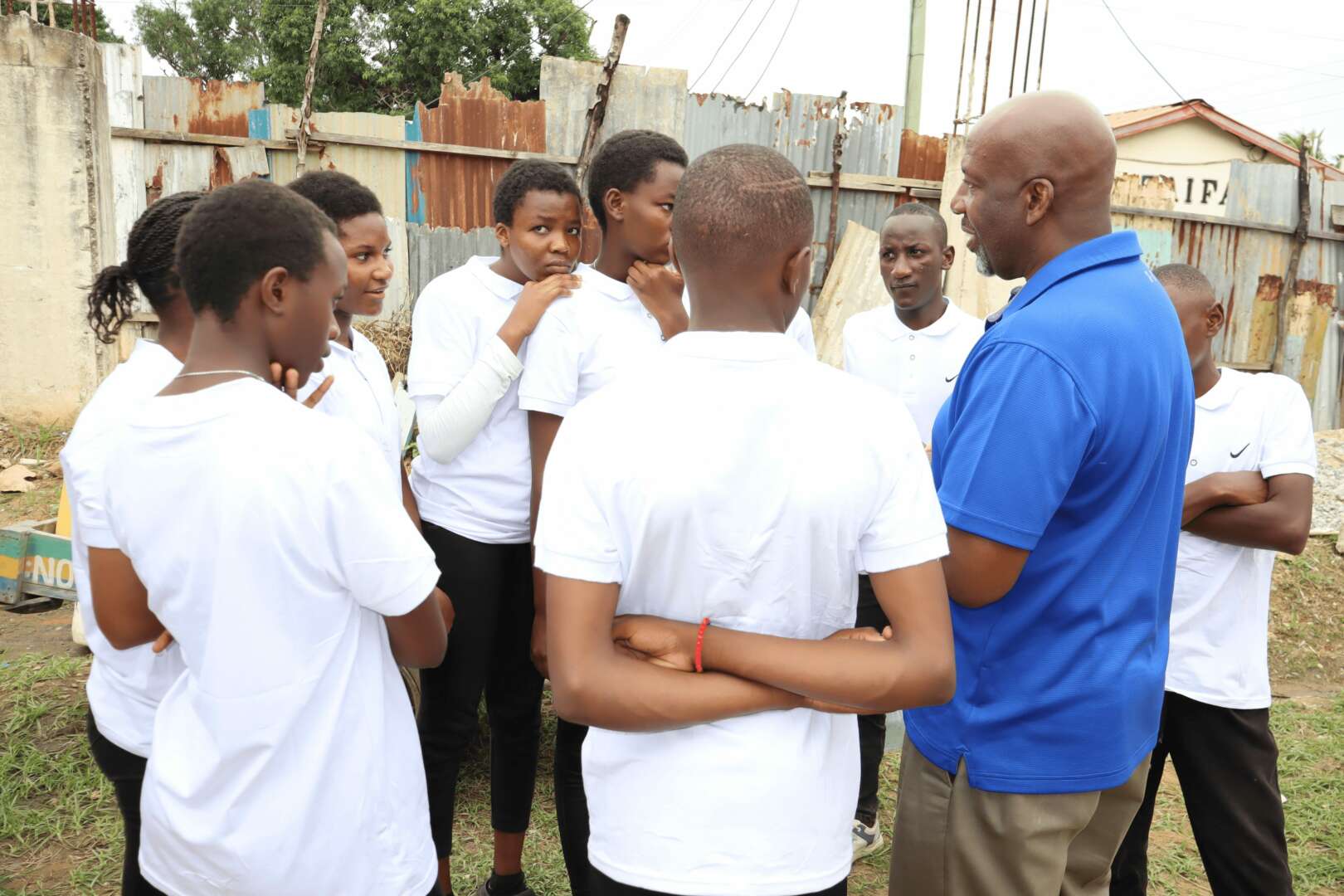
How’d you build such a strong reputation within your market?
As a non-profit organization, we have done the things that it has taken to gain the confidence of our donors through transparency, frequent communication, and longevity over the years. We have third-party auditors of our records and submit yearly reports to the IRS which are available at any time to any and all of our donors or would be donors.
The other thing that we have a great reputation for, is simply not just being a business. We sincerely care for those that we reach out to. As I’ve said before, “Extending love and hope” is not just a motto for us, it’s what this risk and organization was built on, and it’s what we do on a daily basis.
Other than training/knowledge, what do you think is most helpful for succeeding in your field?
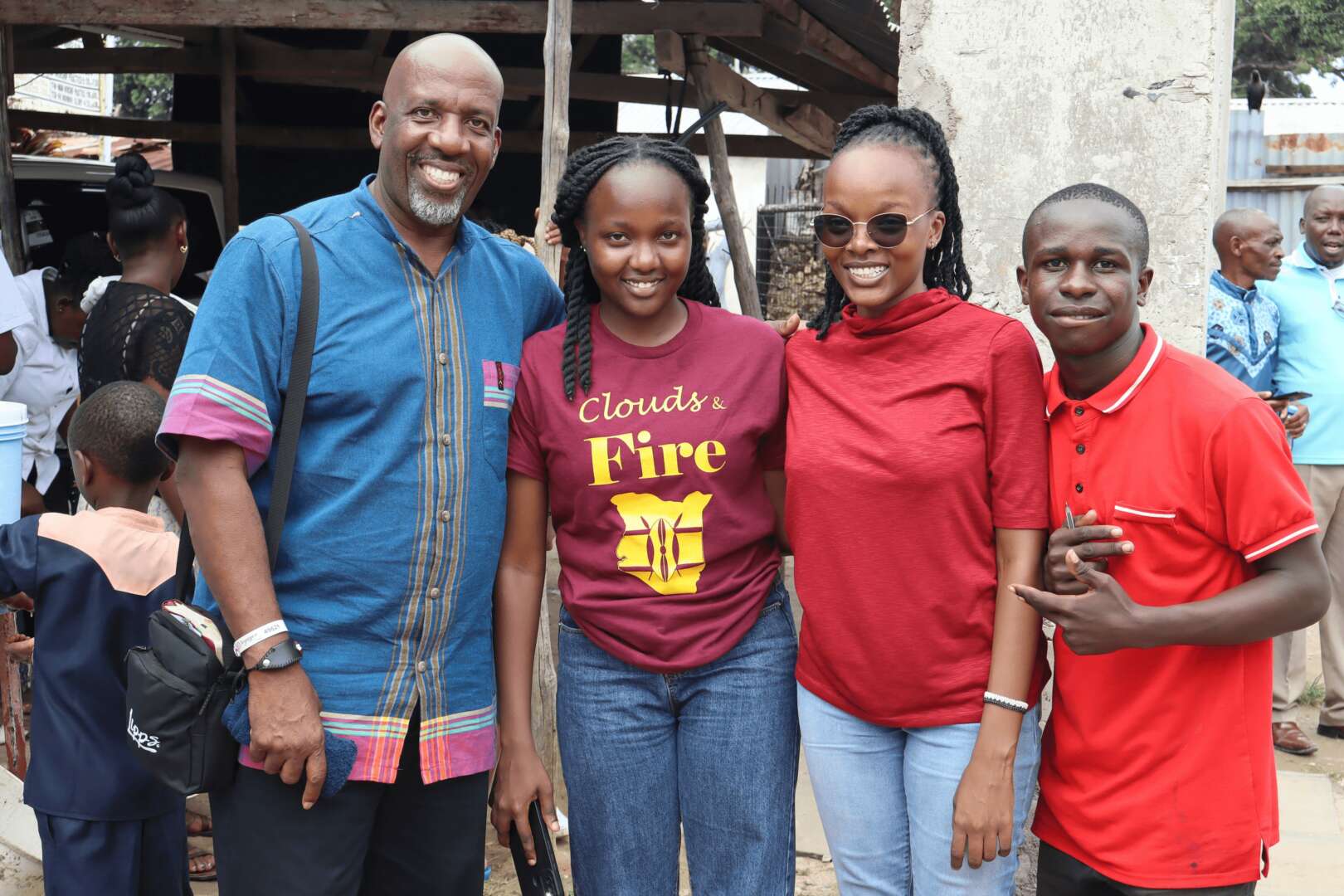
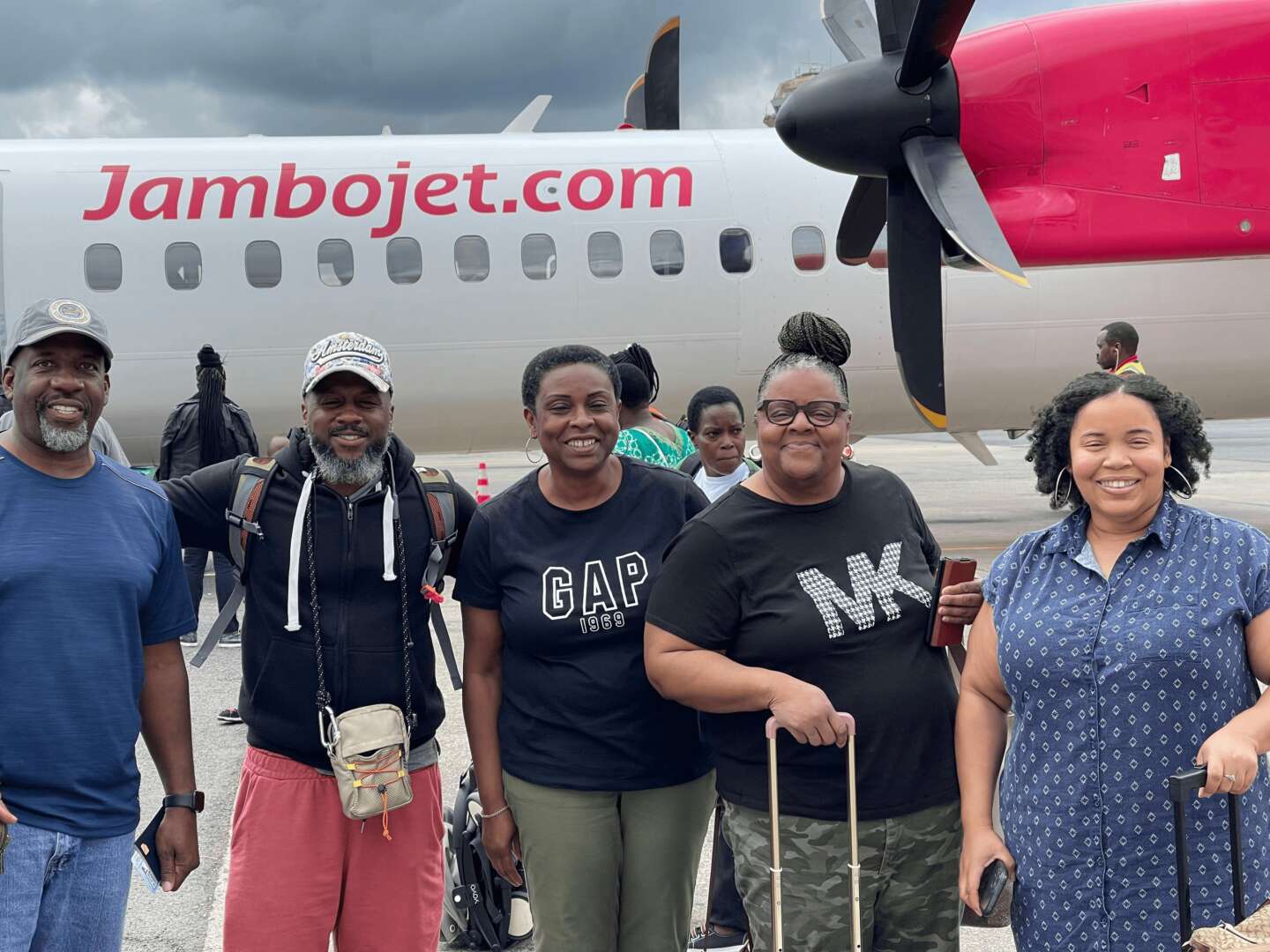
The human factor. You must have training. You must gain knowledge to be successful in this field. But the human factor is a must! Partnering with others to make a difference is a MUST.
Contact Info:
- Website: https://www.gdpkenya.org
- Instagram: @gdp_kenya
- Facebook: GDPKenya
- Twitter: @MichaelWri88680
- Youtube: @GlobalDevelopmentProject-Kenya
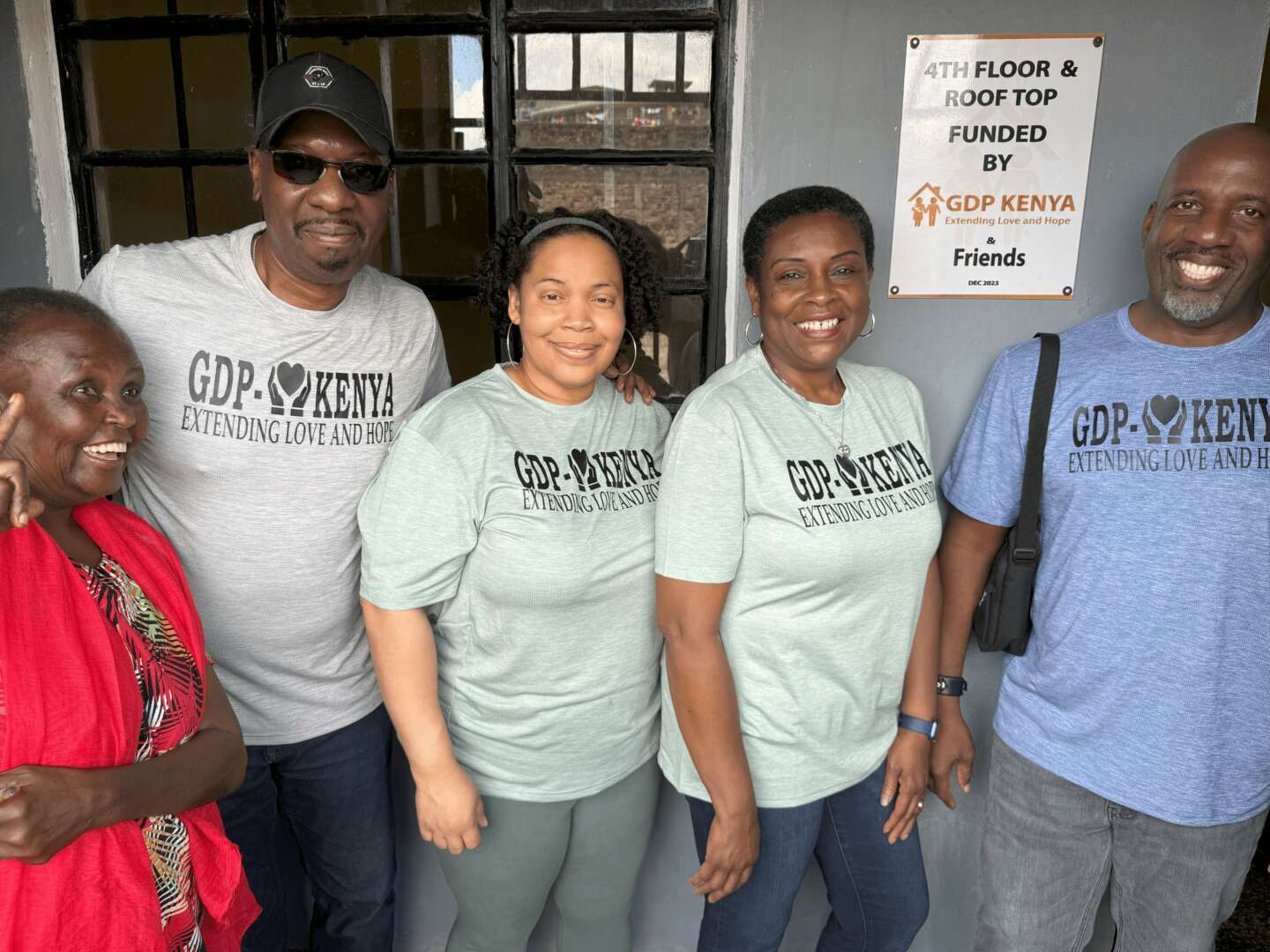
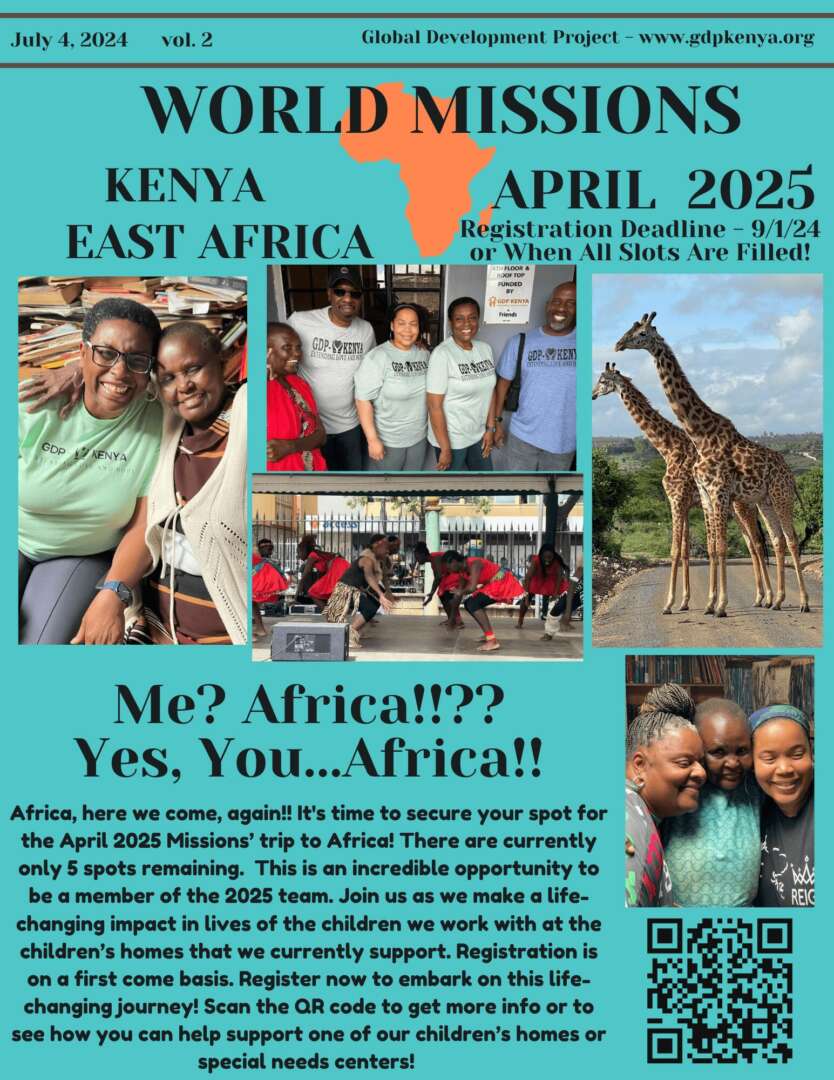
Image Credits
Dr Erin Anthony
Patricia Wright