

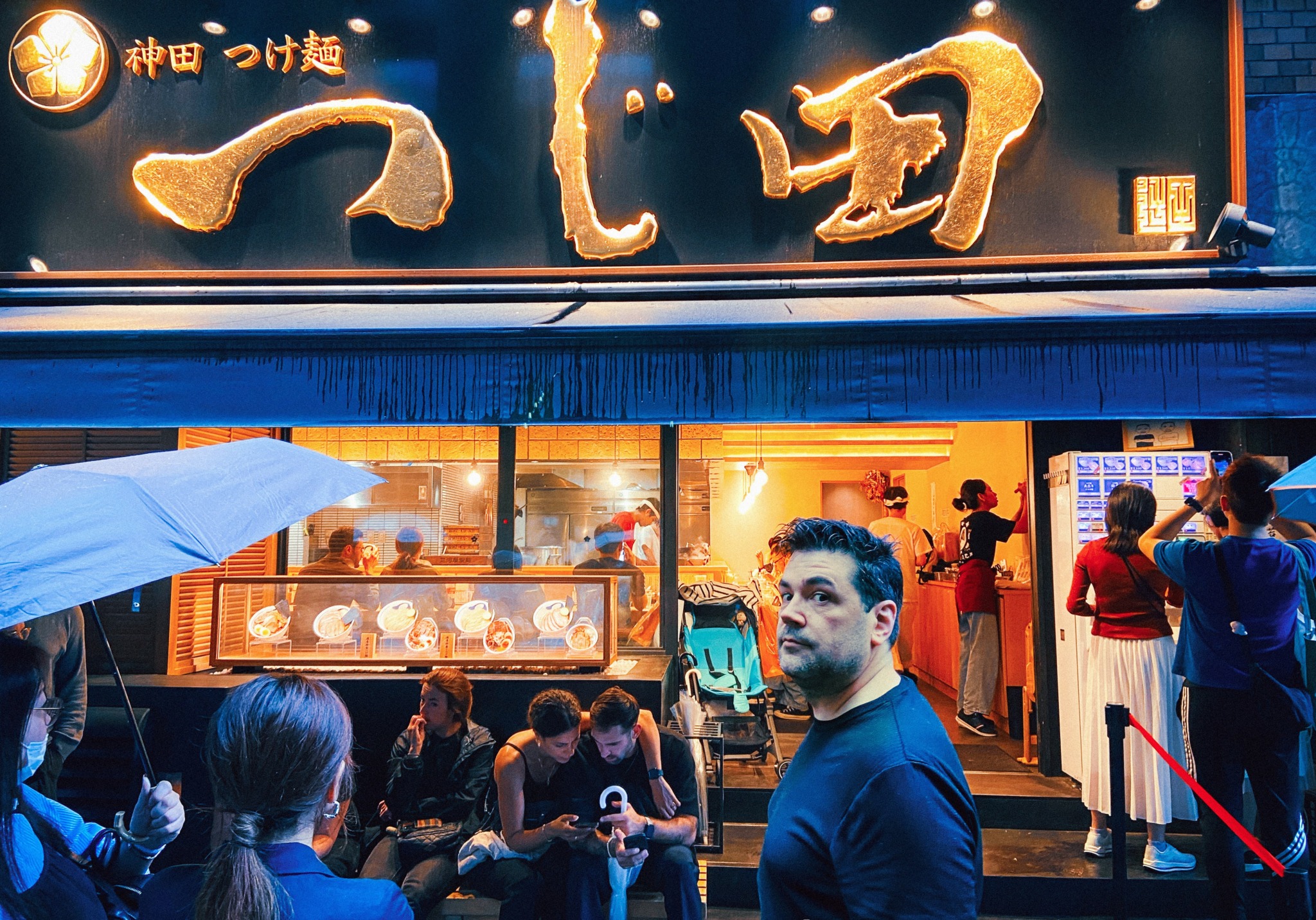

We’re excited to introduce you to the always interesting and insightful Michael Foster. We hope you’ll enjoy our conversation with Michael below.
Michael, thanks for joining us, excited to have you contributing your stories and insights. It’s always helpful to hear about times when someone’s had to take a risk – how did they think through the decision, why did they take the risk, and what ended up happening. We’d love to hear about a risk you’ve taken.
I suppose I have always been a risk-taker, though perhaps not in the way people typically imagine. I don’t consider myself to be an irrational person. In the creative industry, there is a common assumption that our path is inherently more volatile. That is true to an extent, but if you pair a creative passion with a solid business mindset and a real value for risk assessment, you can make much smarter decisions.
I often look at the “famous painter” archetype as a cautionary tale. People might throw money at you for a moment, but if you don’t have the business acumen to back it up, you burn out fast. I know artists who work from sunrise to long after sunset, pouring every ounce of themselves into the canvas. To them, I say congratulations, because that level of commitment is incredible. However, that life often comes at a high personal cost, leaving little room for family or stability. For my friends who are seeking an art career, I highly suggest looking up the advice of Sergio Gomez.
My personal risk-taking has been more of a calculated gamble. I have spent my career balancing full-time roles in marketing and art direction with my own ventures, but recently, I took a major leap by developing the Japanese creative services division at my company, Boojazz Studios.
I identified a niche that required a deep, innate knowledge of both Japanese and American pop culture and business ethics. I saw that AI models, while impressive, simply cannot handle the intricacy and nuance of Japanese culture. My risk is the massive investment of “creative calories” into work that doesn’t always have an immediate ROI. Whether it is writing screenplays or producing my podcast, Showtime @ Japan Expert Insights (https://boojazz.com/japan-expert-insights/), I am spending a lot of time on projects that I don’t see a dollar for yet. The risk is that in the creative world, there is no such thing as a quick turnaround. You have to be ready to commit your time and your livelihood to a vision, even when the path to a lucrative outcome is long and winding. In many cases, it never really turns out how you expect it. But if you can pull some life lessons out of it, it’s not a total loss.
Michael, love having you share your insights with us. Before we ask you more questions, maybe you can take a moment to introduce yourself to our readers who might have missed our earlier conversations?
I have been an artist since I was four years old. There is a story I love to tell about trying to draw Charlie Brown and Snoopy at that age. I remember being absolutely devastated at how “crappy” they looked. Even as a toddler, I was my own worst art critic. That drive to be better is ingrained in my DNA. I didn’t really choose a creative career; it was the only thing that ever made sense.
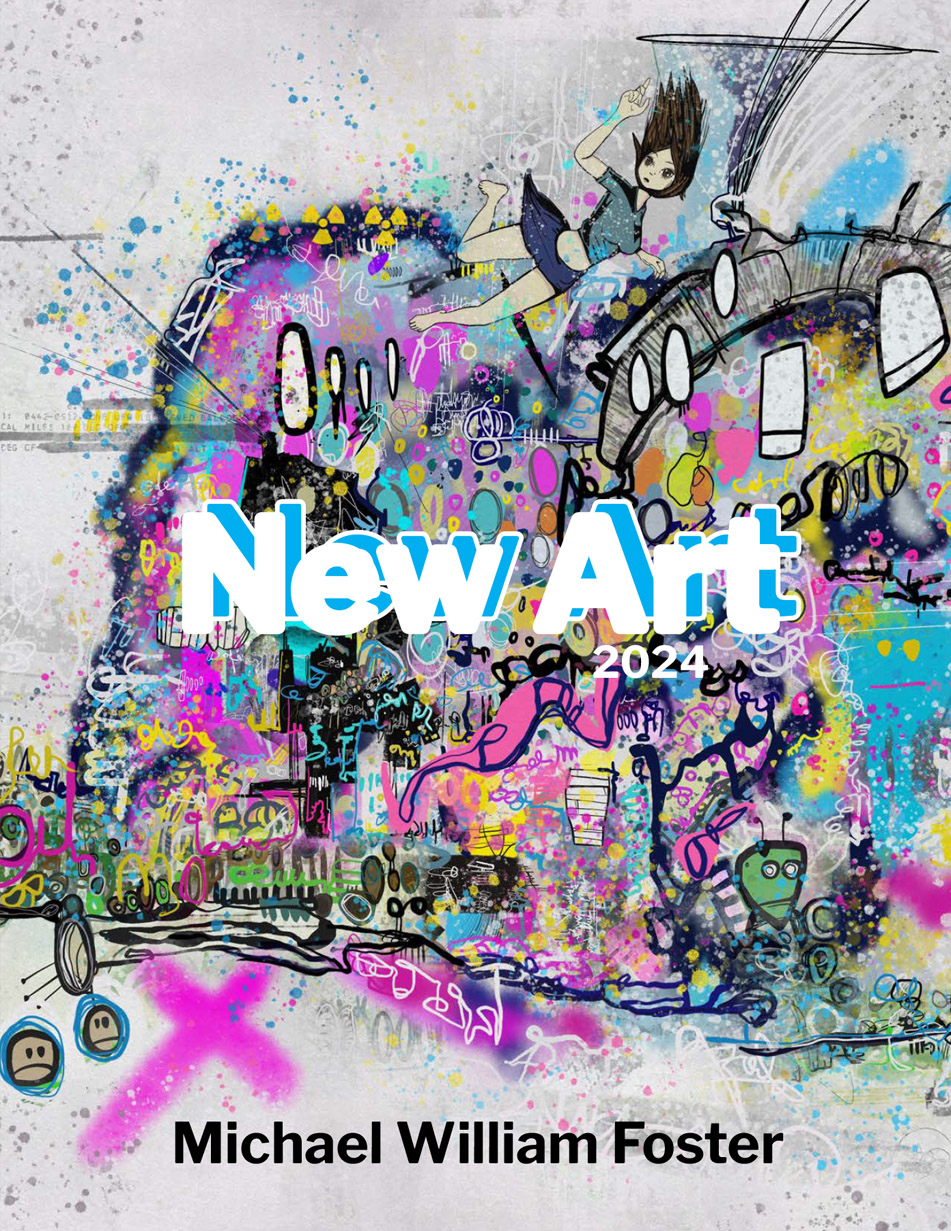
People often use the “Jack of all trades” phrase as a slight, but I believe in mastering every discipline I can. There is so much to learn, and every medium offers a new set of unique challenges. My work spans painting, illustration, filmmaking, and strategic brand consulting. I take a person’s brand and rework it to get them more business, but I also spend my nights writing screenplays and creating videos. And even if I can be at the top of my game with all of these various creative outlets, I still can’t fix a car or do anything remotely practical. I am always reminded of how lucky I am to be in a place and time where I’m not forced to be focused solely on my survival. Otherwise, I’d be toast!
In these traumatic and geopolitically fraught times, I feel a heightened responsibility to push messages that uplift and inspire. When I put a painting on a gallery wall or ask someone to sit for two hours to watch a film, I am asking for their most precious commodity: their time. I want to make sure that the investment is worth it. I want people to walk away from my art feeling a little different about the world, perhaps even finding the solution to a problem that was percolating in their head while they were moved into a new psychological space.
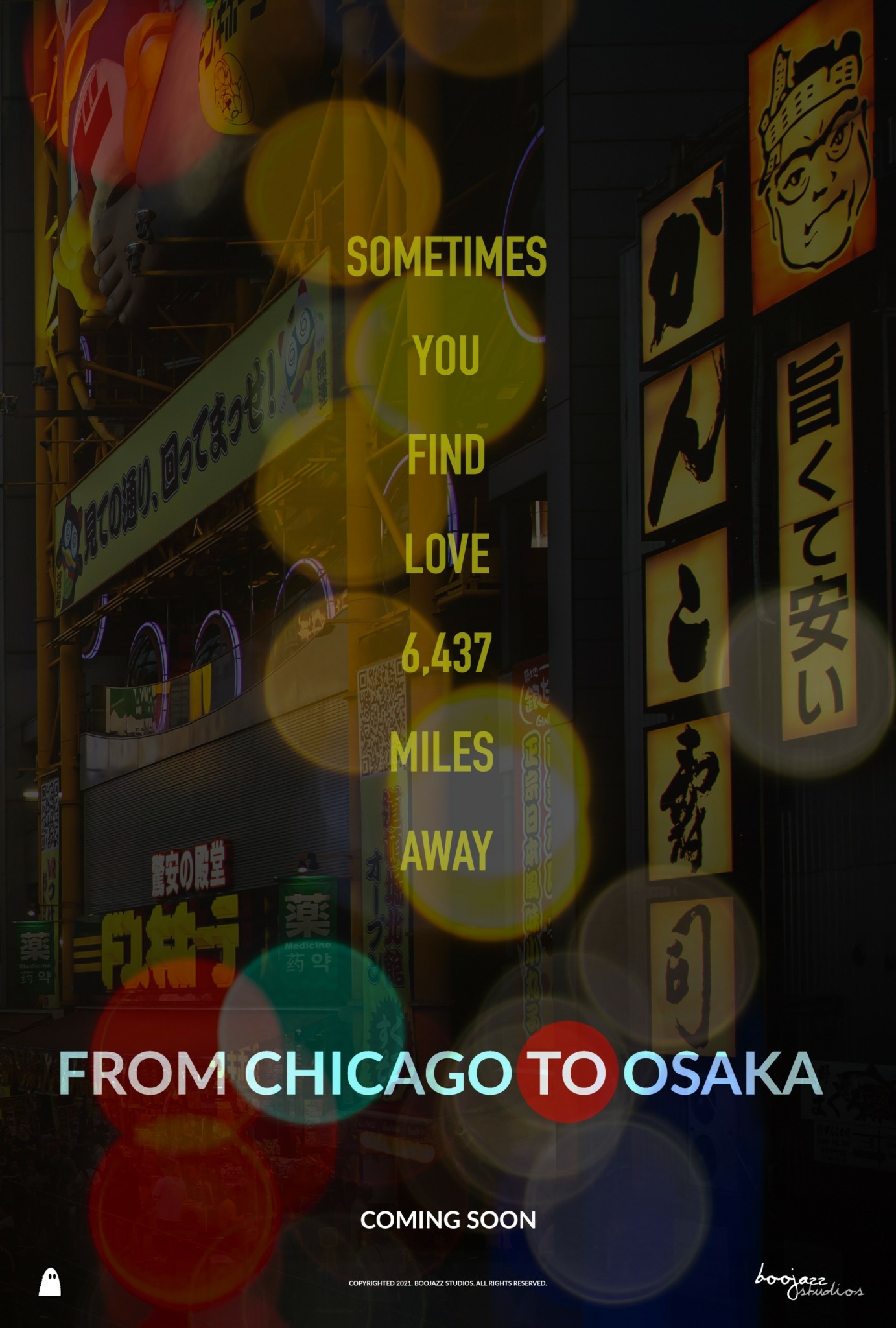
I am particularly proud of my current film project, From Chicago to Osaka. (https://fromchicagotoosaka.com) It is a romantic comedy that aims to break the tired tropes of “Westerner goes to Japan and finds it weird.” I am bored with that narrative. My goal is to write stories where the characters are “all in” on the culture, focusing on the similarities between Japanese and American lives rather than exploiting the differences for a cheap laugh.
When I was starting out, I often heard the same advice: “Stick to one passion.” Whether it was filmmaking, painting, or design, I was told not to spread myself too thin. Looking back, that was the worst advice I ever received. While there was a time when the industry expected you to stay in one lane, the most successful creatives have always been versatile. Think of the movie stars who are also gifted dancers or singers; they simply leaned into the talent that took off first.
In a field as competitive as the arts, versatility is your greatest asset. Not only does a diverse skill set increase your chances of success, but each discipline informs the others. My background in storytelling makes me a better painter; my experience as a painter makes me a more intuitive designer. My career began in cartooning, which naturally led to storyboarding for television. When I needed to promote my work, I learned web design and photography. Each skill set has built upon the last, creating a cohesive, multi-dimensional approach to my craft.
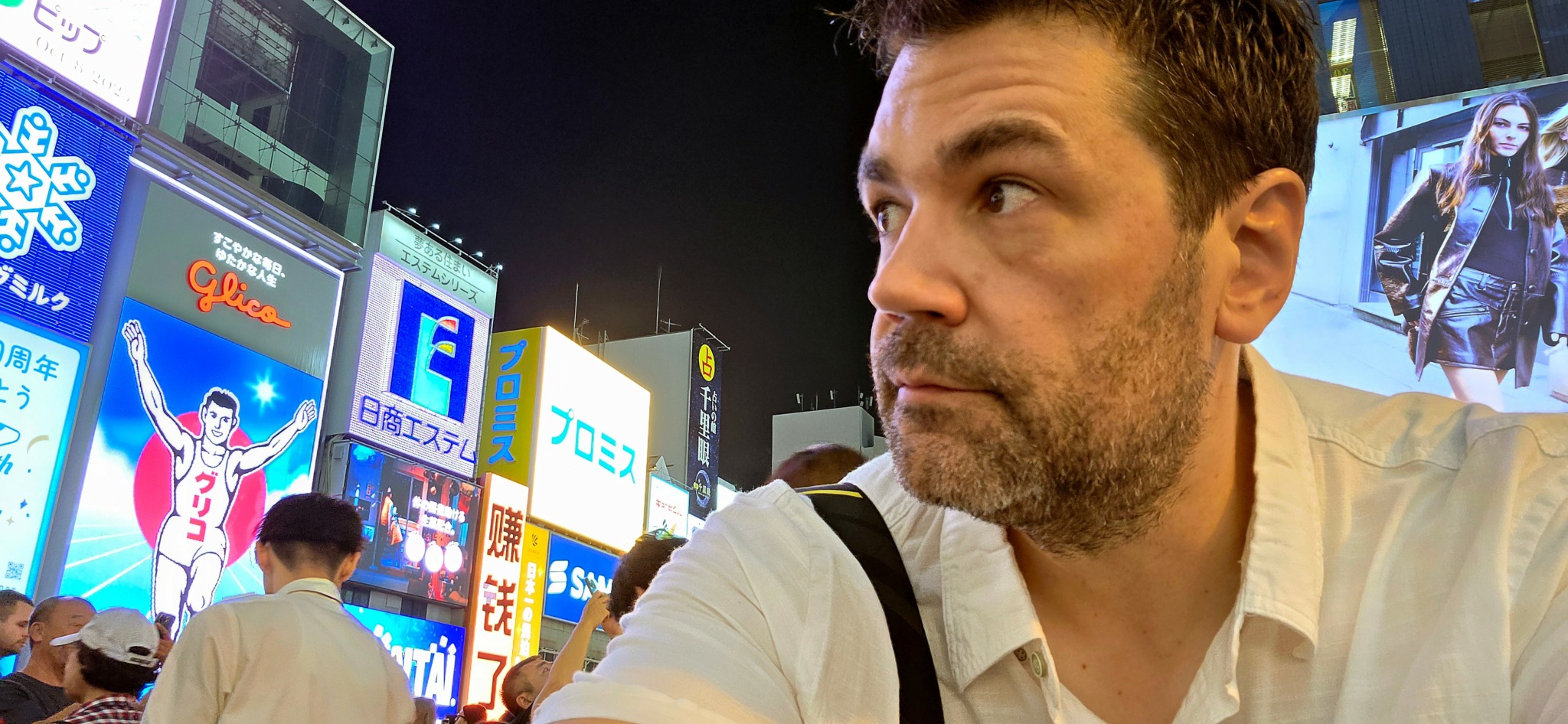
Have you ever had to pivot?
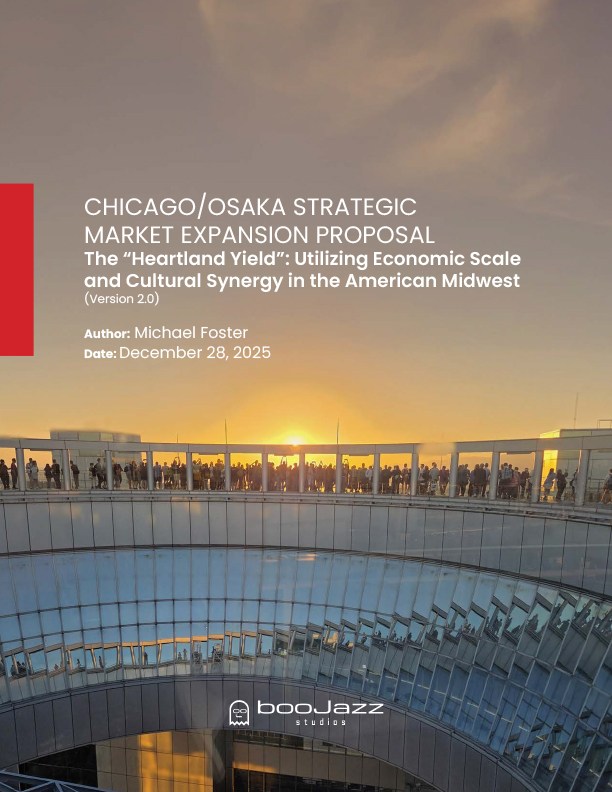
My biggest pivot was more of a deep dive that happened over the last decade. I’ve been interested in Japan since I was a kid, but as I got older and found myself with more time to devote to my passions, that interest turned into a career pillar. I realized that my ability to “translate” Japanese messaging for American audiences was more than a hobby; it was a vital service.
This pivot required me to become a true student of the community here in Chicago. I didn’t just want to watch from the sidelines; I wanted to be involved. That led me to join organizations like the Japan America Society of Chicago and the Osaka Committee of Chicago Sister Cities International. It was a pivot from being a generalist creative to becoming a cultural bridge-builder. (By the way, if you’re in the Chicago area and have an interest in Japanese culture, sign up for these organizations now!)
There is a lot of trial and error in this kind of work. You have to be incredibly careful with integrity and honesty so that the original Japanese “cultural package” doesn’t get lost in translation. Not every project is a home run, but I’ve learned that as long as your heart is in the right place and you’re working to bring people together, you’re moving in the right direction. Being accepted into these Japanese societies has been one of the great honors of my life, and it has completely reshaped how I view my role as a creator.
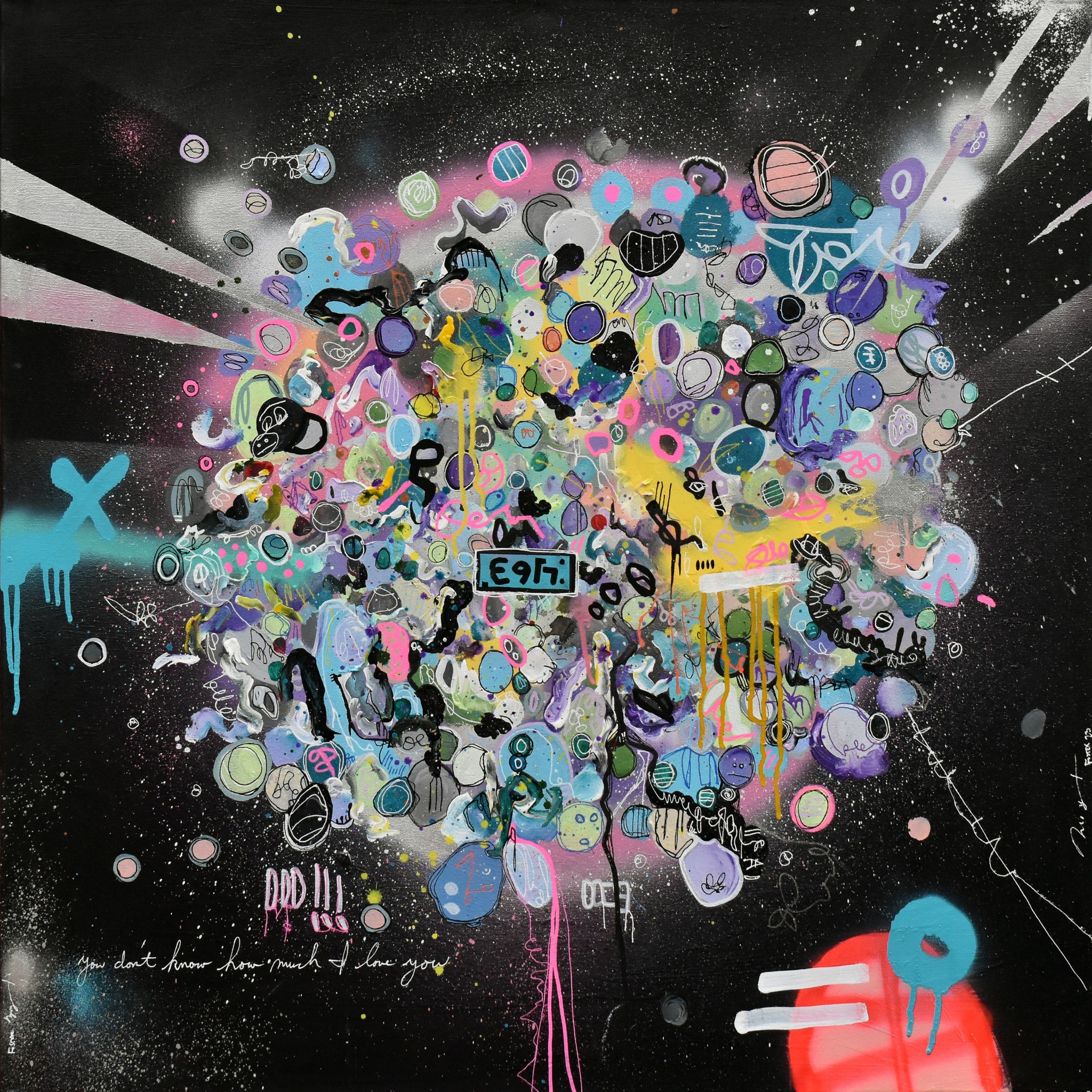
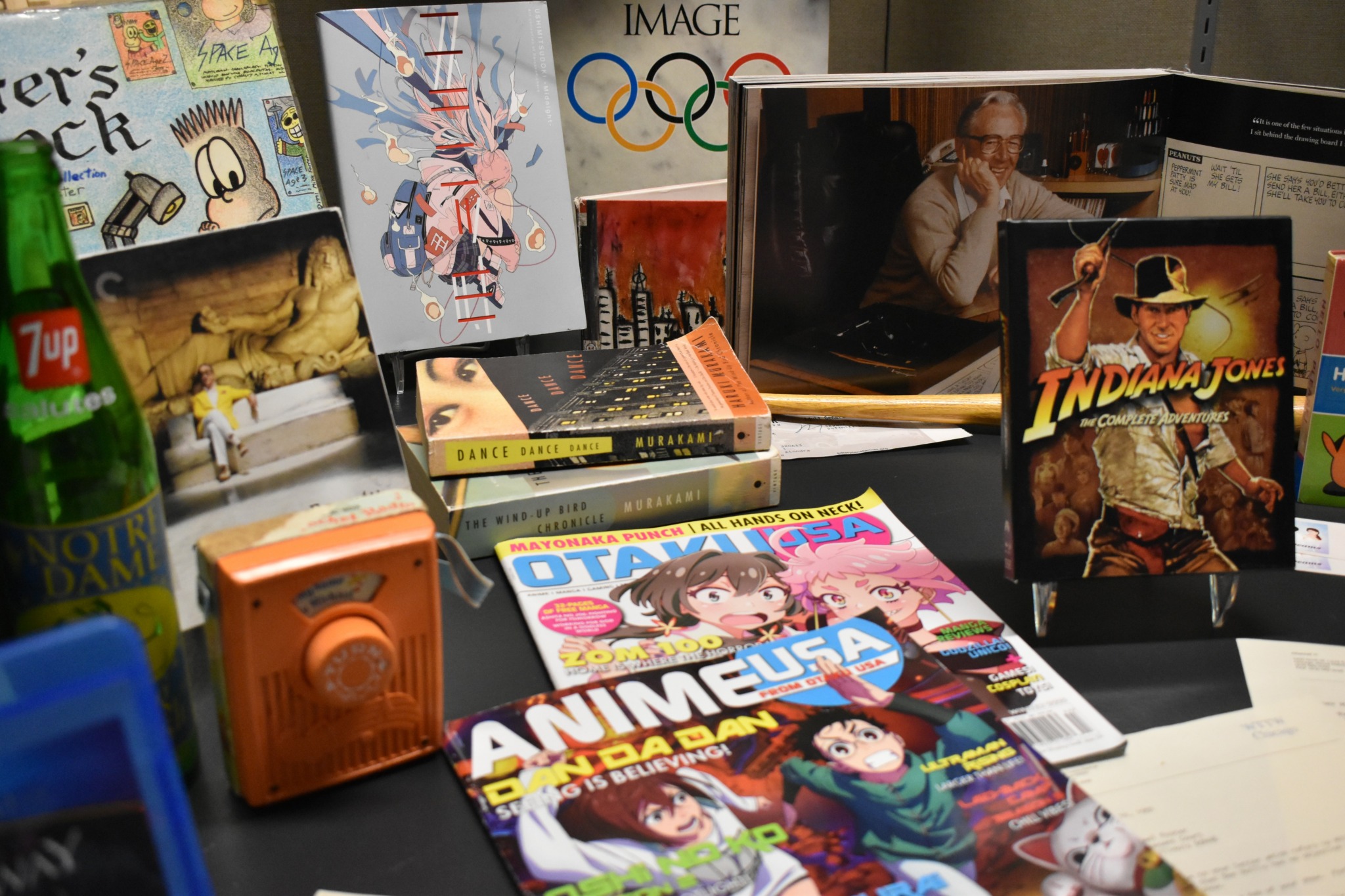
For you, what’s the most rewarding aspect of being a creative?
The most rewarding aspect is definitely not the money. While I respect anyone who can make a massive living solely through creativity, it is never guaranteed. The real reward is the moment of connection.
I have had people look at one of my paintings and tell me that it truly moved them. They might start by seeing one thing, but as they look deeper, they realize the work is about something else entirely. Knowing that something I created made someone’s life just a little bit better, or changed their perspective even slightly, is the definition of success.
We live in a world that is incredibly divided, with so many messages on social media designed to disturb or cause controversy. Being a part of a creative force that goes against the grain is a privilege. I love being in a position where I can facilitate Japanese-American relations while also providing little bits of creative inspiration to the people around me. Bringing two cultures together and making the world a bit better for the sake of it is why I keep doing what I do. But if I had to choose the most rewarding aspect of my career as an artist, it’s the simple fact that I’m still in the industry after all of these years.
Contact Info:
- Website: https://boojazz.com
- Instagram: https://www.instagram.com/boojazzstudios/
- Linkedin: https://www.linkedin.com/in/michael-foster-1747b245/
- Youtube: https://www.youtube.com/@boojazzstudios
- Other: The Showtime at Japan Expert Insights Podcast: https://open.spotify.com/show/3cIROvf2eSGlpLdlzwPnr3?si=097eab89a4b14d67
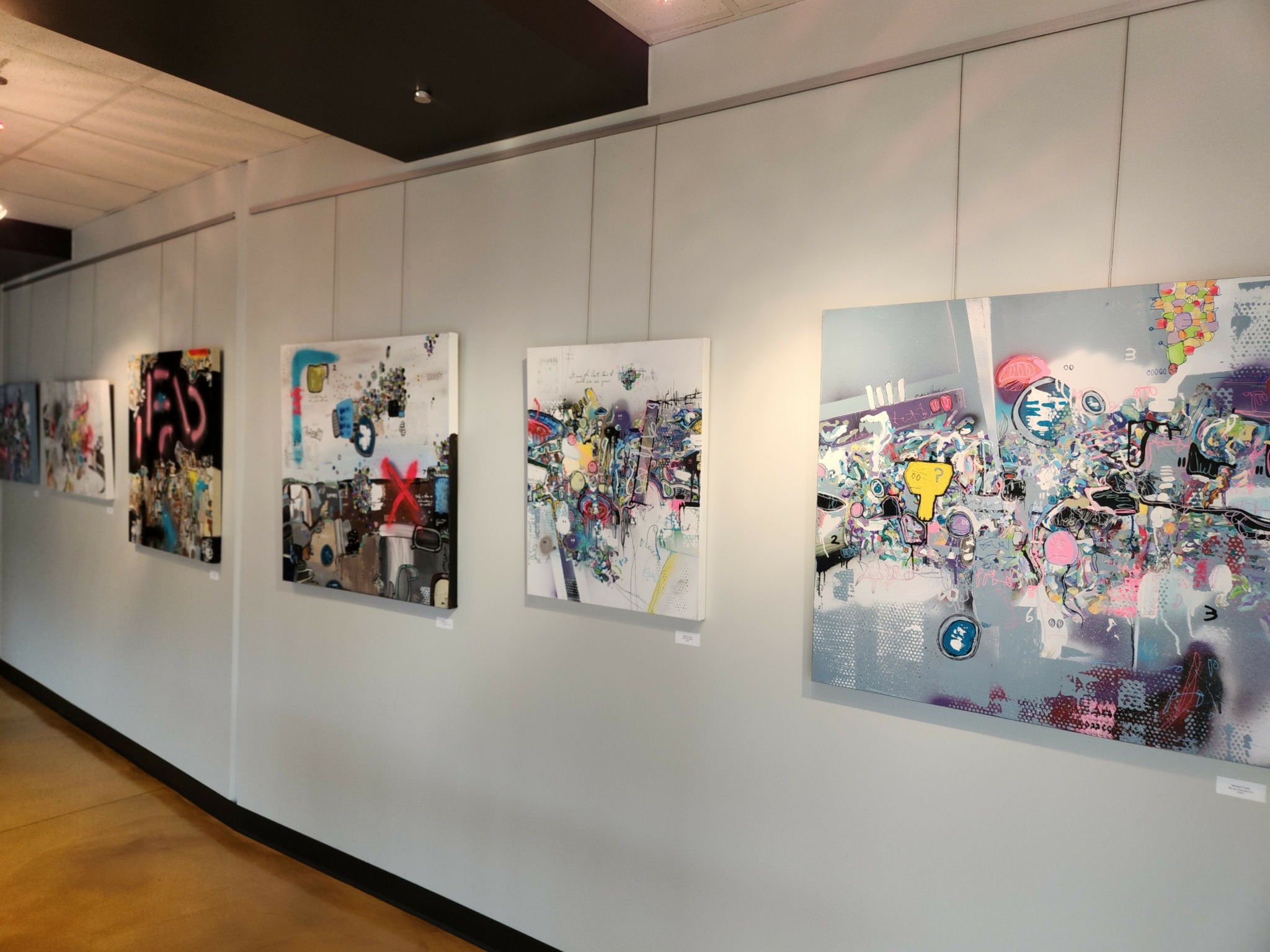
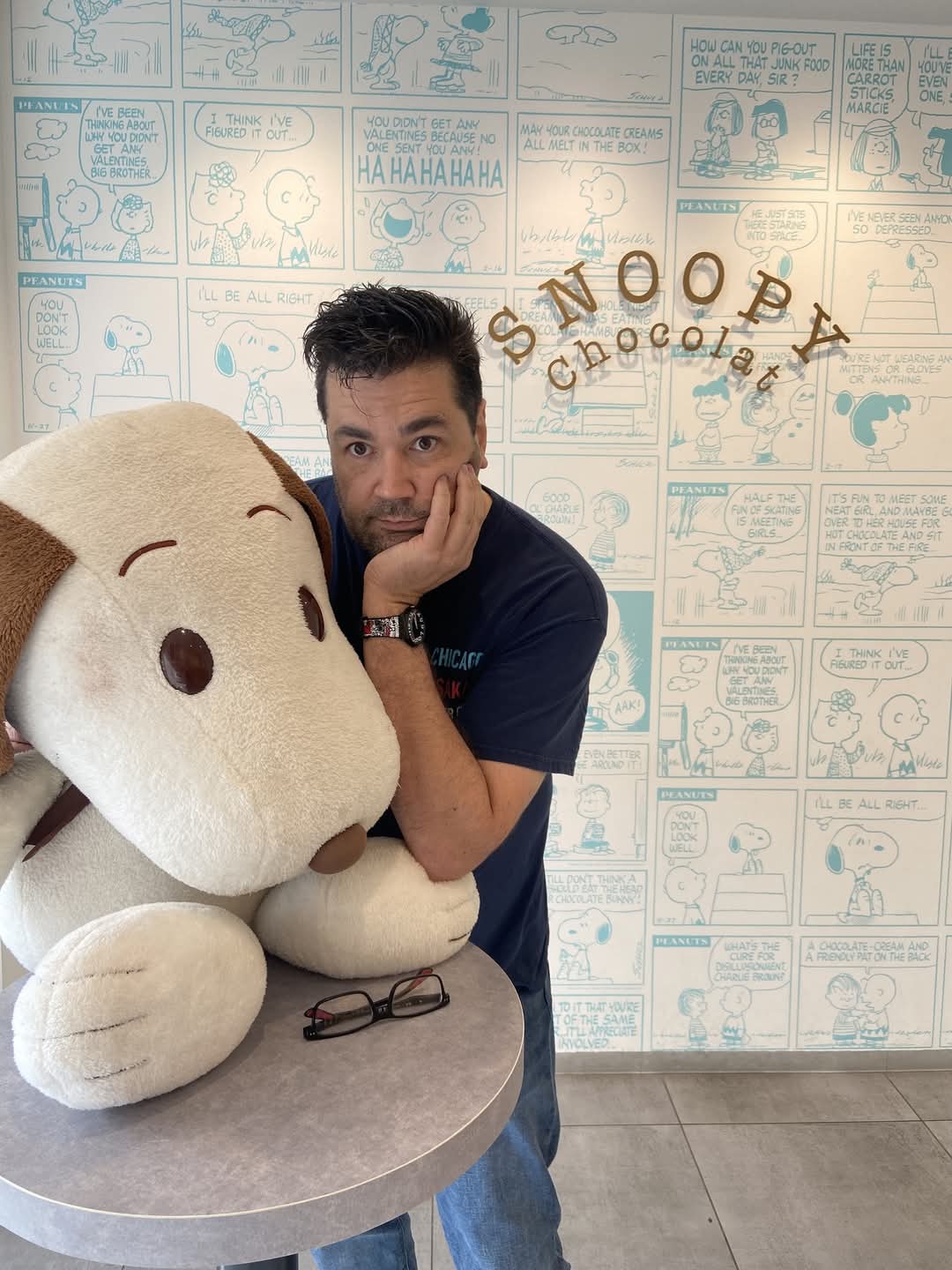
Image Credits
All Images Copyrighted Boojazz Studios. All Rights Reserved.