


Alright – so today we’ve got the honor of introducing you to Michael Afsa. We think you’ll enjoy our conversation, we’ve shared it below.
Michael, thanks for taking the time to share your stories with us today We’d love to hear about when you first realized that you wanted to pursue a creative path professionally.
There were a few formative moments throughout my childhood that sparked and strengthened my desire to pursue a creative path. One very early experience I remember was in elementary school, when I was part of the production team for a school play. I was responsible for illustrating the front of the program, and I contributed to painting the play backdrop. I remember enjoying the process, and then the rewarding feeling when the audience got to experience it all. Shortly after the play, the school principal asked me to paint a mural on the handball board. I spent the summer painting the giant mural, with my mom holding the ladder and helping me with all the paints and brushes. I continued making art throughout childhood. I enjoyed drawing, painting, sculpture, collage, and photography. Later on, in high school, I consistently enrolled in art classes. As it became time to apply for college, my teachers highly recommended I pursue a creative path. And finally, attending college at CalArts—where I studied the principles of visual communication, explored a range of media, and connected with creative professionals—cemented my commitment to pursuing a professional creative path.

Awesome – so before we get into the rest of our questions, can you briefly introduce yourself to our readers.
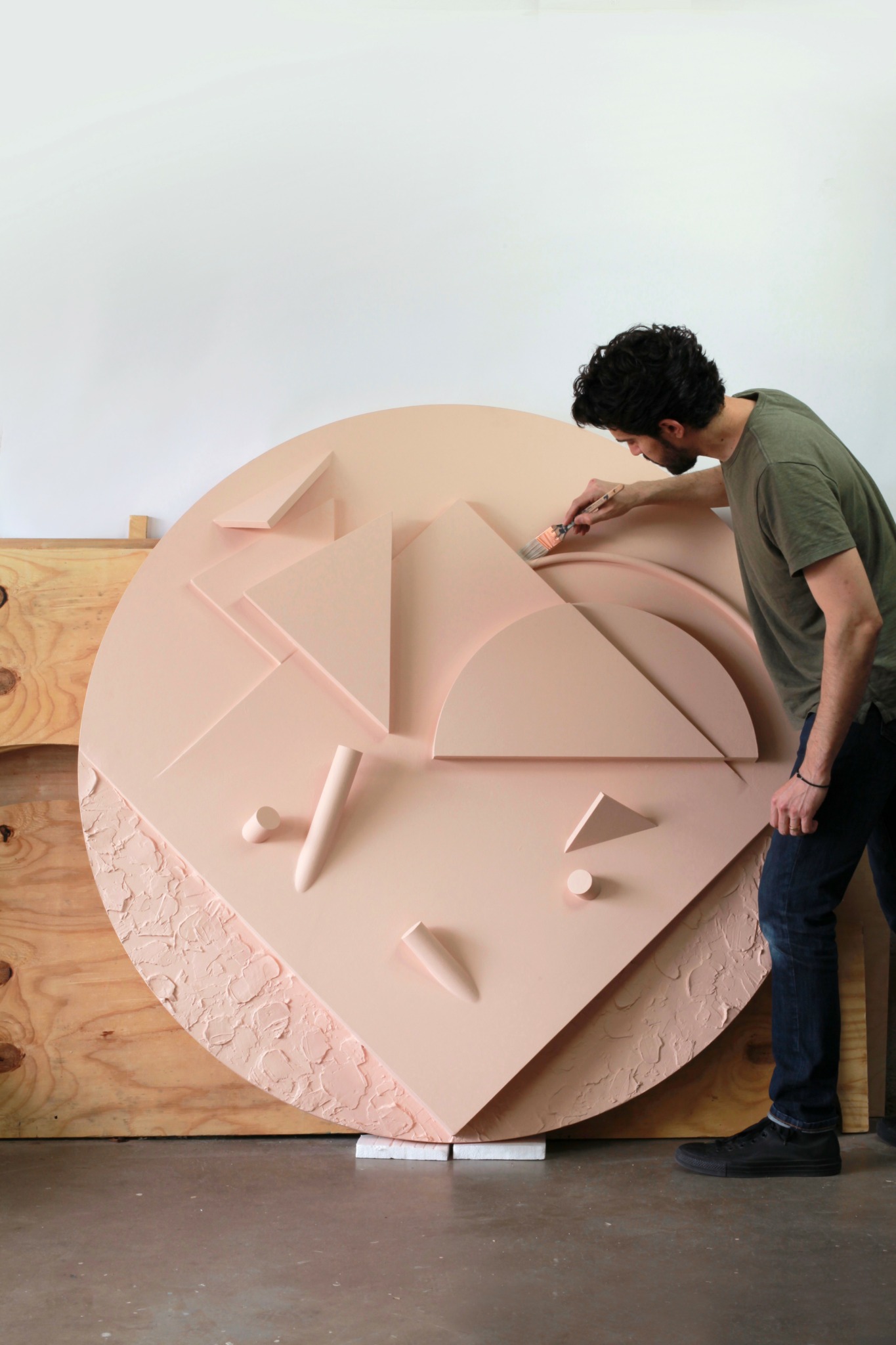
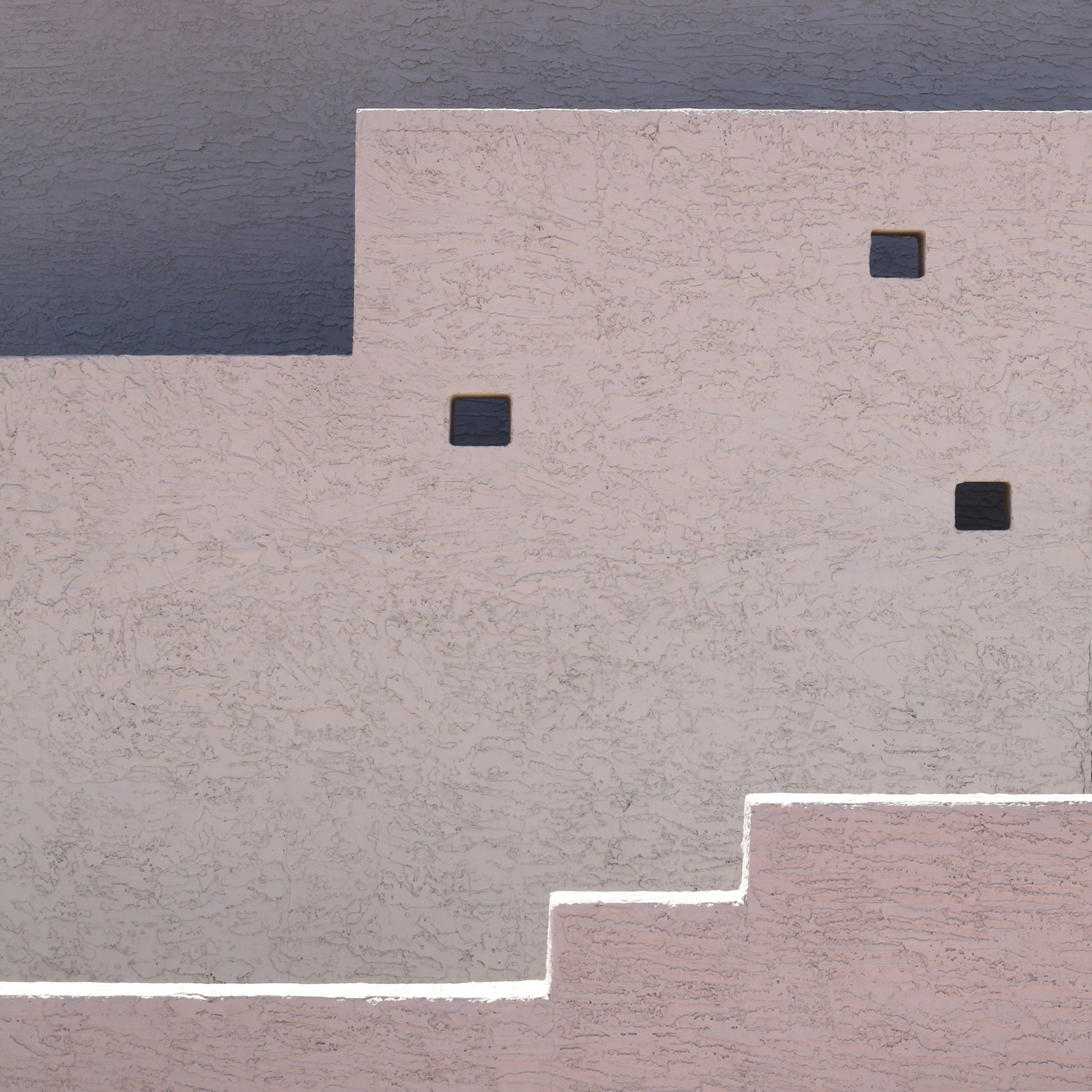
I create sculpture and photography inspired by the architecture and landscape of the American Southwest. I’ve called Arizona home for the past 15 years and I currently live and work in Tucson with my wife and three children. Originally from Los Angeles, I attended CalArts where I studied graphic design, and then went on to work as a designer in my early career. My art today is shaped by a combination of my interests in design, architecture, and the natural environment.
I often collaborate with art consultants who match up my work with private collectors as well as many hospitality clients like Hyatt Hotels, Omni Resorts, L’Auberge, Marriott, and Ritz Carlton. I also put on exhibitions at galleries and museums. My work was recently accepted into the permanent collection of the Scottsdale Museum of contemporary art in Arizona.
My work explores the quiet, contemplative beauty of the American Southwest through minimalist sculpture and photography. Using the desert landscape and often-overlooked architecture of suburbia as inspiration, I create abstract geometric compositions that reflect on the relationship between these human-made urban environments and their vast desert surroundings. My sculptures draw on familiar architectural elements and engage with light, shadow, surface, and dimension to process concepts like the horizon, sunset, sunrise, and the landscape itself into their purest forms. My hope is that my art can offer a fresh perspective through which to experience the everyday.

What can society do to ensure an environment that’s helpful to artists and creatives?
Perspectives toward art and creativity are a big part. Creativity isn’t just a luxury or afterthought, but essential to a vibrant society. Another vital aspect is public investment in the arts. Creating art can be highly speculative, so grants, fellowships, and local arts funding can really help artists bring projects to fruition and encourage experimentation. Additionally, a thriving creative ecosystem requires accessible venues to experience art such as museums, galleries, and public and commercial spaces. Affordable places to live and work, which allow for experimentation and speculative creation of art are also key.
What’s the most rewarding aspect of being a creative in your experience?
I see two distinct and inseparable parts to the reward of being an artist. One is the process of creating the art. It’s sketching and planning ideas, creating roughs or drafts, then bringing it to life through materials. It’s being immersed in manipulating the materials to a satisfying result. With a lot of experience, it becomes intuitive and just seems to flow.
The second part is the audience or viewer getting to experience the finished work of art. It’s rewarding to inspire people, and start a dialogue with them about different ways of seeing the world.
Contact Info:
- Website: https://www.michaelafsa.com
- Instagram: https://www.instagram.com/michaelafsa/
- Facebook: https://www.facebook.com/michaelsafsa
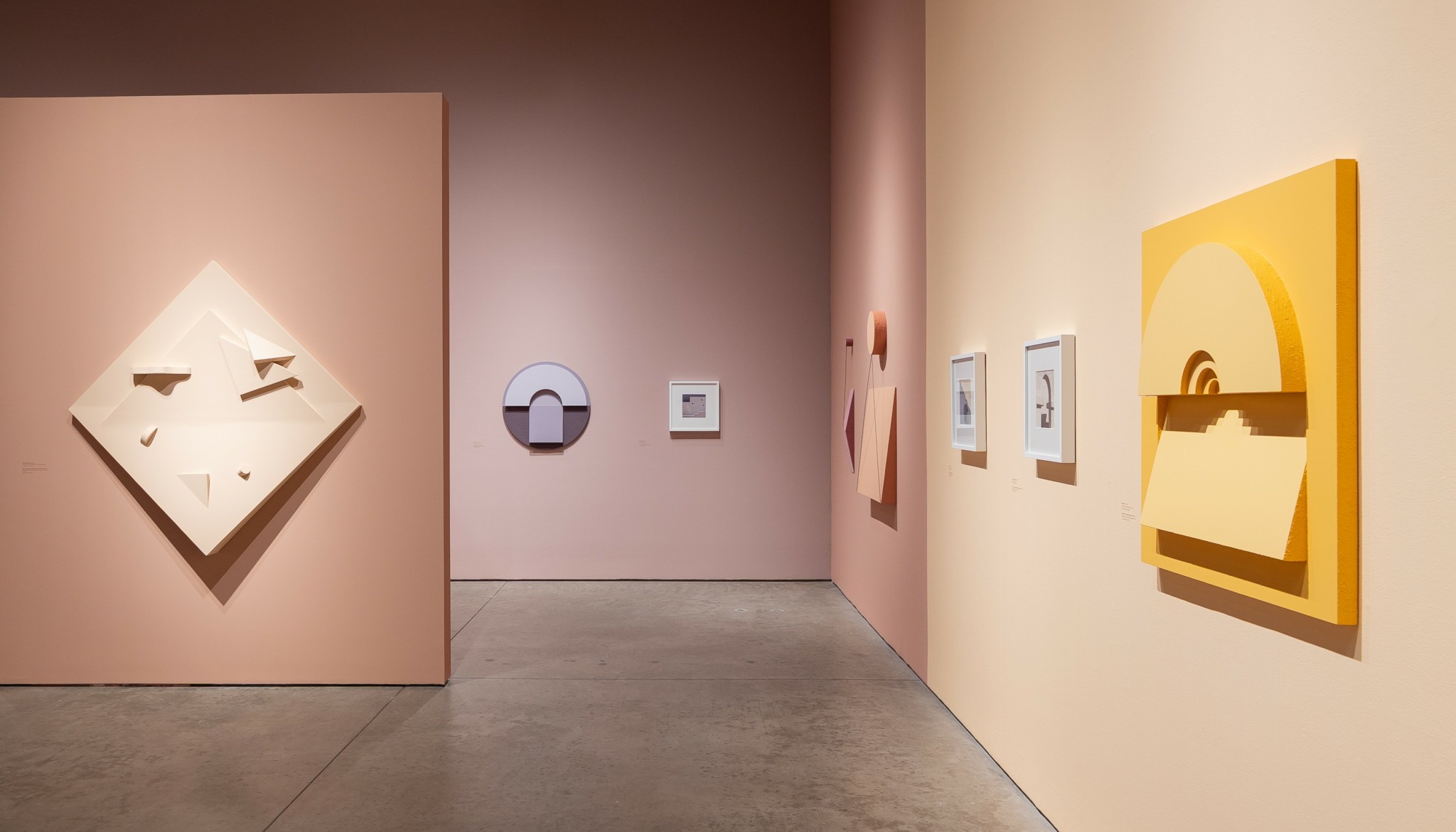
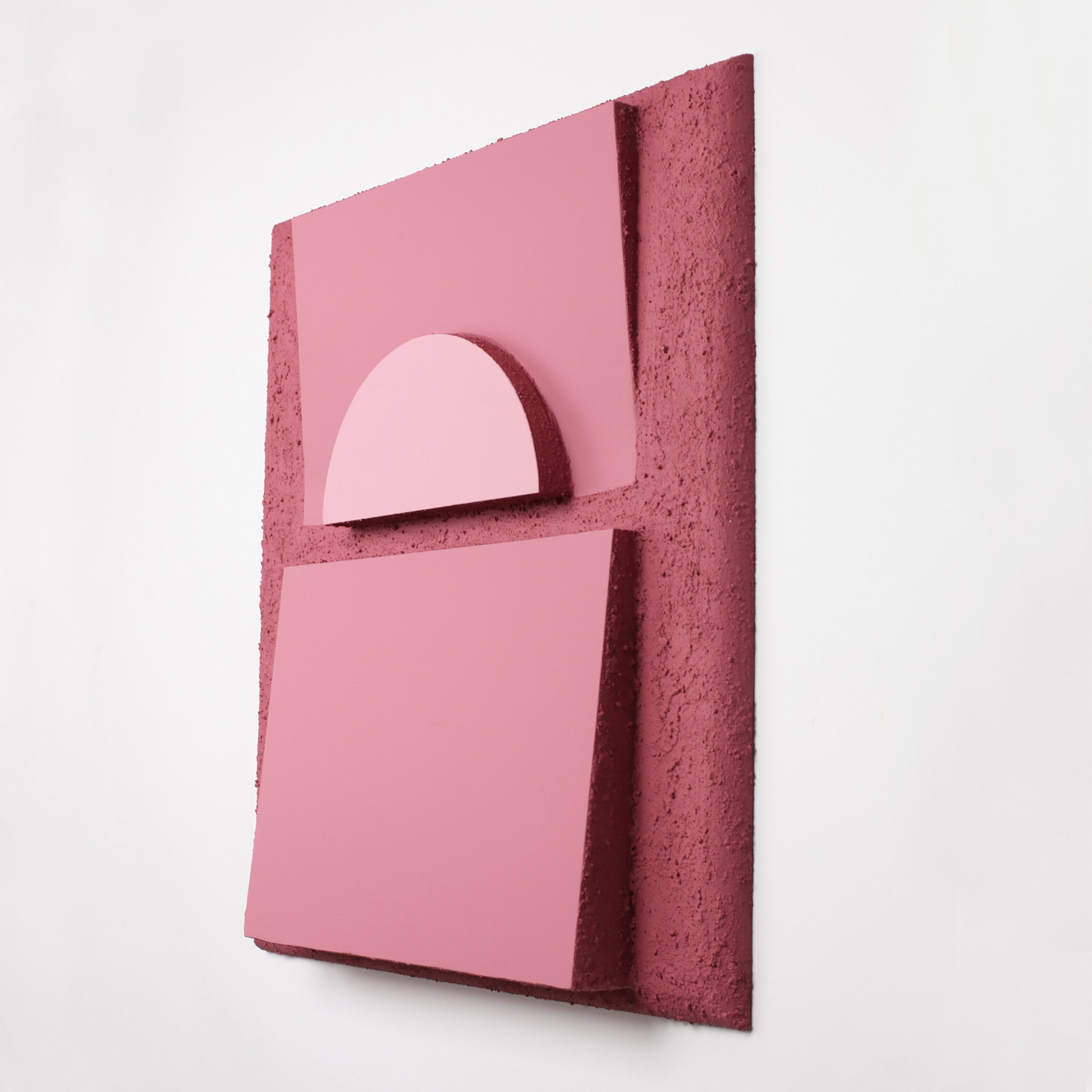

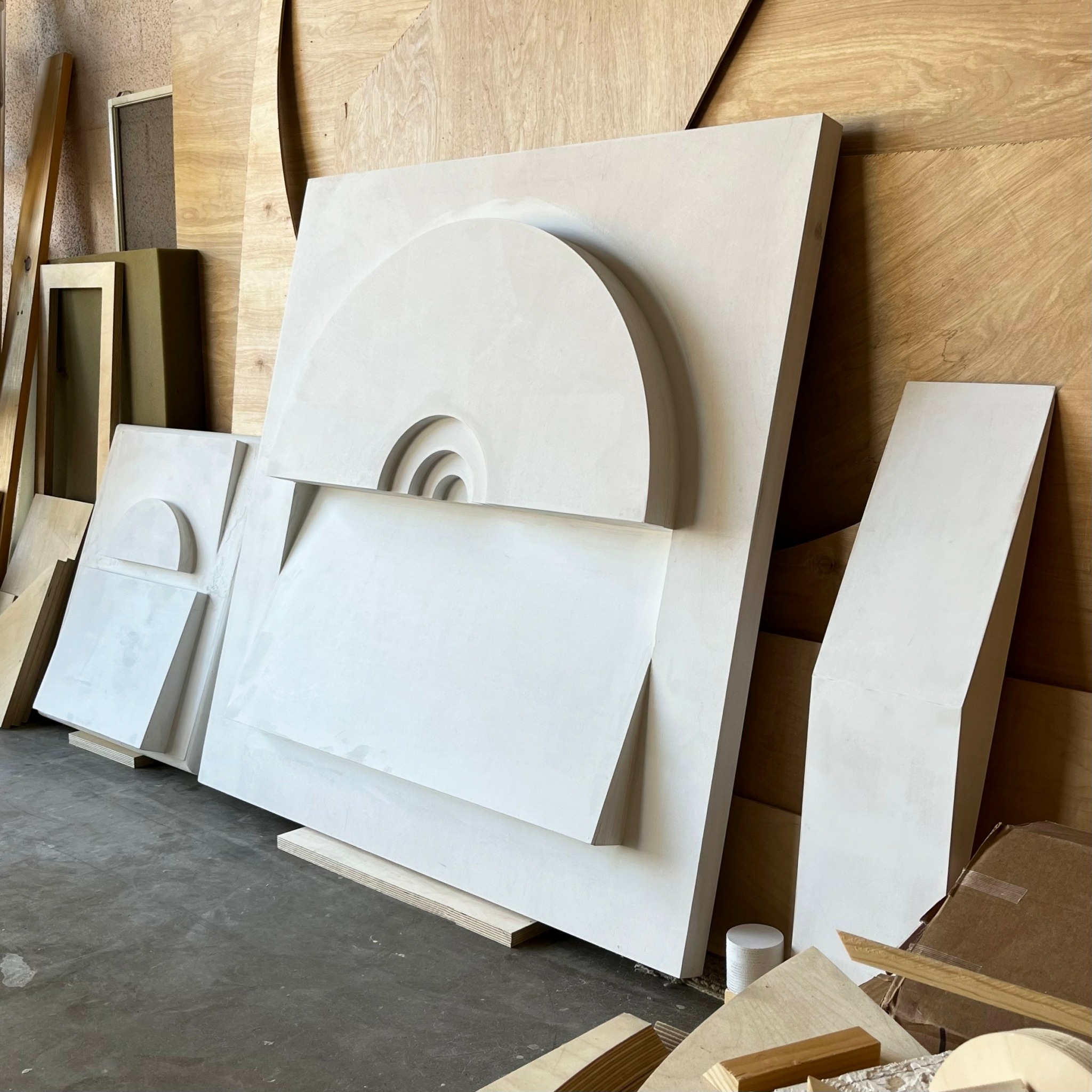
Image Credits
Gabby Usinger