

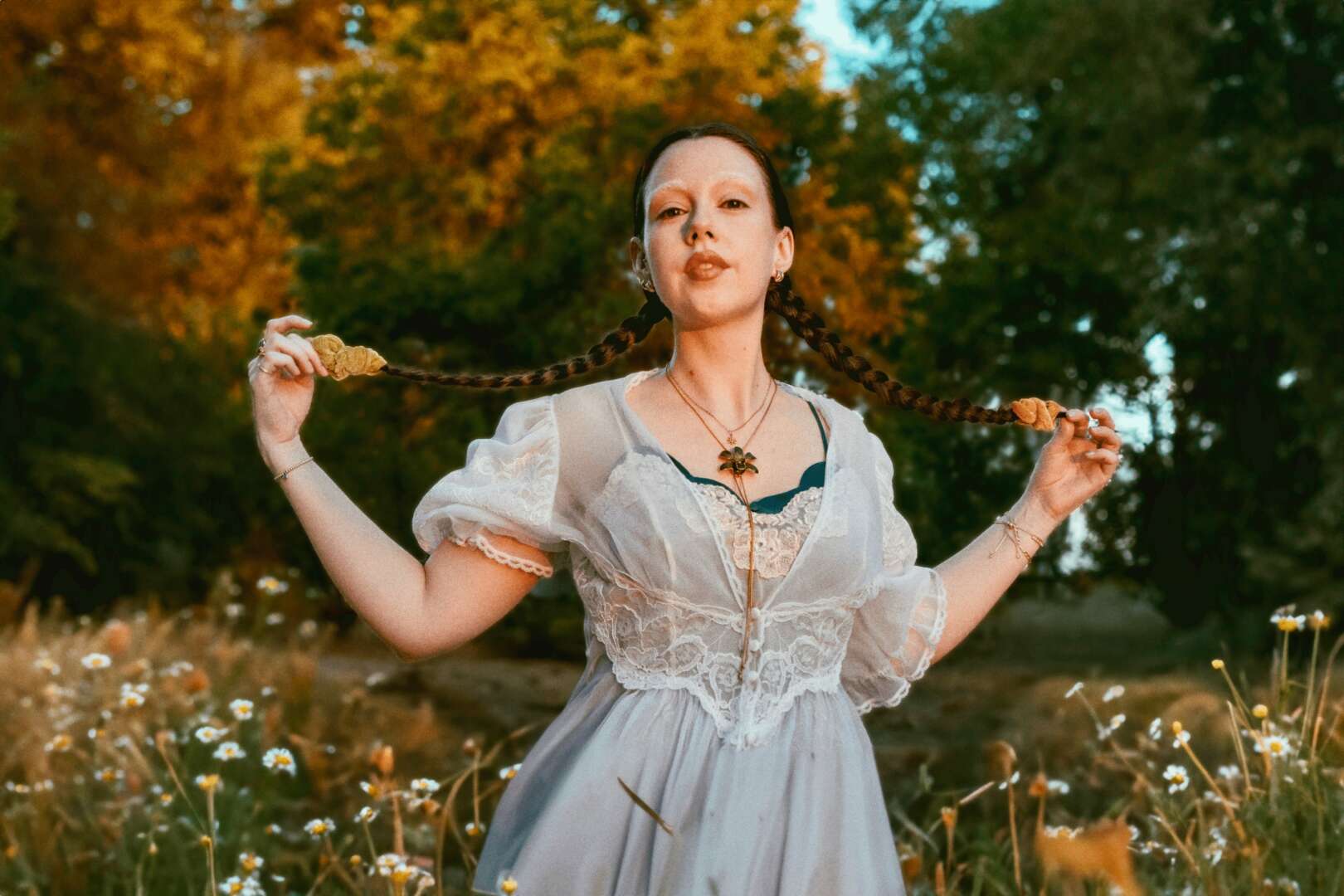

We caught up with the brilliant and insightful Melissa Williams a few weeks ago and have shared our conversation below.
Hi Melissa, thanks for joining us today. Let’s talk about innovation. What’s the most innovative thing you’ve done in your career?
The most innovative thing I’ve done in my career is decelerate. And I know that may seem counterintuitive – but I operate on the assumption that life reflects my inner state. If my internal experience is rushing and full of pressure, my external reality is also rushing and full of pressure. To me, being a life-long artist involves a certain commitment to pace – meaning that you have to (get to – what a privilege) decide the pace of your progress. You’re the only one who can decide if the speed you’re moving at serves and supports you. And to me this is so important because I really value progress AND I value progress that feels worthwhile day in and day out. When I became more “serious” (dedicated, devoted) to my art career, I decided that sustainability was more important than how quickly I gained notoriety. I’m in this for the long haul and I have a deep inner knowing that I’ll get what I want as an artist. And don’t get me wrong: I’m all for notoriety. Being seen and appreciated is an absolutely vital part of being an artist – but I’ve seen myself create success with ease when I focus on slowing down and being present. I’ll leave you with a quote from Cal Newport: “Slowing down is sometimes the best way to speed up”.
Awesome – so before we get into the rest of our questions, can you briefly introduce yourself to our readers.
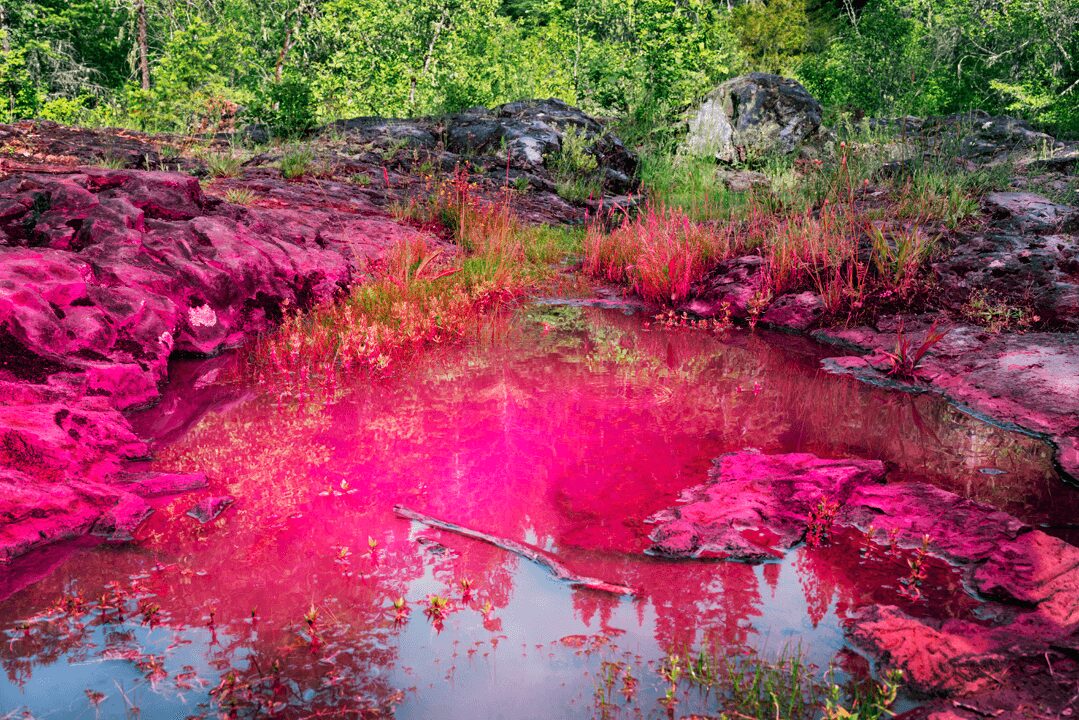
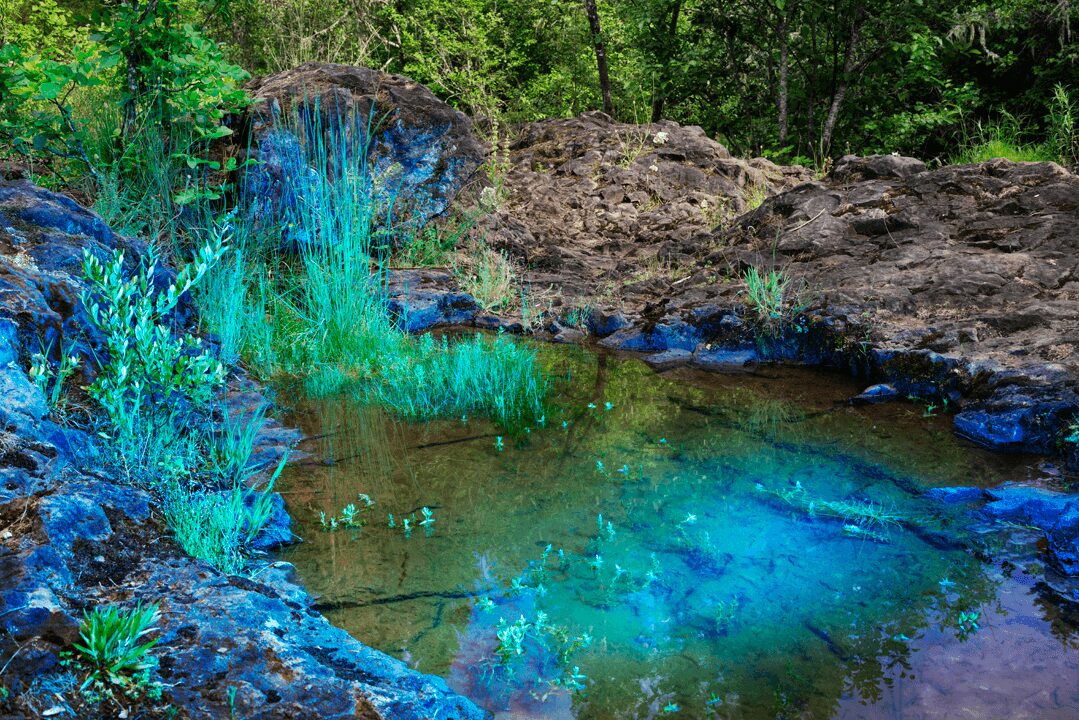
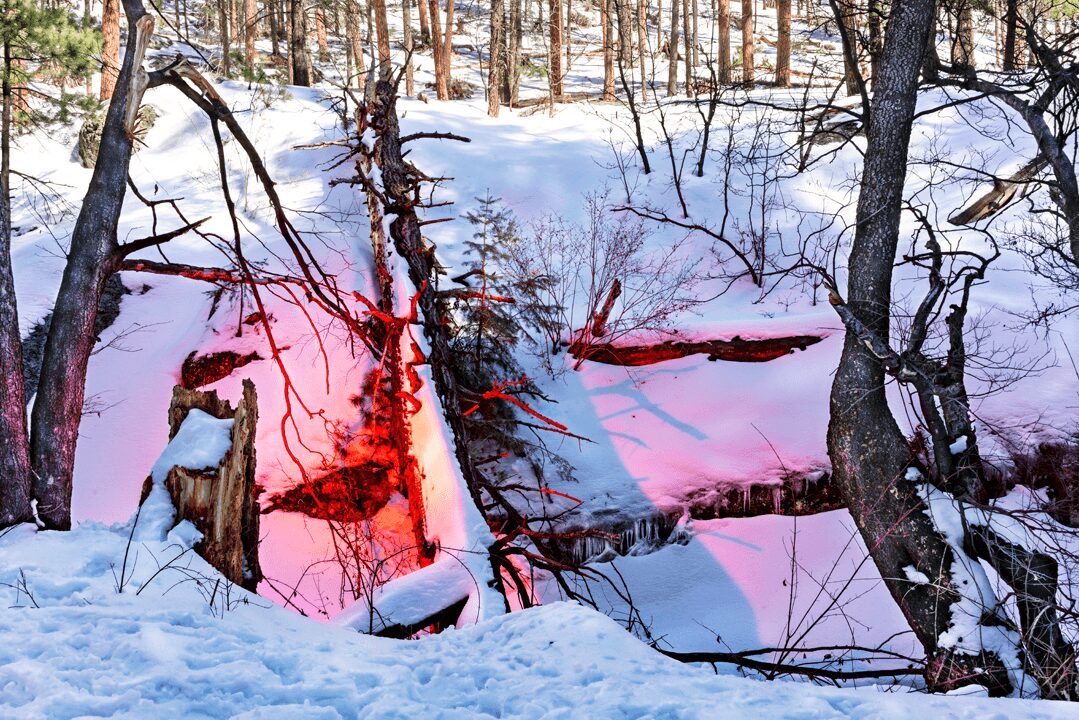
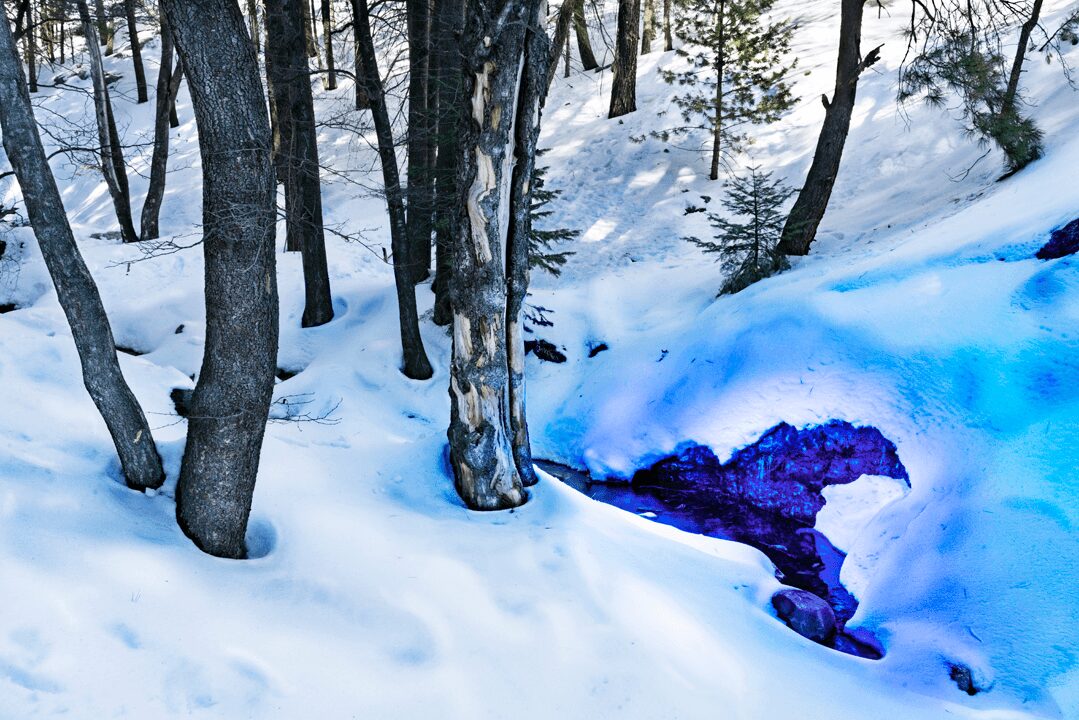
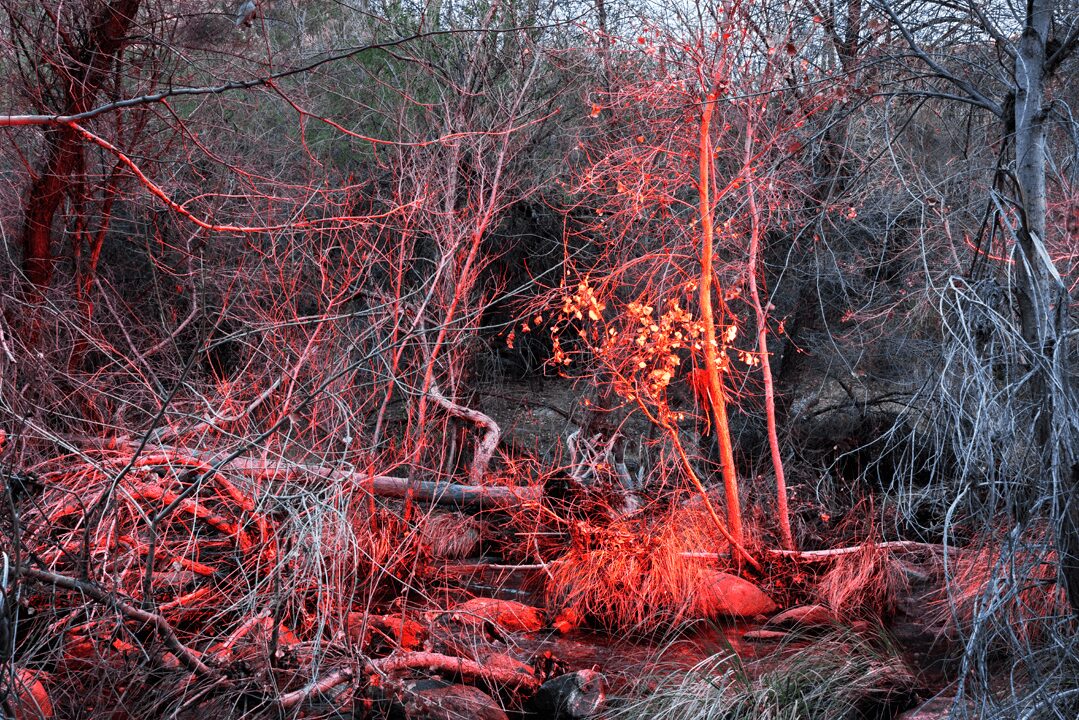
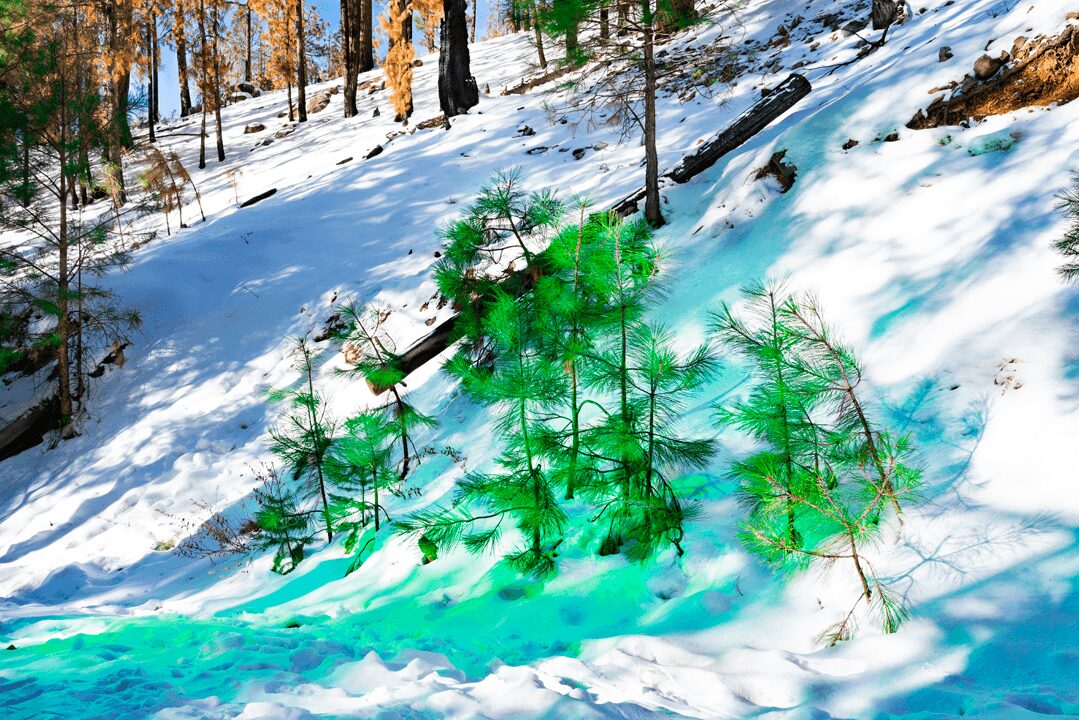
I’m a fine art photographer who’s interested in the role intuition plays in the creative process. I’m exploring this through digital photography in a project titled Portals: Part One – Intuition. I take large, colorful lights into nature and allow my intuition to make all the artistic decisions (time of day, choosing the location, how I frame my images, and the color and placements of the lights). The resulting landscape photos feel like portals to another world – they’re surreal, striking, and charged with possibility. And for me, this is a representation of what having access to my intuition is like. It’s a means of making my internal reality part of the external – of furthering an inner, symbolic language where I’ve gained a connection to a part of myself that knows things my thinking mind cannot. Experiencing and acting on this information (both artistically and in daily life) feels like having cheat codes to reality. I like to explain it as “if reality is a video game, intuitive information is like uncovering a map to your video games’ rules”. And living in a world where I get to use this information – it has moments that feel magical and electrifying.
I have to add (partially because these photographs are for sale as limited edition Giclee prints and partially because I’m fanatical about photo paper): I print these landscape photos on a thick, silver metallic paper called Hahnemühle’s Photo Rag Metallic. When the light catches them, they absolutely glow. And I love that their luminescence enhances their otherworldly feel – when you walk into a room, they remind me of the painting that comes to life in C.S. Lewis’s third Narnia book “The Voyage of the Dawn Treader” (where the characters are transported through a portal to another reality after a painting comes to life and starts interacting with them).
What do you think is the goal or mission that drives your creative journey?
I think this is a huge question and my answer is proportionately large – discovery. I’m very motivated by seeing what’s just around the corner, how far I can expand, and where the “boundaries” are. And I think this sense of discovery stems from curiosity. The more curious I allow myself to be, the more life (and my artistic practice) has surprised and delighted me. Now that I’m aware of this, I let myself be curious for curiosity’s sake. I just enjoy the energy and experience of being curious – for me it feels light, innocent, and relaxing. I feel open to life when I engage with curiosity and I find that staying in that energy allows me access to a flow state (the mental state in which a “person performing some activity is fully immersed in a feeling of energized focus, full involvement, and enjoyment in the process of the activity”).
We’d love to hear a story of resilience from your journey.
As an artist, one of the games we play is the rejection game. You get rejected from grants you apply for, from galleries and museums, from people who don’t respect and understand your work. For a long time, I thought I had to develop a thick skin to deal with rejection – but (because I see reality through an energetic lens) the vibe of “having thick skin” never felt right to me. It felt like to have that, I had to care less. But I care a lot – and I think being sensitive is an asset. For me, navigating rejection means having my own back. It means reminding myself that I’m in charge of my reality – and I get to choose what I think of my art (and that the perspective I choose dictates the kind of life I live). I came to this conclusion after experiencing a really painful rejection from an art mentor right after college – I stopped making work consistently for almost two years because I felt so crushed by the experience. But at some point I decided that letting someone else decide who I am and what my work is made no sense. No one – literally no one – can fully know you, exactly where you’re coming from, or what you’re pouring into your work. It’s part of the human experience. And even though I can still get upset about rejection, it’s a useful tool to reveal what I want to create more or less of. I fully believe energy isn’t wasted (because energy cannot be destroyed) – I think of it as momentum that helps create success for my next steps.
Contact Info:
- Website: https://www.welissamilliams.com/
- Instagram: https://www.instagram.com/welissamilliams/
- Other: https://podcasters.spotify.com/pod/show/welissamilliams
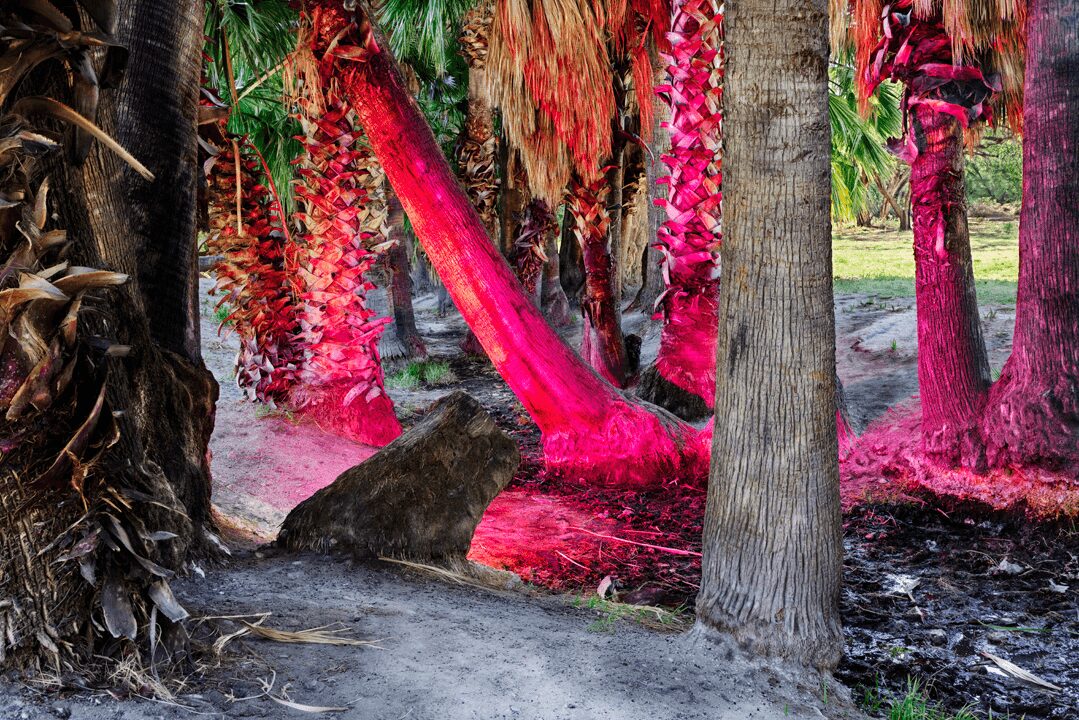
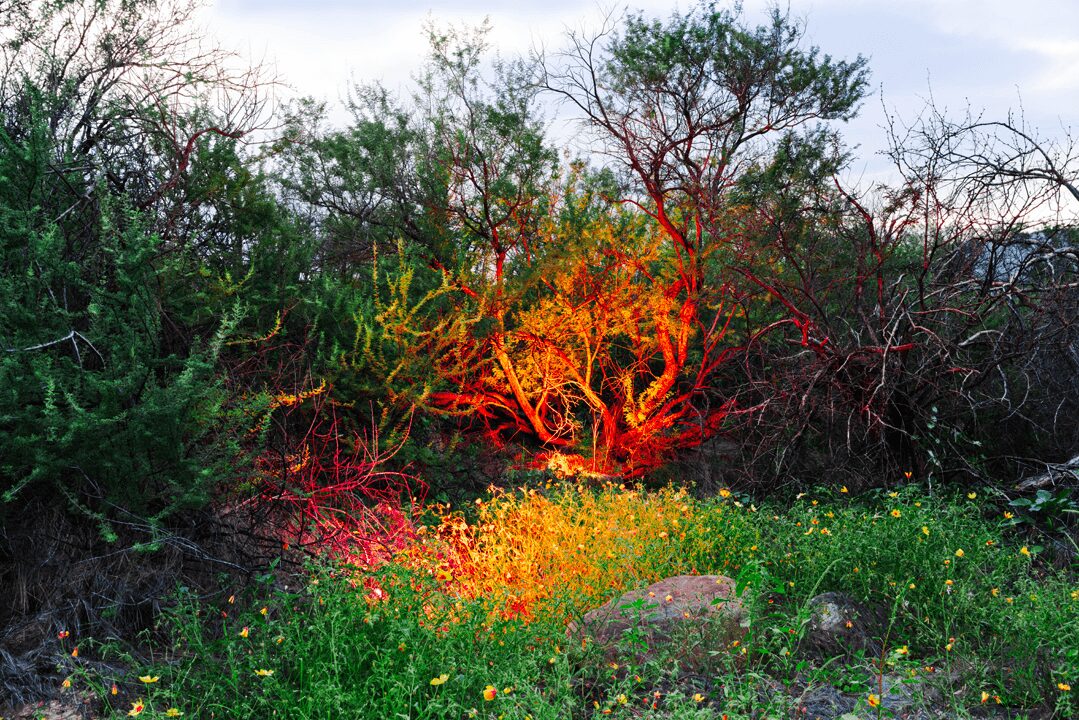
Image Credits
Melissa L. Williams, Genesis Sublette