

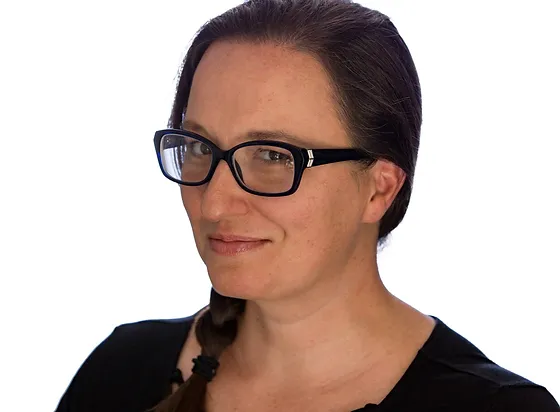

We recently connected with Melissa Seligman and have shared our conversation below.
Melissa, appreciate you joining us today. Can you open up about a risk you’ve taken – what it was like taking that risk, why you took the risk and how it turned out?
I am not sure I can call the choices I have made in my work risks, specifically. But I can point to the feelings of uncertainty and wondering around whether choosing to tell my clients I love them is professional. Or not.
I suppose to understand that, I must back up a bit and share with you that my work is a bit unusual. At this point in the world’s evolution, I have come to realize that the profession of death doula has become quite trendy and well-known. Living in Asheville, North Carolina, as my grandmother would say, “you can’t sling a dead cat and not hit a death doula.” We are a growing profession, and one that is quite needed. Our collective connection to death has deteriorated while we have increased its presence through violence and self-destruction. Yet, our ability to receive death in all its iterations is still work that we all could use a little more time in.
I am a death doula. Yet. My work is slightly different than most. I spend most of my time helping people process and heal from traumatic and sudden death. Specifically, my abilities and offerings often revolve around suicide and how to support those who are left to work through this painful and unique grief. This is a delicate and thoughtful space. A painful and visceral one. And an area where the ability to hold space for intensity is required.
In that vein, how does one create a “business” around that? To be clear, I suppose one could. And I am quite hopeful that those who are in that boat are rowing easefully and with much love sent their way.
For me, personally, it is one area that I am not interested in promoting nor receiving money for. I suppose many would call that a risk professionally. And I suppose that is why I began where I did…the biggest risk I have ever taken in my professional work has been to choose love over money and time and presence over knowledge.
Perhaps that is a certainty of failure. But the risk of choosing to stand next to someone while they are at the gates of hell, holding with love and compassion as the top priority, seems to be a risk worth taking to remind our fellow human beings that they are seen, loved, heard, and never, ever alone.
Melissa, before we move on to more of these sorts of questions, can you take some time to bring our readers up to speed on you and what you do?
My work with death and dying began when I was six years old, as I sat with my dying grandmother. It then continued over many years of sitting with others as they died. As well as supporting many friends and family members who have experienced suicide. When my husband entered the Army, I was given the opportunity to write a memoir around my experiences of war culture. Through that vein, I then began to hold holistic retreats and to study with a trauma teacher in order to better learn how to support those working through traumatic loss. Whether through war, accident, natural disaster, or by their own hands. My work comes from years of experience holding space for people in these situations. And also creating ceremonial spaces of healing as well.
What I offer to my clients is love. Time. A shoulder. An ear. And a promise that they will not walk alone through their pain and their journey forward.
What do you find most rewarding about being a creative?
I love having the freedom to create my path in this work. I like being able to free myself from a “programmed mentality” or to be stuck within specific modalities. I like to consider what each person may need or want for support, and I love creating rituals that are tailored to their needs.
What do you think is the goal or mission that drives your creative journey?
My goal is to increase the amount of presence and love in this world. Especially around death and dying. I would love to find a pathway toward more consciousness in these spaces, less sterility in treatments, and more love spread toward those who feel alone, lost, or like no one understands.
Contact Info:
- Website: herwarhervoice.com (this is mainly for my military work with people)
- Facebook: her war her voice
Image Credits
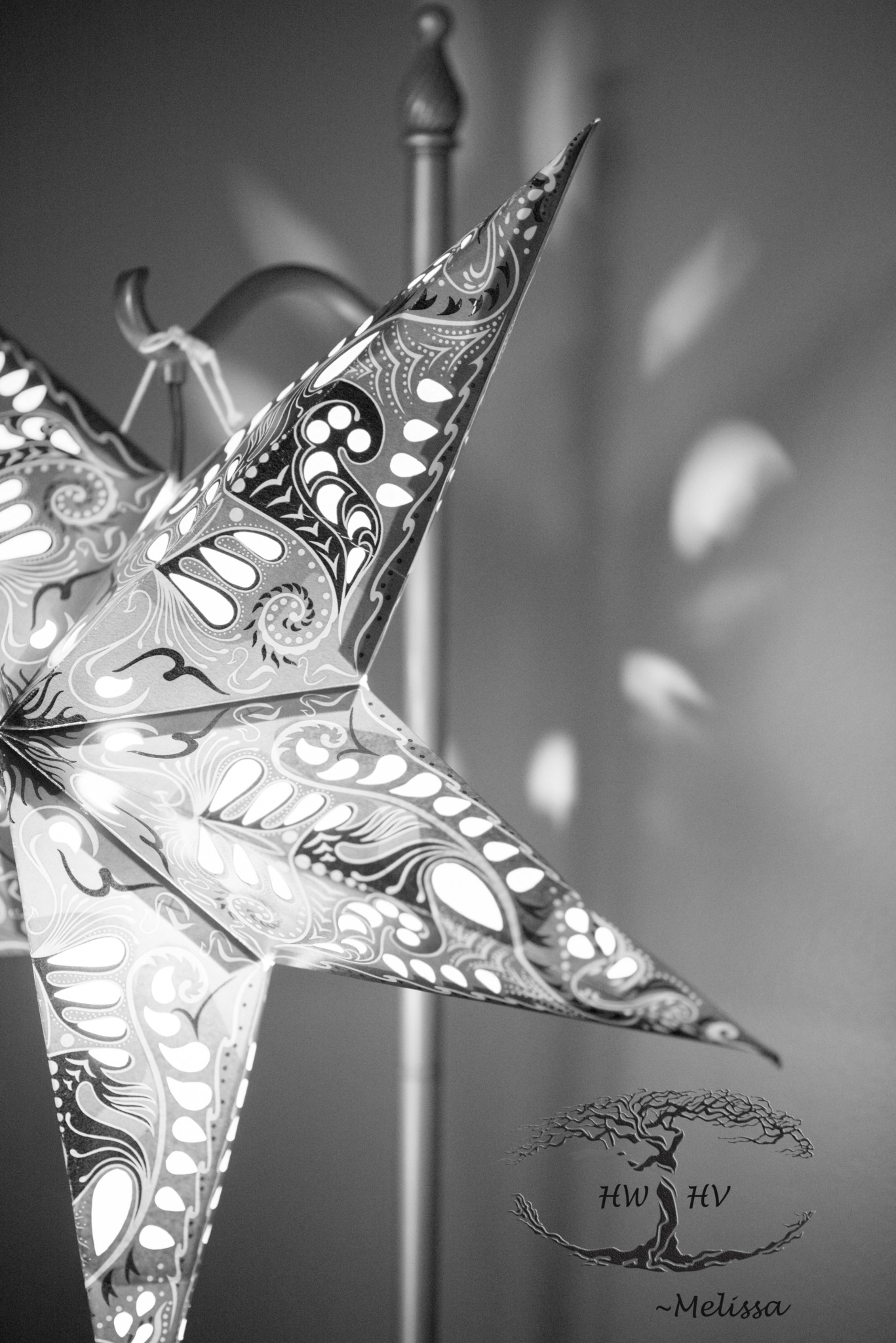
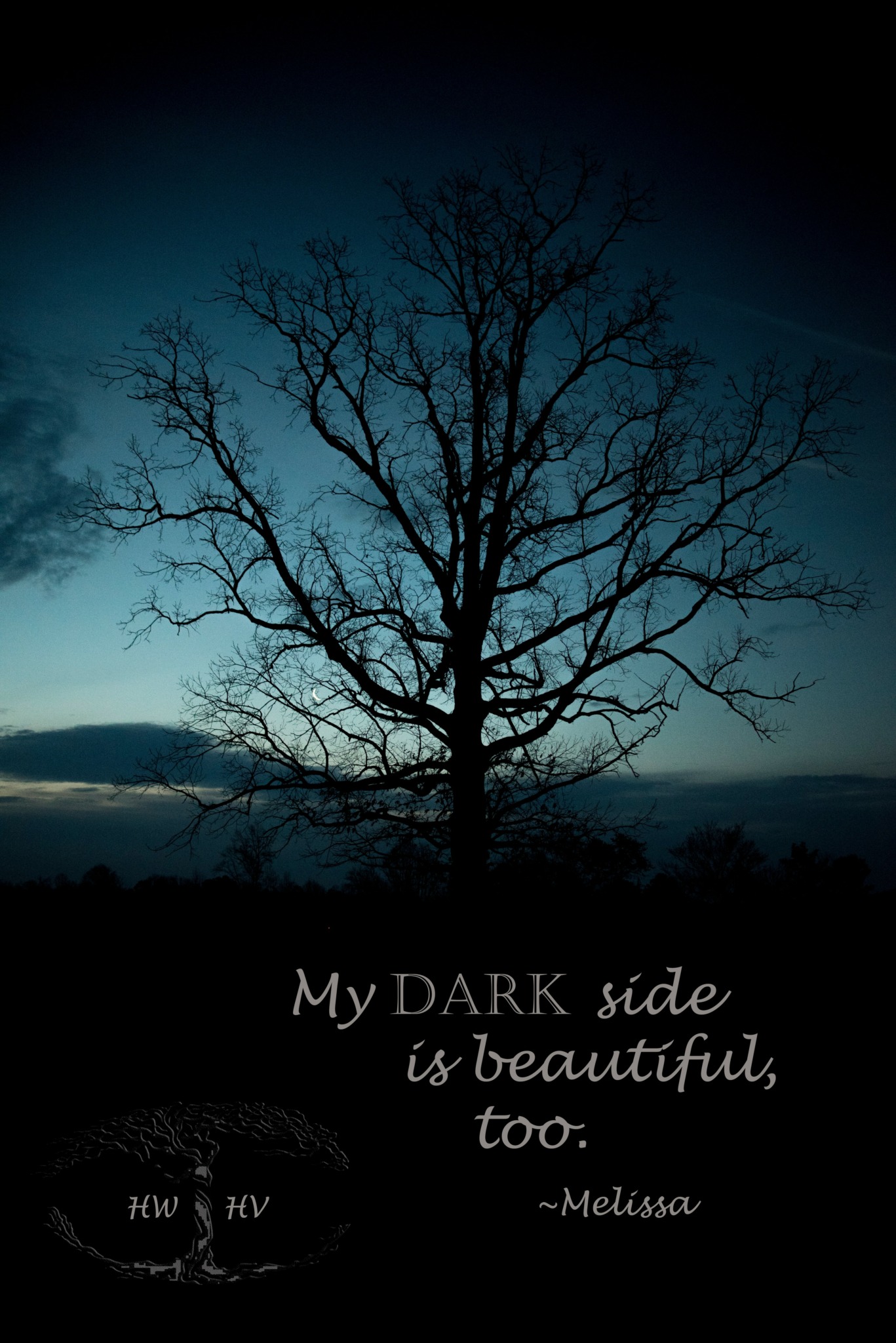
These are all images I have taken myself. The logo art for Rooted Rite was created by Amy Alley. And I have her full permission to promote the logo.