

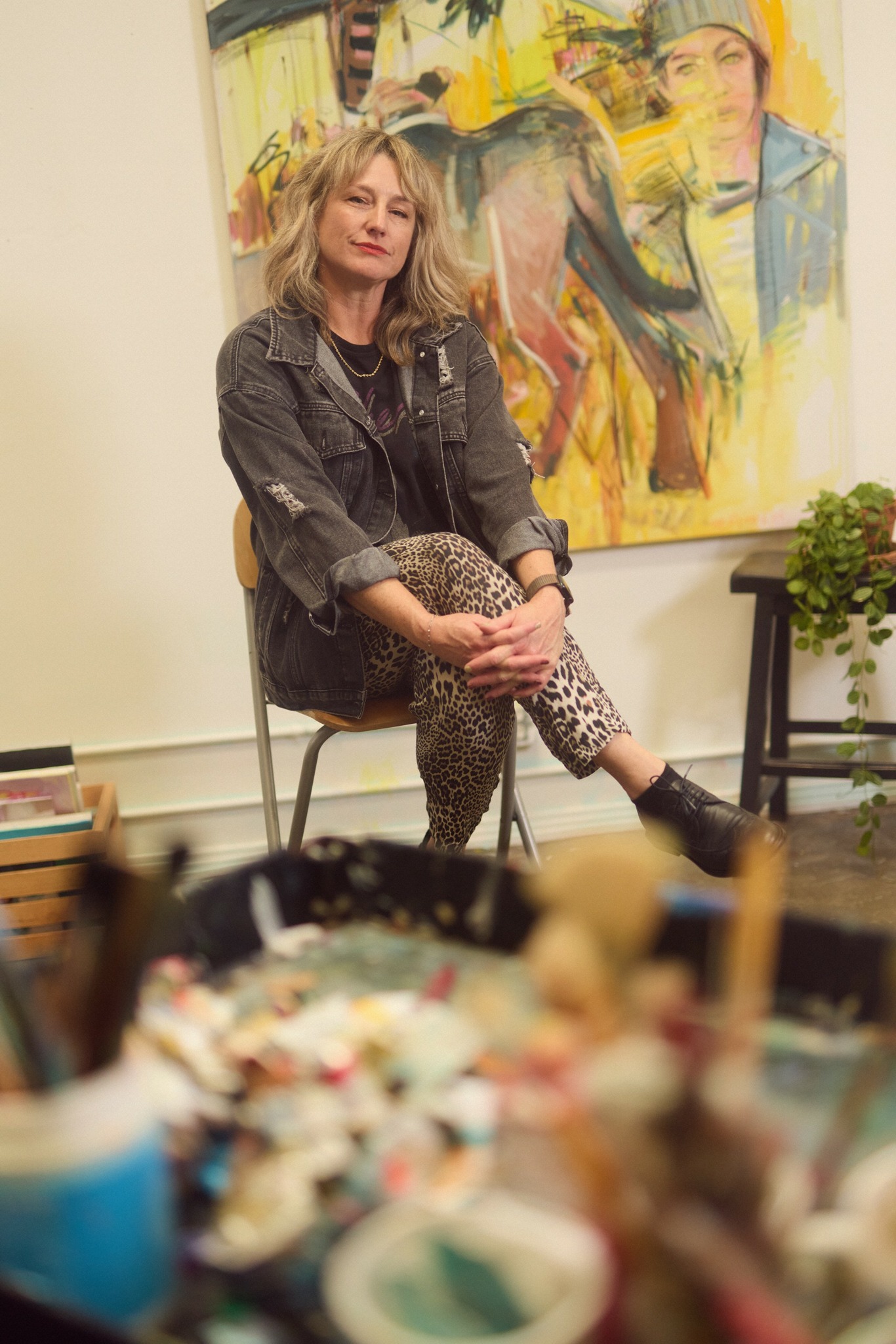

We were lucky to catch up with Melissa Bartlett recently and have shared our conversation below.
Hi Melissa, thanks for joining us today. I’m sure there have been days where the challenges of being an artist or creative force you to think about what it would be like to just have a regular job. When’s the last time you felt that way? Did you have any insights from the experience?
I knew I was a creative from a very young age. Art was a constant for me growing up—I took as many art classes as I could from kindergarten through high school, and studying studio art in college felt like a natural next step. Still, after graduating, I wasn’t entirely sure I could commit to art as a lifelong career. I loved making work, but I questioned whether I could sustain myself creatively and financially over the long term.
So I took a pause. For about five years, I lived in the mountains, bartended, traveled, and skied. It was a beautiful, unconventional life, and from the outside it looked idyllic. Many people I met were envious of that freedom, but quietly, I found myself jealous of the artists I encountered who had fully committed to their practice—people with studio routines, teaching positions, or full-time creative jobs. I realized that despite how enjoyable that chapter was, something essential was missing. I felt creatively hollow.
That period was important, though—it clarified things for me. I didn’t step away from art because I didn’t love it; I stepped away because I needed to know if I could truly choose it. And once I had lived another version of life, the answer became very clear. I returned to school, earned my BFA and later my MFA, and from that point on I committed fully to being an artist. I’ve been a professional artist ever since, and while the path is challenging, it’s also deeply fulfilling. I don’t wonder about having a “regular” job anymore—this work feels essential to who I am.
Melissa, before we move on to more of these sorts of questions, can you take some time to bring our readers up to speed on you and what you do?
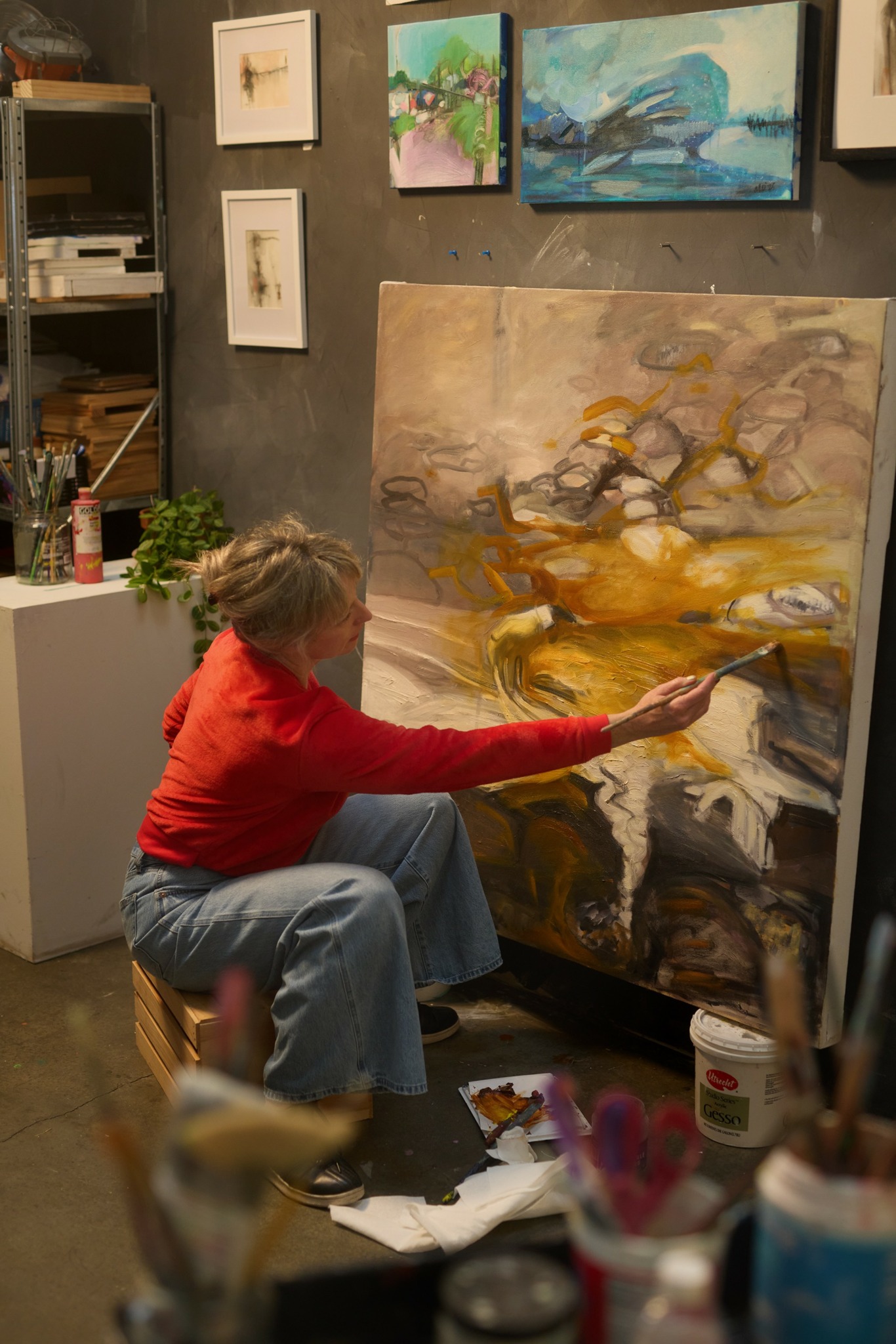
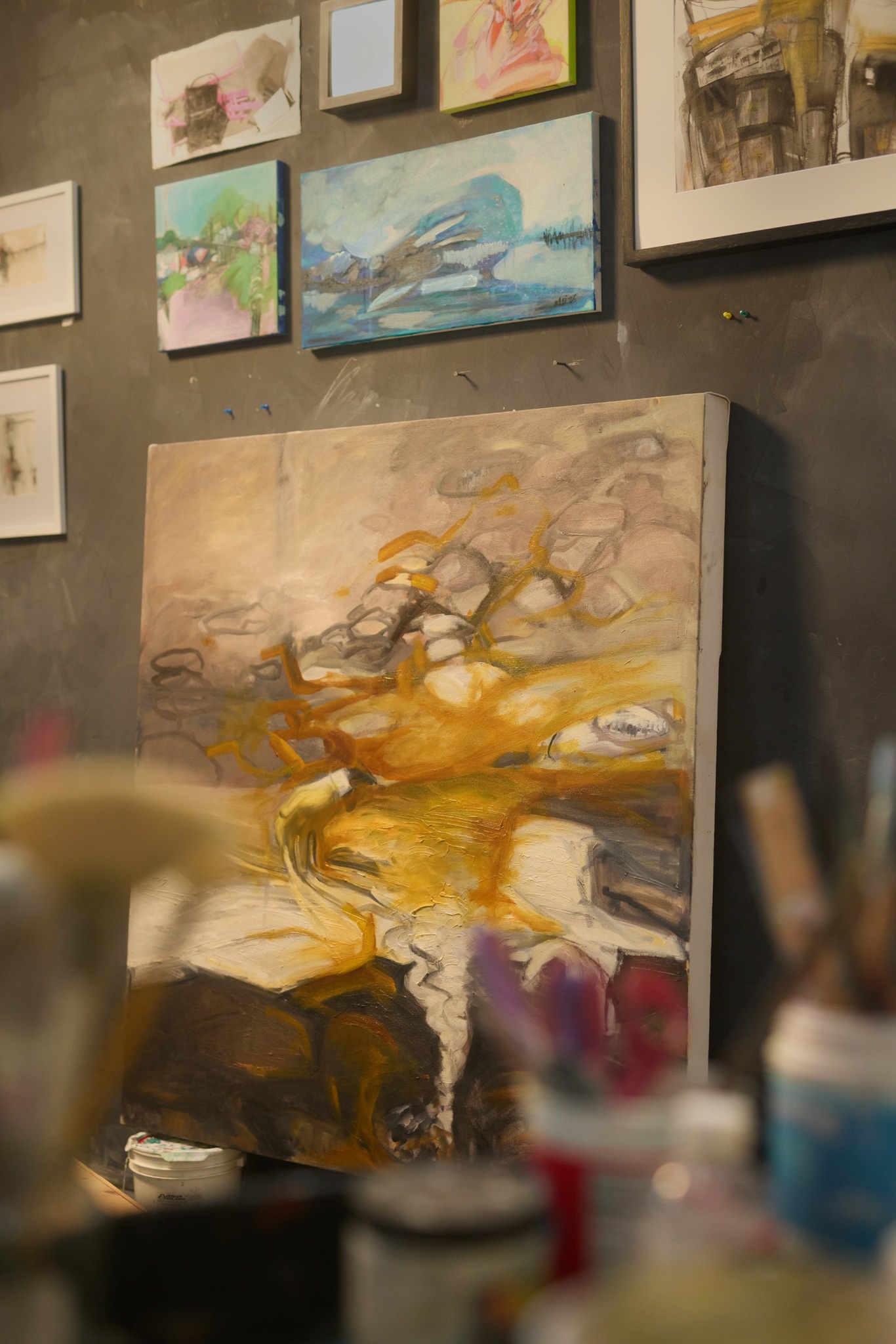
I’m a Los Angeles–based multi-media artist, illustrator, and educator working across painting, collage, animation, and installation. My work centers on observation—quiet moments in nature, fleeting experiences, and subtle emotional states—and often carries a cinematic, meditative quality.
My path into this work has been intentionally nonlinear. After early training in studio art and earning my BFA and MFA, I worked for a documentary film company in New York. That experience gave me a strong technical foundation in storytelling, editing, and time-based media, which continues to inform my visual language today. From there, I built a professional practice that bridges fine art, animation, and illustration.
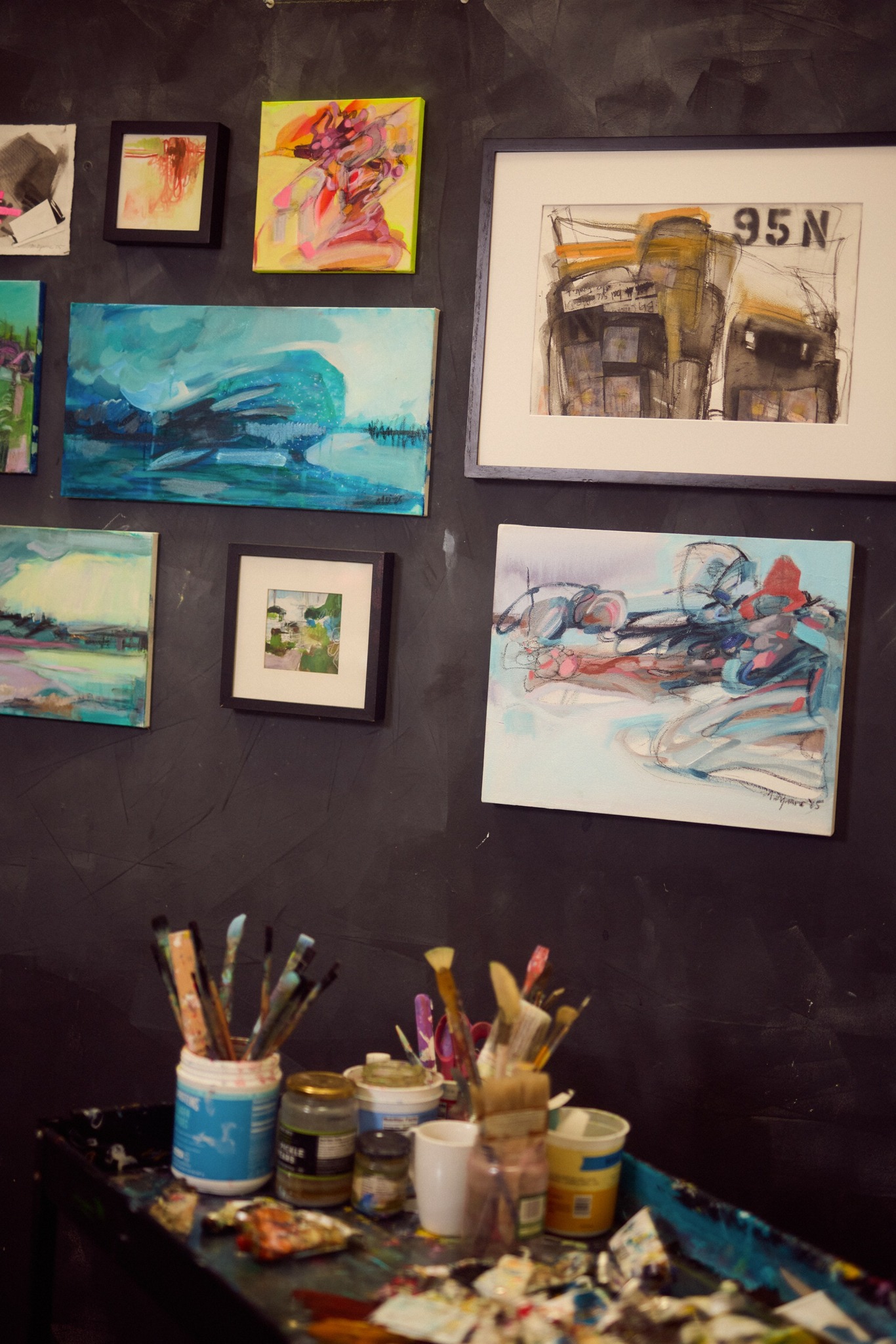
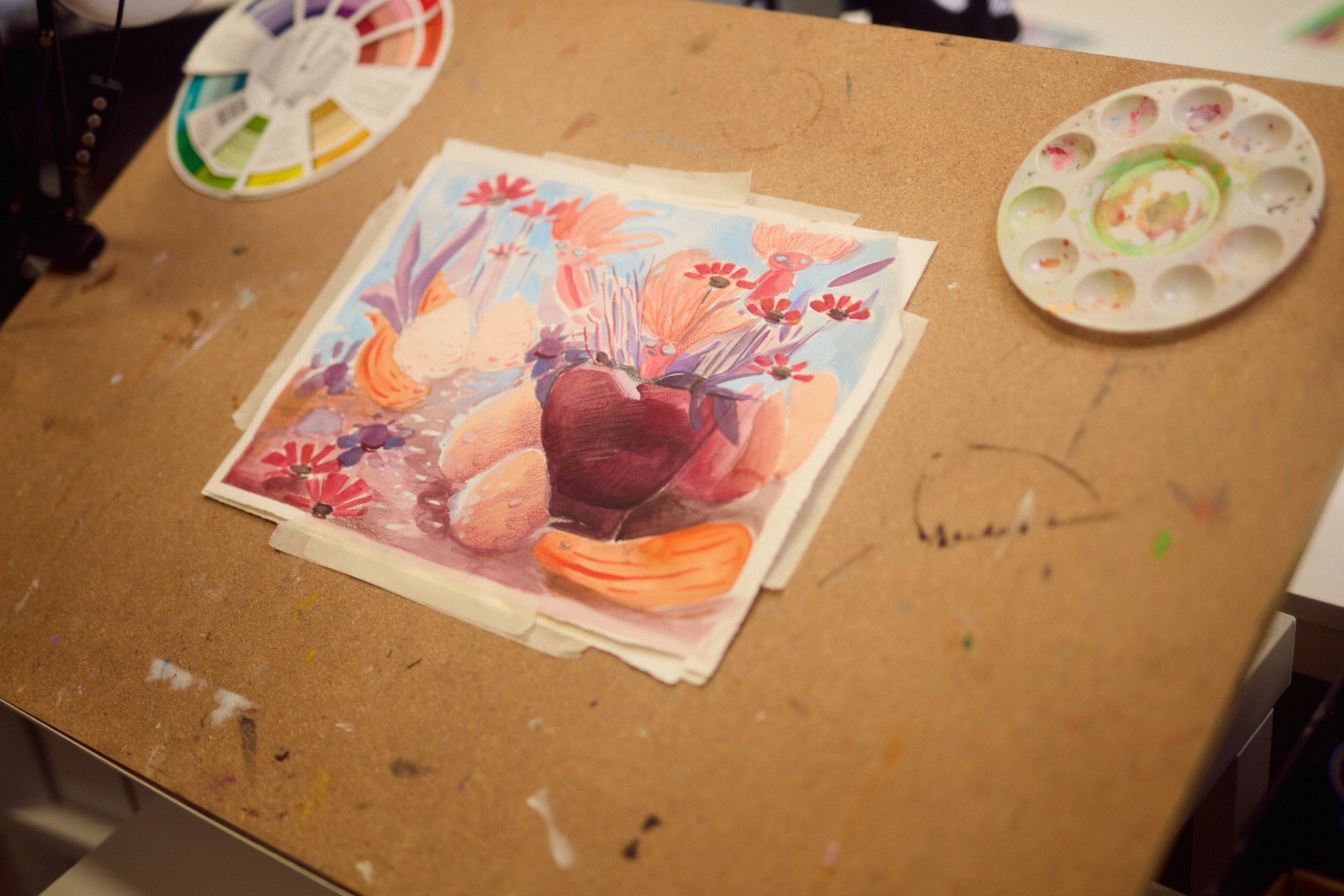
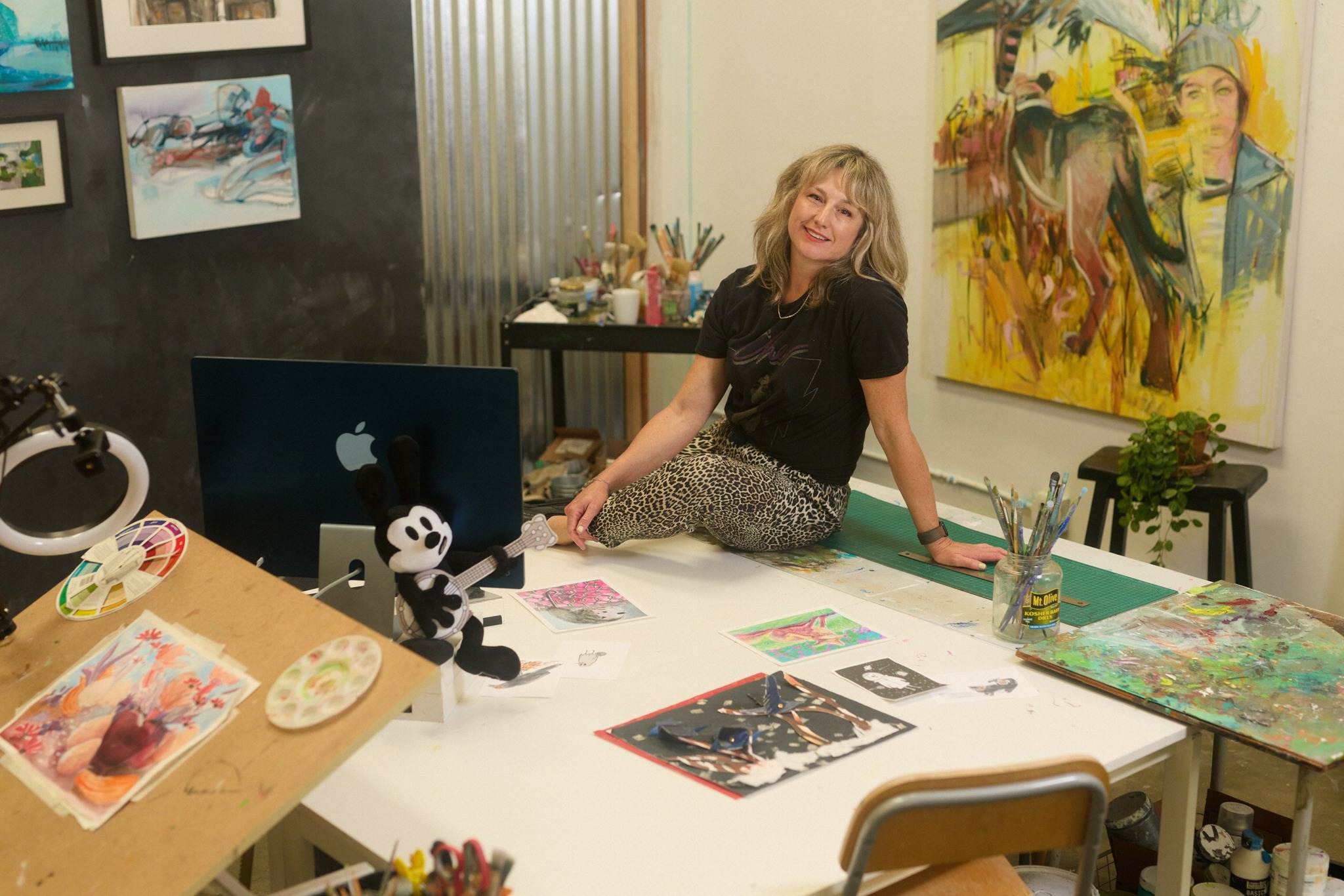
I create original paintings, cut-paper and experimental animations, mixed-media works on paper, and installation-based projects. I also run Scruffy Bird Designs, a small art and illustration studio producing illustrated goods and art-driven objects inspired by nature and narrative. Across all of my work, I’m interested in creating moments of pause—work that invites viewers to slow down and engage more thoughtfully.
As a college-level educator, I teach painting, illustration, typography, and digital art. Teaching and studio practice are deeply intertwined for me, both rooted in process, intuition, and long-term sustainability rather than trends.
What sets my work apart is the balance between intuition and structure—combining traditional materials with digital tools, and emotional sensitivity with technical precision. I’m most proud of building a multifaceted creative life and of receiving the Brand Associates Award for my cut-paper animation Poppies in the Wind, which affirmed the direction my work is heading.
At its core, my work is about attention, care, and presence. I believe powerful art doesn’t have to be loud—it can be quiet, layered, and enduring.
What can society do to ensure an environment that’s helpful to artists and creatives?
I think the most meaningful way society can support artists and creatives is by choosing to engage with real people rather than faceless entities. Buying local, purchasing directly from artists, and supporting independent creative businesses keeps money circulating in communities and sustains creative ecosystems in very tangible ways. When people collect work or invest in creative services, they’re not just buying an object—they’re supporting a person, a practice, and a way of life.
Equally important is preserving accessible, affordable spaces where artists can actually make their work. Studios, shared workspaces, classrooms, and community art centers are essential infrastructure, not luxuries. When creative spaces disappear, so does experimentation, risk-taking, and cultural depth.
I also believe in personalizing the experience of art—meeting artists, understanding their process, and valuing the time and labor behind the work. Art thrives when it’s relational rather than transactional. When communities prioritize connection, access, and long-term support over convenience, creativity doesn’t just survive—it flourishes.
What’s a lesson you had to unlearn and what’s the backstory?
One of the most important lessons I had to unlearn was the idea that there is a single “right” way to be an artist. Early on, I internalized a lot of rigid expectations—what kind of work I should be making, what success was supposed to look like, and what path I was meant to follow. Those ideas were well-intentioned, but they were limiting.
My career ended up taking many turns I never could have planned. As I allowed myself to loosen that rigidity, I began following curiosity instead of prescription. That openness is what eventually led me into animation—something I hadn’t originally imagined as part of my practice. Had I clung to a narrow definition of what an artist should be, I would have missed the work that ultimately brought me into exhibitions and expanded my creative voice.
Unlearning that mindset made space for growth. It taught me that there isn’t a better or worse path—only the one that’s honest and sustainable for you. Once I stopped measuring myself against an imagined ideal, my work became more expansive, more experimental, and far more fulfilling.
Contact Info:
- Website: www.melissadyanne.com; www.scruffybirddesigns.com
- Instagram: @badatnaps; @thescruffybird
- Youtube: @MelissaDyanneAnimations
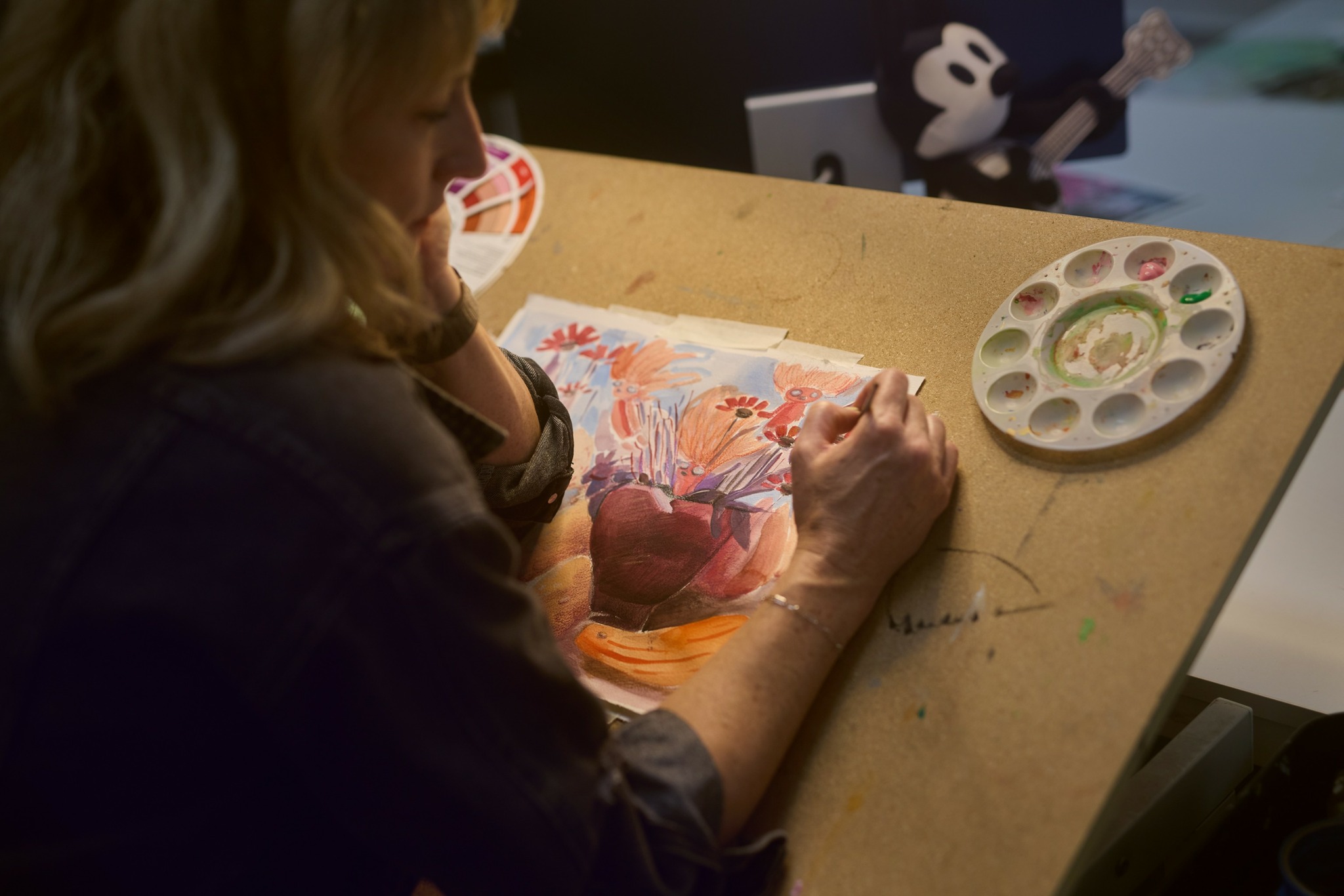
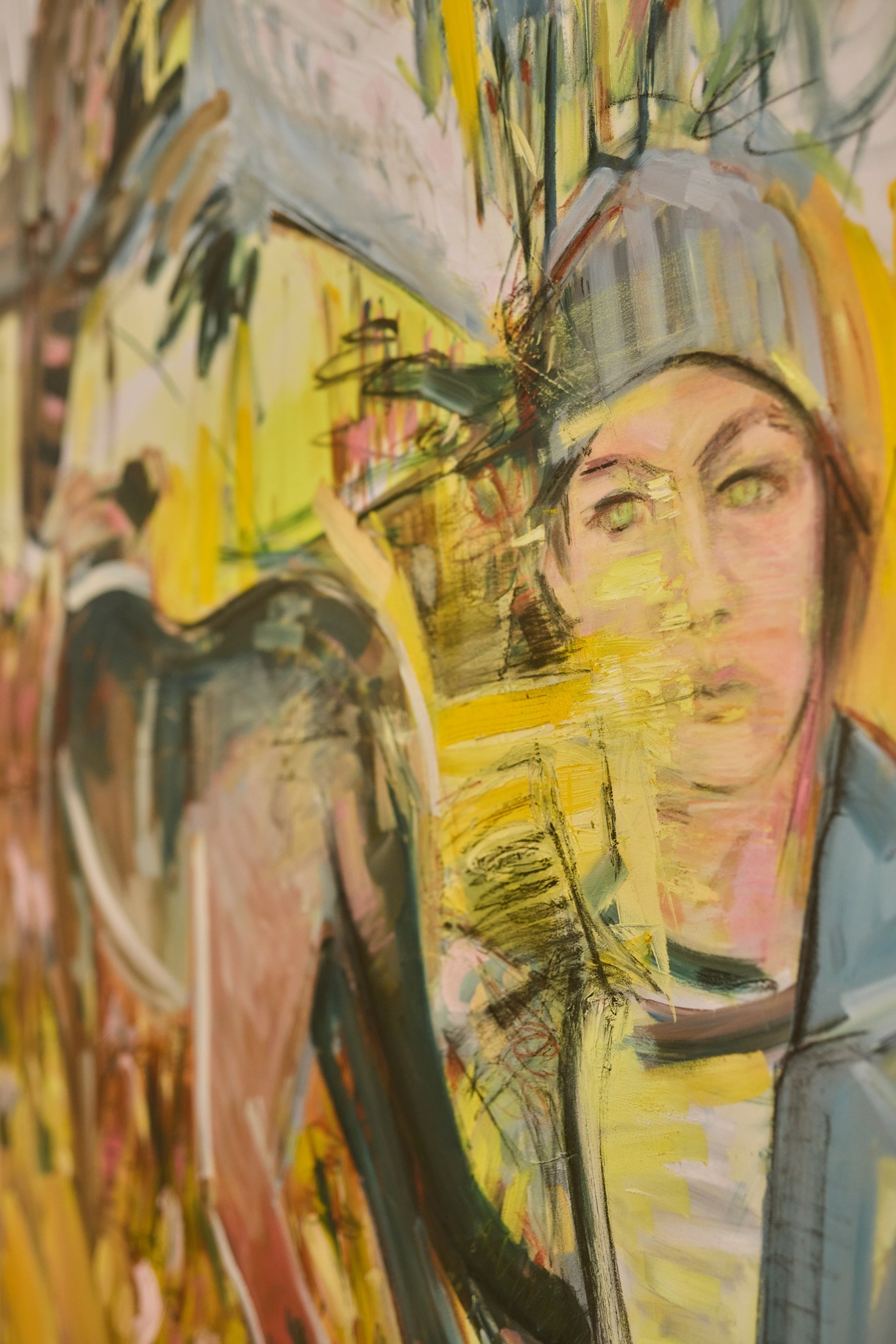
Image Credits
Michael Kinsey (Kinsey.pro)