

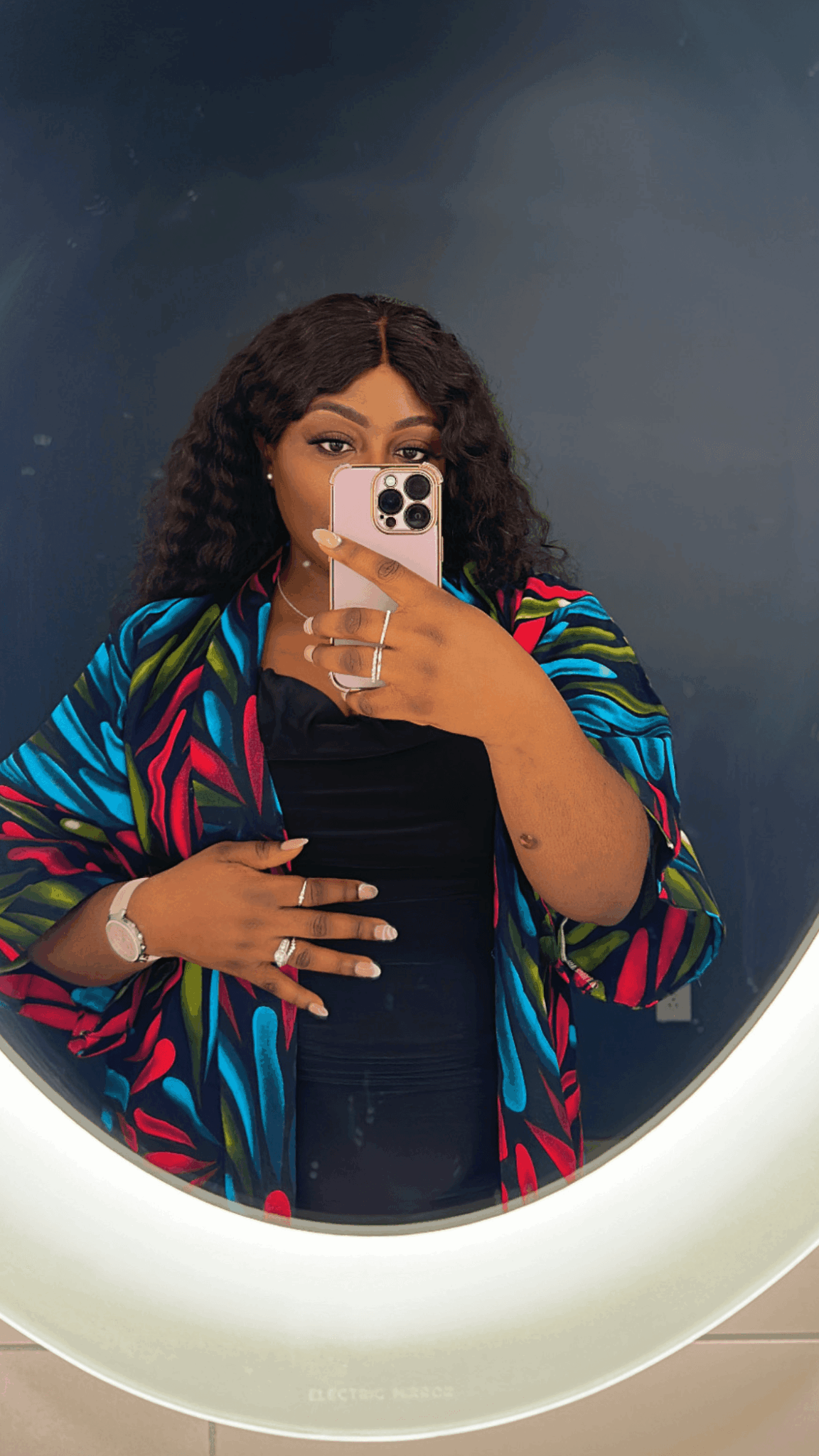

Alright – so today we’ve got the honor of introducing you to Melanie Mfuh. We think you’ll enjoy our conversation, we’ve shared it below.
Melanie, thanks for joining us, excited to have you contributing your stories and insights. Coming up with the idea is so exciting, but then comes the hard part – executing. Too often the media ignores the execution part and goes from idea to success, skipping over the nitty, gritty details of executing in the early days. We think that’s a disservice both to the entrepreneurs who built something amazing as well as the public who isn’t getting a realistic picture of what it takes to succeed. So, we’d really appreciate if you could open up about your execution story – how did you go from idea to execution?
I didn’t start with a full plan… I started with a need.
I remember being invited to an event and wanting to wear something in African print, but I couldn’t find anything that felt modern or accessible. When a friend casually said, “Why don’t you just start your own?” it didn’t feel like a serious suggestion at the time, but it stayed with me.
That moment planted the seed!
The next step wasn’t some big, polished launch. It was me asking simple questions: Where would I even get the fabric? Who could sew this? How would I sell it? I didn’t have all the answers, but I started figuring them out one by one. I reached out to a friend who had a connection in Cameroon who could sew, and I began with a few simple pieces, flare skirts and maxi skirts. Nothing complicated. Just something I knew I would wear myself. That was my starting point.
From there, I leaned into what I had access to. At the time, Facebook was a major platform, so I started posting photos of the pieces. Orders began coming in through word of mouth, friends sharing, and people genuinely connecting with the designs. It wasn’t a huge launch, it was organic, consistent steps that started building momentum.
But execution also meant learning quickly.
I ran into challenges almost immediately. African print fabrics don’t stretch, so getting the right fit was a real issue. Instead of seeing that as a stopping point, I knew I had to grow. I took sewing sessions to better understand construction and fit, which helped me improve the product and serve my customers better. Then came the next level, thinking beyond just making pieces.
In 2015, I traveled to Cameroon to produce in bulk for the first time. That was a big shift from just testing ideas to actually treating this like a real business. I hosted my first pop-up shop, started doing fashion shows, and began putting Uzuri Closet in front of more people intentionally. Looking back, there wasn’t one moment where everything suddenly “launched.” It was a series of decisions, small, consistent, sometimes uncertain steps, that brought the idea to life.
I think people often wait until they feel ready or fully confident, but that wasn’t my experience. I moved forward with what I had learned along the way and allowed the business to evolve as I did. And that’s really what turned the idea into something real.


As always, we appreciate you sharing your insights and we’ve got a few more questions for you, but before we get to all of that can you take a minute to introduce yourself and give our readers some of your background and context?
Uzuri Closet was born out of a personal need that turned into something much bigger than I ever imagined. What started as a simple idea quickly became a journey of building something meaningful.
Today, Uzuri Closet focuses on custom, made-to-measure pieces using authentic African print fabrics sourced from countries like Ghana, Kenya, and Cameroon. I create clothing for women who want to feel confident, stand out, and stay connected to culture. Whether it’s for a special event or a personal statement piece, every design is intentional.
What sets Uzuri Closet apart is both the craftsmanship and the heart behind it.
Every piece is thoughtfully designed, not mass-produced without care. I work closely with skilled artisans and manufacturers, and I’ve built the brand around quality, cultural authenticity, and attention to detail. But beyond the product, there’s a deeper layer—this brand represents identity, confidence, and expression.
I’m most proud of how Uzuri Closet has grown while staying true to its purpose. From starting with no formal experience to building a community, hosting fashion shows, being featured, and running a physical store, every milestone represents faith, resilience, and consistency.
But if I’m being honest, what I’m most proud of isn’t just the business… It’s who I became through it.
I found my voice. I built confidence. I learned how to take action even when I didn’t feel ready.
And that’s something I want people to understand when they come across my brand. Uzuri Closet is more than clothing. It’s a reflection of growth, culture, and bold self-expression. It’s for the woman who wants to show up fully as herself, confident, intentional, and fearless.
And while the brand continues to evolve, one thing remains the same: everything I create is designed to help women feel seen, represented, and powerful in what they wear.
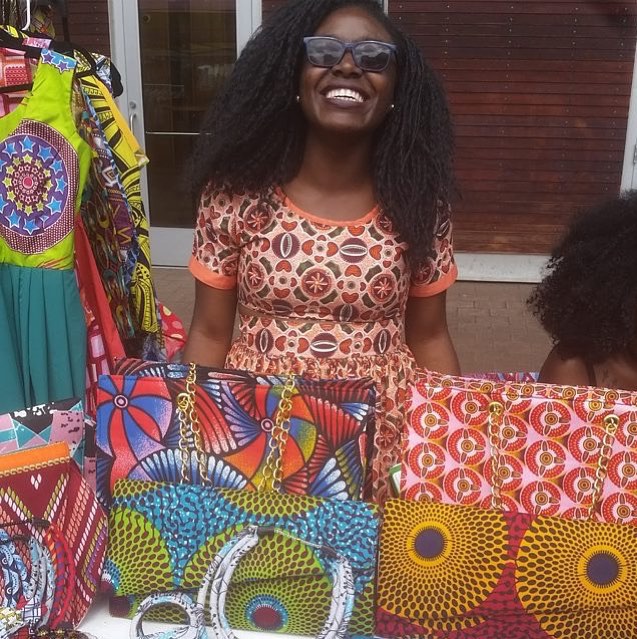
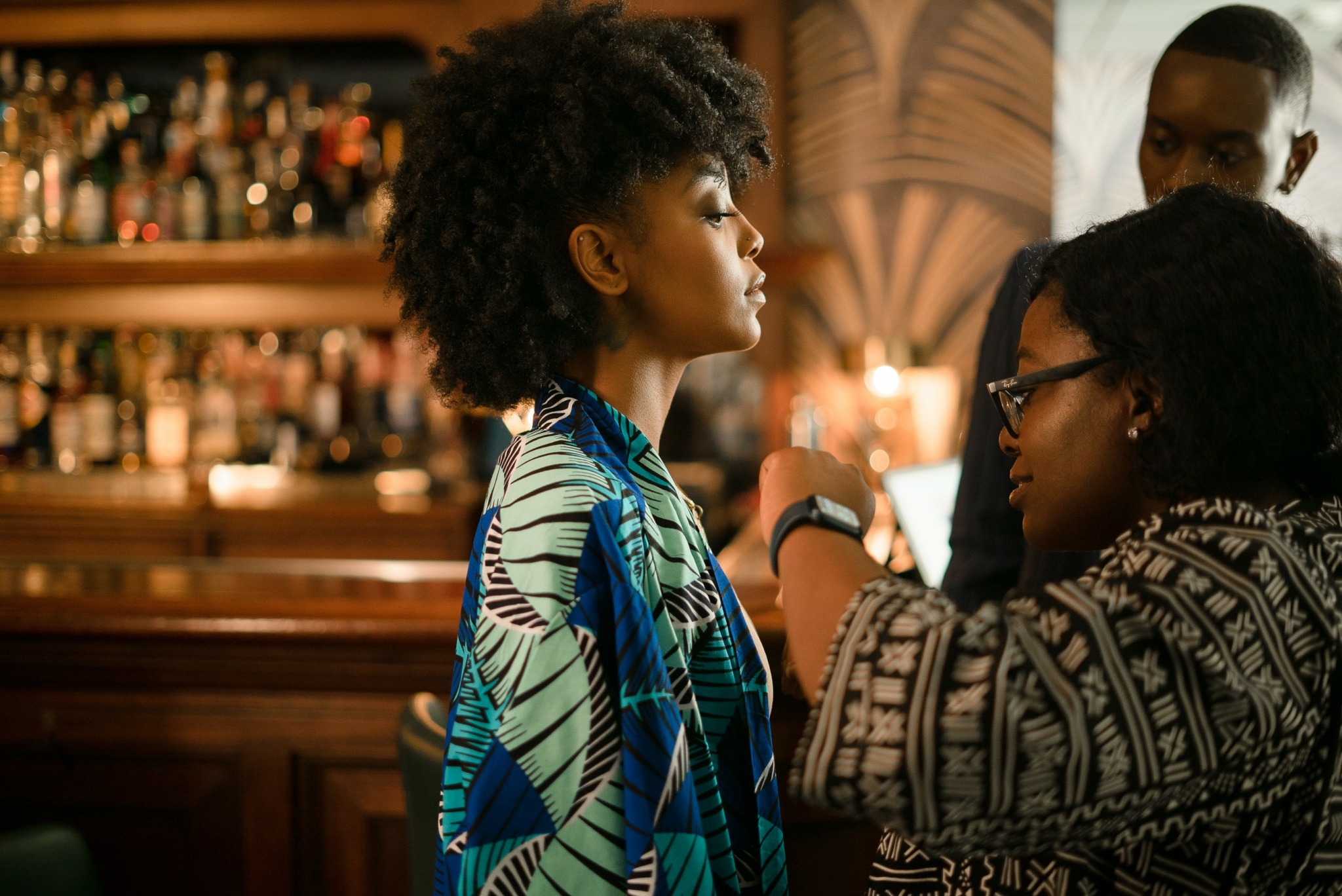
We’d love to hear the story of how you built up your social media audience?
Building my audience on social media didn’t start with strategy; it started with consistency and connection.
When I first began Uzuri Closet, I didn’t have a marketing plan or content calendar. I simply started sharing what I was creating. At the time, Facebook was one of the main platforms, so I would post photos of the pieces, share updates, and let people into the process. What made the difference early on was that it wasn’t just about selling…it was about showing.
People could see the journey.
As the brand grew, I transitioned more intentionally onto Instagram, and that’s where I really began to understand the power of visibility. I consistently showed up, posting designs, behind-the-scenes moments, customer features, and even the process of building the business. Over time, that consistency built trust, and trust turned into community.
I grew my audience to over 30,000 followers, but it didn’t happen overnight. It came from staying present, engaging with people, and creating content that made others feel connected to the brand, not just the product.
One thing I learned quickly is that people don’t just follow what you sell… they follow what you represent.
For me, that was culture, confidence, and creativity.
If I could give advice to someone just starting, I would say this: Start before you feel ready, and don’t overcomplicate it.
You don’t need perfect branding, a big audience, or expensive content. You need clarity on what you’re sharing and the willingness to show up consistently. Use what you have, whether that’s your phone, your current environment, or your first few products.
Also, focus on connection over performance.
It’s easy to get caught up in numbers…likes, views, followers but the real growth comes from building relationships. Respond to comments, engage with your audience, and create content that speaks to a specific person, not everyone.
And most importantly, allow your content to evolve as you grow.
When I started, I was just sharing products. Over time, I began sharing more of my story, my journey, and the meaning behind the brand and that’s what deepened the connection with my audience.
Social media isn’t just a marketing tool. It’s a way to bring people into your world.
If you stay consistent, stay authentic, and stay connected to your “why,” your audience will grow with you.


Let’s talk about resilience next – do you have a story you can share with us?
One of the most defining moments of resilience in my journey came during a season when everything felt like it was working against me at the same time.
I had already built momentum with Uzuri Closet; growing my audience, hosting pop-ups, doing fashion shows but behind the scenes, I was facing challenges that people didn’t see. There were financial pressures, production issues, and moments where people I trusted didn’t come through the way I expected. It felt like I was constantly solving problems just to keep the business moving.
And then motherhood was added into the mix.
I was navigating being a new mom while still trying to show up fully in my business, and there were days I felt stretched in every direction. Tired, overwhelmed, and honestly questioning if I had the capacity to keep going.
I remember one particular season where sales had slowed, things felt uncertain, and I had a real moment of asking myself, “Is this where I stop?”
That question was real.
But what I’ve learned about resilience is that it’s not always loud or dramatic. Sometimes it looks like making a quiet decision to keep going… even when you don’t feel strong.
Instead of quitting, I shifted my focus. I invested time into improving my skills, strengthening my processes, and leaning into my faith more deeply. I stopped making emotional decisions based on temporary setbacks and started grounding myself in the bigger vision.
And slowly, things began to rebuild. Opportunities opened again. The brand continued to grow.
Looking back, that season taught me that resilience isn’t about avoiding hard moments… It’s about who you become in them.
“There were times I felt like giving up, but those were the moments that built the version of me who could actually handle the vision I was praying for.”
That experience changed me. It strengthened my mindset, deepened my faith, and showed me that setbacks don’t mean stop, they often mean grow.
And that lesson has stayed with me in every season since.
Contact Info:
- Website: https://uzuricloset.com/
- Instagram: https://www.instagram.com/uzuricloset
- Facebook: https://www.facebook.com/uzuricloset
- Youtube: https://www.youtube.com/@uzuricloset

