

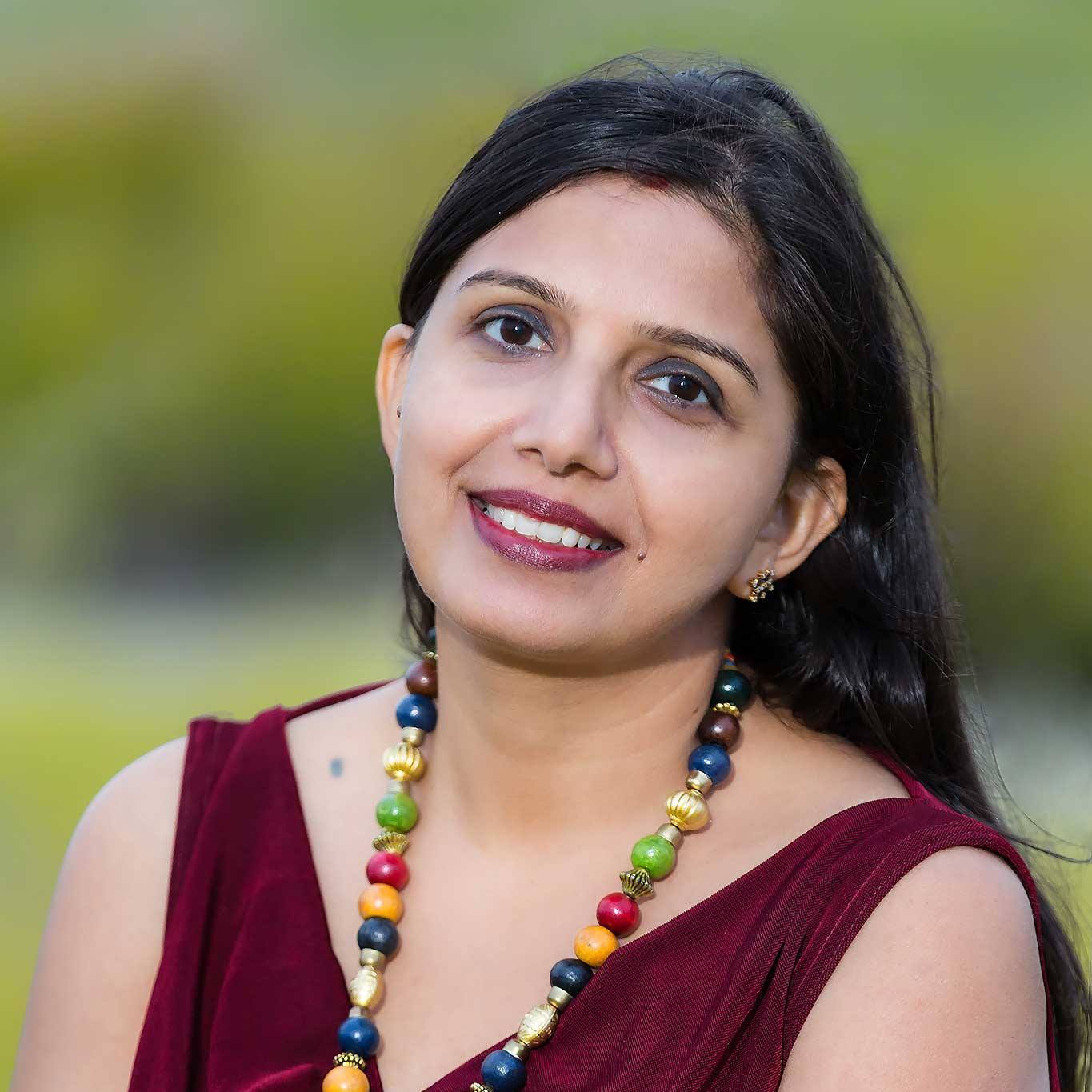

We recently connected with Meenakshi Gupta and have shared our conversation below.
Meenakshi , looking forward to hearing all of your stories today. We’d love to hear about how you went about setting up your own practice and if you have any advice for professionals who might be considering starting their own?
Establishing my own practice was less about entrepreneurship and more about responsibility. After years of formal training in classical Ayurveda, I began to see a growing disconnect. Wellness was becoming increasingly fragmented. People were consuming information on diet, gut health, and lifestyle in isolation, often guided by trends rather than understanding.
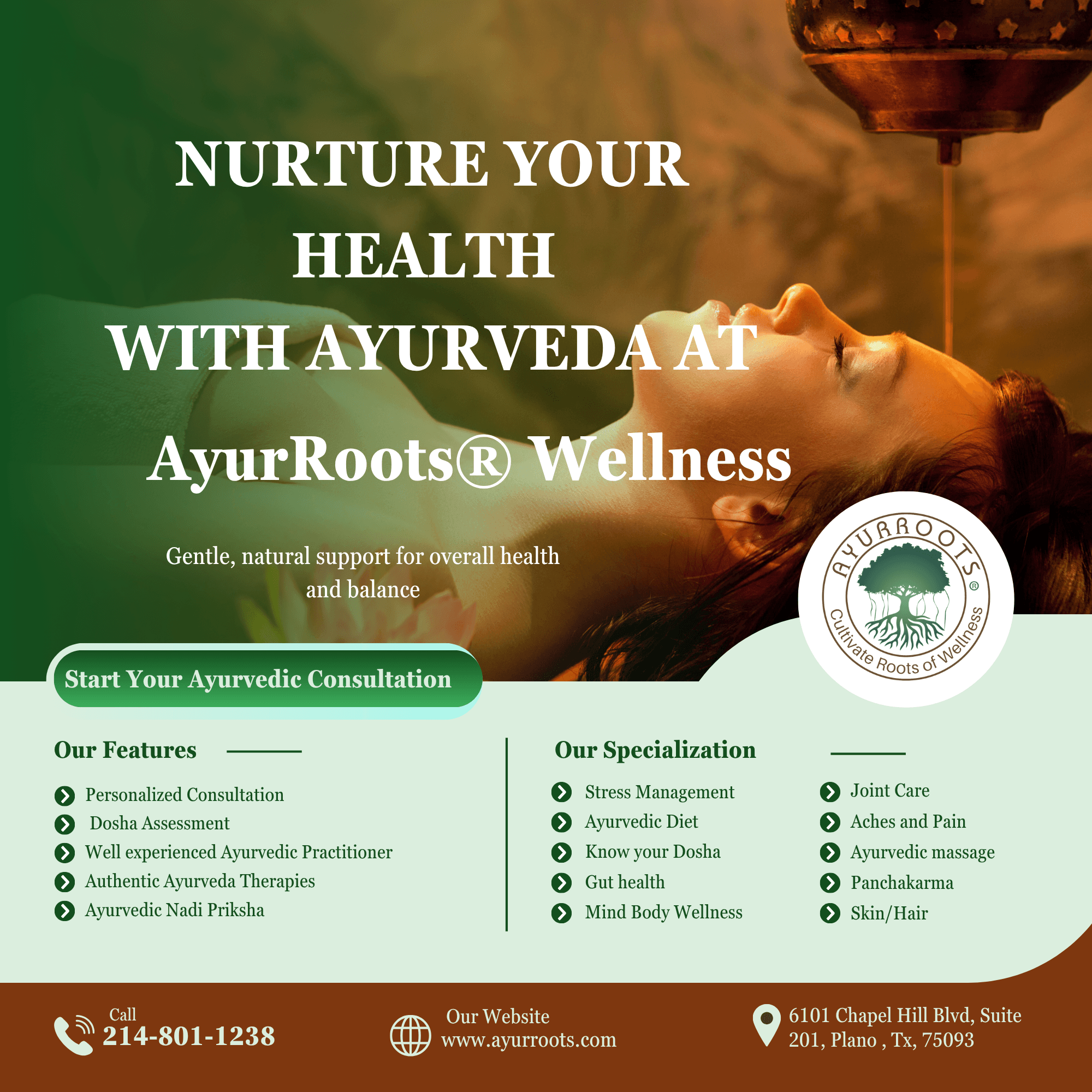
AyurRoots® was built to address that gap. The intention was to create a space where Ayurveda is practiced in its authentic, integrated form—where the focus is not just on symptoms, but on the individual, their constitution, digestion, and daily rhythms. In the early days, the challenge wasn’t just setting up a practice; it was building trust in a system that requires time, personalization, and client engagement.
From an operational standpoint, establishing the practice meant navigating everything from compliance and clinical structure to client education and retention. Over time, another layer became equally important: digital visibility. Today, credibility is built not only in the consultation room but also by how you show up online. SEO, content strategy, and even LLM-driven search platforms are shaping how people discover and evaluate expertise. However, these are amplifiers, not substitutes. Depth of knowledge and authentic outcomes remain the foundation.
One of the more nuanced challenges was maintaining that depth while scaling visibility, ensuring that Ayurveda is not simplified to fit trends, but communicated in a way that is accessible without losing its integrity.
If I were to do anything differently, I would have invested earlier in structured digital presence, not for growth alone, but for education. The right content reaches the right audience at the right time, and today’s platforms reward clarity and consistency.
For professionals considering starting their own practice, my advice is to prioritize substance over speed. Build clinical depth, stay rooted in your discipline, and be intentional about how you communicate your work. Markets evolve, technologies shift, from search engines to AI, but trust is built the same way it always has been: through knowledge, consistency, and results.

Great, appreciate you sharing that with us. Before we ask you to share more of your insights, can you take a moment to introduce yourself and how you got to where you are today to our readers.
I am an Ayurvedic practitioner with over two decades of experience in clinical practice and education, and the founder of AyurRoots® Wellness Center in Plano, Texas. My work is rooted in classical Ayurveda, but deeply adapted to the realities of modern life, where stress, digestive issues, and lifestyle imbalances are increasingly common.
I did not enter this field as a trend; Ayurveda has always been a system I have studied, practiced, and lived. Over time, I realized that many people were searching for answers, especially around gut health, metabolism, and chronic lifestyle concerns, but were often receiving fragmented advice. Diet was separated from lifestyle, and lifestyle from mental well-being. Ayurveda, when practiced authentically, does not work in silos. It is a complete system.
At AyurRoots®, I focus on helping individuals understand their unique constitution and digestive function, and then align their diet, daily routine, and lifestyle accordingly. Much of my work revolves around gut health, metabolic balance, and creating sustainable routines that people can actually follow in their daily lives. Alongside consultations, we offer traditional therapies that support relaxation and overall well-being, always customized to the individual.
What sets my work apart is not just the therapies or recommendations, but the depth of personalization. Every individual is different, and Ayurveda allows us to work at that level. I also place a strong emphasis on education, helping clients understand the “why” behind what they are doing, so the changes are long-term rather than temporary.
Over the years, I have also adapted to how people seek information today. Visibility is no longer limited to a physical practice. Through structured content, SEO, and an understanding of how digital platforms and LLM-based search work, I aim to ensure that authentic Ayurveda reaches the right audience without being diluted or misrepresented.
What I am most proud of is building trust, especially in a space where quick fixes are often preferred over sustainable change. Many of my clients come in looking for relief, but stay because they begin to understand their body in a completely different way.
If there is one thing I would want people to know, it is this: Ayurveda is not about adding more to your routine; it is about understanding what your body truly needs and simplifying accordingly. When that clarity comes, everything else begins to align.

How’d you build such a strong reputation within your market?
Reputation, especially in a field like Ayurveda, is not built through visibility alone—it is built through consistency and results over time.
When I started my practice, Ayurveda was not widely understood as it is today. Many people approached it with curiosity, but also skepticism. I realized very early that if I wanted to build a meaningful practice, I had to focus on depth rather than scale. Every consultation had to be thoughtful, personalized, and rooted in classical principles, not shortcuts.
One of the most important factors in building trust has been education. I spend time helping clients understand their body—how digestion, lifestyle, and daily habits are interconnected. When people understand the “why,” they are more engaged, and the outcomes are more sustainable. Over time, this naturally builds confidence and long-term relationships.
Another key element has been staying consistent with my approach. It can be tempting to simplify or modify Ayurveda to match trends, but I have always been careful to maintain its integrity while making it accessible. That balance, authenticity with practicality, has been central to AyurRoots®’s growth.
Word of mouth has played a significant role. Many of my clients come through referrals, which, in my view, is one of the strongest indicators of trust. When someone experiences a meaningful change and shares that with others, it creates a foundation that no marketing strategy can replace.
What I have learned is that reputation is not something you build separately; it is a reflection of the work you do every day. When your focus remains on genuinely helping people, growth follows naturally.
We’d love to hear a story of resilience from your journey.
Resilience, for me, was not a single moment; it was a phase.
When I moved into building my practice in the United States, I quickly realized that knowledge alone was not enough. Ayurveda, though deeply established where I trained, was still unfamiliar to many people here. I was not just building a practice; I was introducing a way of thinking about health that required time, trust, and patience.
In the early days, there were moments of doubt, not about the science itself, but about whether people would truly understand and commit to it. Unlike quick-fix approaches, Ayurveda asks for participation. It asks individuals to observe their habits, their digestion, and their lifestyle. That level of engagement is not always easy, especially in a fast-paced environment.
What helped me stay steady was returning to the fundamentals of what I had been trained in. I focused on each individual who walked into my practice, giving them the same attention and depth I would have, regardless of how small the practice was at the time. Over time, those individual experiences built trust, and that trust built consistency.
There was also resilience in adapting and learning to communicate Ayurveda in a way that is relevant to modern life without diluting its essence. That balance is not always straightforward, but it is necessary.
Looking back, resilience was not about pushing harder; it was about staying rooted. Staying consistent with my work, my values, and my approach, even when growth was slow or uncertain.
And over time, that consistency has made all the difference.
Contact Info:
- Website: https://ayurroots.com/
- Instagram: https://www.instagram.com/ayurroots
- Facebook: https://www.facebook.com/Ayurroots
- Linkedin: https://www.linkedin.com/in/vdmeenakshigupta
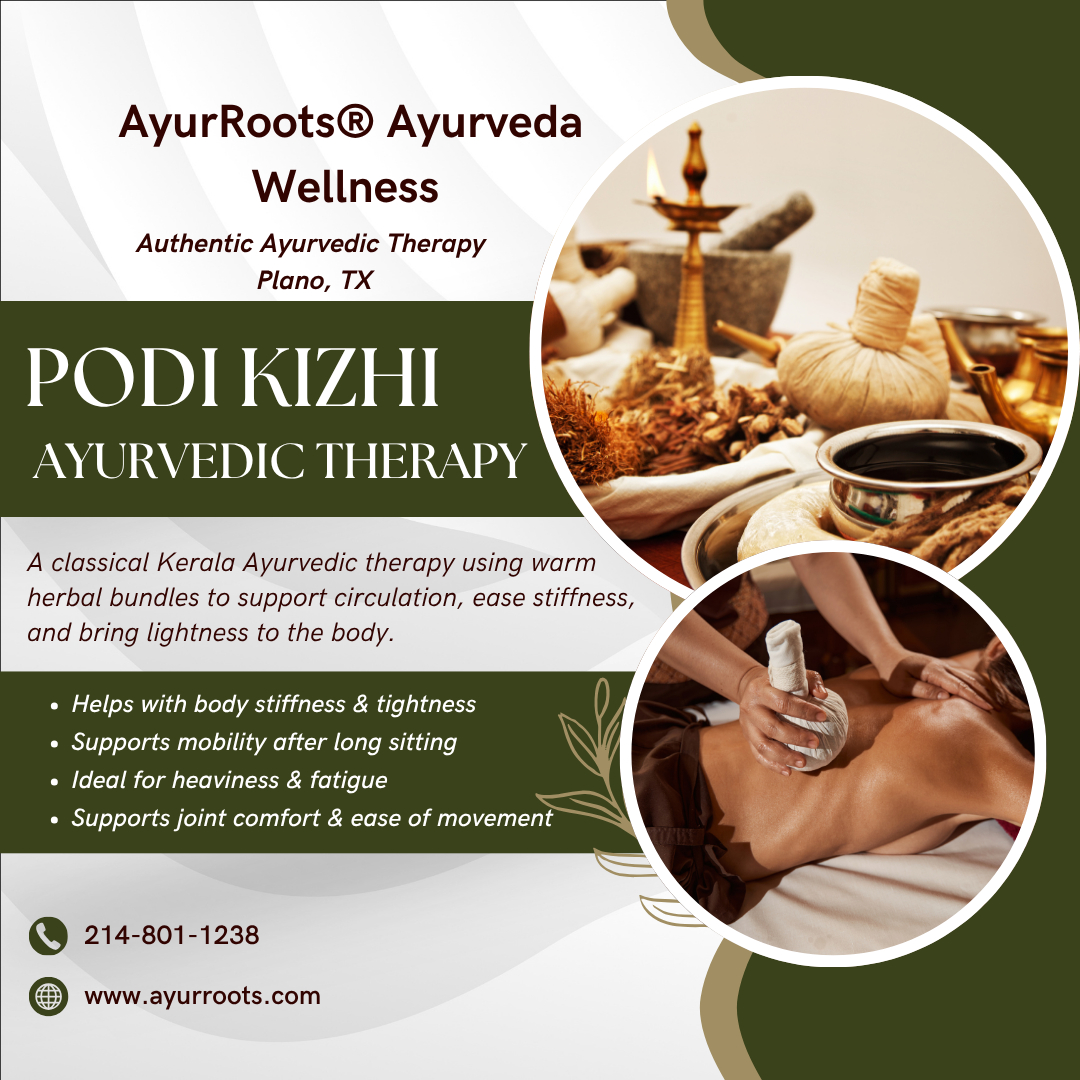

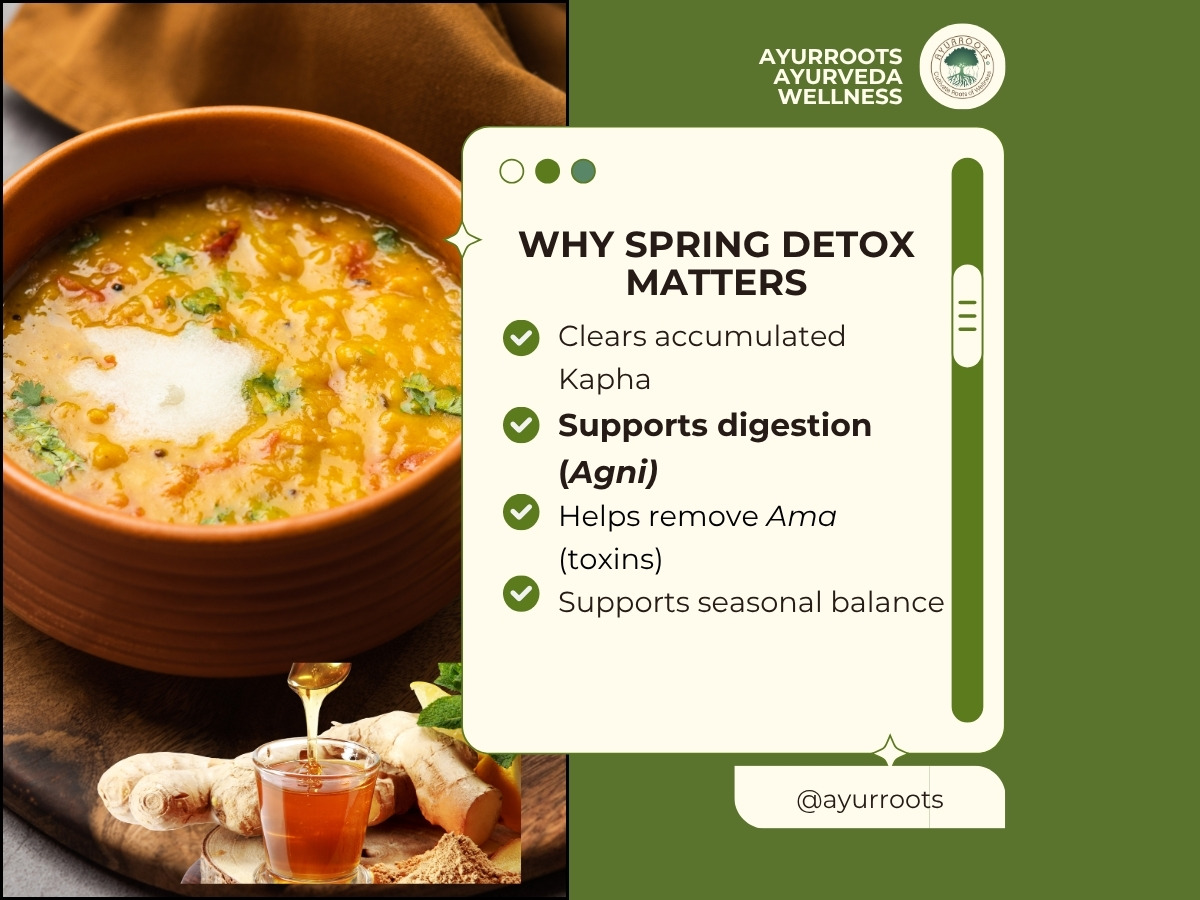
Image Credits
none