

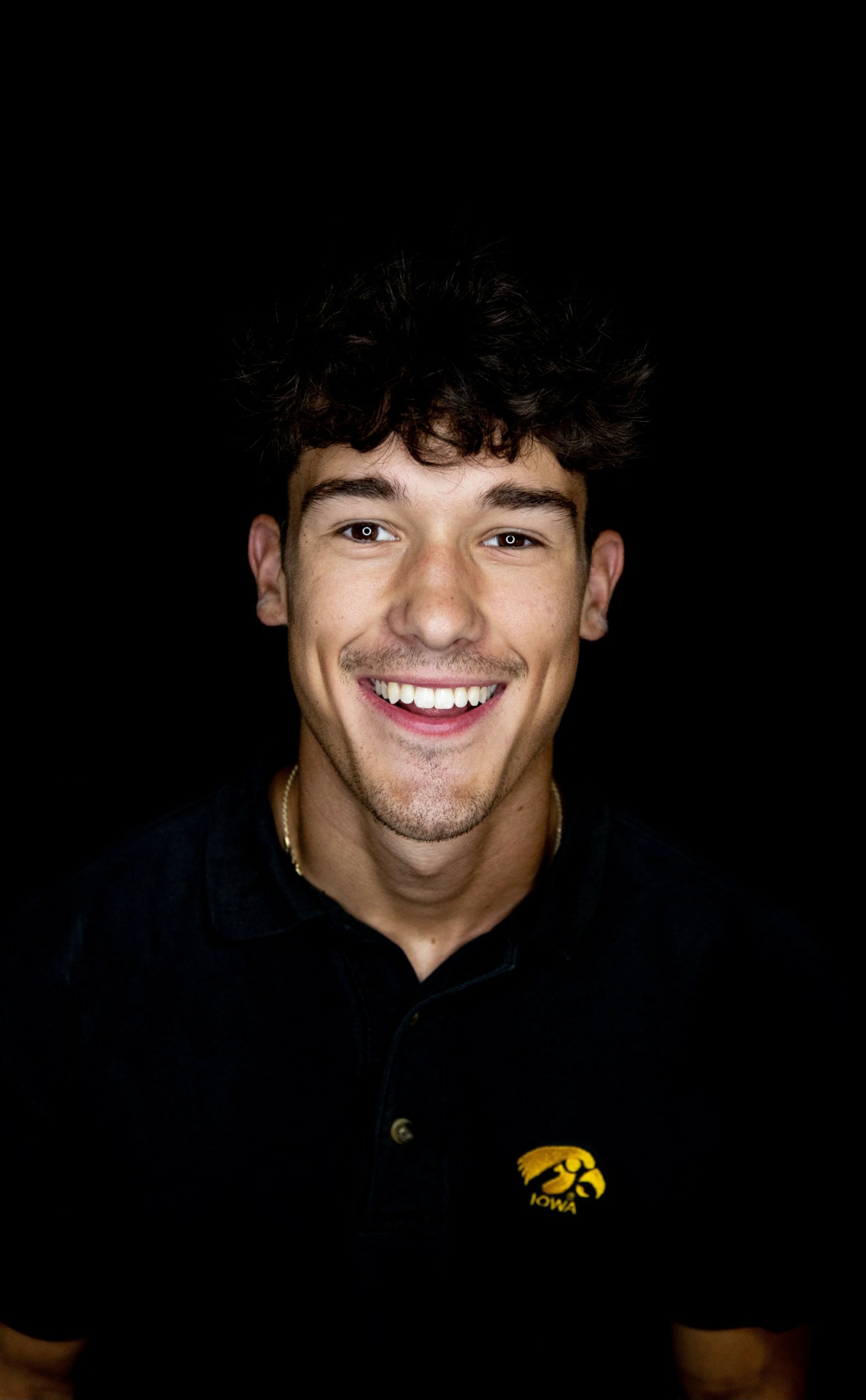

Alright – so today we’ve got the honor of introducing you to Maxwell Thomason. We think you’ll enjoy our conversation, we’ve shared it below.
Maxwell, appreciate you joining us today. So, folks often look at a successful business and think it became a success overnight – but that often obscures all the nitty, gritty details of everything that went into the growth phase of your business. We’d love to hear about your scaling story and how you scaled up?
Scaling up did not happen overnight. It was the result of consistency, relationship building, and making intentional decisions at each stage of growth.
When I first started shooting concerts in Iowa, opportunities were limited. There were fewer touring artists coming through, and I had to treat every show like it was the most important job I would ever get. That phase forced me to build a strong foundation. I focused on delivering high-quality work quickly, communicating clearly with promoters and venue staff, and making myself easy to work with. Those early reps at venues like Xtreme Arena allowed me to refine my workflow and understand how live productions operate behind the scenes.
The real shift happened when I decided to relocate to Dallas. Moving into a larger market meant more competition, but it also meant more opportunity. Instead of waiting for work to come to me, I proactively reached out to venues, promoters, and marketing teams. I introduced myself, shared my portfolio, and followed up consistently. Building relationships became just as important as improving my photography.
As trust grew, so did the scale of my projects. I began working with promoters and organizations such as Live Nation, Best Live Shows, Medium Rare, and X Games. I focused on being reliable in high-pressure environments, delivering assets quickly, and understanding how my work would be used for marketing and social media. That reliability led to larger opportunities, including becoming a house photographer at American Airlines Center.
Working at that level required tightening systems even further. I streamlined my editing workflow, improved turnaround times, and learned how to anticipate what marketing teams and promoters needed before they asked. I also became more intentional about positioning myself not just as a concert photographer, but as someone who supports large-scale productions and audience engagement.
Scaling up was not about one breakthrough moment. It was about stacking small wins. Showing up early. Staying late. Delivering consistently. Building trust. Maintaining relationships. Taking calculated risks. Each opportunity led to the next, and over time that consistency turned into growth.
Looking back, the middle phase was where most of the real work happened. It was less visible, less glamorous, and far more foundational. But that phase is what made it possible to move from smaller venues to large arenas, festivals, and major promoters while staying grounded in the craft of live music photography.
Maxwell, love having you share your insights with us. Before we ask you more questions, maybe you can take a moment to introduce yourself to our readers who might have missed our earlier conversations?
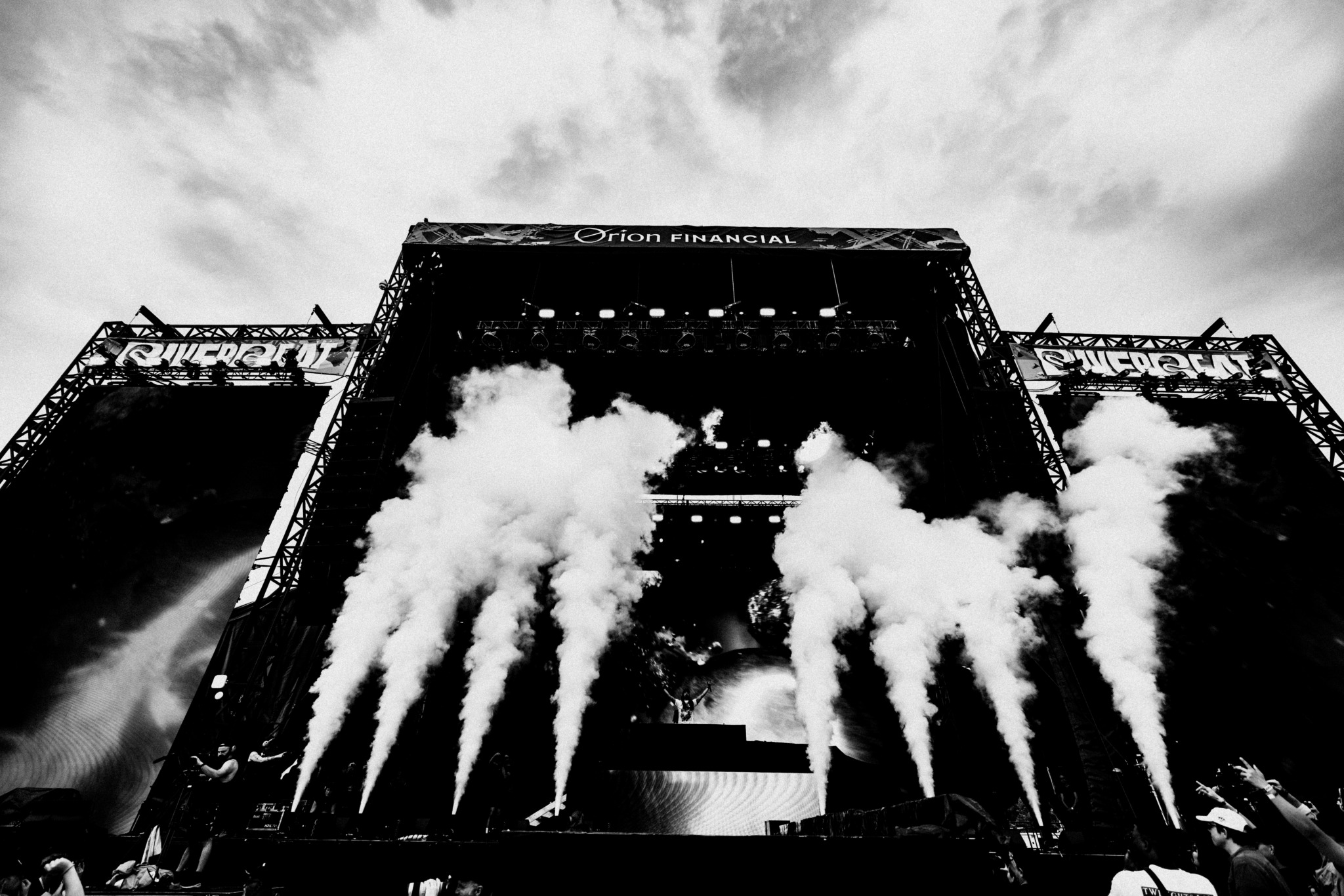
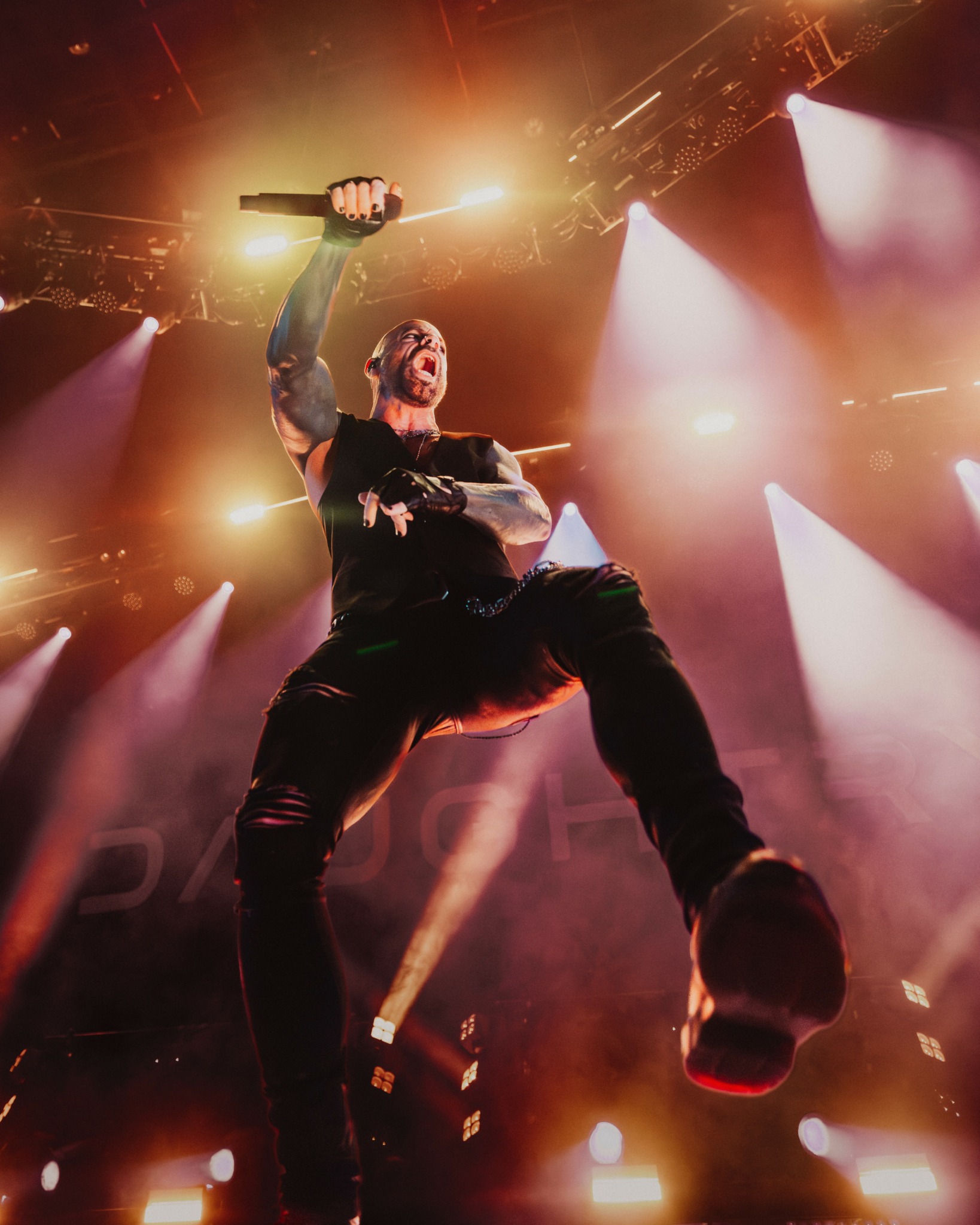
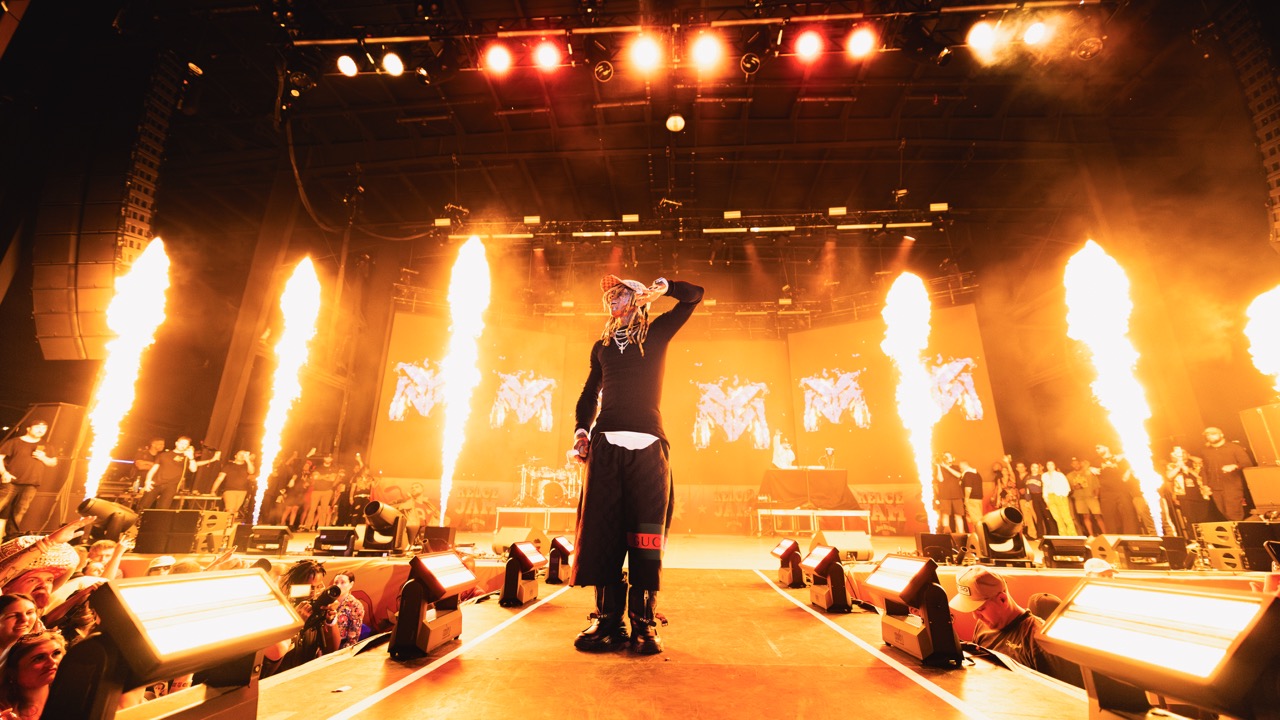
For those who may not be familiar with my work, I am a Dallas-based concert, event, and festival photographer specializing in live music and large-scale productions. I focus on capturing performances, crowd energy, and behind-the-scenes moments in fast-paced environments where timing, access, and professionalism matter just as much as the final image.
I got into live music photography in 2019, but music has always been part of my life. My dad played in several bands growing up, and that environment shaped how I see rhythm, emotion, and performance. After he passed away, music photography became a natural extension of both my creative drive and the artistic foundation he gave me. What started as a passion quickly evolved into a business as I began working directly with venues, promoters, and artists.
Today, I provide concert, festival, and event photography for venues, production teams, promoters, and brands. My services include live performance coverage, behind-the-scenes access, real-time content delivery for social media, and post-event promotional assets. Many of the organizations I work with operate at scale, including American Airlines Center, Live Nation, Best Live Shows, Medium Rare, and X Games. In these environments, speed and reliability are critical. I am often delivering photography assets that are used immediately for marketing, recaps, and digital promotion to large and engaged audiences.
The problems I solve for clients go beyond simply taking photos. Live events are unpredictable, high-pressure environments. Teams need someone who understands how productions operate, respects access boundaries, communicates clearly, and delivers strong work under tight timelines. I focus on being dependable, easy to work with, and aligned with the larger goals of the event or production. That combination of quality, speed, and professionalism is what clients tend to value most.
What sets me apart is the balance between creative instinct and operational discipline. I approach every show with an artistic eye, but I also understand that I am part of a larger team. I anticipate what marketing departments need, how promoters plan to use assets, and how visuals translate to audience engagement. That mindset has allowed me to move from smaller venues into arenas and major festivals while maintaining strong relationships along the way.
What I am most proud of is earning trust in environments where there is very little room for error. Becoming a house photographer at American Airlines Center and collaborating with nationally recognized promoters did not happen overnight. It was built through consistency, relationship building, and a commitment to improving every time I step into a venue.
If there is one thing I want potential clients and collaborators to know, it is that I take the responsibility seriously. Whether it is an intimate club show or a sold-out arena concert in Dallas, my goal is always the same: to represent the artist, the venue, and the audience in a way that feels authentic, energetic, and true to the experience.
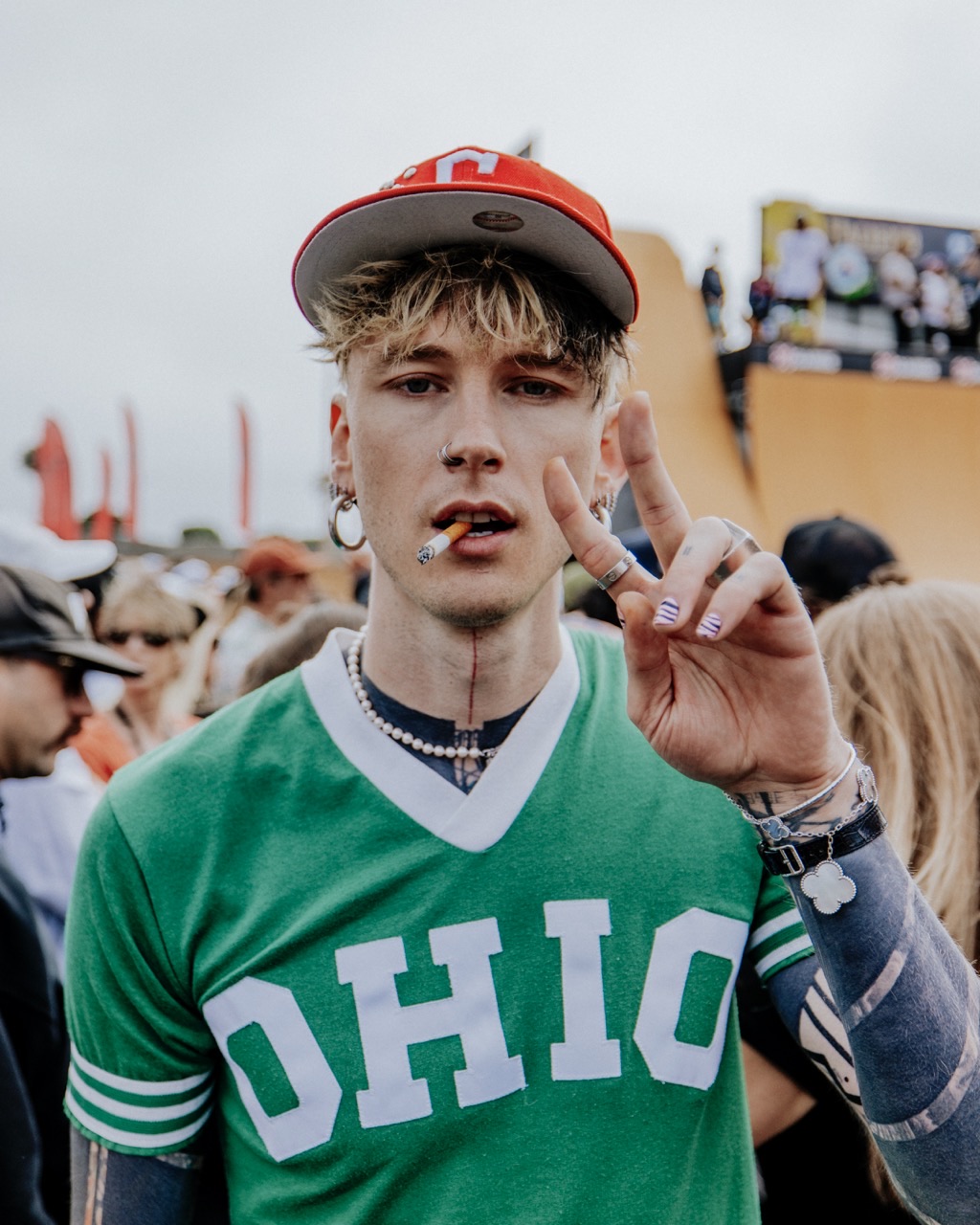
What do you think helped you build your reputation within your market?
Building a reputation in the Dallas live music and event market came down to consistency, professionalism, and relationships.
In concert and event photography, your reputation travels quickly. Venues, promoters, production managers, and marketing teams all talk to each other. Early on, I focused on being someone people could rely on in high-pressure environments. That meant showing up prepared, understanding access rules, respecting artists and crew, and delivering high-quality images quickly.
Working in larger venues like American Airlines Center required tightening every part of my workflow. Turnaround time, communication, and reliability became just as important as creativity. When you are working with promoters such as Live Nation, Best Live Shows, Medium Rare, or large-scale productions, teams need to know they can trust you to capture the moment and support their marketing goals without adding friction.
Another key factor was relationship building. I did not wait for opportunities to find me. I introduced myself to venues, followed up with promoters, stayed connected with marketing teams, and made it a priority to maintain long-term relationships rather than chase one-off jobs. Reputation in this industry is built through repeated collaboration, not just one strong image.
Over time, that consistency compounds. As I continued to photograph concerts and festivals at venues like Toyota Music Factory and other regional amphitheaters, trust grew. People began recommending me internally, and that word-of-mouth validation has been one of the strongest drivers of growth.
Ultimately, reputation in my market has been built less on big moments and more on small, repeated actions. Showing up. Delivering on time. Communicating clearly. Respecting the environment. Doing that consistently is what allowed me to move from smaller venues into larger arenas and more complex productions while staying grounded in the Dallas concert photography community.
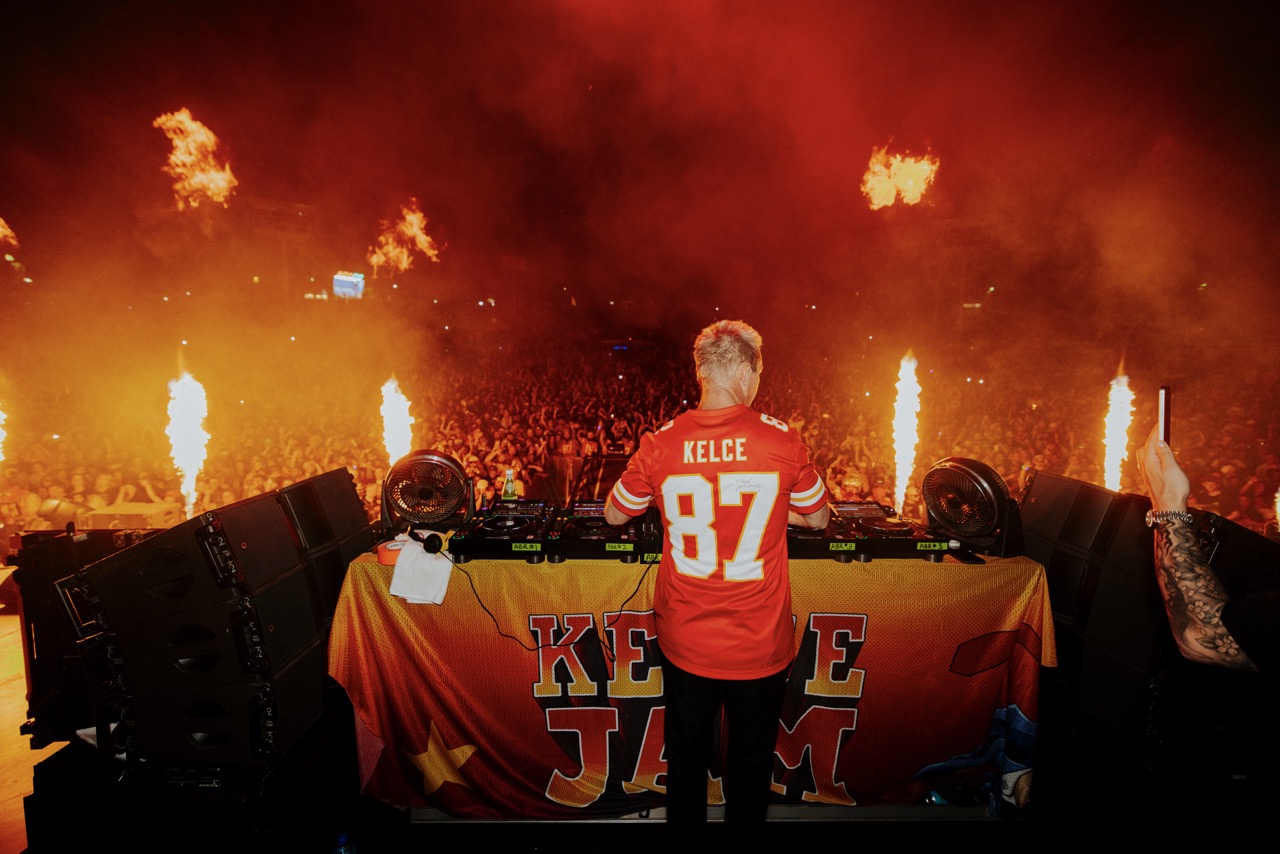
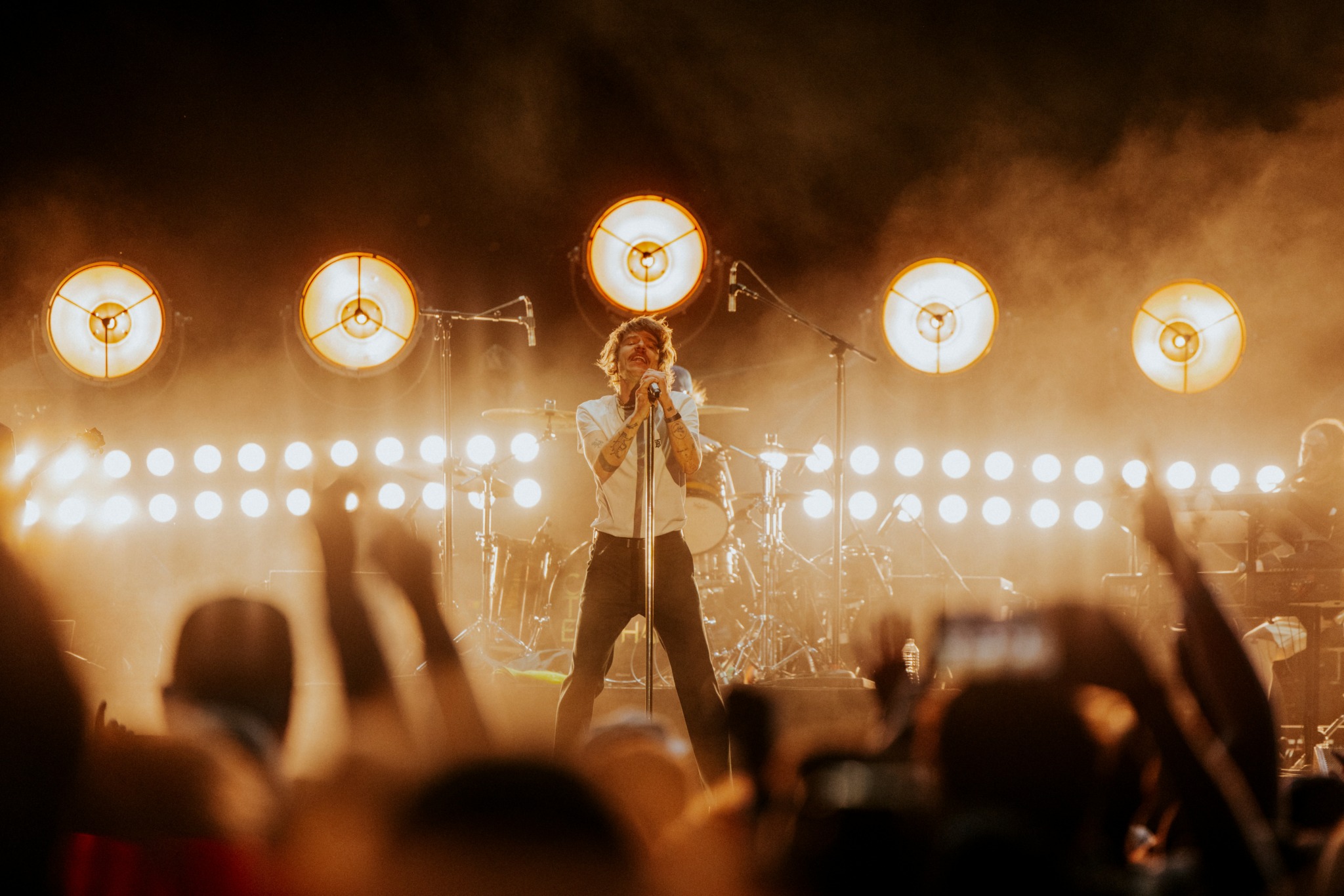
What do you find most rewarding about being a creative?
The most rewarding aspect of being a creative, especially in live music photography, is preserving moments that will never happen again.
Every concert is temporary. The lighting changes, the crowd energy shifts, the artist reacts to something unexpected, and then it’s gone. Being able to freeze those moments and turn them into something lasting is incredibly meaningful to me. There is something powerful about capturing the exact second a crowd erupts, an artist locks into a lyric, or a production moment comes together perfectly.
What makes it even more rewarding is knowing that those images often become part of the story that lives beyond the event itself. They get shared across social platforms, used in marketing campaigns, printed, archived, and revisited years later. In many cases, the photos outlast the show.
On a deeper level, I think the most fulfilling part is connection. Live music brings people together in a way few other environments can. As a concert and event photographer, I am positioned right in the middle of that energy. I get to witness it from angles most people do not see, and I get to translate that experience visually so others can feel it too.
At its core, being an artist is about interpretation. It is about taking something fleeting and giving it permanence. For me, knowing that I am helping artists, venues, and audiences remember what that moment felt like is what makes the work worthwhile.
Contact Info:
- Website: https://www.maxwellthomason.com/
- Instagram: https://www.instagram.com/maxwell_thomason/?hl=en
- Linkedin: https://www.linkedin.com/in/maxwellthomason
- Other: TikTok: https://www.tiktok.com/@maxwellthomason?lang=en
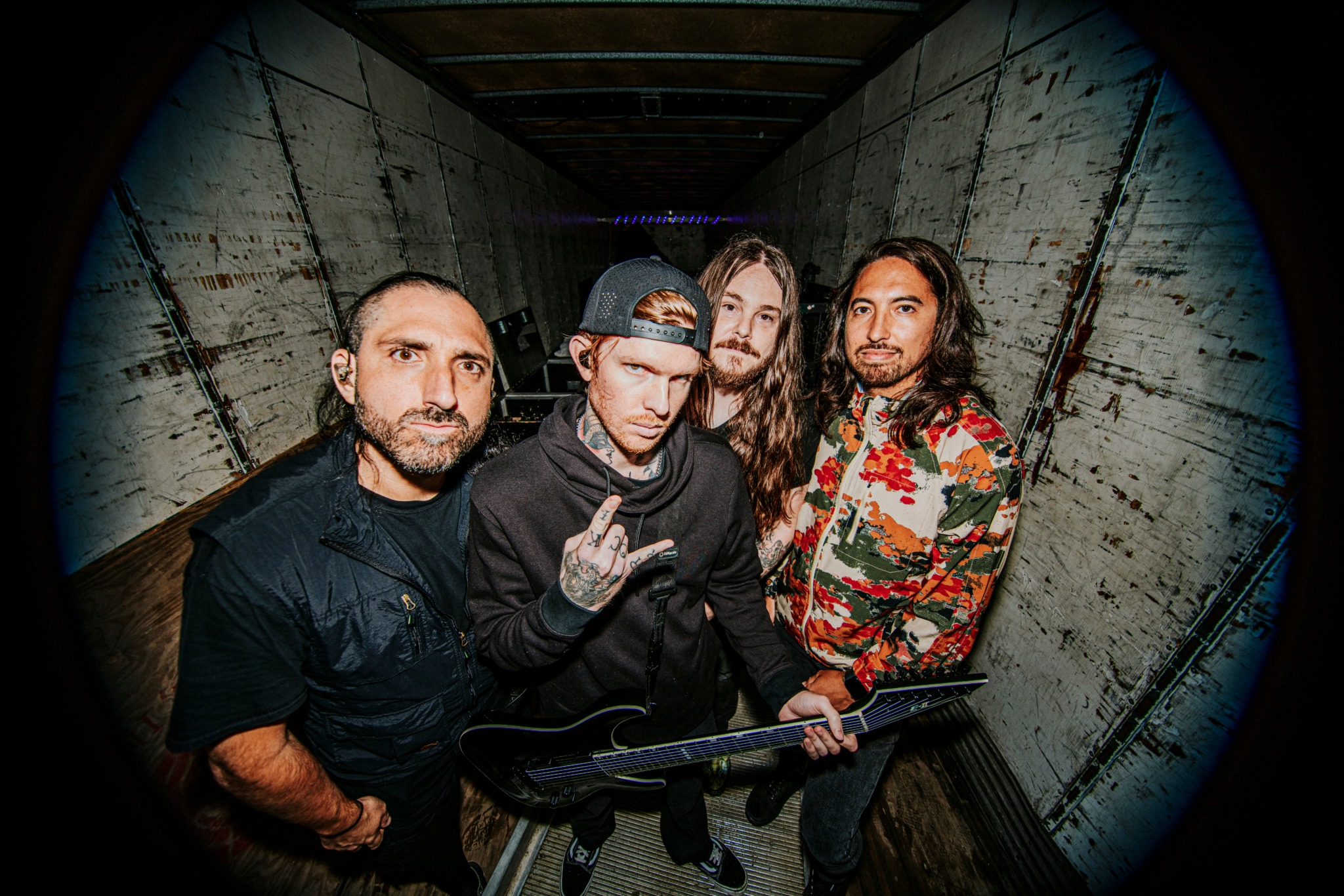
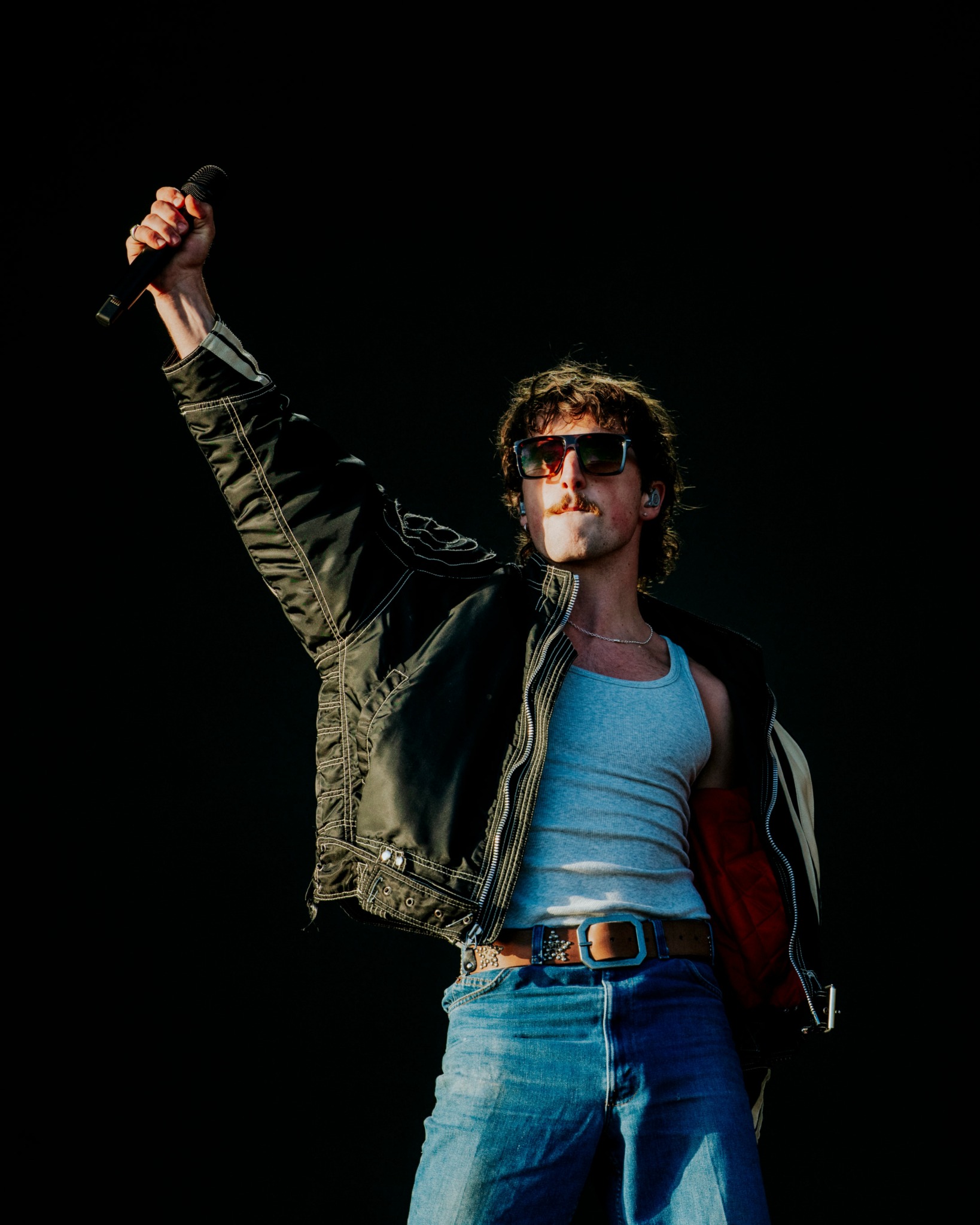
Image Credits
Maxwell Thomason