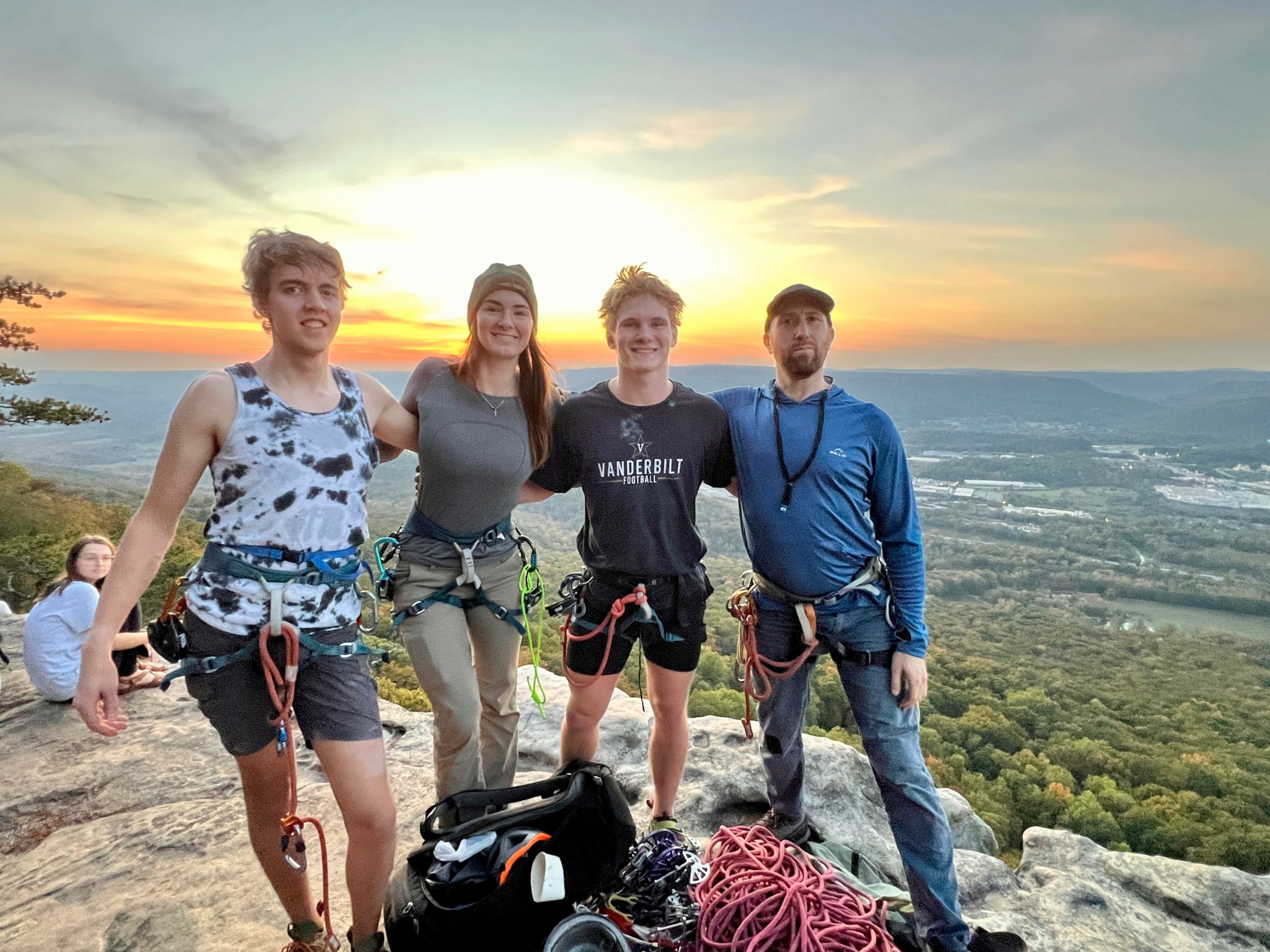

We were lucky to catch up with Max Gunther recently and have shared our conversation below.
Alright, Max thanks for taking the time to share your stories and insights with us today. We’d love to have you retell us the story behind how you came up with the idea for your business, I think our audience would really enjoy hearing the backstory.
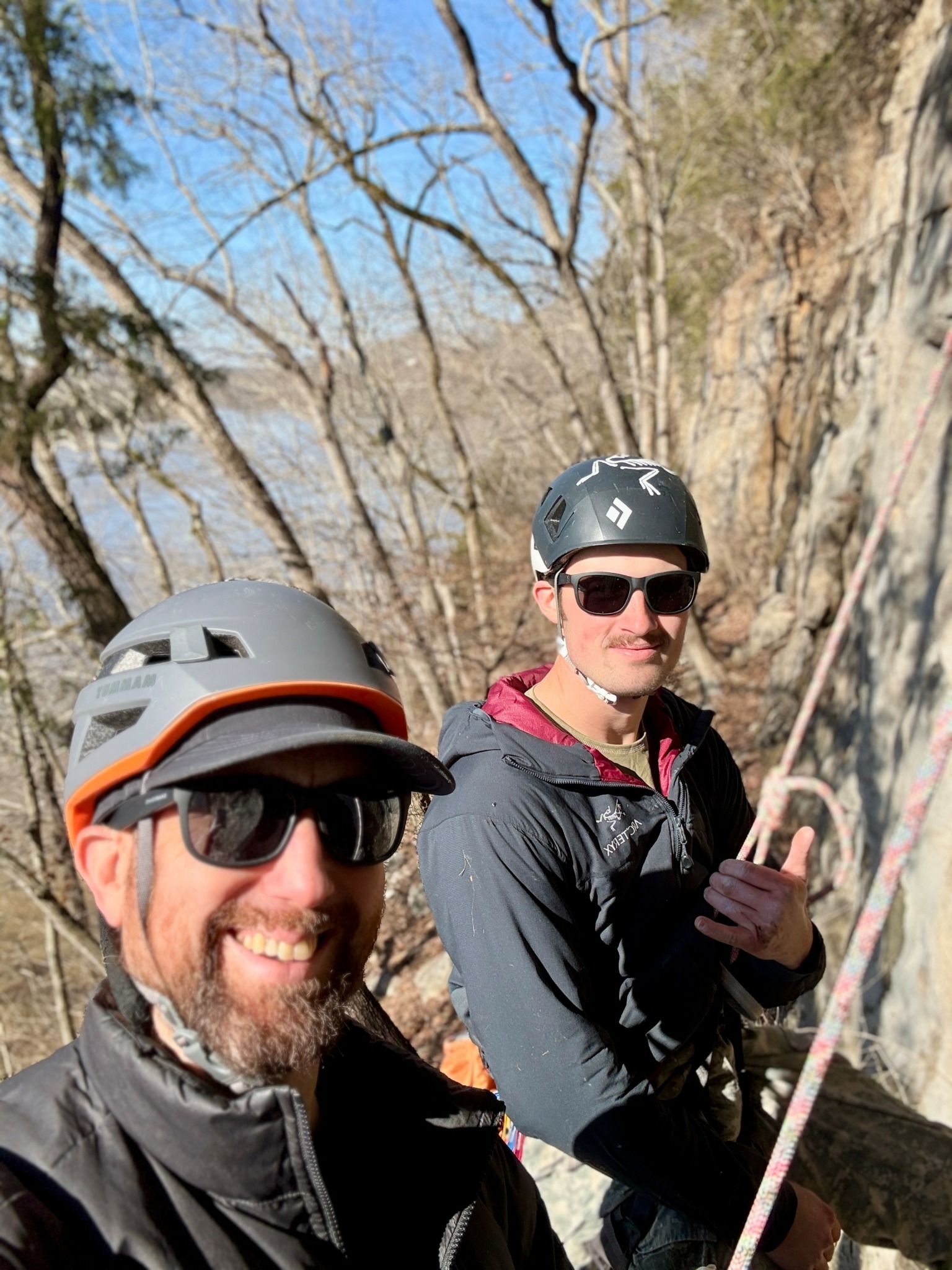
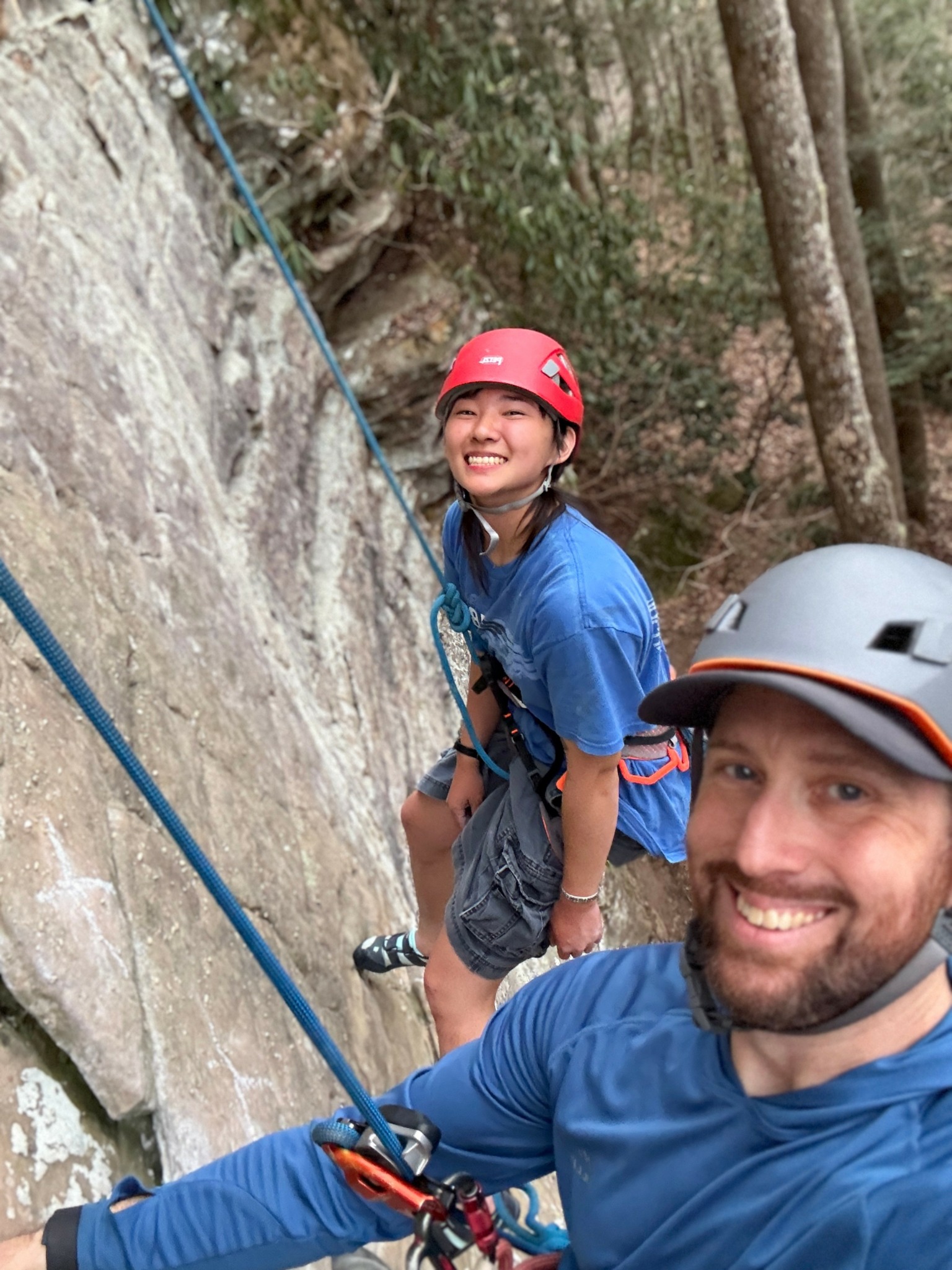
Spunky Adventures was born somewhere between a dusty trailhead and a late night campfire conversation. I’d been guiding and climbing for years and I kept running into the same thing: people were looking for connection, not just with the rock but with each other, with nature, and with themselves.
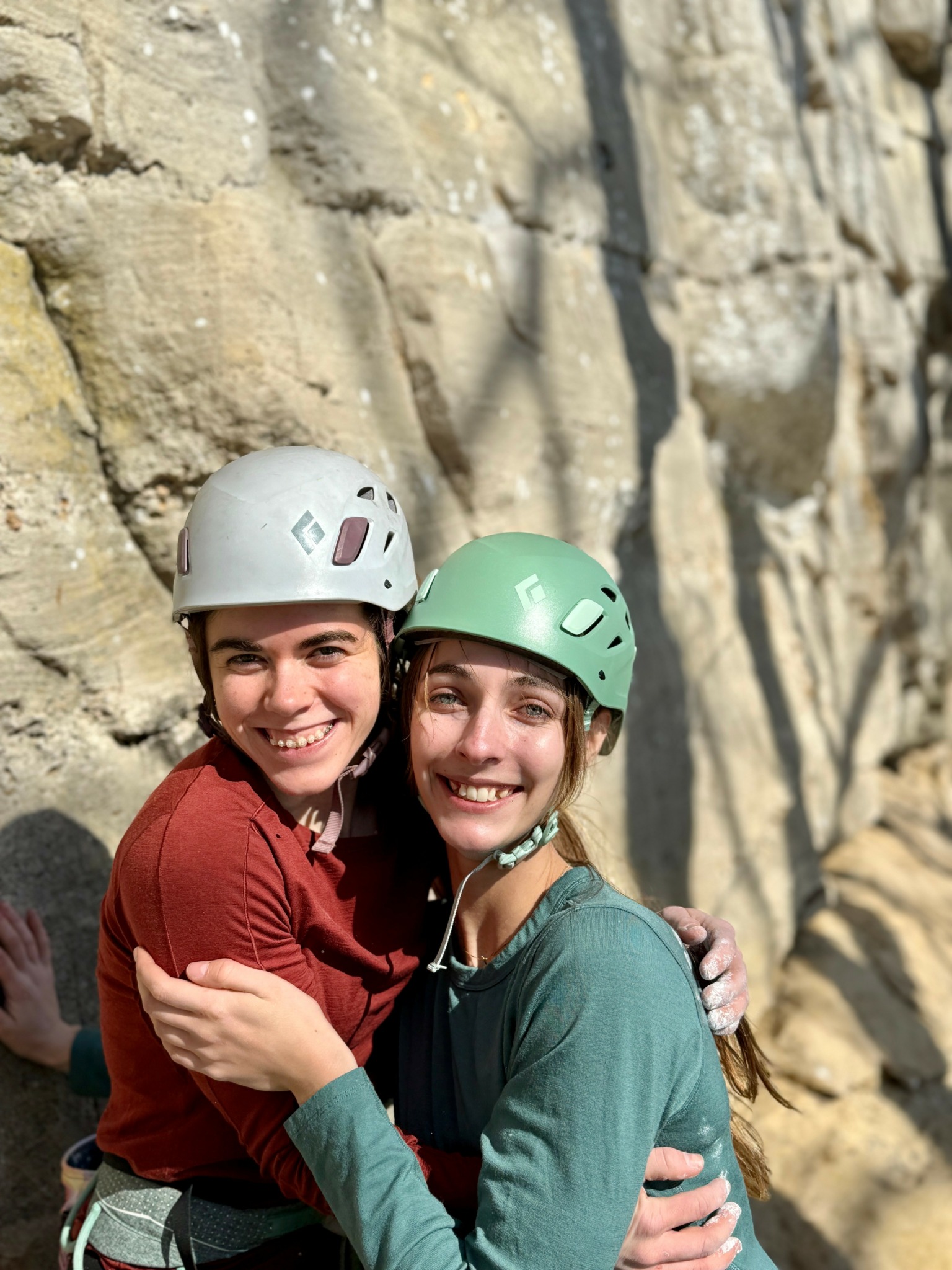
The idea really started to take shape during a trip where I was helping a small group of college gym climbers climb outside for the first time. They were nervous and unsure, but by the end of the day they were laughing, moving with confidence, and totally lit up. I realized what we’d created wasn’t just a climbing lesson, it was an experience of transformation. That’s what stuck with me. That was the spark.
Over and over I saw how powerful climbing could be, not just as a sport but as a tool for growth. And it was especially true with college students. They’re in this pivotal stage of life, figuring out who they are, how to manage stress, identity, relationships, and climbing has this uncanny ability to meet them right in the middle of all that.
I wanted to create something different from the traditional guiding model. Not just outdoor instruction, but something that meets students where they are developmentally, emotionally, and socially. A space that blends skill building, personal growth, and fun in equal measure.
The logic behind it was pretty straightforward. Colleges and universities are looking for meaningful, experiential programming. Students are looking for connection, confidence, and adventure. Climbing, when done right, offers all of that. It felt like a no brainer.
What excites me most? It’s that moment when a student tops out a route, looks back down, and you can see it in their face: wait, I just did that? That’s when you know it matters.
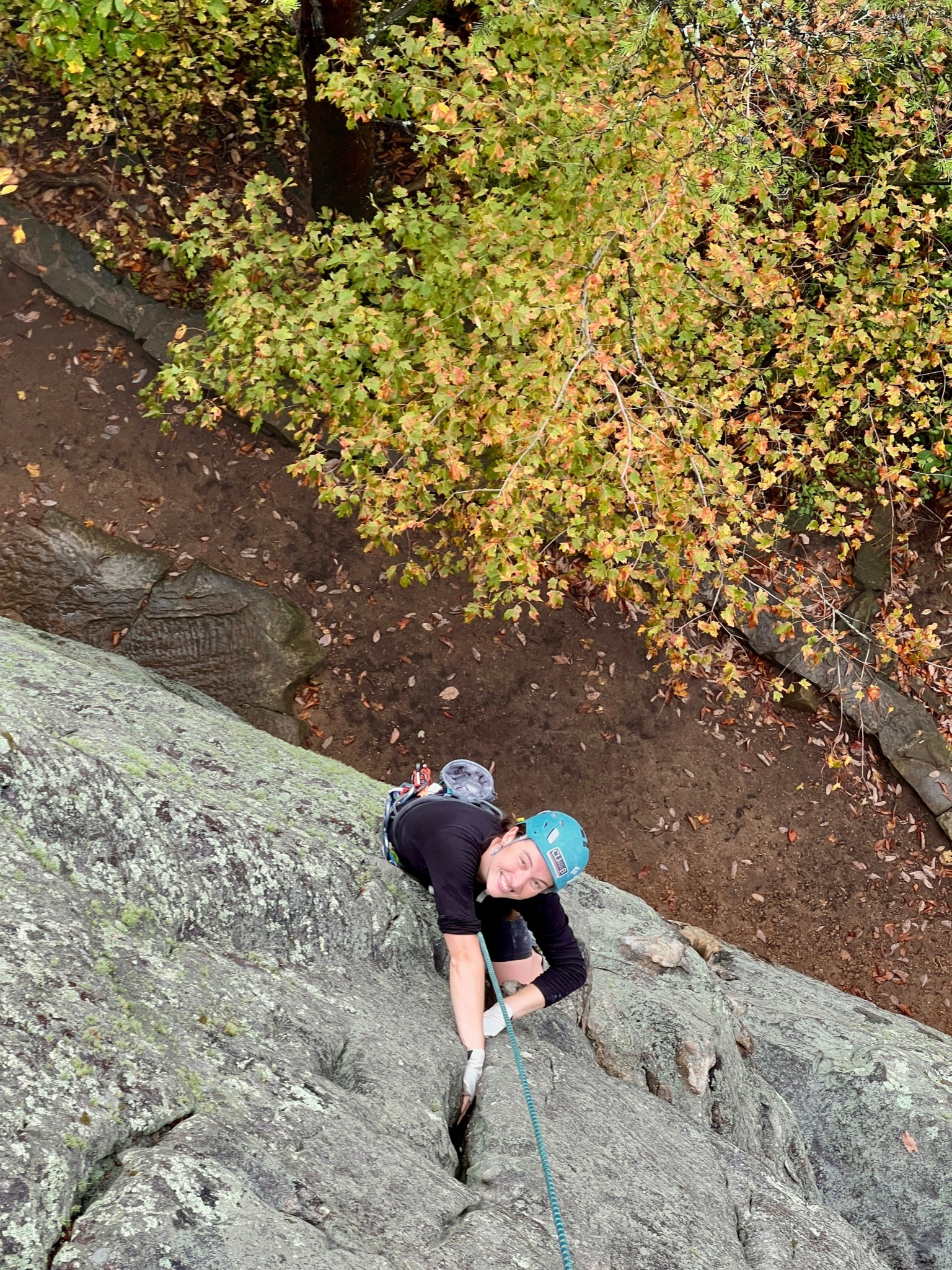
Max, before we move on to more of these sorts of questions, can you take some time to bring our readers up to speed on you and what you do?
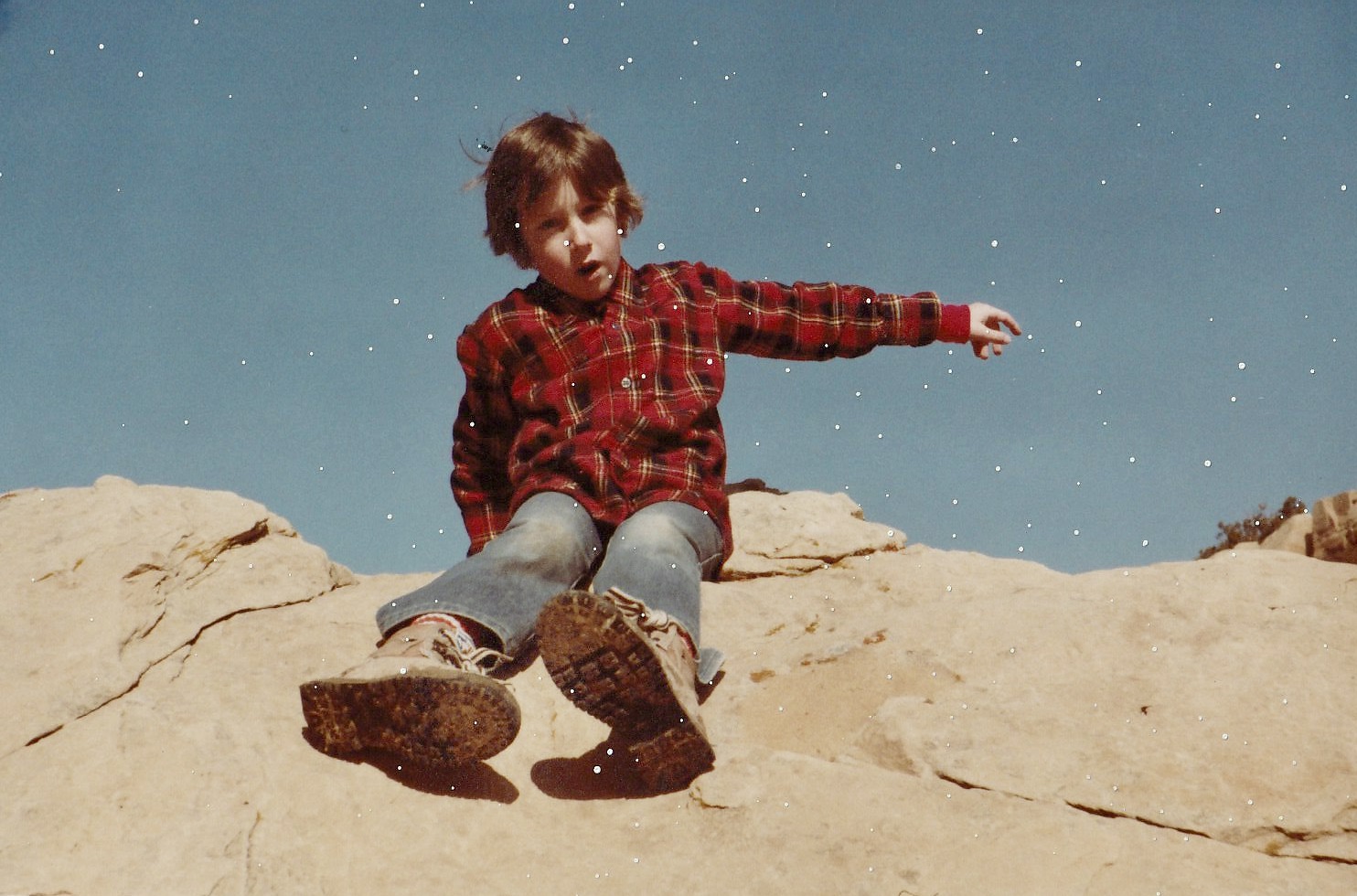
My background is actually as a clinical psychologist and neuroscientist. But going way back, I’ve always been drawn to the outdoors. In undergrad at Emory University, I ran my college’s outdoor club for several years—and now that I think about it, I ran my high school’s outdoor club too. I started climbing when I was about 16. I’ve spent a bit part of my life in the mountains.
What I’ve come to really enjoy is blending my psychology background with climbing—especially when it comes to fear. Fear of heights is one of the most natural human fears. It’s wired into us. But like anything, people vary in how much fear they experience and how it shows up. One of the main things I do in my work, both as a psychologist and as a guide, is help people move through that fear. Sometimes that means helping a beginner just feel okay being on a rope. Other times, it’s helping experienced climbers deal with the fear of falling while lead climbing—or even more subtle stuff, like hesitating on harder routes, trusting small gear, or freezing up in unfamiliar terrain.
The truth is, even if you’re “okay” with heights or falling, your brain can still hold you back in very specific ways. I love working with climbers in that space—where it’s not just about strength or skill anymore, it’s about unlocking something mentally. That’s where things really get interesting. And when someone breaks through that mental barrier, you can feel it. It’s like something shifts inside them. That moment never gets old for me.
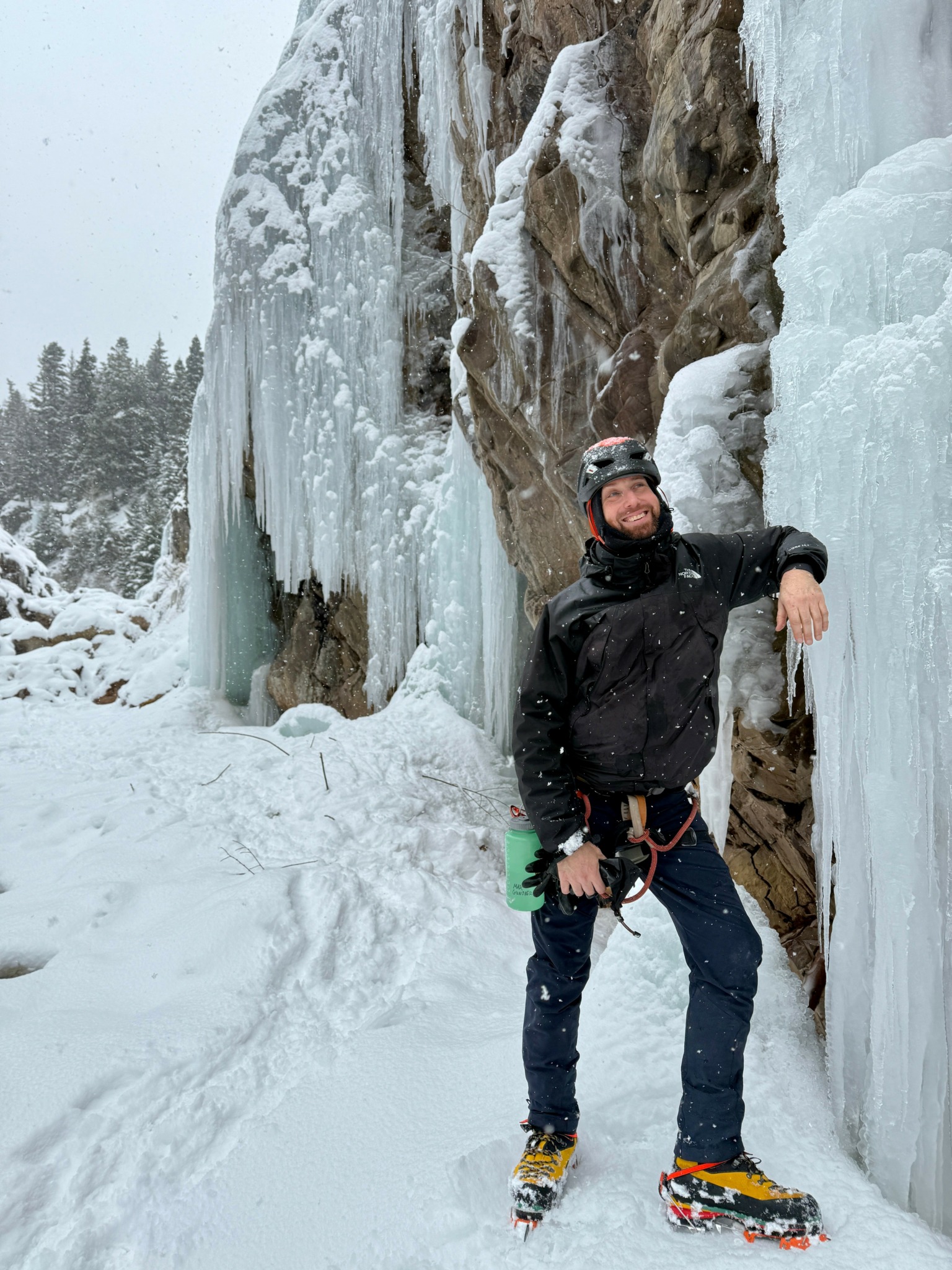
What’s worked well for you in terms of a source for new clients?
Word of mouth. I haven’t needed any promotion besides that.
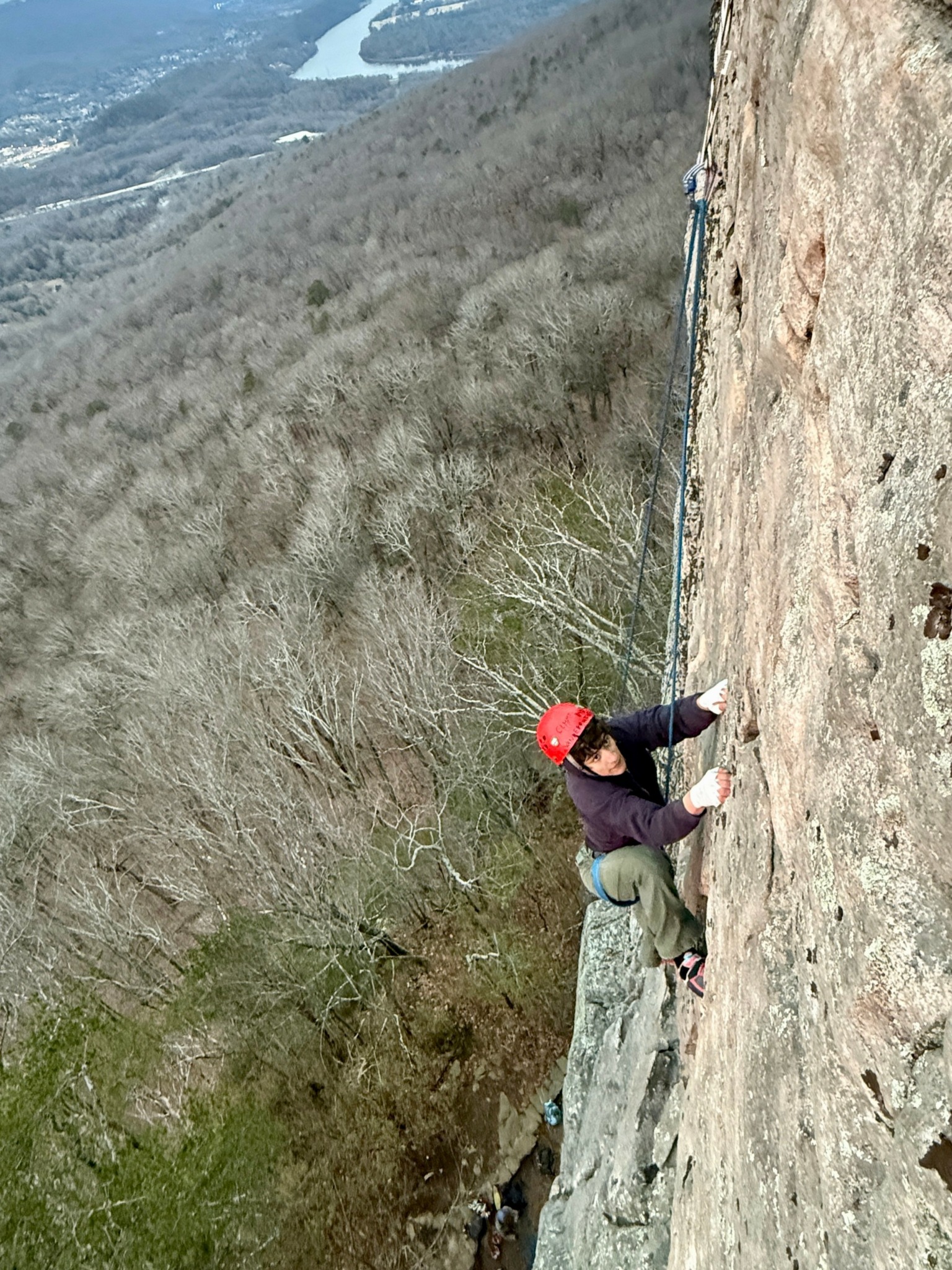
What’s a lesson you had to unlearn and what’s the backstory?
One of the biggest lessons I had to unlearn was the idea that I needed a full business infrastructure in place before starting anything. I’ve started a couple of other businesses in the past, and early on, I thought I needed a whole setup—branding, equipment, staff, systems—before offering anything to the world. But honestly, that just made everything more complicated and expensive than it needed to be.
With Spunky Adventures, I took the opposite approach. I started as small as possible, with as little overhead as possible, and just let the service speak for itself. If people liked it, I’d know. And if something needed to grow, I’d grow it naturally, piece by piece. I think that’s where a lot of folks trip up—they go big too fast, and if things don’t work out, they’re stuck with a lot of sunk costs.
So now my philosophy is simple: start small, test the idea, see if people actually want what you’re offering. Let the momentum build on its own, and only add what you need when you really need it. That approach has saved me a lot of stress—and made the work feel more grounded and sustainable.
Contact Info:
- Website: https://www.spunkyadventures.org
- Instagram: https://www.instagram.com/spunkyadventures.llc