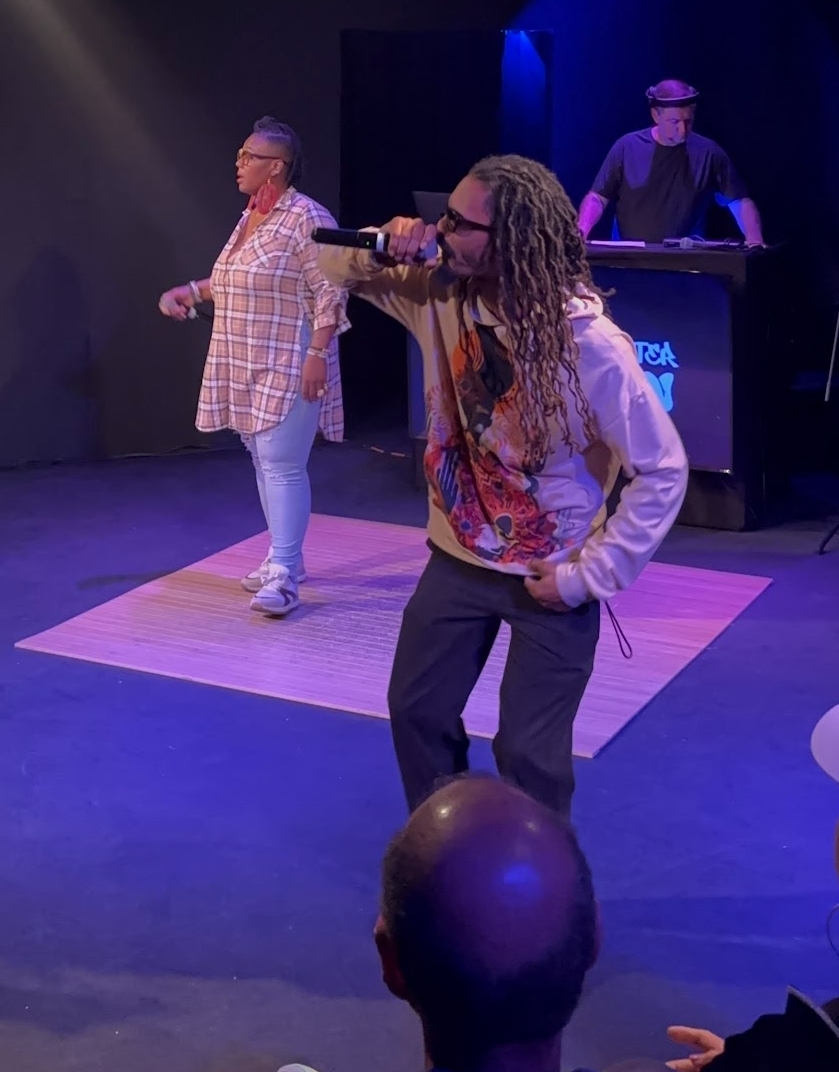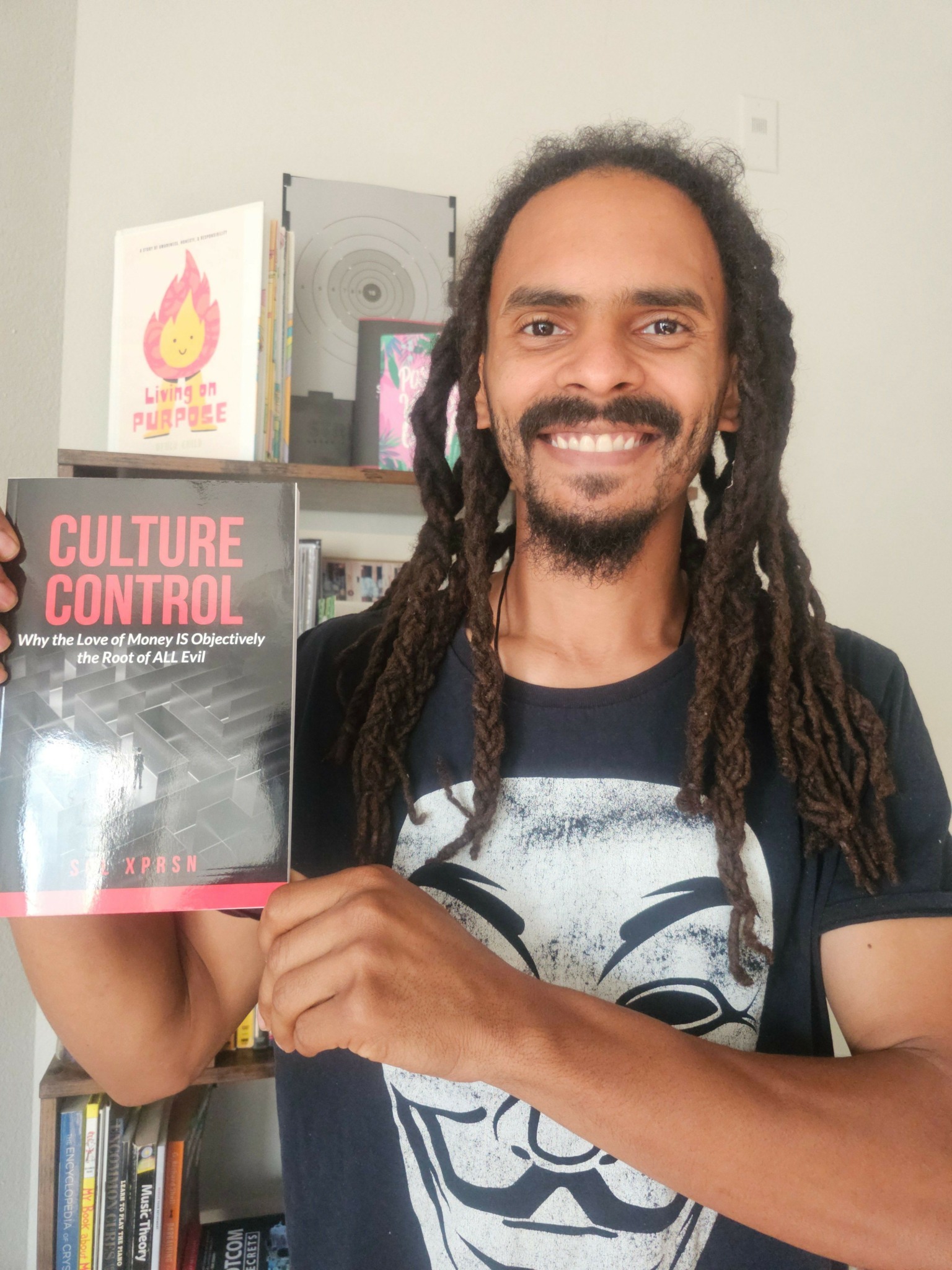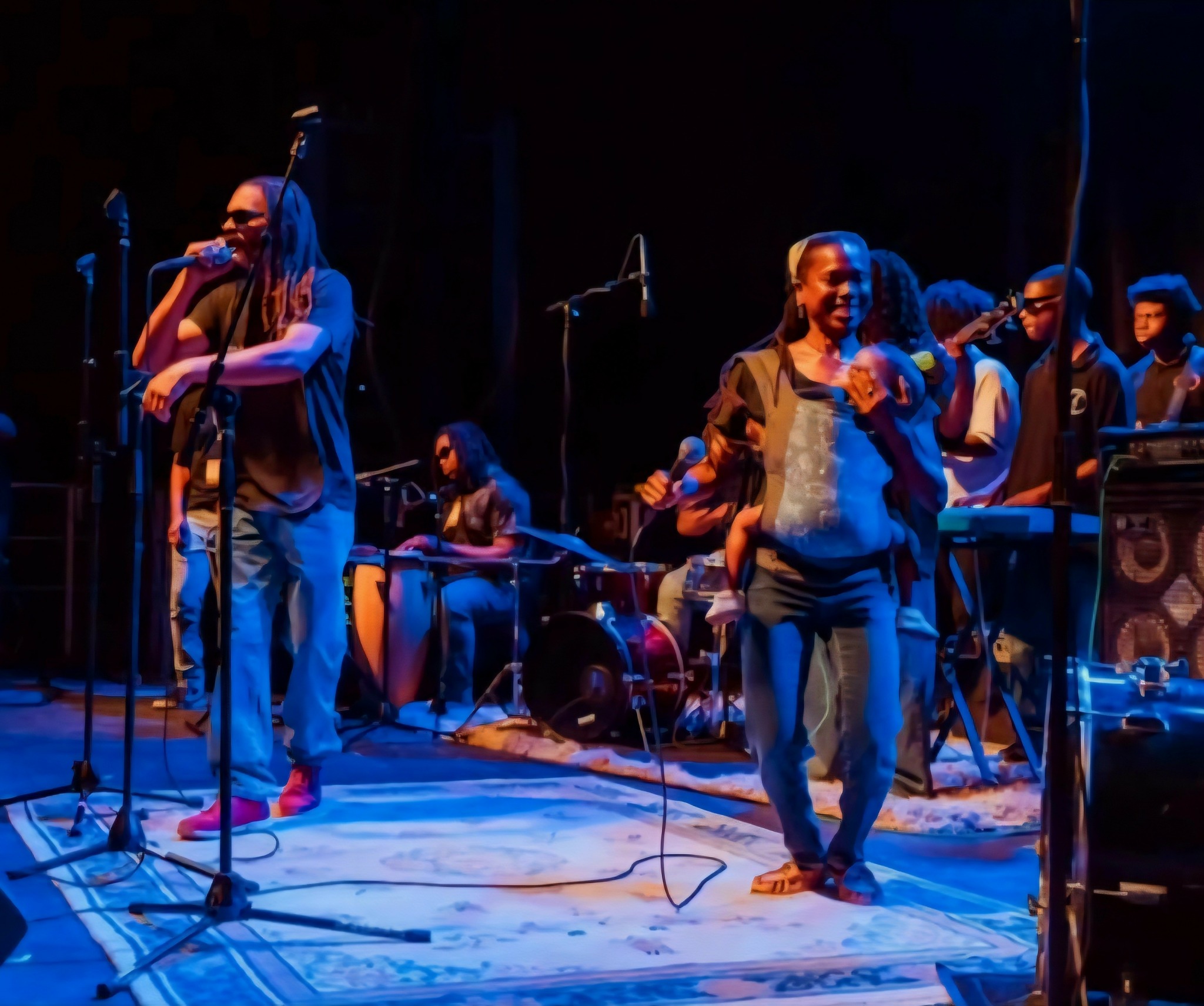

Alright – so today we’ve got the honor of introducing you to Maurice Clark. We think you’ll enjoy our conversation, we’ve shared it below.
Alright, Maurice thanks for taking the time to share your stories and insights with us today. What did your parents do right and how has that impacted you in your life and career?
I apologize for the late response. My father passed in February of this year, 2026.
He taught me many things about remaining prepared for the world I was born into. I didn’t grow up in his house, but he never once made me feel unwanted or unloved.
He taught me never to compete with anyone but my own personal best. He taught me to stay ahead of preventable challenges. Those two lessons alone have helped me more than I can fully explain.
As an artist, competition is alluring. It can be motivating — but it can also be divisive. When you learn to channel inspiration, rivalry, and admiration into competing with your own best work, you learn to celebrate the success of others — even when your own success hasn’t fully manifested yet. When you stop competing with others, you move through life with less envy and less jealousy. You learn how to direct ego-based reactions into growth.
The second lesson shaped me just as deeply. Staying ahead of preventable challenges meant budgeting three months in advance. It meant earning above my expenses. It meant studying the law — not casually, but intentionally. That pursuit led me to a deeper understanding of fairness, good faith, and the tension between the laws of nature and the laws of man.
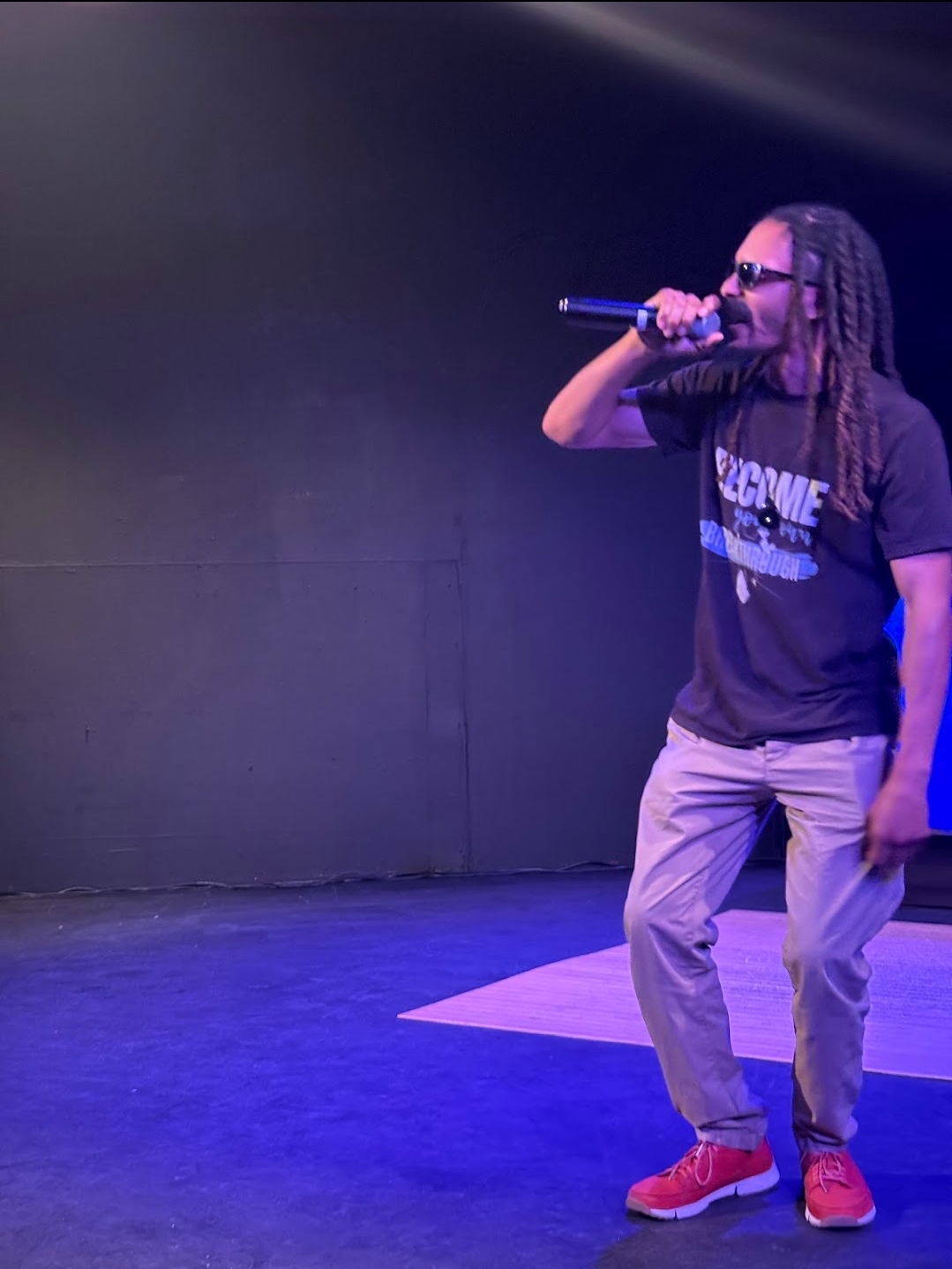
That deeper understanding helped shape me into an author, a master lyricist, a health coach, and a presenter.
He baked morality and foresight into my being through what he taught me. With that, he taught me how to have fun in a world that for many has proven to be wicked and confusing.
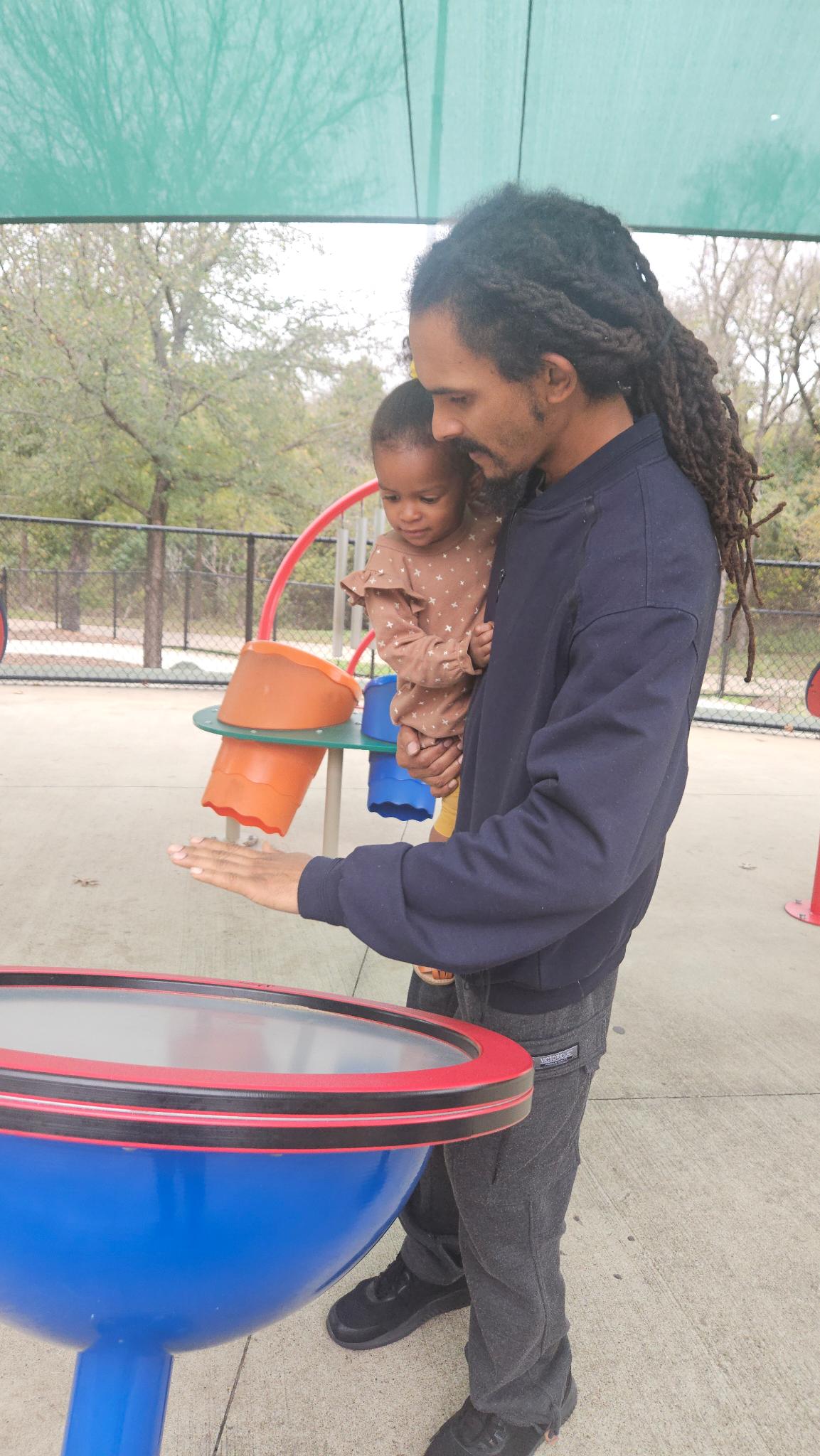
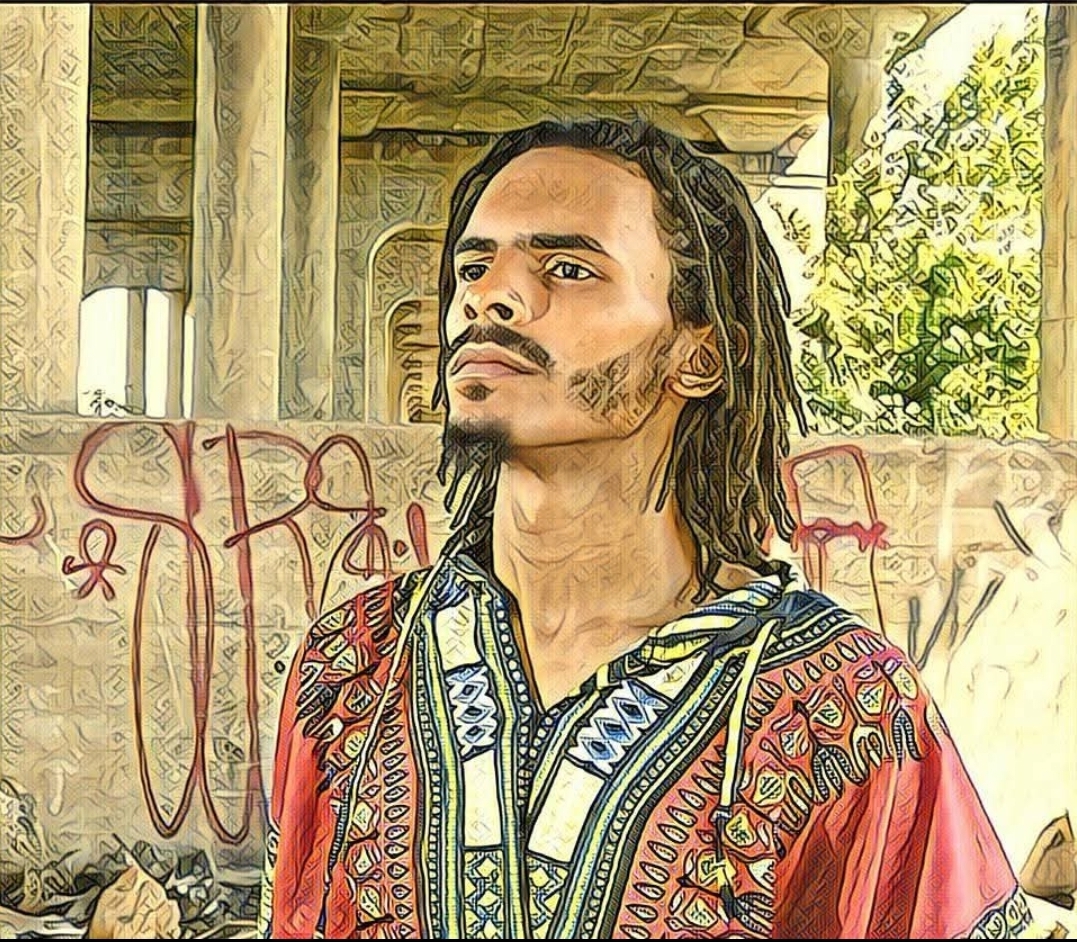
Maurice, before we move on to more of these sorts of questions, can you take some time to bring our readers up to speed on you and what you do?
For those who may not be familiar with my work, I’m a writer, speaker, and creative focused on one central theme: the power of story — specifically the inner story that shapes how we perceive truth, authority, freedom, and ourselves. My path into this discipline wasn’t conventional. It wasn’t a calculated industry climb. It was the result of years of deep study, lived experience, and an inability to ignore patterns I kept seeing across media, politics, religion, psychology, and culture. Everything pointed back to one thing: narrative acceptance.
I write books and produce long-form content that explore how systems stabilize through internalized stories — how fear, especially fear of death and loss, can be leveraged to shape obedience, how language influences thought, and how reclaiming truth at the individual level can recalibrate culture at scale. My work blends nonfiction philosophy with symbolic fiction because story isn’t just something we consume — it’s the architecture of inner experience. I don’t sell shortcuts. I offer frameworks. I offer difficult but clarifying questions.
The problem I address isn’t surface-level. It’s alignment. Many people sense something is off in the world but can’t articulate why. I help trace that tension back to the stories we’ve accepted as normal without consciously choosing them. What sets me apart is that I’m not interested in attacking institutions for spectacle or rebellion. I’m interested in examining the internal mechanisms that make institutions possible. If we don’t understand the inner storyteller, we’ll rebuild the same systems under new names.
When it comes to what I’m most proud of, it’s not numbers, sales, or reach. It’s coherence. It’s standing on ideas that don’t collapse under pressure. And personally, one of my proudest achievements is something far more intimate: the words of encouragement from my late father. He was my hero in many ways. Before he passed, he made it known — not just privately to me, but publicly within our family and his circle — that he was proud of me. He encouraged others to connect with me because of my knowledge and perspective. That affirmation means more to me than any metric ever could. It grounded me. It still does.
For anyone encountering my work for the first time, I’d want them to know this: I’m not here to be followed. I’m here to remind people that they already possess the capacity to think deeply, reflect honestly, and realign consciously. I don’t offer heroes. I offer mirrors.
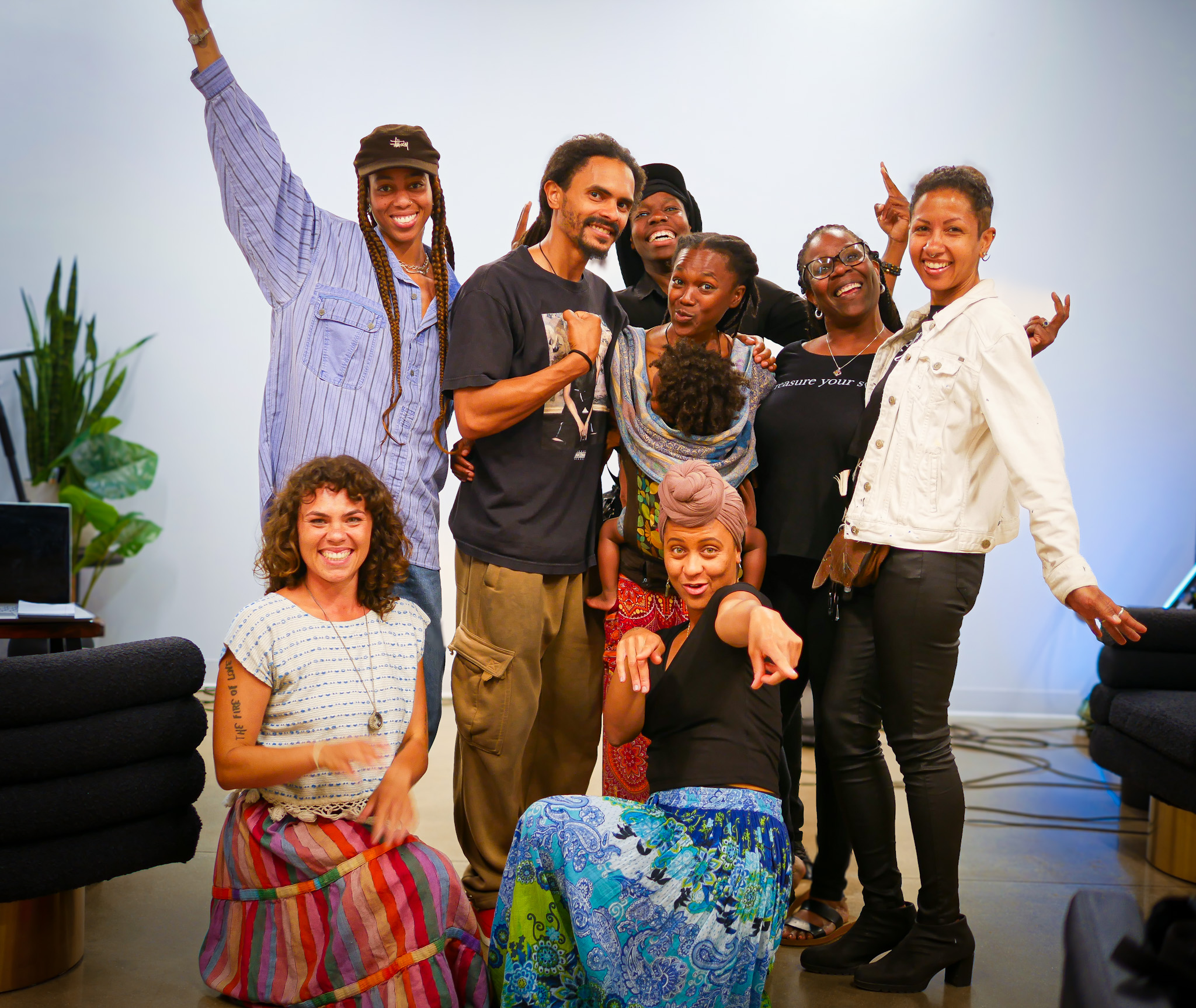
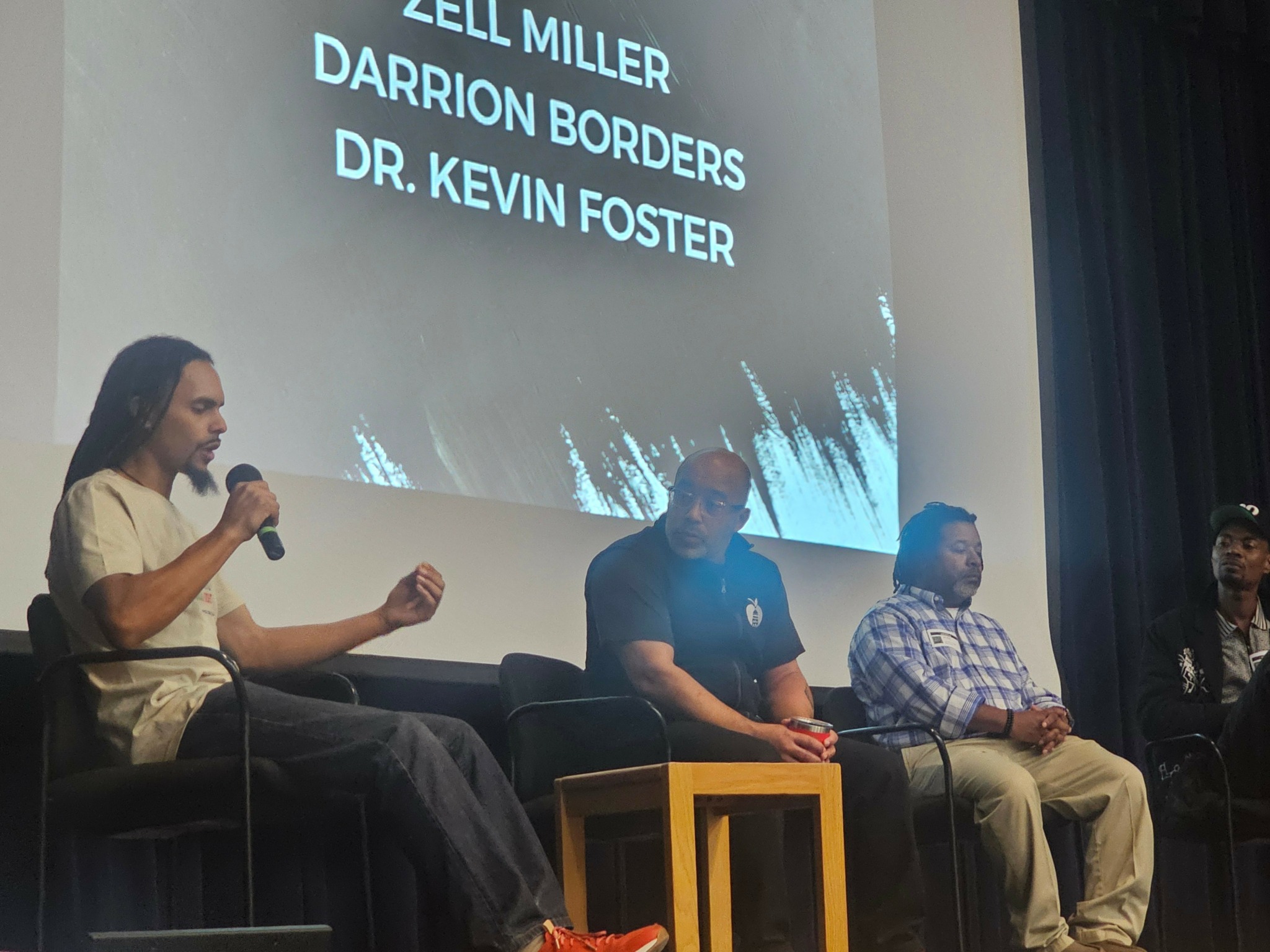
What can society do to ensure an environment that’s helpful to artists and creatives?
I apologize in advance if this answer swerves slightly from the expected landing space, but I’m an ontological, structure-based thinker. When I’m asked how society can best support artists and creatives, I don’t start with grants, platforms, or algorithms. I start with the school system.
I’m not a socialist, but I do believe in the idea of public education. What I don’t support is the current structure of it. If we want a thriving creative ecosystem, the reset has to begin there.
Right now, most school systems are optimized for standardization, not cultivation. They prioritize uniform growth rates, test performance, and compliance with state benchmarks. That structure may produce measurable outcomes, but it often suppresses originality. A thriving creative society cannot emerge from a factory model of education.
In a study commissioned by NASA and conducted by Dr. George Land and Dr. Beth Jarman, researchers found that 98% of children between the ages of three and five tested at “creative genius” levels. That number drops dramatically as children move through the traditional education system. Whether you take the exact percentages as literal or symbolic, the pattern is undeniable: creativity declines as standardization increases.
If we want to support artists, we have to stop educating creativity out of children.
That means de-emphasizing rigid, one-size-fits-all pacing without abandoning foundational skills. Reading, writing, and arithmetic matter. Discipline matters. But so do personality differences, learning styles, small-group mentorship, and space for curiosity. We need smaller schools, fewer students per teacher, and environments that feel more like ecosystems than institutions. Make the outside bigger and the buildings smaller. Create room for exploration — literally and figuratively.
When schools support the whole human instead of primarily preparing students for standardized tests, creative confidence has a chance to survive into adulthood. And adults who retain that creative confidence become artists, innovators, builders, and thinkers.
If we want a culture that values art, we have to build one that protects imagination early — before it is trained to seek permission.
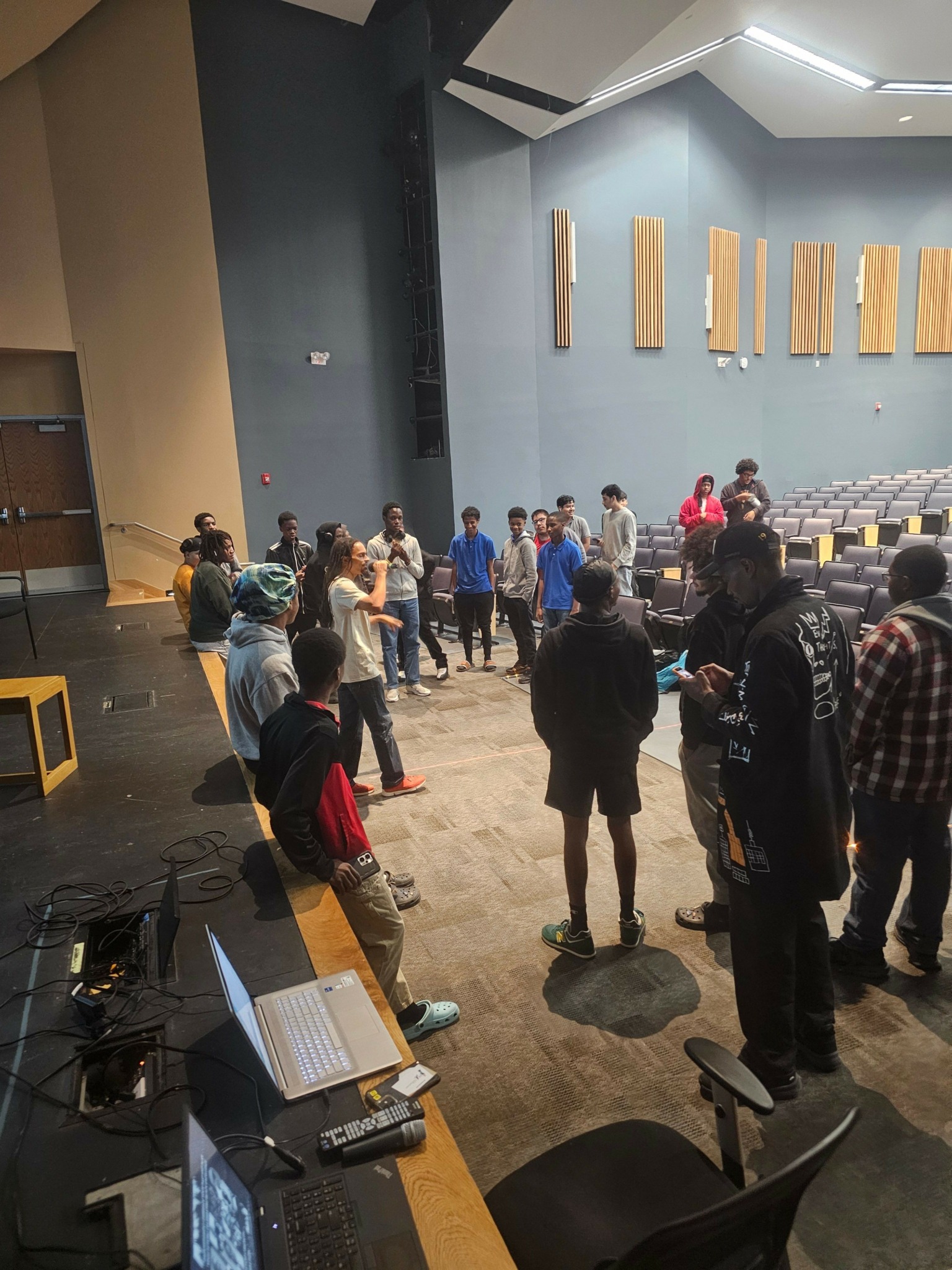
Is there a particular goal or mission driving your creative journey?
Yes.
There is.
My mission is truth alignment.
Not truth as opinion. Not truth as ideology. Not truth as something I control. Truth as something we live.
Everything I create — lyrics, books, talks, long-form explorations — circles one central aim: helping people recognize the inner stories that shape their perception and then asking whether those stories are aligned with reality. Because if the story is distorted, the decisions will be distorted. And if enough individuals live from distorted narratives, culture reflects that distortion at scale.
I’m not driven by popularity, controversy, or disruption for its own sake. I’m driven by coherence — personal coherence, cultural coherence, spiritual coherence. I want to understand why systems stabilize even when they produce harm. I want to understand why intelligent people normalize contradictions. I want to understand how fear — especially fear of loss and death — can quietly train obedience.
And then I want to articulate those patterns clearly enough that people can see them for themselves.
I don’t believe transformation begins with overthrowing structures. I believe it begins with internal realignment. When truth is on every tongue and in every house, deception loses its authority naturally. You don’t have to destroy lies. You illuminate them.
So my mission isn’t to build a following. It’s to encourage sovereignty of mind and integrity of conscience. If my work does anything, I hope it strengthens people’s ability to think deeply, wrestle honestly, and choose alignment even when it’s uncomfortable.
That’s the throughline of everything I create.
Contact Info:
- Website: https://linktr.ee/ufuluchild
- Instagram: @solxprsn @ufuluchild
- Facebook: Ufulu Child Holistic Self Healers
- Youtube: @Sol Xprsn @Ufulu Child
- Soundcloud: Sol Xprsn