

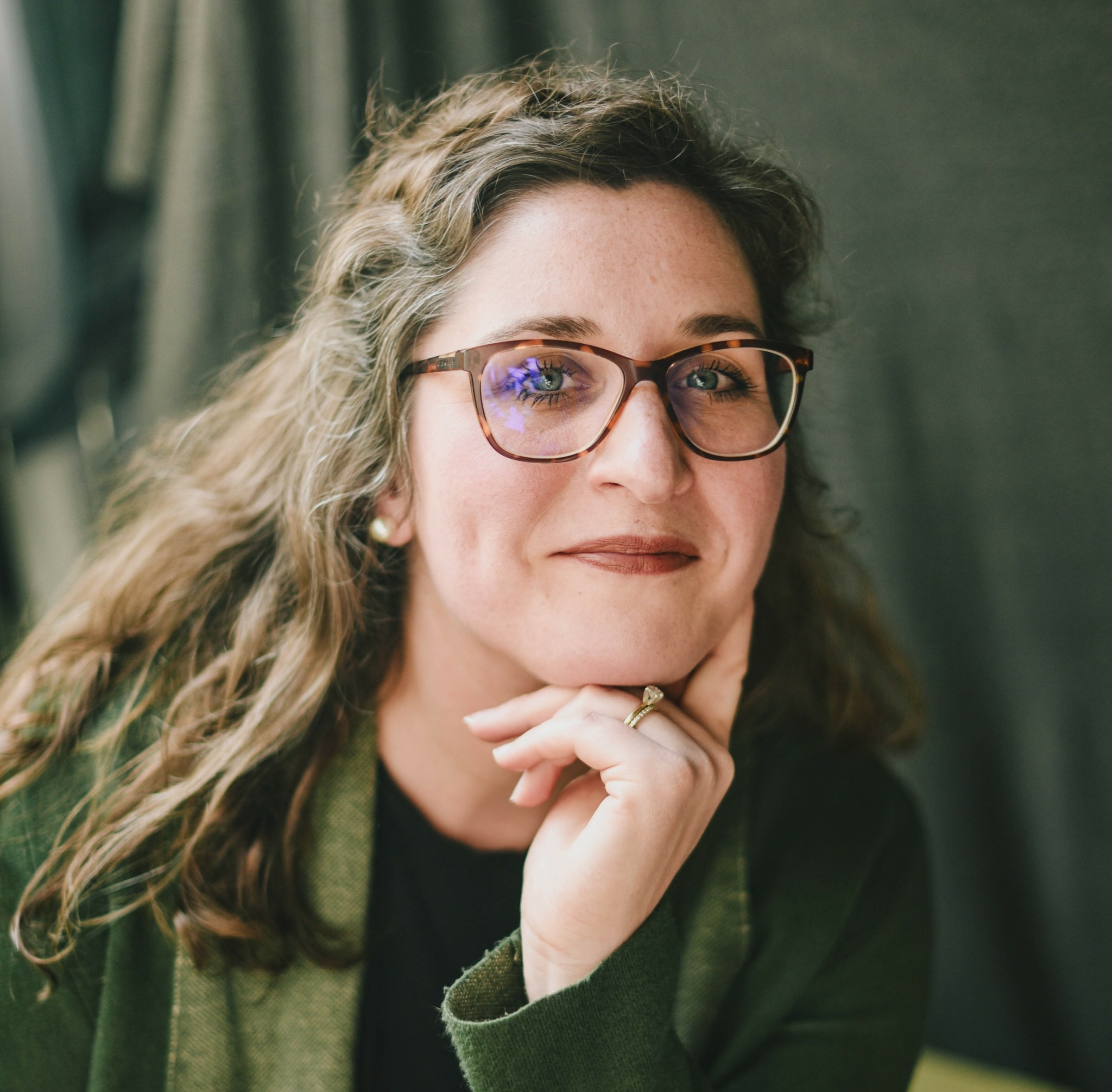

We caught up with the brilliant and insightful Mary Ardery a few weeks ago and have shared our conversation below.
Mary, looking forward to hearing all of your stories today. Do you wish you had started sooner?
I consider age 21 to be when I began to take my writing seriously because it’s when I first attended a summer poetry workshop and met countless peers who loved reading and writing as much as I did. I simply hadn’t known programs like this existed! I wish I’d known about them sooner so that I would have been able to attend similar programs as a teen writer. I think the earlier you build those connections and communities, the better. You learn more about what concrete paths are available to you as a writer. For instance, before I got to college, I had never heard of an MFA program.
On the flip side, I’m glad I waited a beat to pursue an MFA. I spent two years working between undergrad and grad school. I think that gap was crucial. Even if you work a job you don’t care about in the interim, it shows you what it feels like to be a writer in the “real world,” which is how life will feel post-MFA. And if you have no desire or motivation to write in that interim, it might be wise to reconsider pursuing an MFA. Or try some sort of writing program first that doesn’t require uprooting your life.
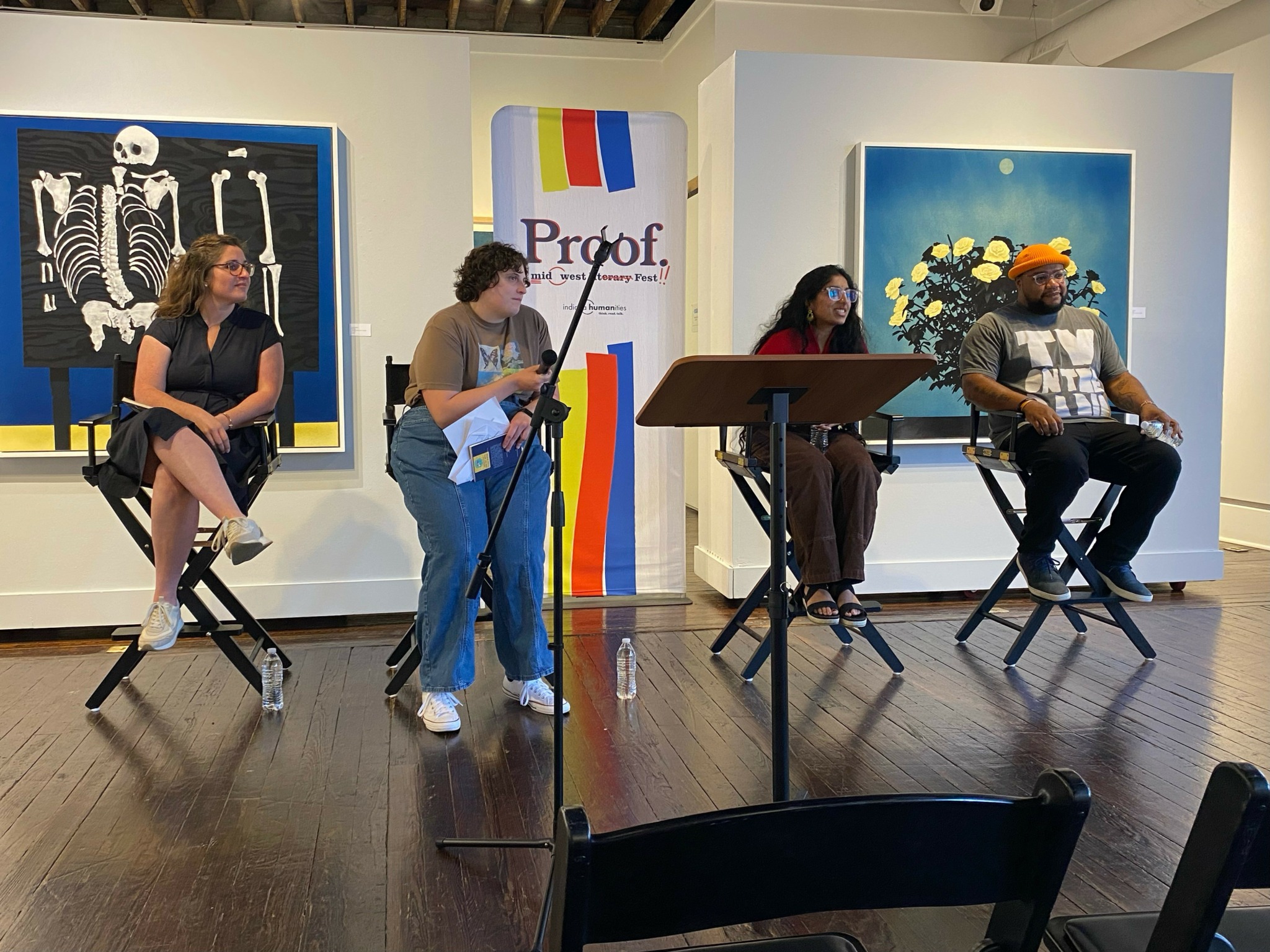
Mary, before we move on to more of these sorts of questions, can you take some time to bring our readers up to speed on you and what you do?
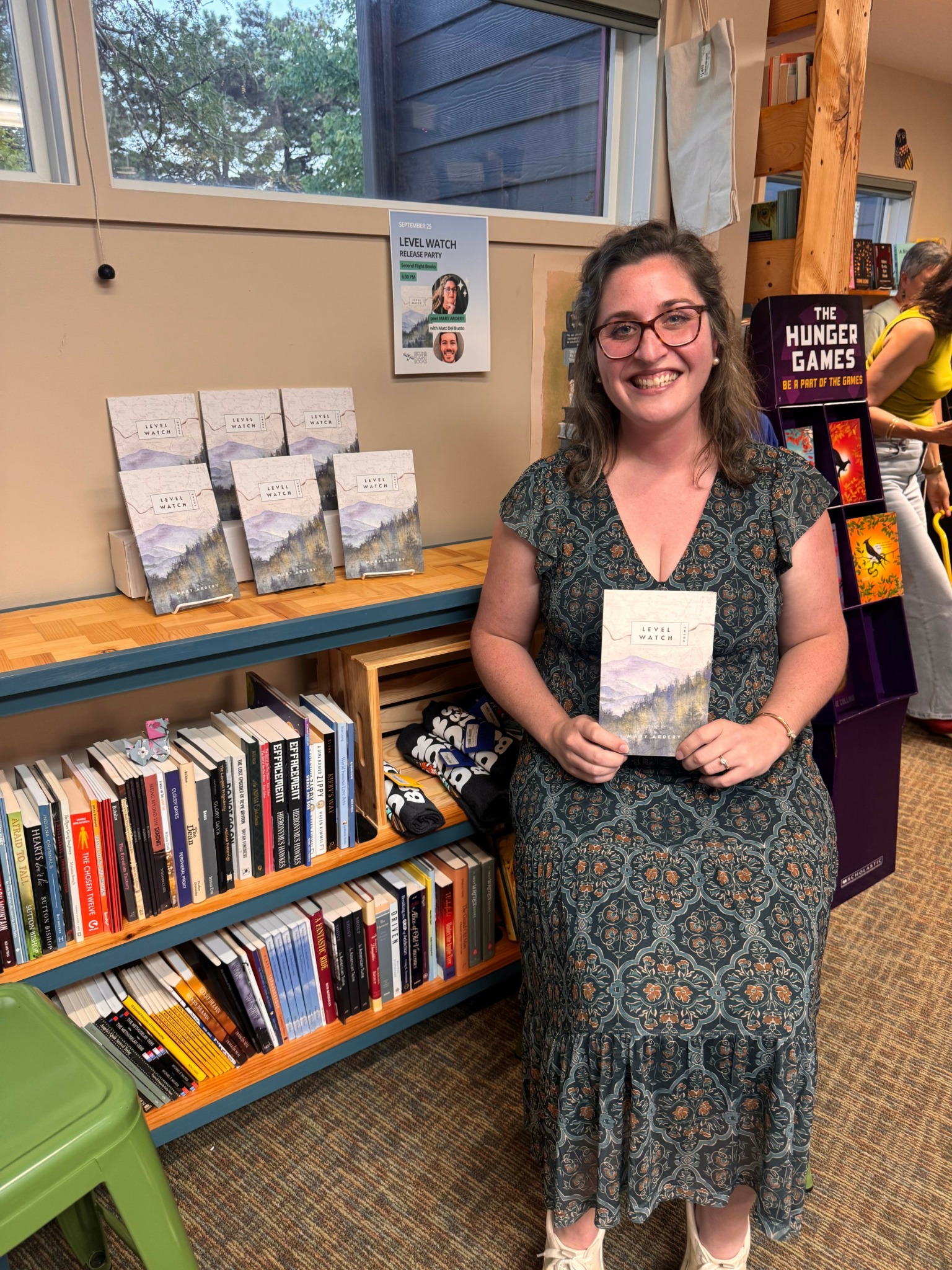
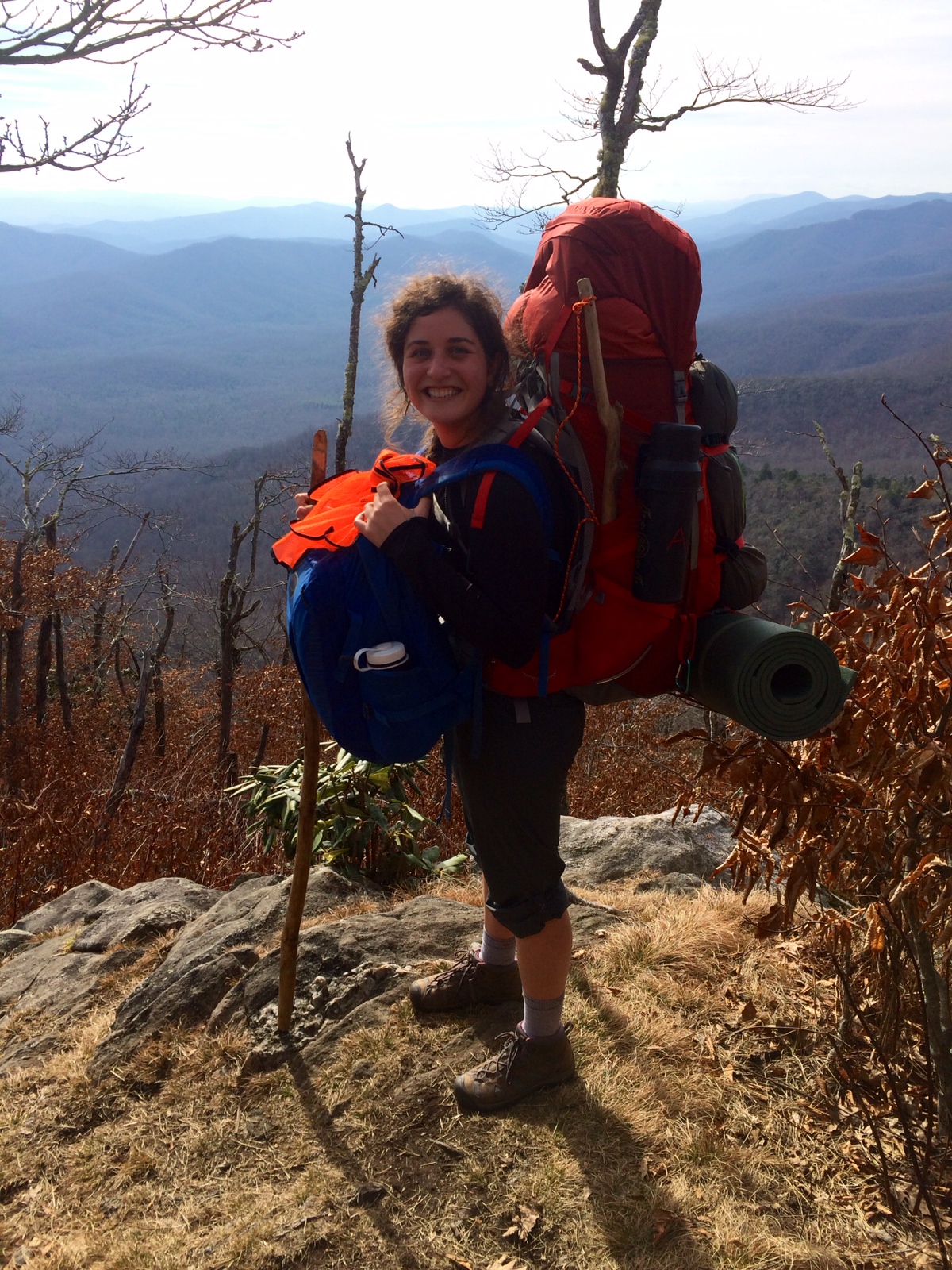
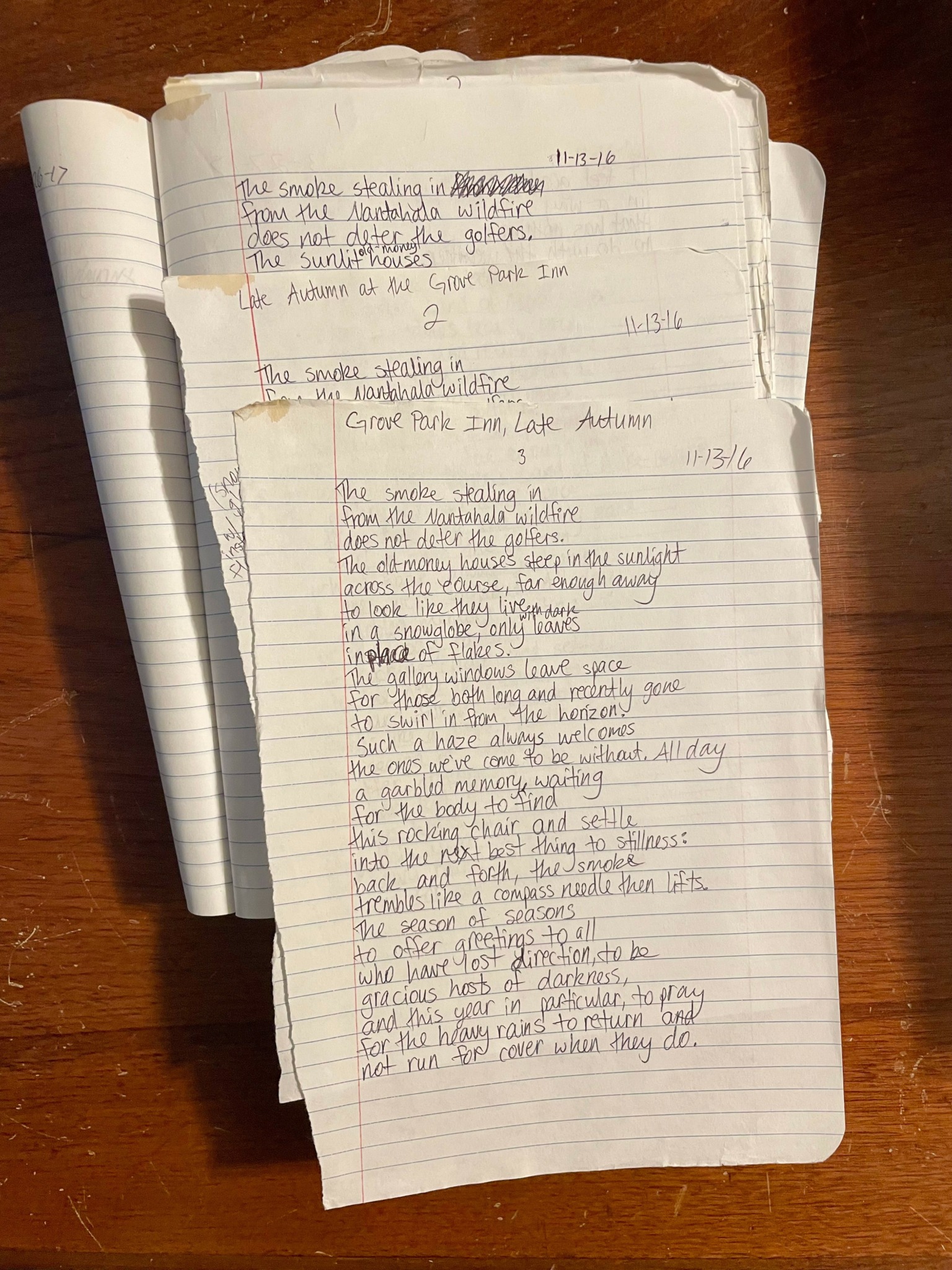
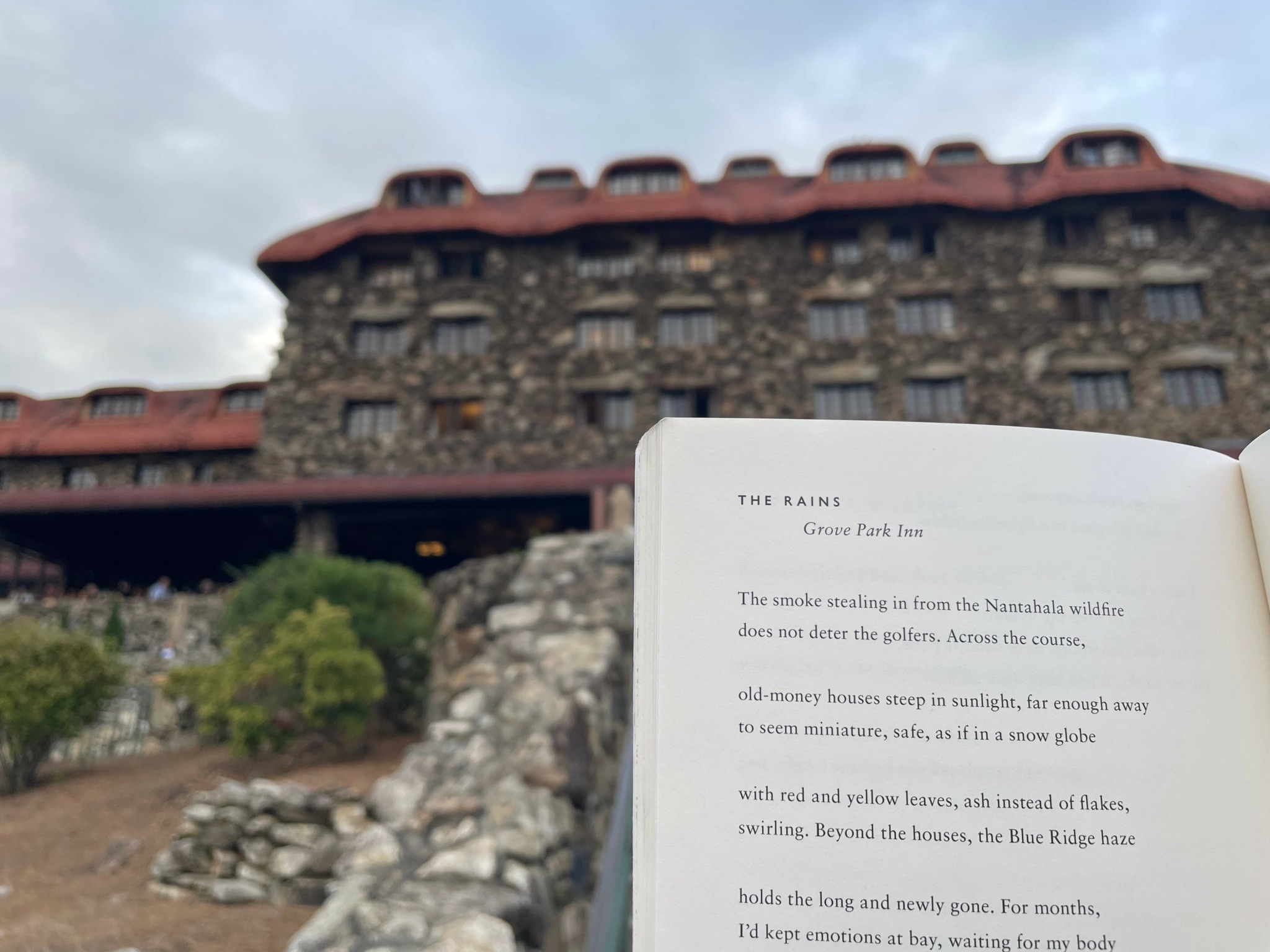
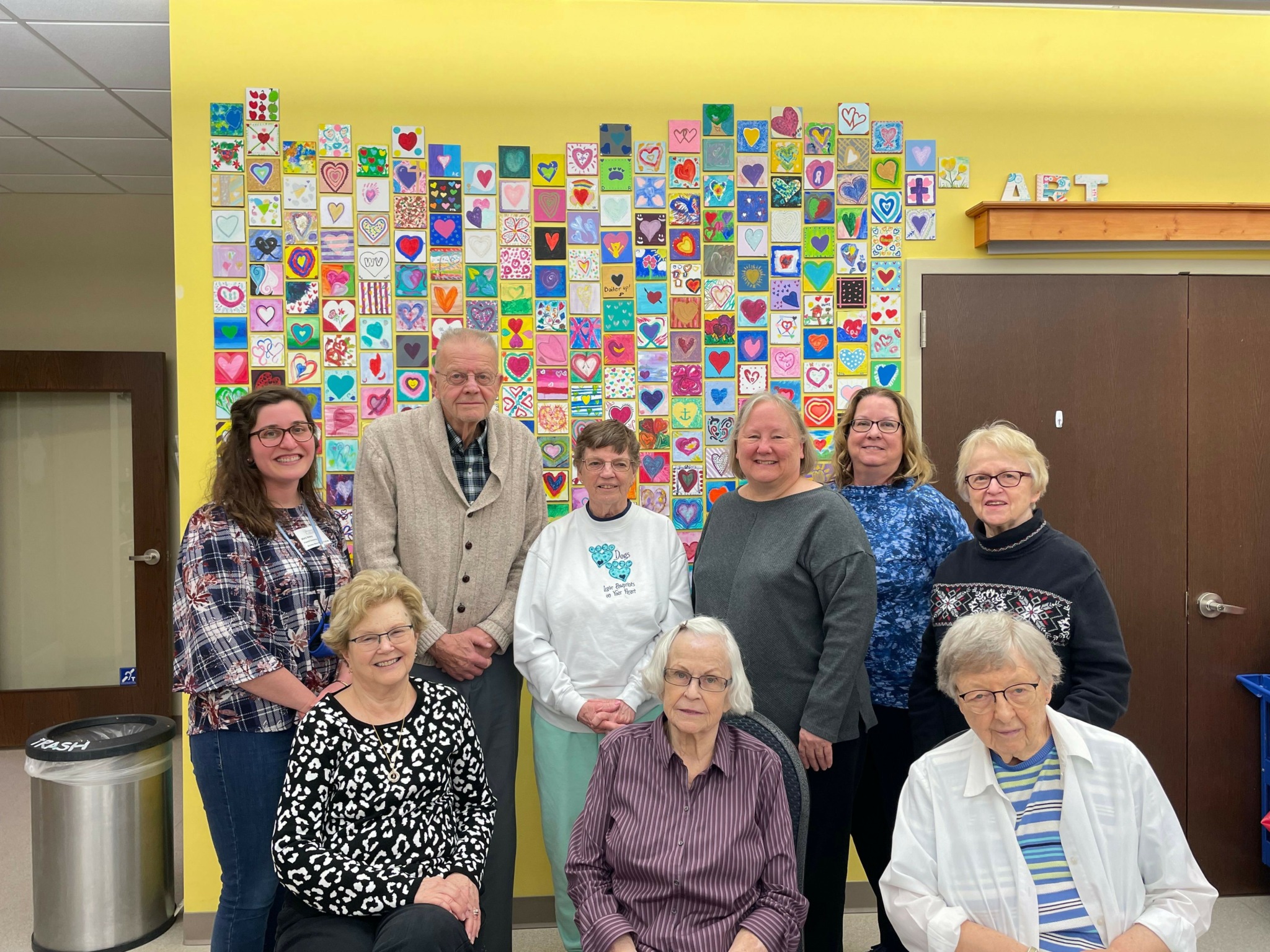
I mainly write poetry and creative nonfiction. It is my goal to craft writing that is both respected by the literary/MFA community and accessible to a more general audience. My first book of poetry, Level Watch (June Road Press, 2025), is based on my experience working as a wilderness guide for a substance-abuse treatment center outside of Asheville, NC. As an informal part of that job, I led writing circles, and I have experience teaching writing in other community settings as well as in the traditional college classroom.
I’m interested in writing that helps us better understand the human experience and our connections to one another. Though it’s a different kind of writing, I’m also increasingly interested in writing that moves people to think about policy and concrete changes. I’ve been writing opinion columns for a newspaper based out of my home state here in Indiana. In all genres, I find myself trying to explore and document women’s experiences through a compassionate lens and with a rigorous complexity.
For you, what’s the most rewarding aspect of being a creative?
There are two things that come to mind. First, it’s rewarding and reassuring to know you have a niche you can plug into when you visit a city or move somewhere new. You can attend the local reading series. You can go support the indie bookstore. You can offer to host programming at the public library. These are all great ways to meet people with whom you likely have shared interests.
Second, I don’t really experience boredom. I know I’ll never run out of good books to read. I know I can always sit down and write. Even if what comes out it isn’t something I’ll turn into a polished piece, it passes the time in a way that doesn’t give my money/attention to Big Tech, and I know it’s all part of the process of working toward something I WILL polish.
How can we best help foster a strong, supportive environment for artists and creatives?
To have a thriving creative ecosystem, people need time to create in the first place. We also need time to absorb and contemplate other people’s creations. Either one of those things can be really difficult to accomplish if you work an 8-5 job, especially when you add on any other demand like living with a chronic illness or disability, taking care of a child or aging parent, working a side hustle because your full-time job doesn’t pay a living wage. So to achieve a thriving creative ecosystem, I’m a big proponent of reduced work-time models—which would be a worthwhile support for everyone, not just creatives.
However you feel about AI, it is already here and being integrated into the workforce. Where possible, I think we should use it not to replace jobs, but to make people’s jobs more efficient and then allow them to work fewer hours (something closer to a 30-hour work week) without reducing their pay. Of course, different industries would have different models for how those hours are spaced throughout a given week. This is looking at things from a very high level, but I think reduced work-time models like these are possible (with or without AI), and it’s something I think about a lot.
Contact Info:
- Website: https://www.maryardery.com
- Instagram: @mardery
- Other: https://www.juneroadpress.com/level-watch
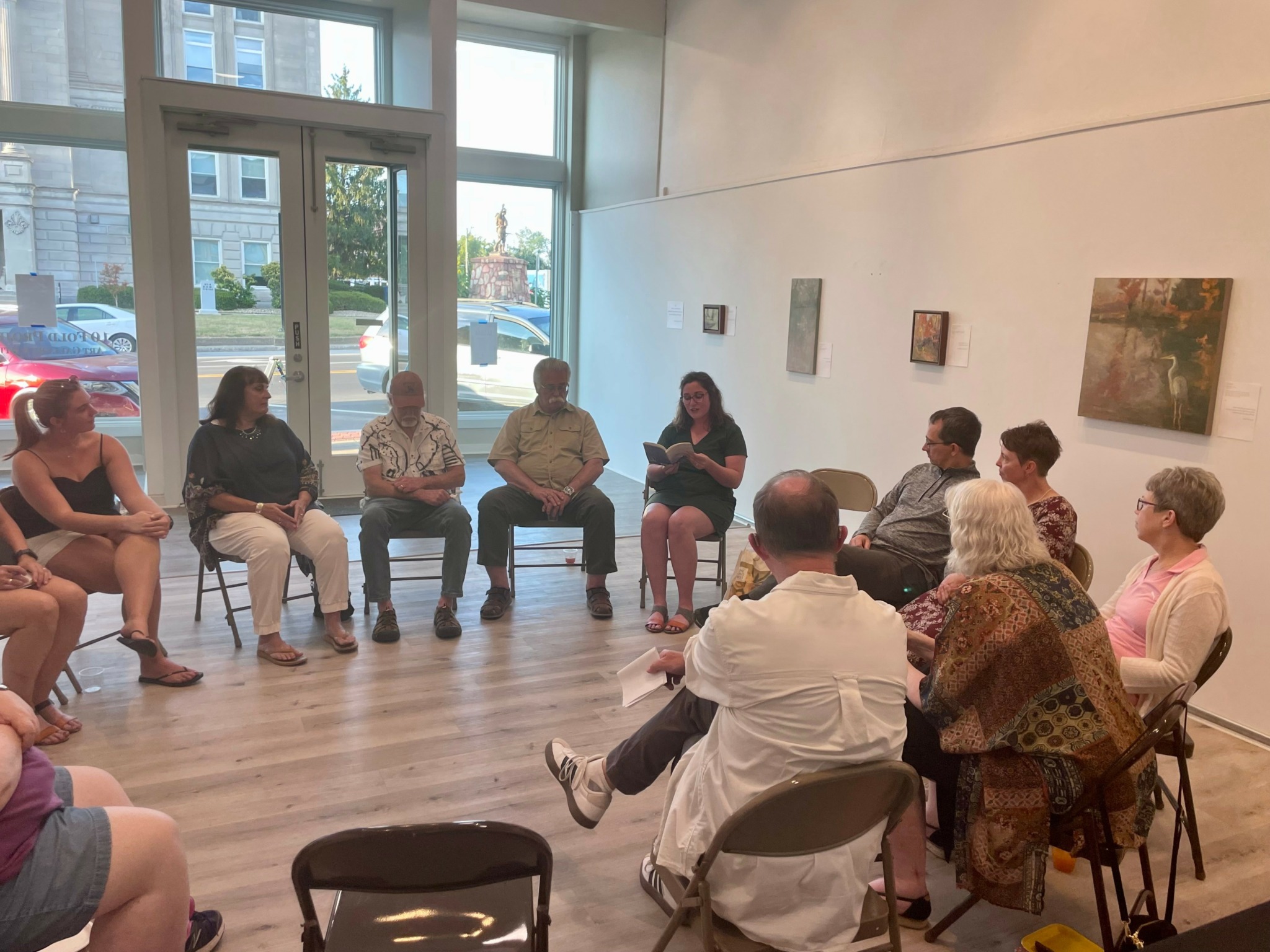
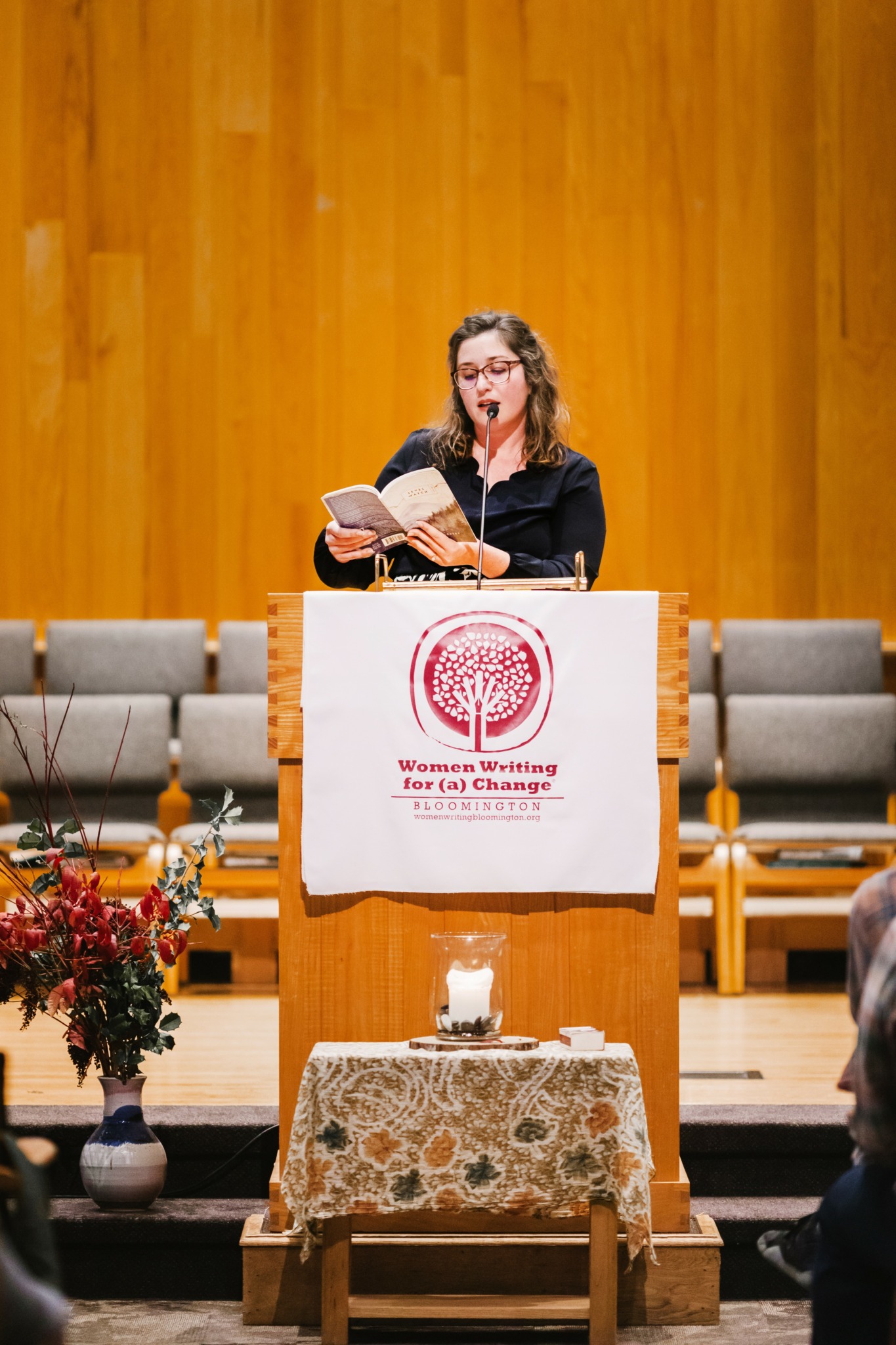
Image Credits
Natasha Komoda
Sarah Schweikhardt