

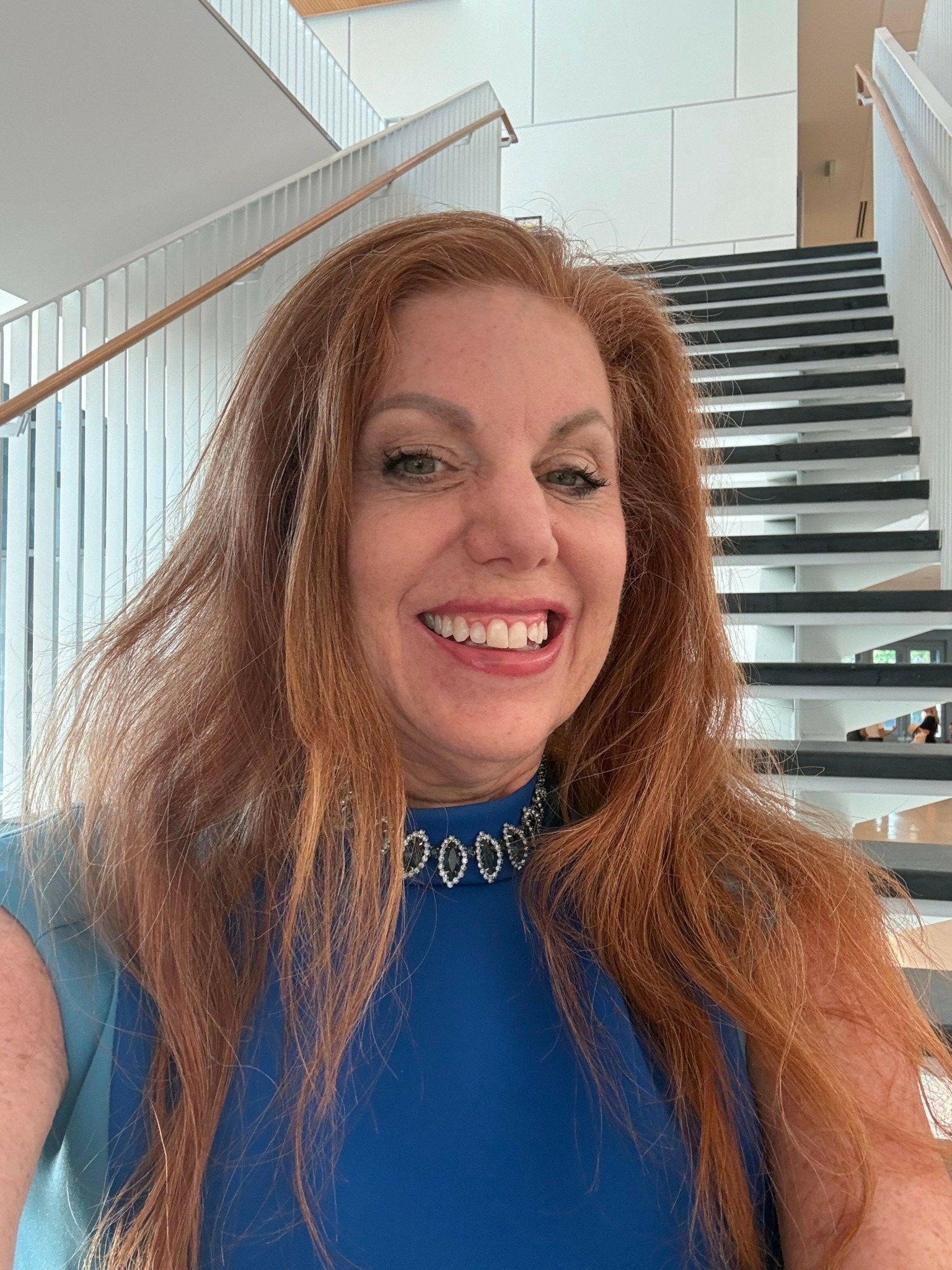

We were lucky to catch up with Marva Bailer recently and have shared our conversation below.
Marva , thanks for joining us, excited to have you contributing your stories and insights. Folks often look at a successful business and imagine it was an overnight success, but from what we’ve seen this is often far from the truth. We’d love to hear your scaling up story – walk us through how you grew over time – what were some of the big things you had to do to grow and what was that scaling up journey like?
One of the most important lessons I learned about scaling came from realizing that the quota/target/ goal is not the opportunity.
My first executive role was leading the federal business at Micromuse. The business generated about $5 million in revenue, while the annual quota for the region was roughly $3 million. Early on, I focused on the number. Then I started spending more time with customers and saw something much bigger.
Federal agencies were managing complex, mission-critical operations. Their challenges were measured in millions of dollars, operational risk, and public impact. They were not thinking about my quota. They were focused on outcomes. Once I understood the value we could create, the conversations changed. The business eventually grew from approximately $5 million to nearly $100 million.
The lesson expanded after IBM acquired Micromuse. Before the acquisition, a $1 million deal felt significant. At IBM, I watched teams pursue opportunities ten times that size. The market had not changed. Our thinking had. We engaged broader stakeholders, connected technology to business priorities, and approached opportunities at enterprise scale.
Years later at Splunk, I saw the same pattern. The company grew from roughly $60 million in revenue to more than $1 billion during my time there. The teams creating the greatest impact were not focused on selling software. They understood the economics of their customers’ businesses and connected technology investments to measurable outcomes in security, operations, customer experience, and growth.
The biggest scaling lesson was that growth starts with perspective. Many people think about individual deals. Then they think about accounts. Then industries. Then ecosystems. As your understanding of customer value expands, the opportunity expands with it.
Revenue follows value. The organizations that scale successfully learn to see the full size of the problem they are solving.
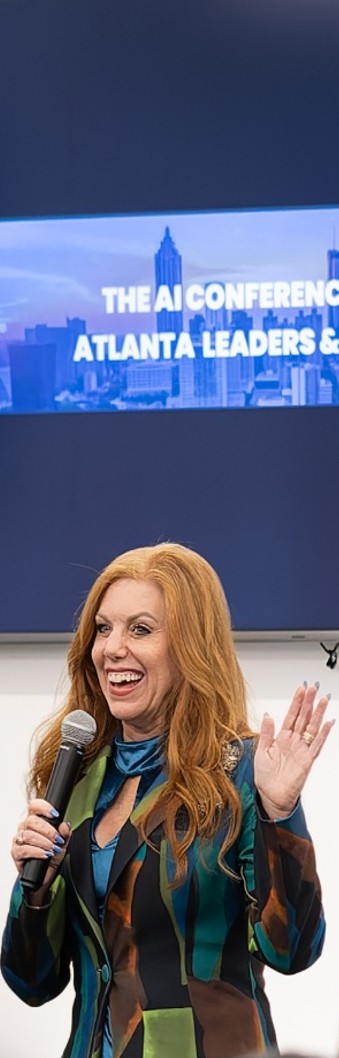
Awesome – so before we get into the rest of our questions, can you briefly introduce yourself to our readers.
I have always been drawn to big challenges, ambitious people, and moments when the rules are changing.
My career began long before AI, cloud computing, and cybersecurity became boardroom topics. I entered technology during a period of rapid change and spent the next three decades helping organizations navigate one transformation after another. Along the way, I had the opportunity to help scale businesses from millions to billions in revenue, lead teams through acquisitions, build new markets, and work with everyone from startups to global enterprises, government agencies, healthcare systems, and nonprofits.
What kept me engaged was never the technology itself. It was the people.
I discovered early that growth happens when people see a bigger version of what is possible. Some leaders helped me see opportunities I could not yet see for myself. I have tried to do the same throughout my career. Whether leading teams, mentoring future executives, sponsoring emerging talent, or serving on boards, I have always been energized by helping people connect their strengths to a larger mission and a larger opportunity.
Many of the leaders I worked with early in their careers now lead businesses, serve on boards, run startups, and shape industries. Watching that happen is one of the most rewarding parts of my journey. Revenue matters. Results matter. Watching someone discover their confidence, expand their influence, and create impact at a level they never imagined is hard to beat.
Today my work centers on board service, governance, leadership, and the future of technology. We are living through one of the most significant business transitions of our lifetime. AI is changing how organizations operate, how decisions are made, and how value is created. Boards have a unique responsibility to guide that future with both courage and accountability.
What sets me apart is the breadth of experiences I bring into the boardroom. I have been part of hyper-growth companies, turnarounds, acquisitions, global partnerships, cybersecurity incidents, healthcare innovation, public sector modernization, and emerging technology markets. I understand growth, risk, talent, culture, and execution from the inside.
The work I am most proud of is not found on a balance sheet. It is found in the people, organizations, and communities that expanded what they believed was possible. Careers launched. Leaders developed. Businesses transformed. Missions advanced.
At the end of the day, technology changes. Markets change. Business models change. Human potential remains one of the most valuable assets any organization will ever have. That belief has guided my career from my first leadership role to the boardroom, and it continues to shape the work I do today.
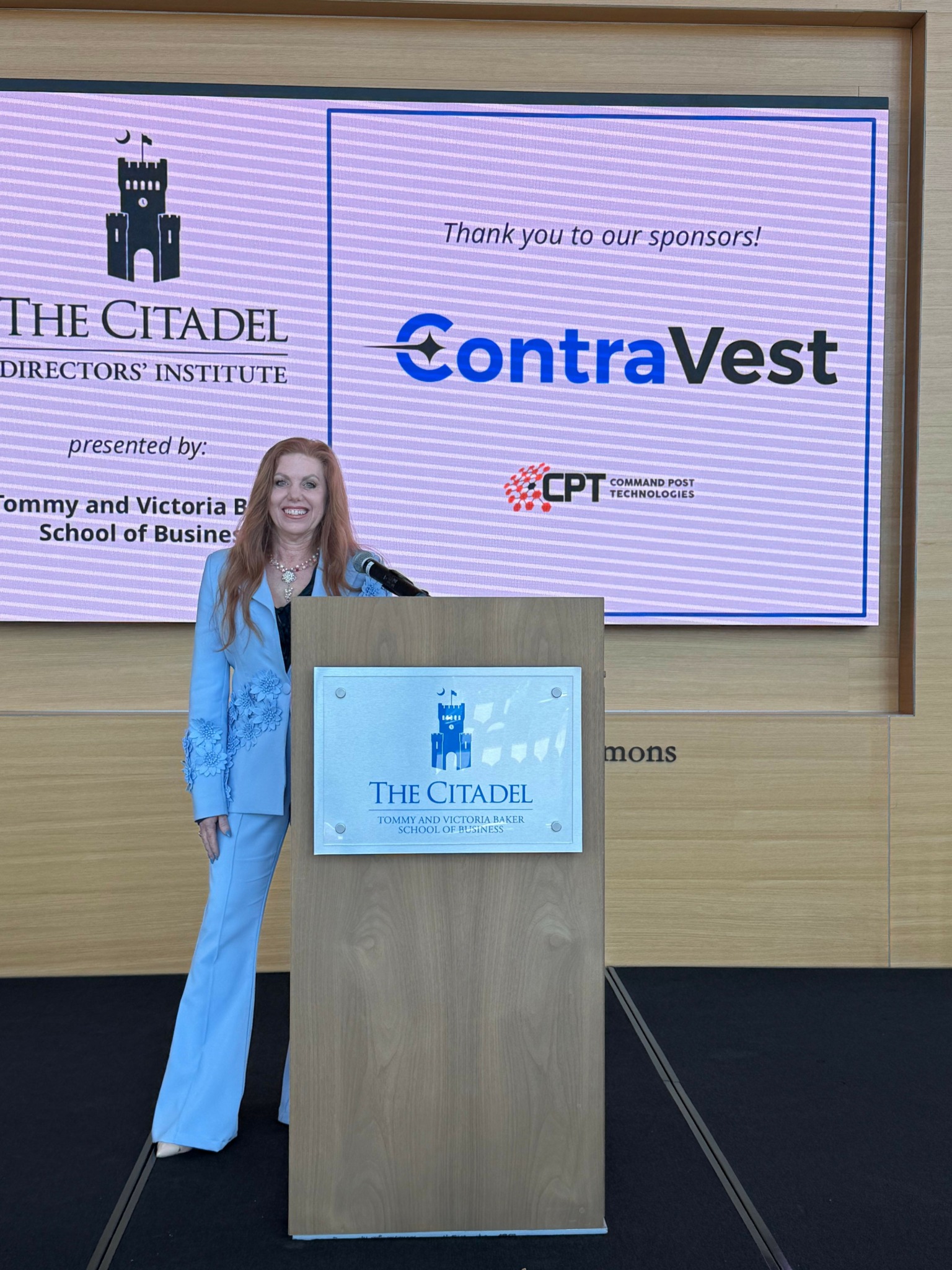
We often hear about learning lessons – but just as important is unlearning lessons. Have you ever had to unlearn a lesson?
One of the biggest lessons I had to unlearn was the belief that hard work and talented people automatically create scale.
Early in my career, I was part of a team at Micromuse that was growing quickly. We were winning customers, exceeding expectations, and building momentum. Like many growing organizations, we relied heavily on talented people, strong relationships, and a willingness to outwork the competition. From the outside, it looked like we had figured it out.
Then IBM acquired Micromuse.
For the first time, I saw the difference between a successful business and a scalable business. Success can be driven by a handful of exceptional people. Scale requires systems, processes, and operating disciplines that allow hundreds or thousands of people to succeed consistently.
Around that time, I was introduced to the RADAR methodology from the authors of *Hope Is Not a Strategy*. Their premise was simple and profound: hope is not a growth strategy. Predictability, measurement, accountability, and repeatability create sustainable growth.
That challenged my thinking. I realized that success can sometimes hide weaknesses. Great people can compensate for inefficient processes, unclear accountability, and inconsistent execution for a surprisingly long time. Revenue growth alone does not mean an organization is built to scale.
That lesson shaped the rest of my career. Whether helping grow a federal business from $5 million to nearly $100 million, supporting organizations that expanded from tens of millions to billions in revenue, or serving on boards today, I look for the same thing: repeatability.
Can success be measured? Can it be taught? Can it be replicated by others? Can it survive when the star performer leaves?
Those questions matter far more than a single quarter’s results.
Today, I still believe great people are every organization’s greatest asset. I simply learned that great people achieve even greater outcomes when they are supported by systems that allow success to be shared, repeated, and scaled.
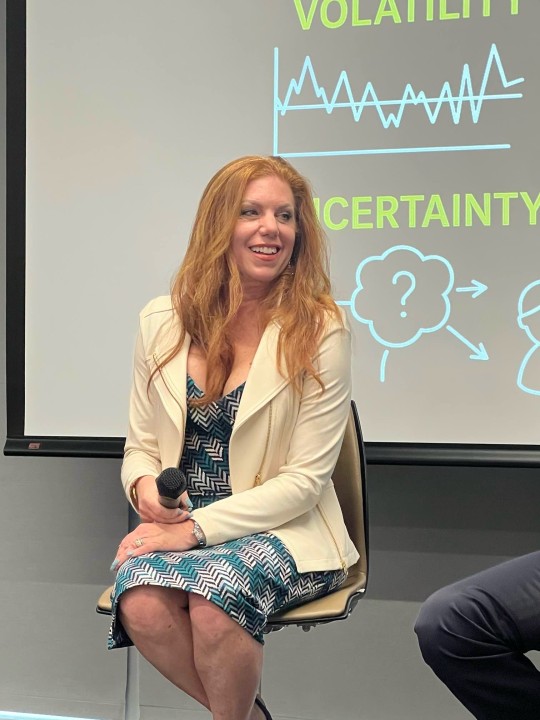
Can you tell us about a time you’ve had to pivot?
People often ask about the biggest pivot in my career. Ironically, it began with retirement.
Like many people who came through the technology boom, I assumed there would be a point where I would slow down, maybe even step away. Work hard. Build a successful career. Retire early. That was the narrative.
Then I discovered something unexpected.
The longer I stayed engaged, the more valuable experience became. Every board meeting, customer conversation, acquisition, market disruption, and leadership challenge added another layer of perspective. Instead of feeling finished, I felt like I was finally connecting dots that had taken decades to form.
Today, as I approach 60, I have more intellectual curiosity than I did at 30.
I see patterns faster. I ask better questions. I understand how technology, governance, talent, and culture intersect. Most importantly, I have the opportunity to help others navigate challenges that I have spent a career experiencing firsthand.
That realization changed my definition of success.
Rather than focusing on the next operating role, I expanded my focus to board service, governance, research, teaching, mentoring, and speaking. I became less interested in managing one outcome and more interested in helping organizations, leaders, and communities create many outcomes.
What surprised me most is that this chapter feels less like retirement and more like acceleration. I am serving on boards, pursuing doctoral research, working with leaders across industries, and exploring how AI will reshape business and society. The questions are bigger. The stakes are higher. The opportunities are more meaningful.
One lesson stands out. Experience does not have an expiration date. When paired with curiosity and a willingness to keep learning, it becomes a multiplier.
My pivot was not away from work. It was toward a broader definition of impact.
Contact Info:
- Website: https://www.marvabailer.com
- Instagram: @marvabailer
- Facebook: @marvabailer
- Linkedin: https://www.linkedin.com/in/marvabailer/
- Twitter: @marvabailer
- Youtube: https://youtu.be/H9dRn3CoxQw?si=z1IZsUr_uIXKwRSm

Image Credits
Times Square: Forttuna Global 100