

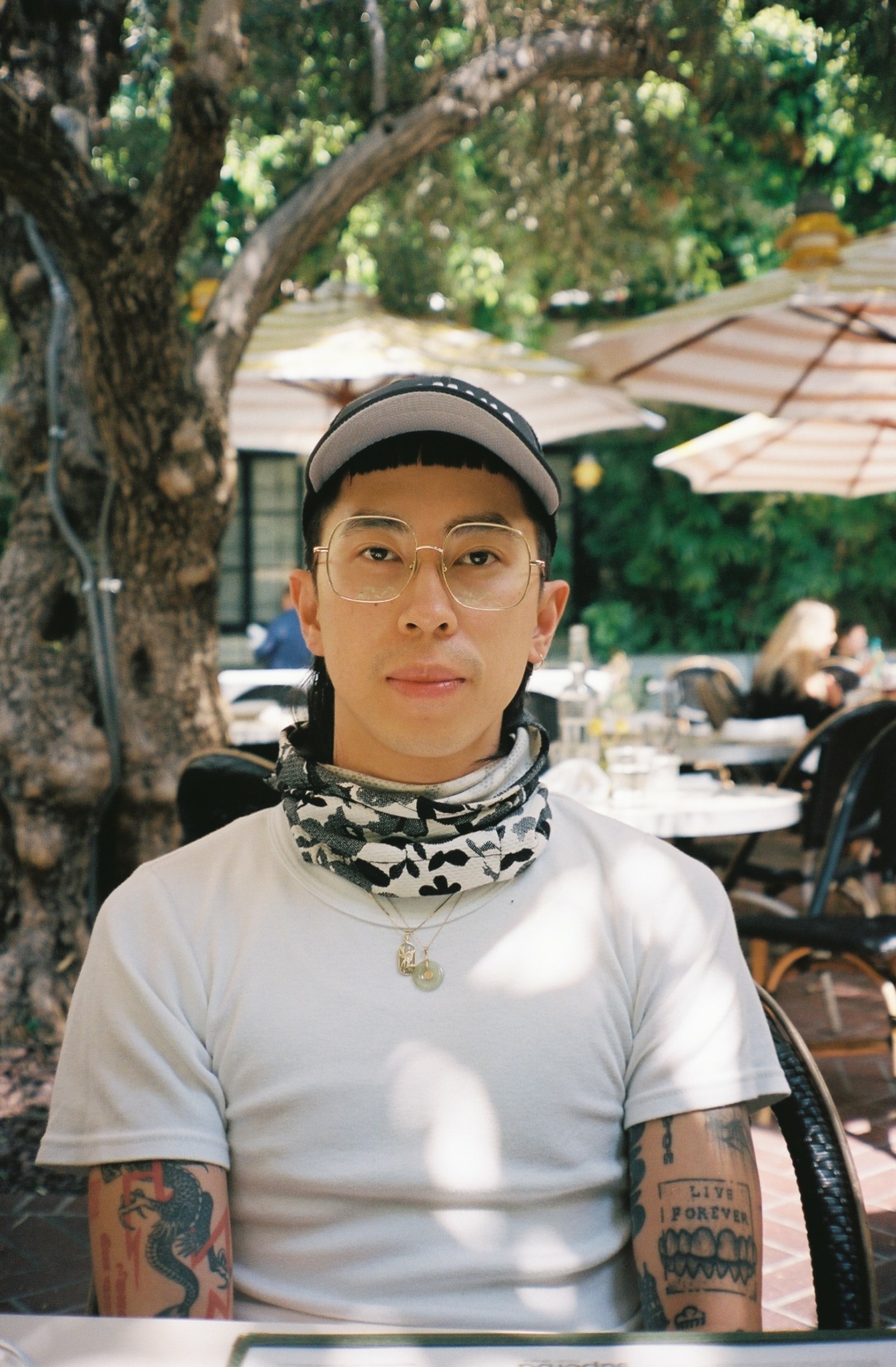

Alright – so today we’ve got the honor of introducing you to Martin Nguyen. We think you’ll enjoy our conversation, we’ve shared it below.
Martin, appreciate you joining us today. We’d love to hear about when you first realized that you wanted to pursue a creative path professionally.
Growing up, I was always drawn to creativity, but I didn’t have the chance to explore it deeply. Coming from a Vietnamese refugee family, my parents prioritized stability and traditional career paths—artistic or creative careers simply weren’t seen as viable. They instilled in me the importance of finding a safe, reliable job, so I followed that narrative, cycling through career paths that I thought would make them proud. I interned at Microsoft, Boeing, and Liberty Mutual in high school and college, but I quickly realized the corporate world wasn’t for me. Those experiences left me uninspired, and I knew I couldn’t see myself sitting in an office or cubicle long-term.
I shifted to studying social work at NYU, driven by my family’s journey and a desire to help others with similar backgrounds. My studies led me to a position as a photojournalist with the Seattle Mayor’s Office for the Youth Non-Violence Initiative. The program focused on helping at-risk youth in the community—kids who faced challenges like homelessness, foster care, or run-ins with the juvenile justice system. Working with those kids was incredibly rewarding, especially since many came from neighborhoods I grew up in. I wanted to be an example to them that it was possible to create a better path for themselves.
However, I also encountered challenges. The bureaucracy and politics surrounding grant funding made the work frustrating. I felt disconnected, like my efforts weren’t truly making the impact I hoped for. What I did enjoy, though, was carrying a camera. Even though the job didn’t allow for much creativity, it reignited my passion for photography—something I had quietly loved since I was a kid.
By 2014, I decided to leave college. Despite good grades, I struggled with the weight of student loans and personal family matters, which pushed me to take a step back. I moved to Los Angeles, crashed at my sister’s apartment, and worked in cafes while figuring out my next move. During that time, I finally realized I wanted to pursue a creative career.
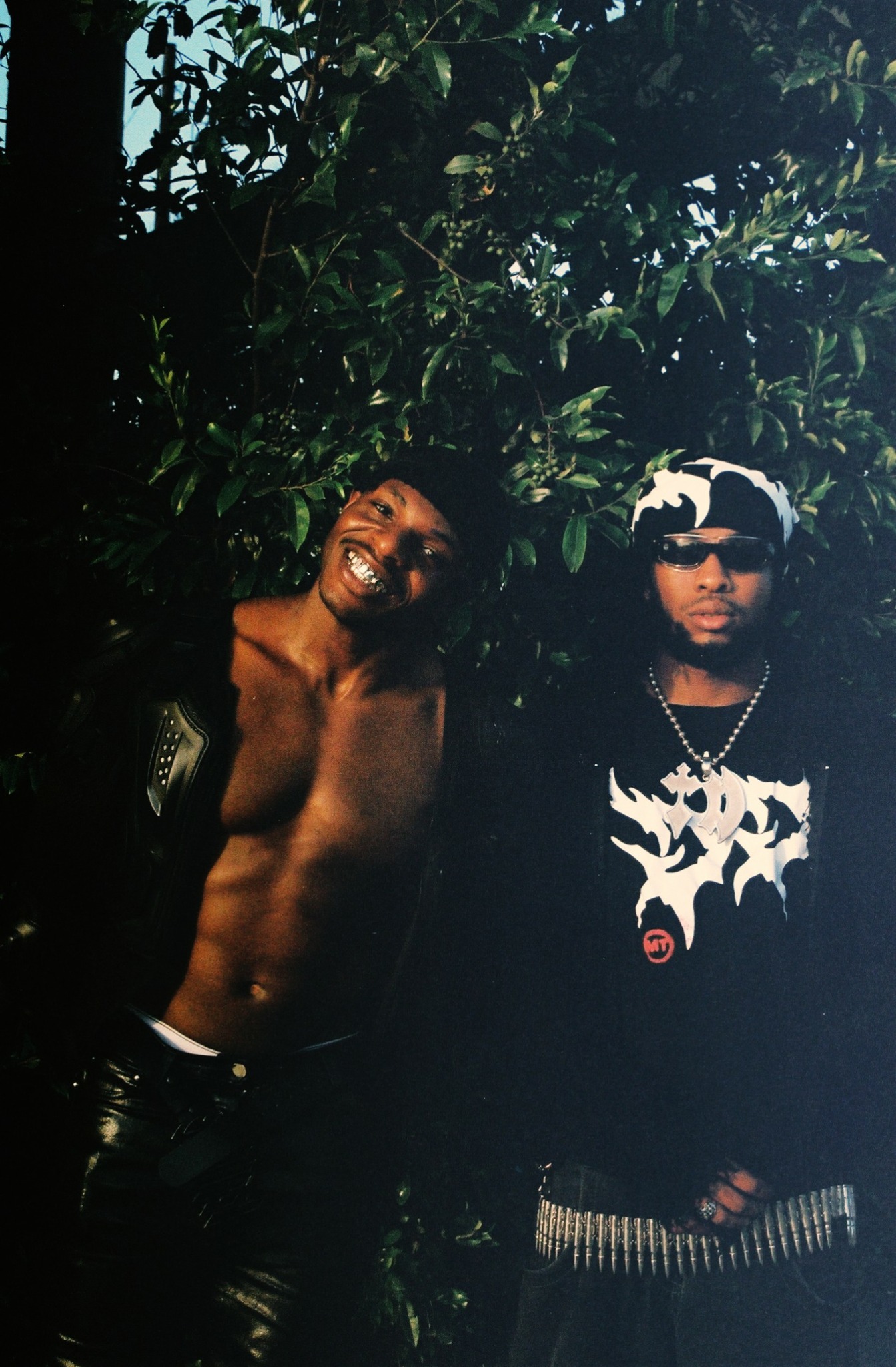
Photography had always been with me—since middle school, I was shooting film on old cameras wherever I went. I loved the process: the anticipation of developing rolls of film and seeing the images come to life. At first, it was just a hobby, but that changed when I met my longtime collaborator, tobi lou. We met by chance at a show, and from there, we began working together creatively. Tobi was the first person who truly believed in my vision and helped me see that my creativity could be sustainable. Collaborating with him, as well as other talented artists like Glassface, taught me the power of teamwork and solidified my confidence in pursuing this path professionally.
That was the turning point. Finding a community of creatives who believed in me gave me the courage to take my passion seriously. Photography became more than just something I loved—it became my purpose.
Martin, before we move on to more of these sorts of questions, can you take some time to bring our readers up to speed on you and what you do?
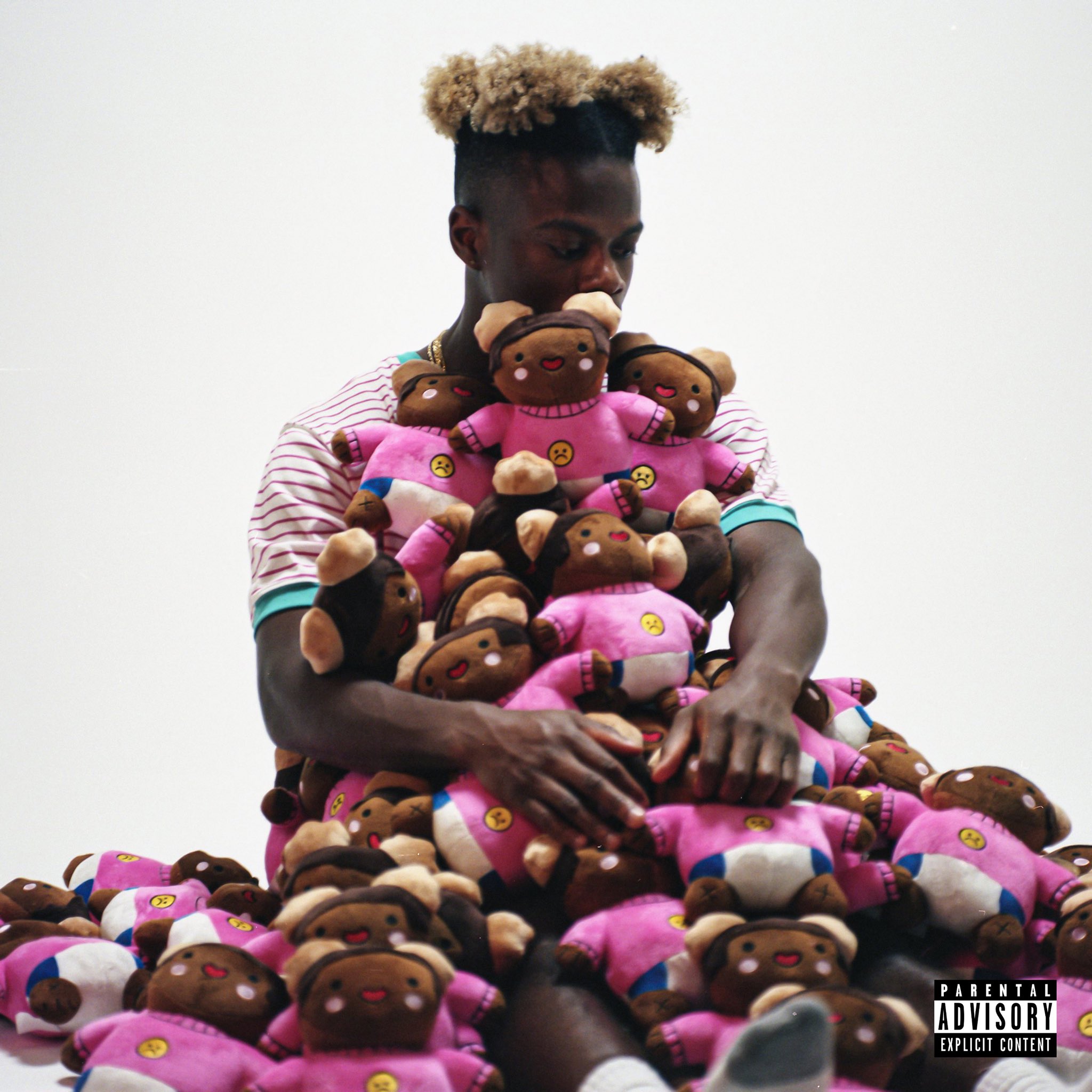
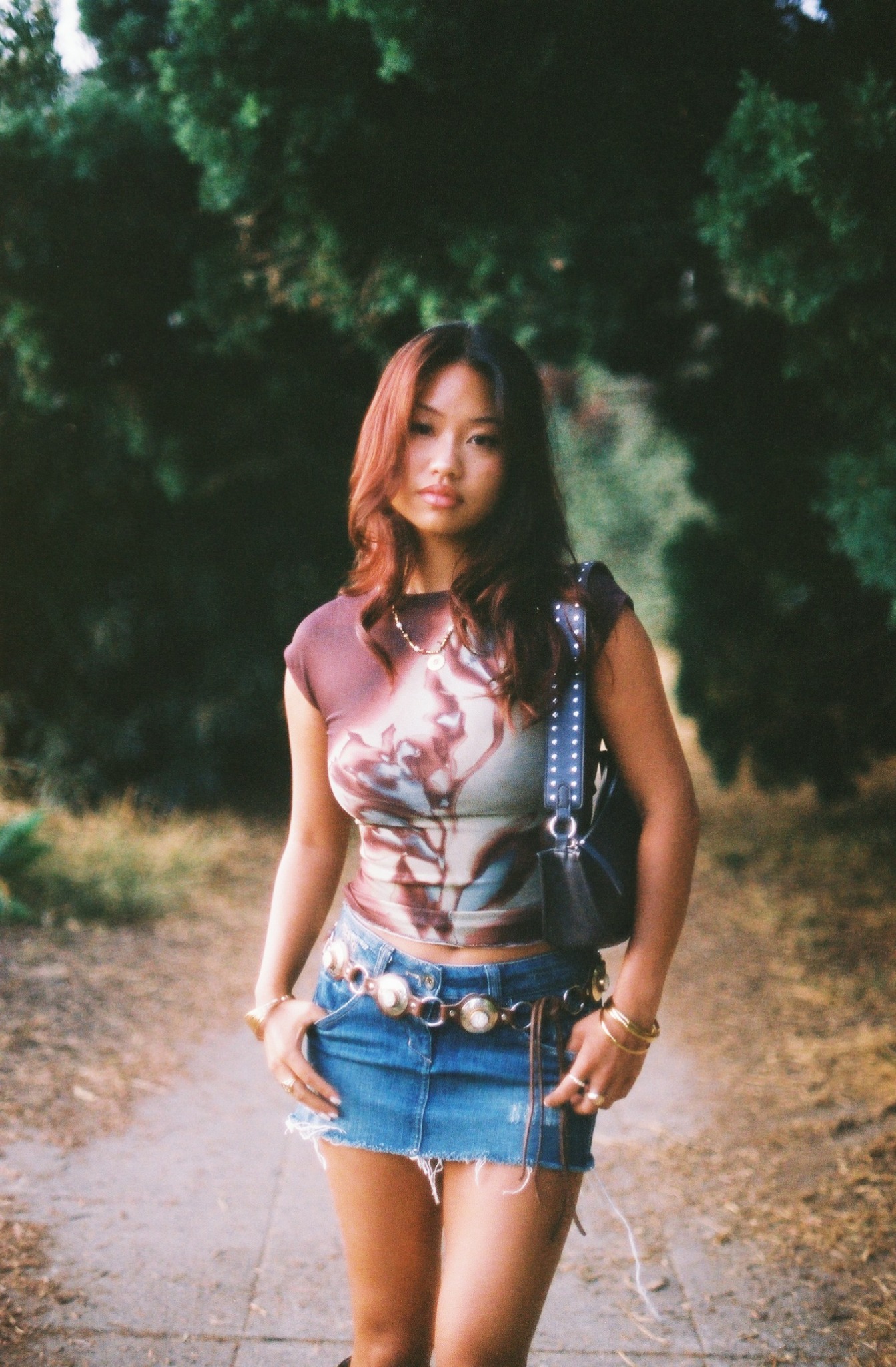
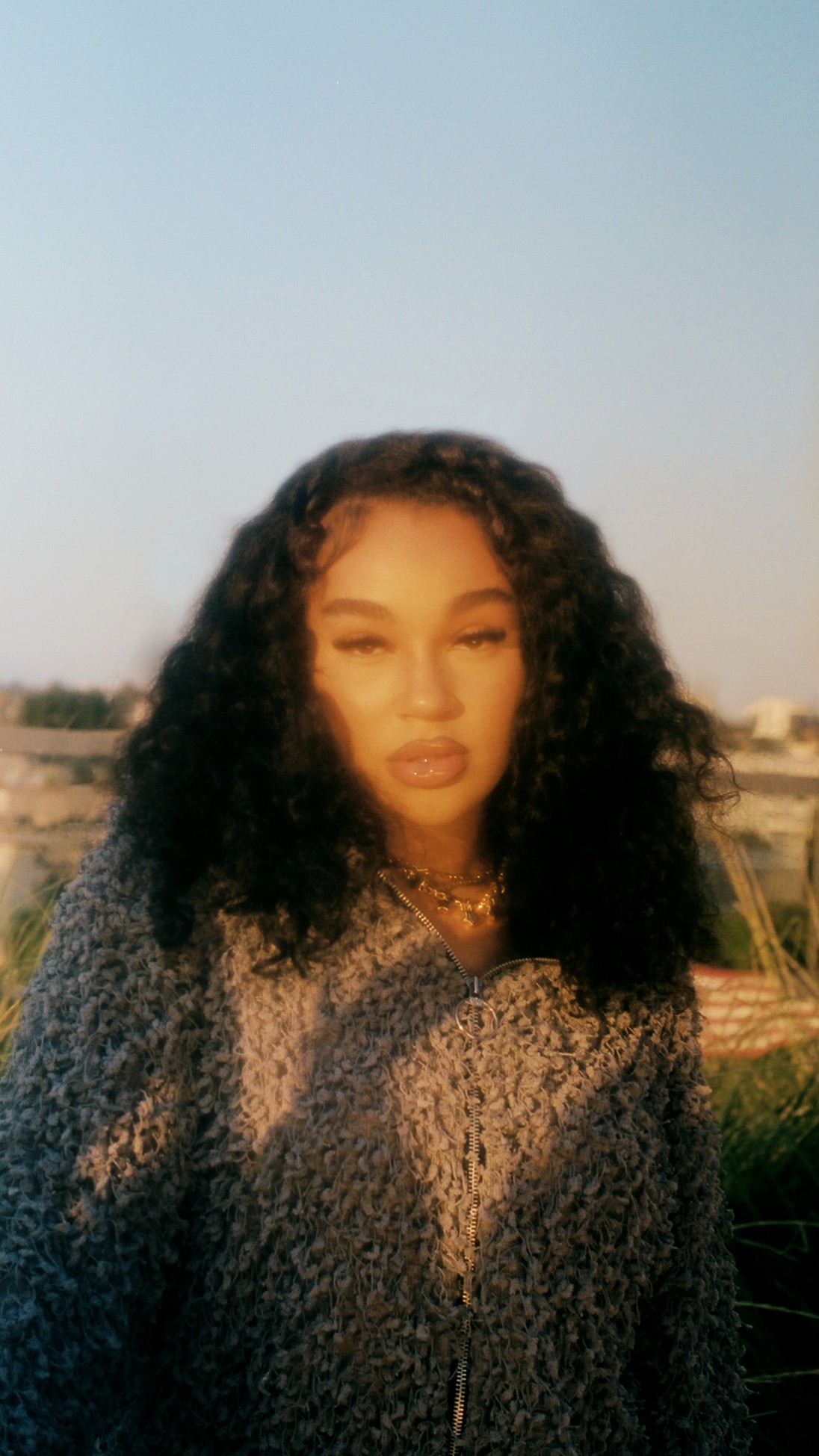
My name is Martin Nguyen, and I’m a visual artist and chef with a passion for analog photography and Vietnamese cooking. On the creative side, my work spans photography, directing, videography, styling, and creative direction. My visual art often finds its place in album covers, music videos, concert visuals, and merchandise for music artists. Beyond these tangible creations, I’ve also helped artists develop their visual identity and enhance their creative projects. Seeing my photography plastered on the cover of tobi lou’s vinyl releases of his projects, “baggy weather,” and “Plushie (acoustic)” are some recent moments to be proud. But one of my proudest moments was naming tobi lou’s album Non-Perishable. Seeing that name printed on merchandise and album covers felt like a significant milestone because it showcased my creative input beyond photography or videography.
What sets me apart is my approach to building sustainable, collaborative relationships with clients. I aim to create an environment where ideas flow naturally, and nothing feels forced. This trust has allowed me to expand my role beyond traditional titles—photographer, director, or videographer—into a multidimensional creative partner.
My journey into the creative field wasn’t linear. I was born and raised in Seattle, Washington, as the child of Vietnamese refugees. Growing up, I often struggled to connect with my cultural roots while trying to fit into my surroundings. Cooking became a way to rediscover that heritage. While working in hospitality—as a cook, server, and barista—I developed my skills, learned the intricacies of kitchen workflows, and deepened my passion for Vietnamese cuisine. These experiences not only fueled my love for food but also taught me invaluable lessons about business operations and adaptability, which I now bring into my creative career.
Today, I’m working on merging my passions for visual art and cooking. I’m creating a cookbook that showcases Vietnamese home cooking through my unique perspective, while also developing short- and long-form recipe videos for social media and YouTube under the name of @neutralkitchen. This project is deeply personal, as it bridges my artistic vision and cultural heritage.
On the visual arts side, my journey started after dropping out of NYU and moving to Los Angeles. I began experimenting with photography, shooting on film cameras—a medium I’ve loved since I was a kid. When I met Chicago artist tobi lou at a show. We quickly became collaborators, working on album covers, music videos, and merchandise. From there, I built a network of talented creatives, including longtime collaborators like Glassface, and established myself as a creative in the industry.
While my creative journey is still evolving, I take pride in the body of work I’ve built and the trust I’ve earned from my collaborators. For me, it’s about creating meaningful work that resonates with people, whether it’s through a striking image, a compelling story, or a shared cultural experience through food.
In your view, what can society to do to best support artists, creatives and a thriving creative ecosystem?
In my view, the best way society can support artists and foster a thriving creative ecosystem is by recognizing the immense value that art and creativity bring to our communities—and actively investing in them. Supporting artists can take many forms, from hiring creatives for their services to purchasing their work, sharing it with others, or even simply engaging with and appreciating their craft. Every time you listen to a song, watch a video, attend an exhibit, or wear merchandise designed by an artist, you’re helping to sustain their creative journey and contribute to the larger ecosystem they are a part of.
However, for many artists, financial support is a critical lifeline. While passion fuels creativity, the reality is that making art sustainable often depends on the ability to cover basic living expenses. Purchasing art, hiring creatives for their services, and funding their projects directly allow artists to dedicate more time and energy to their work rather than being forced to prioritize financial survival.
On a broader level, I believe there’s a pressing need for more structured, systemic support for artists, particularly from municipal and government institutions. While there are incredible privately funded grants and mentorship programs available, these opportunities are often limited and highly competitive. Expanding public funding for the arts—through government-sponsored grants, artist residencies, and accessible creative programs—would go a long way in creating a vibrant and dynamic creative ecosystem. Such initiatives should also prioritize inclusivity, ensuring underrepresented and marginalized artists receive the resources they need to thrive.
By investing in the arts at a structural level, society can help shift the narrative. Artists won’t have to choose between their creative passions and financial stability. They’ll be empowered to take risks, push boundaries, and develop their craft without the constant pressure of chasing the next paycheck. This, in turn, benefits everyone, because when artists have the freedom and support to create, they inspire us, connect us, and challenge us to see the world in new ways.
A thriving creative ecosystem doesn’t just serve the artists—it strengthens entire communities. It provides cultural enrichment, fosters innovation, and brings people together across differences. By valuing and supporting artists, both individually and collectively, we’re not just helping them succeed; we’re investing in a more dynamic, empathetic, and inspired society.
We often hear about learning lessons – but just as important is unlearning lessons. Have you ever had to unlearn a lesson?
A significant lesson I had to unlearn is the imposter syndrome I carried as a visual artist. For a long time, I felt like I didn’t belong in the creative world because I lacked formal training in photography, videography, or even cooking. While I’ve always approached cooking with curiosity and confidence, I struggled deeply in visual arts, feeling like I wasn’t “qualified” enough to call myself an artist.
This mindset weighed heavily on me, especially early in my career. I would second-guess myself constantly, turning down gigs because I believed someone more experienced deserved them, or taking on projects only to spiral into self-doubt and anxiety. It was a mental hurdle that made me question whether I was even on the right path.
What helped me unlearn this was stepping back and reflecting on my journey and the work I’ve created. I realized my art speaks for itself. Whether through photography, videography, or collaborations, my work resonates with people and holds value, regardless of how I got here. Meeting people who appreciate and are inspired by my work has been a huge confidence booster, reminding me that creativity doesn’t need a degree or formal training to be valid.
Over time, I’ve also reframed how I view imposter syndrome. I’ve learned it often stems from comparing myself to others instead of focusing on my growth. Every artist’s path is unique, and there’s no single “right” way to create or succeed. Though moments of doubt still arise, I’m much better at managing them now. Rather than letting fear paralyze me, I acknowledge it, remind myself of my worth, and keep moving forward.
This journey has taught me that confidence isn’t about never doubting yourself—it’s about trusting in your work and giving yourself permission to grow. My unconventional path and unique perspective are strengths, not weaknesses. I’ve learned to embrace opportunities with confidence and create authentically.
Contact Info:
- Website: https://www.stayneutral.net
- Instagram: @stayneutral @neutralkitchen
- Twitter: https://x.com/_stayneutral
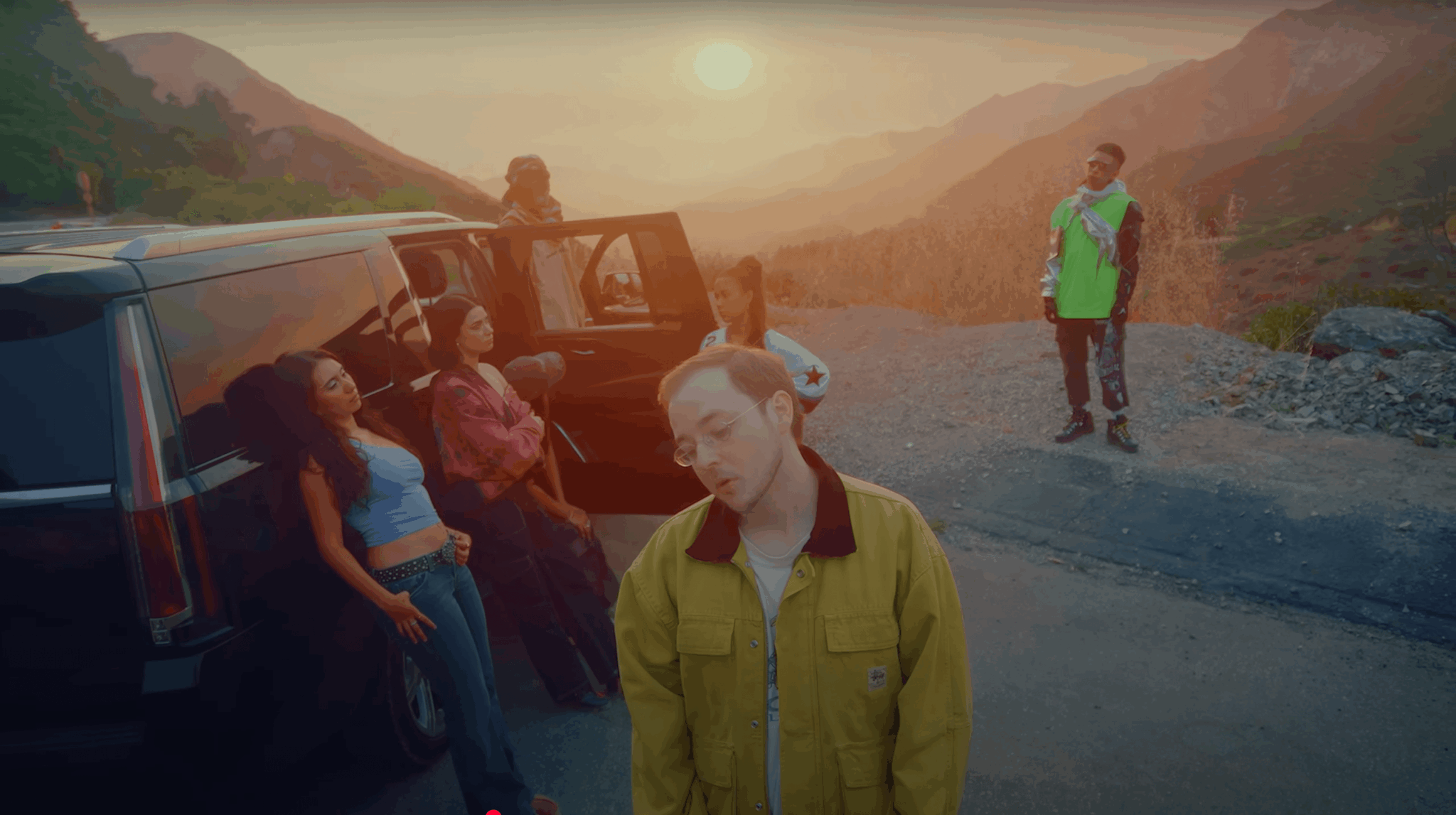
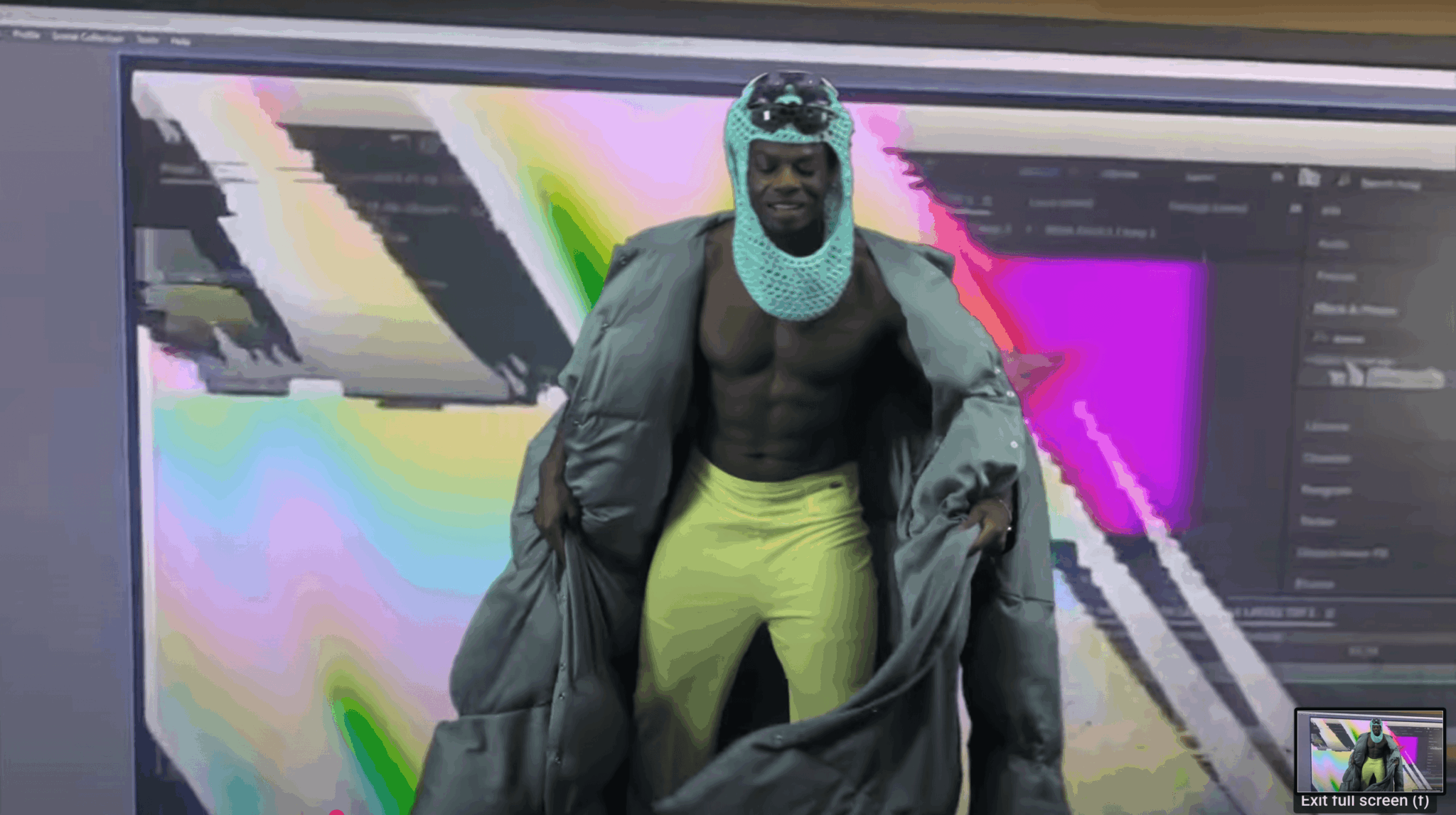
Image Credits
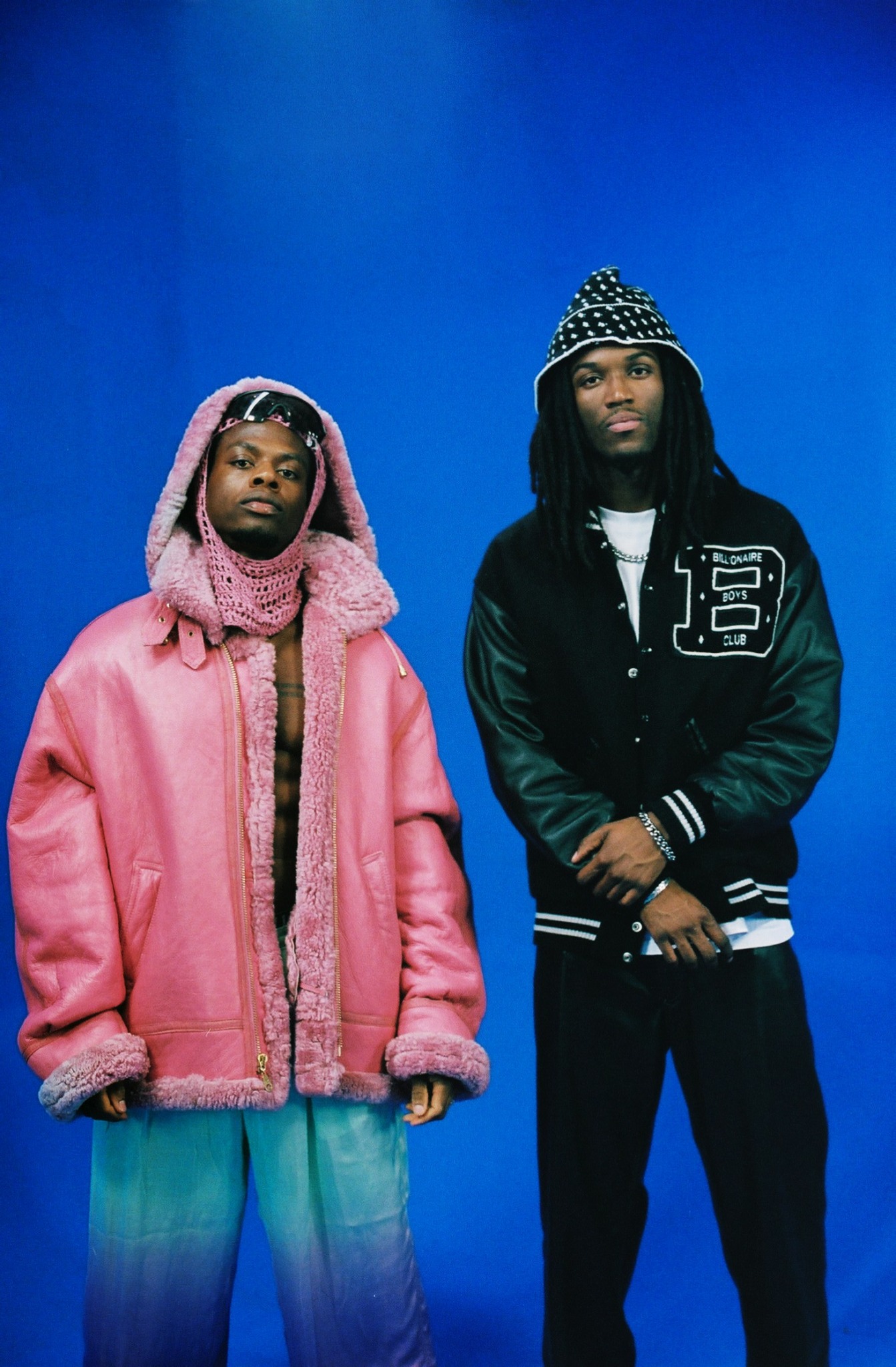
All images shot by Martin (@stayneutral) Nguyen
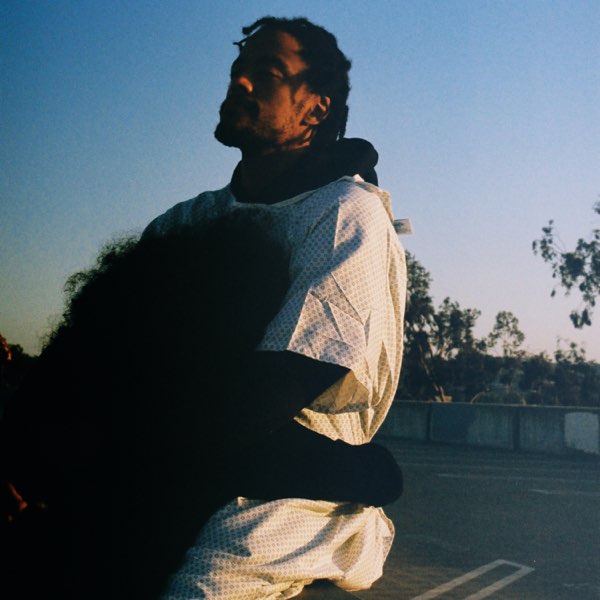
Last 2 images are music video stills from screens from “Glassface – Halls of Echo” and “tobi lou – Hold Me Close”