
We were lucky to catch up with Martasia Person recently and have shared our conversation below.
Hi Martasia, thanks for joining us today. How did you come up with the idea for your business?
Posterity was born from both lived experience and a defining moment that completely shifted how I thought about legacy, wealth, and what I wanted my daughter to inherit.
Many of my earliest experiences around money were tied more to survival than strategy. I understood bills, debt, and financial stress long before I understood ownership, assets, investing, or what it truly meant to build wealth. Like many people, especially in underserved communities, I saw firsthand how often we are taught how to navigate hardship, but not always how to strategically create long-term stability, ownership, and generational opportunity.
But the moment Posterity truly clicked came during one of the lowest seasons of my life.
At the time, I was living in public housing while raising my daughter. My apartment had become mice infested because of construction happening directly in front of the building. I remember feeling depressed, discouraged, and deeply aware of how easily systems can keep people in cycles that are difficult to break. In that moment, I looked at my daughter and made a decision and a promise that this is not going to be her life. That was the moment that changed everything.
It pushed me to start building more intentionally. Not just financially, but mentally, strategically, and generationally. I began thinking beyond immediate survival and started asking harder questions: How do I create something better? How do I make sure my daughter has access to tools, language, and knowledge earlier than I did? How do I help her understand wealth, ownership, and opportunity before life has to teach those lessons the hard way?
That became the beginning of Posterity.
Posterity is rooted in the belief that financial literacy and wealth-building should not feel intimidating, exclusive, or disconnected from everyday families. I saw a gap between traditional financial education and how people actually engage, learn, and talk within their homes and communities. Much of what existed felt overly technical, inaccessible, or lacked cultural relatability.
As a designer and product developer, I wanted to approach that challenge differently.
Instead of creating something that felt like another textbook or rigid educational resource, I wanted to create experiences that made wealth-building feel practical, approachable, and memorable. That led me to build Posterity as a family-centered ecosystem where financial principles can be introduced through play, storytelling, intentional design, and everyday conversation.
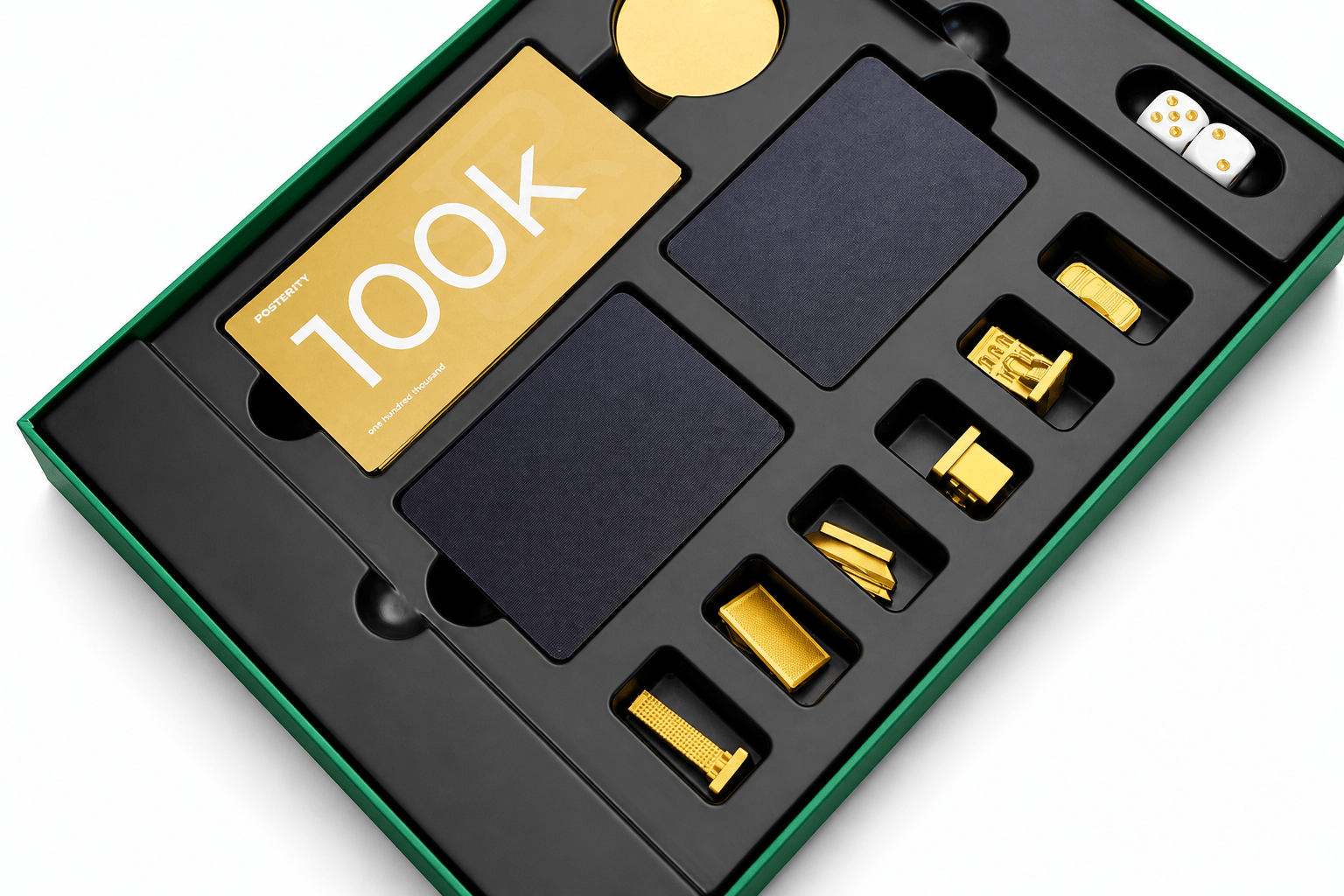
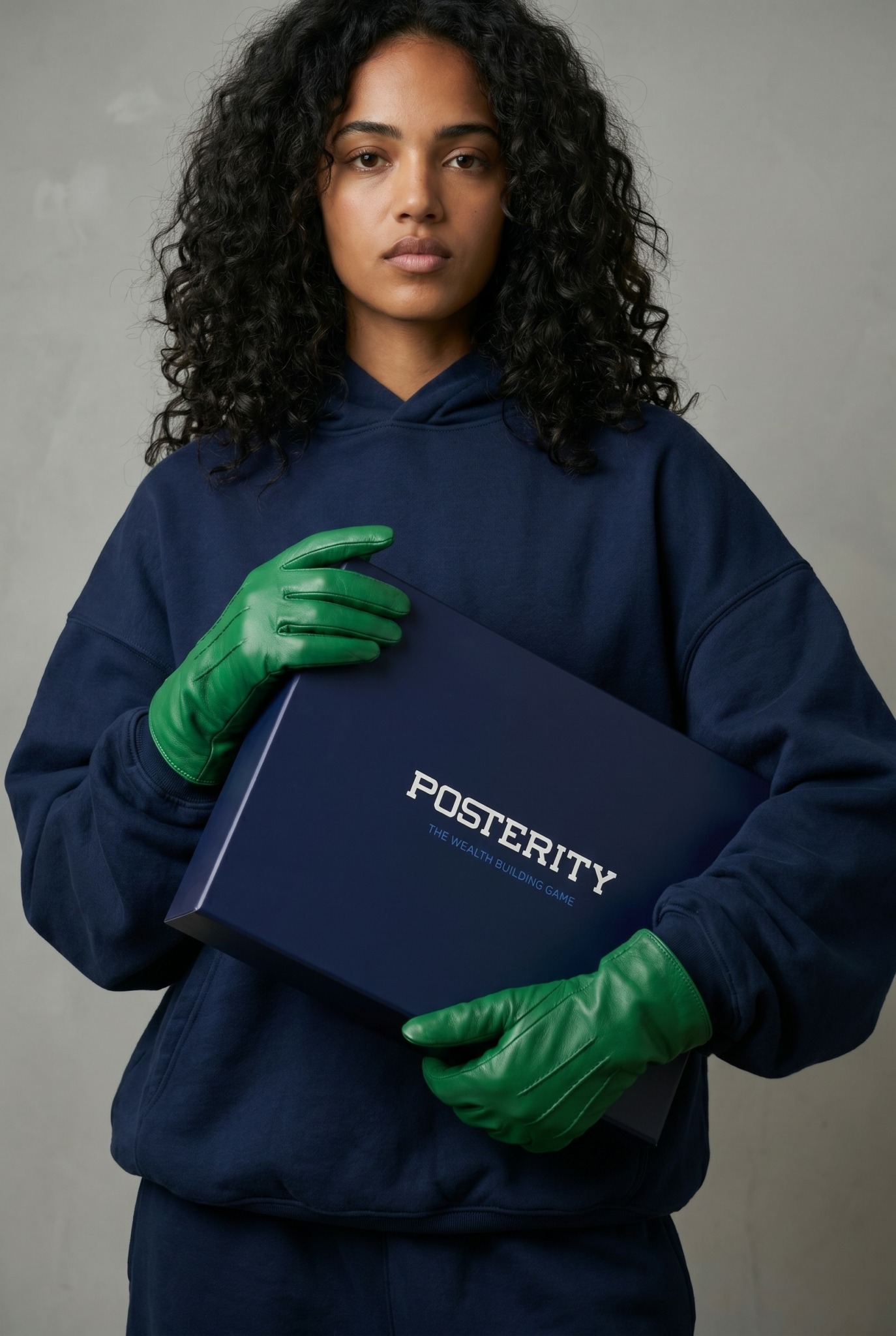
I launched with a board game and it became one of the first major expressions of that vision. Creating a space where families could sit around a table and talk about assets, liabilities, decision-making, ownership, and long term thinking in a way that felt engaging instead of overwhelming.
What excited me most was realizing this could be bigger than one product.
I saw an opportunity to create a lifestyle ecosystem built around wealth to help families build healthier money mindsets while making conversations around legacy feel normal, empowering, and culturally relevant.
From a logical standpoint, I believed it could work because the need was already there. Families are actively looking for ways to prepare their children differently. Parents want tools that feel practical, not preachy. Communities want access to knowledge that feels understandable and relevant to real life.
But emotionally, Posterity became personal.
It was my response to a moment where I refused to accept that cycles had to continue unchanged. I wanted to build something that could help families think differently, act earlier, and create stronger foundations so future generations are not simply reacting to systems, but equipped with tools to navigate, challenge, and rise beyond them.
At its heart, Posterity is about helping people inherit more than memories. It’s about helping them inherit knowledge, confidence, ownership, and possibility.
Great, appreciate you sharing that with us. Before we ask you to share more of your insights, can you take a moment to introduce yourself and how you got to where you are today to our readers.
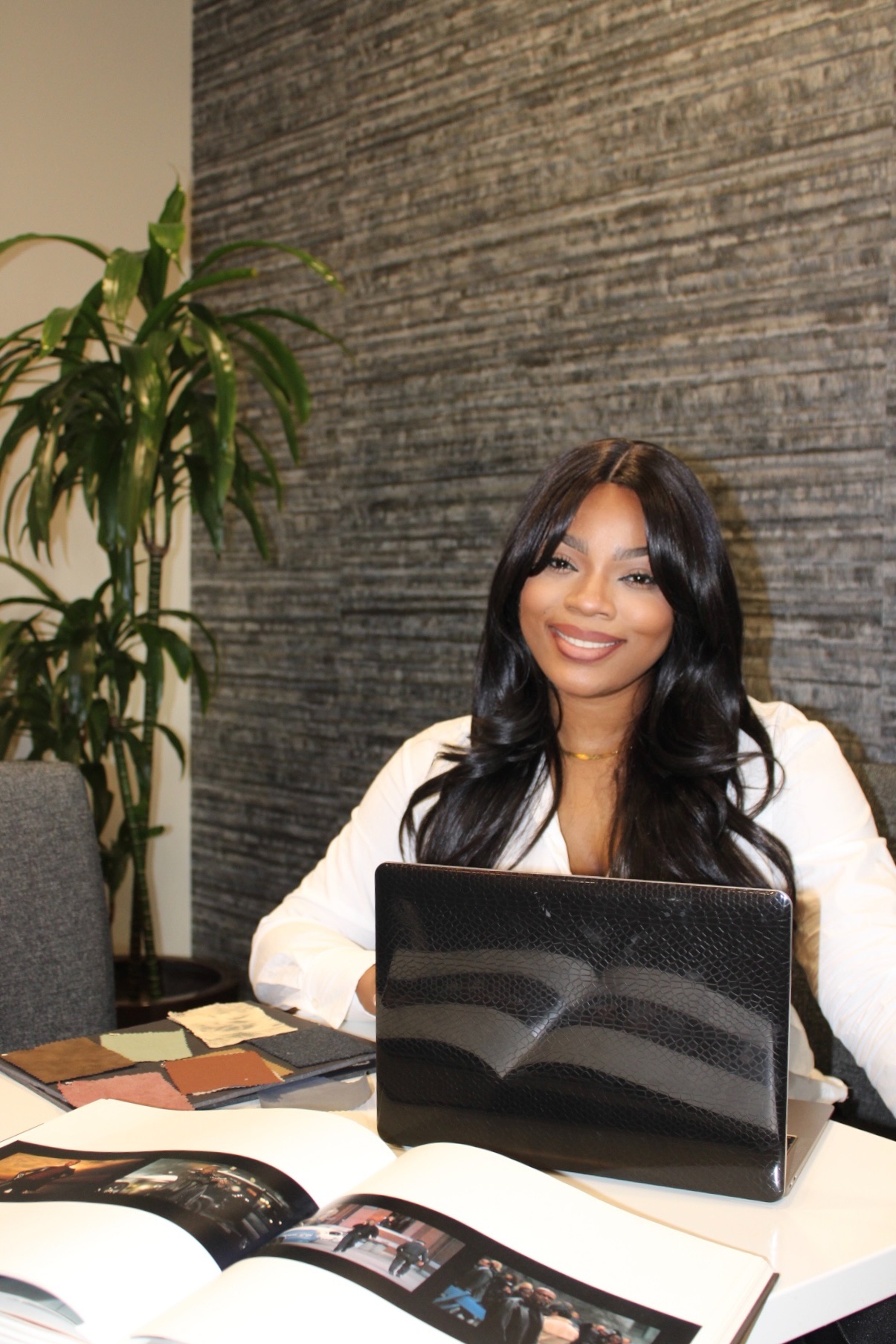
I’m Martasia Person, a designer, creative director, product developer, and founder of Posterity. My professional background began in design. I studied Merchandise Product Development at the Fashion Institute of Design and Merchandising and spent over a decade in the fashion industry. I developed a strong foundation in product development, storytelling, consumer behavior, and understanding how intentional design shapes both emotion and experience. Working across both large and small brands taught me how to think strategically. Balancing creativity, aesthetics, and functionality while solving problems through design. That mindset became one of the biggest influences on how I approach entrepreneurship today.
At my core, I’ve always been a builder. Over time, I realized I wanted to create products that carried deeper purpose, things that didn’t just look beautiful, but created long-term impact. That led me to build Posterity.
Posterity sits at the intersection of education, design, community, and legacy. It was created from lived experience and the realization that many families and underserved communities often do not lack ambition, but may lack access to financial language, practical tools, and early exposure to wealth-building principles in ways that feel understandable, relatable, and engaging.
What I believe sets my work apart is the combination of design, lived experience, and intentional storytelling.
I’m not simply creating educational products, I’m designing experiences. My background in product development allows me to think deeply about how people physically interact with a product, emotionally connect to it, and retain information through design, play, and storytelling. That perspective allows Posterity to feel thoughtful, premium, and engaging while still rooted in purpose.
One of the things I’m most proud of is building Posterity from a deeply personal vision and turning it into something that can serve a broader community. What began as a desire to create better tools and conversations for my own daughter has grown into a mission to help families build stronger foundations around wealth, confidence, ownership, and long-term thinking.
If there’s one thing I want people to know about me and my brand, it’s that Posterity is about more than financial literacy.
It’s about helping people think differently about what legacy can look like. It’s about making conversations around wealth feel less intimidating and more normal. It’s about creating tools that help families build intentionally and prepare earlier.
Okay – so how did you figure out the manufacturing part? Did you have prior experience?
Yes, I manufacture my own products, but my journey into manufacturing came from an experienced place because I already had a foundation in product development and design through my career in the fashion industry.
With over a decade of experience in design, I became very familiar with the production process from concept development and material selection to managing timelines, revisions, and understanding how cost impacts the overall business. I understood how to build products, but what made Posterity different was that I was no longer building within an established company ecosystem. I now had to build my own resources, relationships, and manufacturing network from the ground up.
The process started with global sourcing, research and vetting suppliers. I spent time narrowing down manufacturers based on communication, quality, capabilities, and whether they aligned with the level of detail and finish I wanted for Posterity. Because my products are rooted in both education and design, I knew quality, durability, and presentation would matter just as much as functionality.
What became especially important to me was building trust and long-term relationships not just finding the lowest-cost vendor.
To make a more informed decision, I personally took a trip overseas to meet my top manufacturing prospects in person. That experience was invaluable. I spent time reviewing materials, refining design details, walking through production expectations, and seeing firsthand how each factory operated. Meeting suppliers face-to-face allowed me to evaluate things I couldn’t fully understand through email alone, how they communicated, whether there were language or interpretation barriers, how detail-oriented they were, how they handled production management, and whether they truly understood the vision I wanted to bring to life.
Those conversations and factory visits played a major role in helping me determine who I wanted to build long-term business relationships with.
One of the biggest lessons I’ve learned about manufacturing is that product development is rarely linear.
The first sample is almost never perfect. Revisions are part of the process, so it’s critical to build both time and budget into development. Sampling taught me patience, attention to detail, and the importance of being clear and highly specific in communication.
Another major lesson has been understanding the full cost of goods before determining retail pricing. It’s easy to focus only on unit cost, but true costs include packaging, shipping, duties, revisions, freight, quality control, and additional operational fees. Understanding those numbers early is essential for building a healthy markup and a sustainable business.
I’ve also learned that the right manufacturer is more than a vendor they become a business partner. Quality communication, trust, consistency, and shared understanding can have just as much impact as pricing.
I’m still in the early stages of building Posterity, but manufacturing has reinforced something I already believed from my design background: great products are built through patience, refinement, and strong partnerships not rushing to production. That mindset has been one of the most valuable parts of this journey.

Any stories or insights that might help us understand how you’ve built such a strong reputation?
I believe one of the biggest things that has helped me build trust and reputation within my market is authenticity.
From the beginning, I’ve never positioned Posterity as a brand built around giving financial advice or pretending to have all the answers. Instead, I’ve built it from a place of lived experience, curiosity, and intentional learning. I show up as a mother, builder, and entrepreneur who is actively doing the work, learning, applying, growing, and sharing what I’ve discovered in the most authentic way I know how.
That honesty has allowed people to connect with Posterity in a more human way.
My personal story has also played a major role. Much of this brand was built from my own experiences navigating hardship, learning financial principles later in life, and realizing how important it is to create better tools and earlier conversations for future generations. Because that mission is deeply personal, people can feel that this work comes from purpose, not performance.
Another factor has been my design background.
With over a decade in design and product development, I naturally approach this space differently. I think deeply about how people interact with products, how storytelling shapes connection, and how intentional design can make learning feel more approachable and engaging. That has allowed Posterity to stand out by creating experiences that feel thoughtful, premium, and emotionally connected, not just educational.
I also believe trust comes from how I position the brand.
Rather than speaking at people, I aim to build with them. Posterity is not about telling people what they should do financially it’s about creating tools, conversations, and experiences that encourage people to think differently, learn earlier, and build more intentionally.
If there’s one thing that has helped shape my reputation, it’s that people see authenticity in both me and the brand. I’m not building from theory alone I’m building from lived experience, intentional design, and a genuine desire to share what I’m learning in ways that feel relatable, practical, and real. That has helped Posterity connect with people in a way that feels rooted in trust.
Contact Info:
- Website: https://www.shopposterity.com
- Instagram: https://www.instagram.com/shopposterity/