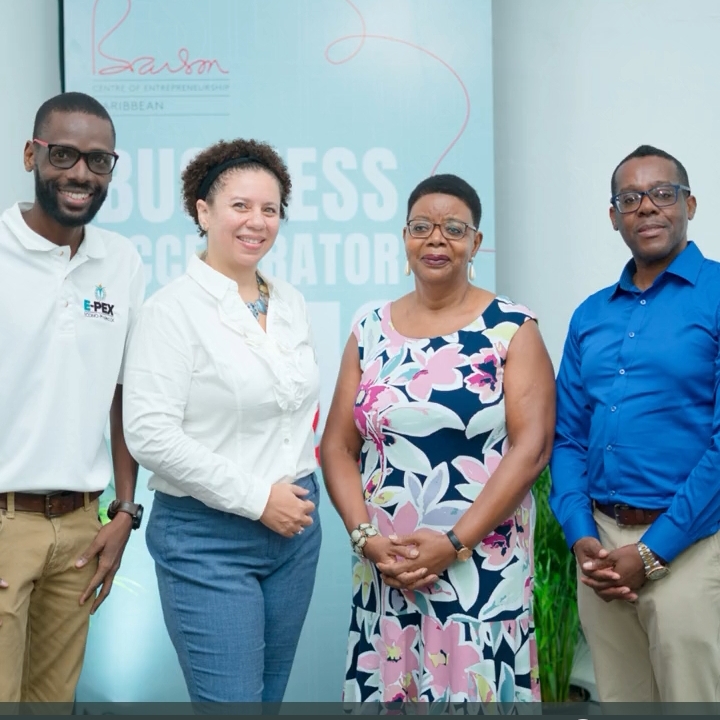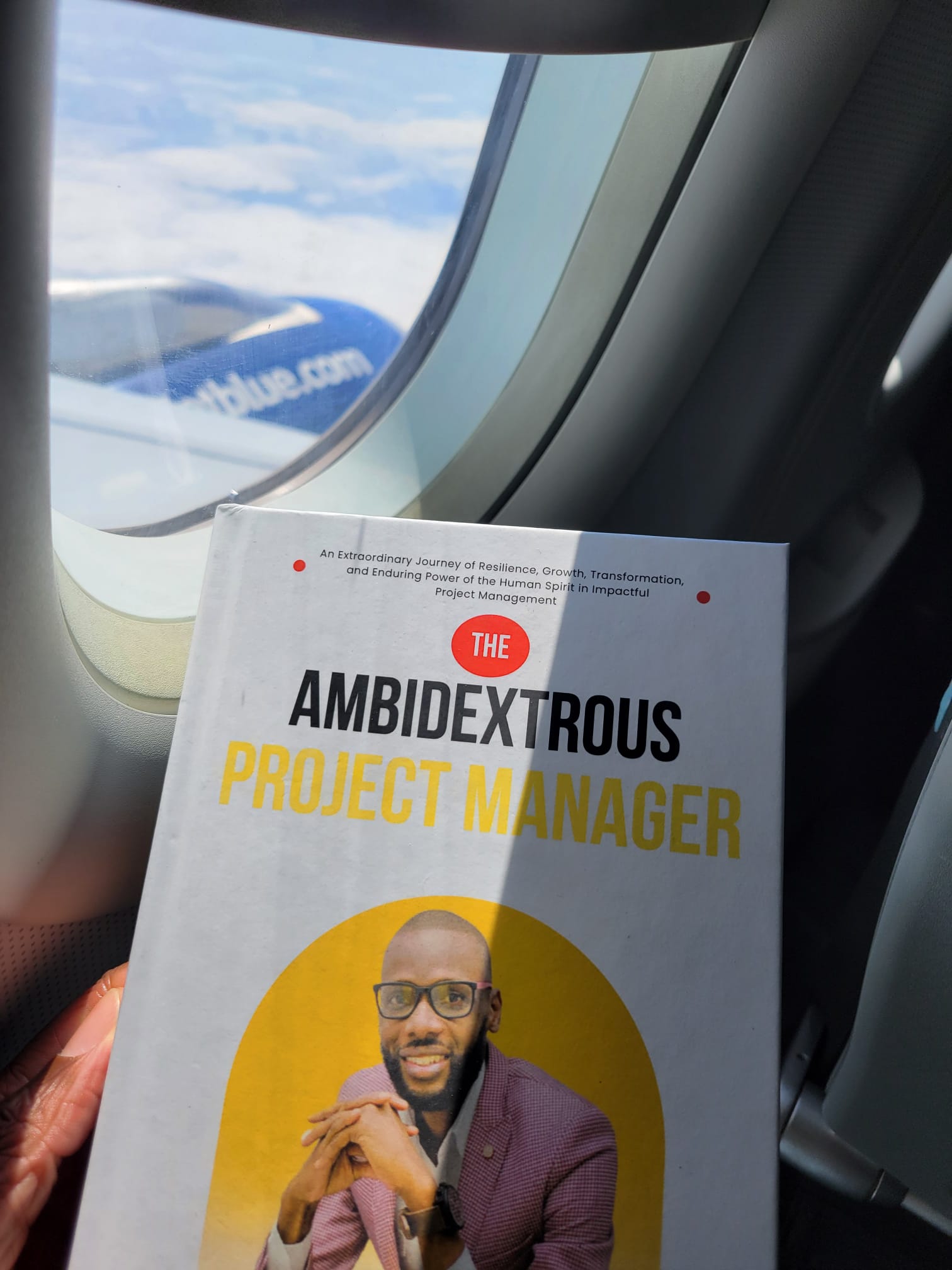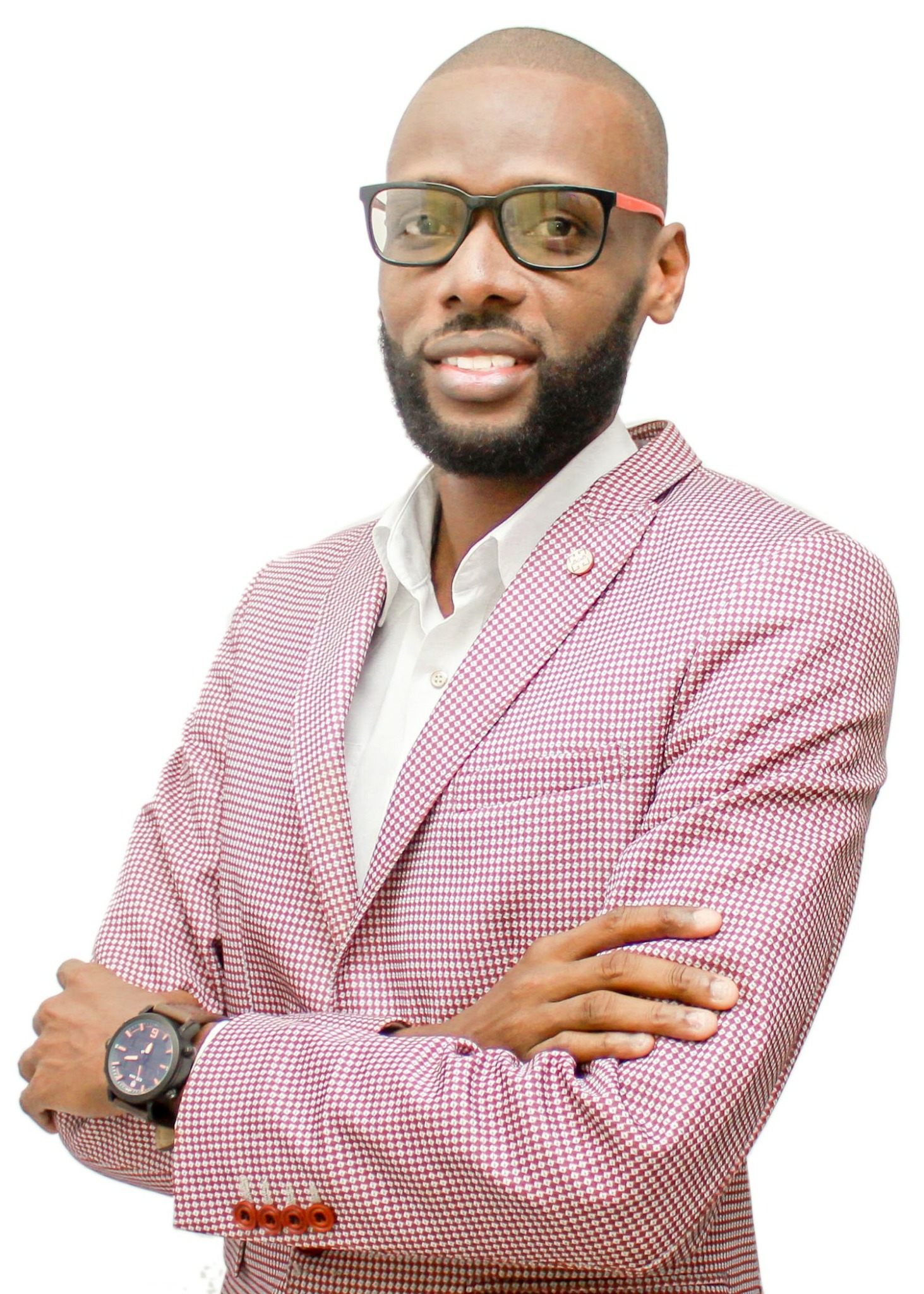

Alright – so today we’ve got the honor of introducing you to Mark Burnett. We think you’ll enjoy our conversation, we’ve shared it below.
Hi Mark, thanks for joining us today. What was it like going from idea to execution? Can you share some of the backstory and some of the major steps or milestones?
For me, the journey from idea to execution wasn’t a clean, linear path—it was forged in uncertainty, resilience, and a deep desire to solve real problems.
The idea behind The Ambidextrous Project Manager (TAPM™) didn’t start as a business plan—it started as a lived experience.
There was a moment in my life when everything slowed down. I was navigating one of the most challenging periods I’ve ever faced—physically, mentally, and professionally. During that time, I began reflecting deeply on how we approach projects, leadership, and life itself. I realized that many of the traditional approaches we rely on simply weren’t designed for the kind of complexity, uncertainty, and human realities we face every day.
That was the spark.
The very next phase wasn’t about building a company—it was about making sense of that insight.
I started writing. A lot.
I captured lessons, frameworks, and reflections based on real-world experiences—projects that worked, projects that failed, and moments where adaptability made the difference. That’s where the foundation of **Ambidextrous Thinking™** began to take shape—the ability to balance structure with flexibility, logic with creativity, and planning with execution.
Then came the shift from thinking to doing.
Instead of waiting for everything to be perfect, I began sharing—first through conversations, then through content, then through small engagements. No big launch. No grand announcement. Just consistent, intentional action.
I tested ideas in real environments:
* Supporting professionals navigating complex delivery challenges
* Advising teams on project strategy and transformation
* Creating simple tools and insights that people could actually use
At that stage, I had to figure out everything—from positioning and messaging to how to communicate value clearly. I explored questions like:
* Who exactly am I serving?
* What problems am I truly solving?
* How do I make complex ideas simple and actionable?
Month by month, things started to evolve.
What began as insights turned into structured offerings—consulting, training, advisory, and eventually a growing platform that supports individuals, teams, and organizations.
There were moments of doubt. Moments where nothing seemed to move. But I stayed anchored in one principle: solve real problems, for real people, in a real way.
That’s what moved things forward.
Execution, for me, wasn’t about a single big leap—it was about consistent, imperfect action, learning in real time, and adapting along the way.
Today, **The Ambidextrous Project Manager** stands as more than a business—it’s a movement built on resilience, adaptability, and the belief that we can lead and deliver differently, even in the most complex environments.
And if I had to summarize the journey from idea to execution in one line, it would be this:
**Start before you’re ready, stay grounded in purpose, and build as you grow.**
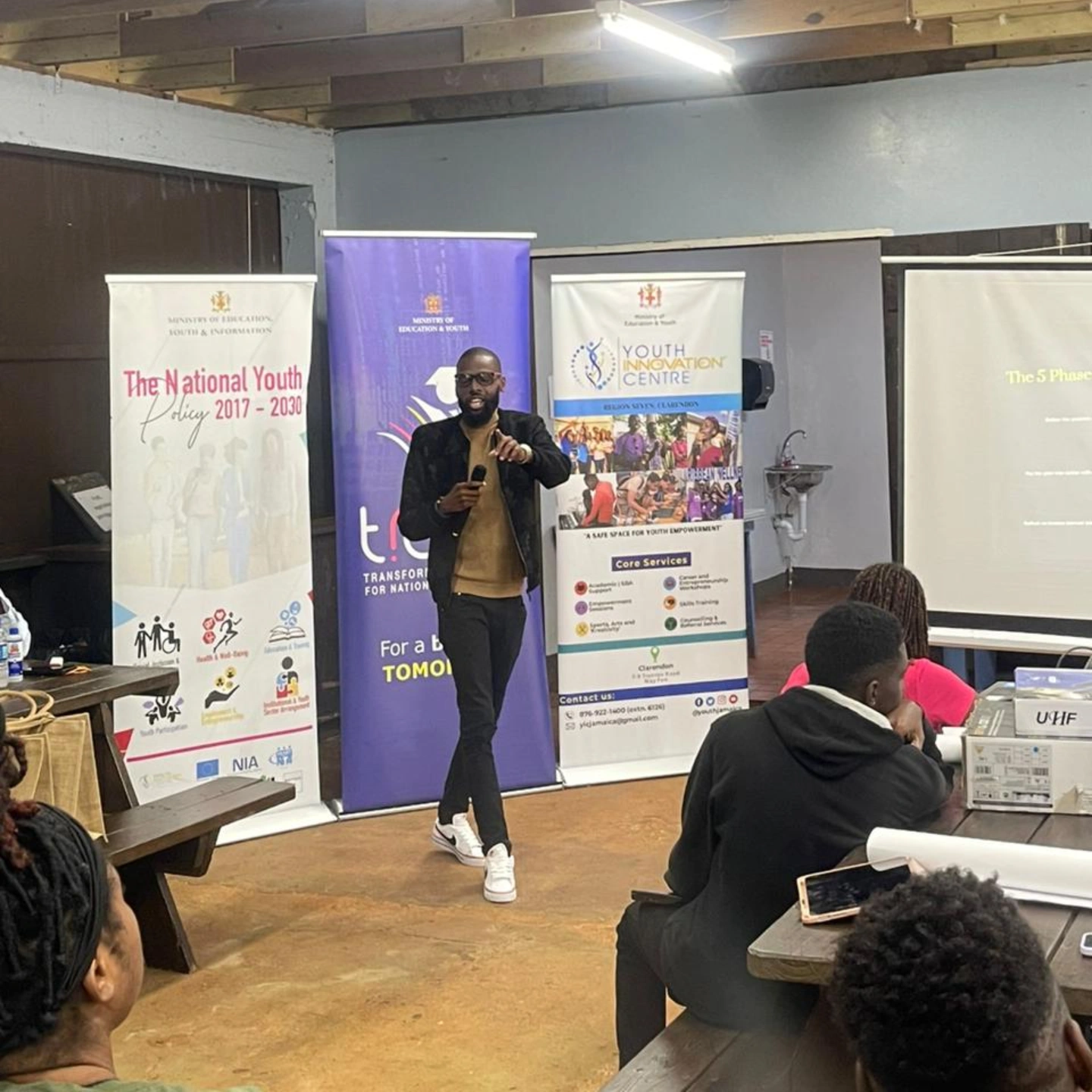
Awesome – so before we get into the rest of our questions, can you briefly introduce yourself to our readers.
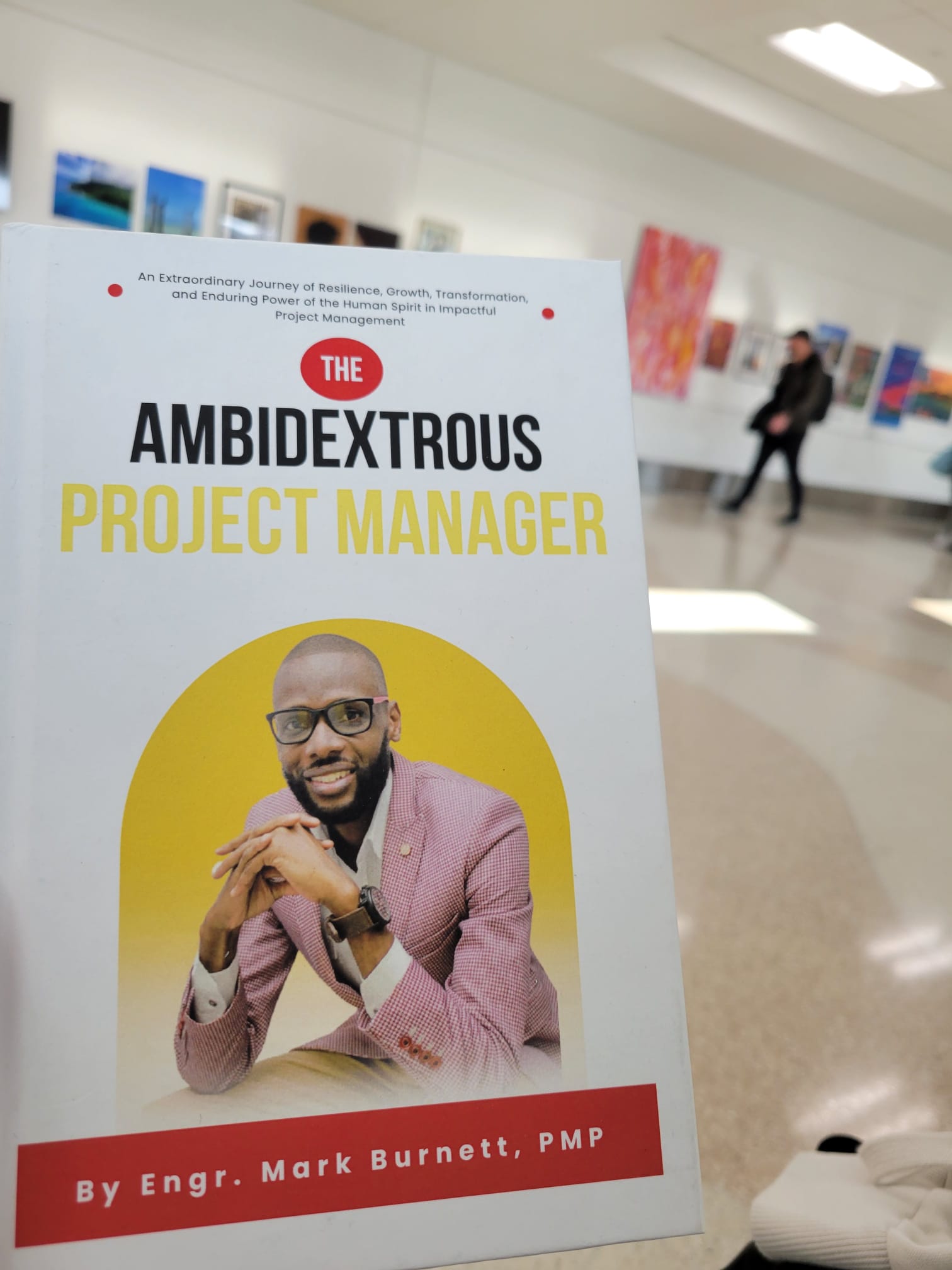
I’m Mark Burnett, a Strategic Transformation Advisor and the Founder of **The Ambidextrous Project Manager (TAPM™)**—a platform and movement dedicated to helping people and organisations navigate complexity with clarity, resilience, and impact.
My journey into this space didn’t follow a traditional path.
I started as an engineer, working in environments where precision, structure, and execution were everything. Over time, I moved deeper into project management, digital transformation, and large-scale delivery across industries like telecommunications, IT, and renewable energy—working with global teams and complex systems.
But the real shift happened through lived experience.
At one point, I faced a life-altering challenge that forced me to slow down and rethink everything—not just how I work, but how I lead, adapt, and respond to uncertainty. That experience reshaped my perspective. It made me realize that success in today’s world isn’t just about following processes—it’s about being able to adapt, think differently, and lead through ambiguity.
That’s where the concept of **Ambidextrous Thinking™** was born.
Through **The Ambidextrous Project Manager**, I now work with business leaders, project professionals, engineers, and technology teams to build their **capacity and capability for complex delivery**.
In practical terms, that means I help individuals and organisations:
* Navigate digital and business transformation initiatives
* Strengthen project and program delivery performance
* Build and optimise the centre of excellence or value management offices that actually deliver value
* Develop adaptive leadership and resilient teams
* Turn complexity into clarity through structured yet flexible approaches
I also provide consulting, advisory, certified training, mentorship, and strategic guidance, alongside creative services like business storytelling and infographic design to help people and organisations communicate complex ideas in simple, impactful ways.
The problems I solve are real and often felt but not always clearly articulated:
* Projects that are stuck, misaligned, or underperforming
* Teams overwhelmed by complexity and constant change
* Leaders who need to make decisions without complete information
* Organisations trying to transform but struggling to execute
What sets my work apart is the balance.
I don’t believe in choosing between traditional and agile, structure and flexibility, strategy and execution—I believe in integrating them. That’s the essence of Ambidextrous Thinking™: the ability to operate effectively in both worlds at the same time.
It’s not just theory—I’ve lived it, tested it, and applied it in real environments with real stakes.
What I’m most proud of isn’t just the business—it’s the **impact**.
It’s seeing individuals grow in confidence and capability.
It’s watching teams shift from chaos to clarity.
It’s helping organisations deliver results they once thought were out of reach.
And beyond that, it’s being able to represent and empower talent from the Caribbean—showing that world-class leadership, innovation, and transformation can come from anywhere.
If there’s one thing I want people to know about me and my work, it’s this:
I’m not here to sell a framework—I’m here to **solve problems, build people, and create lasting impact**.
Because at the end of the day, projects are delivered by people—and when you empower the people, you transform everything.
Do you have any insights you can share related to maintaining high team morale?
Managing a team—especially in today’s complex, fast-moving environments—is less about control and more about creating the conditions for people to thrive.
Through my work with The Ambidextrous Project Manager (TAPM™), one of the biggest lessons I’ve learned is this:
Morale is not maintained through perks—it’s sustained through purpose, clarity, and trust.
First, anchor the team in purpose.
People perform at their best when they understand why their work matters. Not just the task, but the impact. When individuals can connect their contribution to a bigger outcome, motivation becomes intrinsic—not forced.
Second, create clarity in the midst of complexity.
A lot of low morale comes from confusion, misalignment, and constantly shifting expectations. As a leader, your role is to bring structure where needed—but also flexibility where required. This is where Ambidextrous Thinking™ becomes critical: balancing clear direction with the ability to adapt as reality changes.
Third, build psychological safety and trust.
Teams need to feel safe to speak up, challenge ideas, and even fail without fear. Some of the most effective teams I’ve worked with weren’t the ones that avoided mistakes—they were the ones that learned fast and supported each other through those moments.
Fourth, recognise progress, not just outcomes.
In complex delivery environments, wins aren’t always immediate. Acknowledging effort, learning, and incremental progress helps sustain energy and momentum over time.
And finally, lead with empathy, but act with intention.
People are navigating real-life challenges outside of work. Understanding that the human side matters. But empathy without structure can create drift—so it’s about balancing care with accountability.
At its core, managing a team isn’t about pushing people harder—it’s about aligning people better, supporting them consistently, and creating an environment where they can do their best work—even under pressure.
Are there any books, videos, essays or other resources that have significantly impacted your management and entrepreneurial thinking and philosophy?
My thinking has been shaped by a blend of formal knowledge, real-world experience, and the content I’ve created and shared through The Ambidextrous Project Manager (TAPM™).
To be honest, some of the most impactful “resources” haven’t just been books—they’ve been lived experiences, complex projects, failures, recoveries, and the lessons that came from navigating uncertainty in real time.
That said, there are a few key influences and categories that have shaped how I think:
1. My Own Work and Reflections (TAPM™)
Through my articles, videos, and frameworks—especially around Ambidextrous Thinking™, project delivery, and resilience—I’ve developed a philosophy grounded in practice. Writing and teaching have forced me to clarify what actually works versus what simply sounds good in theory.
2. Project Management & Delivery Frameworks
Traditional and agile methodologies have both played a role in shaping my perspective. But rather than subscribing strictly to one approach, I’ve learned to integrate and adapt them based on context—something I actively teach through TAPM™.
3. Leadership & Human-Centred Thinking
Content around leadership, emotional intelligence, and team dynamics has reinforced a critical truth:
Projects don’t fail because of tools—they fail because of misalignment, communication breakdowns, and human factors.
4. Real-World Case Studies & Transformation Work
Working across industries—telecommunications, IT, energy—has exposed me to diverse challenges. These experiences have been some of the most valuable “learning resources,” shaping how I approach strategy, execution, and change.
If I had to summarise the biggest influence on my philosophy, it would be this:
The realisation that no single framework has all the answers.
That’s why I focus on building thinking capability, not just process adherence.
Through The Ambidextrous Project Manager, my goal is to help people move beyond rigid methodologies and develop the ability to think, adapt, and deliver effectively—no matter the environment.
Because in the real world, success doesn’t come from following a playbook perfectly—it comes from knowing when to follow it, when to adjust it, and when to create something entirely new.
Contact Info:
- Website: https://ambidextrouspm.com/
- Linkedin: https://www.linkedin.com/in/mrkburnett/
- Other: https://www.uwiglobalalumnihub.com/mark-burnett-launches-book-the-ambidextrous-project-manager
https://www.buzzsprout.com/2070905/episodes/18763500
https://thedigitalprojectmanager.com/stream/defying-the-odds-with-project-management-how-i-avoided-an-arm-amputation/
https://thedigitalprojectmanager.com/podcast/project-management-taught-in-school-mark-burnett/
https://www.buzzsprout.com/2321621/episodes/15231456
https://instituteprojectmanagement.com/us/blog/leading-and-delivering-projects-big-or-small/