
We’re excited to introduce you to the always interesting and insightful Mariska Breland. We hope you’ll enjoy our conversation with Mariska below.
Mariska, thanks for joining us, excited to have you contributing your stories and insights. Let’s start with a story that highlights an important way in which your brand diverges from the industry standard.
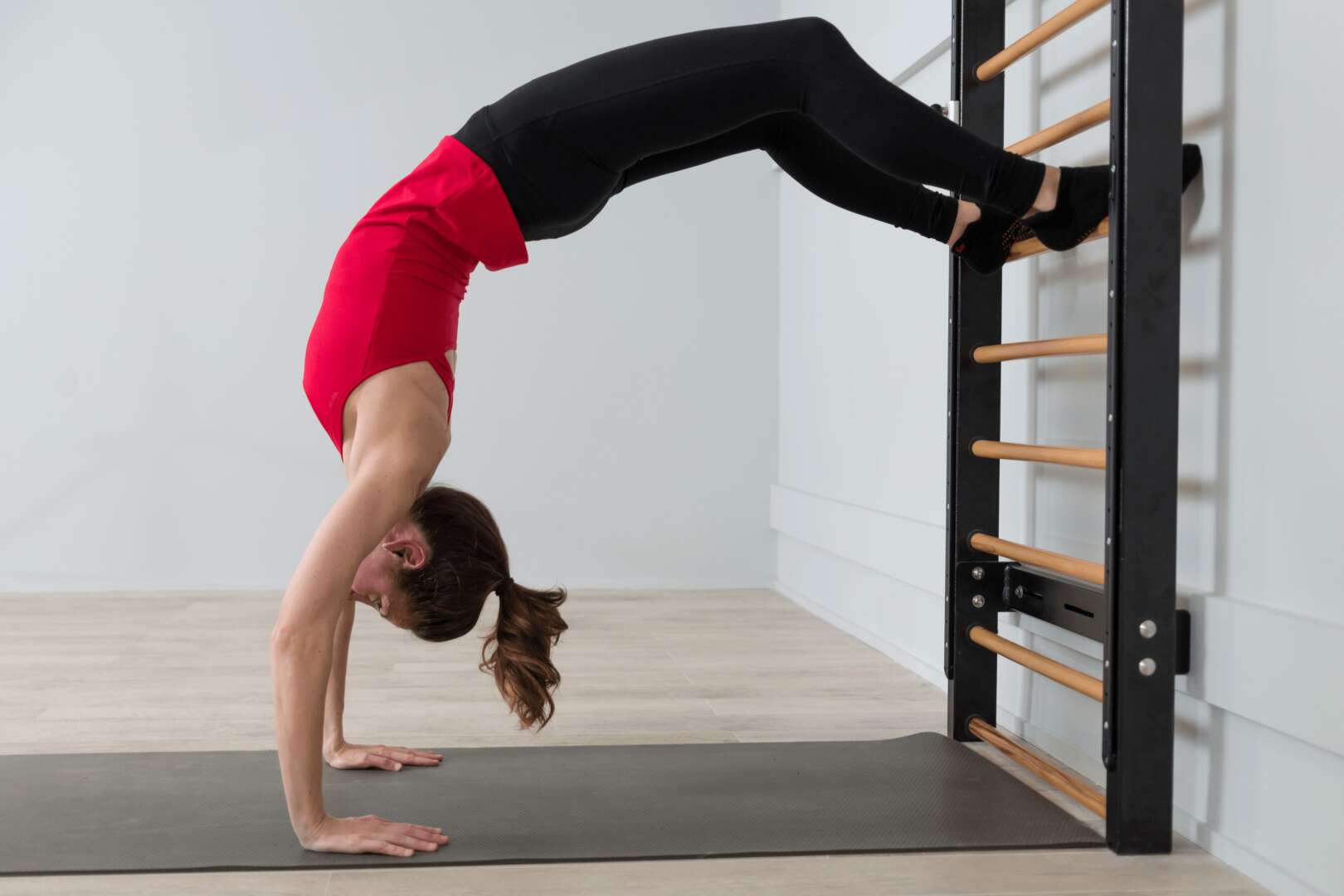
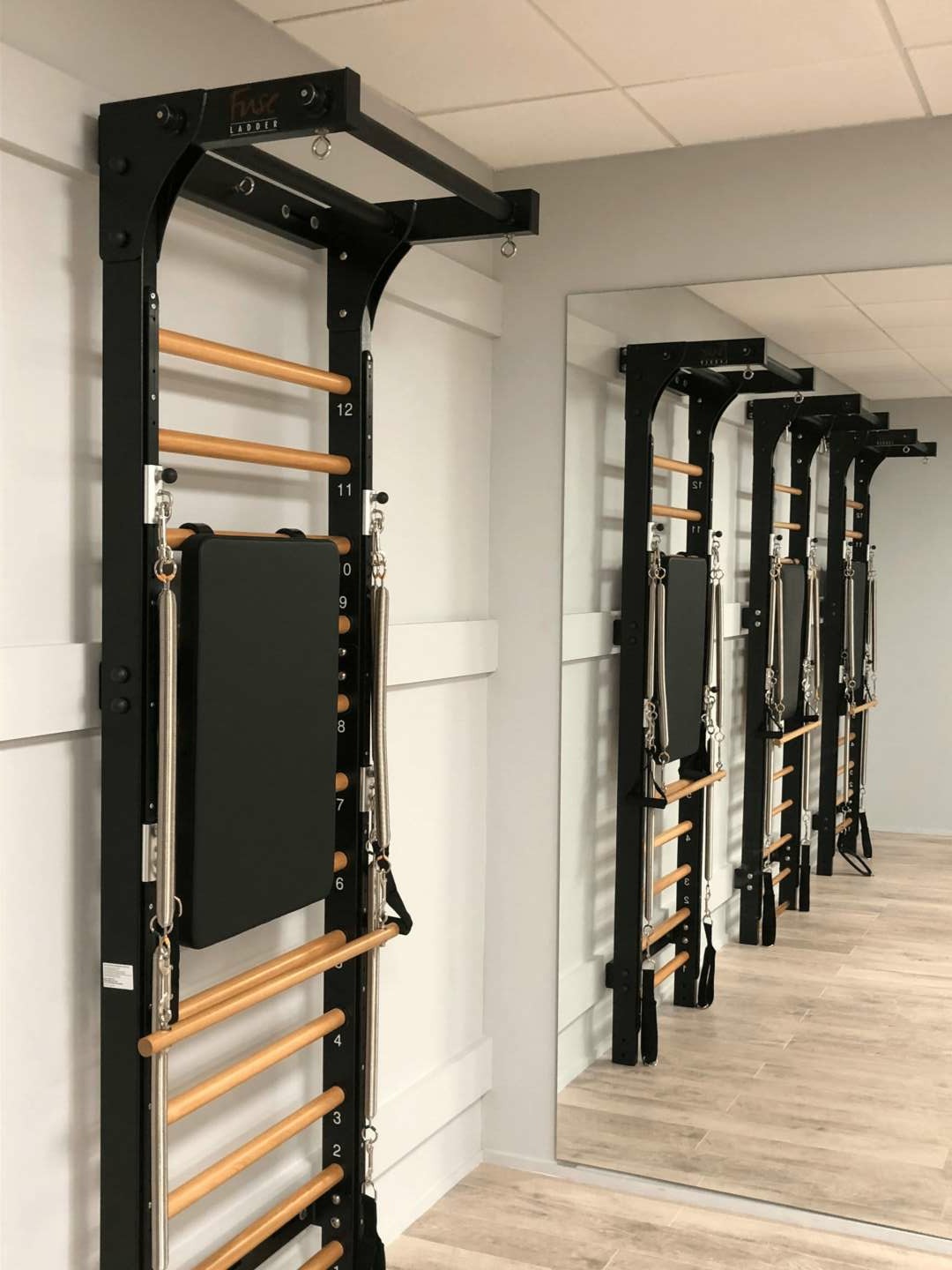
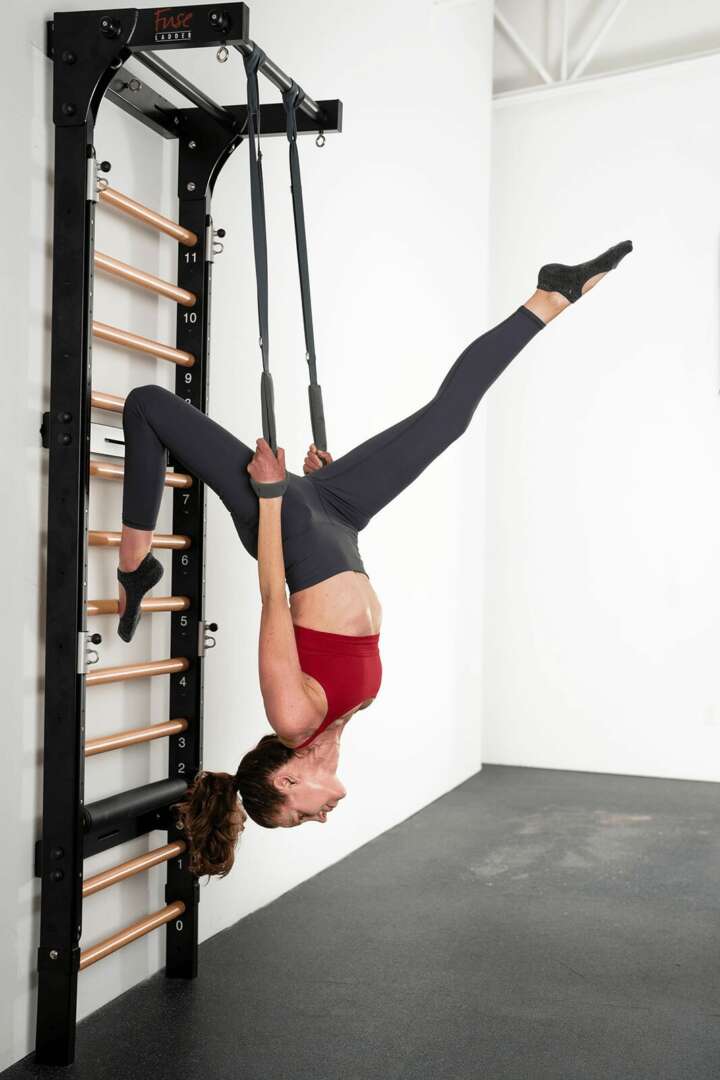
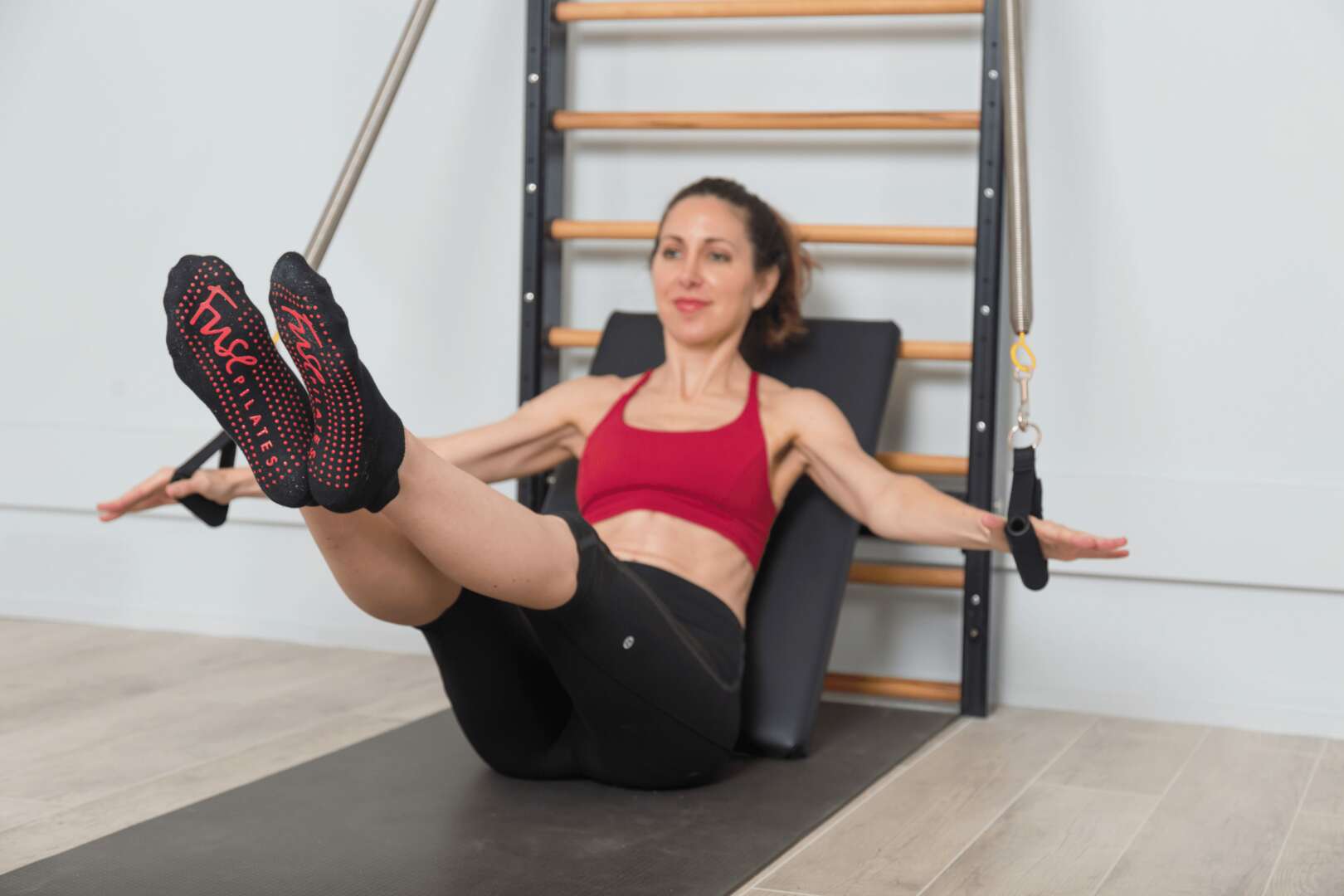
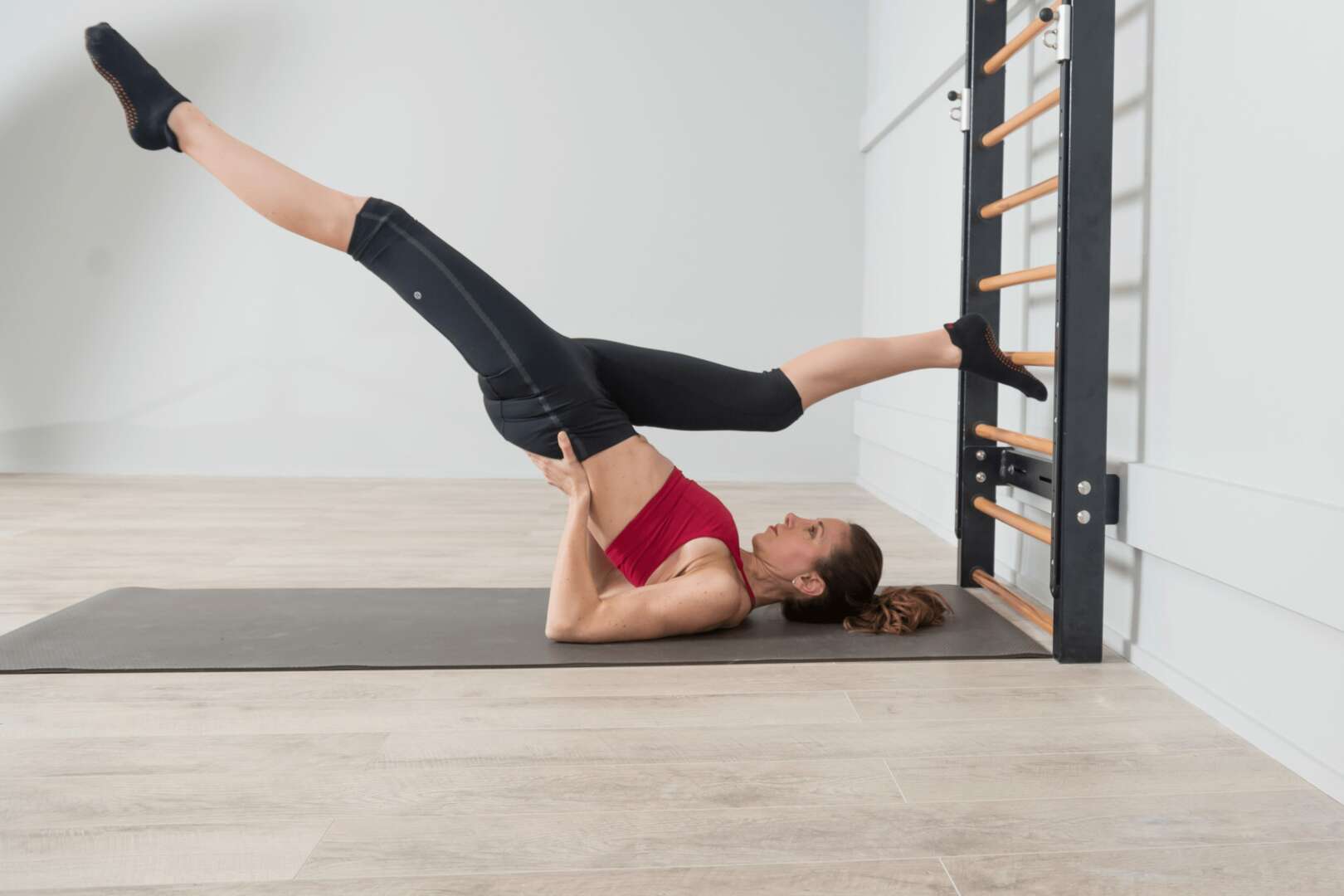
When I came up with the idea for Fuse Ladder, my main thought was how can we include more standing work in group Pilates classes for all levels? In traditional Pilates, most exercises are done supine or seated. In fact, standing exercises are mostly “the advanced repertoire.” I work with a lot of people with neurological conditions or different issues where working on standing and walking is really important. So I wanted something that could work on balance and mobility and walking as well as climbing and hanging and other things that were missing from traditional pilates.
Awesome – so before we get into the rest of our questions, can you briefly introduce yourself to our readers.
I taught my first Pilates class in 2003, and I got into pilates after being diagnosed with multiple sclerosis in 2002. My journey was more in the athletic types of Pilates until around 2010 when I opened my studio. I did my studio on a more athletic type of Pilates that I would call more Pilates Inspired then Traditional Pilates. I did then start seeing some private clients who like me had issues based on neurological conditions in 2013 I taught the first Pilates for MS course and in 2014 I joined forces with Meghann Koppele Duffey to start the Neuro studio, which is my other company That focuses on teacher training for teachers and physical therapist who are working with people with neurological conditions, and we also offer subscriptions for people living with neurological conditions.
As part of my studio, I wanted a piece of equipment that was different than what other studios were offering. I wanted to appeal to men, offer something that was more athletic, and have a better way to work with people with different levels of challenges or disabilities. That’s where Fuse ladder came from initially.
Other studios quickly approached us about having it at their studio, so we started to produce it with an equipment company out of England, and developed training for it as well as made adaptations for it overtime .
We’d really appreciate if you could talk to us about how you figured out the manufacturing process.
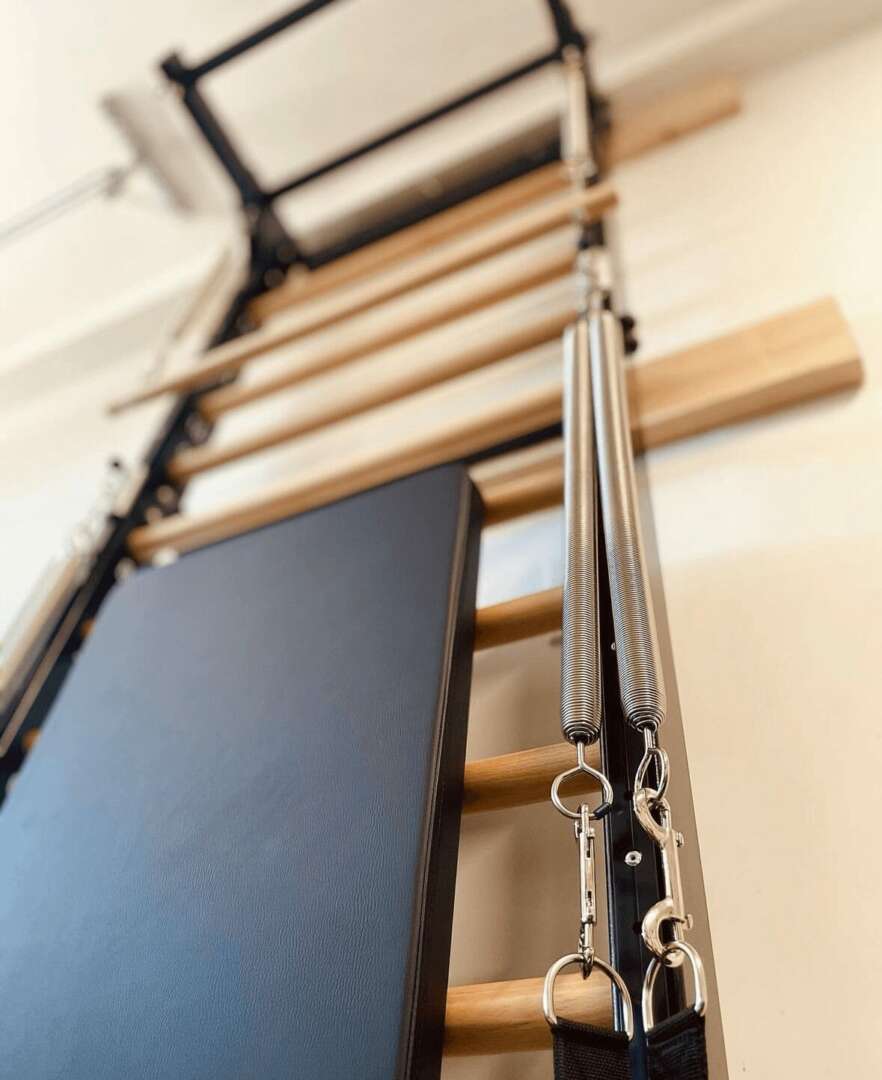
Our first Fuse ladders (for the Pilates studio I co-owned at the time) were homemade by multiple different craftsmen. We had one person make the main part of the ladders who was a woodworker. We had the backboard made by a furniture maker. We bought the springs from a Pilates company and the details like the numbers on the side came from Amazon. The top bar was added later and made by a metal worker. . Obviously this wasn’t something that we could scale.
When we knew that we wanted to actually manufacture the Fuse ladder, we knew we needed to have a partner that had experience in making equipment. First, I approached a high up at the biggest Pilates company in the world. He liked it, but the president of the company didn’t think there was a good market for it and also didn’t think I could get it patented (I did get it patented).
I had met another equipment manufacturer on a teaching trip in Brighton, England who owned a Pilates equipment company. When I asked him if he would make a prototype and if he could manufacture it, he said yes.
I do not know if I would’ve been able to navigate the entire process of making a product in another country, as well as distribution worldwide. So working with a company that was already making Pilates equipment was definitely the right choice for our business.
I would say the main thing that I have learned about manufacturing equipment is that you probably don’t want to be manufacturing equipment. It’s not an easy business to be in, it can be very expensive, and I don’t think there’s a lot of people who are overnight successes. I think my strengths are more in teaching and coming up with cool exercises for equipment. That said, I am really proud that I came up with a product that I think is amazing and that’s being used in studios and in physical therapy.
Can you tell us the story behind how you met your business partner?
My business partner is the same person who I originally partnered with on Pilates studios starting in 2009. Roxanna Hakimi was re-entering the workforce after having her children, and she had always liked fitness. Her friend was a regular student of mine, and she told her to take my Fuse Pilates class, which I was then teaching at a yoga studio.
Roxanna asked if I would be interested in opening a studio, which honestly wasn’t something I was thinking about.
We work very well together because I am the teacher, and she handles more of the business side of things, so we don’t end up doing the same things and stepping on each other‘s toes. When we decided to come up with a new apparatus for our studios, I handled basic ideation and class design, and she dealt with the contractors to make it. Now she handles sales and distribution, and I handle more marketing. We sold the studios to focus on Fuse Ladder, and I also have another business the Neuro Studio, which also takes up my time. I couldn’t do Fuse Ladder without her.
Contact Info:
- Website: https://Fuseladder.com
- Instagram: @fuseladder
- Facebook: https://Facebook.com/fuseladder
- Youtube: https://YouTube.com/@fuseladder