

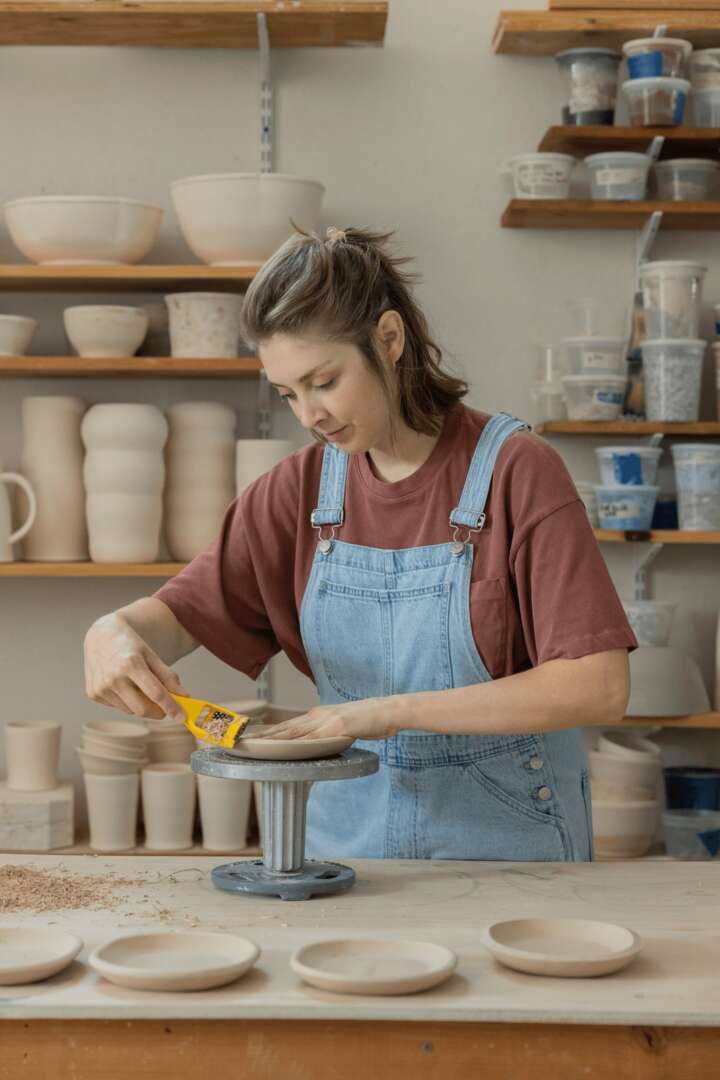

We recently connected with Mariah Addis and have shared our conversation below.
Mariah , thanks for taking the time to share your stories with us today What’s the backstory behind how you came up with the idea for your business?
I founded Addis Ceramics in April 2020, crazy right? I was fresh out of college when the pandemic shut down my plans for travel, shows, and artist residencies. I was back in my hometown of Tulsa, Oklahoma without a plan, and a job. So I decided to do what I dedicated the last 10 years of my life learning to do. Make pottery.
I began working out of the public studio where I had taken my first pottery class eight years earlier. The studio was closed due to COVID, but the generous owner, C.J. Wells, allowed me to use the space as my own. Being back in a studio and making again improved my mental health immensely. I began selling my work through local galleries and businesses. Tulsans were excited and hungry for the pieces I was making. I was just having fun at the time, making a mishmash of styles and forms, experimenting, and goofing around. Through that energy, I unknowingly began down the path of what would become my career.
Later that year, one of my closest friends, a food photographer, mentioned that a restaurant she had recently worked with was on the hunt for local handmade dishes to serve their guests. She connected me with the restaurant’s owner, and I reached out. They placed an order for 150 dishes. It was a thrilling opportunity! I don’t know if you’ve ever had to make 150 of something, but it is HARD – especially on the body.
After the first 50 I knew I needed to automate some of the process. I built the tools and equipment that allowed me to make uniform vessels in a quick and efficient way. Before I knew it, people started ordering my dishes for their home, more restaurants started ordering dishes, we moved into a studio of our own, and I had built a business. I’ve been following that energy ever since!
Great, appreciate you sharing that with us. Before we ask you to share more of your insights, can you take a moment to introduce yourself and how you got to where you are today to our readers.
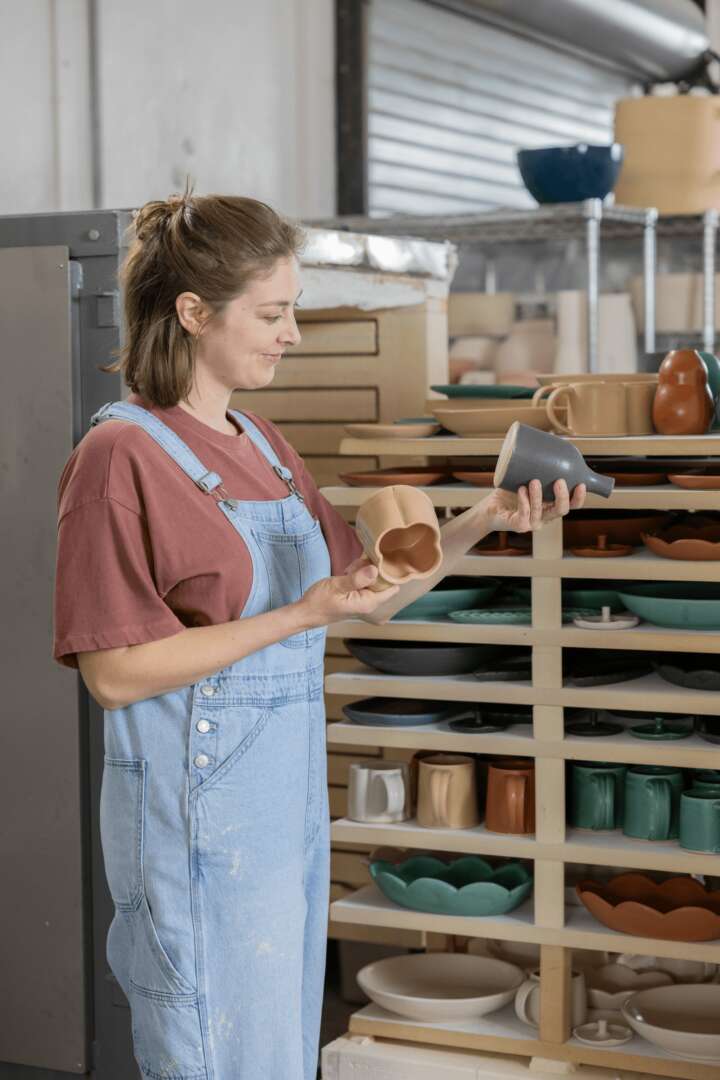
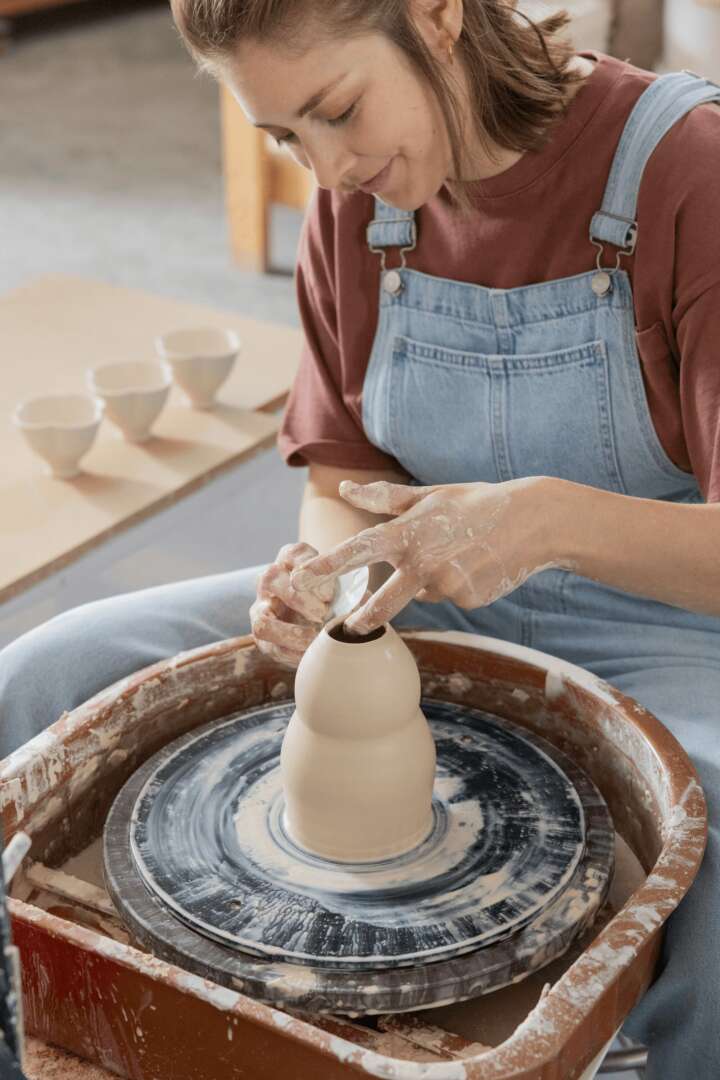
I have worked with clay for 15 years. My craft has taken me all over the world from New York to China. I studied pottery in Yantai, China and Seoul South Korea for a year, participated in a two-month artist residency in Shigaraki Japan, and toured private and industrial pottery studios all over Columbia. I received my Bachelors in Ceramic Art in 2019 from the New York State College of Ceramic Art at Alfred University and have been working as a studio pottery in my hometown of Tulsa, Oklahoma since 2020.
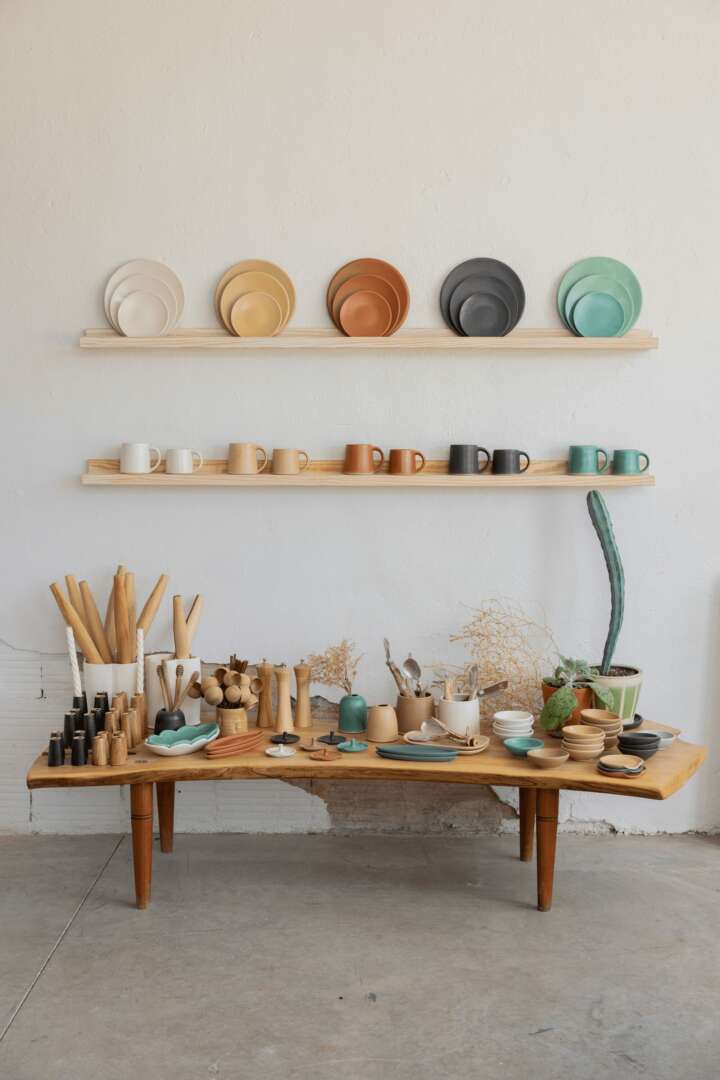
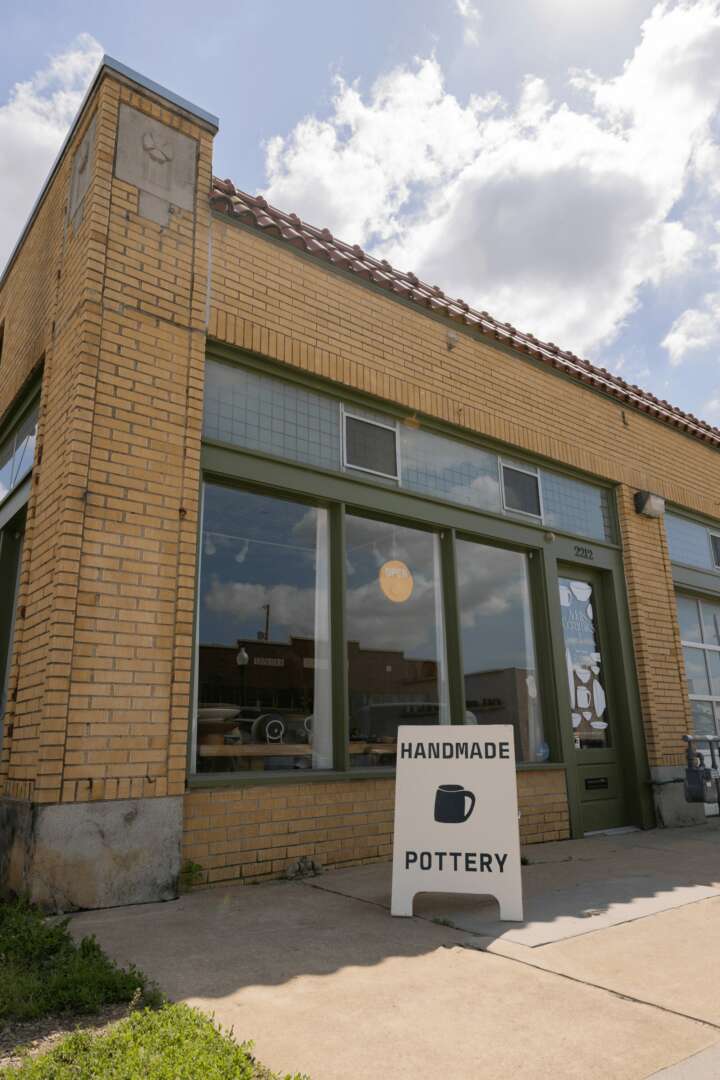
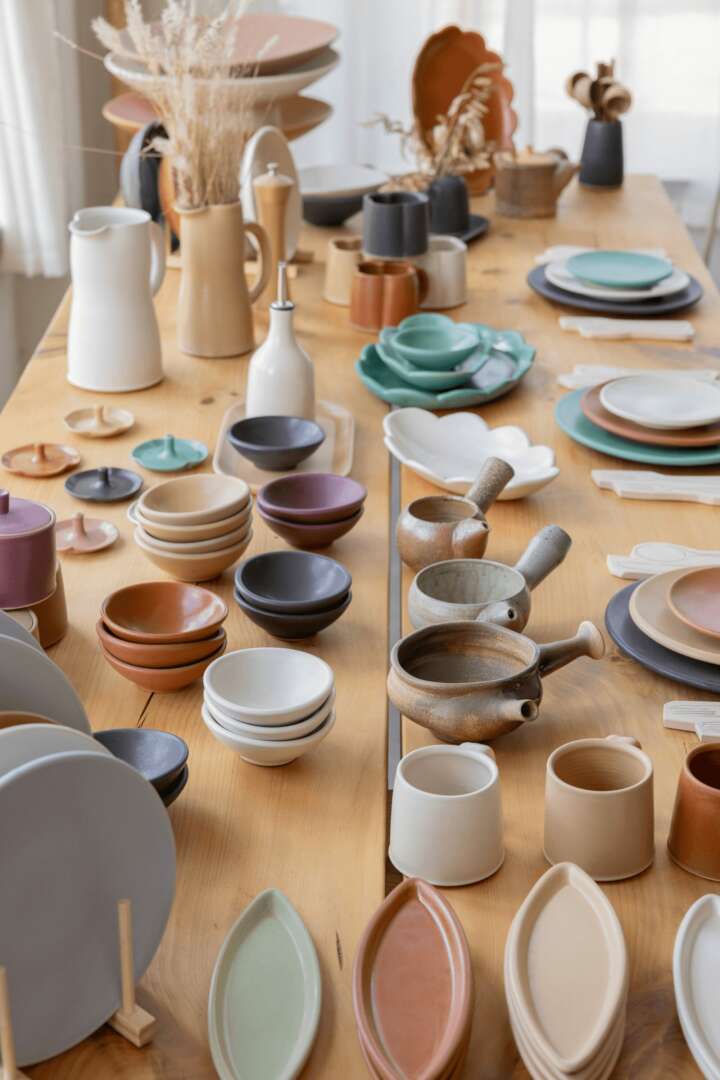
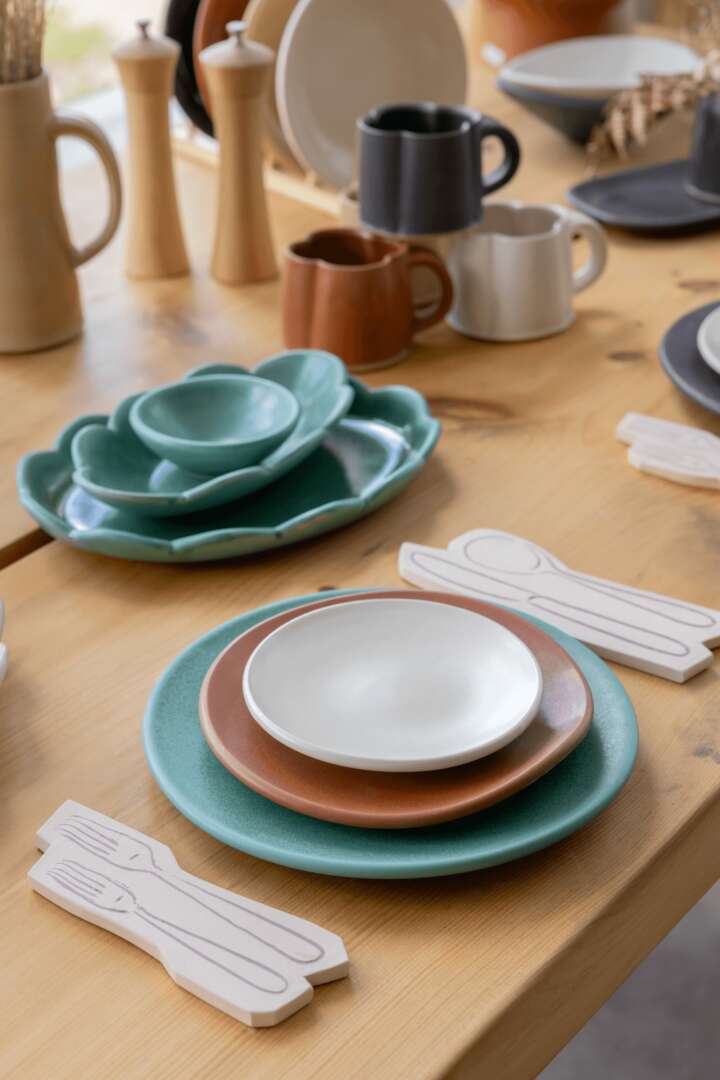
My business, Addis Ceramics, creates hand-crafted ceramic dishware with regionally sourced materials and durable color-rich glazes in Tulsa, Oklahoma. We believe in the value of well-made, and materially rich objects. Our work is beautiful, functional, and created with high quality materials that withstand the rigors of daily and life-long use. Our dishes are created with fine dining in mind with an endurance for the hustle and bustle of a busy kitchen. That said, we like to root our dishware in daily life, bringing enduring qualities to your morning coffee or impromptu dinner party. I like to think the designs and colors I create have a timeless, yet contemporary, quality that conscientious folk can appreciate.
I founded Addis Ceramics in 2020 not really knowing what I was doing business wise, but I knew I wanted to make distinctive pottery. In that pursuit, I have overcome far too many growing pains in building my business. When I attended college, we didn’t quite get a primer on setting up a pottery. So, a lot of what you see now is trial, error, and some clever guesses. We like to stay grounded in the studio as we have gone from garage to farmer’s market, to full fledged pottery. It’s been a real wild ride, but I always feel I am on the right track when people come back around the studio to get a gift – for someone or themselves – and they describe their delight when using my work. Yes! I made it that way for a reason. Thank you for seeing it!
We’d really appreciate if you could talk to us about how you figured out the manufacturing process.
We handcraft all our potty here in Tulsa, OK. After working with clay for 15 years and earning a degree in ceramic art, I had a good idea of how to make a lot of pottery – or so I thought. I began my business making every piece on a potter’s wheel. At first, I thought I could manage the volume of pottery I needed to make, but I quickly learned after the first thousand pots that my body couldn’t keep up. With help from my dad, we designed a throwing arm called a jolly. I attach a profile to this arm that matches plaster molds designed for all my plates and bowls. This is much easier on my wrists, arms, and back. This has also helped me increase volume and keep up with incoming orders. Even though much of my portfolio is becoming more mechanical, my hand remains an integral part of the process. I like to think of our machines as tools that help us achieve our vision in our pottery – while maintaining my health. There is still a lot of hand in each plate or bowl, we are far from robots here.
Let’s talk about resilience next – do you have a story you can share with us?
We are a very young business. I feel like I’ve had to be nothing but resilient in our first four years. Starting a business, especially a handmade business, is an extremely difficult venture. We started in a public ceramics studio that was shut down during the pandemic. Luckily, we could still use the studio – so long as we cleaned up after ourselves. As the studio reopened to the public, we moved our production into our 250 sq ft garage. Summers there were insufferable, no running water, no air conditioning, and having to fire our small kiln twice a week hampered our production. A year later we were able to rent a 1400 sq ft space that we are currently working out of. It was huge overhead at the time, but we were able to offer workshops and private classes which supplemented our cash flow as we were able to expand our production. We had to be flexible, bold, and cautious at the same time, but most of all, we had to endure the growing pains, setbacks, and so many broken pots.
Contact Info:
- Website: https://addisceramics.com/
- Instagram: @addis_ceramics
- Facebook: https://www.facebook.com/addis_ceramics
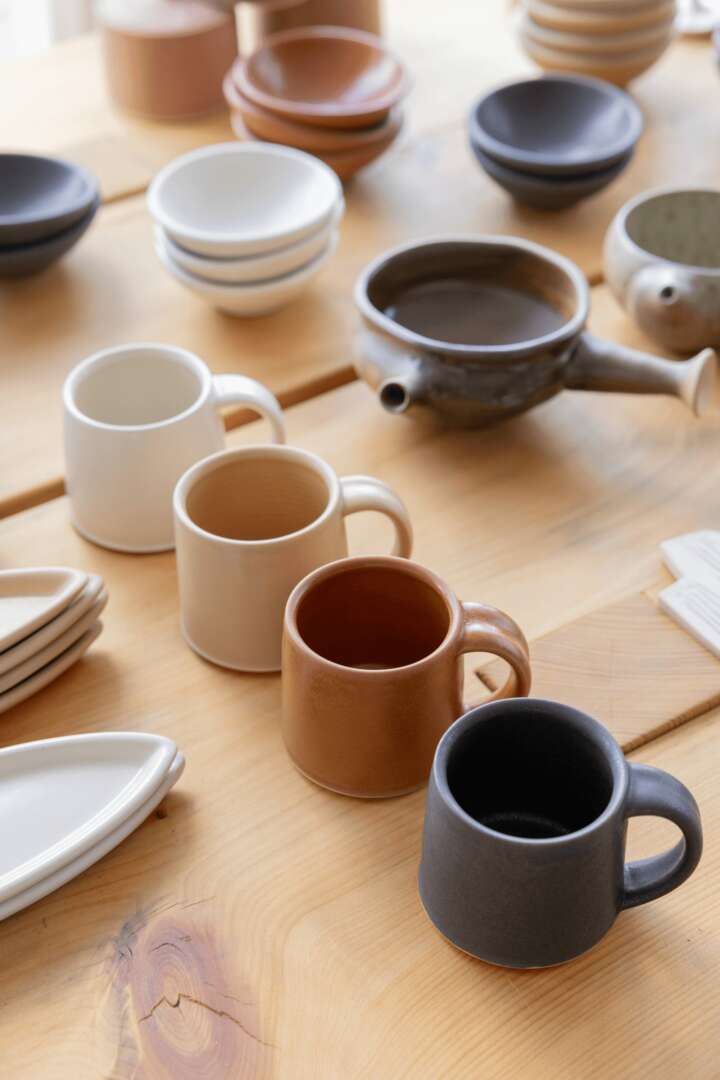
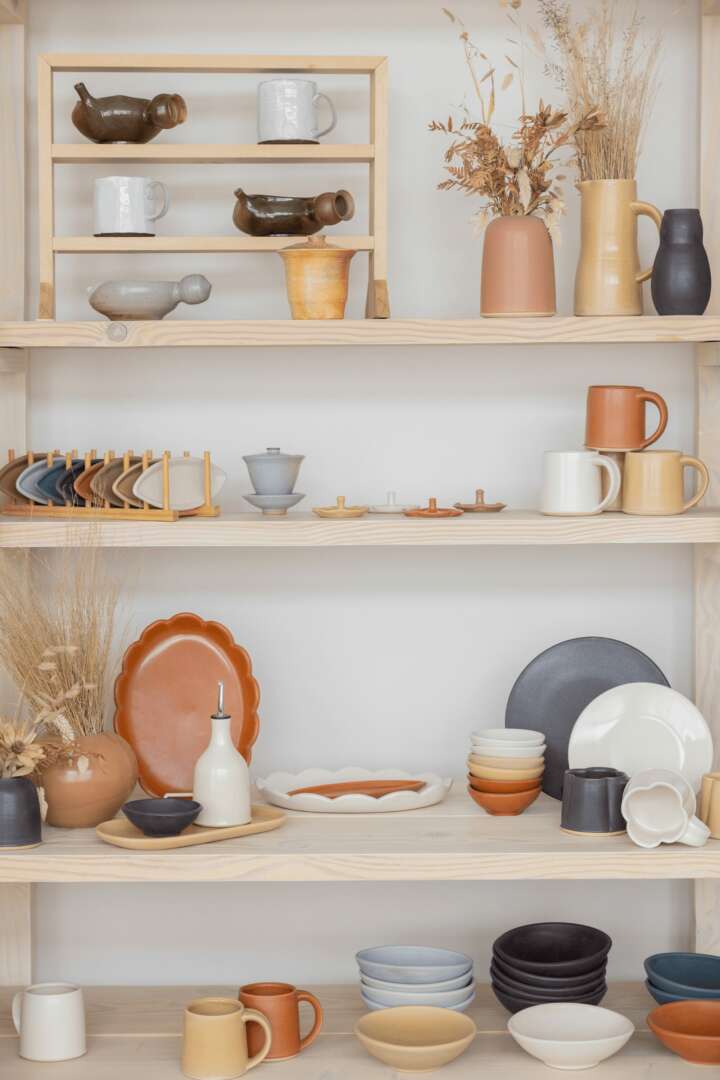
Image Credits
All photos were taken by Valerie Wei-Haas