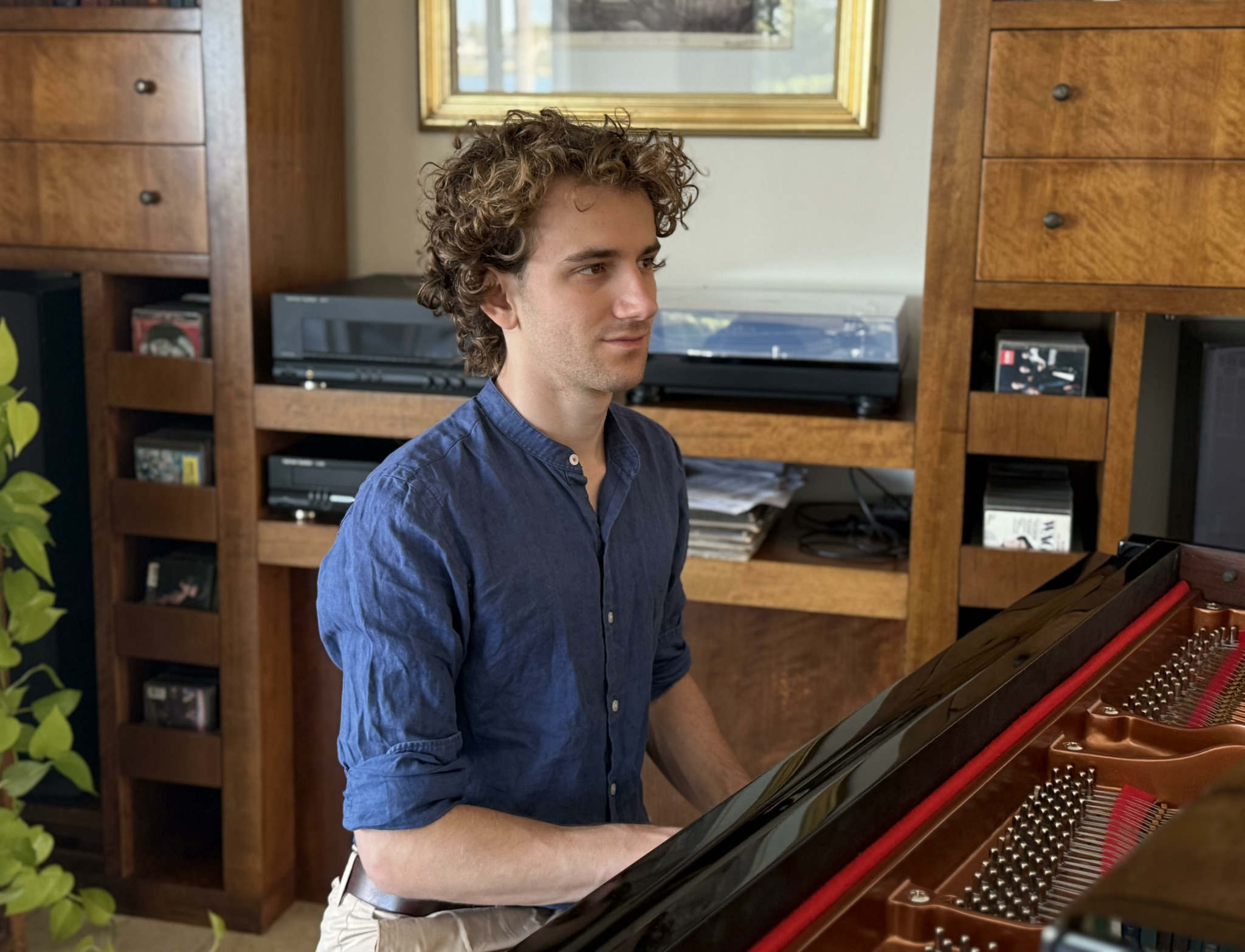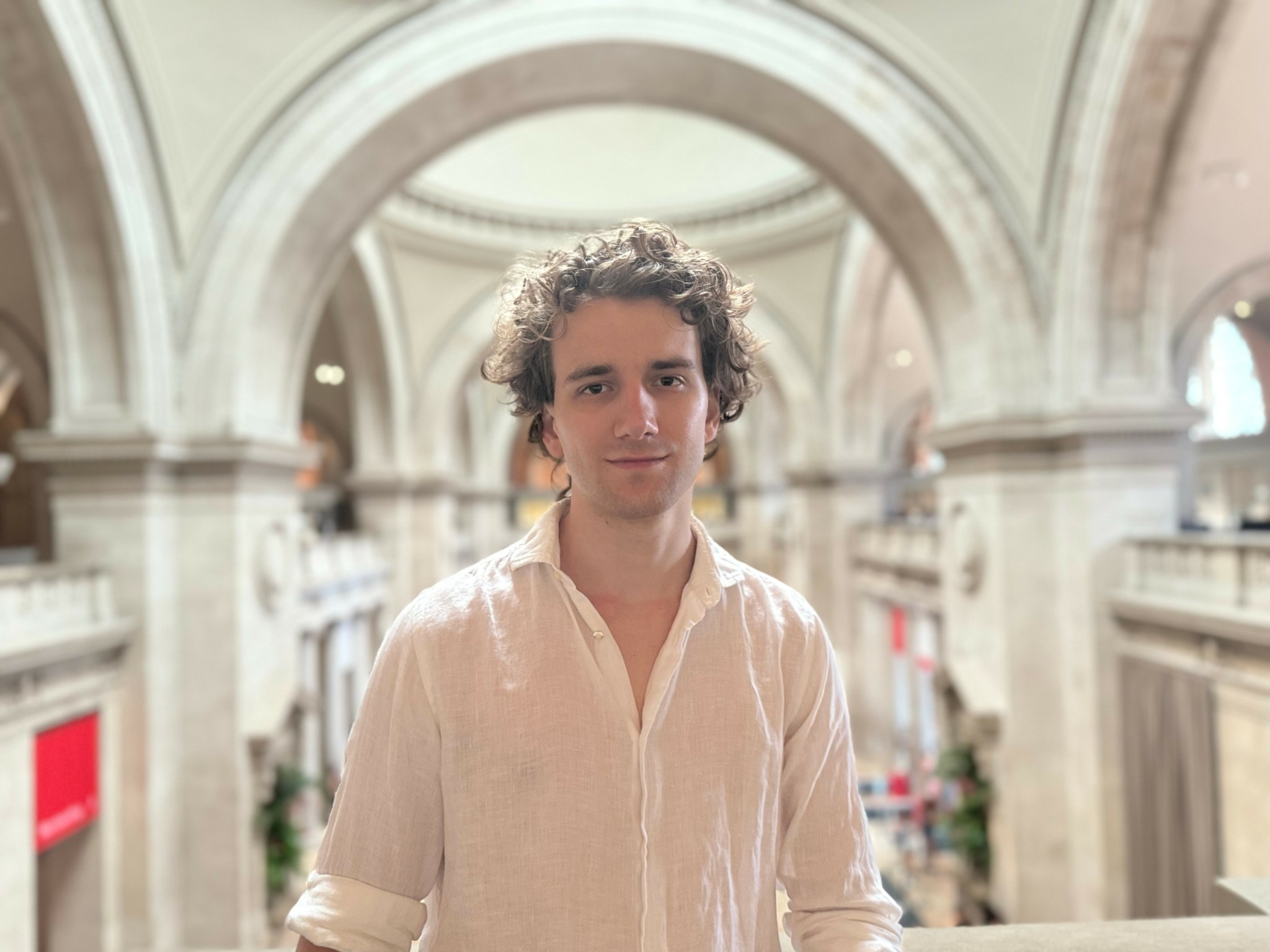

Alright – so today we’ve got the honor of introducing you to Marco Catella. We think you’ll enjoy our conversation, we’ve shared it below.
Marco, thanks for taking the time to share your stories with us today Can you talk to us about a project that’s meant a lot to you?
The most meaningful project I’ve worked on is my opera, Prince Cnut. It has occupied most of my time since I arrived in New York, and in many ways, it represents everything I believe in as a composer.
Opera is my favorite genre, and with Prince Cnut, I’ve tried to write a rare kind of premiere that is bold but still rooted in the genre’s natural strengths: organic dramatic flow and expressive, idiomatic vocal writing. I believe that in our rush to be new for its own sake, we sometimes lose the ability to communicate new things in a meaningful way.
The libretto, written back home in Argentina by my friend Juan Batalla, is set during Cnut’s invasion of England. It takes place a thousand years ago, allowing for the kind of distance needed to create dramatic impact that doesn’t rely on contemporary understandings, but instead on music that seeks to characterize the roles and mood with great accuracy.
The work is two hours long and involves over 50 people. It will be produced by Ex Corde, the nonprofit I co-founded with two colleagues, Yuval Medina and Joshua DeLozier. We’re currently fundraising for a performance in the spring of 2026.
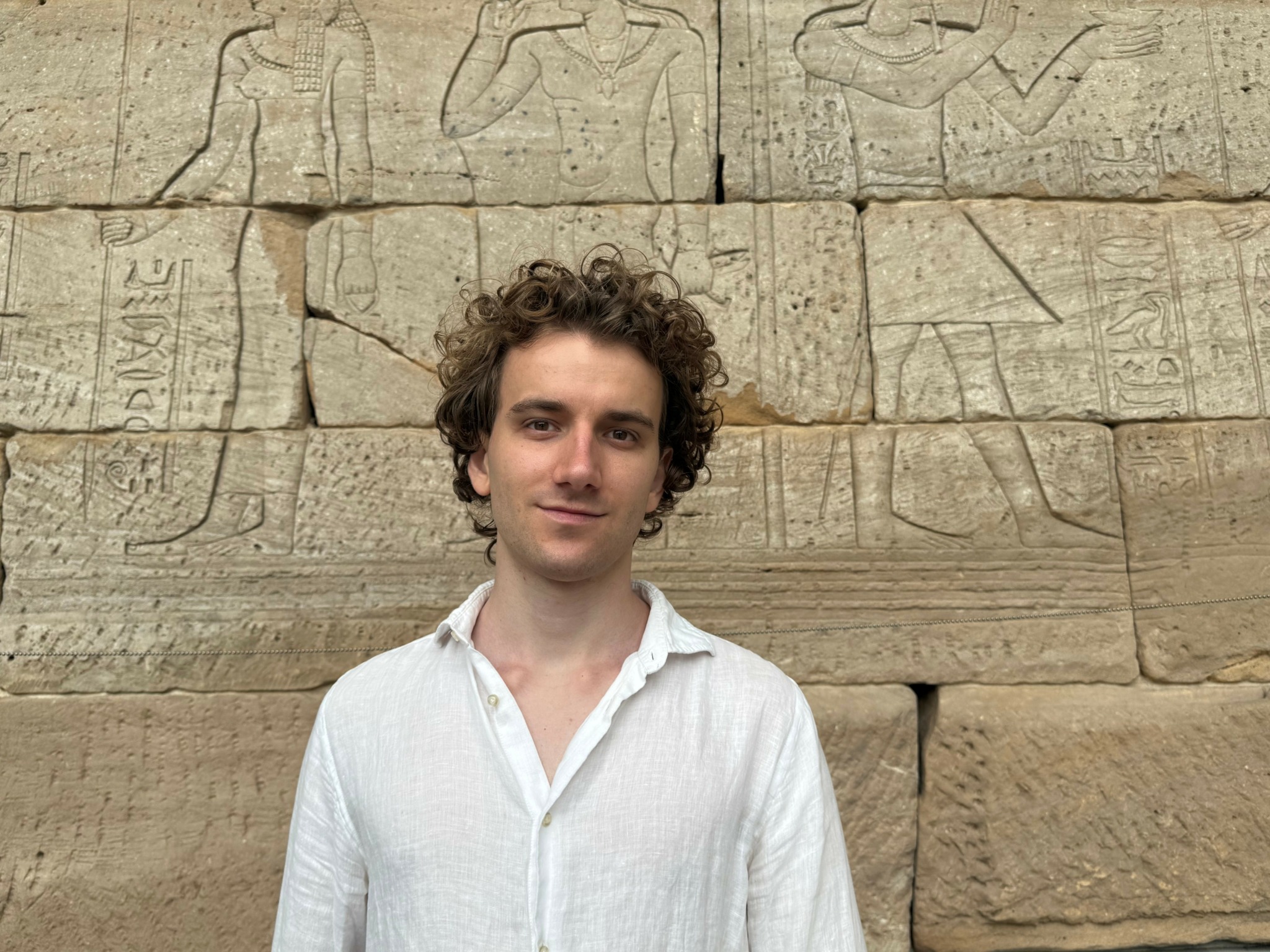
Awesome – so before we get into the rest of our questions, can you briefly introduce yourself to our readers.
I’m a composer from Buenos Aires, Argentina. I’ve studied music in some capacity most of my life, but only decided to pursue it professionally during the pandemic, while I was still an economics major. I came to New York in 2022 to study composition at the Manhattan School of Music with J. Mark Stambaugh.
Since then, I’ve written chamber, orchestral, and vocal music, a short film score, and most importantly, my opera Prince Cnut. I also co-founded a nonprofit, Ex Corde, with two colleagues. Our first season, beginning this fall, will consist of chamber concerts and the premiere of Prince Cnut.
The name of our organization, “from the heart,” describes what I aim to do. My music is meant to communicate emotion. Opera, at its best, conveys the meaning and psychology of a drama through music, so that the audience feels it as much as they rationally understand it. That kind of intense emotional communication is what I consider the highest possible achievement in art.
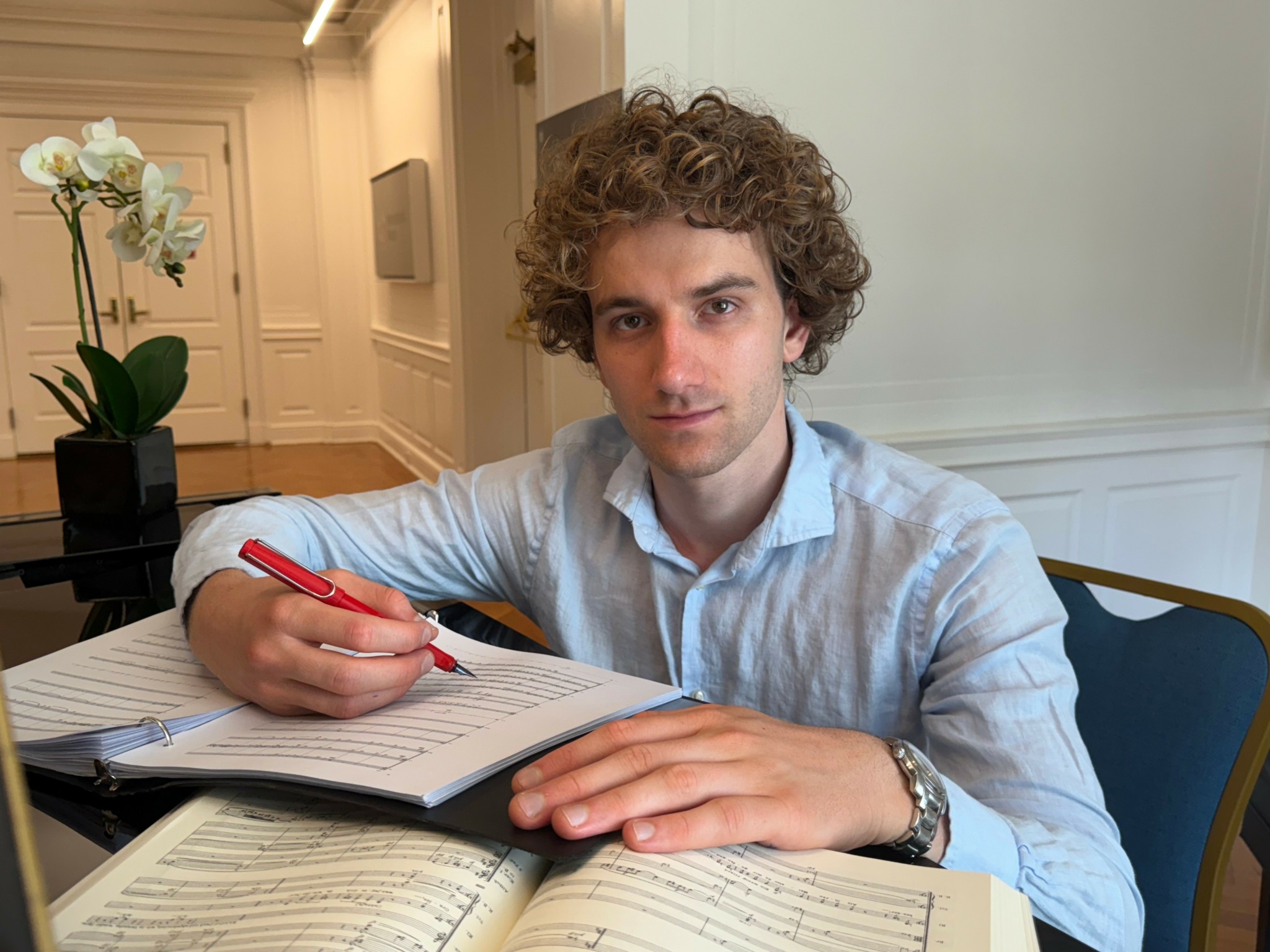
In your view, what can society to do to best support artists, creatives and a thriving creative ecosystem?
In a time dominated by instant, shallow gratification, art that requires more attention and effort is more valuable than ever. If society fails to recognize this, it risks slipping into a dystopian, asocial reality.
Art should be interacted with, not just consumed. I’ve had the privilege of engaging deeply with opera audiences by discussing, debating, sharing ideas. Everyone should find the art and community where that kind of exchange is possible. If that were the norm, support for artists would be natural, and the creative ecosystem would thrive.
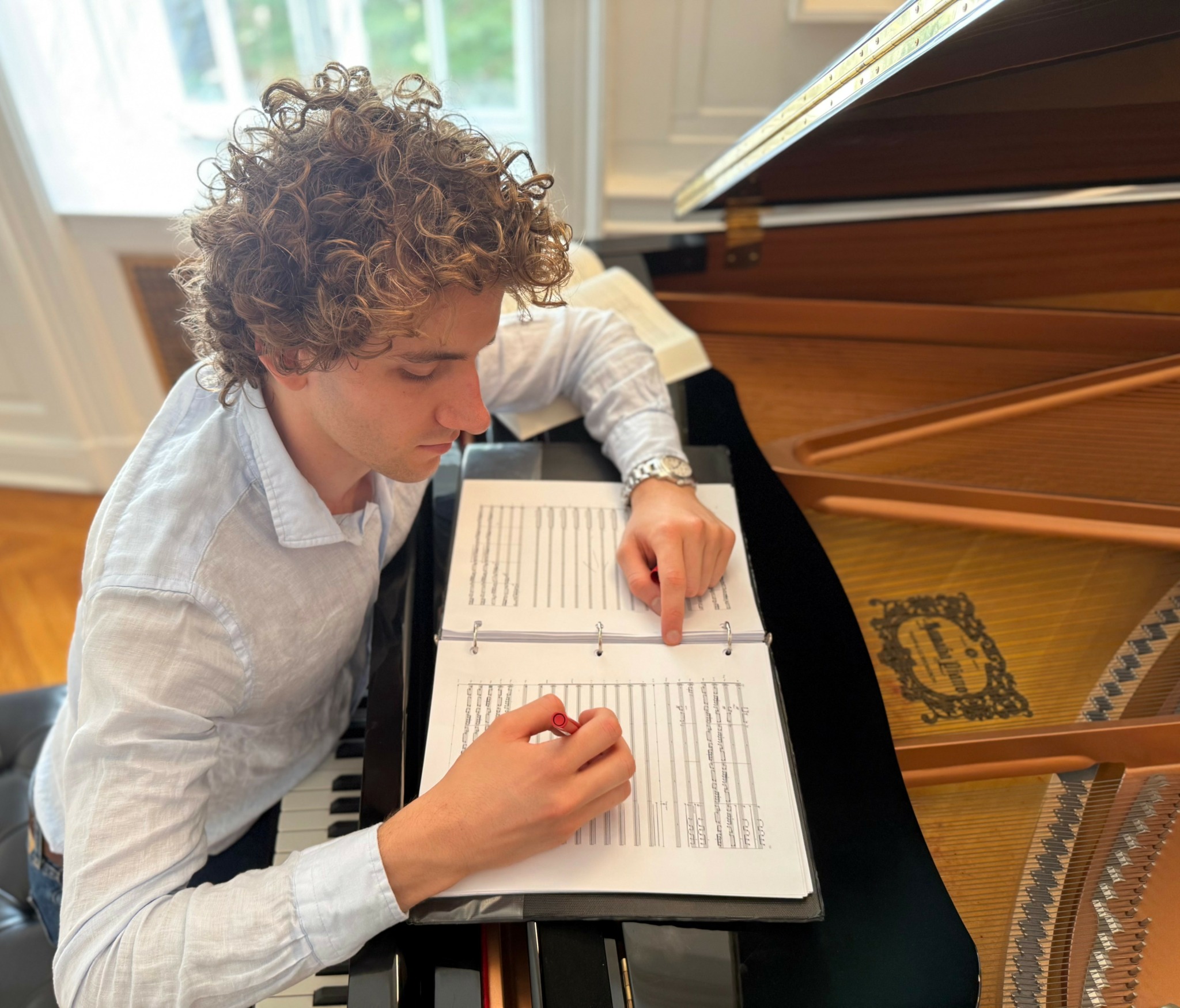
For you, what’s the most rewarding aspect of being a creative?
The most rewarding part of being a composer is hearing a work finally performed. After all the effort, most of which is not especially creative, hearing it live and seeing it reach an audience is magical. That moment makes everything worth it.
More than that, reaching an audience is the whole reason I write music. I don’t write for myself. I know that’s not a fashionable view in some circles, but I stand by it. I think that attitude, that one should write for themselves, is at the core of what’s wrong with a lot of contemporary classical music. But that’s a longer conversation.
Contact Info:
- Instagram: https://www.instagram.com/marcocatella/
- Youtube: https://www.youtube.com/@marcocatella
- Other: https://excorde.nyc/prince-cnut (Opera, non-profit)