



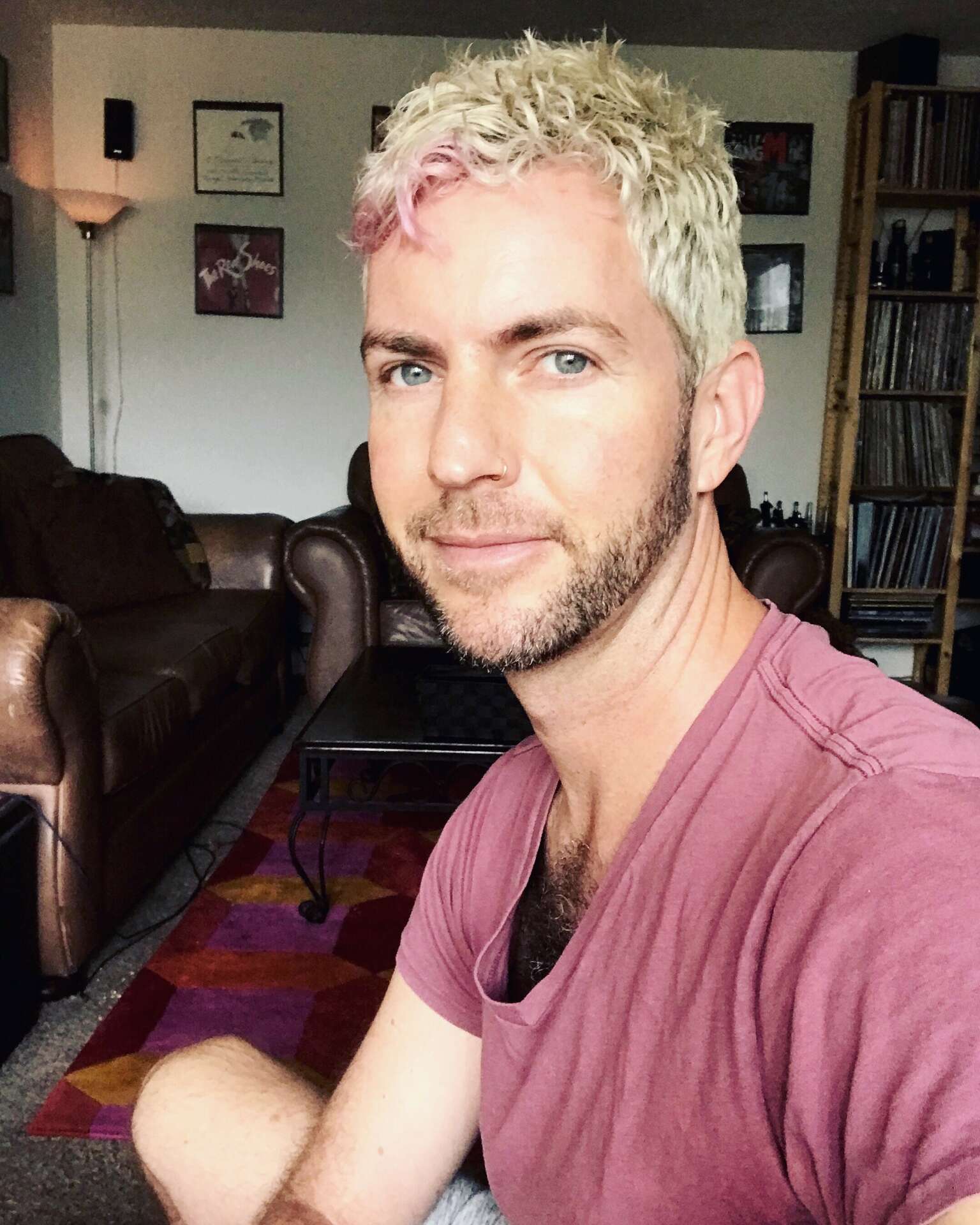
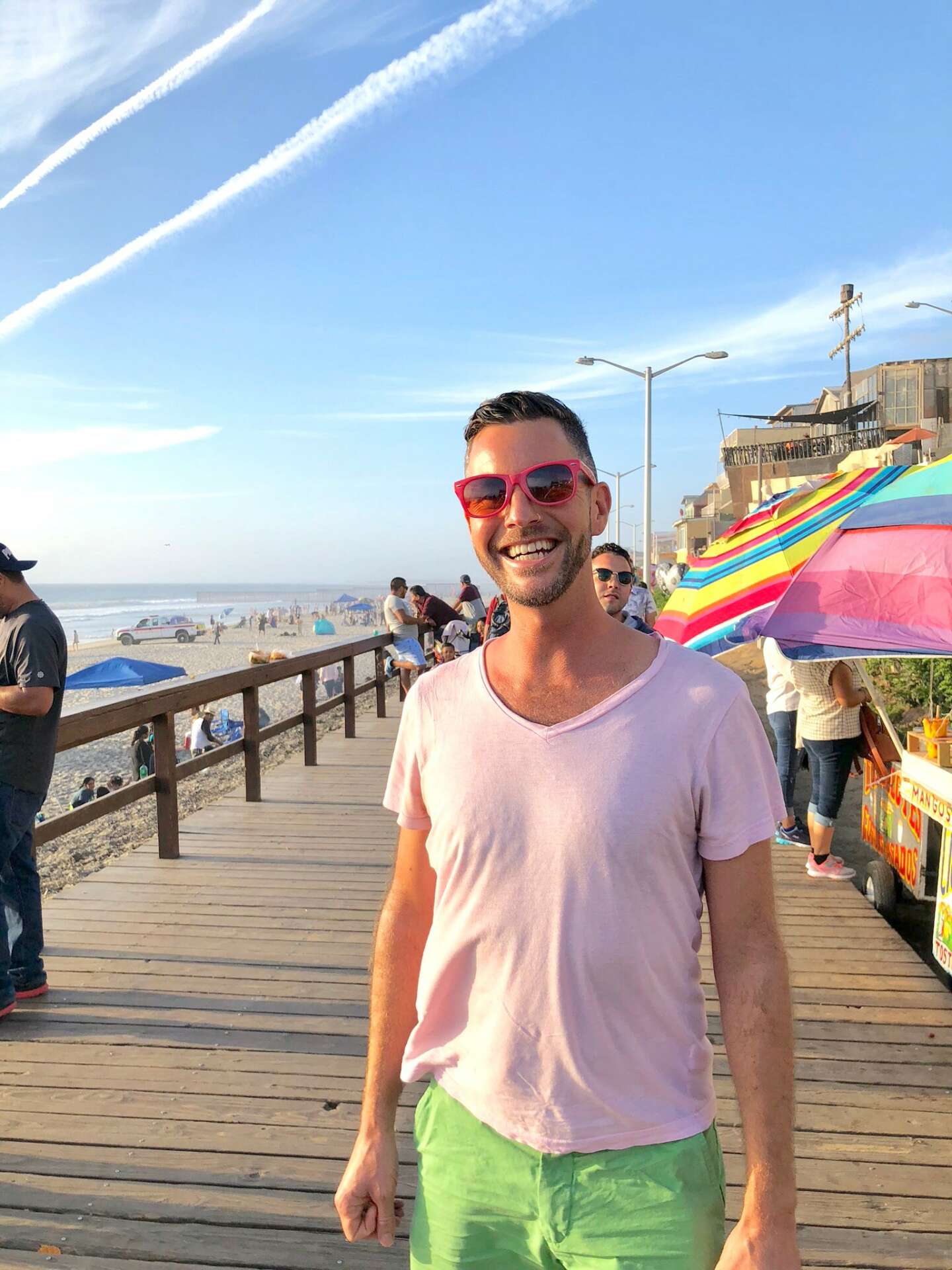
We’re excited to introduce you to the always interesting and insightful Marc Wheeler. We hope you’ll enjoy our conversation with Marc below.
Alright, Marc thanks for taking the time to share your stories and insights with us today. Learning the craft is often a unique journey from every creative – we’d love to hear about your journey and if knowing what you know now, you would have done anything differently to speed up the learning process.
In learning to write—write, yes, but also—read. And don’t just read the best; read the worst. Read writing that makes you wanna set yourself on fire. (That can be the best or worst.) As a theater critic, it’s my job to analyze a show and figure out, amongst many things: what works, what doesn’t, and why. I can’t just say, “I like it,” or “It sucks.” I have to back up my critique. Why does it work? Or, how does it fall short? Maybe a singer has a gorgeous voice and is technically flawless, but her musical number leaves me flat. Why is that? Is it the song itself? The lyrics? The arrangement? The physicality of her performance? Maybe the singer is opting for pretty vocals over honest storytelling, gutting the performance of the emotional impact it could otherwise have had. These are things I analyze as a critic, but such analysis can benefit any writer.
When I first started reviewing, I had no idea what I was doing. So, I read other critics. I read those whose work I admired and I read those whose work I didn’t. Some taught me what to do; others, what not to do. Again, it’s all about figuring out what’s working, what isn’t, and why. If we can study a piece of art and explain why, exactly, it works, we can apply that knowledge to our own art, hopefully making it better than it otherwise would have been. In a similar fashion, if we can explain why, exactly, something fails, we can also apply that knowledge to our own art and avoid (fingers crossed) making the same mistakes.
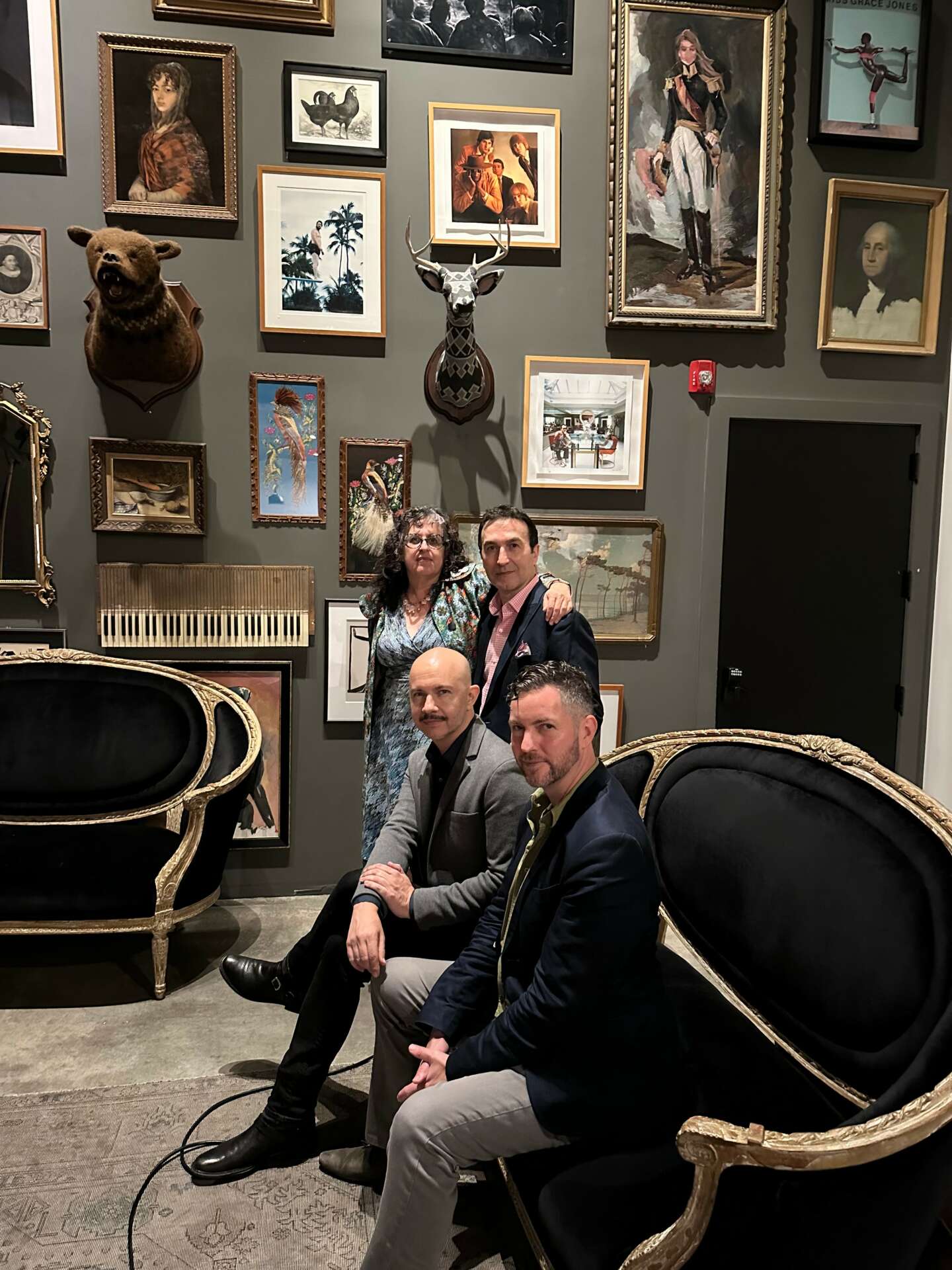
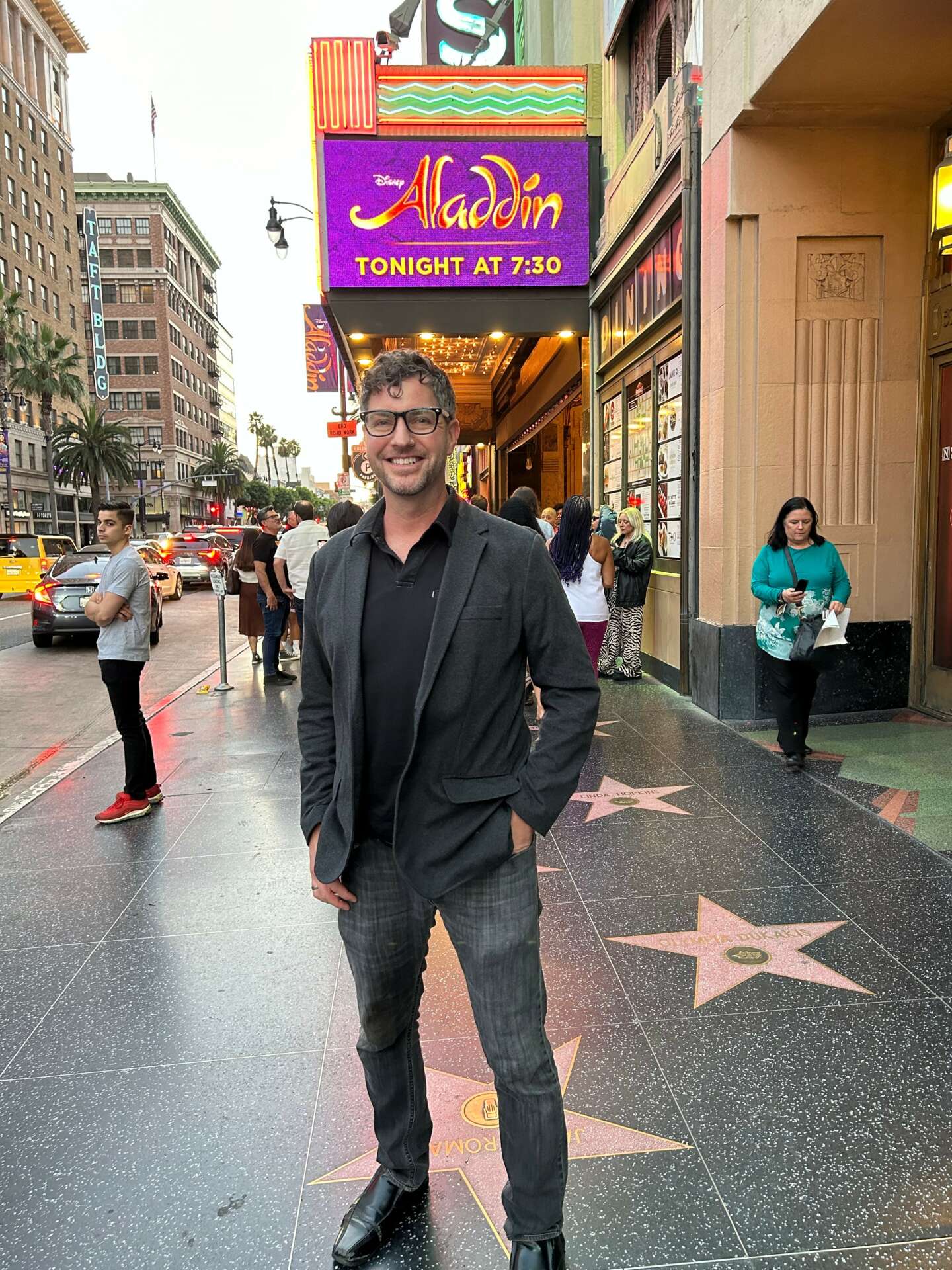
Great, appreciate you sharing that with us. Before we ask you to share more of your insights, can you take a moment to introduce yourself and how you got to where you are today to our readers.
I’ve been a theater critic since 2015. Formally, that is. I’ve always had a love for the arts. And I’ve always had opinions and a big mouth. It was bound to happen. That said, I never planned on being so formally opinionated. I certainly didn’t get a degree in it. (Do they even have such degrees? I can’t imagine paying off that debt.)
One day a critic (Tracey Paleo, Gia on the Move) reached out to me and asked me to write for her site. Years later, another critic (Tony Frankel, Stage and Cinema) asked me to write for his. Each allowed me to spread my wings and flap away, even when I was brutally honest. Who knows, maybe my brazenness was part of the reason they wanted me in the first place. I never asked. They never complained.
I always felt supported in writing what I wanted to write. I also felt supported in being honest. For me, there was no other way to be. If I was going to gain the trust of my readers, it would be through being informative and entertaining, yes, but also, it would be through saying what I truthfully thought. I had seen plenty of critics blow smoke and I never understood why. Deception only hurts the art form. For me, art is king. We, mere mortals, don’t have to agree (we often don’t, and that can be a lot of fun). But if we can’t at least be honest, what are we even doing?
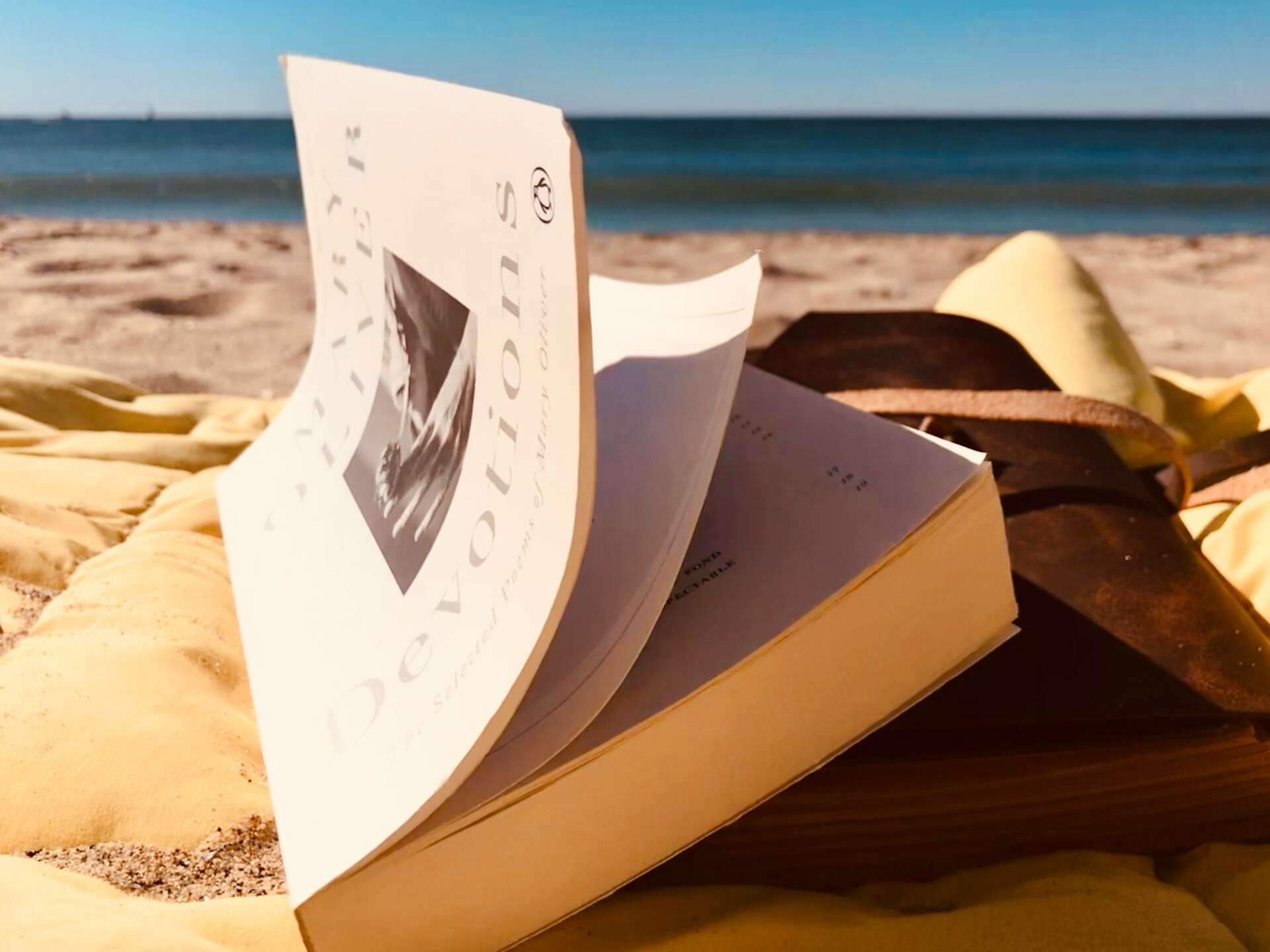
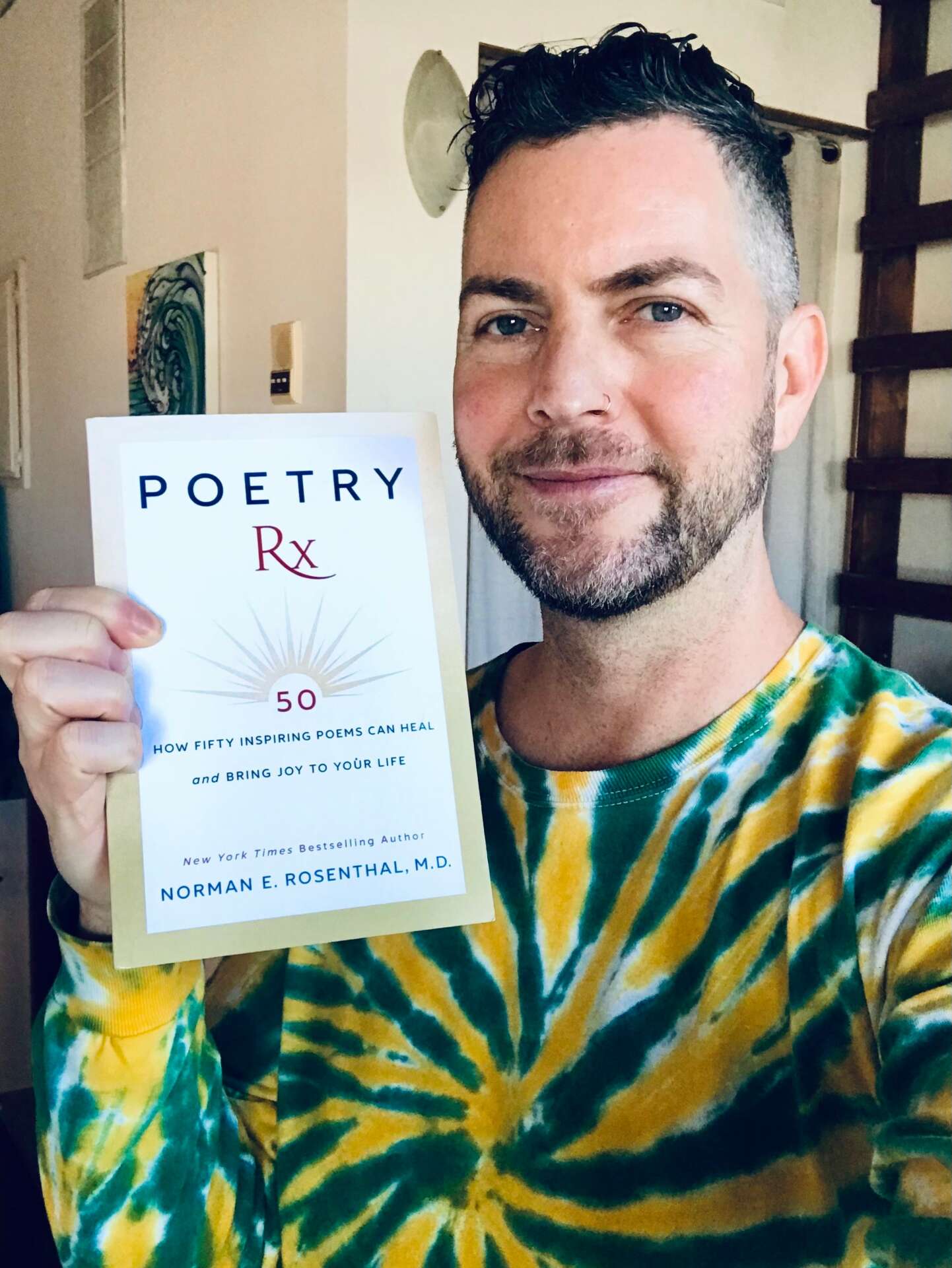
Cut to 2020. That glorious year was the year I fell in love with poetry. Writing this nearly four years later, I’m still in awe of that surprising twist of fate. Yes, kicking and screaming—whether in shock or ecstasy—I fell in love with poetry and haven’t looked back. Maybe, deep down, I’ve always been a poet, but it just took heartbreak and a pandemic to reveal it.
If anything, this venture into my own creative expression is a counterbalance to my role as critic. For too long, I’ve been critiquing art, and artists, without ever having my own, or myself, in the hot seat. Sure, sometimes I’ll get criticism for my criticism—how dare I disagree with some people. But it’s been ages since I put myself out there as a fellow creator. That’s the shift I’m loving and looking forward to doing more of. I have a stockpile of finished and half-finished poems at the ready. And I have some entrepreneurial ideas of what I want to do with said burgeoning creativity. Of course, my vision requires money, so soon I’ll be applying for grants to hopefully make my poetic dreams a reality. Regardless, art finds a way.
As a critic, I’ve been critical of my own work. That certainly serves a purpose and I don’t want to lose it: it can only help—that is, when it isn’t suffocating me. But I’m shifting my focus. I see myself more as an artist now than a critic. The role of the artist is to create. I hope to create with that same unabashed honesty that served my criticism. I love to challenge and ask why. I’m endlessly curious: never sure I got it “just right” so I’m always seeking to reinvent my worldview with better information or a more prudent perspective.
But deep down, I’m just a kid who loves to have fun. A bit impish, sure. But a lover of beauty and play and pleasure. I love to poke and lighten, and maybe even enlighten as I’m similarly enlightened by others. I think the world needs to take a deep breath right now and remember who we once were and the importance of play. I want us to reconsider the ironic seriousness and holy utility of fun. For too long we’ve been at each other’s throats and I wanna take people back into their innocence, back into the dance, the quest for treasure, back into that field where forever blooms freedom.
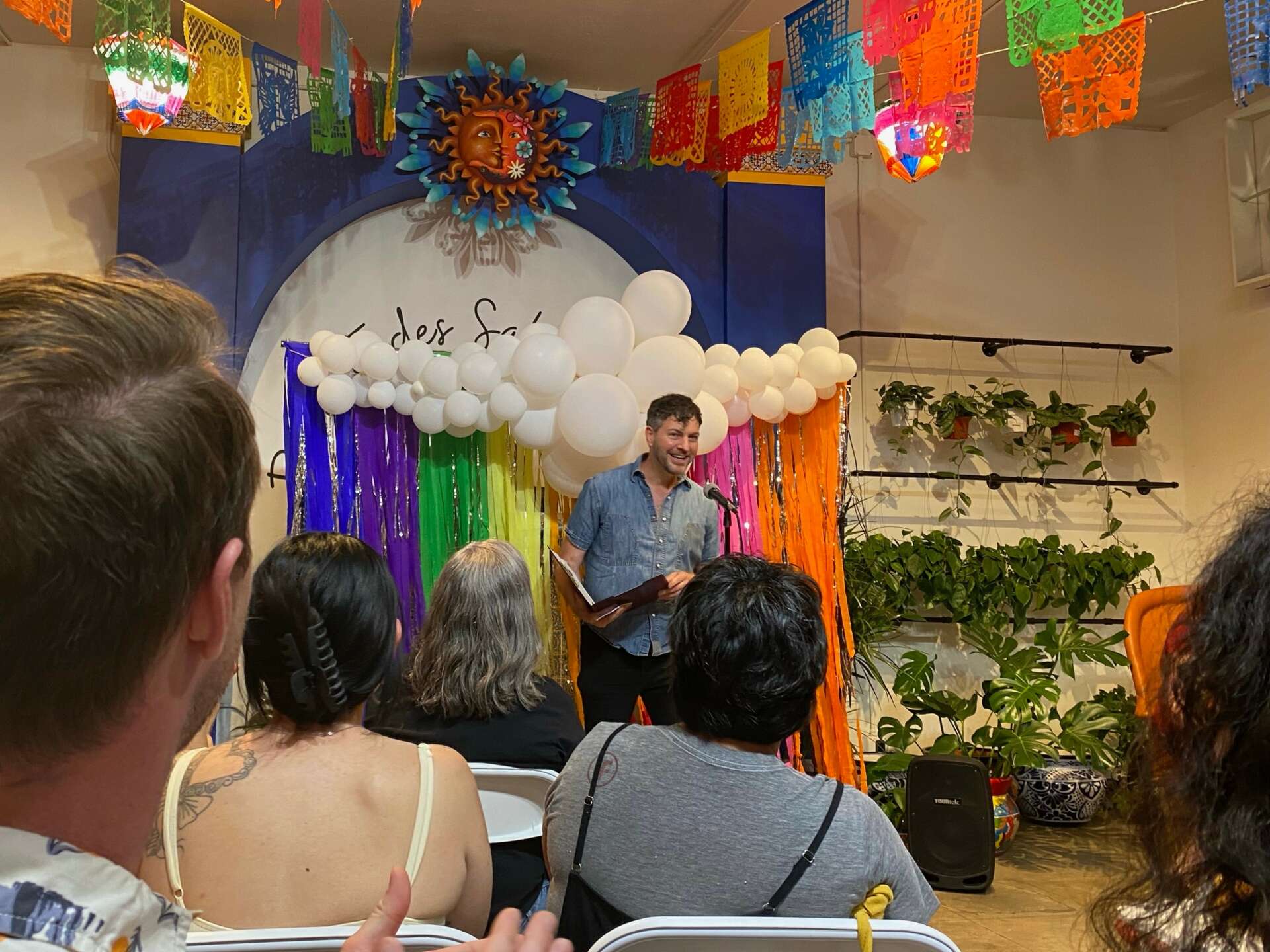
Is there mission driving your creative journey?
I’m still refining my mission, but it’s somewhere between 1) making poetry cool again, 2) having fun, and 3) making the art I want to see in the world. Throw those in a blender, I’m sure I have a mission statement in there somewhere.
For me, poetry was always something I wanted to love, but until recently, could never grasp. I learned poetry the way many did: in my youth, in school, in a chalk-dry, titless way. The poetry I read was English, sure, but it was so archaic I couldn’t relate to it. I remember thinking: I’m artistic and sensitive. Heck, I’ve never even kissed anyone, but I’m a hopeless romantic, surely. Why can’t I get into this stuff? I just assumed I didn’t “get” poetry, that it wasn’t for me. What a shame.
I’m not alone, either. I talk with people all the time who had similar experiences. “Yeah,” they say with a sigh, “I don’t get it. It sounds pretty, but it flies over my head.” I want to change that for others in the way Billy Collins and other poets changed it for me. I want to make poetry accessible. I don’t care if you’re a street punk, champagne socialite, or stay-at-home mom. There’s an undercurrent that connects us. I wanna swim in those sexy waters.
I recognize my style is bound to resonate with some and not others. That’s expected. Taste is taste. But at the very least, I wanna connect with “my people”: righteous, cool-ass rebels who hold reverence and irreverence as a sacred paradox of being human. Those who need someone like me to come along and say, “Yo! — yes, you. I see you lookin’. Follow me through the back door!”
In your view, what can society to do to best support artists, creatives and a thriving creative ecosystem?
Champion who and what you love. If an artist enriches your life, buy their work—for yourself and/or others—and spread the word. Artists need both buyers and promoters to keep creating that thing you love … that they do so well.
During the pandemic my work (or rather, my “day job”) dried up and I, for a brief window in time, was able to spend my days and nights immersed in poetry, theater, music, and literature. I was taking classes, reading and studying the greats, and writing, writing, writing. I was “in the flow.” I’ll never forget this period because it showed me how productive I can be when I have both time and bandwidth to focus on what I’m curious about, what I love, and what I do best. The pandemic was tumultuous, no doubt. It was also, thus far, the most creative period of my life.
Since returning to employment, a lot of my time and energy is once again being spent on work that isn’t the best use of my talents. I do good work, of course, but mentally I keep returning to that time where I was doing exactly what I feel I’m here to do. Once a person knows this, they can’t unknow it. I had a taste of the possible and I want it back: spending my days creating the art that only I can make.
With financial backing, artists like myself can spend more time creating work that we and (hopefully) others find joyous, provocative, touching, or silly; art that brings meaning, fun, or laughter to our lives; work that stirs, breaks, or mends hearts; art that shouts—or even whispers—that you, dear one, are not alone in this beautiful, messy world.
If an artist moves you, I urge you to champion them in whatever way, or amount, that you can. The more people we can unleash to do what they’re best suited for, the better. That, at least, is the world I want to live in. I encourage anyone reading this: let your life be a testament to your values. Vote—through your time, energy, and dollars—for what you want more of. Enrich who enriches you.
Contact Info:
- Website: Personal website, coming soon!
- Instagram: @marccwheeler
- Facebook: https://www.facebook.com/dontdreamitbeit
- Twitter: @mcwheeler
- Other: THEATER REVIEWS (Newer) Stage and Cinema: https://stageandcinema.com/author/marc-wheeler/ (Older) Gia on the Move: https://giaonthemove.com/?s=marc+wheeler TIP JAR/ARTIST FUND Venmo: @Marc-Wheeler-1