
Alright – so today we’ve got the honor of introducing you to Mandy Miller. We think you’ll enjoy our conversation, we’ve shared it below.
Alright, Mandy thanks for taking the time to share your stories and insights with us today. Learning the craft is often a unique journey from every creative – we’d love to hear about your journey and if knowing what you know now, you would have done anything differently to speed up the learning process.
I learned how to do what I do the same way I’ve learned most meaningful things in my life — by being curious enough to start and stubborn enough not to quit.
In the beginning, it was a lot of trial and error. I remember ruining an entire sheet of birch plywood because my laser settings were off. I had just invested real money into equipment that felt both exciting and terrifying. Watching that wood scorch, I felt this mix of embarrassment and doubt — like, “Who do you think you are doing this?” But instead of walking away, I adjusted the settings and tried again. That moment taught me more than any tutorial could.
I have degrees in public relations and business, so I understand strategy. But art put me back in the seat of being a beginner. That was humbling. I was investing thousands into what started as a hobby, and I had to find balance between passion and practicality. There were moments where I questioned whether I was being bold… or just reckless.
If I could speed anything up, I would have asked for help sooner. I spent too much time trying to figure everything out alone. Now I tell people the opposite — join the Facebook groups, speak up when you’re stuck, find a mentor if you can. The maker and laser communities are surprisingly generous. Once I started participating instead of just observing, my confidence grew exponentially.
The most essential skill hasn’t been technical — it’s been resilience. Being willing to waste materials and learn. Being okay with seeing someone create something incredible and letting it inspire instead of discourage me. And learning that comparison doesn’t have to steal your joy — it can sharpen your craft.
Working with upcycled materials added another layer. When you’re creating from what others might discard, you don’t have the luxury of perfection. You learn to adapt. You learn to see potential where others see scraps. That mindset shaped both my art and my growth — and in many ways, it mirrored my own life: learning to rebuild, refine, and choose intention over impulse.
Curiosity opened the door. Community gave me momentum. And grit kept me standing there when I wanted to doubt myself.
I’m still learning. And I think that’s the point.
As always, we appreciate you sharing your insights and we’ve got a few more questions for you, but before we get to all of that can you take a minute to introduce yourself and give our readers some of your back background and context?
I’m Mandy — the artist behind Carpe Amorem, which loosely translates to “Seize the Love.” It’s my spin on carpe diem, but instead of chasing the day, it’s about recognizing when you have the chance to show someone they matter… and actually taking it.
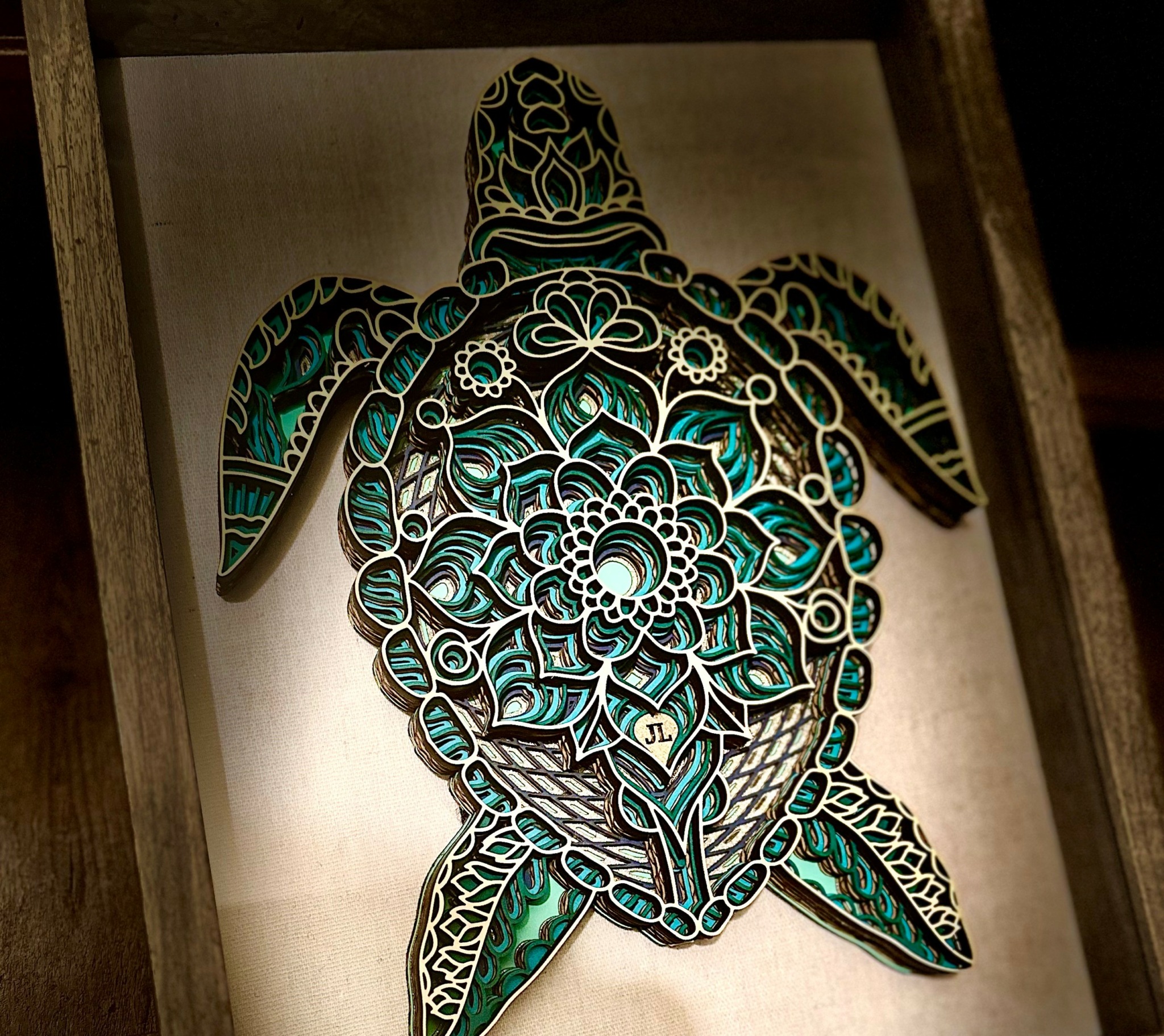
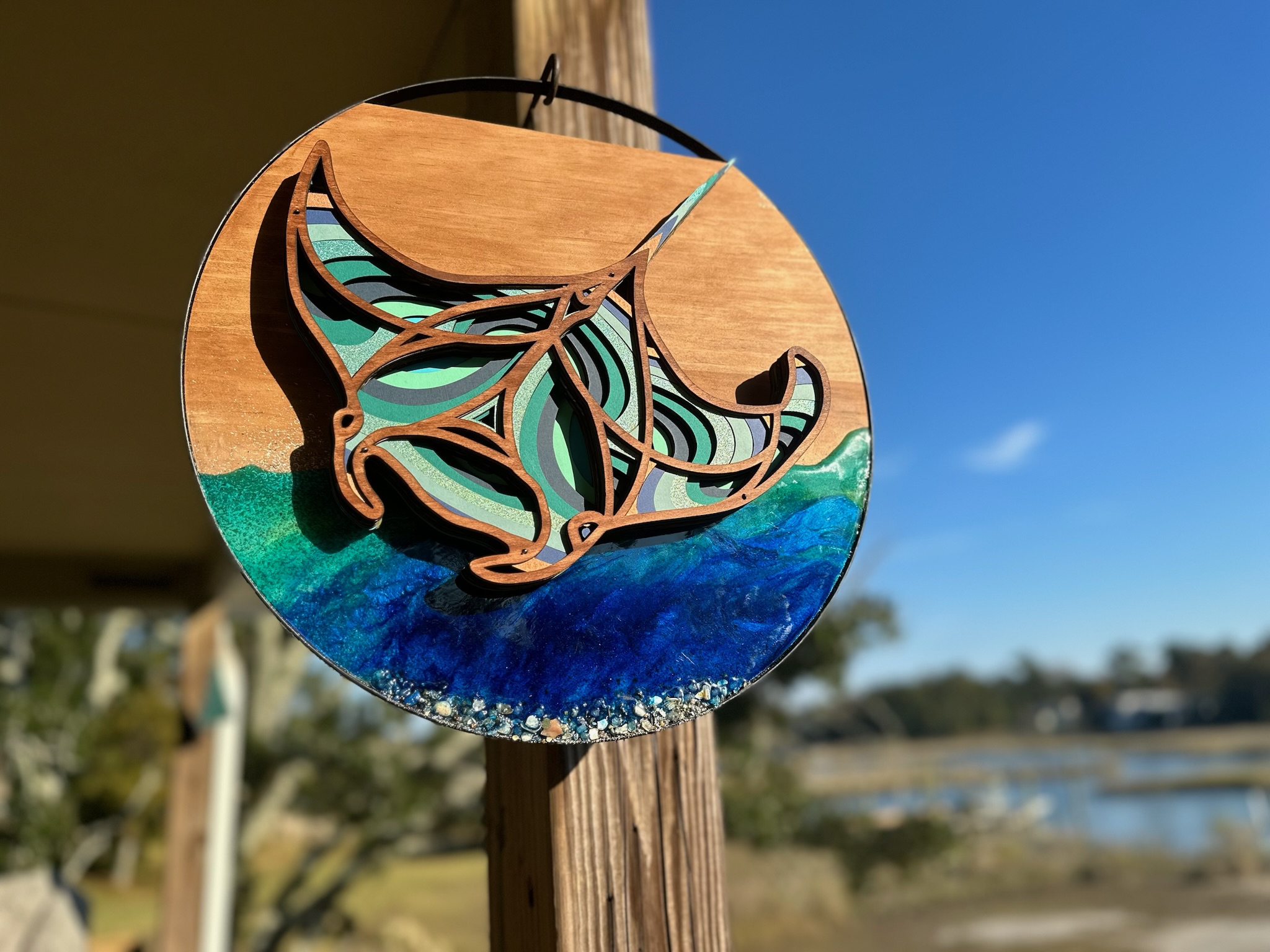
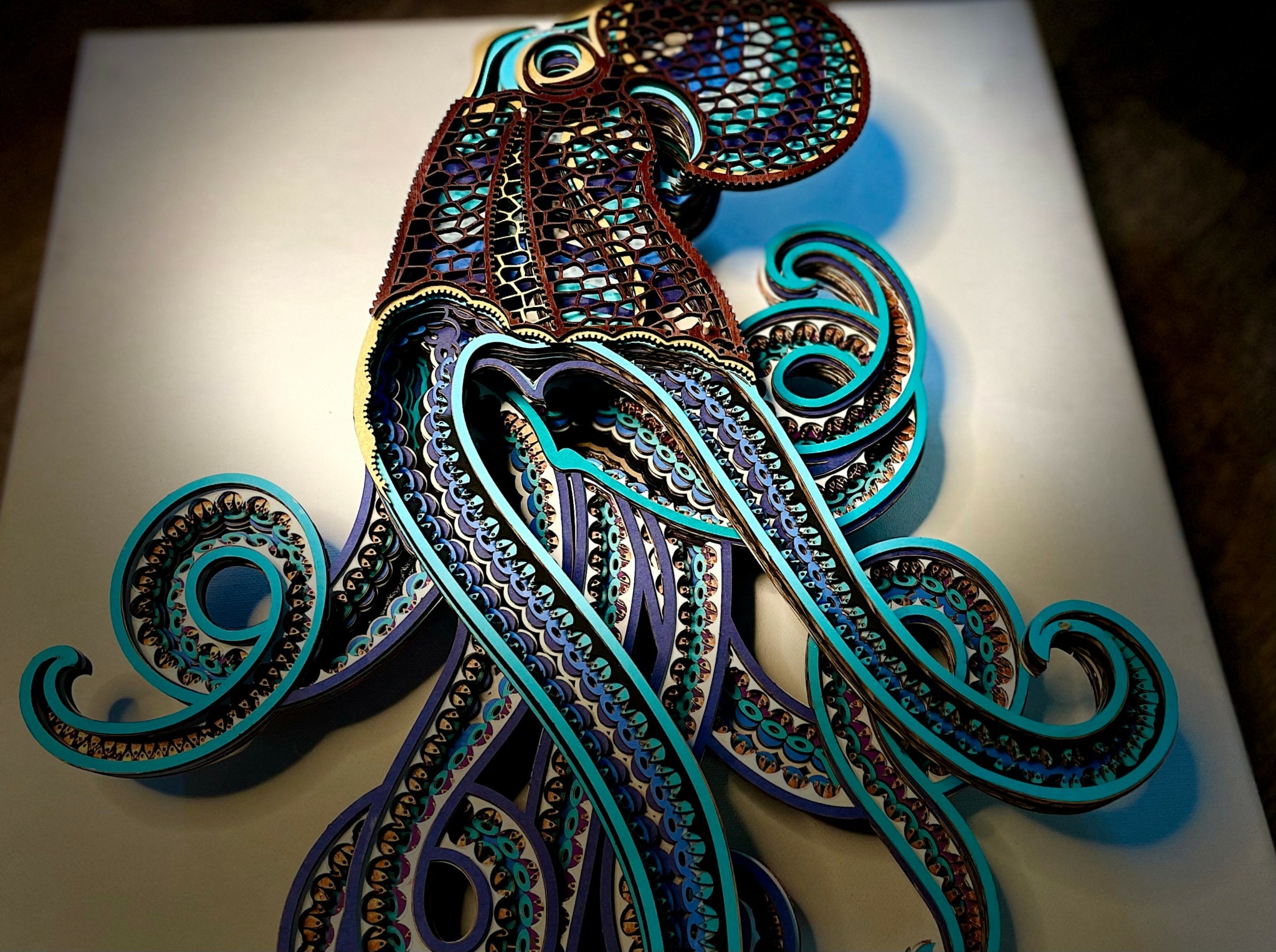
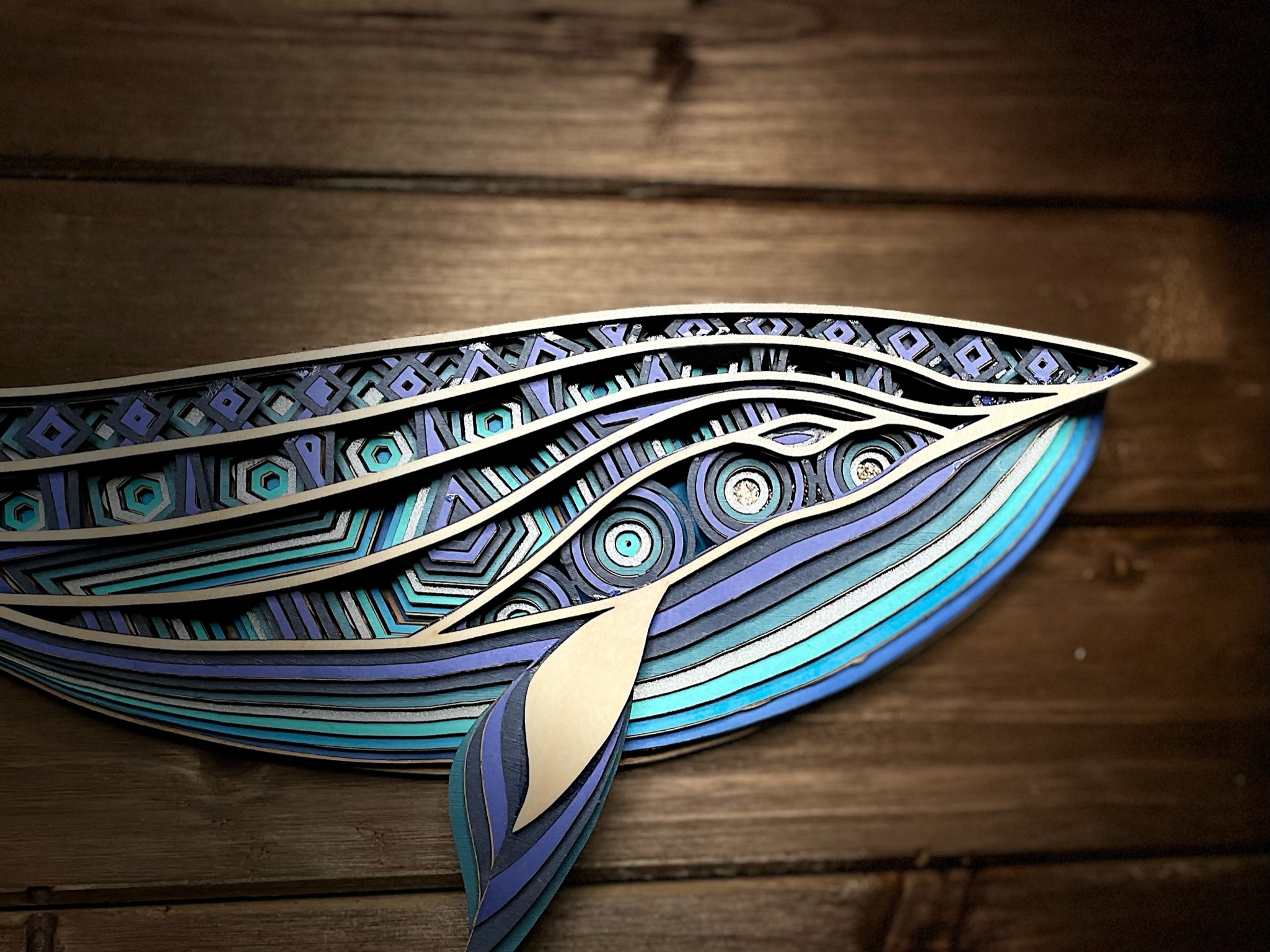
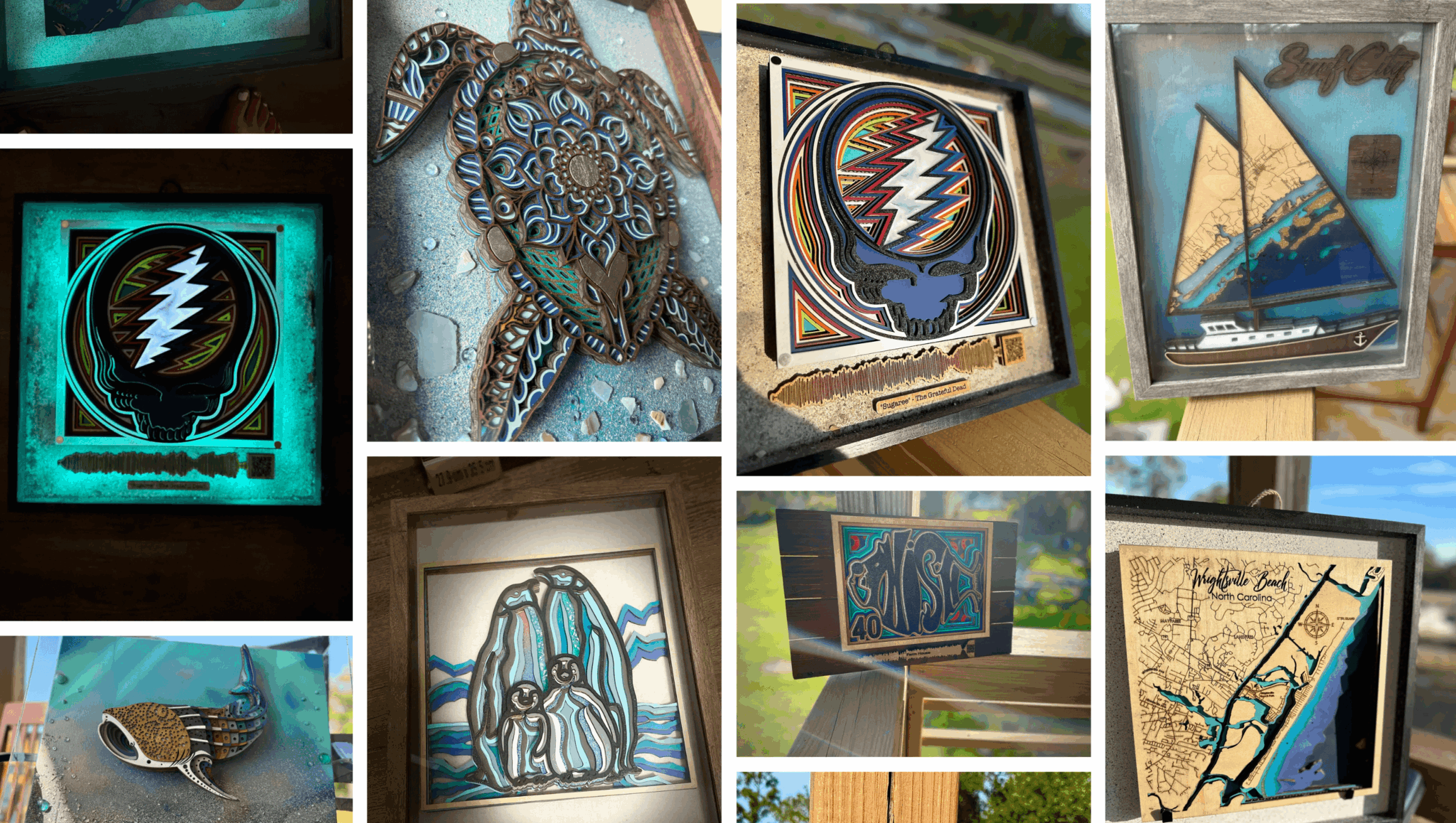
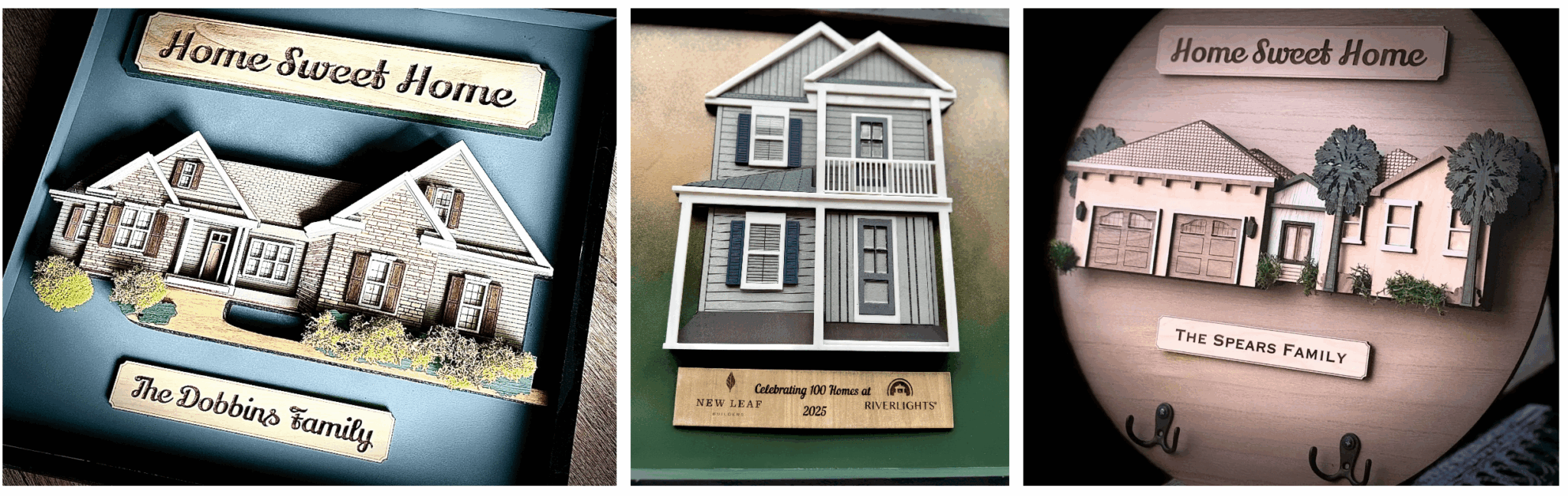
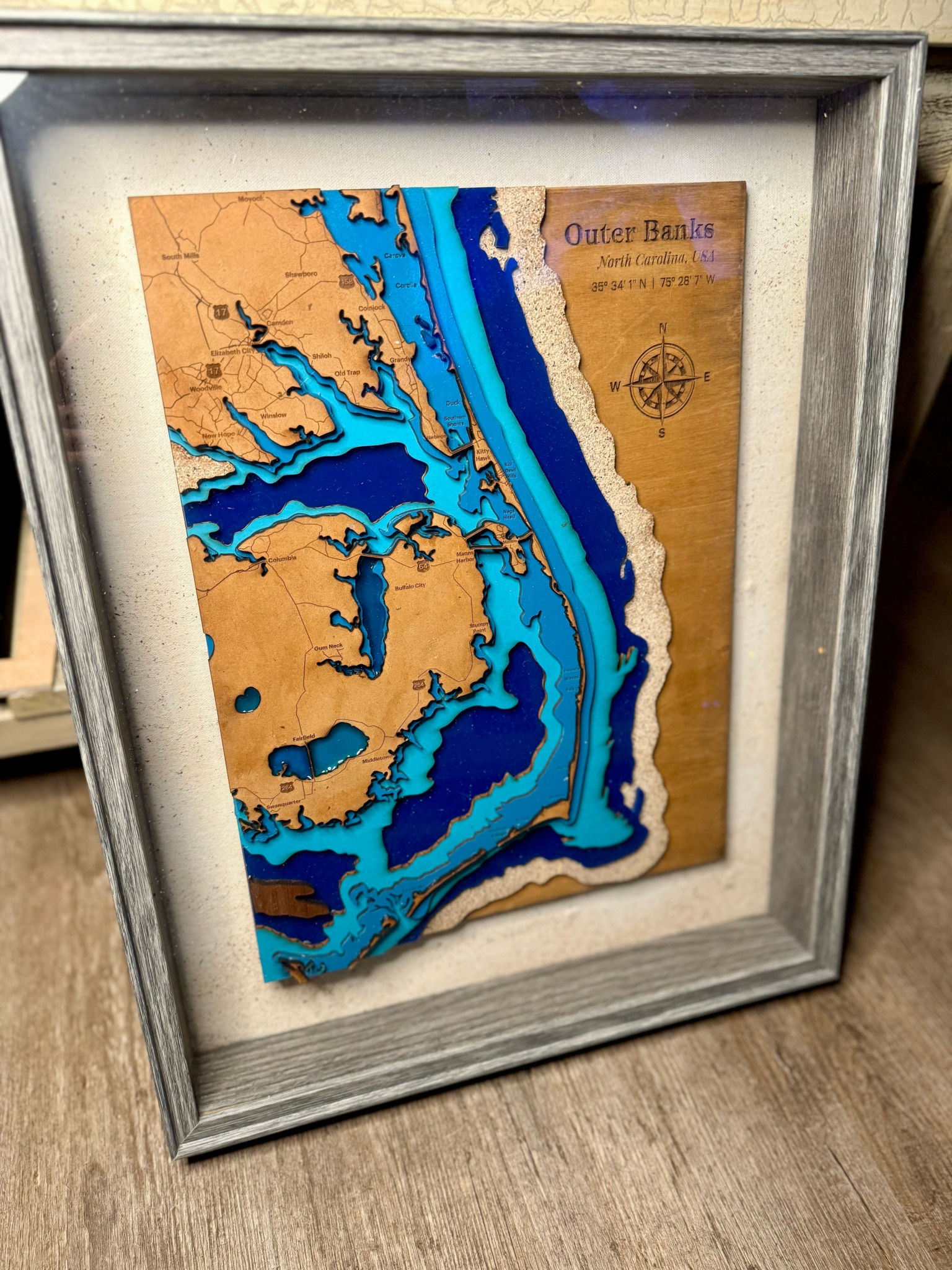
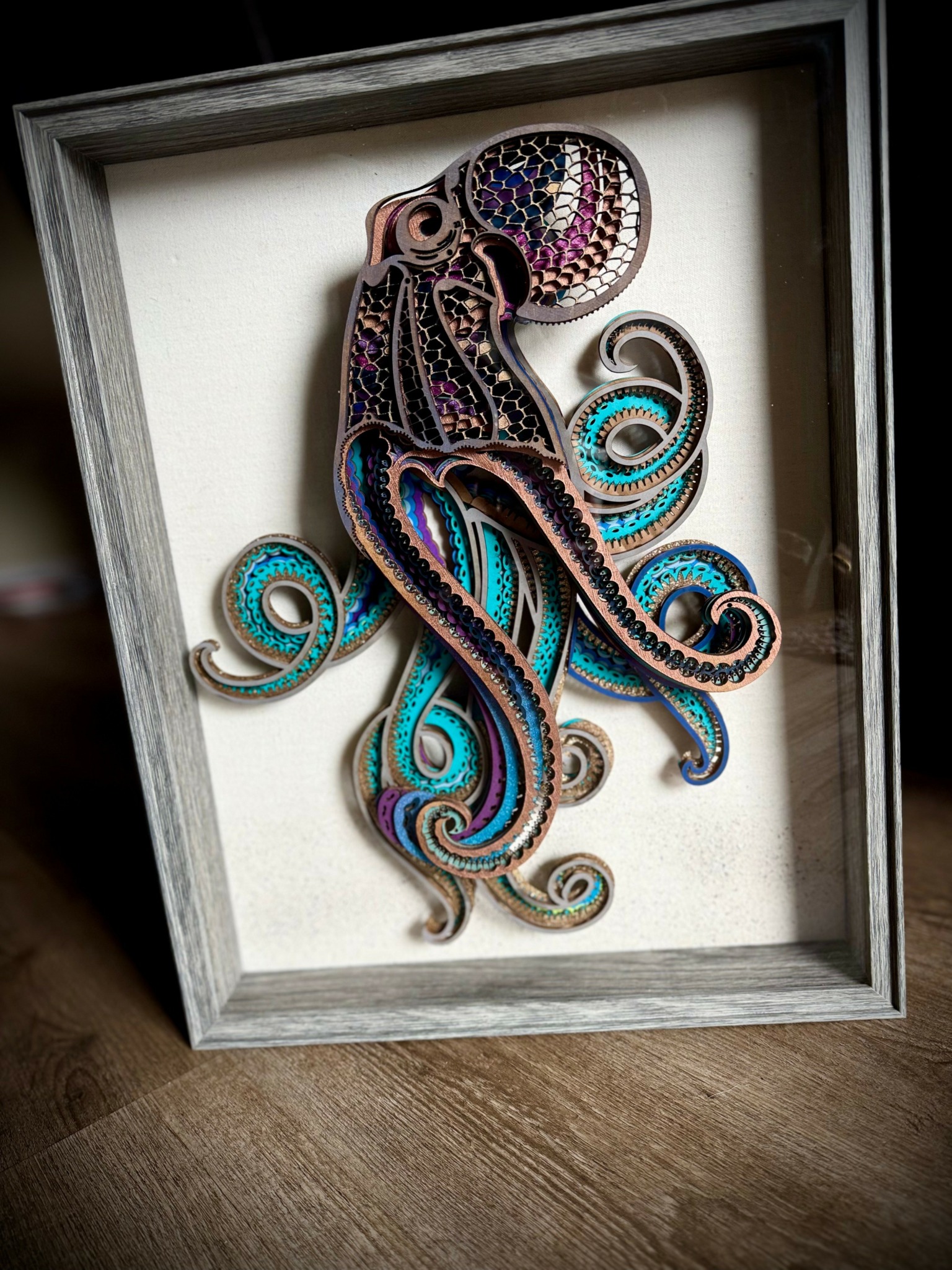
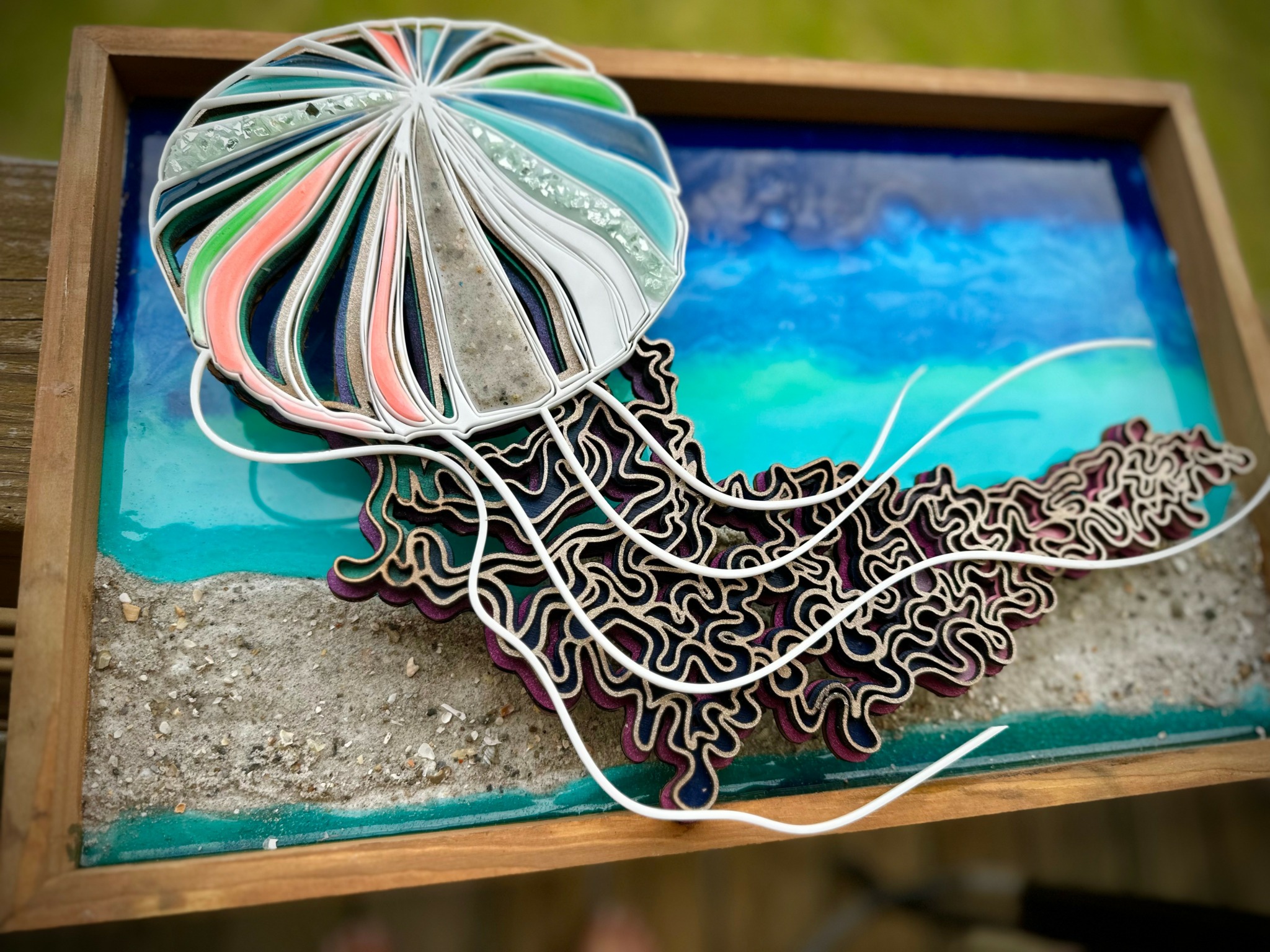
I didn’t set out to build a business. I set out to make something meaningful. I’ve always been deeply rooted in gratitude — for people, for second chances, for the ocean, for community — and my art grew out of that. It started as curiosity and layers of cardboard on a work table. It turned into laser-cut wood, mixed media pieces, coastal maps, home portraits, and deeply personal commissions. But at its core, it’s still about the same thing: connection.
I create layered, story-driven artwork that’s meant to be kept. Not seasonal décor. Not filler. Pieces that hold memory — a home someone worked hard for, a beach that changed someone’s life, a milestone that deserves to be honored. I incorporate details like sand from a favorite shoreline, coordinates of a backyard, a handwritten note engraved on the back. The goal isn’t perfection — it’s meaning.
If I’m being honest, I love making people cry. Not in a dramatic way — in that magical, quiet moment when someone realizes they were really seen. There’s something sacred about watching a person hand over a gift they thoughtfully chose, and seeing the recipient’s expression shift into gratitude and humility. That exchange — that pause — that’s the whole reason I do this.
Carpe Amorem is about recognizing that we don’t always get endless opportunities to express love. When you see one, seize it. That philosophy guides how I create and how I live.
What sets my work apart isn’t just the materials or the laser or the layering — it’s the intention. I’m not mass-producing. I’m listening. I’m translating someone’s story into something tangible. I want the piece to become part of a home, part of a conversation, part of a legacy.
What I’m most proud of is that this business was built on gratitude — not hustle culture, not perfection, not ego. Just showing up, learning, evolving, and choosing love again and again. Even when it would be easier not to.
If someone follows my work or hires me, I want them to know this: I care. About the story. About the earth (I work with upcycled materials whenever I can). About the people behind the piece. I’m not just delivering art — I’m helping you mark a moment in a way that lasts.
Seize the love. That’s it.
Have you ever had to pivot?
One of the biggest pivots in my life didn’t start in my business — it started in my personal life.
I was married for almost a decade, and for a long time I didn’t realize how much of myself I had quietly set aside. I was loyal. Committed. Hopeful. But somewhere along the way, I had started shrinking. My confidence softened. My voice dimmed. My creative risk-taking stalled.
At the time, I didn’t see it as a pivot — I saw it as survival. I was doing what I thought love required. But when that chapter ended, something unexpected happened: clarity returned. Focus sharpened. My self-worth came rushing back in a way that felt both humbling and electric.
It was like I had been swimming upstream for years and suddenly felt the current shift.
Processing that chapter wasn’t instant. It took reflection, therapy, accountability, and a lot of quiet rebuilding. But once I stepped fully into myself again — not who I was trying to be for someone else, but who I actually am — the doors in my business began to open.
Exhibits expanded. Commissions grew. Opportunities that once felt out of reach began to feel aligned.
I don’t think the universe was withholding anything from me. I think I wasn’t ready yet. I was still learning who I was without shrinking.
That pivot taught me something invaluable: when you stop forcing a path that isn’t right, your energy changes. Your standards change. Your work changes. And suddenly, the opportunities that match that version of you start to appear.
It wasn’t just a life pivot. It was a reclamation.
And honestly, it’s the most reassuring feeling I’ve ever experienced — knowing that I’m building from alignment now, not survival.
Is there something you think non-creatives will struggle to understand about your journey as a creative? Maybe you can provide some insight – you never know who might benefit from the enlightenment.
I think one thing non-creatives sometimes struggle to understand is how much of the work happens before you ever see the final piece.
When someone looks at a finished artwork, they see the outcome. They don’t see the hours of learning a new technique, the failed prototypes, the materials that didn’t cooperate, the research, the redesigns, or the late nights balancing it all after a full workday. Creativity isn’t just inspiration — it’s iteration. It’s testing, adjusting, failing, and trying again until something finally feels right.
Pricing is another hard one. As artists, we want people to have our work. We want it to live in homes, to be gifted, to mean something. So when there’s sticker shock, it can sting. Not because we think our work is untouchable — but because we know how much heart went into it. There’s a level of confidence that grows over time in understanding that you’re not just pricing materials. You’re pricing experience, skill, emotional labor, and years of learning how to do something well.
And when you’re building something creative while also working a full-time job, the context switching is real. You move from structured meetings and deadlines into creative flow, which doesn’t always turn on like a light switch. There’s this quiet pressure in the background — trying to build consistency, generate enough income to turn off the low hum of financial anxiety, and still protect space for creativity to feel free instead of forced.
Artists are often incredibly hard on themselves. We see the flaw before anyone else does. We compare. We want to level up constantly. That drive can be beautiful — but it can also be heavy.
If I could offer any insight, it would be this: be patient with creatives. When you support their work, you’re not just buying an object — you’re validating the countless invisible hours behind it. And for many of us, that encouragement is fuel.
We’re not just making things. We’re building something fragile and brave at the same time.
Contact Info:
- Website: https://www.CarpeAmorem.com
- Instagram: https://www.instagram.com/carpe_amorem/
- Facebook: https://www.facebook.com/CarpeAmoremNC
- Other: About my Ft. Fisher Aquarium Takeover: https://portcitydaily.com/arts-and-culture/2025/04/23/layers-of-sustainability-local-artists-mixed-media-work-finds-a-home-in-the-aquarium/
My Chat with Voyage Raleigh: https://voyageraleigh.com/?post_type=interview&p=115558