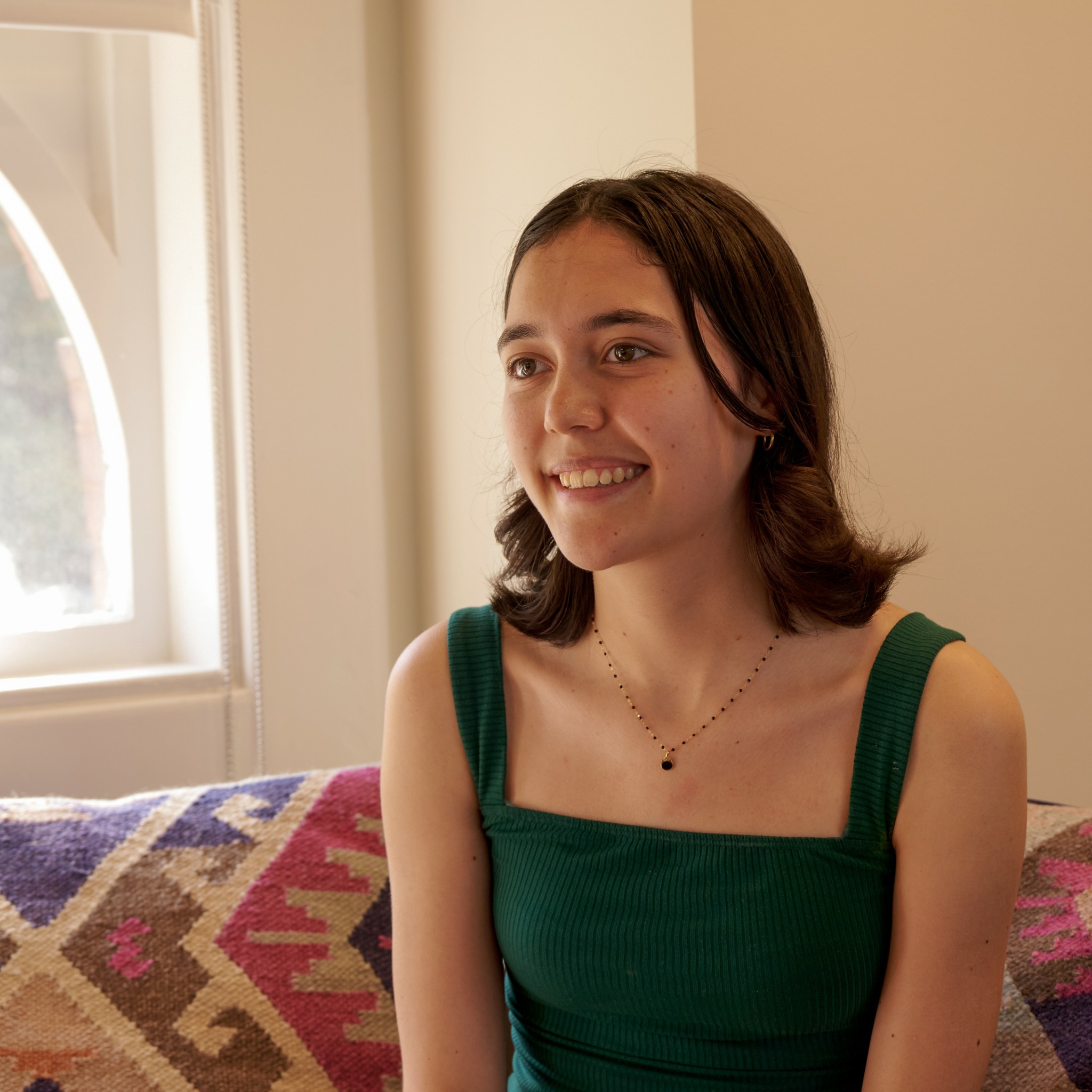

Alright – so today we’ve got the honor of introducing you to Lucie Totton. We think you’ll enjoy our conversation, we’ve shared it below.
Lucie, looking forward to hearing all of your stories today. How did you learn to do what you do? Knowing what you know now, what could you have done to speed up your learning process? What skills do you think were most essential? What obstacles stood in the way of learning more?
It’s such a simple answer, but it really is the only right one: practicing! That answer always felt a little infuriating growing up because everyone wants to instantly be at the level they imagine for themselves. But the truth is the hundreds and hundreds of artworks you create along the way is exactly what makes reaching that goal feel so rewarding when you finally get there. All those experiments, mistakes, and little improvements add up over time. Throughout middle school and high school, I drew constantly. I was always working with markers and watercolors, just filling pages whenever I could. Keeping a sketchbook really does wonders. It doesn’t have to be perfect or polished; it’s just a space to try things out, make messy drawings, and see your progress over time. Drawing as much as you can while you’re learning is one of the most important habits you can build.
Looking back, one resource I wish I had taken advantage of even more is simply the internet. You can teach yourself so much through platforms like YouTube alone. There are so many generous artists who share tutorials, fundamentals, and techniques online, often completely for free. Watching other artists work, hearing how they approach problems, and trying those ideas yourself can make a huge difference when you’re developing your skills.
Another skill that often gets overlooked is social and marketing skills. This is something I’m still actively working on myself, but in such a competitive and saturated industry, being able to share your work and promote yourself effectively can make a big difference. Whether that means building a portfolio, posting consistently online, or just learning how to talk about your work confidently, those skills can really help your art reach the people who might love it.
At this point in my artistic career, I know I still have a ways to go before I see myself among my idols in the industry, but I’m definitely getting there, one drawing at a time. And honestly, that process of growing and improving is part of what makes being an artist so exciting in the first place.
Lucie, love having you share your insights with us. Before we ask you more questions, maybe you can take a moment to introduce yourself to our readers who might have missed our earlier conversations?
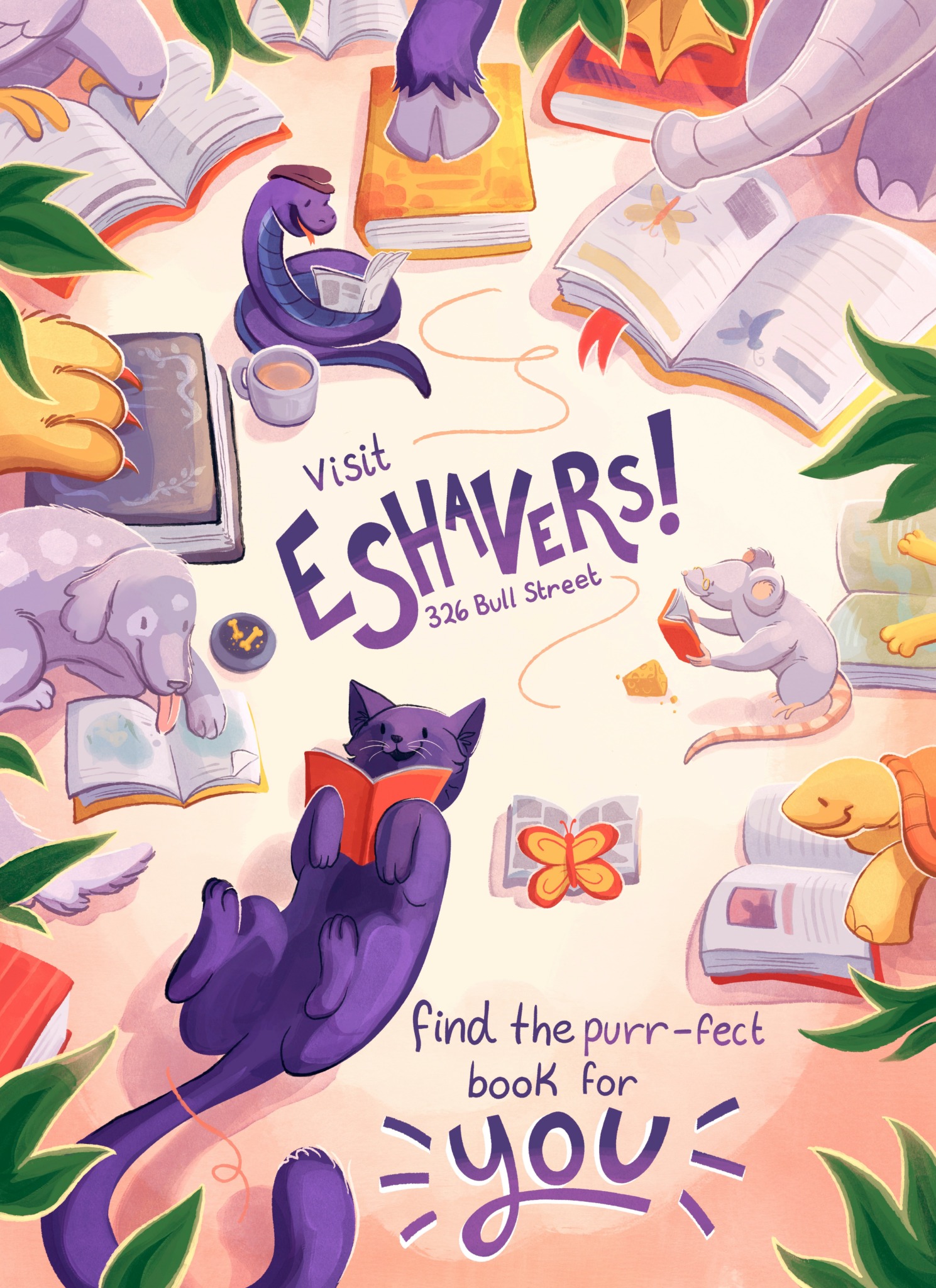
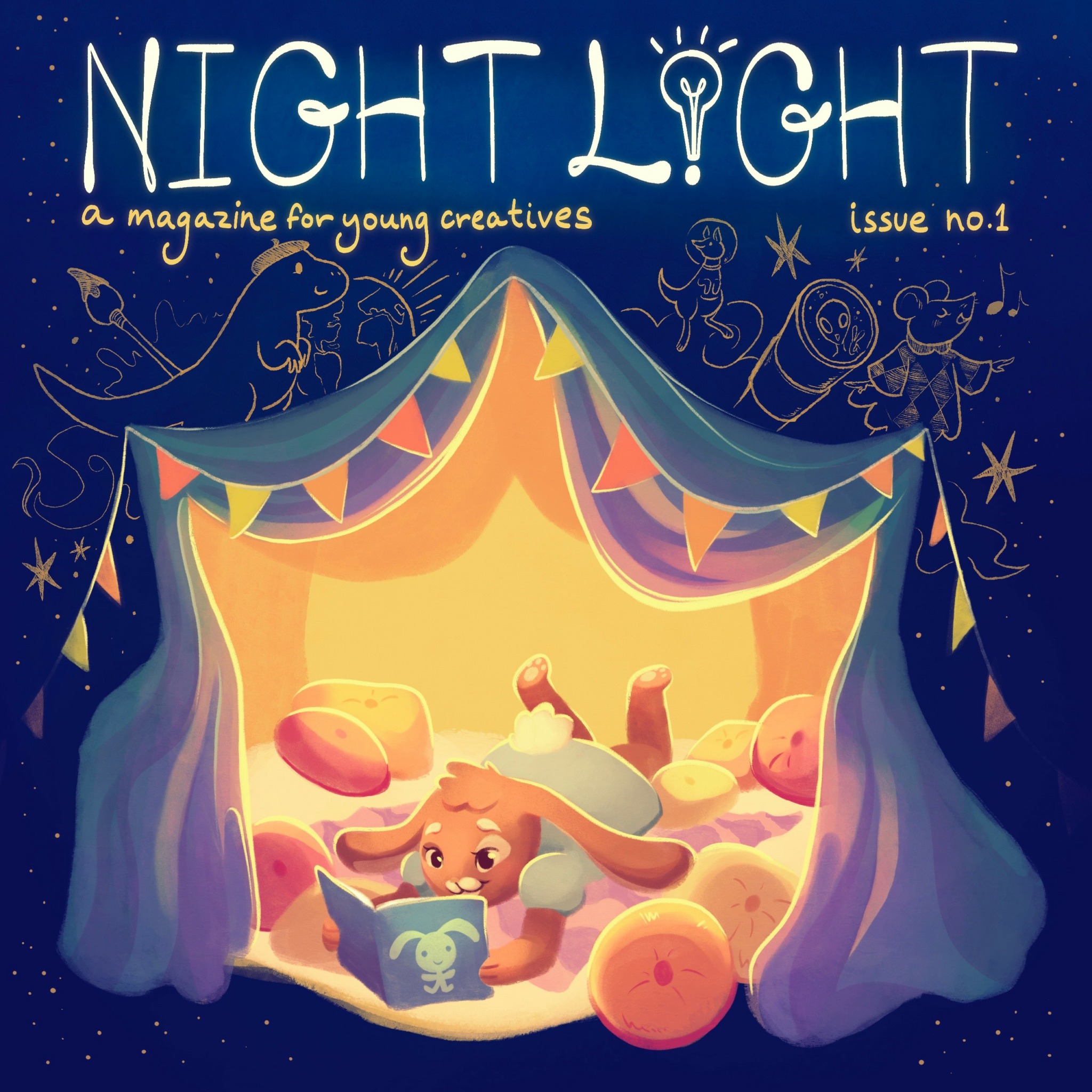
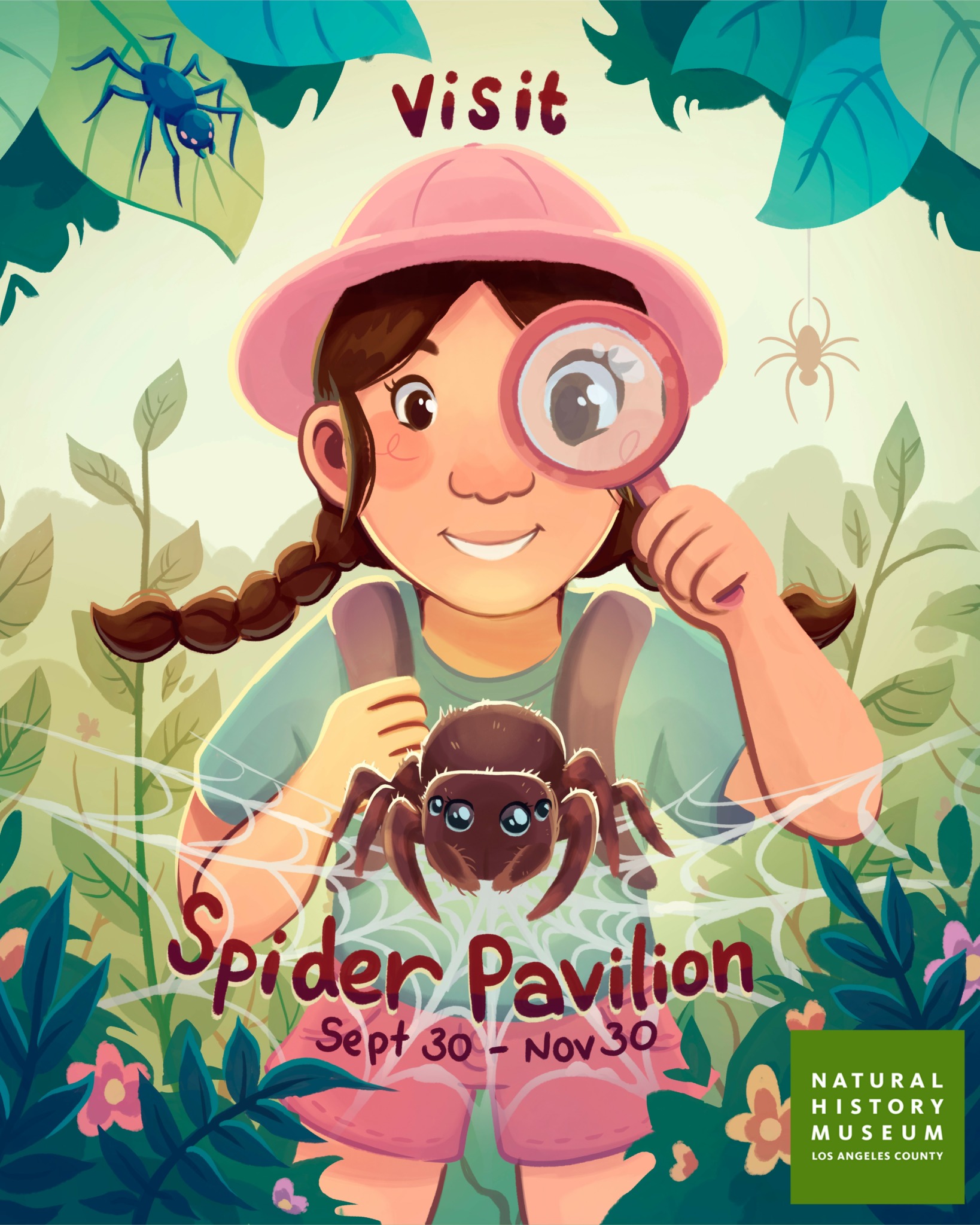
My name is Lucie Totton, and I’m an illustrator and designer for children’s media who aims to inspire through narrative illustration and storytelling. I’m originally from Washington State, but I spent most of my upbringing in Abu Dhabi in the UAE. Growing up overseas gave me a broader perspective on culture and storytelling, and that global experience continues to influence the way I approach my work. I aim to connect with my audience, unlock memories, and encourage imagination through the stories I tell visually. I’m currently pursuing a BFA in Illustration with a minor in Graphic Design at Savannah College of Art and Design, and I’m set to graduate this May.
I’ve been curating my portfolio around children’s media, whether that’s children’s books, advertising, or editorial illustration. I chose this path because I truly believe kids deserve art that has heart and inspires them to be creative. Growing up in an age filled with technology and AI, I think it’s especially important that younger generations continue to understand the value of humanity, art, and kindness. Thoughtful illustration has the power to spark curiosity, empathy, and imagination in ways that stay with people for a long time.
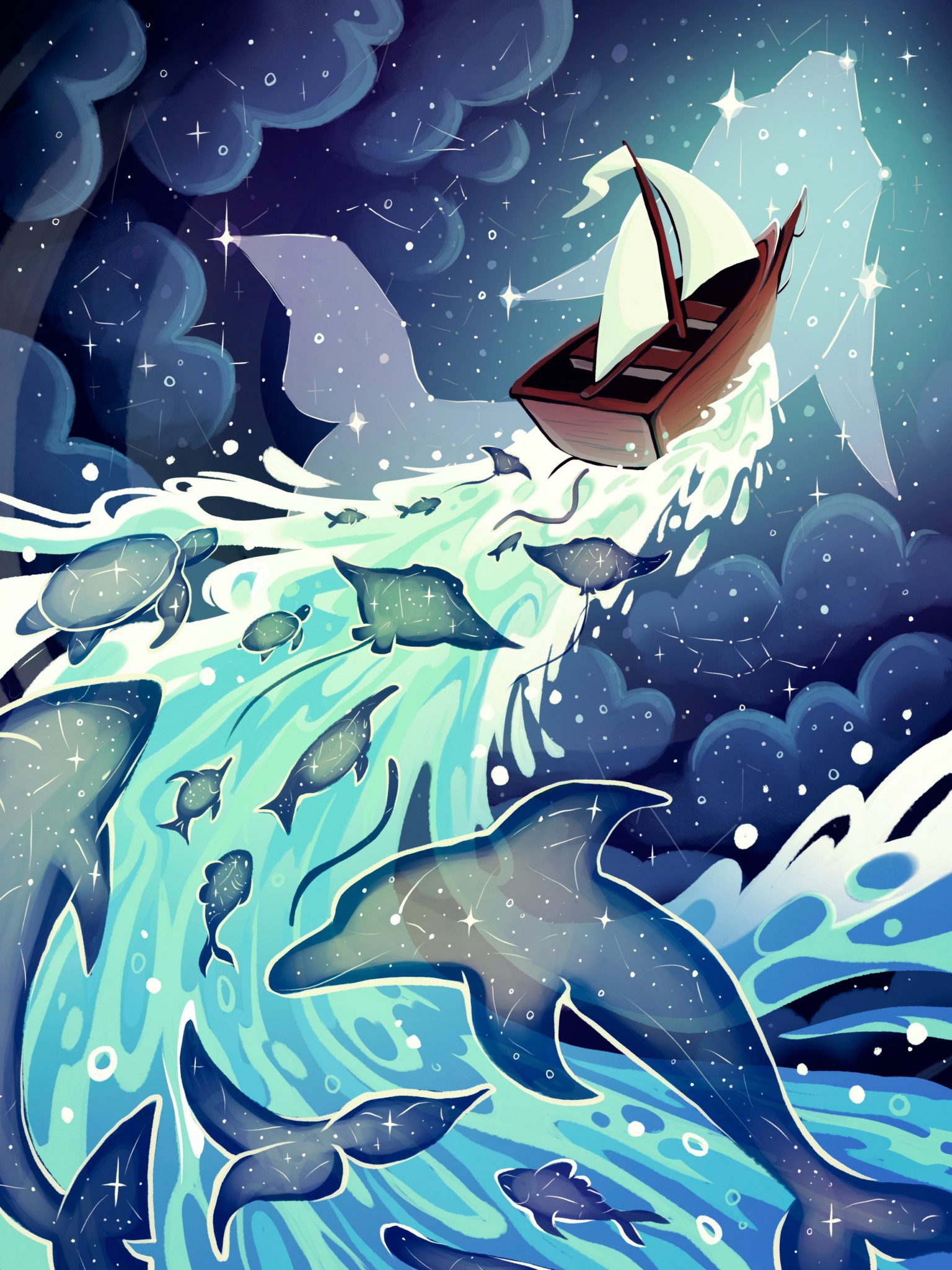
My current process involves a lot of research. Through my studies at SCAD, I’ve learned that intention is a crucial step in illustration, something I didn’t fully understand earlier on. Making sure I understand my audience and what they’ll respond to requires careful research, and that step has become a vital part of my creative process. Once I’ve built that foundation, the rest of the process flows much more easily. From there, I move through thumbnails, rough sketches, value studies, color studies, and finally the finished piece. Following this structure has helped me create some of my strongest work.
As challenging as it has been to learn, refine, and develop my craft, it has also been incredibly rewarding. Pursuing what was once just a childhood dream has been a joy, and I’m excited to continue growing as an artist and storyteller.

What do you find most rewarding about being a creative?
Every time I take a moment to reflect on how much I’ve improved over the years, it really feels like a pinch-me moment. Art has always been a part of my life. My mom actually ran a little garage art studio called “Hi Art Studio,” and it was such a special place growing up. It really fostered my creative spirit and gave me the freedom to experiment with all kinds of materials. I got to play, make messes, and learn early on just how limitless art can be. It definitely took time for me to feel like I was “good” at art, at least at the level I was striving for. I remember scrolling through Instagram and seeing so many incredible artists whose work I admired. I was constantly in awe of their skill and style, and I just wanted to reach that level someday. Looking back now at where I was then versus where I am today, the growth feels really meaningful. All those years of practicing, experimenting, and pushing myself have made a difference. I think if little me could see the work I’m creating now, she’d be pretty proud, and honestly, that’s one of the best feelings there is.
I’m currently working on a collaboration through SCAD’s SCADpro internship program, where I’m creative directing three bedding collections. It’s been an incredibly fulfilling experience so far. I get to work alongside a team of talented artists, all with different skill sets and creative perspectives, and help guide our ideas into cohesive designs. A big part of my role is making sure everyone’s strengths shine while also ensuring that all the pieces work together as one unified collection. Seeing how everyone approaches design differently has been really inspiring, and it’s been such a great opportunity to collaborate, problem-solve, and think about design from a larger, more strategic perspective. We’ve been putting so much care and creativity into the work, so the idea that these designs could eventually end up on store shelves is incredibly exciting for all of us. It’s been a really rewarding experience to be part of something that blends creativity, teamwork, and real-world design.
Can you share a story from your journey that illustrates your resilience?
When you’re pursuing a creative career, a lot of the experience is about falling down and learning how to climb your way back up again. During my first year at Savannah College of Art and Design, I had a professor tell me that the art style I was starting to develop wasn’t working and that I needed to pivot toward a more realistic approach. At the time, hearing that was heartbreaking. It was my first year at university, and I had never received such blunt feedback before, especially from someone who also worked as an art director in the industry. In the end, I didn’t fully lean into the somber realism he preferred, but the critique did push me to reevaluate my work. I made a pretty big shift and started developing a more realism-inspired cartoon style. That change ended up being incredibly important for me, it helped me find a direction that still felt true to my interests while also strengthening my technical skills. Looking back, that difficult moment actually pushed me toward a style that feels much more fulfilling today.
Where I am now in my career, I’ve experienced a lot of rejection, and it can definitely be disheartening at times. Like many artists starting out, I’ve had opportunities fall through, including one job I was really excited about that ultimately went to AI because my rate was considered too high. Experiences like that can make you question yourself and wonder if you’re good enough. But I’ve also learned that these moments are part of the process. Every “no,” every small project, and every unexpected detour becomes a stepping stone. They all help build experience, resilience, and clarity about the kind of artist you want to become. Even when it’s tough, I try to remind myself that growth in a creative career rarely happens in a straight line and each challenge is still moving me forward.
Contact Info:
- Website: https://lucietotton.com
- Instagram: https://www.instagram.com/lucietotton/
- Linkedin: https://www.linkedin.com/in/lucietotton/