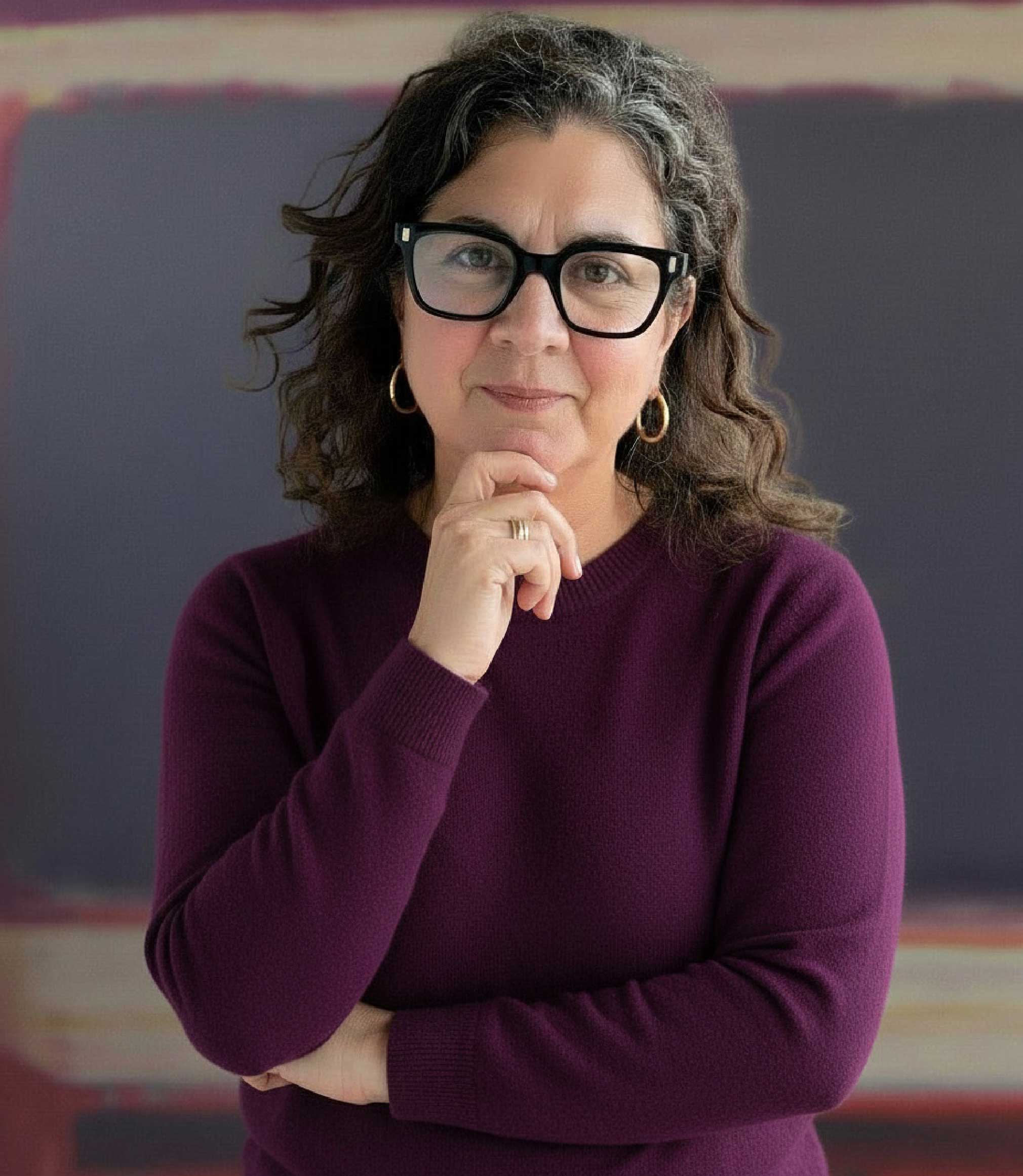

We recently connected with Louise Perry and have shared our conversation below.
Louise, thanks for joining us, excited to have you contributing your stories and insights. Can you share a story about the kindest thing someone has done for you and why it mattered so much or was so meaningful to you?
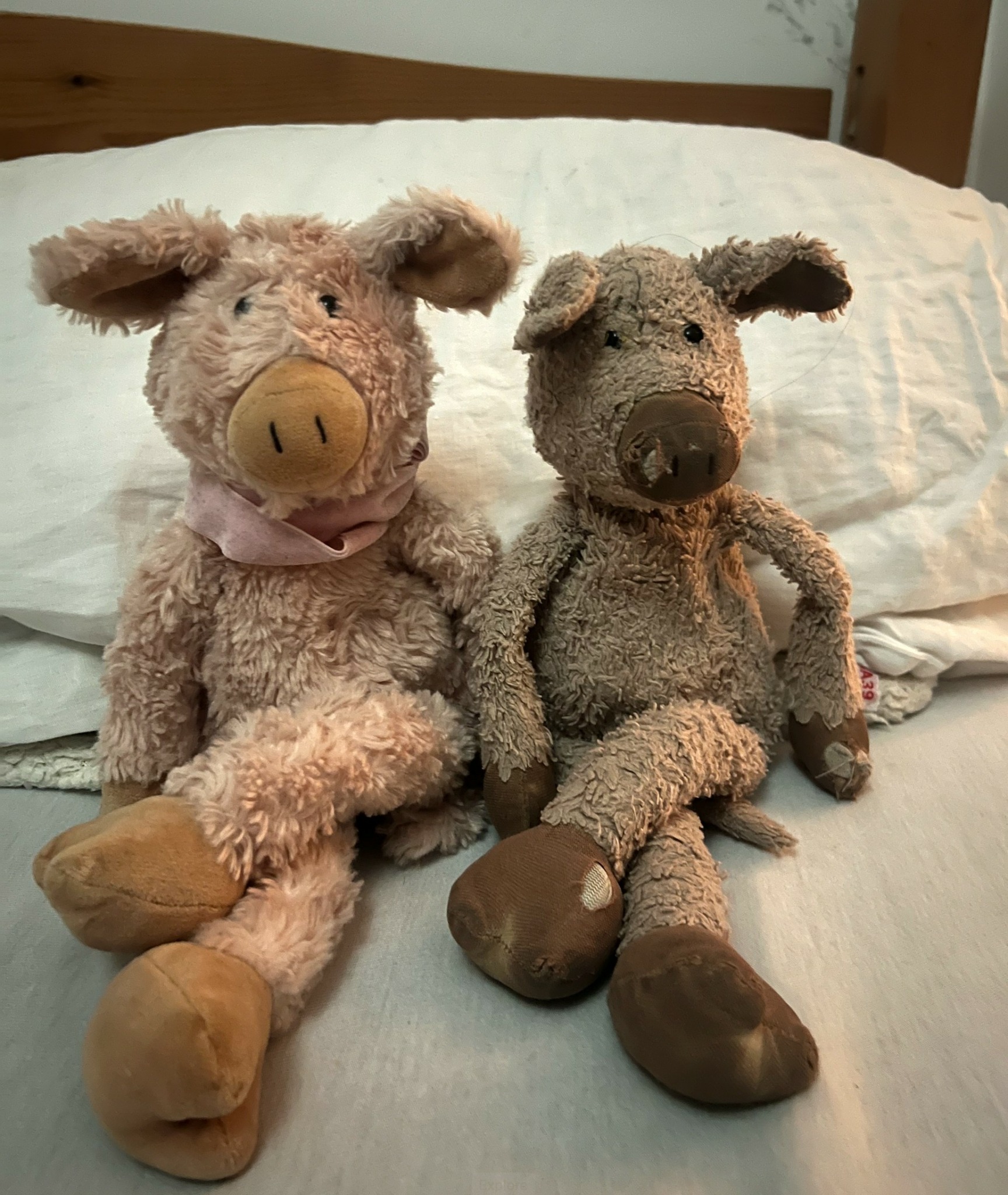
Anyone who has known me as a mother knows Piglet.
We don’t know where he came from originally. One day, when my daughter Izzy was about three, he appeared and she adopted him completely. From that moment he went everywhere with us – on every holiday, every adventure, every difficult night.
He has been lost more times than I can count. In San Francisco he got wrapped up in hotel laundry and sent to an external cleaning facility. We had security guards searching, the entire laundry staff on the case. He was found. He is always found. And whenever he is recovered – in hotels, in lost property, wherever – the staff have always positioned him carefully, ready to be collected. As if they understood.
At my 50th birthday party my then ten year old daughter announced she was tired and ready for bed. “Even Piglet is tired,” she said. “And he’s a party animal.”
Over the years Piglet has become shabby and worn in the way that truly loved things do. I have searched every toy shop I have ever walked into looking for a replacement, just in case the worst happened. I never found one. Two years ago Izzy was leaving for Australia to study for a year. We are very close and she was worried about me being alone. I came home one day to find a postcard on my bed. It read: “Hello. I am the Cousin. I am here to keep you company while Izzy is away.”
Next to the postcard was a new piglet. Pink, fluffy, pristine. She had spent six months searching and finally found one in Japan.
It is the best and most precious gift I have ever received. The Cousin lives on my pillow. When I see him or pick him up I am filled with the warmest feeling – of being known, of being loved, of having somehow got the most important thing right.
As always, we appreciate you sharing your insights and we’ve got a few more questions for you, but before we get to all of that can you take a minute to introduce yourself and give our readers some of your background and context?
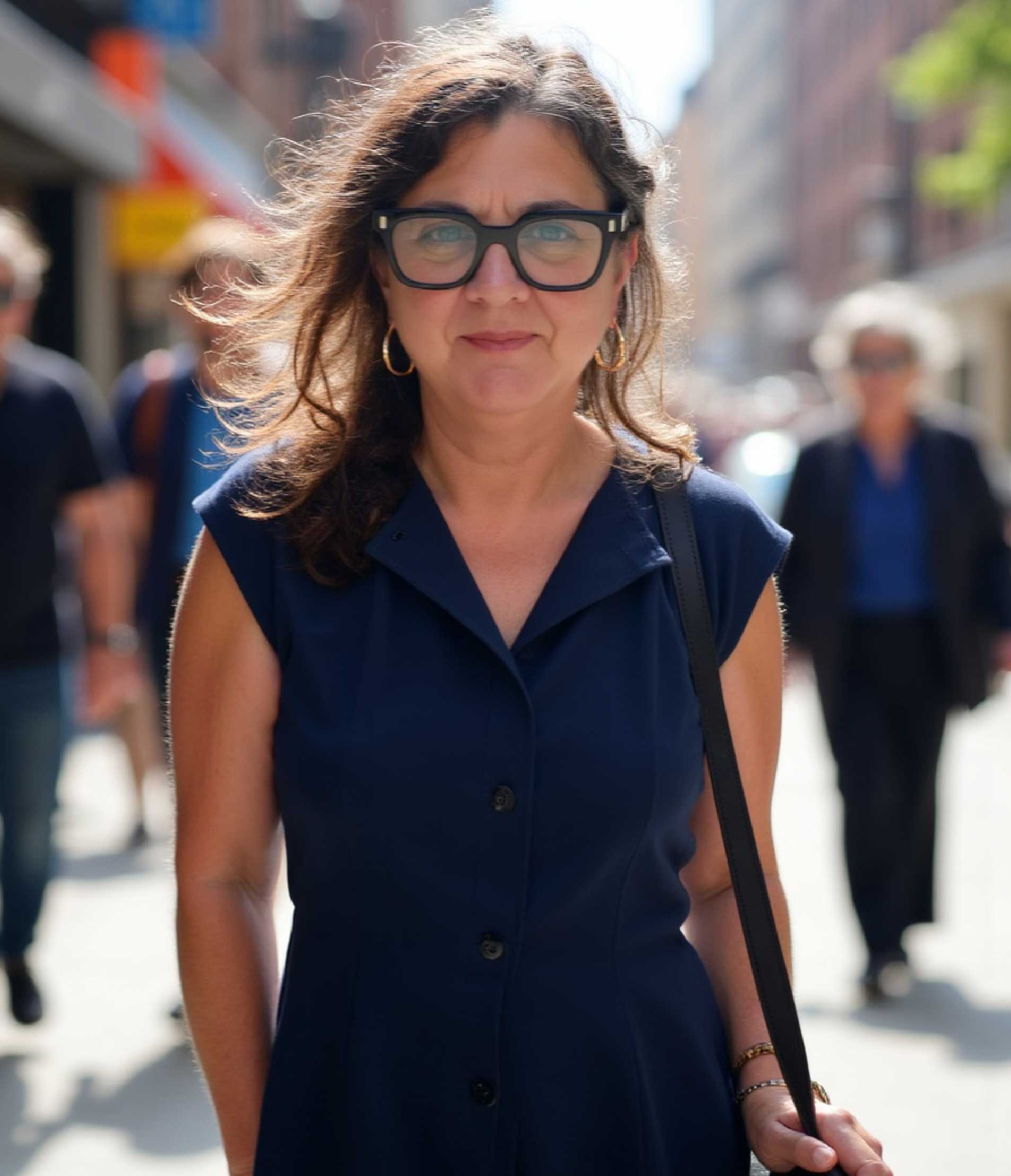
I’m an art psychotherapist and IFS-informed clinician based in London, with a background that doesn’t follow a straight line – which I think is exactly why the work I do now makes sense.
I spent 35 years as a creative director and digital pioneer, embedded inside organisations, watching what happens to people when businesses grow, change or hit a wall. At the same time I was quietly training as a therapist, completing two MAs – one in Communication Design, one in Integrative Art Psychotherapy. For most of my career I held both worlds simultaneously without quite naming the connection between them.
I’m naming it now.
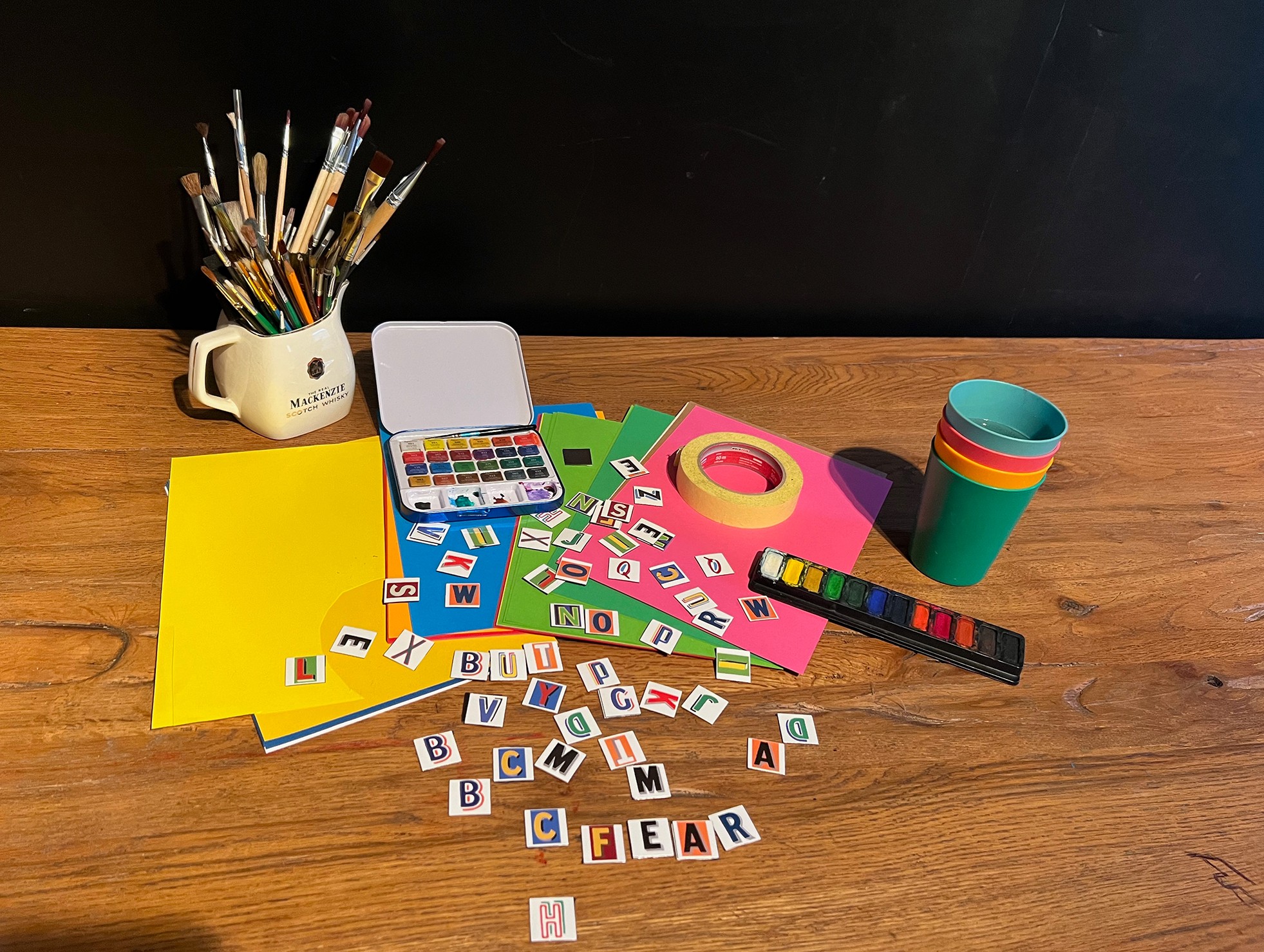
I work with individuals in my central London studio and one day a week at The Nightingale Hospital, helping people unravel complexity, understand their internal world and change the behaviours and beliefs that are keeping them stuck. I use creative approaches because sometimes a drawing or an object can reach what words can’t.
What excites me most right now is taking this work into organisations and teams. Businesses are full of intelligent people making poor decisions under pressure, carrying unspoken conflict, struggling with change they can’t quite name, or hitting creative blocks that nobody is talking about directly. That’s exactly where my combination of clinical training and 35 years inside organisations becomes useful.
I’m also the maker of the Effing Colouring Books – sweary, therapeutic, beautifully designed adult colouring books that exist because sometimes joy and irreverence are the most direct route to something true.
The F**K Cancer colouring book is next. Watch this space.
We often hear about learning lessons – but just as important is unlearning lessons. Have you ever had to unlearn a lesson?
The lesson I had to unlearn was one I didn’t even know I had learned.
My mother’s way of dealing with conflict or disappointment was silence. Complete withdrawal. If you had done something wrong, or disagreed with her, or simply made a choice she didn’t like, she would cut you off. The cold shoulder could last weeks. Sometimes months. Once, five years.
It is an extraordinarily painful thing to be on the receiving end of. And without realising it, I learned to do exactly the same thing.
For years – through friendships, relationships, work – if someone offended me or hurt me I would simply disappear. Build a wall. Cut them off completely. I had no language for conflict, no tools for working through difficult feelings with another person. I think somewhere underneath it I believed that if I withdrew, they would realise what they were missing. Me.
It wasn’t until my thirties that I understood what I was actually doing. That those walls I was building to keep other people out were also walling me in. That I wasn’t protecting myself – I was isolating myself.
Now I think of it differently. When I need space or distance from someone I don’t build a wall. I imagine a low garden fence with a gate. Something we can both see over. Something with a latch that either of us can open if we choose to. A boundary that says I need some space right now – not one that says you no longer exist to me.
That image has genuinely changed how I move through the world. And it came from understanding that what I learned as a child about how to handle pain was never mine to keep.
Other than training/knowledge, what do you think is most helpful for succeeding in your field?
Life experience. Without question.
I have lived a life that has taken me to some very dark places and some very joyful ones. I have had money and I have had none. I have been in love and had my heart broken. I have built a career and watched it collapse. I have been a single mother, doing it largely alone, working out how to hold everything together when there was no one else to pick up the slack.
In 2000 I crashed out completely – burnout, a breakdown, three months in hospital rebuilding myself from the ground up. Getting sober. Learning, for the first time really, how to be honest about what was happening inside me.
None of that was wasted.
What allows me to sit with someone in their pain is not my qualifications – though those matter. It is the fact that I know what pain feels like from the inside. I know what it is to feel completely lost and to have to find your way back. I know what shame feels like, and loneliness, and the particular exhaustion of keeping everything together when you are running on empty.
That lived experience is what creates real connection in the room. Clients can feel the difference between someone who has read about suffering and someone who has been there. I have been there. The training gave me the tools. Life gave me the understanding.
Contact Info:
- Website: https://www.louiseperry.com
- Instagram: arttherapybylouise
- Linkedin: https://www.linkedin.com/in/louisevperry/