

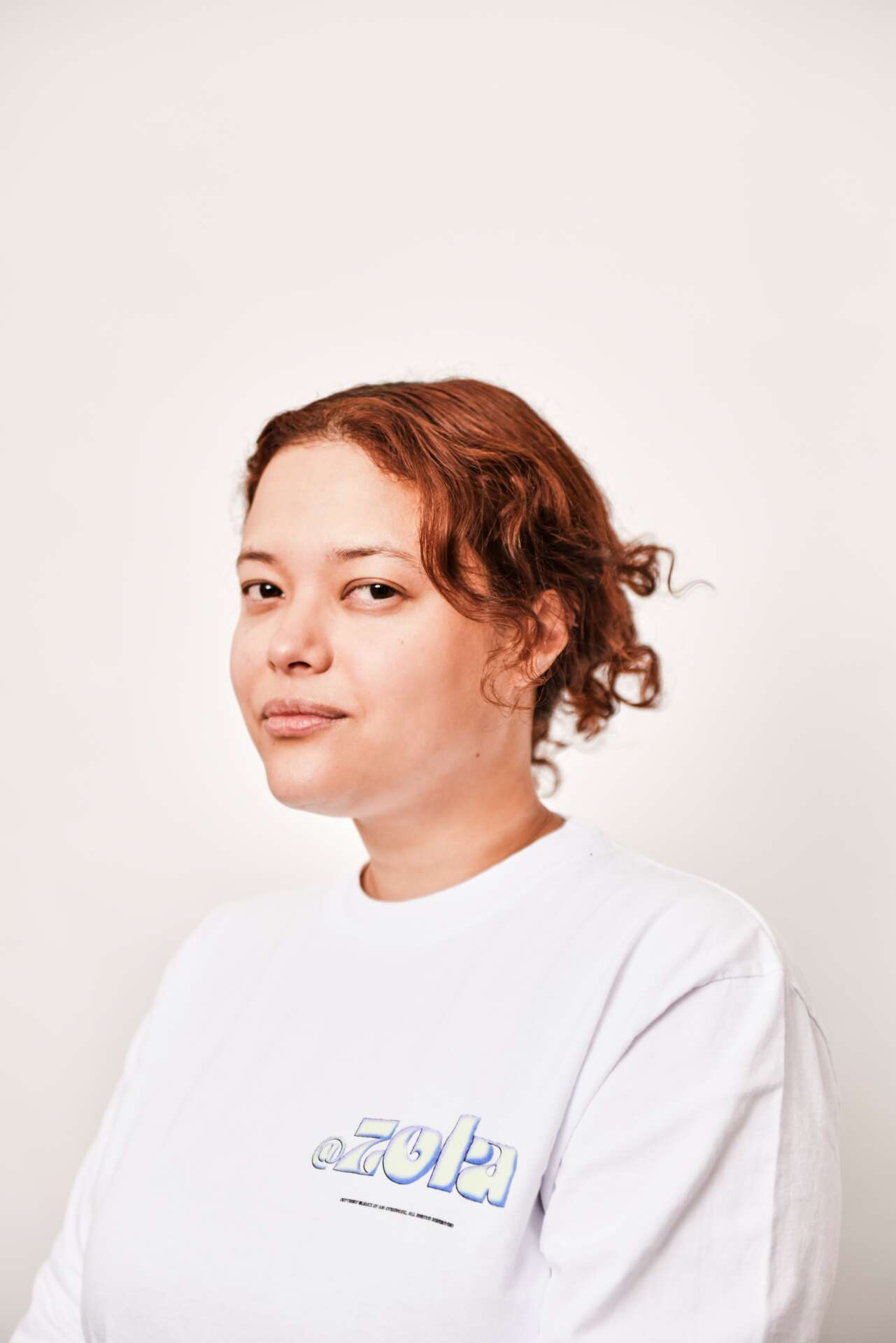

We were lucky to catch up with Louise Barretto recently and have shared our conversation below.
Louise, thanks for joining us, excited to have you contributing your stories and insights. We’d love to hear the backstory behind a risk you’ve taken – whether big or small, walk us through what it was like and how it ultimately turned out.
Risk taking has always been part of my DNA for as long as I can remember. I don’t think I’ve ever chosen safe options at all.
After college, I decided to get an internship in theater. I had two options – one in Berkeley for California Shakespeare Theater which would mean I could live with my aunt/family in the Bay Area and another for a small avant-garde theater company in New York. I chose NYC and I didn’t have family there. Luckily, my dad’s friend graciously let me stay with his family in New Jersey and my aunts from Philadelphia helped get me settled there while I had my internship for 6 months.
The decision to move to Los Angeles from Manila 10 years ago was one of the biggest risks I’ve taken. I had no job prospects in LA when I moved, but I trusted that I would be able to make it work. If we’re too afraid to take risks, then we don’t try at all. Trying is all you can do.


Louise, love having you share your insights with us. Before we ask you more questions, maybe you can take a moment to introduce yourself to our readers who might have missed our earlier conversations?
I always knew I wanted to work in entertainment. One of my WIF (Women in Film) producing mentors recently mentioned that she wanted to become a director like Dawson (played by James Van Der Beek) from Dawson’s Creek. Funnily enough, I also wanted to be a director because of Dawson. Making films and creating art is magical. The way the whole team shares their skills and expertise to make something is pure magic.
As a producer, whether the medium is in stills or film, it means that I help execute the vision of the photographer or director. When you have a collaborative team, a producer is also able to put on their creative thinking hat and contribute that way. Those are my favorite projects, because it makes you feel seen and heard and not in that egotistical way. There’s no ego at all when you are coming up with ideas. It can easily be killed, but the process is everything.
I’ll never forget attending a panel with The Daniels, the Oscar winning directors of Everything Everywhere All At Once, and in making EEAAO, they abided by the 80/20 rule. The 80/20 rule means that 80% of outcomes come from 20% of causes. This informed everything they did, as they focused on perfecting their 20% to get that 80% result. They also empowered their team to focus on their own 20% to get that 80% outcome. Despite the film’s title, it is hard to be everything everywhere all at once. The Daniels recognized that and empowered their team to focus on their own 20%. This also just means that you have to know what your top priorities are and focus on that. The rest will follow.

What do you find most rewarding about being a creative?
The most rewarding aspect of being a producer is collaboration. I definitely don’t pretend to know everything, but I also believe that anything is knowable. When I do a project, I get excited if there’s that element of play. When children play, they don’t care if they look silly. They aren’t self conscious about themselves. You’re also more relaxed, so the ideas and creative juices flow better. Basically, you’re in the flow. Producing and making art is just an opportunity for adults to experiment and test new ideas out. Maybe it works and maybe it doesn’t.
If you have an open mind, there’s always more to learn and discover. I never want to stop learning.

In your view, what can society to do to best support artists, creatives and a thriving creative ecosystem?
I want to shine a light on organizations that are supporting artists. I’m currently a WIF (Women in Film) Physical Producer Fellow. WIF is celebrating its 50th anniversary and they’ve been working for gender equity in Hollywood since 1973. For the inaugural fellowship, they’ve matched me and my cohorts with mentors that serve as a support system so that we are able to level up in our careers. It’s not just about supporting artists but also about providing tools for underrepresented genders in the industry to succeed.
Another organization that I’d like to shine a light on is Cinema Sala, which is founded by Filipinx director Marie Jamora. Her mission with Cinema Sala is to bring Filipinx filmmakers and creatives together through screenings, script readings and educational programs and there’s always Filipino food involved. The organization literally started from her living room (sala in Tagalog), and now the community has grown beyond that. Representation (whether that’s gender or ethnic) matters. We are seeing the changes in Hollywood, but there’s still a long way to go.

Contact Info:
- Website: https://louise-barretto.com/
- Instagram: https://www.instagram.com/louielouie16
- Facebook: https://www.facebook.com/louie.barretto
- Linkedin: https://www.linkedin.com/in/louise-barretto/
- Twitter: https://twitter.com/louielouie16
Image Credits
Irvin Rivera Melly Lee