

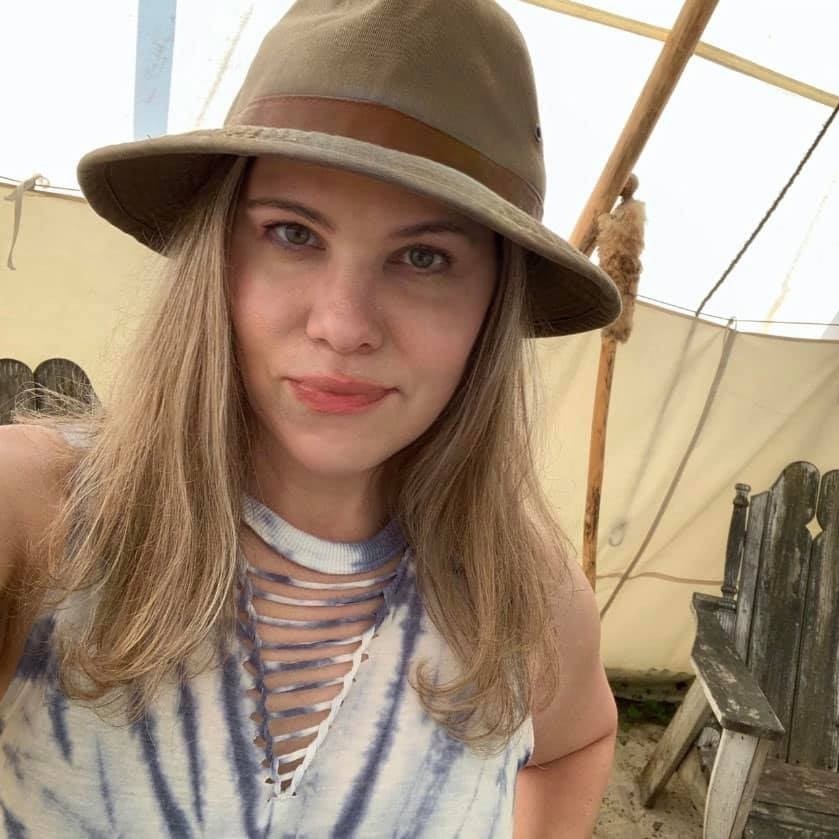

We caught up with the brilliant and insightful Lori Swett a few weeks ago and have shared our conversation below.
Lori, appreciate you joining us today. Risk taking is something we’re really interested in and we’d love to hear the story of a risk you’ve taken.
Thank you so much for asking. There are a couple of risky things that come to mind and both are related! Allow me to explain.
After two decades of volunteering at various animal rescue organizations I decided to start my own 501c3 nonprofit animal sanctuary. It seemed risky at the time but I came to realize that this path best suited my animal rescue work because after so many years of fostering special needs, difficult to adopt animals I had become what was known in the rescue community as a “foster failure”. Meaning the animals I fostered came to stay at our farm but never left.
I recognized this wasn’t necessarily a bad thing though, it meant that I was able to make a bigger impact on the lives under our care. It felt more authentic for me to offer rescued animals a permanent retirement home instead of bringing them into a temporary home setting, and then quickly adopting them out to other homes. There is nothing wrong with this system by the way, it’s how animal rescue organizations are able to save so many lives and it’s such important work. But for me it made more sense to offer them a permanent retirement home and not have to uproot and rehome them once they finally started to feel comfortable and trust humans again. I just didn’t have the heart to let them go and face that trauma all over again.
Cut to 2018 when I founded Clover Ridge Animal Sanctuary to provide a loving forever home to various at-risk animals including not just dogs and cats but farmed animals too! It has turned out very well for the animals under our care. Some have since passed of old age and are no longer with us but I sleep well at night knowing that they experienced comfort, stability, and unconditional love during their time with us.
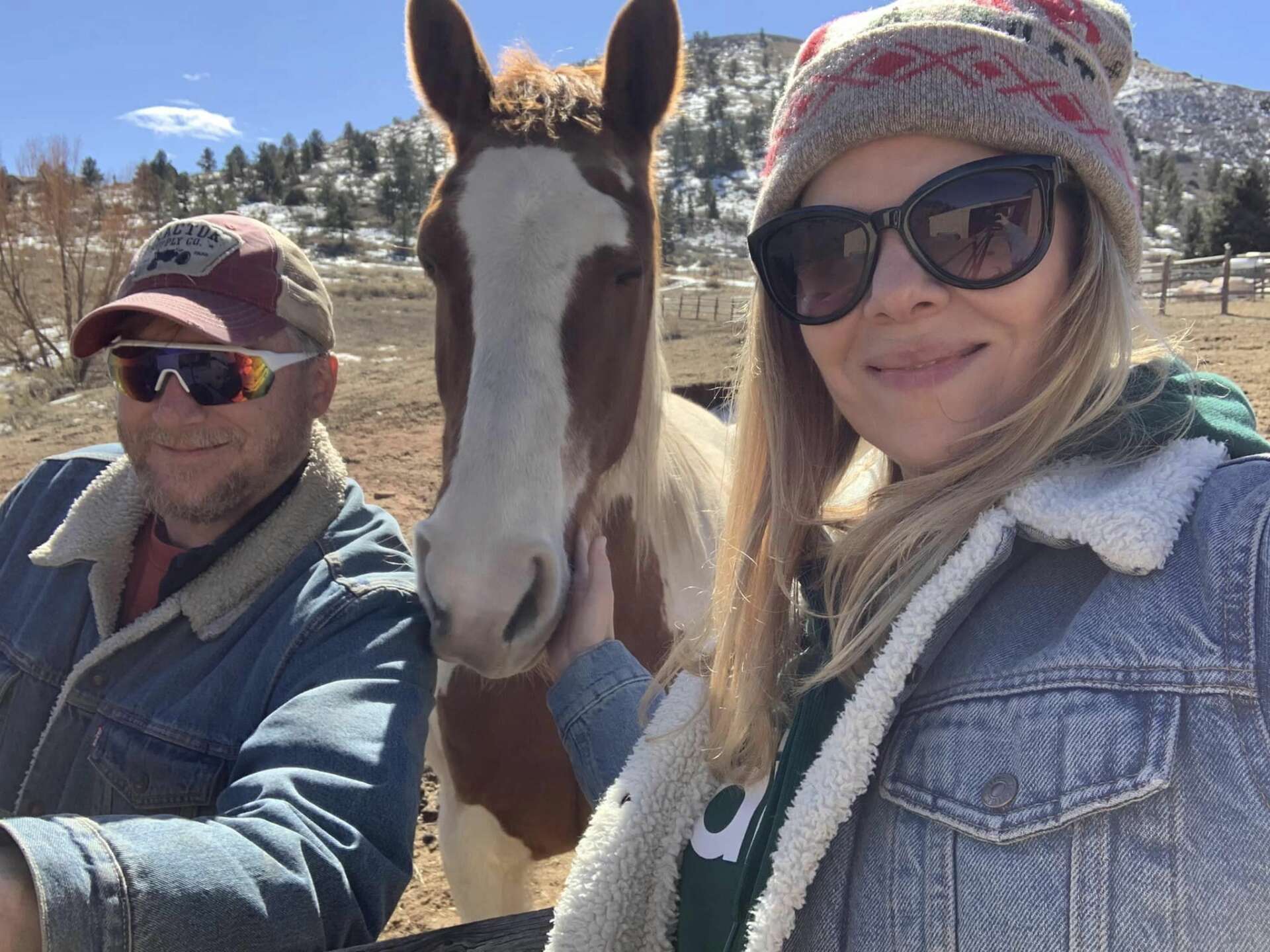
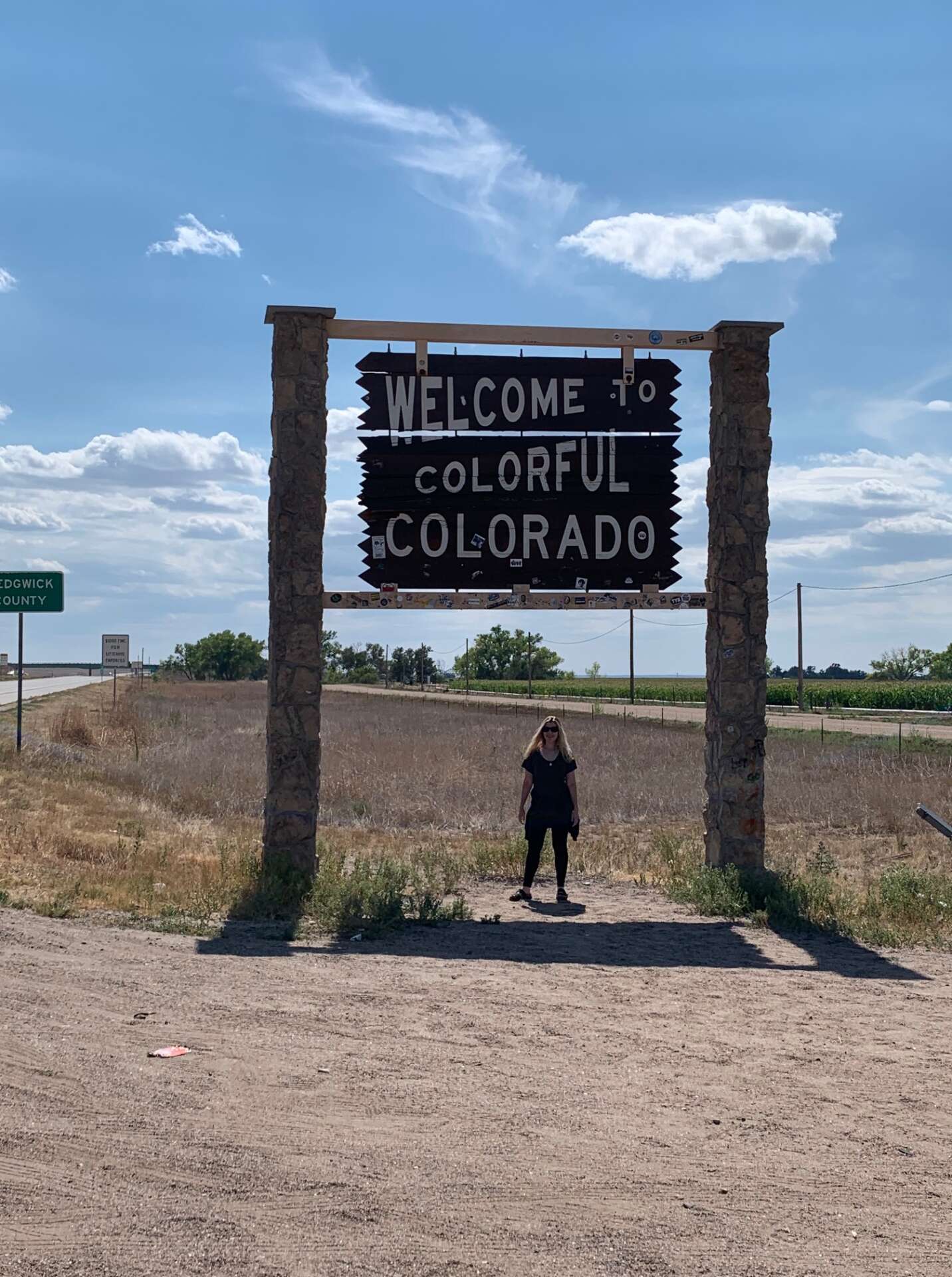
The second biggest risk I recently took is relocating our entire animal sanctuary across the country from the east coast to Colorado. This was truly a life changing endeavor for all of us! In full transparency, the decision to move was a personal one for me as I moved to be with my partner, but I knew it would also greatly benefit our animal residents and organization at the same time. Instead of just me looking after the animals, they now have a whole team of human guardians and caretakers. Many of our sanctuary residents have flourished in their new home. For example, our former feral barn cats have now become spoiled house cats! And even though we haven’t found our forever farm yet, we have been able to intake some new residents and species (chickens!) as well. Moving has opened up so many new opportunities for our small but growing organization. We have only been here for 8 months and have already met so many great folks, fellow sanctuary directors, and members of the community! I love the old saying, “Risk is the price you pay for opportunity”. This resonates with me so much and is so true. 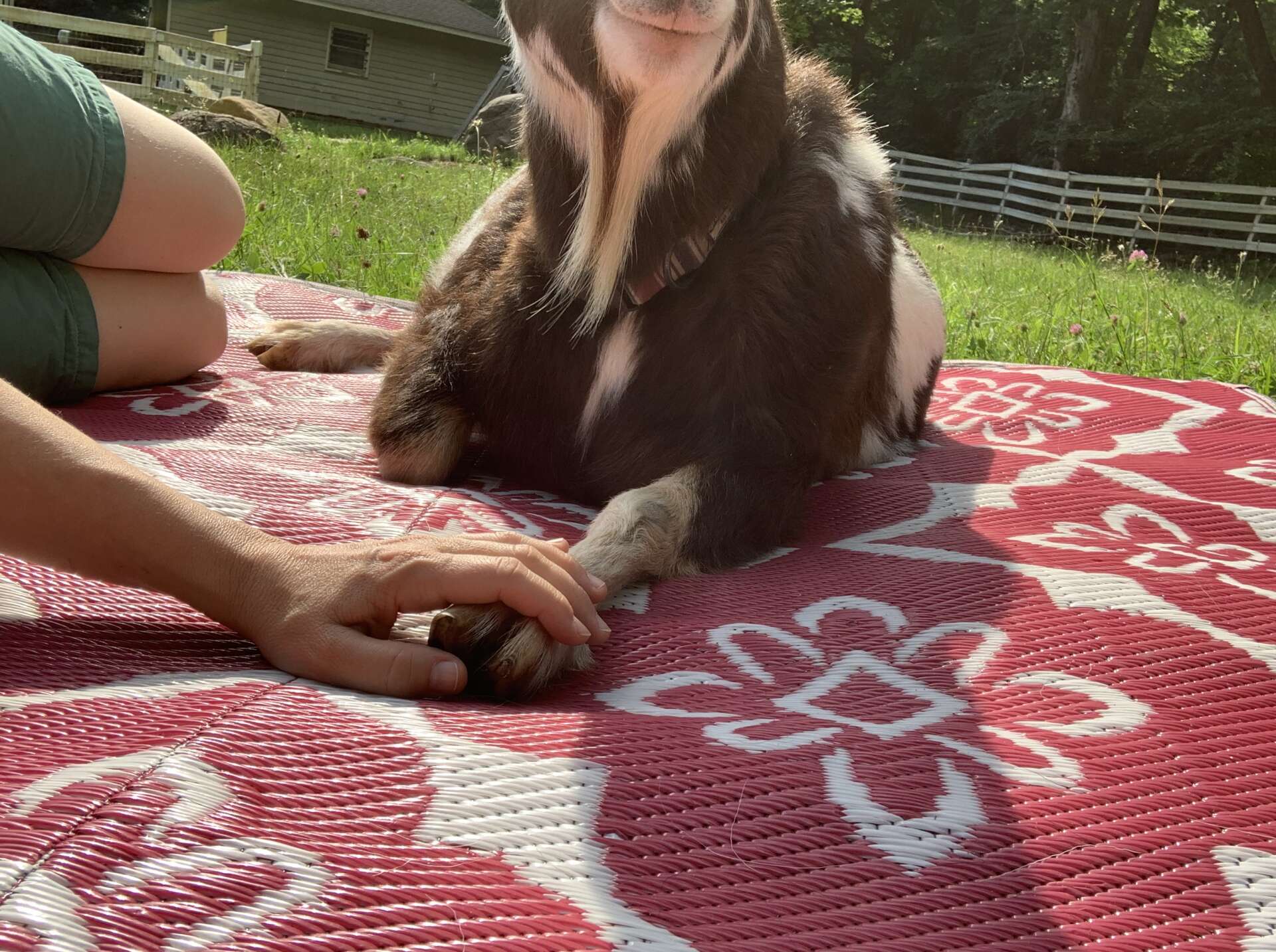
As always, we appreciate you sharing your insights and we’ve got a few more questions for you, but before we get to all of that can you take a minute to introduce yourself and give our readers some of your background and context?
Well for starters, I have always been drawn to animals and nature. Even as a young child I would often venture off into the woods observing wildlife and collecting leaves, studying different plants and smelling flowers. I dreamt of one day having a farm for rescued animals where they could live their lives in peace. After working really hard and saving and sacrificing, I purchased a mini farm in Connecticut 12 years ago and made that dream a reality, ultimately founding Clover Ridge Animal Sanctuary in 2018.
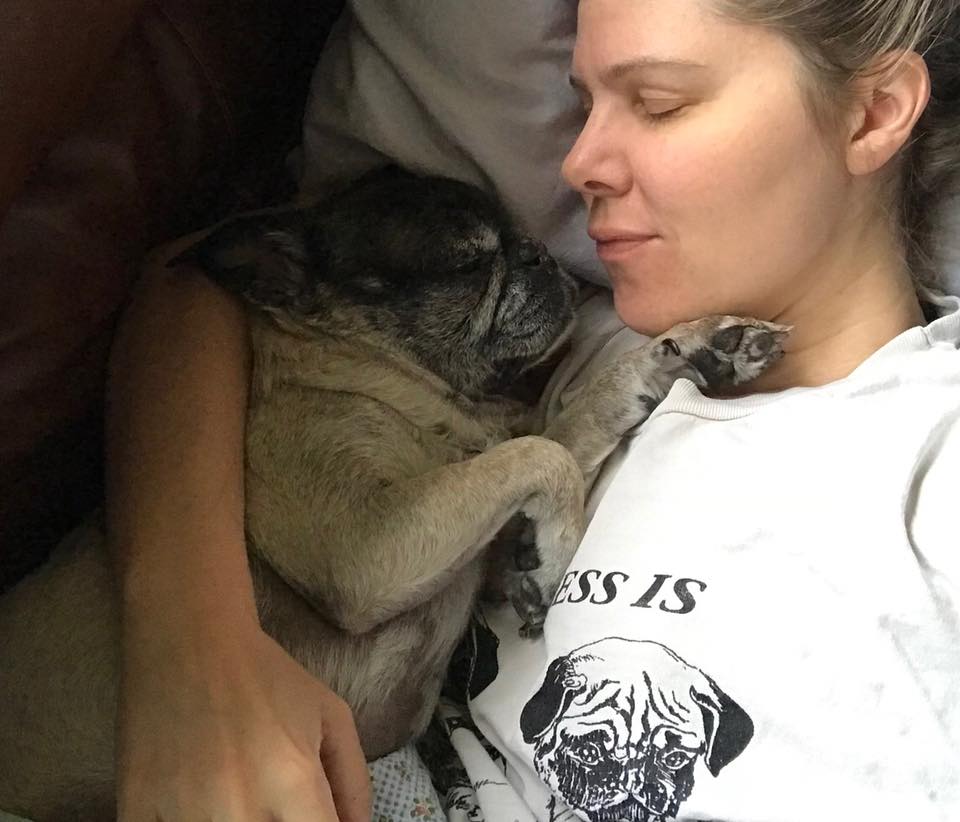
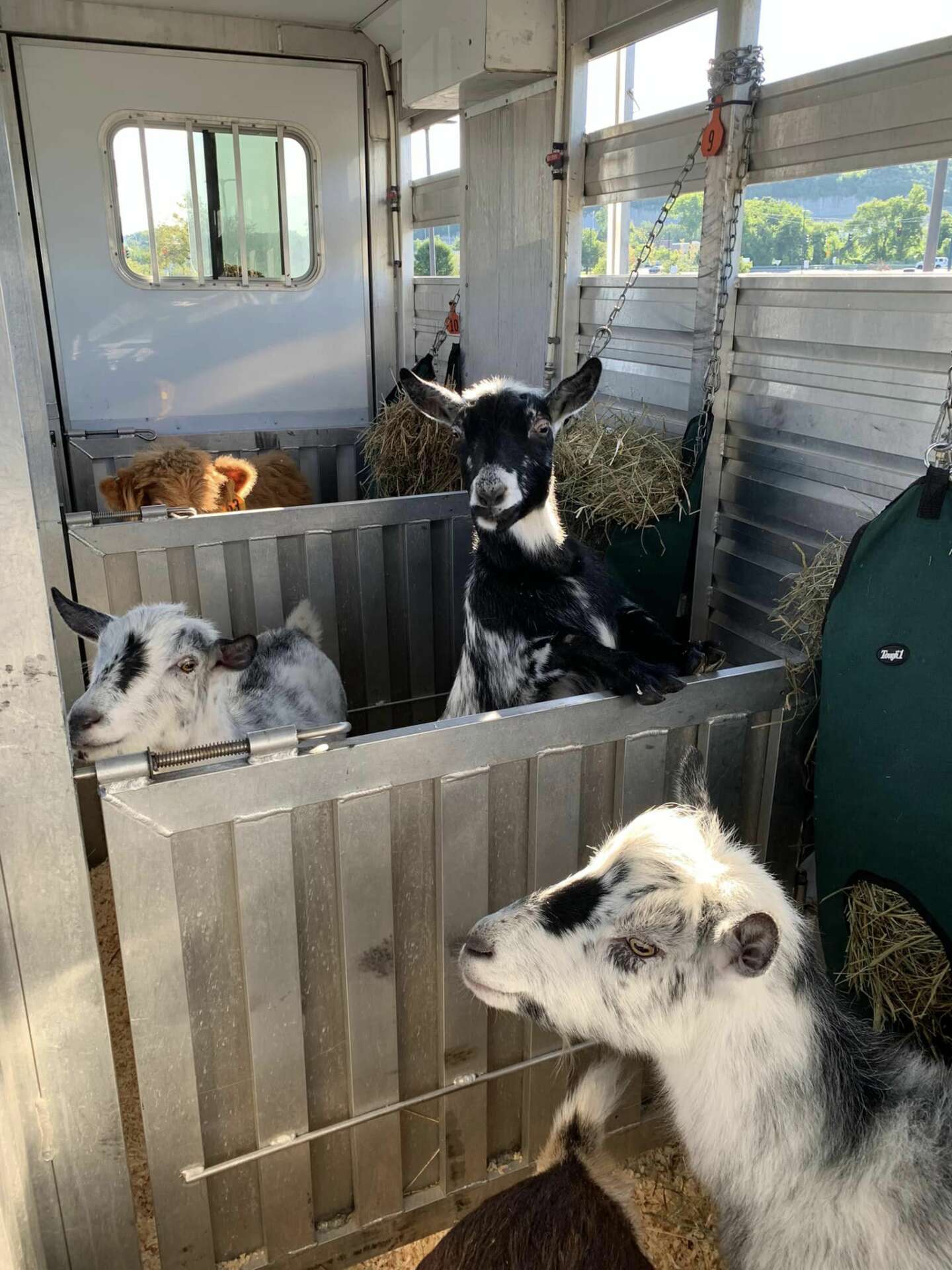
Today, Clover Ridge provides sanctuary and a retirement home for a variety of different animals including senior special needs dogs, cats, chickens and goats. The sanctuary is a 501(c)3 non-profit organization whose mission is to create a safe haven that heals and nurtures animals and people.
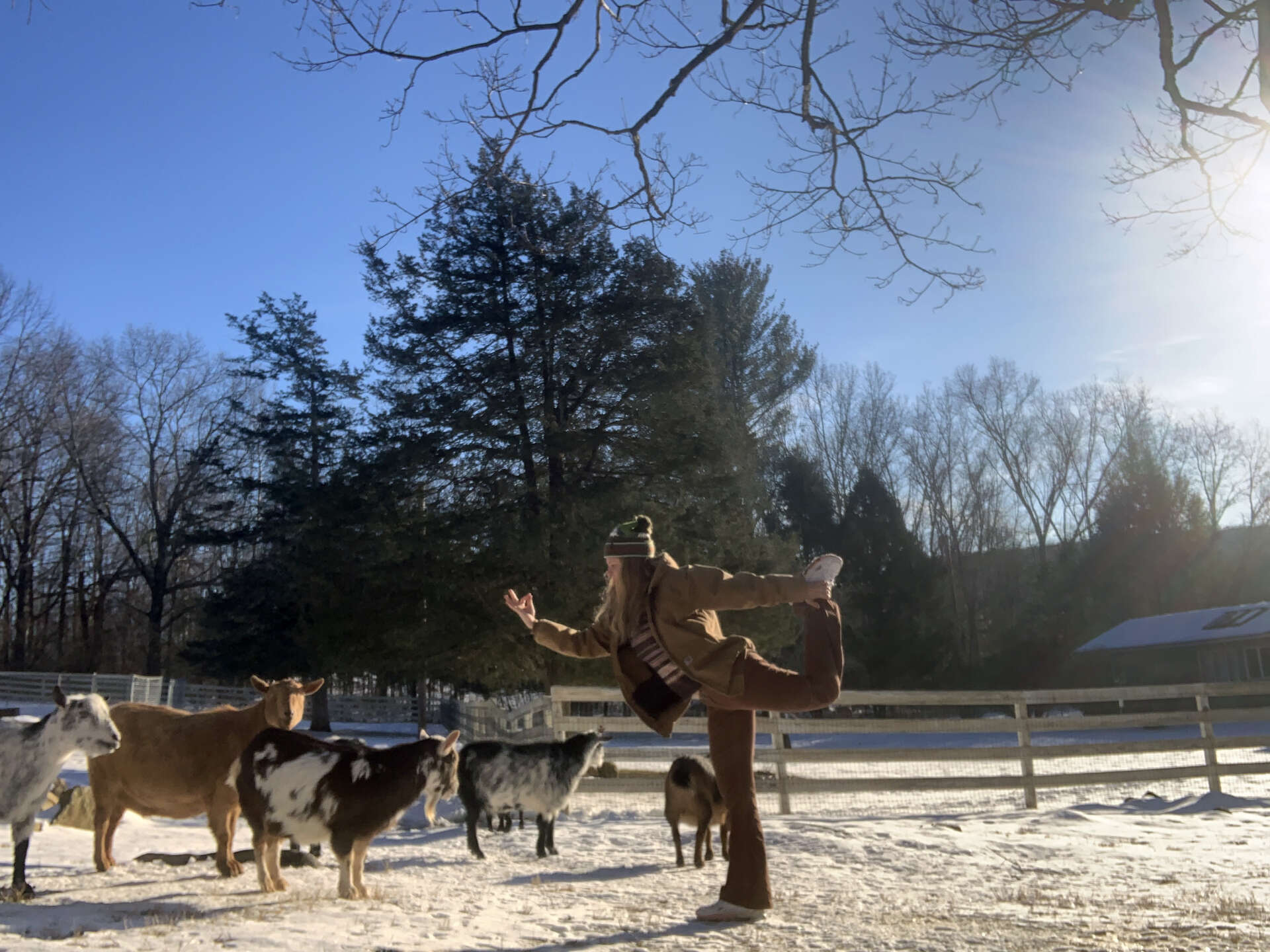
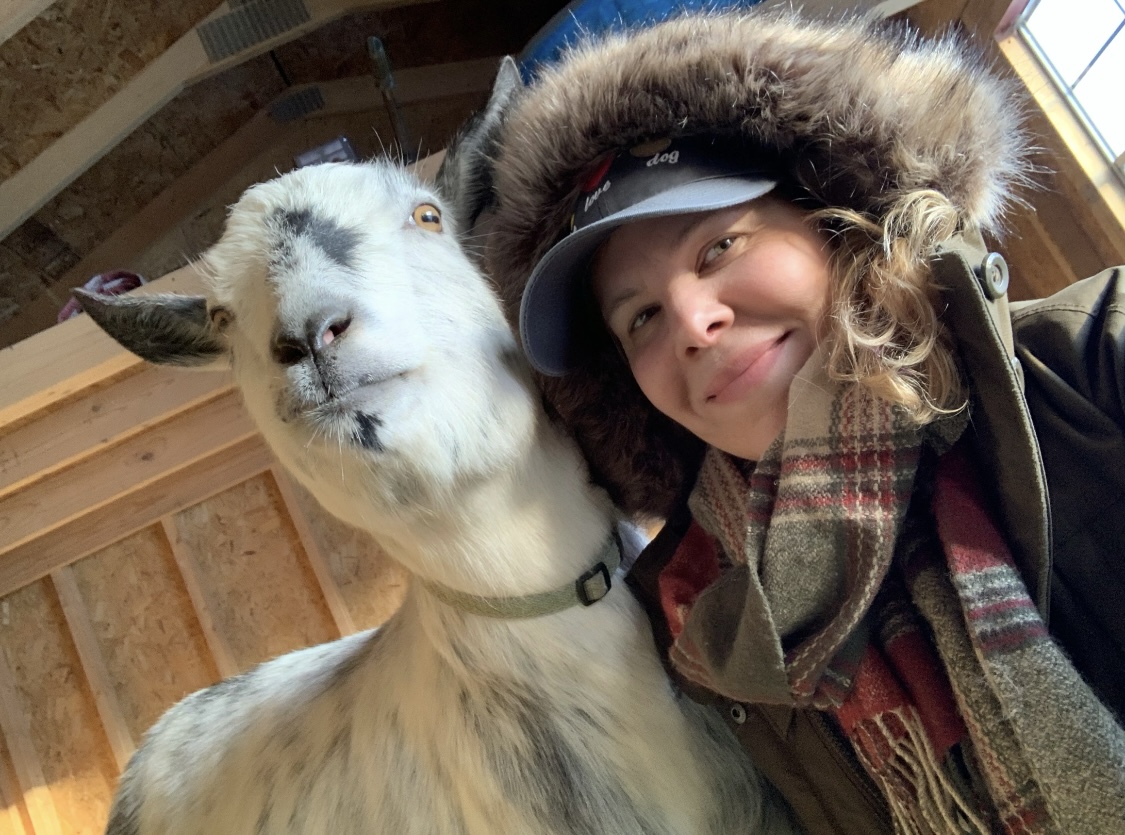
It was after welcoming our first goats, caring for them and observing them on a daily basis that I realized a goat, or cow, or pig is no different than a cat or a dog. They all think, feel, have their own unique personalities, and they are bonded to their family members. Working with farmed animals also helped deepened my spiritual connection with the animals and with myself. I started exploring various healing practices like animal Reiki, goat meditation and yoga. In working with the animals this way, I was shocked and moved when after having suffered with severe migraine headaches for many years I found that all I needed to do was sit on a yoga mat with our goats and share energy with them and my migraines miraculously disappeared. Nature is truly the best medicine and I love to share that wisdom.
What I am most proud of is that our organization consistently reflects and embodies the interconnectedness that we all share. It is still at the center of my work just as it was when I was a young girl exploring the nature of things in the woods. Now as an adult I have founded an organization that strives to raise the collective consciousness by sharing this deep connection that exists between all sentient beings in hopes of inspiring others to make more compassionate choices for the animals and for our beautiful Mother Earth. Our sanctuary residents are great ambassadors for our mission spreading love, healing, and kindness vibes to all who meet them or follow them online.
We recently moved to the beautiful state of Colorado and are looking to purchase a new farm property here. I’m truly excited to see how our organization and community grows. When I think ahead to where I’d like us to be in a few years I can envision being on a beautiful new farm property in the mountains with happy thriving animals, humans who love them, hosting regular programs, visitors, spiritual retreats, vegan cooking classes, and music. One thing we love doing is playing music for our animal friends whether it’s playing our guitars, ukulele, singing, or just playing the radio while we clean out barn stalls. It’s another language we use to communicate. It’s so good for the soul and it’s awesome to see how the animals respond. There will definitely always be music in our business plan!
Can you share a story from your journey that illustrates your resilience?
I suppose the actual day-to-day physical demands of running an animal sanctuary and caring for 20 animals on my own, some special needs, while holding down a busy full time job for years while working to grow the organization on limited resources and with limited support could be considered an example of resilience to some, but to me it was just a way of life.
Through long, cold, dark New England winters, through never-ending hot, hazy, and humid summers and everything in between. Through all matters of illness, migraines, sprained ankles, after recovering from surgeries I would still be out blowing and shoveling snow, mucking barn stalls, stacking hay bales, shoveling paths in ice, hauling water during power outages, staying up all night with sick animals and then getting up for work at my day job the next morning putting on business suits and taking an early Metro North train into the city for power meetings. Then taking the train back at the end of the day making it back to the farm by 8pm and jumping back into evening chores. Going to bed super late and then getting up the next morning to do it all over again. For years it went on like this and sometimes now when I look back on the earlier days I still wonder how I managed to get it all done.
Then COVID hit. Donations ceased. Visitors and volunteers stopped coming. Fundraising events got canceled. Social media algorithms changed. Many businesses closed down. Coincidentally it was also during the pandemic when I fell in love with my now partner. And the opportunity to relocate and start the sanctuary 2.0 in a new state presented itself to me. I decided to pivot and go for it! Because if the pandemic taught us anything it was how short life truly is and if we were going down, we wanted to go down together. So what did we have to lose?
Moving our entire farm sanctuary across the country was not an easy task though. Especially in the dead of summer, after our booked and fully paid for air conditioned rental RV that we planned to haul all of the senior dogs and feral cats in, cancelled on us 4 days before the trip and the only rental vehicle we could get at the last minute was an Enterprise cargo van with only two windows upfront.
We were forced to improvise and my genius partner Chris setup box fans and evaporation coolers wired into the cigarette lighter so that none of the animals would overheat. The two of us took turns driving and sleeping in shifts on a blow-up air mattress in between heavily stacked smelly crates. Even despite a panic situation when our Livestock hauling trailer that was traveling separately blew a bearing and our goats were stranded on the Interstate in Tulsa Oklahoma for 10 long hours and we were not getting frequent updates from the driver and had no idea if they were safe. I still have some PTSD from this, but we made it work and all the animals (even the blind, feral, special needs ones) all did amazingly well on the journey and now they have adapted to their new environment and ways of living. Animals are truly more resilient than you think and caring for them has in turn given me the gift of resilience.
What’s a lesson you had to unlearn and what’s the backstory?
Early on after launching our nonprofit organization, we learned how easy it was to share our mission and reach a mass audience through social media platforms like Facebook and Instagram. In the beginning we were able to share our animal’s stories along with donate buttons that allowed us to obtain many of our supporters, donors, patrons, and followers through these channels.
But sadly, this is no longer the case. So many nonprofits began to struggle as the social media platform algorithms changed a couple years back, and as a result today our social posts are only being seen by about 10% of our followers and hardly at all by new users. Gone are the days when we could post 30 inviting hashtags that would allow like-minded platform users to see our posts and engage with them.
As a result, we are still in the process of unlearning all that we knew about raising funds online and are having to now find new ways of reaching our target audience; people who support animal rescue organizations and farmed animal sanctuaries and want to get involved in our work. We are now looking into more local community-based grassroots outreach, researching grant opportunities, and participating in other forms of media like speaking on podcast panels and interviews. It’s still very much a work in progress, and we are so grateful to Canvas Rebel for reaching out to help shine a light on our work. Thank you for sharing our story with your readers.
Contact Info:
- Website: cloverridge.org
- Instagram: https://www.instagram.com/cloverridgeanimalsanctuary/
- Facebook: https://www.facebook.com/cloveridgesanctuary