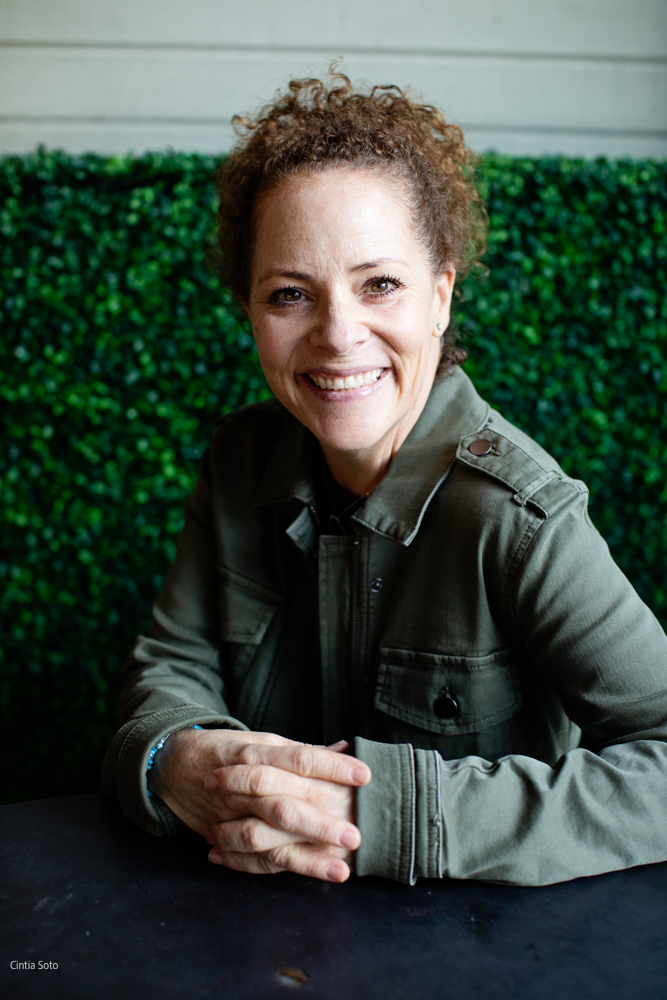

We caught up with the brilliant and insightful Lizi Oceransky a few weeks ago and have shared our conversation below.
Lizi, looking forward to hearing all of your stories today. Crazy stuff happening is almost as certain as death and taxes – it’s technically “unexpected” but something unexpected happening is to be expected and so can you share a crazy story with our readers
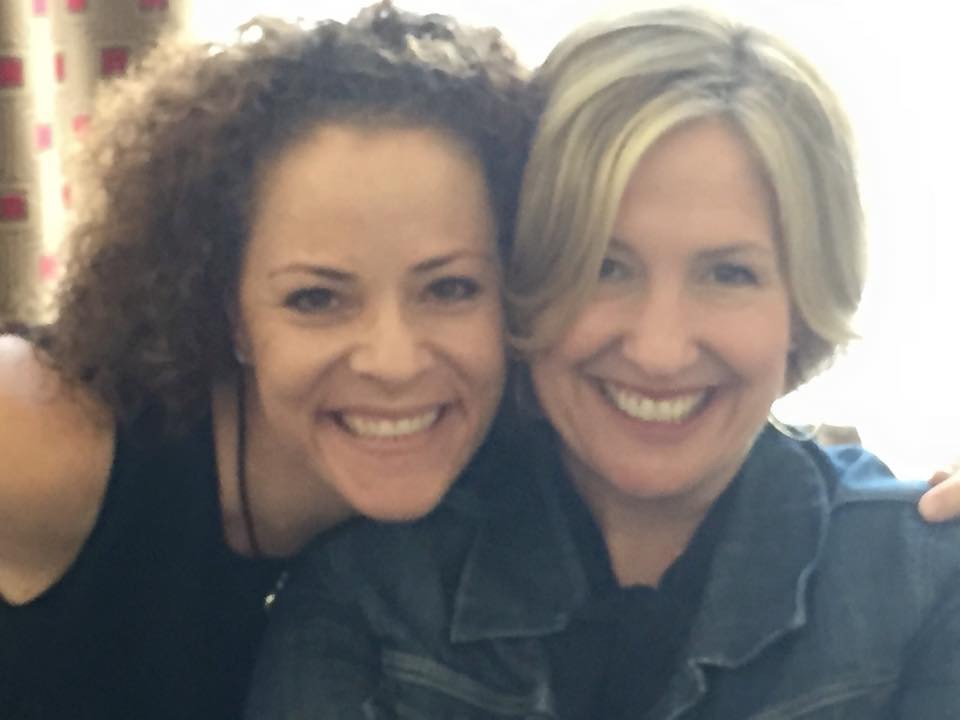
As a coach and facilitator, I’m always looking for ways to grow and expand my professional toolkit. In 2014, I enrolled in the Daring Way certification program based on Dr. Brené Brown’s research. I was drawn to the work because it felt deeply human, and I saw it as a meaningful step in my professional development.
What I didn’t expect was how much the experience would change me.
I went into the certification thinking I was learning content. I came back realizing that something had shifted. The work was powerful, and I felt a strong pull to share it with others. That’s when I understood that to do that, I would need to facilitate in front of people – something that made me very nervous. Public speaking scared me. I worried about making mistakes, missing parts of the content, and not doing it perfectly.
At the same time, I felt a deep commitment to make this work accessible to the Latino community, especially to people who might not otherwise have access to these kinds of trainings. That commitment mattered more than my fear.
So I quit my stable job, walked away from a guaranteed paycheck, and opened a private practice focused on coaching and facilitation. I requested permission to translate the Daring Way curriculum into Spanish to make it culturally meaningful and accessible. Once I received approval, I gathered bilingual friends to help translate the material, reviewing it again and again to ensure the language and meaning were correct.
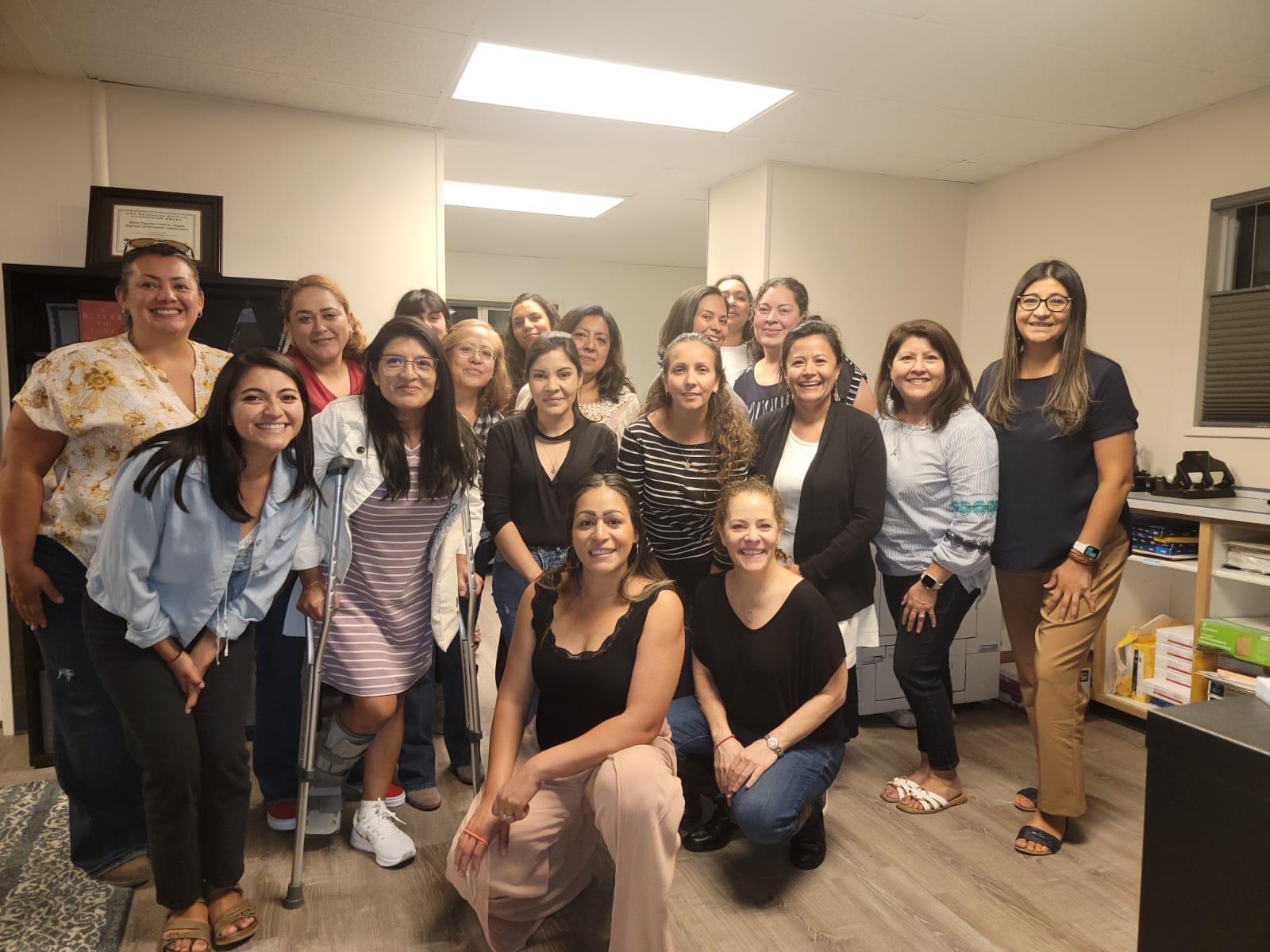
When everything was ready, I offered free, partial workshops to my community. I created three groups, each with a mix of people: close friends, people I didn’t know well, and people I wasn’t particularly connected to. In return, they gave me honest feedback and shared their experience with others.
Practicing what I was learning by actually facilitating the work in real life changed everything.
Over time, I built confidence, learned to trust myself, and grew into my role as a facilitator. Fear stopped leading, and purpose took its place. What felt terrifying at first became deeply grounding.
Today, when I look back, I’m struck by how brave that decision was. At the time, I didn’t fully think through the risks or the consequences; I just knew I had to try. And I’ve never regretted it.
Lizi, before we move on to more of these sorts of questions, can you take some time to bring our readers up to speed on you and what you do?
At my core, I’m a deeply curious human being. I’ve always loved learning, asking questions, and trying to understand people, how we think, how we relate, how we protect ourselves, and what helps us feel truly alive. That curiosity has shaped my life and my work more than anything else.
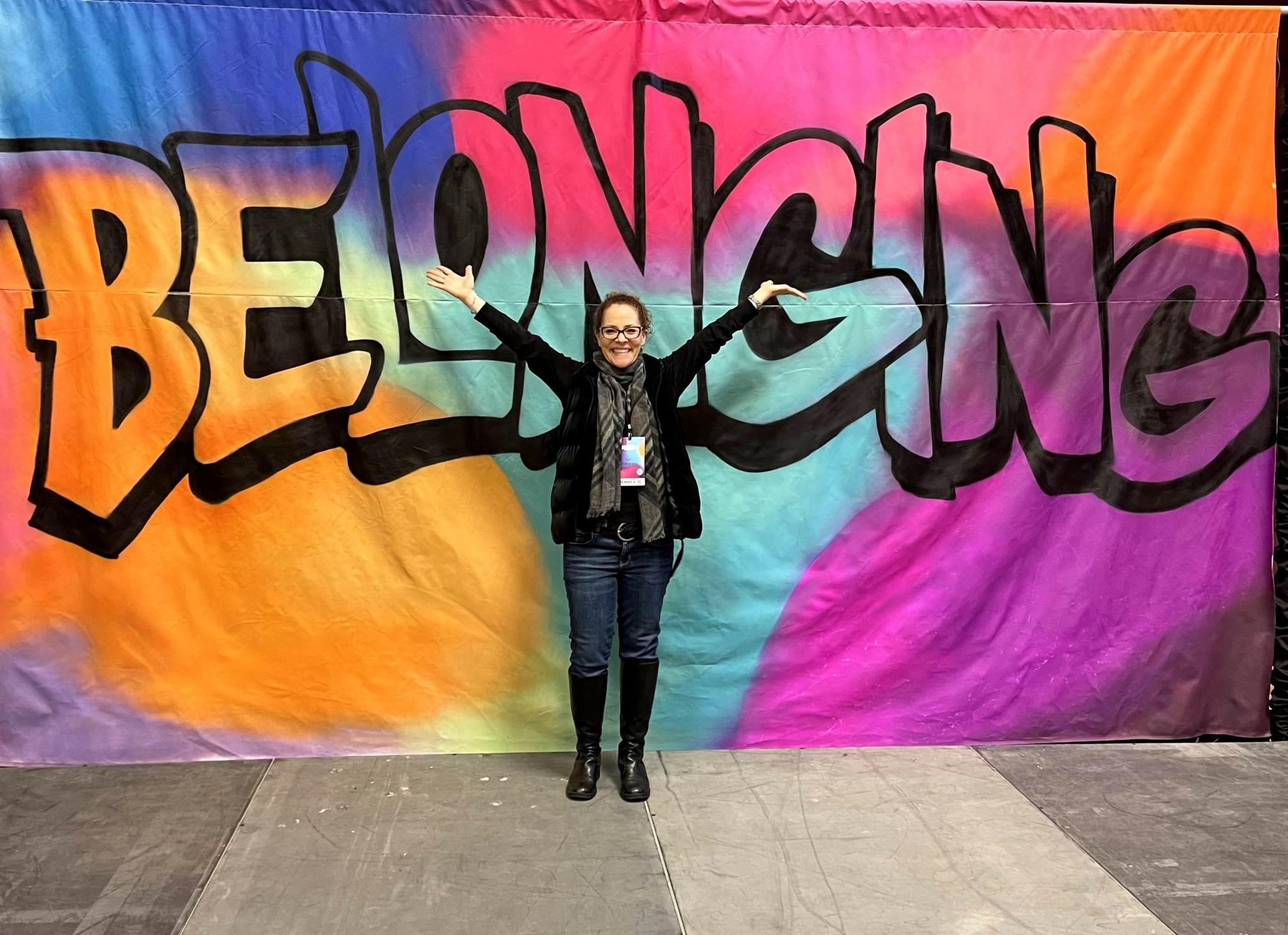
I’m passionate about connection, belonging, and what it means to be human. For me, belonging means knowing you can be who you really are and still be accepted. It means feeling safe enough to show up without pretending or performing. I was fortunate to experience that sense of belonging growing up, and it shaped me deeply. It’s something I carry with me everywhere I go.
Those early experiences also shaped the values I live by. Integrity and well-being are not abstract ideas for me; they are daily practices. I believe that taking good care of myself is essential to living in integrity, and that how I care for myself directly impacts how I show up for my family, my relationships, my work, and the wider world. I see myself as a citizen of this world, and I take seriously the responsibility of showing up with care, presence, and respect.
That orientation informs how I live and how I work. It’s how I relate to people, how I show up in my relationships, and especially how I care for my family. As a mom and partner, it matters deeply to me that the people I love know, without question, that they belong and are loved, no matter what.
My curiosity and lived experience naturally led me into coaching and facilitation.
In my work, I create spaces where people feel seen, valued, and respected, spaces where we can slow down, breathe, and explore what’s really going on beneath the surface. I help people reconnect with themselves and with others in ways that feel honest and grounded. I’m straightforward and clear; I don’t sugarcoat or go around things. I believe clarity, when offered with care, is one of the most powerful ways to support growth.
I bring a multicultural lens to everything I do. I’ve lived and worked across cultures, I’m trilingual, and I understand how language, identity, and culture shape our sense of belonging. This allows me to create environments where differences are acknowledged and honored, and where people don’t have to leave parts of themselves at the door.
What matters most to me is that I don’t show up as “the expert in the room.” I show up as a professional with a human heart. I walk alongside people, creating trust through presence, curiosity, and respect. That human-to-human way of working is central to everything I do.
What I want people to know about me and my work is simple: I care deeply about creating spaces where people feel they belong. Where they can pause, reflect, and reconnect with themselves and with each other. And where growth feels possible because people feel accepted for who they are.
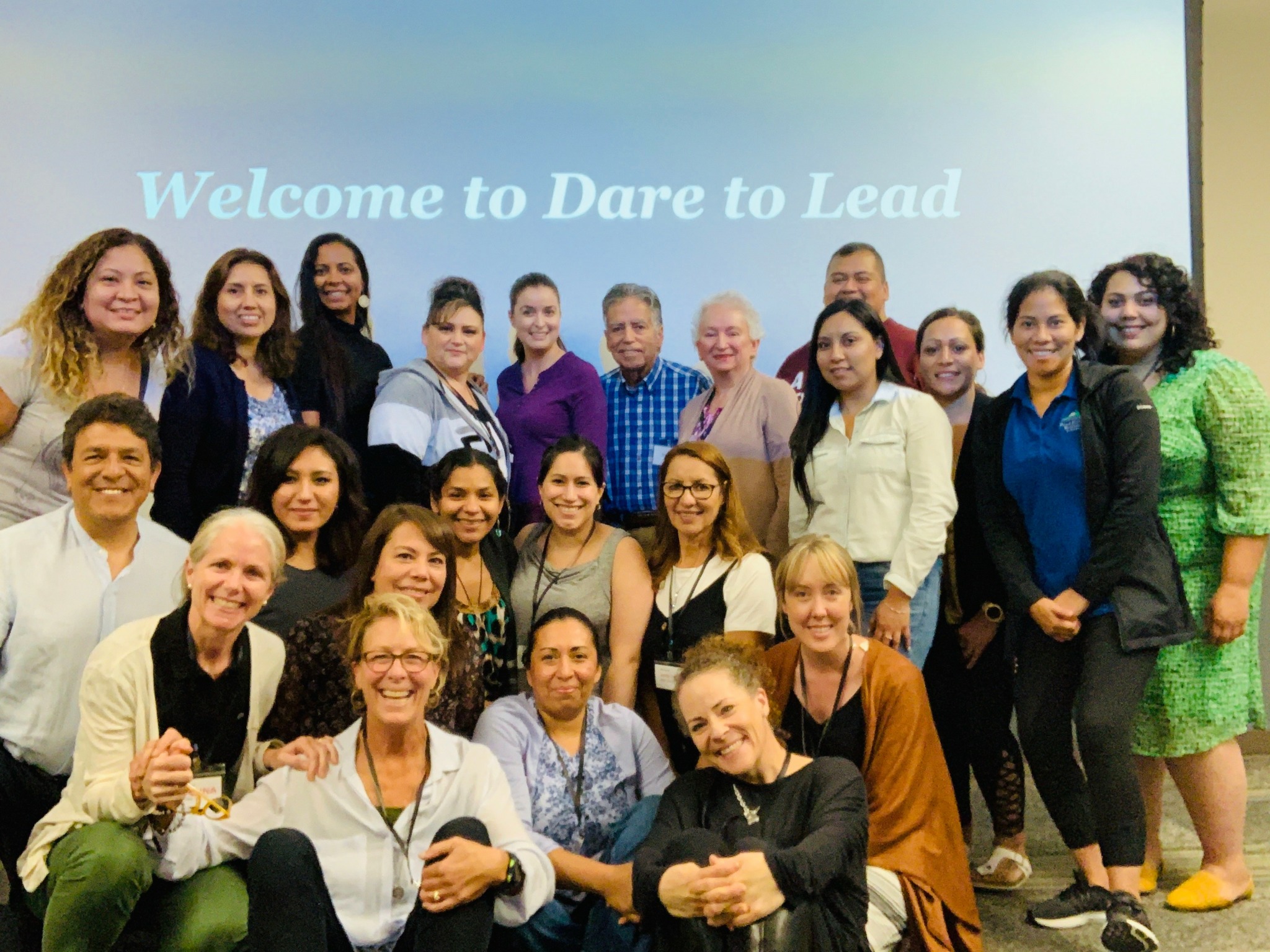
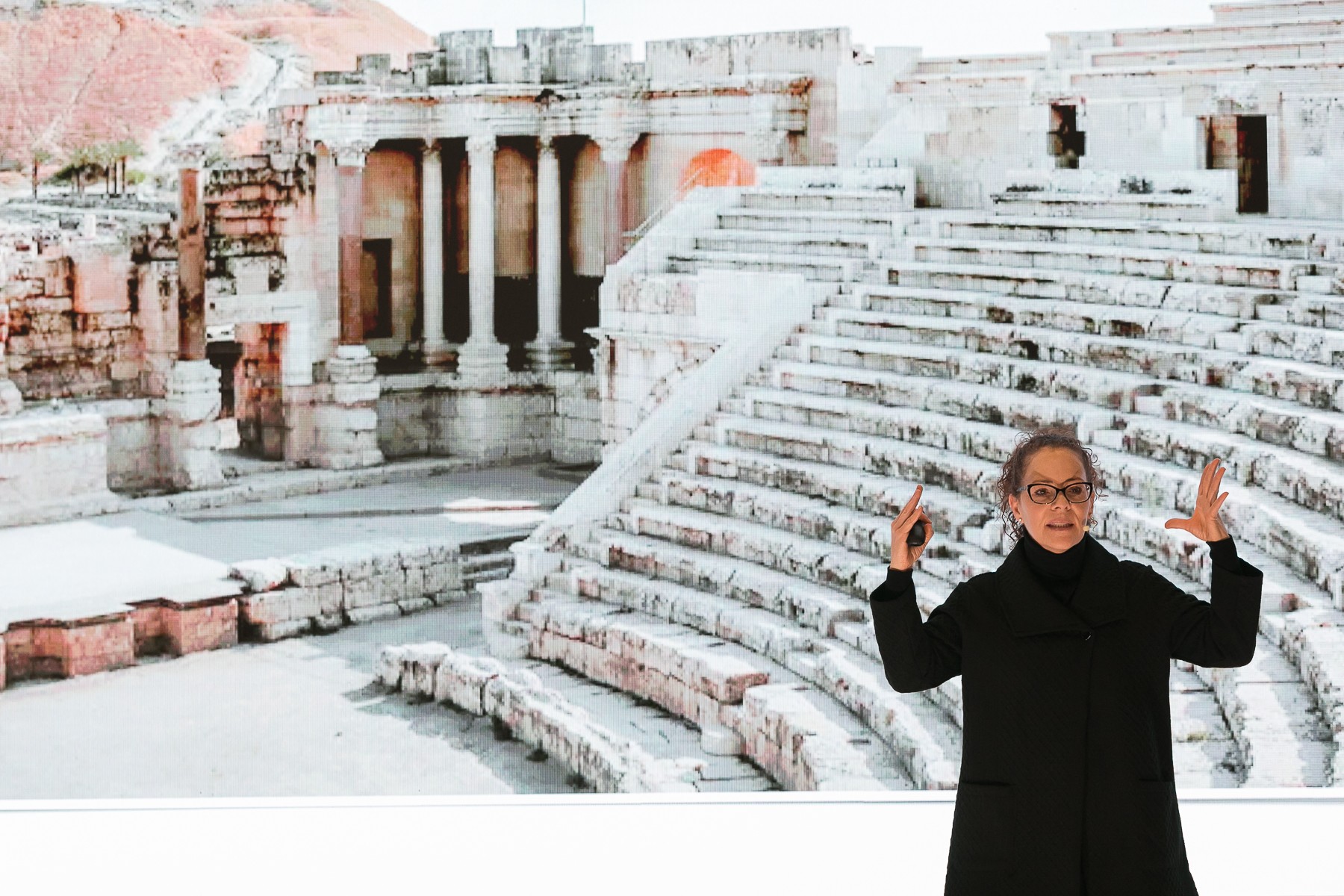
Professionally, I’m a Master Certified Coach (MCC) through the International Coaching Federation. I’m also a Certified Dare to Lead™ Facilitator, a certified Leadership Circle Profile (LCP) practitioner, a certified Grief Educator, and a Culture Transformation Facilitator. In addition, I’m currently completing my Emotional Agility certification. I bring over 20 years of experience working with individuals, teams, schools, and organizations across cultures, supporting leadership development, transitions, and meaningful change through coaching, facilitation, workshops, and keynotes.
Have you ever had to pivot?
One of the biggest pivots in my life began with a quiet disruption to something that mattered deeply to me.
I had been working since I was 18 years old, and work had always been an important part of my life, not because it defined who I was, but because it allowed me to give, to contribute, and to support others in meaningful ways. Being in service, being useful, and being connected to people brought me a deep sense of purpose.
When my husband’s job required us to relocate to the United States, I left behind a life I had worked very hard to build. We had been living in Israel, where I had learned a new language, adapted to a new culture, completed my bachelor’s and master’s degrees in a language that wasn’t my mother tongue, and was working as a middle school counselor. I felt fulfilled. I felt rooted. I was happy.
Then, once again in a new country, I found myself unable to work.
We arrived on a work visa, and only my husband was legally allowed to work. Suddenly, I was without structure, without a clear role, and without the daily opportunity to contribute in the way I loved most. I felt alone, disoriented, and deeply nostalgic for the life I had left behind. I missed the rhythm, the purpose, and the sense of meaning that came from doing work I cared about.
I knew I needed to find a way to stay connected to what mattered to me.
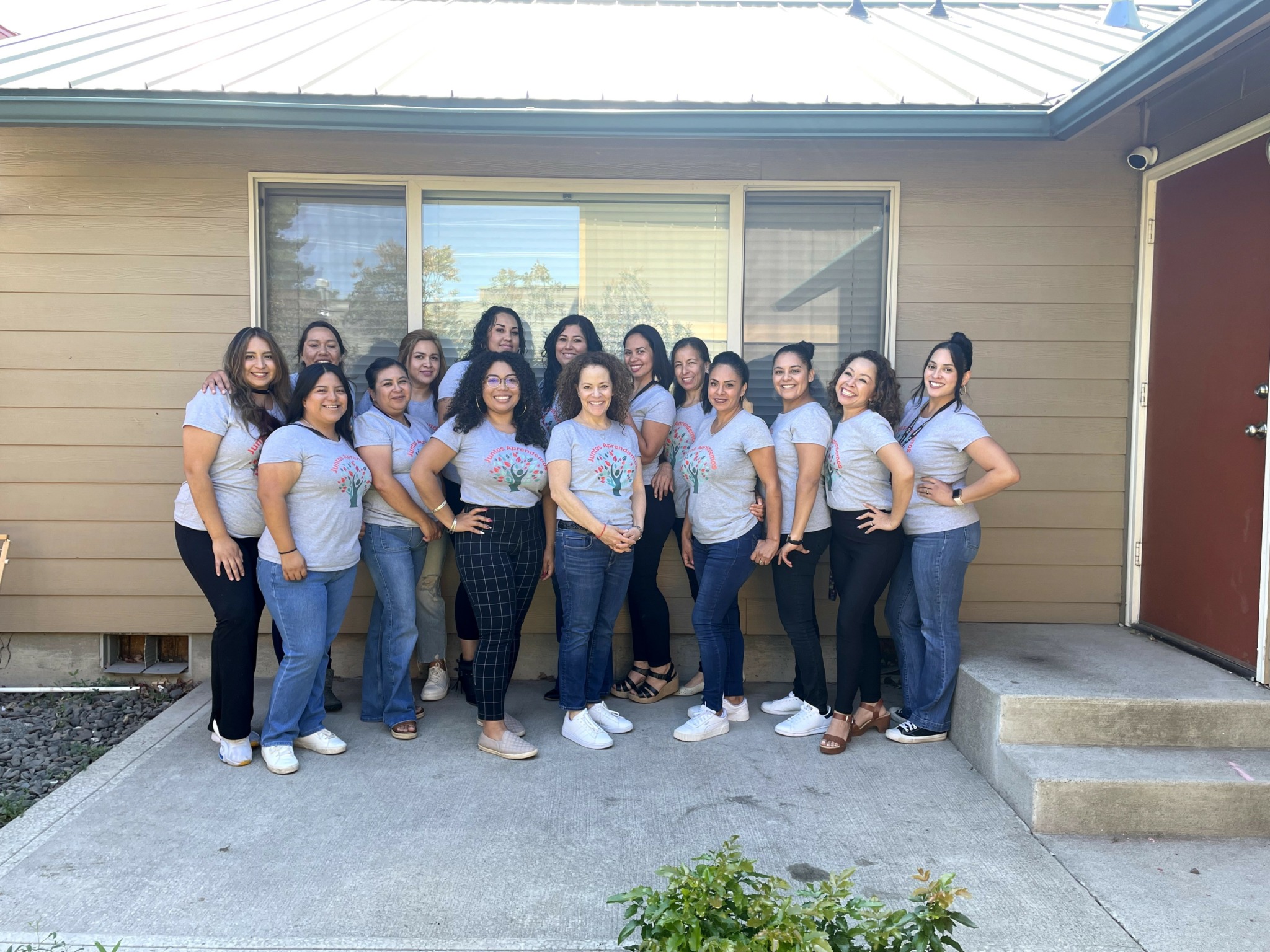
Volunteering, something that has always been an important part of my life, became my anchor. I began volunteering at a school where most of the students were Latino. As a Mexican Latina woman, supporting that community felt natural and deeply meaningful. Even without formal employment, I could still show up in service, and that mattered.
Around that same time, I joined a gym, and something unexpected happened. I reconnected with movement and with my body. I had been a gymnast growing up, and physical movement had once been a source of joy and strength. Life, responsibility, and survival had pulled me away from that for many years, but my body remembered.
I started going to the gym daily, explored different forms of movement, and eventually became a certified spinning and aerobics instructor. Since I still wasn’t allowed to work, I volunteered to teach classes at the gym and continue my work at the school.
That period became a true pivot. I couldn’t follow the professional path I had imagined, but I found new ways to contribute, to connect, and to feel alive. It taught me about my resilience, my creativity, and my ability to rebuild myself when circumstances change.
When time passed and we became permanent residents of the United States, I chose to become a coach and to fully immerse myself in that path. I continue to learn, evolve, and refine my work, staying curious and committed to growing both for myself and for the people I serve. Coaching is not something I “finished”; it’s a living practice that invites ongoing development, presence, and care.
That journey began in 2000, when we relocated to the United States. Today, in 2026, I remain deeply in service, continuing to learn, grow, and support people through change, transition, and discovery, while also volunteering part of my time pro bono.
Looking back, that pivot didn’t derail my life. It shaped it. It showed me that even when we lose structure, we don’t lose who we are and that we can always find ways to reconnect with purpose, contribution, and belonging.
Can you share a story from your journey that illustrates your resilience?
When I was 15, I fell in love with my middle school sweetheart.
We grew up in Mexico, and for a few years, we were inseparable. Then life shifted. He moved to Israel to begin university, and I stayed behind to finish high school. That year apart was incredibly hard. I was young, deeply in love, and missing him in a way that felt physical.
When I graduated, I made a decision that would shape my life.
At 18 years old, with two suitcases and $500, I left Mexico, my family, my childhood friends, my culture, my language, everything familiar, and moved to Israel to build a life with him.
I left with love, hope, and conviction. I truly believed in what I was choosing.
But building a life from nothing at 18 is not romantic; it is demanding.
I had to support myself immediately. I worked in a gift store without speaking enough Hebrew. Every conversation required effort. I was constantly translating in my head, trying to understand humor, tone, and expectations. Simple things felt complicated.
At the same time, I enrolled in university.
In Mexico, I had been accepted to study psychology. In Israel, my GPA was not high enough to enter psychology, so I began general studies in the School of Education.
That first year was incredibly challenging. Studying at a university level in a language I was still learning stretched me beyond what I thought I could handle. I failed most of my classes.
All except one: Special Education.
It was the class that required the deepest comprehension, and that was where I succeeded.
The dean called me into her office. She saw the gap between my grades and offered me an opportunity with a condition: I could begin the Special Education track, but if I did not raise all my grades to at least 85 out of 100 during the first semester, I would have to choose another path.
I accepted the condition.
Not because it felt easy.
But because quitting was not an option for me.
That season required everything.
I cleaned houses.
I worked as a sous chef in a Mexican restaurant.
I worked with children from families in crisis.
I attended university full-time.
I translated words I didn’t understand.
I studied constantly.
And underneath all of that, there were many quiet moments.
Moments of missing my friends.
Missing my culture.
Missing the ease of belonging without effort.
There were days I felt disconnected. Days I wondered if I truly fit. Days when I felt far from my roots.
Resilience, for me, began there.
Not in a big dramatic moment, but in the decision to stay committed even when I felt lonely. In choosing to adjust without losing myself. In learning a new language without forgetting my own. In allowing myself to miss home and still move forward.
I raised my grades. The condition was removed. I completed my bachelor’s as a double major in Special Education and Women’s Studies & Communication, graduating with academic recognition and a full scholarship.
After finishing my bachelor’s, I began my master’s degree in counseling. I continued working hard to support myself, and I volunteered at a crisis center for survivors of sexual abuse and domestic violence.
Slowly, I wasn’t just building a career. I was building inner strength.
And what I see now, looking back, is that resilience for me has always been about commitment.
Commitment to love.
Commitment to growth.
Commitment to the life I am choosing, even when it requires adjustment, humility, and starting again.
Later, when we moved from Israel to the United States and then from state to state, I recognized that familiar feeling: building community again, finding my place again, learning new systems, new norms, new ways of being.
Each time, I felt the stretch.
And each time, I saw that resilience again.
The ability to not give up.
To stay open.
To plant roots in new soil without disconnecting from where I come from.
Resilience, for me, is steady.
It is relational.
It is the quiet strength of continuing, especially when things feel unfamiliar.
It is trusting that I can rebuild, reconnect, and create belonging again and again.
Contact Info:
- Website: https://www.lizi4u.com
- Instagram: https://www.instagram.com/lizioceransky/
- Facebook: https://www.facebook.com/lizioceranskycoaching
- Linkedin: https://www.linkedin.com/in/lizioceransky/
- Youtube: https://www.youtube.com/@lizioceransky4989