

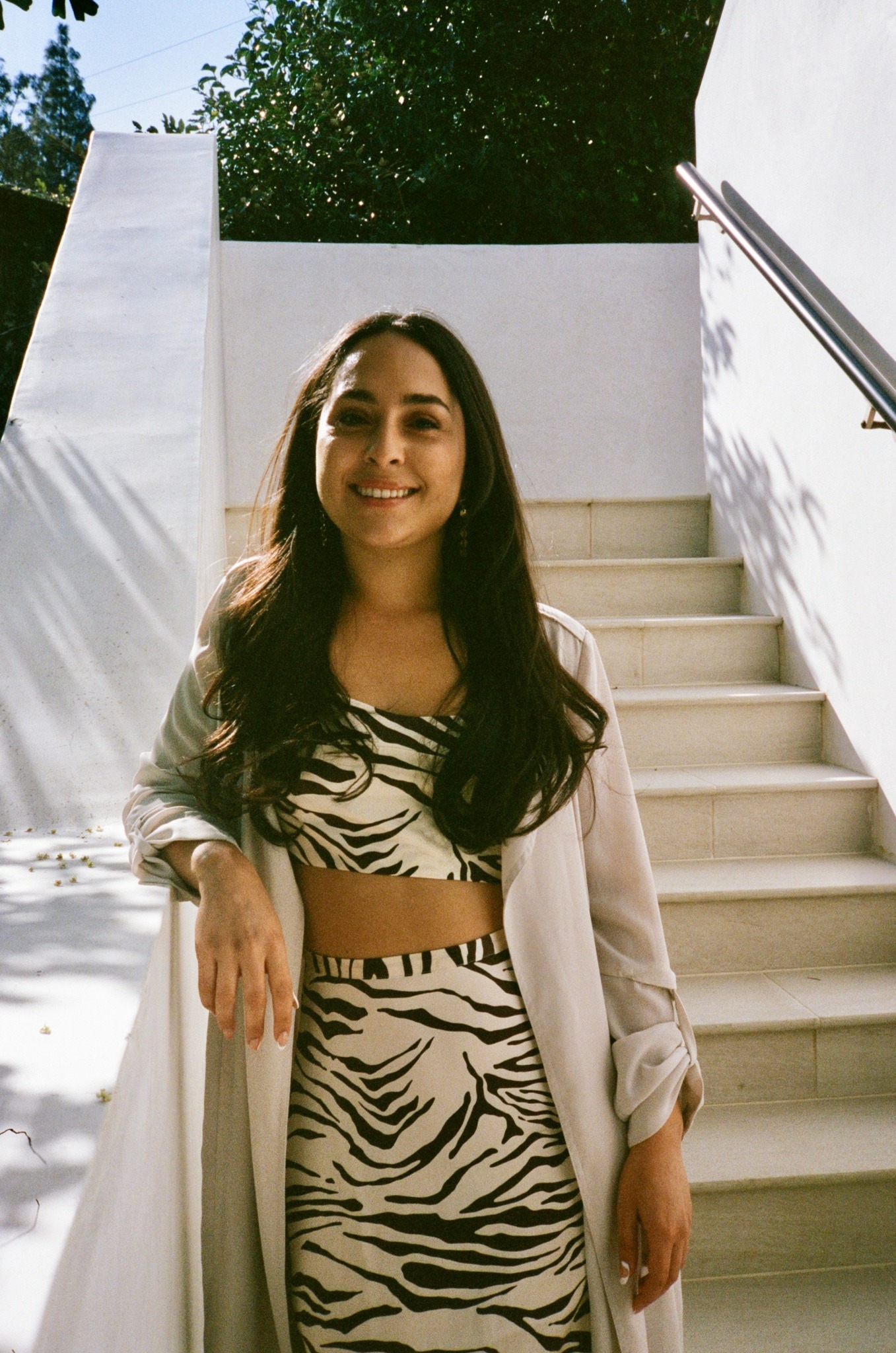

Alright – so today we’ve got the honor of introducing you to Livia Piomelli. We think you’ll enjoy our conversation, we’ve shared it below.
Livia, thanks for joining us, excited to have you contributing your stories and insights. Let’s go back in time a bit – can you share a story of a time when you learned an important lesson during your education?
One of the most important lessons I learned came from my years in high school in Italy, in a setting that, on the surface, felt rigid and prescriptive about how a “good student” — and really, a “good person” — was supposed to behave.
I attended an international school with strict social norms and a fairly narrow idea of what was acceptable. I didn’t fit neatly into that mold. I was creative, outspoken, sensitive, and drawn to things outside the mainstream of my school culture. As a result, I was bullied.
What could have broken me ended up becoming my most formative teacher. Instead of shrinking myself to survive, I began to lean more deeply into my instincts and sense of self. I trusted my gut even when it made me different. I sought community beyond the walls of my school — finding friends, mentors, and creative outlets that affirmed who I was rather than trying to change me.
That self-trust led me to take risks I might not have otherwise taken. I helped create my school’s very first prom, imagining and organizing something that had never existed before. I pursued singing competitions and won, proving to myself that my voice — literally and figuratively — mattered. And when school felt hostile, I built a support system outside of it that carried me through.
The lesson that stuck with me wasn’t just about resilience — it was that my intuition, creativity, and difference were strengths, not flaws. Learning to trust myself in an environment that pressured me to conform shaped the way I move through the world today: as someone who values authenticity, builds community intentionally, and isn’t afraid to create space where none existed before.
Livia, before we move on to more of these sorts of questions, can you take some time to bring our readers up to speed on you and what you do?
I’m Livia Piomelli — an A&R, cultural connector, and co-founder of Motion Creative, a 501(c)(3) nonprofit dedicated to creating access, community, and educational opportunities for creatives, with a focus on underserved communities. I came into this industry through a deep love of music, storytelling, and collaboration, and over time my career has evolved at the intersection of creative development, strategy, and community building.
On the A&R side, I’ve spent my career finding talent early, taking risks in emerging territories, and building meaningful, long-term partnerships that help artists and writers reach their full potential. I’ve had the privilege of working with incredible creatives across genres and geographies — from developing artists and producers to shaping projects with established names like Suki Waterhouse, Danny Ocean, Selena Gomez, Demi Lovato, Anitta, Normani, 6lack, Swae Lee, and many others. I discovered and signed Fridayy early in his career, who later went on to earn multiple Grammy nominations for his work with DJ Khaled, Jay-Z, John Legend, and Lil Wayne. At Maison Arts, I also created a joint venture with legendary producer Tricky Stewart, through which we signed MOMBRU, and I’ve been proud to help build bridges between global markets, especially in Latin and international music. I’ve been honored to be named to Forbes 30 Under 30 and recognized as a Billboard Women in Music Honoree — not as endpoints, but as markers of a broader mission to uplift diverse voices in music.
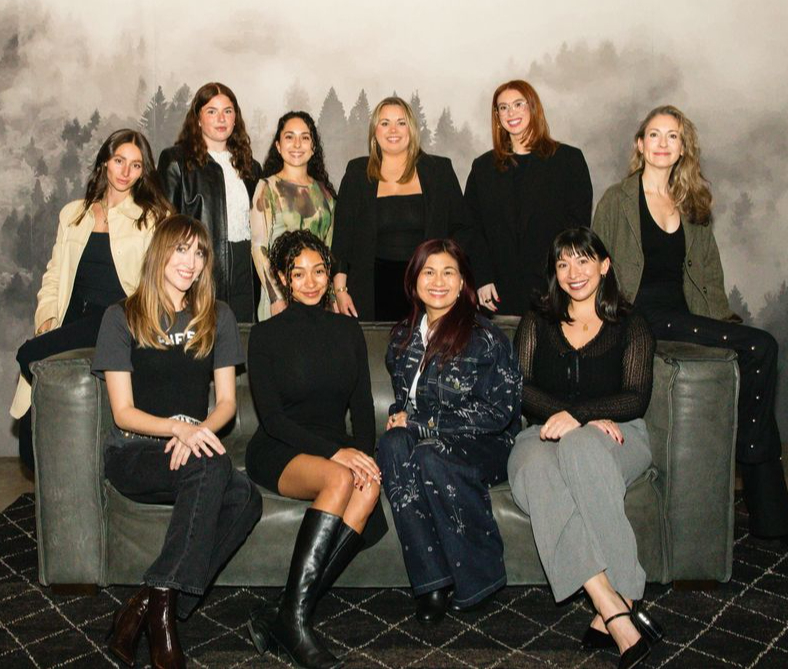
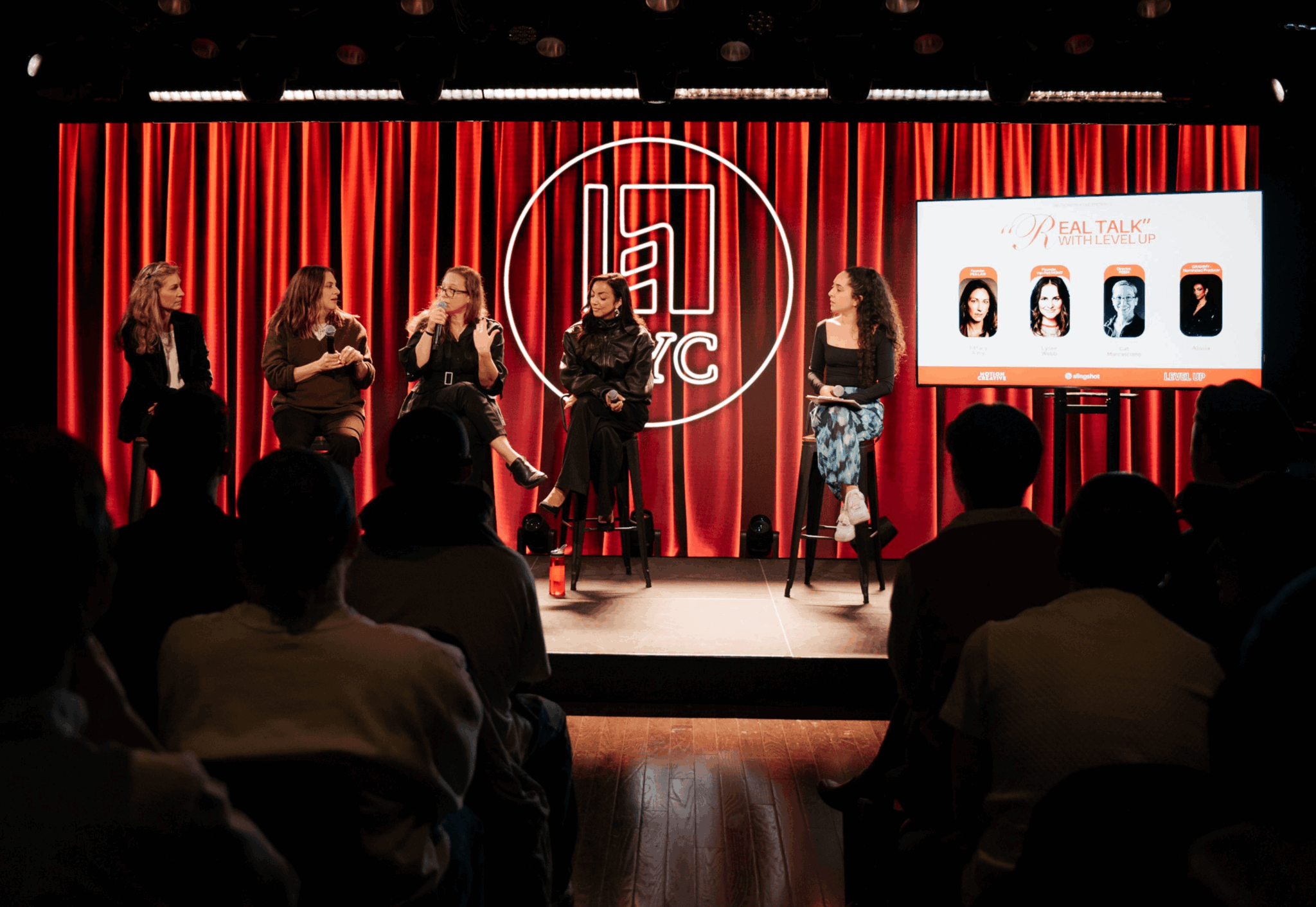
Equally important to me is my work with Motion Creative, which I co-founded because I saw a real gap between aspiring creatives and the gatekeepers of the industry. Through programs like our annual Level Up event (which has been featured in Billboard, Rolling Stone and Hits Daily Double), songwriting camps, and community-focused gatherings, we create spaces where artists, writers, producers, and industry professionals can connect, learn from one another, and build real relationships. We’ve had incredible artists like Dua Lipa, Sabrina Carpenter, and Pinksweat$ participate in our programming, but what I’m most proud of is the community that has grown around Motion — one rooted in generosity, mentorship, and mutual support.
What sets me apart is my holistic approach: I don’t just think about songs or deals in isolation — I think about people, ecosystems, and culture. I care deeply about building safe, inclusive spaces where creatives feel empowered, seen, and supported, while also helping them navigate a complex industry with intention and strategy. I see my role as both a creative advocate and a bridge-builder, connecting artists to opportunities, communities to resources, and ideas to execution.
Ultimately, my work — whether in A&R or through Motion Creative — is driven by the same core belief: that music and creativity have the power to connect people, open doors, and shape culture in meaningful ways. I want people to know that everything I do is grounded in that mission.
Can you tell us the story behind how you met your business partner?
My relationships with my collaborators have always grown organically out of shared values and a mutual desire to build something that didn’t yet exist.
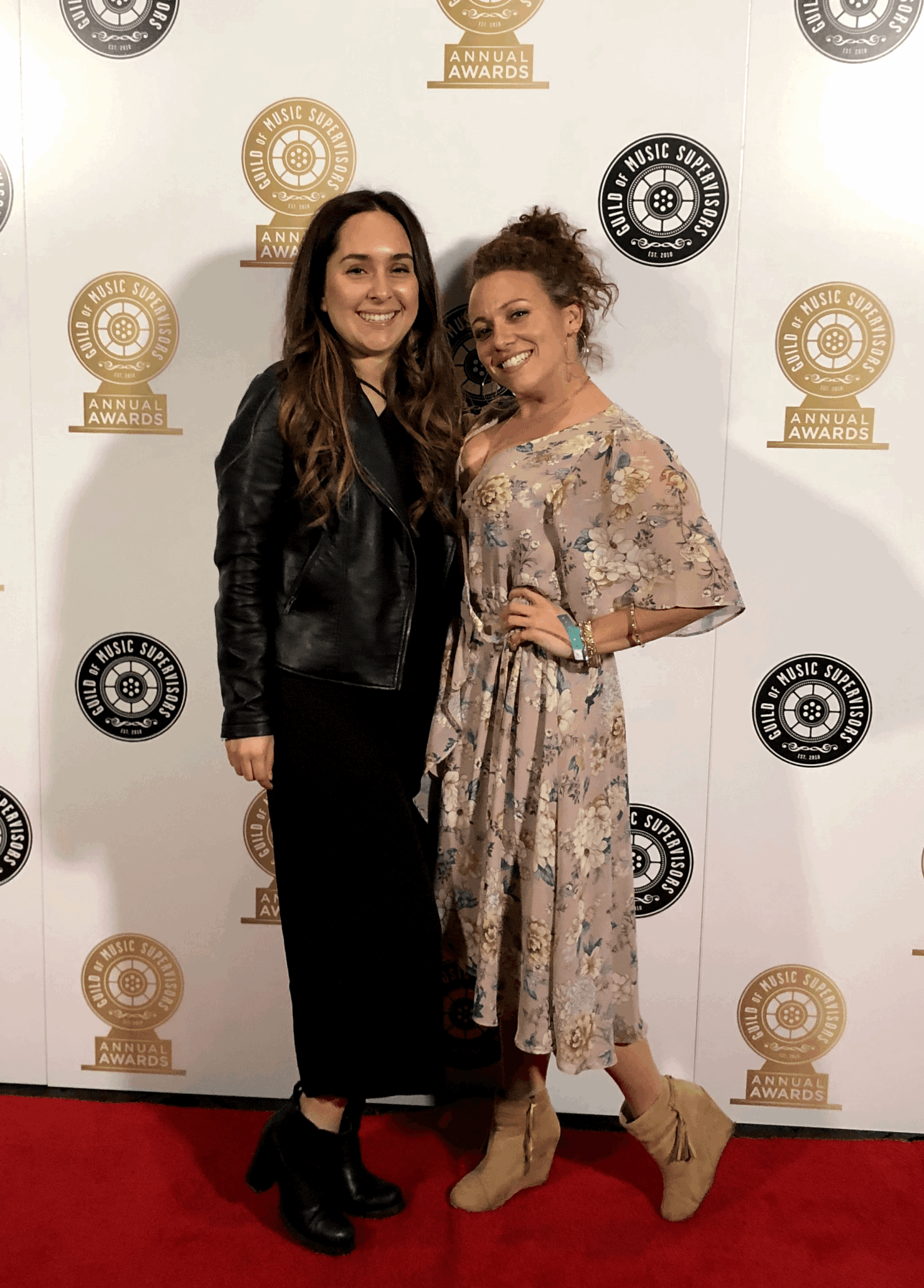
I met my Motion Creative co-founder, Jess Furman, in 2019 while we were both at Big Noise Music Group — I was Director of A&R in the publishing division, and she was leading the Sync department. From the start, I was struck by how sharp, strategic, and deeply thoughtful she is, but beyond that, we connected over a shared frustration we kept hearing from our peers: queer creatives didn’t have a consistent, welcoming space to connect, collaborate, and feel supported within the industry. Rather than just talking about the problem, we decided to do something about it. That’s how Motion Creative was born — beginning with our very first program, OUT SESSIONS, a songwriting camp for queer creatives that combined creative sessions with panels and community mixers. That experience set the foundation for everything Motion does today: intentional programming, real connection, and meaningful access.
A few years later, I began building with music manager, Kelsey Sides, and together we saw a similar gap — there weren’t many free, truly inclusive spaces for women in music and entertainment to come together during Grammy Week. Instead of waiting for someone else to create it, we chose to build Level Up ourselves. With the support of incredible brand partners and music companies, we were able to bring this vision to life as a community-driven, global gathering for women across the industry. Making the event free was incredibly important to us because we wanted to remove economic barriers to entry and ensure that women from all backgrounds could participate. At the same time, the event is thoughtfully curated — not based on titles or status, but on energy, openness, and a genuine desire to collaborate and uplift others.
In both cases, these partnerships were born from necessity, trust, and a shared belief that community isn’t just something you talk about — it’s something you actively build.
We’d love to hear a story of resilience from your journey.
One of the moments that best illustrates my resilience actually isn’t a single dramatic event, but rather a pattern that has shaped my career.
Early in my journey as an A&R, I was often one of the youngest people and frequently one of the few women in the room, advocating for artists, ideas, and markets that weren’t always seen as “safe” or commercially obvious. There were many times when I was told a project was too niche or too risky. Instead of shrinking back, I learned to listen carefully, build my case thoughtfully, and stand firm in my convictions, especially when it came to the creatives I believed in.
A defining example of this was when I discovered and signed Fridayy very early in his career. At the time, he didn’t fit neatly into any box, and there were plenty of skeptics. It took patience, persistence, and a lot of behind-the-scenes advocacy to support his development and create the right opportunities around him. Watching him later earn multiple Grammy nominations for his work with artists like Jay-Z, John Legend, and DJ Khaled was incredibly validating — not because of the accolades, but because it reinforced that trusting my instincts and fighting for artists with unique voices was worth it.
Similarly, building Motion Creative and programs like OUT SESSIONS and Level Up required resilience in a different way. We didn’t have a playbook, big budgets, or institutional backing at the start — just a belief that these spaces were necessary. There were logistical challenges, financial hurdles, and moments where it would have been easier to scale back. Instead, we kept showing up, asking for support, and refining our vision until these programs became what they are today.
If there’s a through-line in my resilience, it’s this: I don’t give up when something feels hard or unconventional. I lean in, I problem-solve, and I stay committed to the people and values I care about — even when the path isn’t straightforward.
Contact Info:
- Website: http://motioncreative.org/
- Instagram: https://www.instagram.com/livia_piomelli/?hl=en
- Linkedin: https://www.linkedin.com/in/livia-piomelli-0555a593/
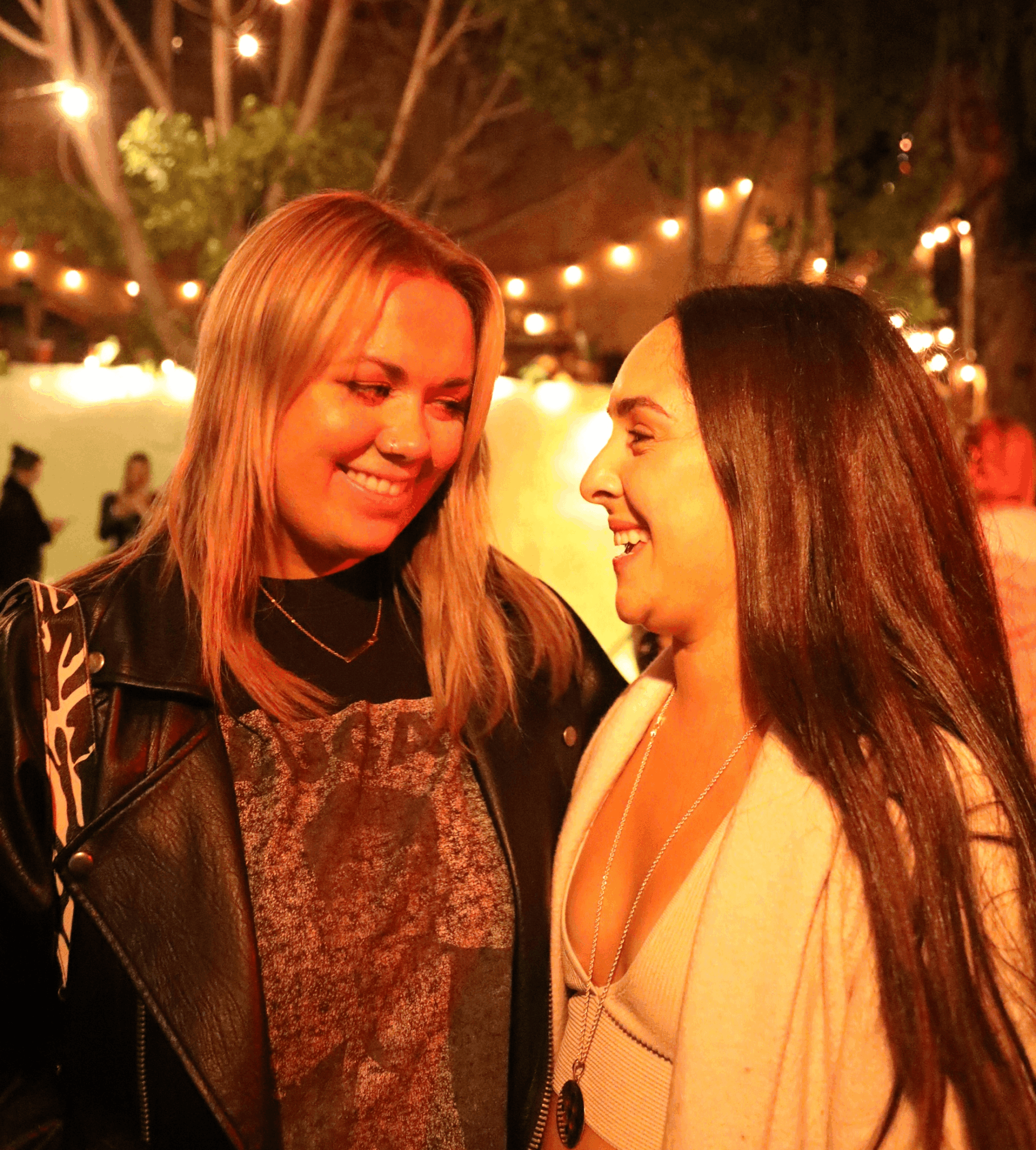
Image Credits
Berklee Panel:
Lucy Blumenfield
Level Up + Kelsey and Livia: Elli Lauren
My portrait photo: sumcoopics