
Alright – so today we’ve got the honor of introducing you to Lipika Devara. We think you’ll enjoy our conversation, we’ve shared it below.
Hi Lipika , thanks for joining us today. If you had a defining moment that you feel really changed the trajectory of your career, we’d love to hear the story and details.
Yes — there was a defining shift in my professional journey that completely changed the trajectory of my work in mental health advocacy.
For a long time, my advocacy was rooted in awareness. I focused on conversations, storytelling, and creating safe spaces for people to talk about their mental health experiences. Those spaces matter deeply. But at a certain point, I realized something uncomfortable: awareness alone wasn’t creating the systemic change I wanted to see.
The defining moment came when I began engaging more seriously with policy and civic work. I realized that if we want real, sustainable change in the mental health space, we have to understand policy. We have to understand funding. We have to understand infrastructure. We have to understand how decisions are made — and who makes them.
That realization shifted everything for me.
I began to see that mental health policy is not abstract — it directly shapes the resources students have access to, the counselor-to-student ratios in schools, whether preventative education exists, and how early interventions are implemented. It shapes whether students receive support or are left to “figure it out” on their own.
And that phrase — “figure it out” — is what stuck with me.
So many of us were never taught how to regulate emotions, cope with stress, process grief, or build resilience. We were expected to just manage life’s hardships without being given the foundational tools. That’s when I became deeply passionate about strengthening mental health infrastructure in both higher education and K–12 systems.
I now strongly believe that incorporating mental health curriculum into school settings is not optional — it’s foundational. Teaching students emotional literacy, coping mechanisms, and self-awareness are basic life skills. They are just as important as math or reading. When we focus on the root causes — prevention, access, funding, and education — we start to build systems that don’t just respond to crisis but actively prevent it.
That shift from awareness to infrastructure changed my path. It moved me from simply advocating to strategically organizing. From conversation to policy. From reaction to prevention.
And the biggest lesson I’ve learned? If you want lasting change, you have to go upstream. You have to be willing to understand the systems — and then work to rebuild them.
As always, we appreciate you sharing your insights and we’ve got a few more questions for you, but before we get to all of that can you take a minute to introduce yourself and give our readers some of your back background and context?
I’m Lipika Devara, a Psychology major and Music minor at The University of Texas at Dallas, and the founder of A.W.E. (Addressing Wellness & Equity), a youth-led nonprofit dedicated to making mental health resources, education, and awareness accessible across culturally stigmatized and underserved communities while promoting global equity.
My journey into mental health advocacy began during my sophomore year of high school. I started noticing how often mental health struggles were dismissed, misunderstood, or treated as taboo—especially within culturally diverse communities. I saw peers silently struggling. I saw families unsure of how to talk about emotional wellbeing. And I saw how stigma prevented people from seeking help.
At first, my advocacy was centered around awareness—hosting conversations, sharing resources, and creating safe spaces for dialogue. But over time, I realized awareness alone wasn’t enough. If we truly want change, we have to address access, infrastructure, and systemic barriers. That realization led me to formally establish A.W.E.
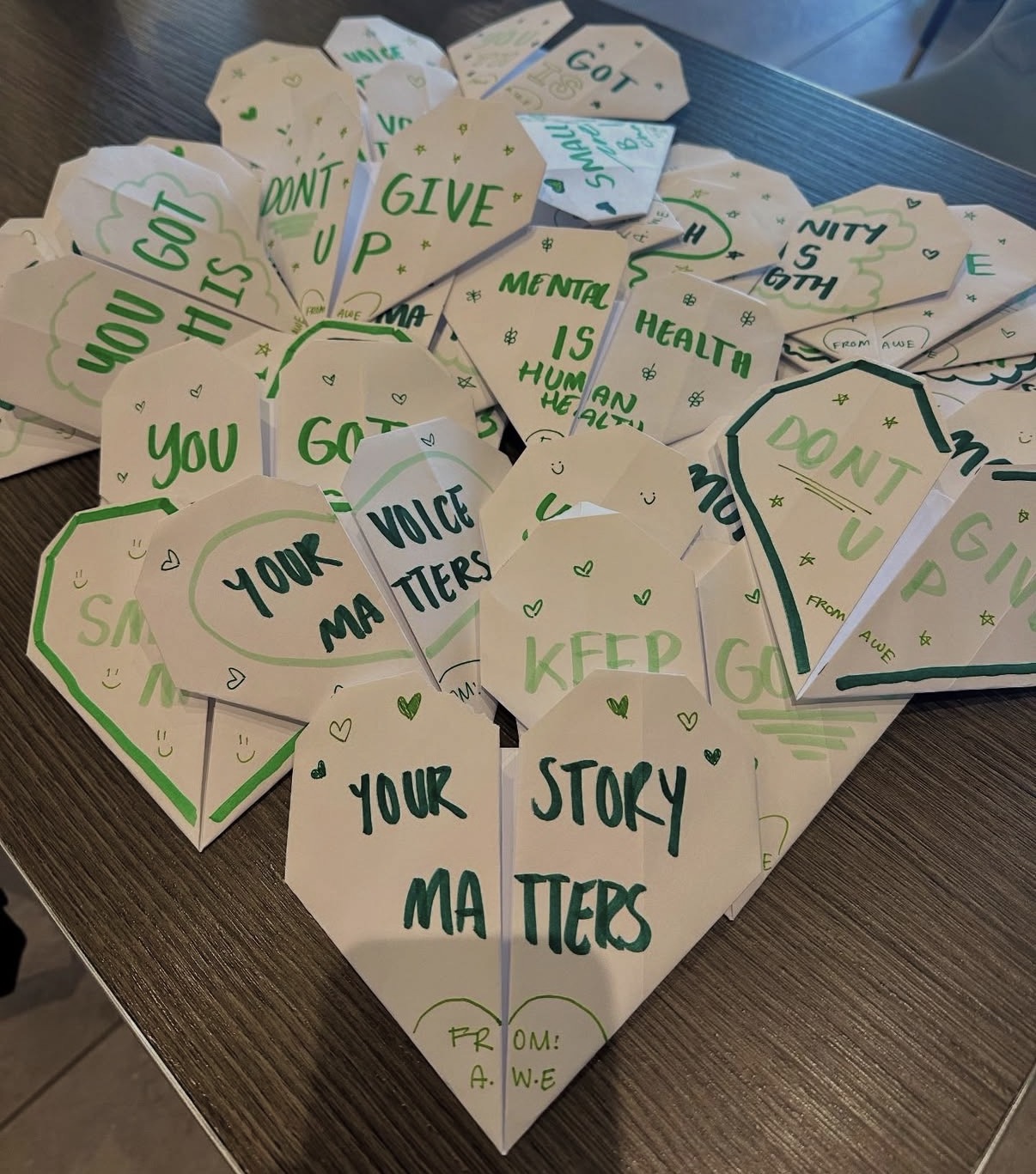
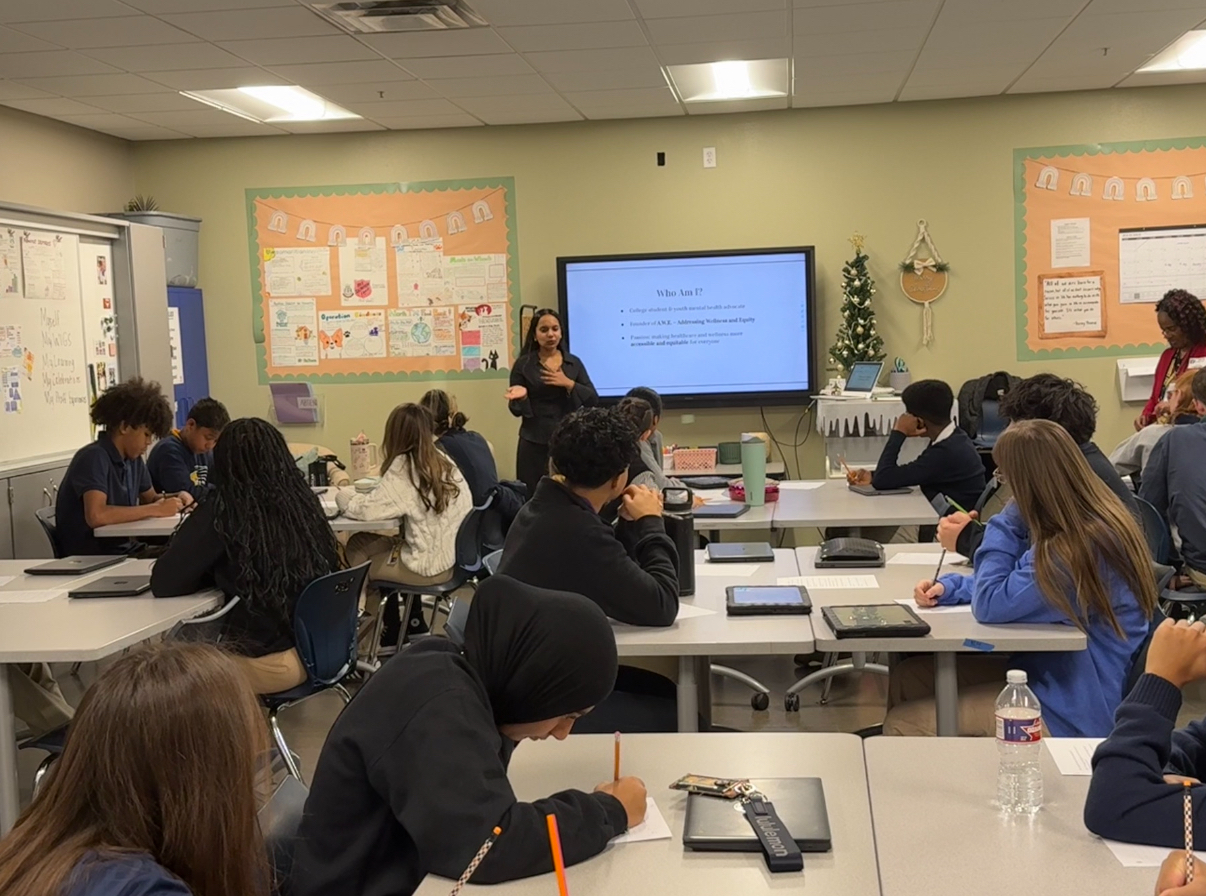
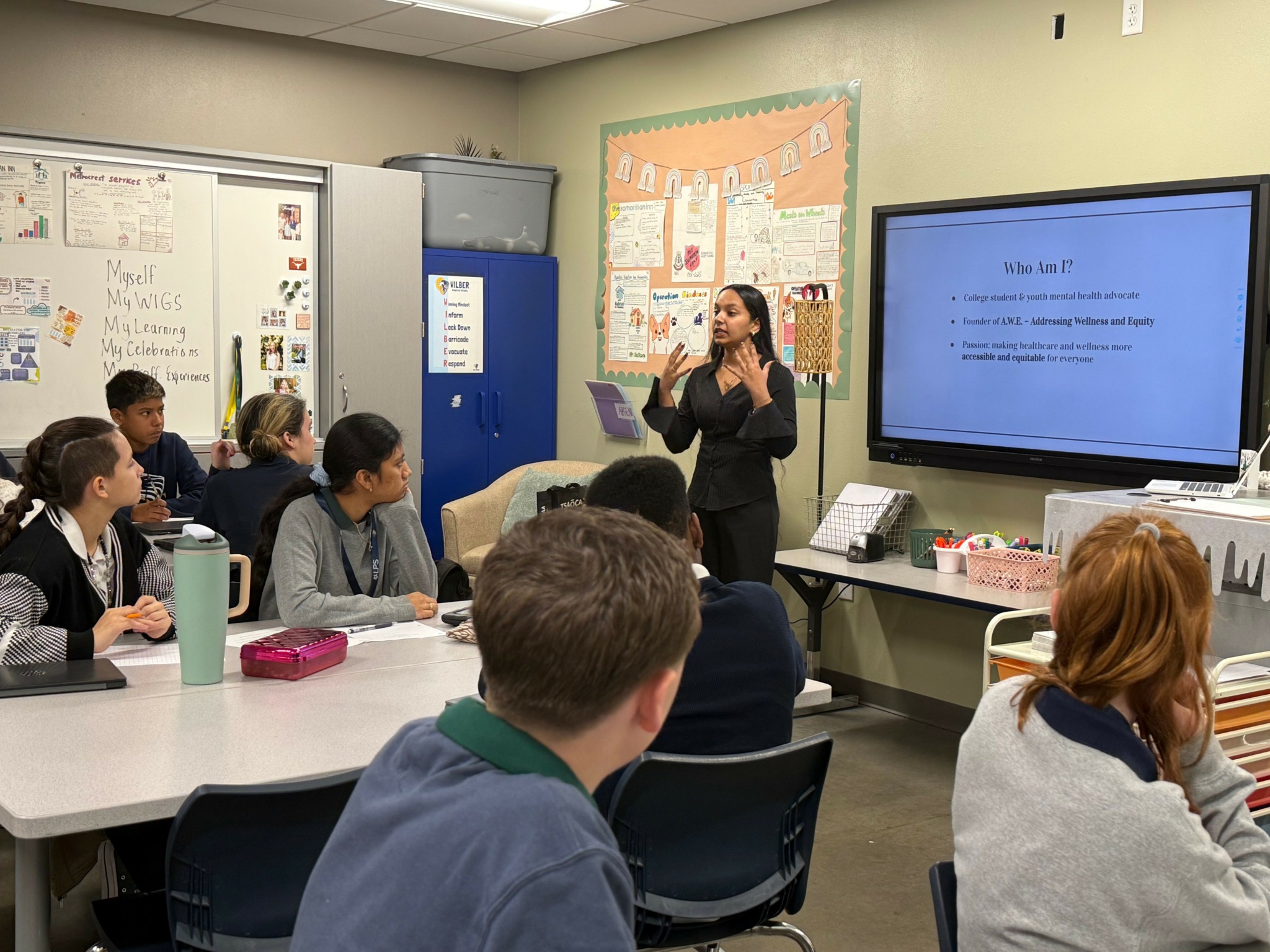
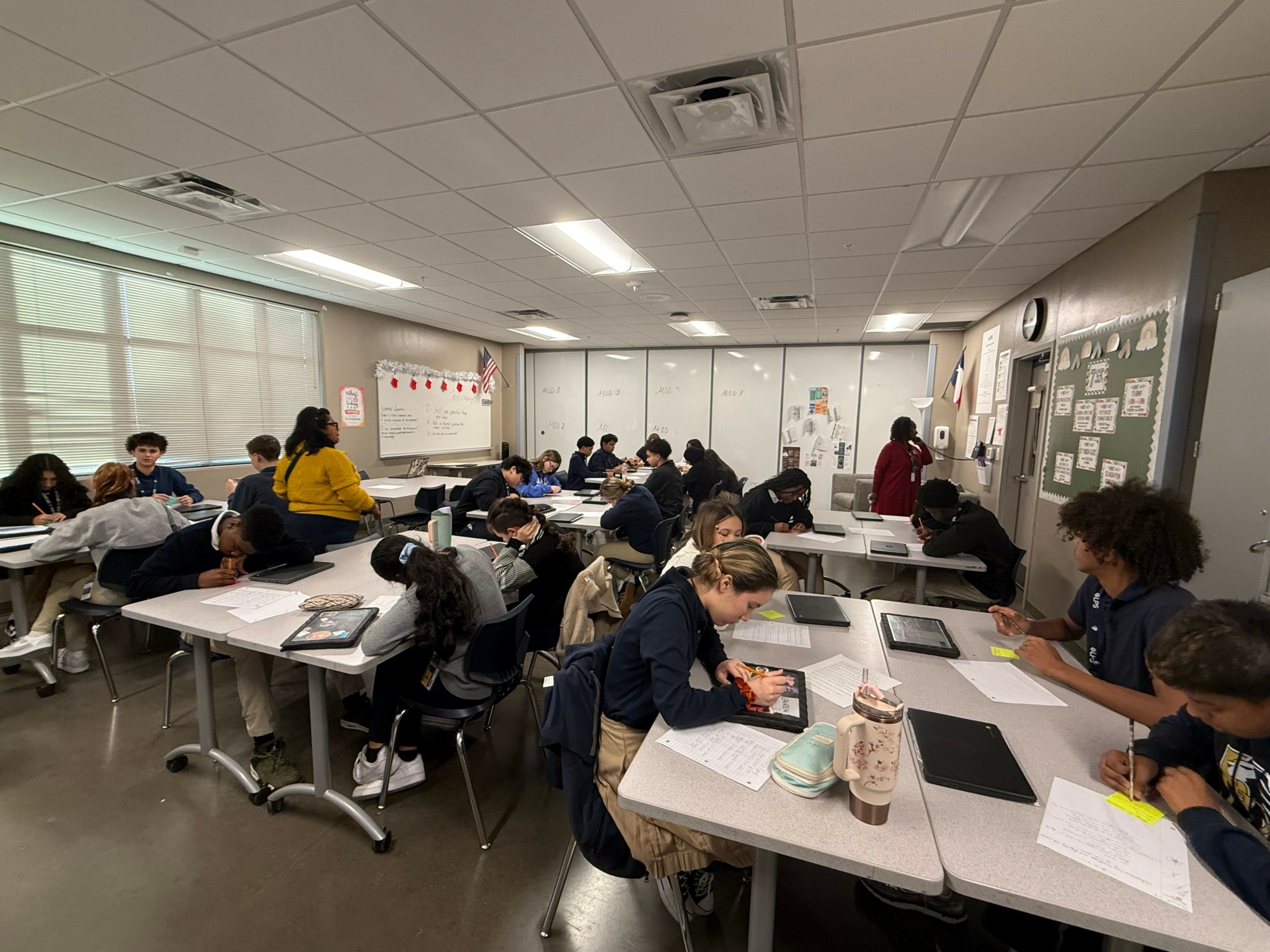
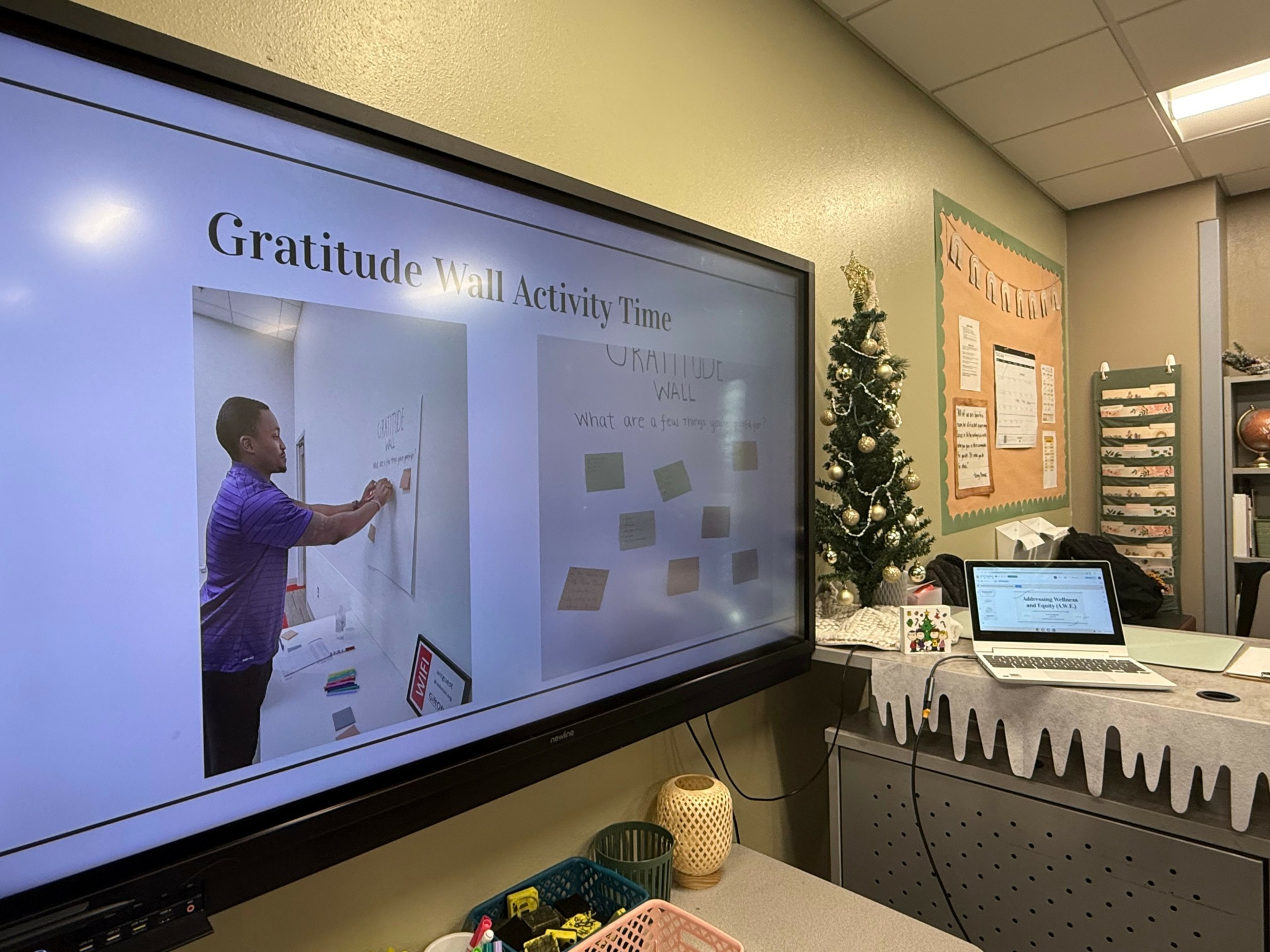
Through A.W.E., we focus on community-centered mental health initiatives—workshops, youth-led programming, listening sessions, policy discussions, and collaborative partnerships with schools, universities, and national organizations. We aim to solve a critical gap: the disconnect between mental health conversations and equitable access to support. Many communities lack culturally competent care, preventative education, or basic mental health literacy. We work to bridge that gap by making conversations practical, educational, and actionable.
What sets me apart is that my work sits at the intersection of youth leadership, policy awareness, and community engagement. I don’t just advocate for mental health in theory—I work to strengthen mental health infrastructure in K–12 and higher education systems. I believe mental health education should be embedded into school curriculum as a foundational life skill. Students are taught algebra and history, but they’re rarely taught how to regulate emotions, process stress, or cope with hardship. That shouldn’t be something we expect young people to “just figure out.”
I’m most proud of the fact that A.W.E. is youth-led and equity-centered. We prioritize culturally responsive approaches and ensure that the communities most impacted are part of the solution. I’m also proud of how my advocacy has evolved—from starting conversations in high school classrooms to engaging in civic spaces, collaborating with national organizations, and working toward policy-informed change.
What I want people to know about me and my work is this: mental health is not a luxury. It is not a trend. It is a necessity. And equity must be at the center of any solution. My goal is not just to talk about mental health—but to help build systems where support is preventative, accessible, and sustainable.
This work is deeply personal to me, but it’s also deeply strategic. If we focus on the root causes—education, access, funding, representation—we can create lasting change that doesn’t just respond to crisis but actively prevents it.
And that’s the future I’m working toward.
If you could go back, would you choose the same profession, specialty, etc.?
Yes — I would absolutely choose the same path.
Mental health is so nuanced, and that’s exactly why I’m drawn to it. It exists at the intersection of biology, environment, identity, culture, and systems — and it impacts every part of how people live, learn, lead, and connect. It’s also not a one-size-fits-all space. What works for one person, community, or campus may not work for another. That complexity requires empathy, cultural awareness, and thoughtful solutions.
I’m especially passionate about that nuance because it forces us to move beyond surface-level conversations. Mental health advocacy isn’t just about awareness — it’s about access, infrastructure, prevention, and equity. It’s about recognizing that lived experiences differ and that solutions must be adaptable and community-centered.
So yes, I would choose it again. The nuance is what makes the work challenging, but it’s also what makes it deeply meaningful and impactful.
Are there any books, videos, essays or other resources that have significantly impacted your management and entrepreneurial thinking and philosophy?
Yes — one resource that has profoundly shaped both my personal philosophy and entrepreneurial thinking is the Indian film 3 Idiots.
It may seem unconventional to cite a movie in response to a question about management and entrepreneurship, but this film deeply influenced how I approach pressure, ambition, and success. There’s a phrase repeated throughout the movie: “Aal Izz Well.” It’s something the main character, Rancho (played by Aamir Khan), tells his friends during moments of intense stress and uncertainty. On the surface, it sounds simple — almost naïve. But it carries a powerful reminder: calm your heart, even when the situation feels overwhelming.
As someone navigating leadership, advocacy, and entrepreneurship, I’ve carried that phrase with me. “Aal Izz Well” or “All is Well” doesn’t mean everything is perfect. It means choosing steadiness in the face of chaos. It means grounding yourself so you can think clearly and act intentionally.
Another core philosophy from the film that has stayed with me is Rancho’s distinction between “kaabil” (being capable) and “kaamyaab” (being successful). He emphasizes that if you focus on becoming truly capable — skilled, ethical, knowledgeable, excellent at what you do — success will follow naturally. But if you chase success alone, without building substance, it’s hollow. Strive for excellence in your craft not the end outcome like success.
That distinction has shaped how I approach my work in mental health advocacy and nonprofit leadership. I don’t want to build something that just looks successful. I want to build something capable — rooted in research, community voice, policy awareness, and sustainable infrastructure. I want to strengthen systems, not just create visibility.
Entrepreneurially, this philosophy has taught me:
Focus on excellence over recognition + success.
Build depth before scale.
Stay calm under pressure.
Let purpose guide ambition.
“Aal Izz Well” reminds me to regulate myself in difficult seasons. “Be kaabil, not just kaamyaab” reminds me to prioritize substance over status.
Those two principles are things I will carry with me forever — in leadership, in advocacy, and in life.
Contact Info:
- Website: https://addressingwellness.wixsite.com/awengo
- Instagram: https://www.instagram.com/a.w.e_ngo/?hl=en
- Linkedin: https://www.linkedin.com/in/lipika-devara-4507491ba
- Other: A.W.E’s socials and resources:
– all socials @ a.w.e_ngo
– our carrd link with many additional a.w.e opportunities and resources: https://addressingwellnessandequity.carrd.co/