

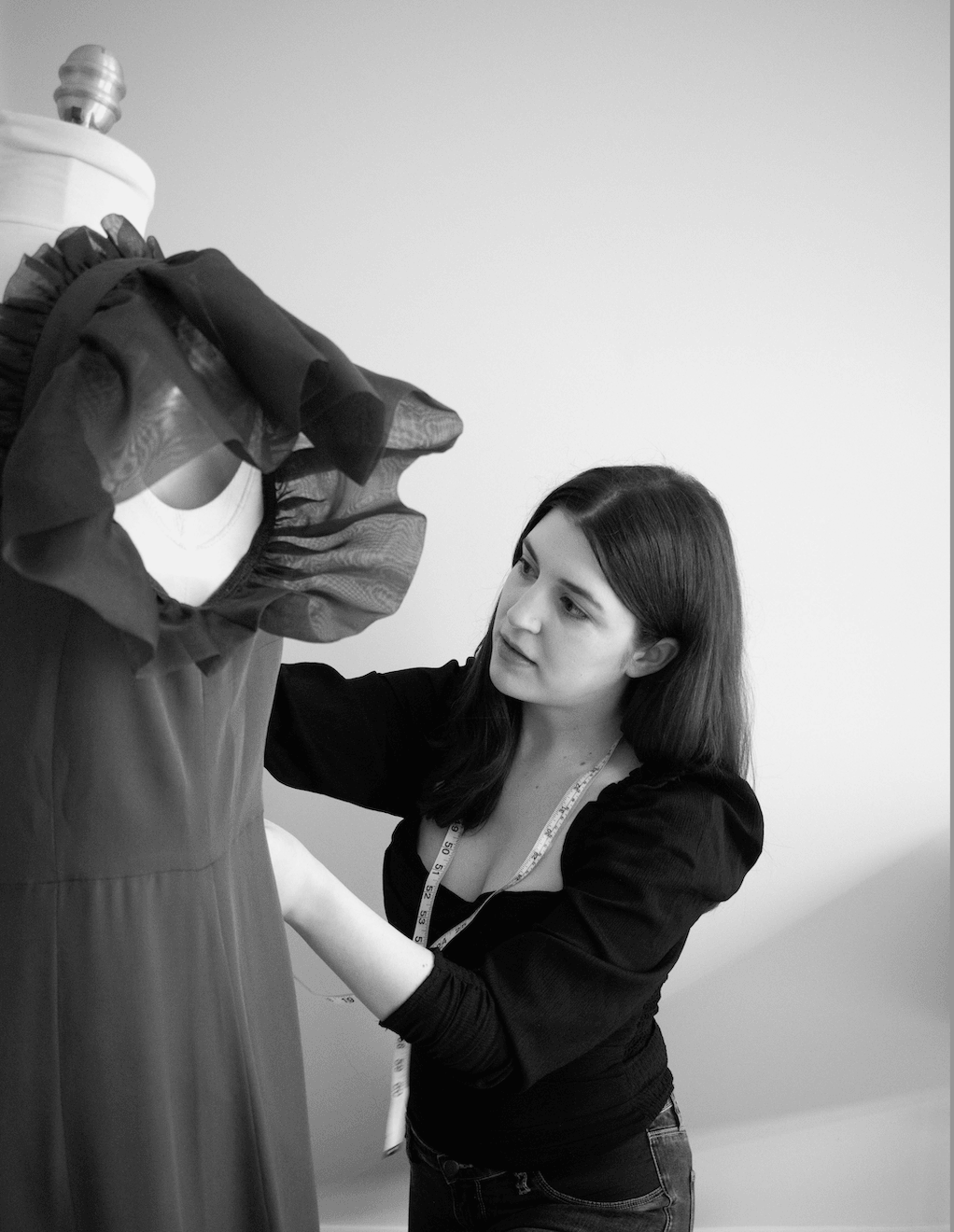

We recently connected with Lindsay Stedman and have shared our conversation below.
Alright, Lindsay thanks for taking the time to share your stories and insights with us today. Alright, so you had your idea and then what happened? Can you walk us through the story of how you went from just an idea to executing on the idea
Once I had landed on a brand name and assortment category, I knew I would need to pull from my previous work experience to carry me through the next steps. Looking back on the years I spent with corporate fashion companies, I realized how blessed I was to work on teams where I could see all aspects of the fashion business. For instance, I worked mainly in the fabric development sector which led me to be able to source, develop and print high quality fabrics, but I also got exposure to other departments such as: product development so I knew how to source labels, packaging, etc and create a good retail price and margin, technical design so I knew how to fit garments, and production so I knew the problems that could arise during the bulk process. Having been on smaller teams, I could see the process from start to finish and that has been an invaluable resource.
With this in mind, I took my first sketches and started to source factories. Ideally, I was looking for a vertical factory that could do pattern making, protos, samples, and bulk all in house (not outsourced) so that it was easier to have seamless oversight. I googled different options, searched social media, and the CFDA website also has some great resources as well! It’s also very beneficial to have a vertical factory because they can walk you through the process as they manage each step or give advice on what they have done in the past.
Once you have a factory, you can start sourcing the fabric, trims, labels, packaging and other materials you want added to your garments. I had gone to fabric shows for corporate jobs in the past and knew how beneficial they were for sourcing new fabric mills that I attended again for my own business. These fabric shows also have trim suppliers or other resources that are great to add to your contacts as well.
The best part on taking your time and sourcing good factories and suppliers is that you get more nimble every season. When you are not wondering about where to source hang tags etc, it allows you more time and energy for the actual design process and inspiration.
Great, appreciate you sharing that with us. Before we ask you to share more of your insights, can you take a moment to introduce yourself and how you got to where you are today to our readers.
My love for fashion design started when I was in middle school where I would clip fashion magazines for mood boards or complete various sewing projects whenever I had free time. That passion continued to grow where I took sewing classes in high school and then went on to attend NC State University. I was grateful for my internship experience I had in college where I was chosen for the Ralph Lauren Corporate Internship Program in NYC and a design internship at Peter Millar. When I graduated, I was blessed to continue my time at Ralph Lauren and then later on at Victoria’s Secret PINK for several years. Even if I didn’t realize it at the time, all of these experiences were laying the foundation to start my brand Rêveux one day.
My husband and I moved back to our hometown in NC at the start of 2020, and even though I was moving away from NYC, I knew that fashion would always play a big part in my life. After a few years of debating, it seemed like the right time to take the leap and start my own business.
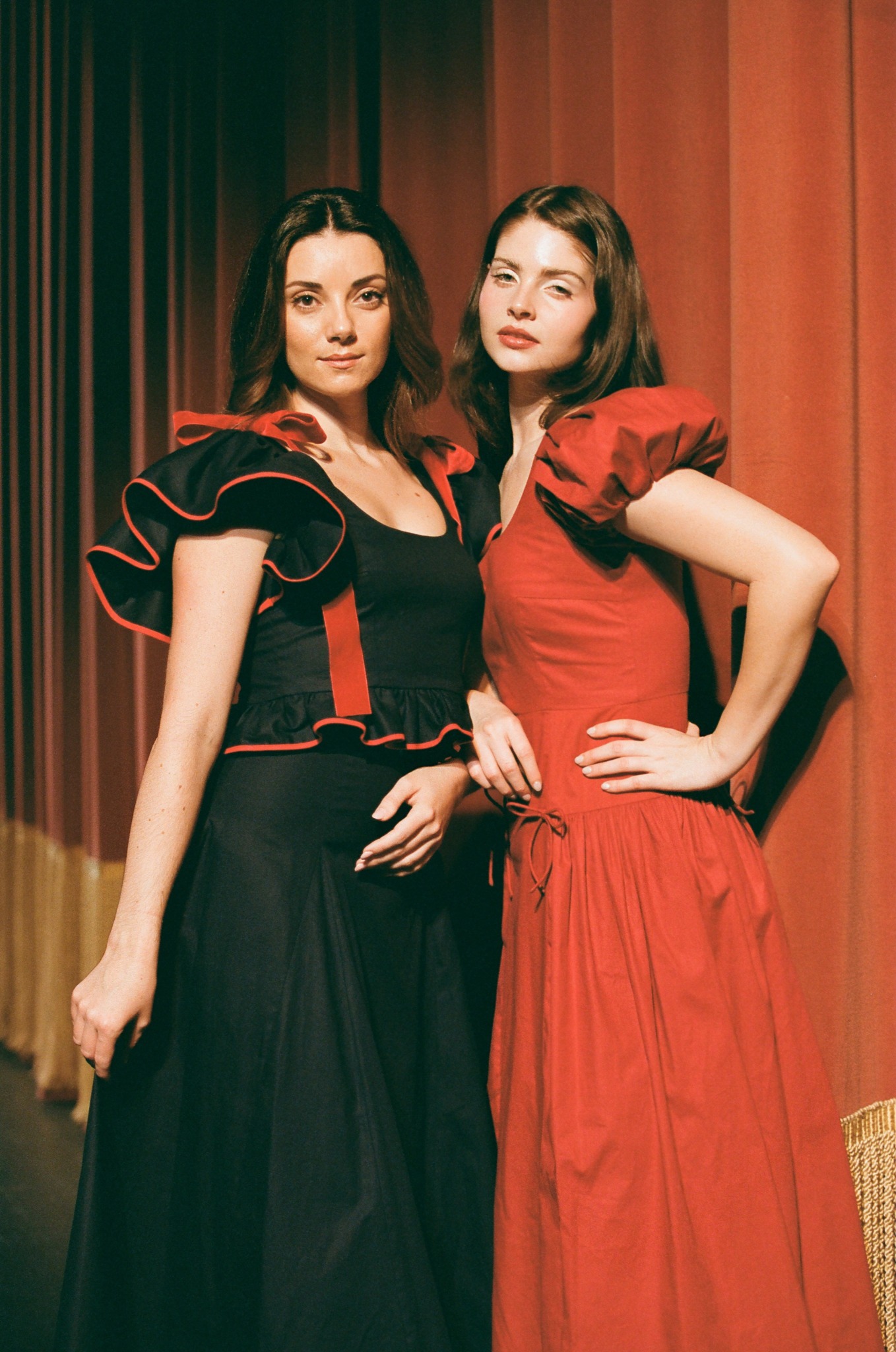
My maiden name is France, so my designs are heavily influenced by the elegance and feminine details of vintage French style. I landed on the French name ‘Rêveux’ (pronounced “ray-voo”) because it derives from the French word for “dreamy”—which perfectly encapsulates the essence of Rêveux: dreamy keepsake pieces that can be passed down through the generations. The brand focuses on dresses and elevated separates that are designed for life’s special moments.
That is a little bit about our beginnings, but Rêveux’s mission is the key piece that keeps us going. As a Christian-based brand, our mission is to create a space in the fashion industry for feminine, modest pieces that offer accessibility to quality, luxurious fashion for our customers. A brand that pushes against fast-fashion consumerism and instead creates pieces that are meant to be reworn and cherished through generations. We also consider it our duty to better our local and global communities by donating at least 10% of our proceeds to Christian organizations like Children’s Hunger Fund and Samaritan’s Purse.
We would love for Rêveux to be known for it’s ‘luxury with a purpose’ mission, the American-made craftsmanship, and a legacy built on passion, quality, and timeless style.
We’d love to hear a story of resilience from your journey.
When I was 5 years old, I was diagnosed with epilepsy. Luckily, it was the more moderate ‘absent’ seizures, but it greatly impacted my childhood years. I continued to have them until the summer before I started high school, and looking back, a lot of my childhood consisted of limitations and being told I wasn’t able to do something due to my seizures. Although I wasn’t able to appreciate at the time, my seizures had a profound influence on providing the grit and perseverance I would need to start a business.
I was incredibly blessed that God allowed me to prosper seizure-free, and I never want to take the opportunities I have had and continue to have for granted. At the time, I might have thought it was just childhood defiance that I felt I could do anything I set my mind to regardless of my limitations, but as I got older, I realized that having had a challenging childhood, left me with a tenacity to pivot and overcome challenges. I try to keep that mindset of ‘not accepting circumstances’ but finding a way to be positive and find a workable solution.
At the end of the day, we can use our past experiences to help us or hinder us, and speaking from experience, it is incredibly inspiring to see how God can work in all circumstances.
How’d you think through whether to sell directly on your own site or through a platform like Amazon, Etsy, Cratejoy, etc.
My primary retail is through my own site on shopreveux.com, but I also have a presence in two online retailers as well as venturing into in-person boutiques. It has been a delicate balance of wanting to sell with other platforms or boutiques to gain exposure while also maintaining a good margin. There has also been some shift in traditional retail where boutiques will use your pieces as consignment instead of purchasing a wholesale order.
There are definitely pros and cons to selling on your own website vs other platforms. The main pro being that when you sell on your own site, you get the full sale versus a smaller commission. However, for some seasons, I can sell more inventory through my other sales channels which is a great way to expand brand visibility and move inventory. As long as you price the retail to cover both the price of the garment and wholesale commission it can be very profitable.
A con for selling on other platforms besides the commission rate is you have less control over marketing, customer relations, and just overall experience with the brand. This is why it is important to make sure that your retail partners are a good match for your brand and business growth.
And lastly, I try to create ‘pros’ for my site by creating that customer loyalty that can’t get on other sites. For example, customizations can only be provided through our site or only certain sale events. This allows for customers to still feel that emotional connection with our brand and know that they can count on great service when shopping our site.
Contact Info:
- Website: https://shopreveux.com
- Instagram: @shopreveux
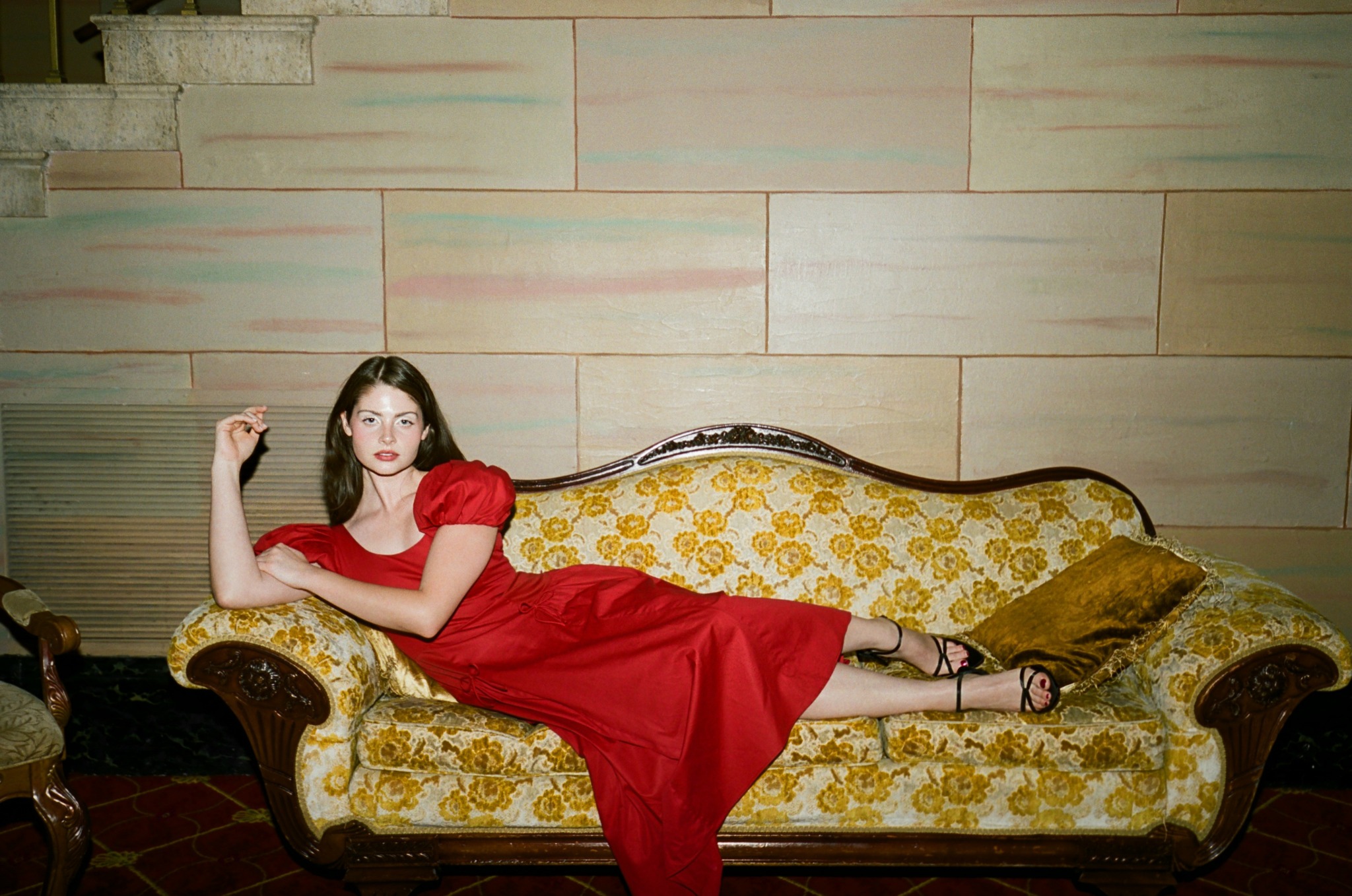
Image Credits
Cameron Hayes Photography