

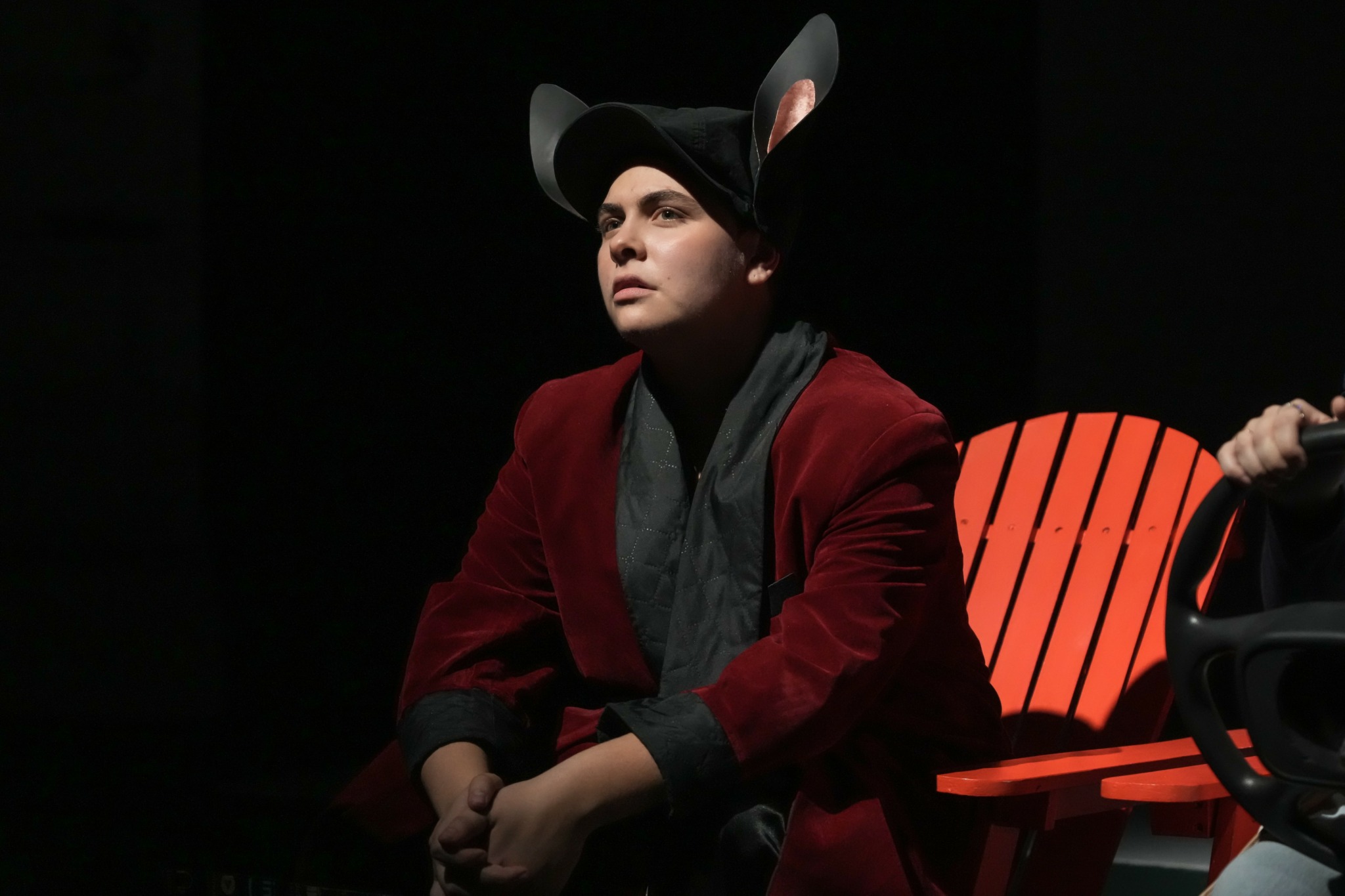

We caught up with the brilliant and insightful Lily James Roberts a few weeks ago and have shared our conversation below.
Lily James, thanks for joining us, excited to have you contributing your stories and insights. How did you learn to do what you do? Knowing what you know now, what could you have done to speed up your learning process? What skills do you think were most essential? What obstacles stood in the way of learning more?
I gravitated towards performing very early on. By six I started acting in summer plays and putting on makeshift concerts for my family and friends, but lot of my early education came from the movies, tv shows, and the music I grew up on. Early Disney films, Batman the Animated Series, Springsteen, and Young, became my earliest teachers. As I got older I was able to perform in school talent shows, take music classes, and eventually begin learning the guitar.
I had the great privilege of coming from a community with arts educators who gave me, and so many other kids, their time and knowledge. I am so grateful to programs like the Addison County Repertory Theatre, the Vermont Musical Theater academy, and my high school drama program for giving me the space to try, fail, and grow as a young artist. I was able to have a music education under the tutelage of Michael Corn at MCMC, Matt Tatro who introduced me to my love of jazz, and vocal teacher Jen Allred.
On top of that, I was blessed with a fantastic circle of friends and family who were curious, kind, and accepting of my work. By the time I was considering college I knew I had the foundation to pursue my dreams and move to NYC. I now attend The New School of Drama where I am pursuing a Dramatic Arts BFA. My work at TNS combines acting, writing, directing, and music in a way that I feel gives me even more tools to use in my professional career.
I think one of the most crucial skills one can learn as an artist is curiosity. It sounds simple, but follow up on what interests you. We live in an age where all the tools we need to educate ourselves are available through the internet, public resources like libraries, and our community centers. My biggest obstacle when pursuing education outside of my degree has been time and motivation. So when something strikes my interest, even if it doesn’t connect immediately to my artwork, I like to write it down and do some research on it later. There is no timeline on education, nor a correct way to go about it. However, by remaining curious I think we do more subconscious learning than we would otherwise.
Lily James, before we move on to more of these sorts of questions, can you take some time to bring our readers up to speed on you and what you do?
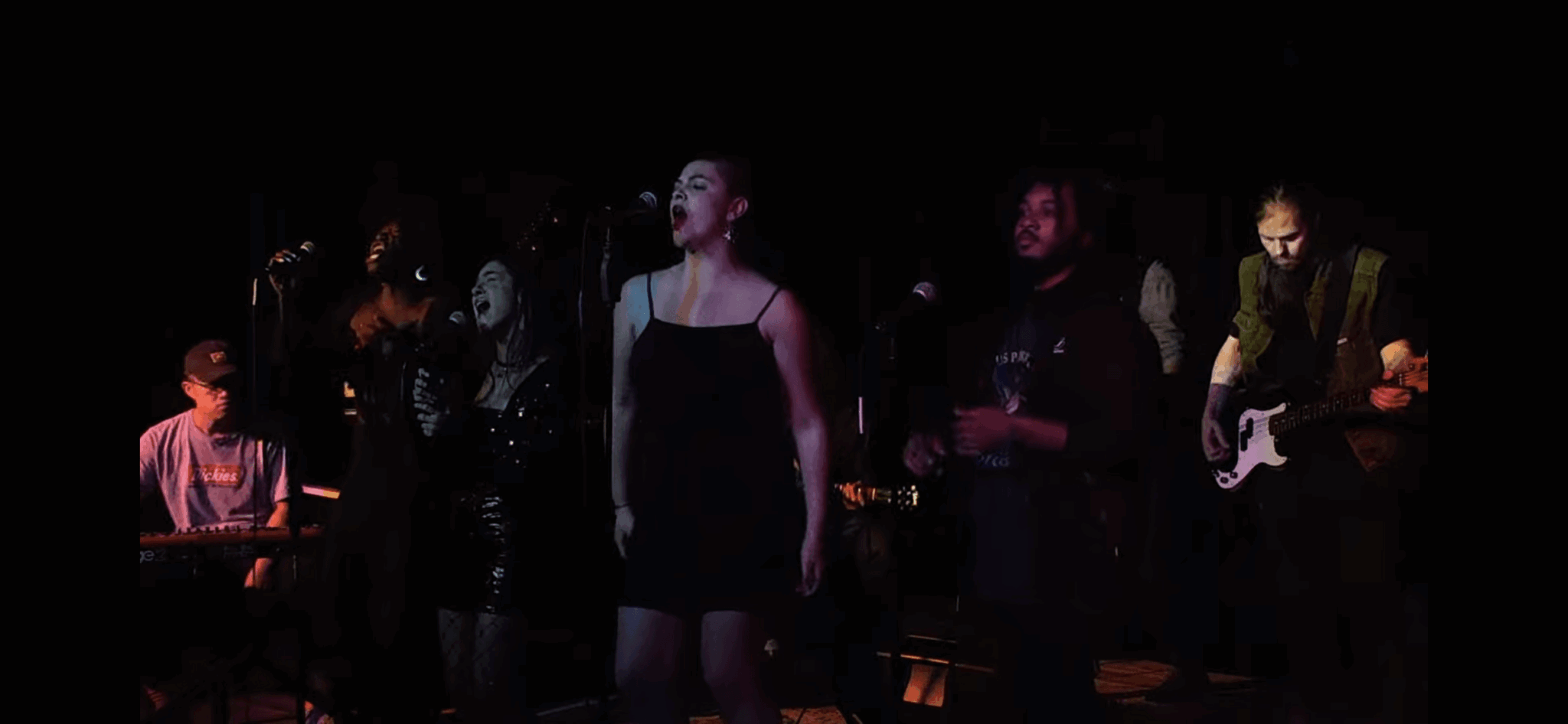
My name is Lily James Roberts, and I am a multi-hyphonate artist from Monkton, Vermont, now based in New York City. I have been acting for fifteen years now, picking up music and writing disciplines along the way. As an actor I enjoy playing characters that challenge dramatic conventions. Surrealist stories, Brechtian theatre, and unconventional narrative structures have always captivated me, on and off stage.
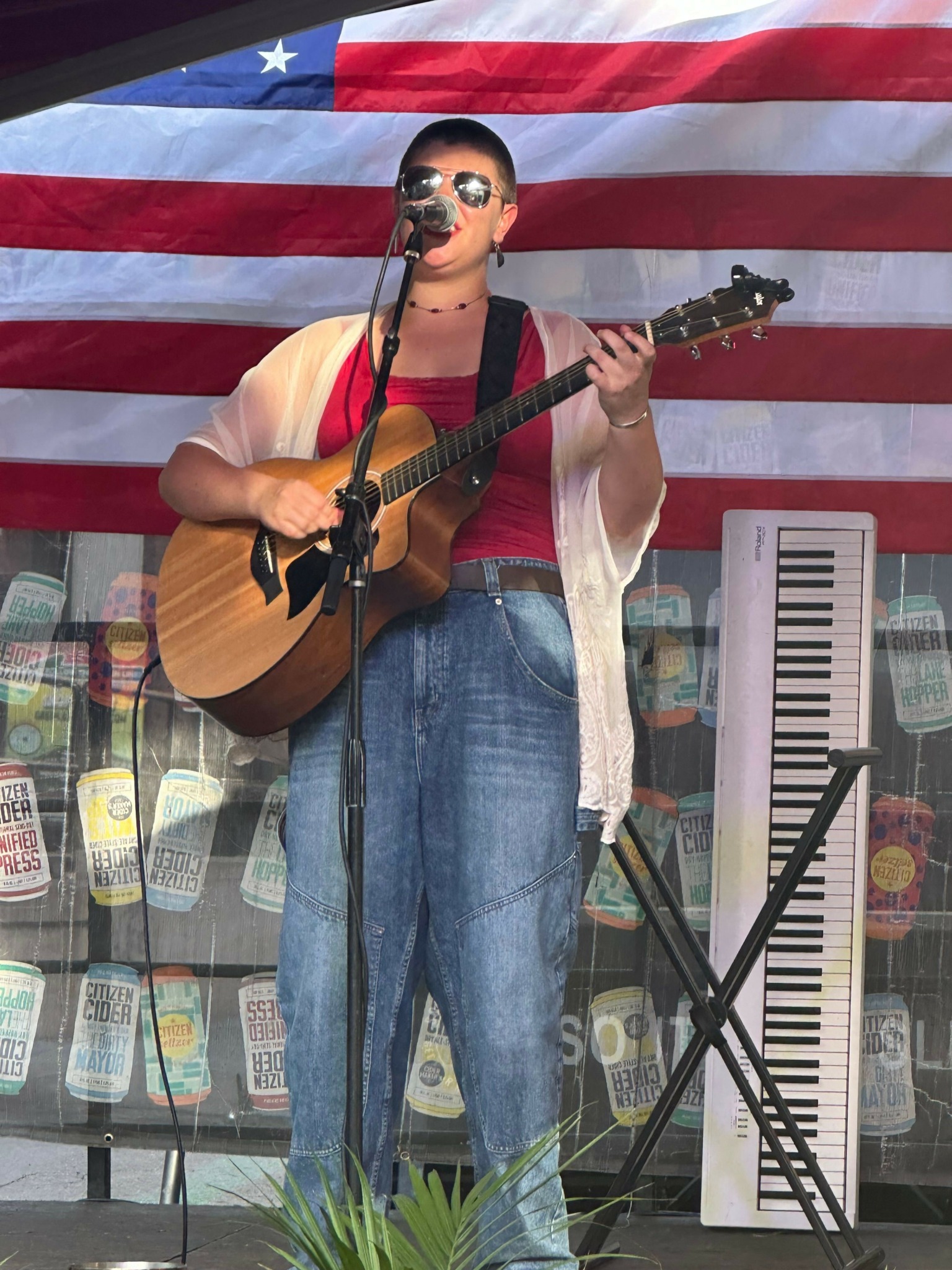
As a musician I love exploring multiple genres, from folk tunes to jazz. I am also very proud to be a punk, and love incorporating aspects of my subculture into my fashion, and my craft. I released my first EP in 2020 (The Brazen), with hopefully, more music on the way.
As a writer I like to experiment with poetry and songwriting, as well as large projects like writing for stage and film. Some of my inspirations include Robert Eggers, Adrienne Lenker, and Jen Silverman. A Shadow On the Wall, a collaborative piece I wrote with the Addison County Repertory Theater goes up March, 2026 presented by The Shelburne Players. I am also very excited to be assistant directing Men on Boats, at the Bank Street Theater in April, 2026.
As a multi-disciplinary artist I always try to approach my work from more than one angle. I’ve found that every artistic discipline from writing, to painting, to singing on stage, has a way of informing one another. I like to be a resource to my peers and collaborators, often being able to share multiple perspectives on a project, and initiate conversations between artists of different disciplines.
How can we best help foster a strong, supportive environment for artists and creatives?
I think we can start by redefining what the word “artist” means. I’ve met many folks who hesitate to call themselves artists for reasons like; they do not monetize their work, they haven’t been making for “long enough”, or they don’t see themselves as technically proficient, and so on. I think it would serve the artistic community, and society as a whole, to be far less precious with this word. If to be an artist is to create with intent, then almost everyone in the world can, and should, see themselves as an artist.
I find it very disheartening that art has become, often by definition, a learned craft. Of course there will always be appreciation for work that has been studied, and presented at a very high level, but without discounting that, we can also give some of the power of this word back to our larger creative community. If you enjoy cooking wholesome meals, or singing in your shower, you are an artist. If you like to sketch in a notebook, or write poems in your notes app, you are an artist. Because, I do not believe that this is a title that has to be earned, but instead a state of presentness that people move through the world with innately.
By using this word more freely I think we reinvest in our creative communities, and invite more people into them. Let art not just be a profession, or a hobby, but something we naturally do as humans with no onus on our work to be “good” or inevitably serve a purpose. Have more passing conversations with friends about what art is on your mind, or weave creating into daily routines the same way we think about diet and exercise. By defining an artist as a completely accessible label I think we foster more creativity in our committees and have more camaraderie with our fellow artists indefinitely.
We often hear about learning lessons – but just as important is unlearning lessons. Have you ever had to unlearn a lesson?
A lesson I am still actively trying to unlearn is perfectionism. I know many artists who struggle with it as well and it can be very harmful to the creative process. It can mess with motivation, and how one perceives their work in a really negative way.
I have made a lot of progress dealing with perfectionism however, in large part due to the mentoring of my teacher Glynis Rigsby. I was a student in her acting class my sophomore year of college and it left a lasting impact on me as a performer. She encouraged me to not strive for perfection, but instead to take risks in my performance and be more loose and adaptable. It was challenging to let go of wanting my work to be “good”. Of course I still strive for quality and the perfectionist tendencies are still there sometimes, but it really helped me to have a teacher who encouraged me to confidently screw up. It also helped me reframe what was working about my acting in the first place and what I could stand to change. Overall I think being more comfortable with failure and less precious with my art, especially my experimental work, has helped me in droves to unlearn perfectionism.
Contact Info:
- Instagram: @LJtheActor
- Other: Lily James Roberts on Spotify, Applemusic, and all streaming platforms
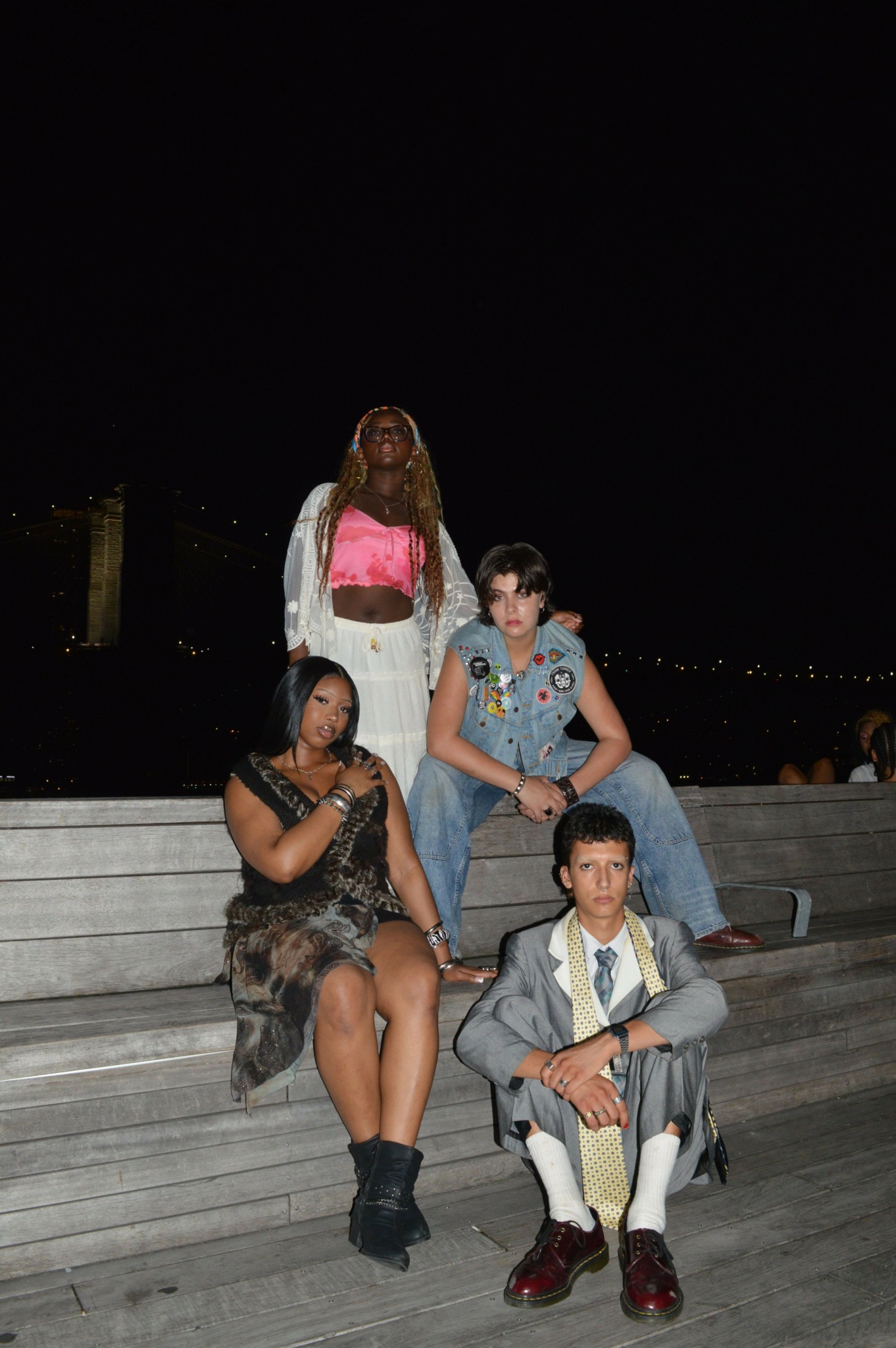
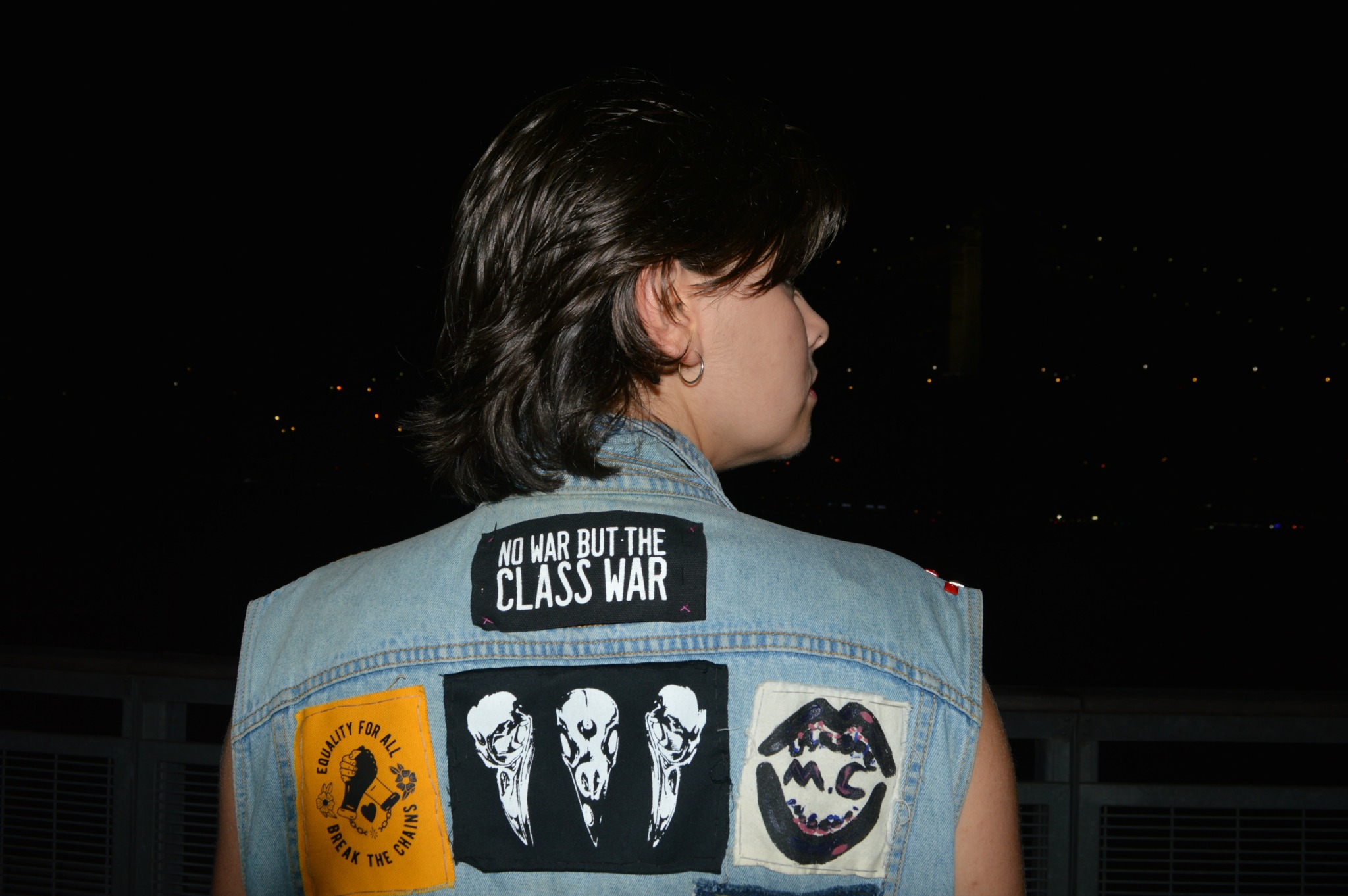
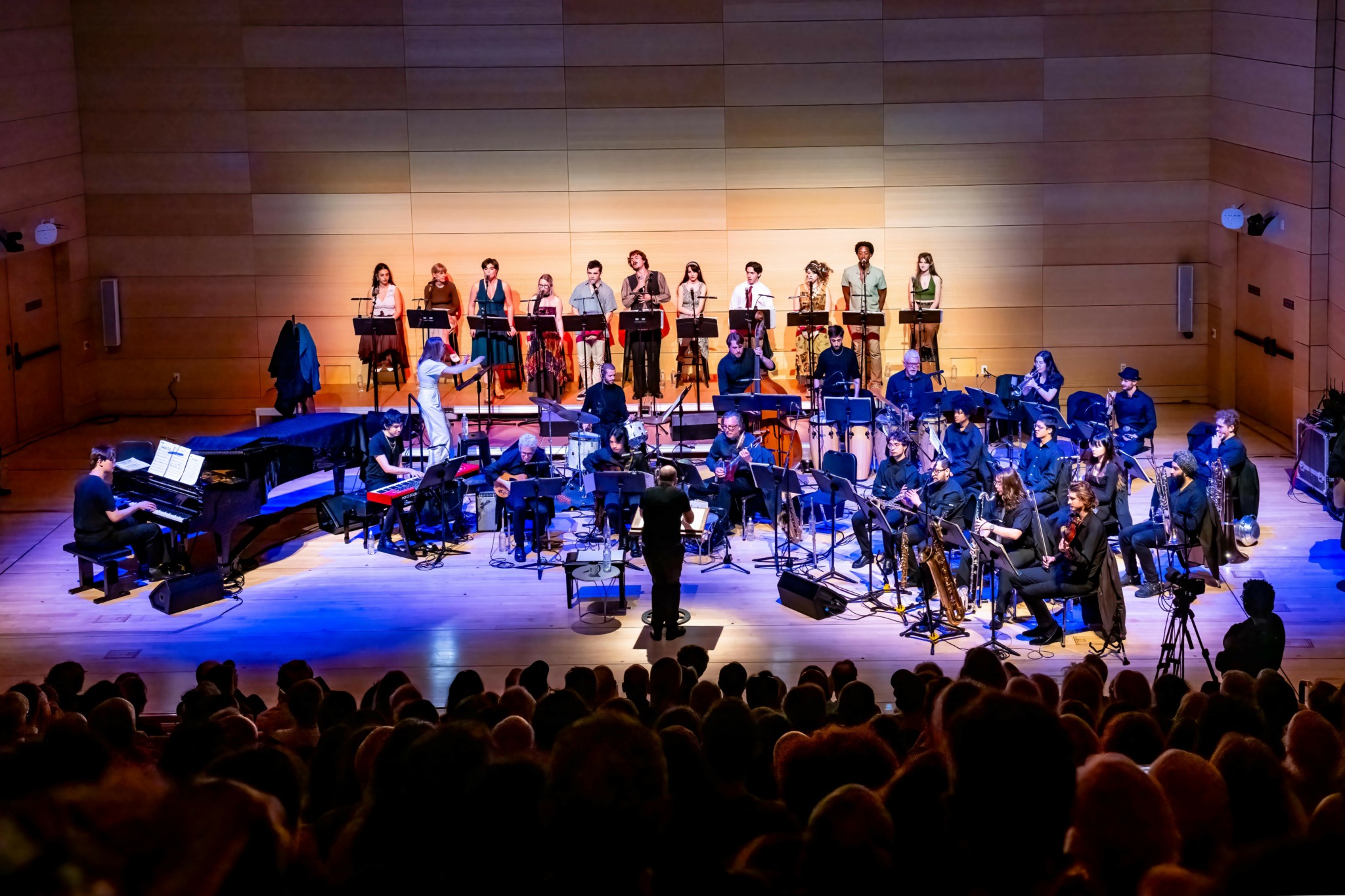
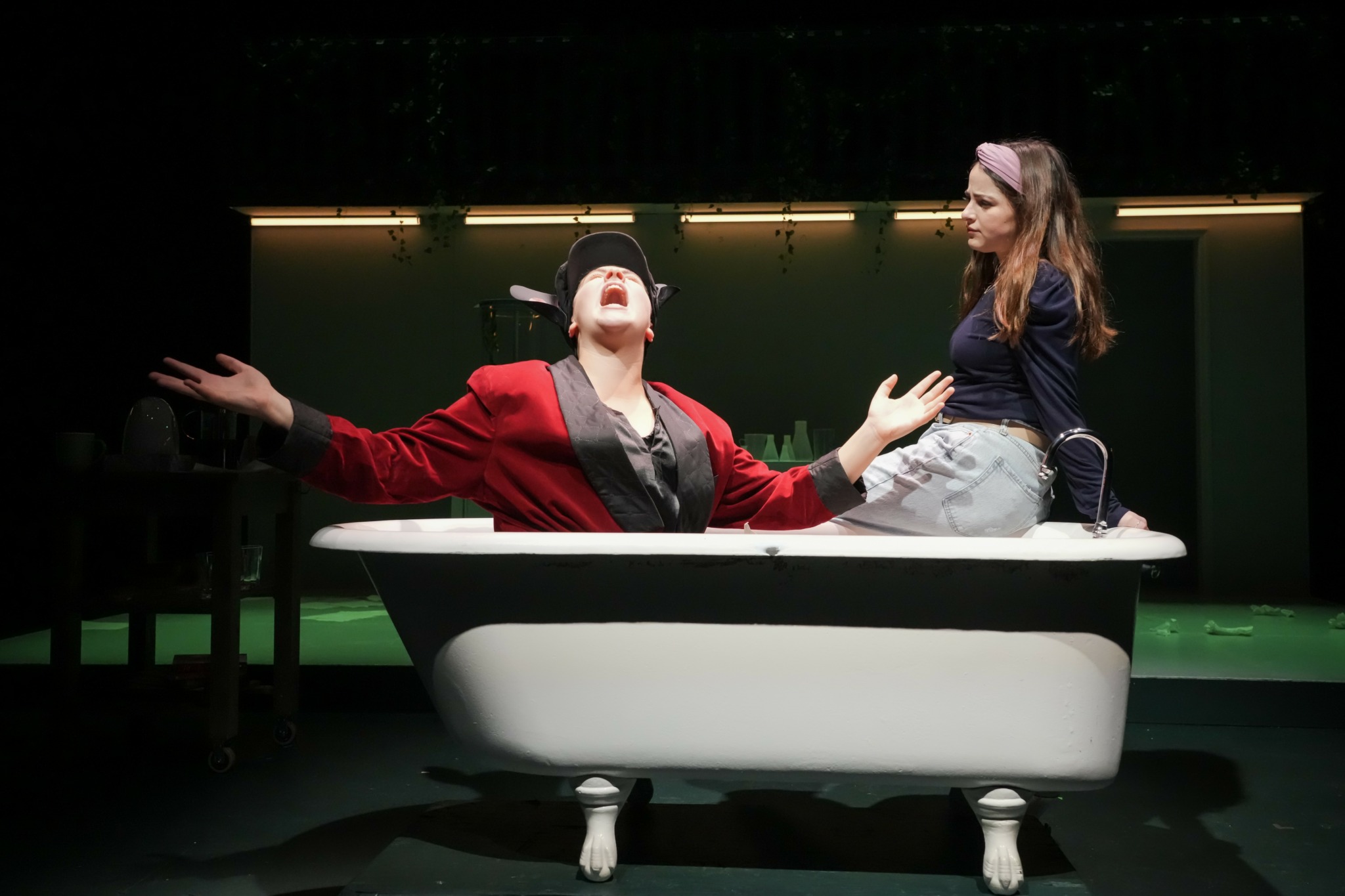
Image Credits
Steven Pisano
Yazima Pineda-Williams
Hank O’Neil