

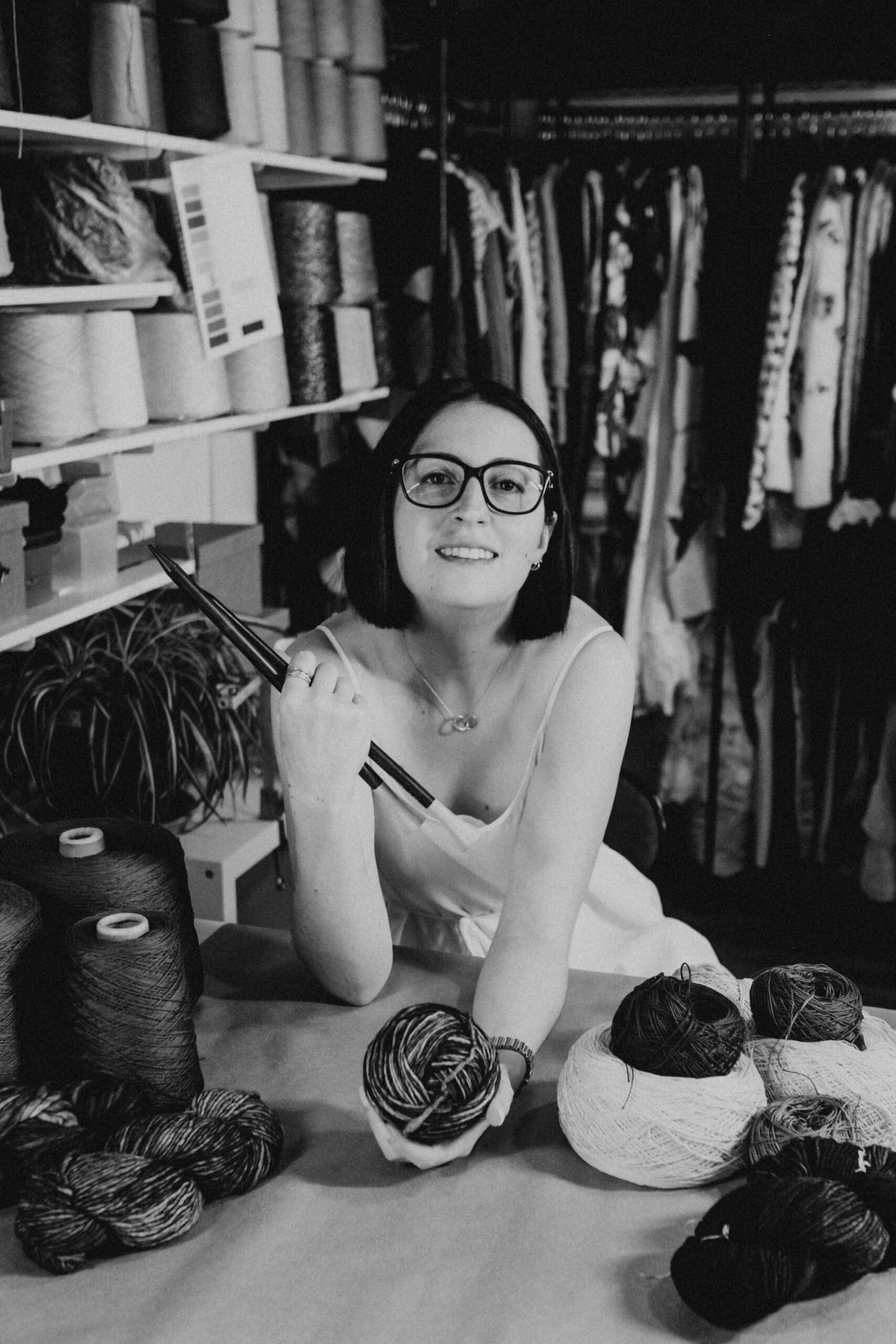

We caught up with the brilliant and insightful Libby Tolm a few weeks ago and have shared our conversation below.
Hi Libby, thanks for joining us today. Crazy stuff happening is almost as certain as death and taxes – it’s technically “unexpected” but something unexpected happening is to be expected and so can you share a crazy story with our readers
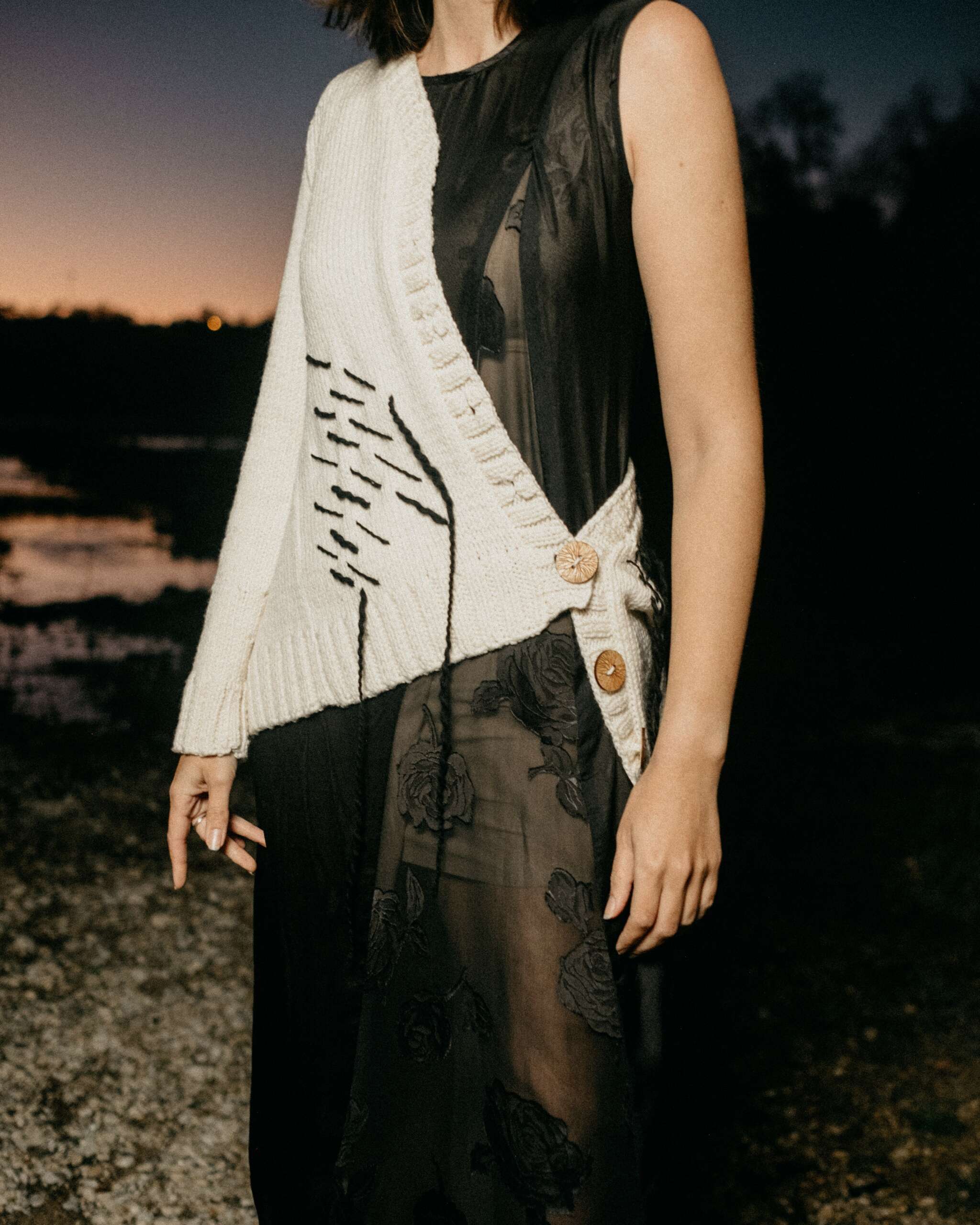
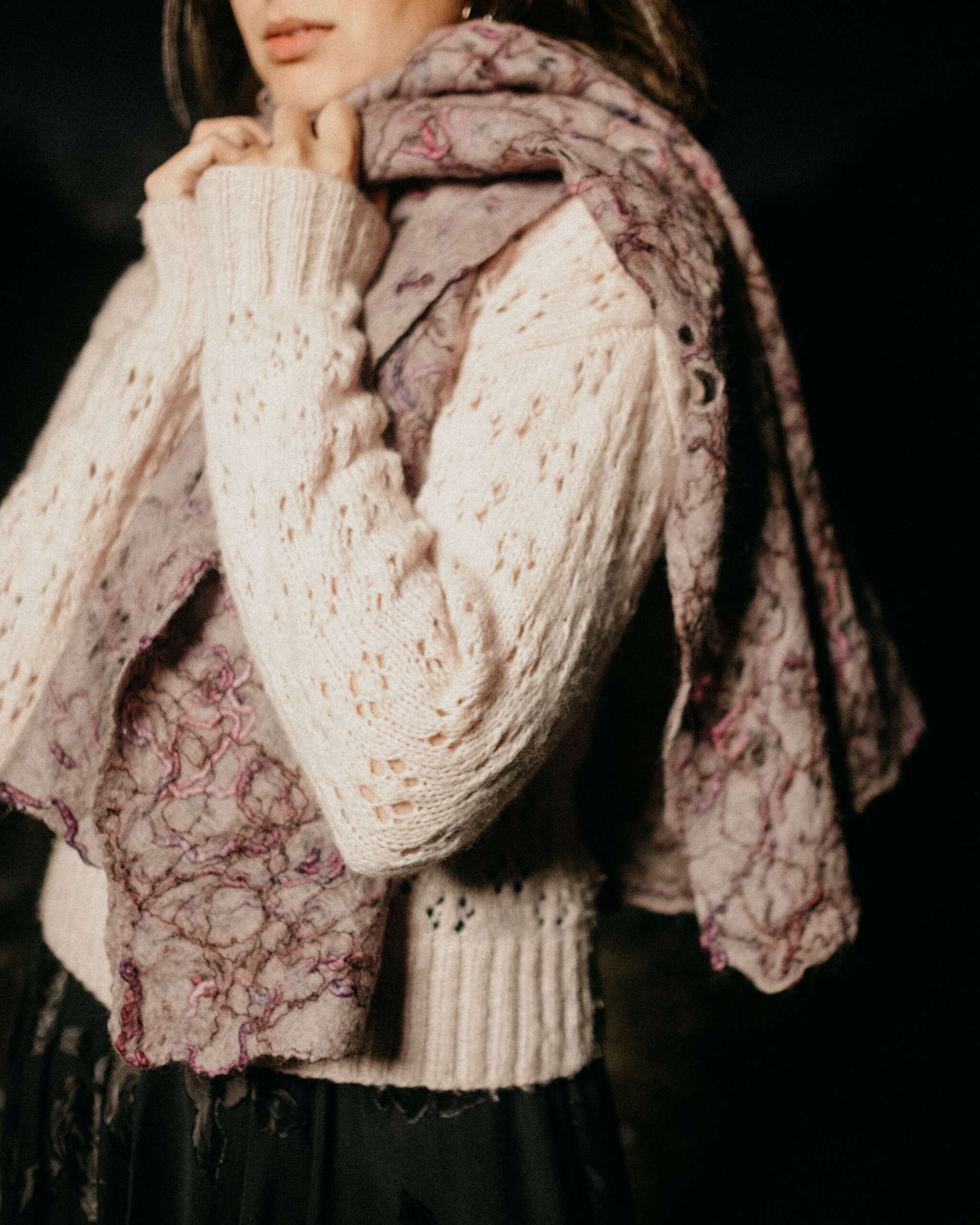
One of the craziest experiences in my business was when we tried to hire sample makers in the U.S. to cover production while my Ukrainian team faced challenges during the war. I posted an ad showcasing the intricate, handmade dresses we had created for Oscar de la Renta, thinking it would demonstrate the level of skill required. Instead, I was accused of being a scam. People claimed it was impossible to make pieces like that by hand and that no one would ever pay artisans for such detailed work.
It was both hurtful and eye-opening. These accusations dismissed not only the craftsmanship of my team but also the integrity of what we do. It highlighted a deeper issue: a perception shaped by stories of sweatshops and unethical practices in the industry, where artisans’ skills are undervalued or exploited. Yet, here we were, proving that these pieces—meticulously created by talented hands—were not only possible but also deserved recognition and fair compensation.
This experience reaffirmed my commitment to celebrating and advocating for artisans worldwide. It’s crucial that we continue to challenge these perceptions and educate people on the craftsmanship and effort that go into creating truly exceptional work. Despite the obstacles, it reminded me why I love what I do—pushing boundaries and ensuring that the people behind the artistry are valued and appreciated.
Awesome – so before we get into the rest of our questions, can you briefly introduce yourself to our readers.
My name is Libby Tolm, and I am the founder and CEO of Elite Knitting, where we specialize in creating exquisite handcrafted knitwear for high-end fashion brands. My journey into this industry began unexpectedly. I initially pursued a degree in finance and investment, aspiring to become an investment banker. However, my passion for creativity and a desire to support my mother—who had been knitting for years—led me down a different path.
Elite Knitting started as a small endeavor, born from the need to provide opportunities for skilled artisans. We began by collaborating with independent designers, creating graduation projects for Parsons School students, and producing small, bespoke collections. Over time, our commitment to quality and the unique craftsmanship of our team earned us the trust of major fashion houses like Oscar de la Renta, Zac Posen, and Derek Lam.
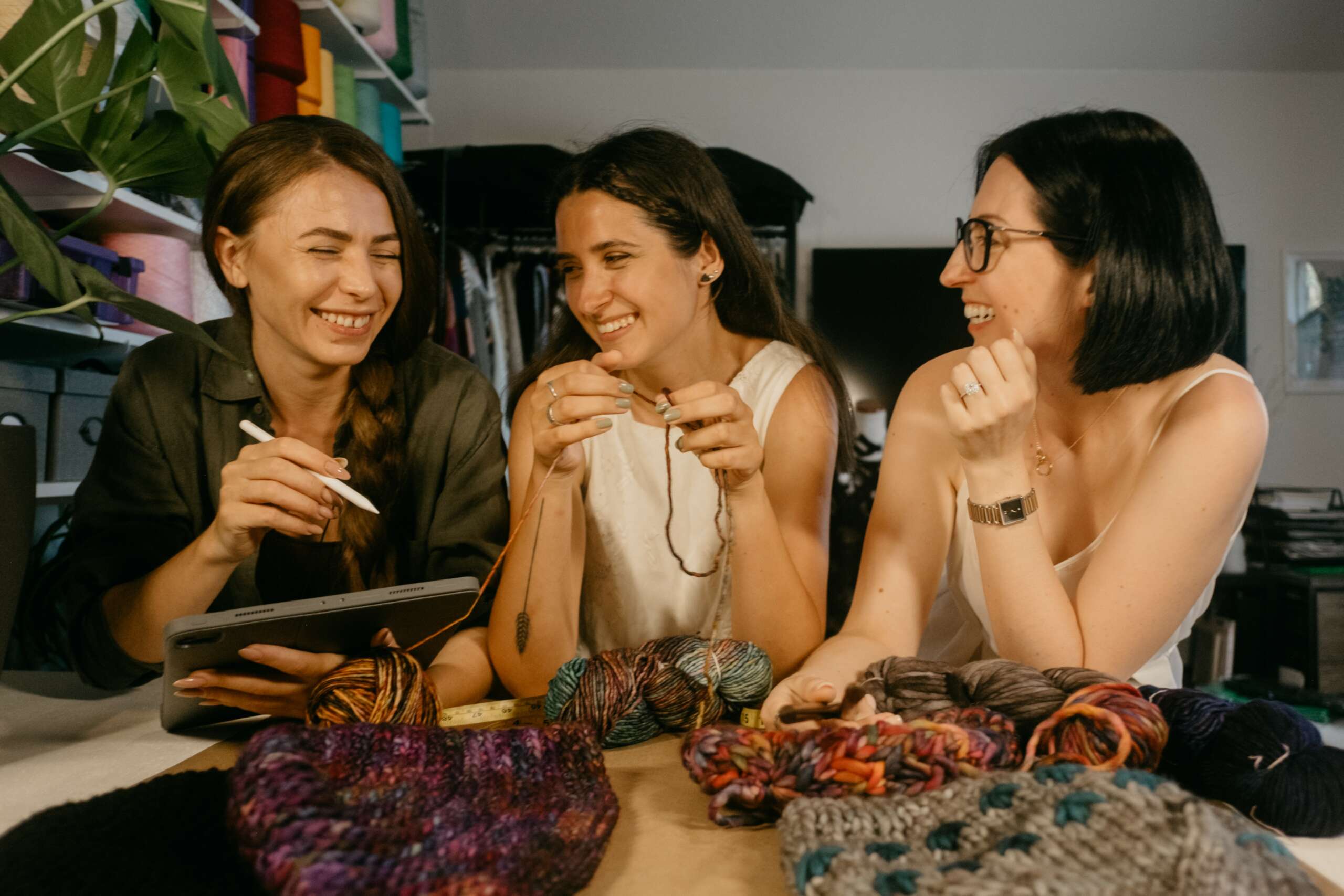
Our services include intricate sample making, small production runs, and custom knitwear designs that capture the vision of our clients. What sets us apart is our unwavering dedication to craftsmanship and ethical practices. Each piece we create is handmade by artisans who are treated as family—whether they are in our local studio or part of our extended teams in Ukraine, Peru, the Republic of Georgia, or cities across the United States. Supporting these artisans has been at the heart of our mission, and we are proud to collaborate with such talented individuals worldwide.
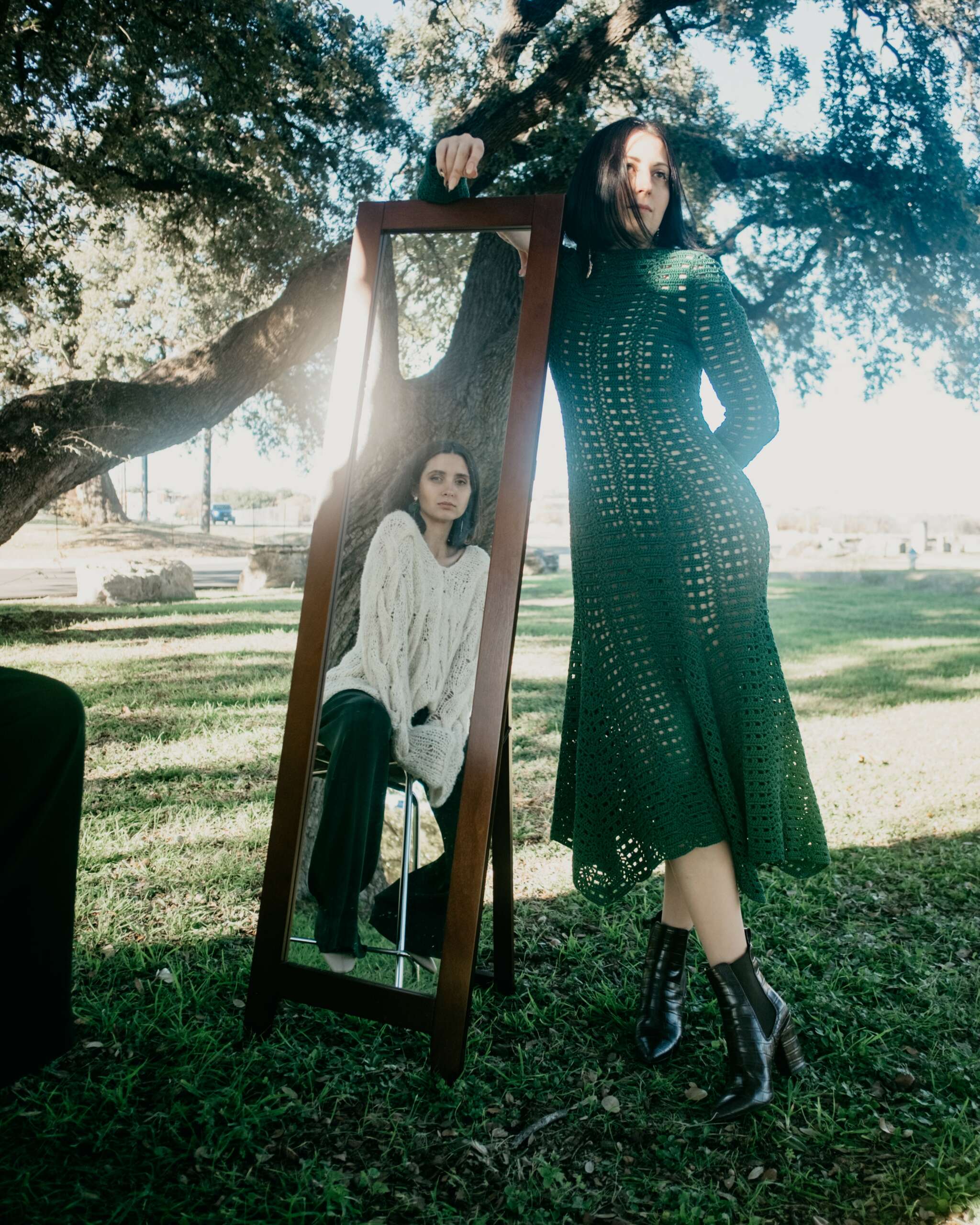
As Elite Knitting has grown, so has our vision. We recently launched Looking Friday, a label dedicated to sustainable and innovative fashion. It’s all about bringing creativity and responsibility together, offering consumers timeless pieces that align with their values. Looking Friday reflects everything I believe in: the beauty of thoughtful craftsmanship, the importance of transparency, and the need for sustainability in the fashion industry.
For anyone discovering Elite Knitting and Looking Friday, I want you to know that our work is about more than just creating garments—it’s about building a community and redefining what fashion can be. Through collaboration, respect, and a commitment to ethics, we aim to inspire confidence and bring a new level of appreciation for the artistry behind every piece. Together, we’re not just shaping wardrobes; we’re shaping the future of fashion.

Can you share a story from your journey that illustrates your resilience?
Resilience has been at the core of my journey, and one of the most defining moments came after the pandemic. We lost a key client, and for a while, it felt like the business we had built might not survive. The uncertainty was crushing, and the money was running out. I couldn’t see a way out, but my incredible team stood by me with so much encouragement and support, reminding me that we could make it through together. Just when it felt like the end, a miracle came from one of our previous clients. After moving to a new company, they introduced us to their team, trusting us to deliver. This moment reinforced how much we value our clients and why we always give our everything to them—it truly makes a difference.
Then, as we started to regain momentum, the war in Ukraine created a new set of challenges. With my Ukrainian team displaced, we turned to a team in Peru for production. At first, things seemed to be progressing, but months went by with little communication. Finally, they returned the yarn without completing the production, leaving us with an urgent order that was already late. It was a moment of utter defeat, and I wanted to quit. Walking away felt easier than facing the overwhelming pressure of trying to fix everything.
But I knew I couldn’t give up. I was responsible for the talented artisans who relied on me and for my clients who trusted us with their orders. With the help of another sample maker, we worked around the clock to complete the order in record time. It wasn’t easy, but we made it happen, and it taught me one of the most valuable lessons of my career: always have a backup plan and train more teams.
This experience shaped how I approach challenges today. It reminded me of the importance of resilience, adaptability, and the power of a strong support network. Despite the obstacles, we grew stronger and more prepared for whatever may come.
We often hear about learning lessons – but just as important is unlearning lessons. Have you ever had to unlearn a lesson?
The Lesson I Had to Unlearn
One of the most difficult lessons I had to unlearn was the belief that I had to do everything myself to ensure perfection. I would spend countless hours working day and night, trying to control every detail, instead of trusting my sample makers to handle it. I felt like I was constantly running against the clock, overwhelmed and exhausted, with a growing desire to shut everything out just to escape the pressure.
The Backstory
This realization came after several moments where I hit my breaking point. I remember one specific instance where I was obsessing over tiny details—like making sure every leaf on a piece was sewn at exactly the same angle, even though it didn’t actually matter for the overall look. I spent hours redoing things that didn’t need to be redone, driven by this impossible standard of perfection. It became clear that this approach wasn’t sustainable. Not only was I burning myself out, but I also wasn’t giving my team the trust and space they needed to grow.
What I Learned Instead
The answer was to let go and trust my team. Once I delegated a task, I had to resist the urge to question their decisions or recheck their work obsessively. Instead, I focused on supporting and encouraging them, giving them the freedom to make mistakes and learn from them. This shift in mindset not only lifted the weight off my shoulders but also empowered my team to take ownership of their work and grow as artisans. It’s a lesson that continues to guide me: perfection isn’t about control; it’s about collaboration and trust.
Contact Info:
- Website: elite-knitting.com, lookigfriday.com
- Instagram: @eliteknitting , @looking.friday
- Linkedin: https://www.linkedin.com/in/libby-tolm
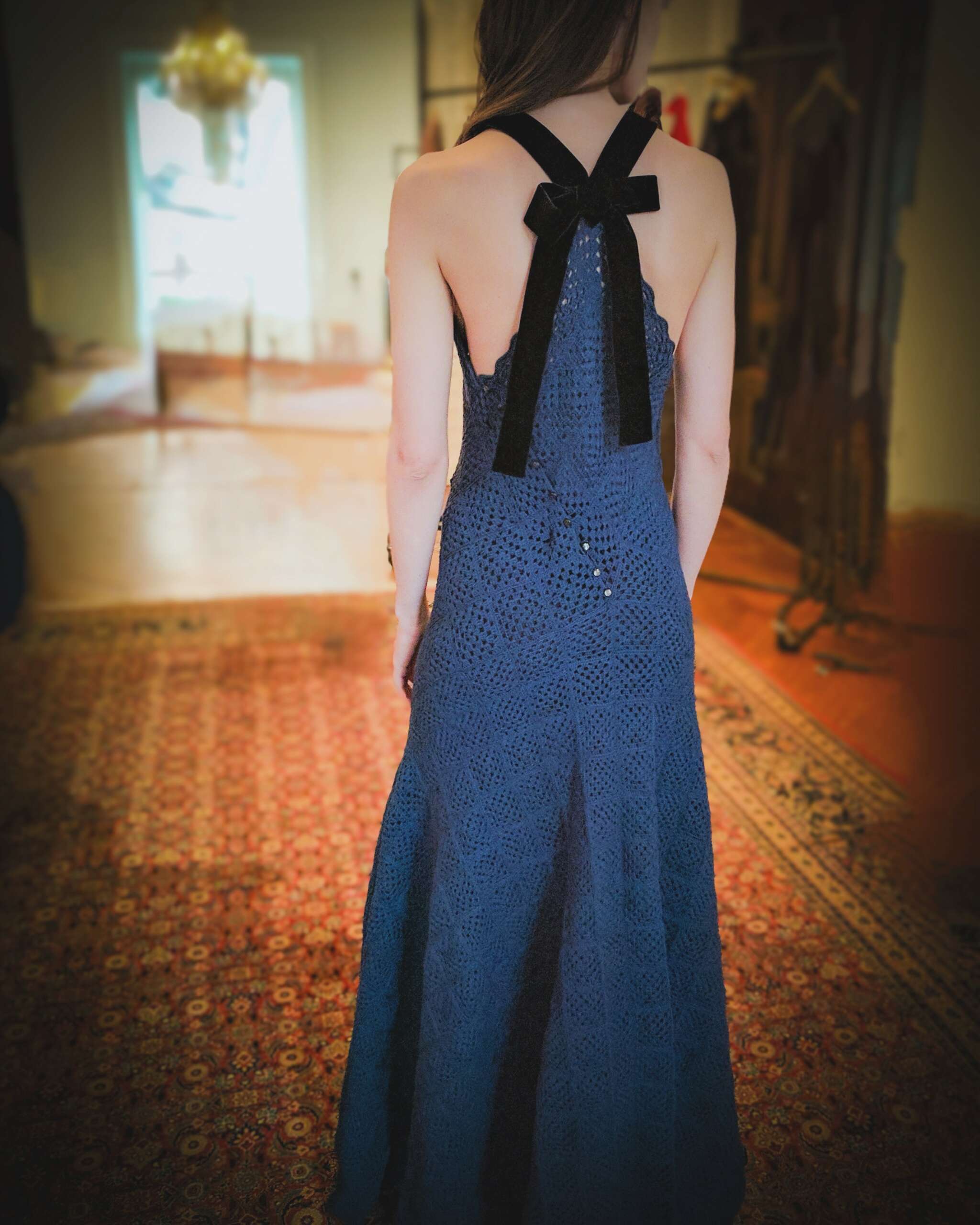
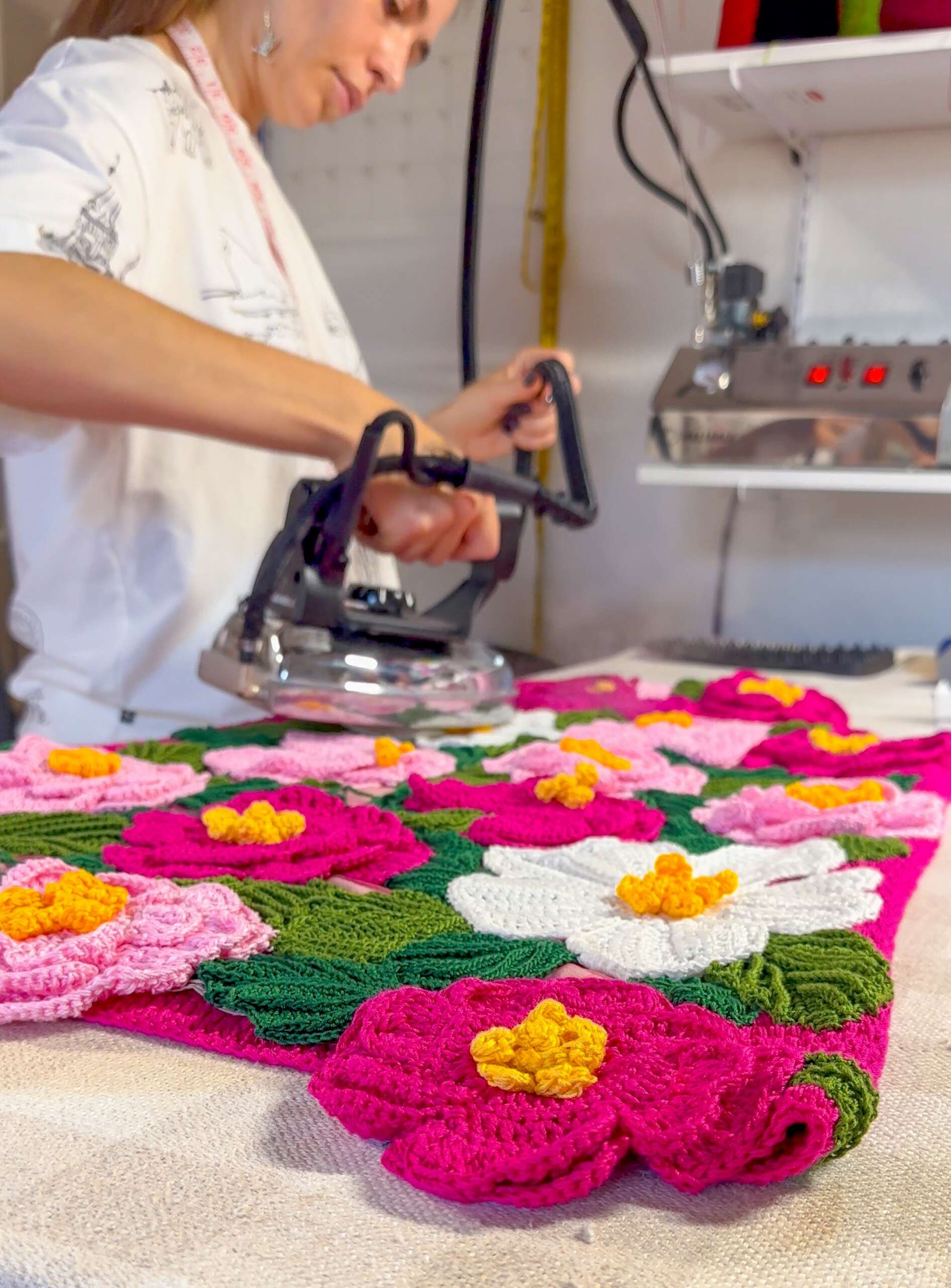
Image Credits
Photos by Dmitrii Gretchin
Elite Knitting Team and models: Libby Tolm, Yaroslava Kozachok, Olha Sentiabova
Kamila Bazadze