
We were lucky to catch up with Lester Rowe recently and have shared our conversation below.
Lester, looking forward to hearing all of your stories today. Can you open up about a risk you’ve taken – what it was like taking that risk, why you took the risk and how it turned out?
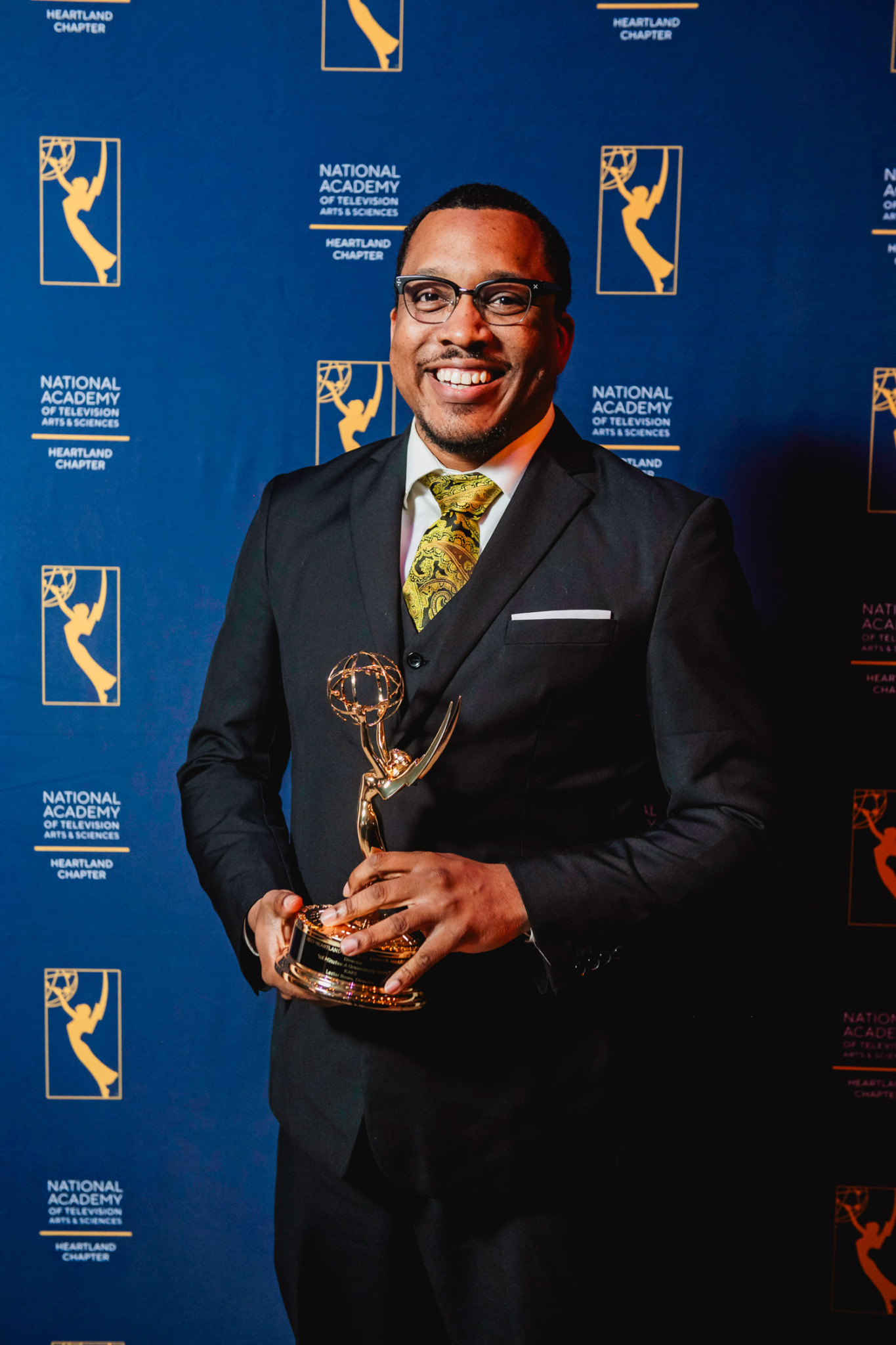
When I was a commercial producer I was feeling unfulfilled in the work i was doing. I knew it was good work but I felt like i was constantly fighting to show my skillset. A project would be assigned to me I would want to give it my best work and effort but the way things was structure there is financial value and qualitative value and sometimes those two things do not align. To remedy that I would be tasked with a shorter turn period. which means I would be giving less time to create a final product so that it would reduce the amount of time spent on creativity in comparison to the budget. What it did was was help me work faster. Instead of work quality being reduced I only became more efficient. The task was becoming more like an excercise in quality and effeceny. In this time I had an idea for a project. Before coming to the job I had made documentaries and narrative short film projects and had been hungry to make another. I wanted to do something to prove I can be trusted and that I knew what I was doing and that I can manage projects at scale. This is a big corporation and I am putting my reputation, my trustworthiness, and my future at stake. I am asking to travel go out of town, interview subjects who have never heard of me and not know what I am up to. Every one was suspicious. Rightfully so. I know what i can do but they didn’t. It was a tremendous excecise in trust. I was given a deadline and one thing that makes me dependable. I never miss a deadline. Managing expectations is a skillset and one standard I am aggressive about meeting. as the days came closer to the deadline the harder the process became because no one was on my side. I am sure the bosses wanted it to be successful but if things didnt work out no one wanted to stand next to the sinking ship. It felt uphill but I turned the project. It was on time and made the airdate. The day after it aired I was called into office and where everyone was celebrating the great feedback from the project the boss gave me what felt like a scathing rebuttle to what should have been celebratory moment. The wind was taking out of the sails. In time i grew to realize that meeting was not about critique as much as it was about seeing if i believed in the work i spent 3 months doing unbothered with full creative control. He wanted to see and hear me stand on what I beleived in . That project known as 65 Minutes : A Greensburg Story would go on to win me my first Emmy award for Best Director and win a Regional Edward R. Murrow but most importantly I won trust by gambling on myself. It isn’t a gamble if you cant lose.
Awesome – so before we get into the rest of our questions, can you briefly introduce yourself to our readers.
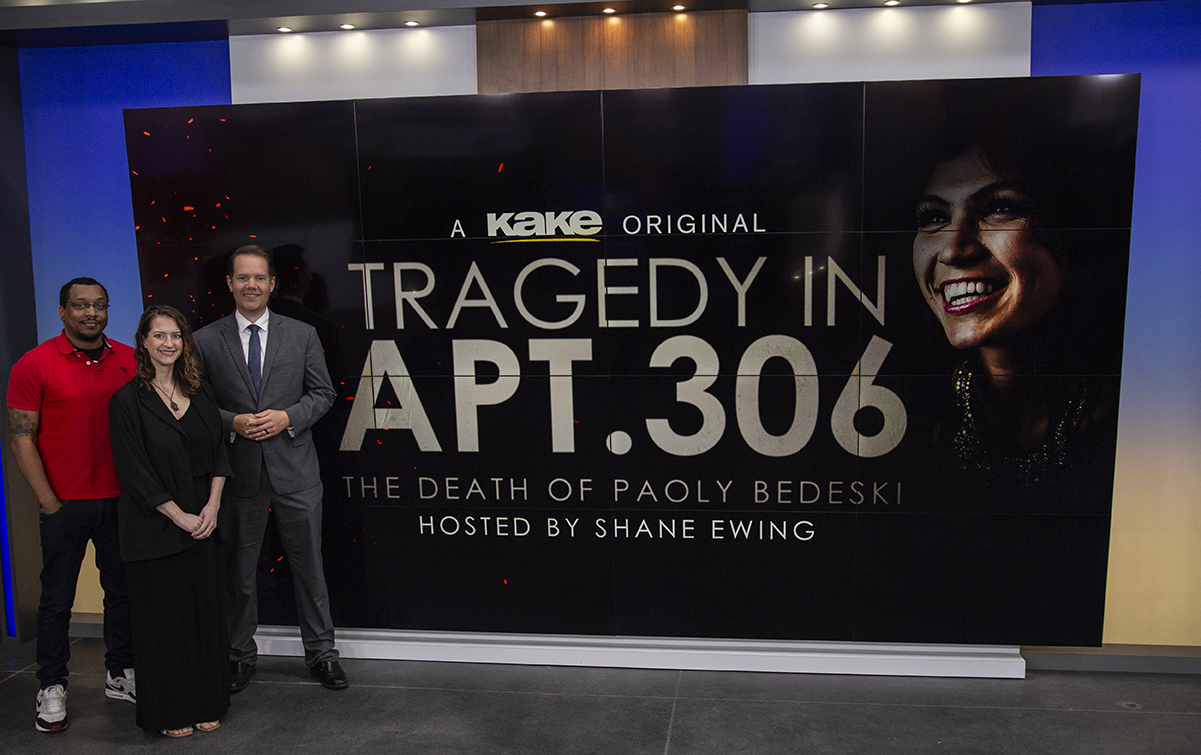
I am Lester. Rowe. I am a Producer and Director of Documentary and Narrative Suspense film. I accidently found myself into the role I am in. My goal was to make horror films when I decided to turn to the video medium. I didn’t rally know how to use a camera at the time and youtube was not what it is today. I knew some basic principles but I didn’t know how to make it look like the stuff I watched on TV. So I would go out with a modified camcorder and try to shoot opening scene montages. I day I went out after doing about half a dozen of these concepts and decided to do something at the local skatepark. Skate parks are full of action and people. I needed to work on color grading more. One day I went and a guy came to me asked “hey are you a recruiter or something what are you filming?” Nervously i said ” I am making a story on the skate park. Can I follow you and ask a few questions?” He said sure I am about to do some tricks right now if you want to shoot that.” That moment became my first documentary short film called “Saddle Above The Axle”
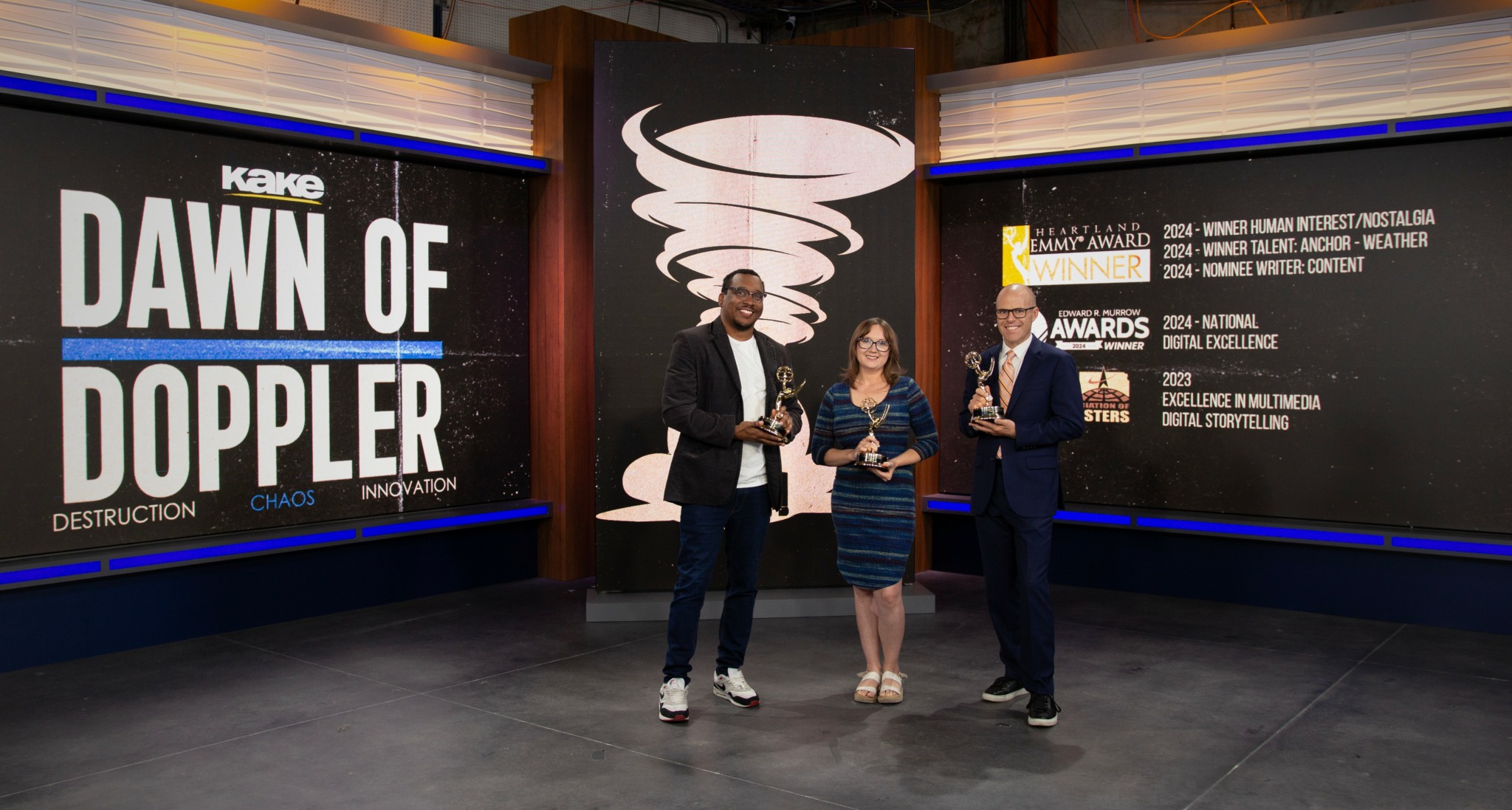
I was really proud of it and still am to this day. But it created a love hate relationship for me becuase i never wanted to make documentaries. I wanted to be the next Hitchcock. However without that moment I would’nt be here today doing what I am doing. I have made some horror shorts that have found success as well as currently finishing two unreleased suspense shorts but this world of documentary has been successful beyond imagination scoring 2 Emmy wins 4 nominations and some of the highest acknowledgments for the craft. Often I say I am done making documentaries but then another calls my name that I can not forget about and must make. These are stories and they are real stories that need someone to tell them.
I often say you have to be a slave to your momentum. If there is something that calls you, you owe it to the craft and the people who believe in you to answer that call and give what you can give to it . Eventually the opportunities stop calling and if you are not prepared to create your own this can be an industry that will not forgive you for the calls you screened.
All I ever asked for was an opportunity and I had so many ignore me. I wasn’t discouraged because I grew up an artist. Rejection was part of the game. I continued to work on the craft becoming a student and finding mentors to help guide me. my 4th documentary “WiFi at Rock Bottom: Something About Meth” took a year to catch on and find an audience and when it did the opportunities started calling and I answered every single call until i could start making my own. I said yes until i could say no’s that could lead to yes’s
In your view, what can society to do to best support artists, creatives and a thriving creative ecosystem?
Look for entertainment early and often not just on TV and Movies but in friends and children. You know you have kids being diagnosied with ADHD or told they lack focus and we find ways to surpresss it. The class clown that can make everyone including teachers laugh will get discplined and get marks in their studies for being disruptive but no one looks at that person and says “wait a minute , lets get them into some creative writing classes, let see. if there is a program that cultivates their ability to be witty and think outside of the box. We need to find ways to embrace that outside of the box thinker and put them is positions to strengthen those skills. Some kids are knuckleheads but some are also the future of entertainment or science or philosophy.
We are far beyond the days of linear learning and thinking one way is the right way. I think the more we are able to find a place for those brains the way we find places for the kids that are great at math or STEM or sports we should find that for the funny kid that can make anything a joke.. not just a joke but a really funny moment consistently.

Are there any books, videos or other content that you feel have meaningfully impacted your thinking?
I read a book by now renowned author Ryan Holiday called Trust Me I’m Lying. at Large it is a marketing book but in it I learned the idea of creating your opportunity and building moments for your brand. Thinking about the end result in the beginning. Many creatives want to make a product and put it in the world and the public sees it, loves it, and tell a friend. Learning that you have to build a story around the product and build a story that people can believe and bite on is jsut as much of the journey as creating the art you want them to care about. It is a chore but it is a part of the process. It is part of the working smarter not harder.
Contact Info:
- Website: https://arowefilms.net
- Instagram: @arowefilms
- Facebook: arowefilms
- Linkedin: https://linkedin.com/in/lesterdrowe
- Youtube: https://youtube.com/arowefilms
- Other: https://threads.com/arowefilms