

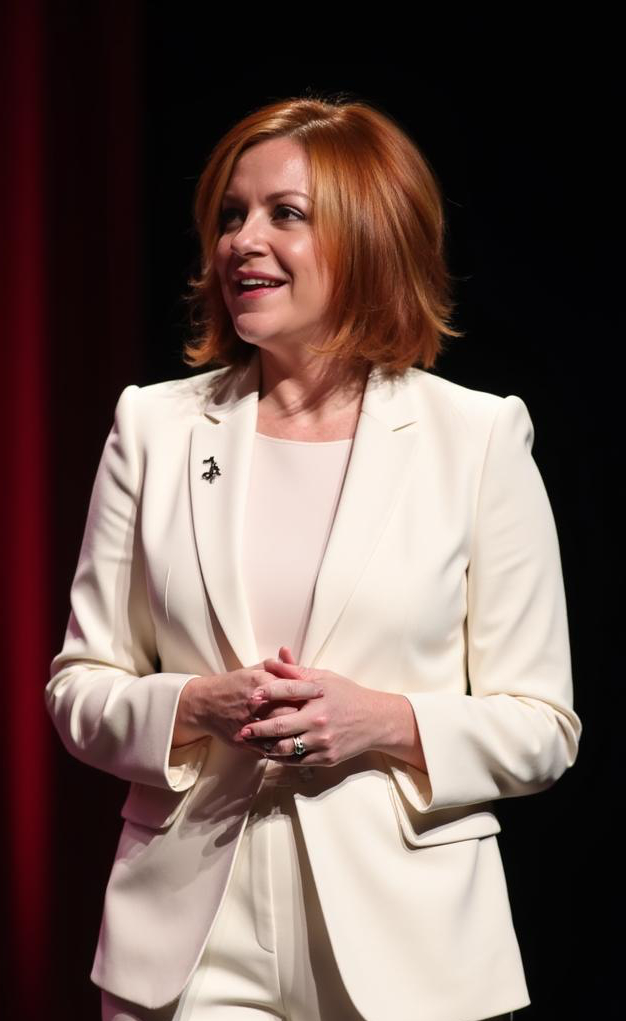

We caught up with the brilliant and insightful Leslie Ellis a few weeks ago and have shared our conversation below.
Leslie, thanks for joining us, excited to have you contributing your stories and insights. Can you recount a story of an unexpected problem you’ve faced along the way?
One of the most unexpected challenges I faced was not operational or market-driven. It was internal.
When I left a senior leadership role to build Meaningful Change Consulting, I assumed that strong expertise, credibility, and relationships would naturally translate into a strong business. What I underestimated was how different the mindset needs to be when you move from being a high-performing employee to being a true owner.
In the early years, I was still thinking like a W2 leader.
I focused on doing great work, being responsive, and taking care of clients—often before taking care of the business itself. I treated revenue as something to earn month to month instead of something to intentionally structure and grow. I was building a demanding practice, not a durable company.
For a while, that worked.
Then the business grew, and I felt increasingly stretched. Revenue was coming in, but scalability, sustainability, and wealth creation were not keeping pace. I realized I had built myself a very sophisticated job instead of an asset.
That was an uncomfortable moment.
It forced me to confront the difference between being excellent at my craft and being intentional about ownership.
The shift came when I began designing the business for long-term value. I invested in pricing discipline, intellectual property, systems, and partnerships. I stopped equating being valuable with being constantly available. I learned to think in terms of leverage, durability, and optionality.
More importantly, I worked on my own wealth mindset.
Instead of asking, “How do I serve well this quarter?” I started asking, “How do I build something that serves clients and compounds over time?”
That reframing changed how I lead, how I price, how I partner, and how I make decisions.
Today, I operate with a clear distinction between my role as an advisor, a CEO, and a steward of long-term value. That evolution did not happen overnight, and it was not comfortable—but it is the foundation of the business’s strength today.
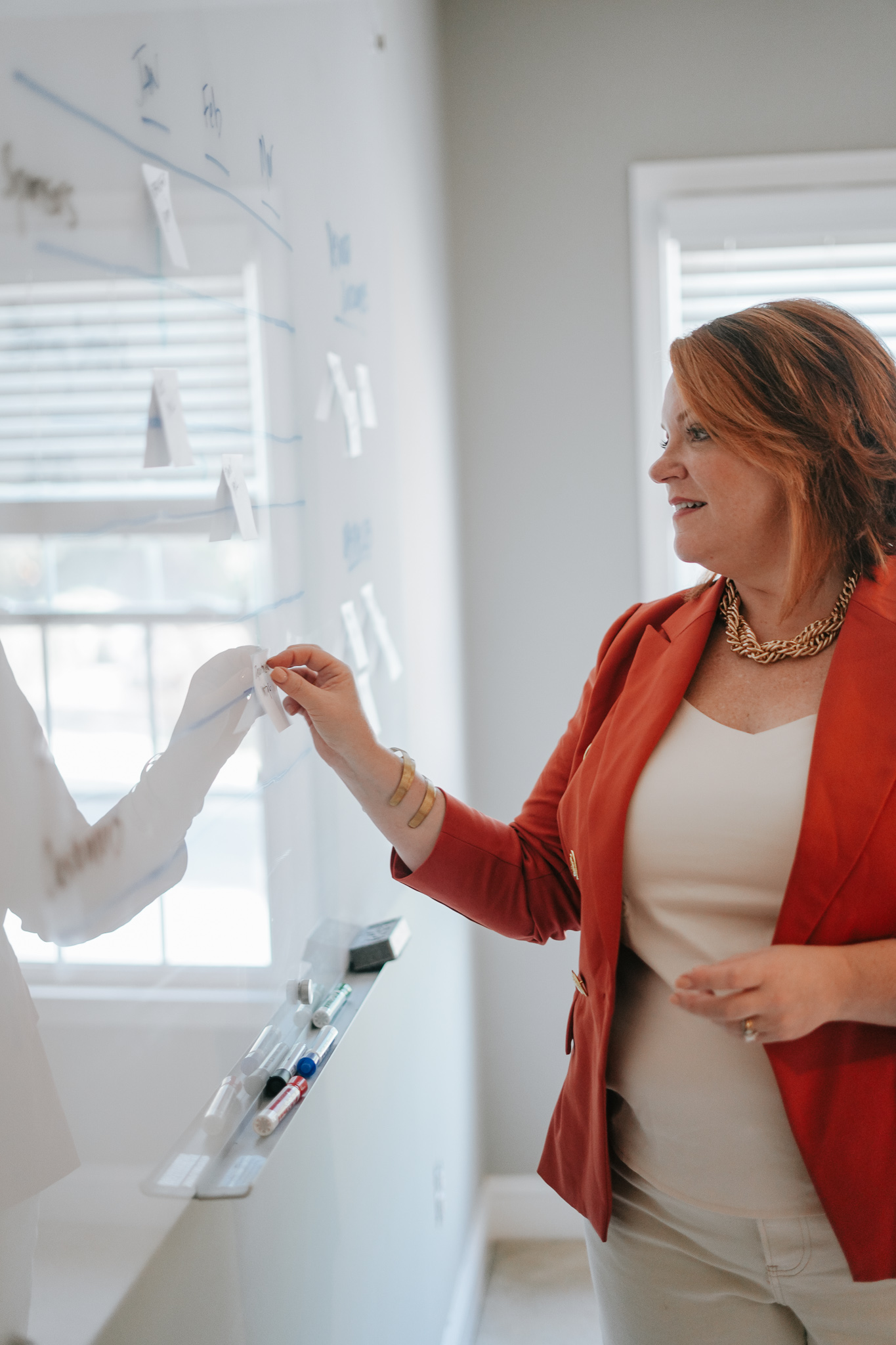
Leslie, love having you share your insights with us. Before we ask you more questions, maybe you can take a moment to introduce yourself to our readers who might have missed our earlier conversations?
I am the founder and CEO of Meaningful Change Consulting, where I work with senior leaders and organizations navigating complex transformation—organizational redesign, culture shifts, leadership transitions, and enterprise-wide change.
I came into this work through experience, not theory.
Earlier in my career, I held leadership and advisory roles inside large, highly regulated organizations. I was often brought in when things were already complicated—when strategies were sound on paper, but execution was breaking down, trust was strained, or leaders were misaligned. Over time, I began to notice the same pattern: most change efforts do not fail because people resist change. They fail because leaders underestimate the work required to create alignment, clarity, and sustained momentum.
That realization led me to build a firm focused not just on managing change, but on designing it well.
Today, my work sits at the intersection of strategy, organizational design, leadership capability, and culture. I partner with executive teams to help them align on direction, make better decisions under pressure, and build the internal capacity to execute change repeatedly—not just once.
What sets my work apart is that I do not offer generic frameworks or one-size-fits-all playbooks.
Every engagement is grounded in the organization’s real context, constraints, and leadership dynamics. I bring both rigor and practicality—helping leaders think clearly, name what is uncomfortable, and translate ambition into action. My role is often part advisor, part architect, and part trusted challenger.
I am most proud of the depth of trust my clients place in me.
Many relationships span years and multiple transformations. Leaders come back not because I make things easy, but because I help them make things workable and durable. Together, we build clarity where there was confusion and momentum where there was drift.
At the core, Meaningful Change Consulting exists to raise the probability of success in complex change.
I want potential clients to know that I take that responsibility seriously. I am deeply invested in helping leaders build organizations that perform, adapt, and endure—without burning people out or sacrificing integrity in the process.
My work is about creating alignment that lasts, capability that compounds, and leadership that is equal to the moment.
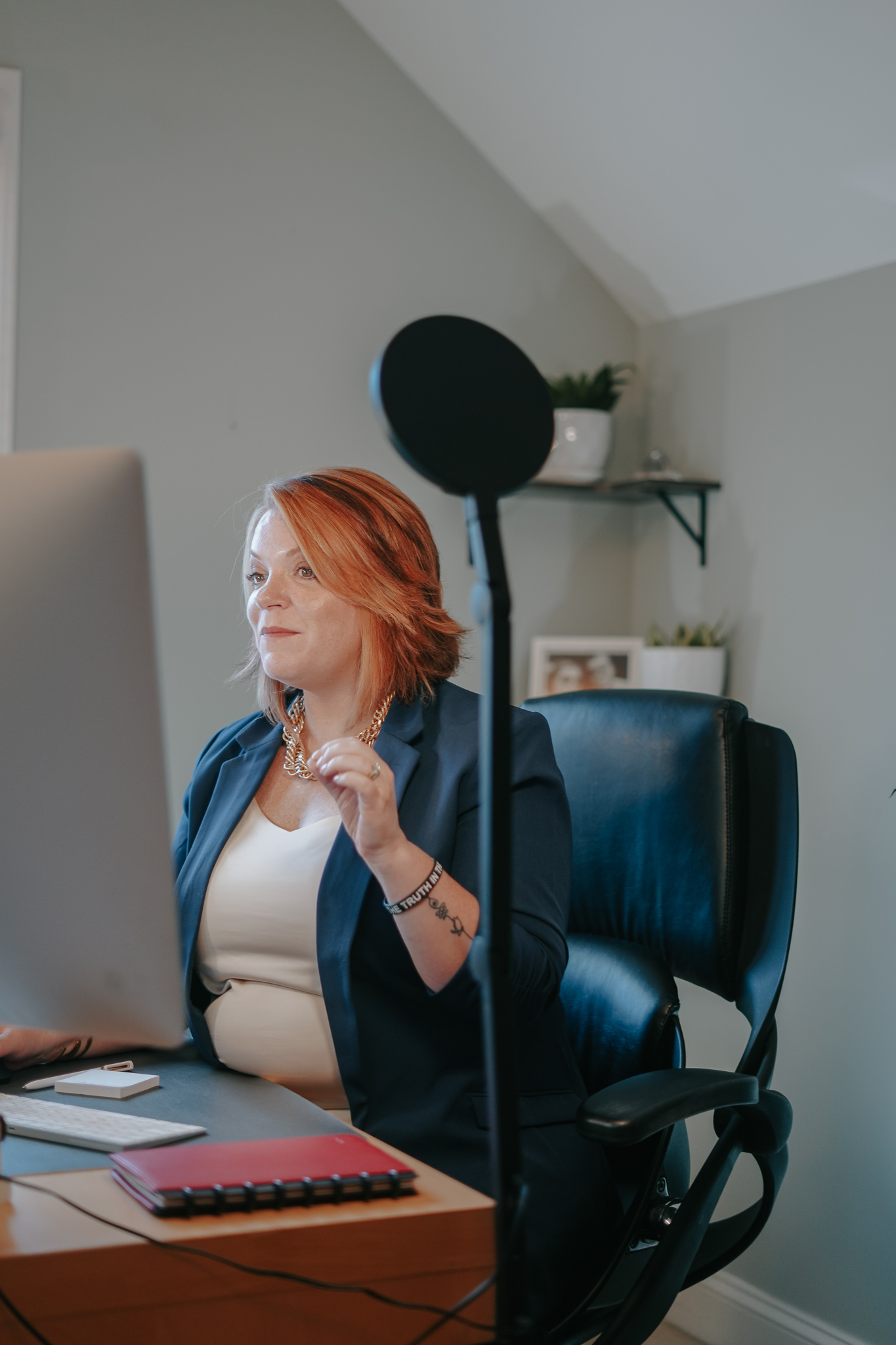
What’s been the best source of new clients for you?
By far, my strongest source of new clients has been long-term relationships and referrals.
Most of my work comes from leaders who have experienced my approach firsthand—either as direct clients, colleagues, or sponsors inside organizations. When they move into new roles or new companies, they often bring me with them. That continuity of trust has been far more valuable than any single marketing channel.
That did not happen by accident.
I am very intentional about how I show up in client work. I focus on understanding the business, the politics, the pressure leaders are under, and the real constraints they are navigating. When people feel seen, supported, and challenged in the right ways, they remember that.
Over time, that has created a strong referral network across industries.
In addition, speaking and thought leadership have played an important supporting role. Conferences, executive programs, and curated leadership forums allow people to experience my thinking before they ever hire me. By the time we have a first conversation, there is already alignment around philosophy and expectations.
I have experimented with many traditional marketing approaches over the years, but nothing has been more effective than doing excellent work, protecting relationships, and staying connected to people long after an engagement ends.
In my experience, reputation compounds.
If you consistently deliver clarity in complex moments, people notice—and they talk.
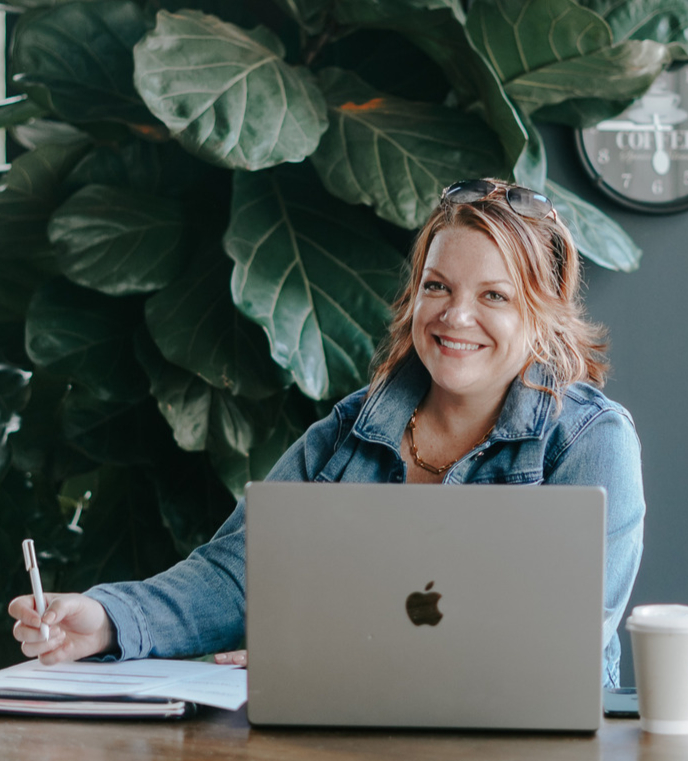
What’s a lesson you had to unlearn and what’s the backstory?
One of the most important lessons I had to unlearn was the belief that being indispensable was the same as being successful.
Early in my career—and in the early years of building my firm—I equated value with availability. If something was complex, sensitive, or high-stakes, I stepped in. If a client was struggling, I stayed closer. If a decision was hard, I carried more of it myself.
That pattern had been rewarded in corporate environments. Being the person who could handle anything built credibility and accelerated my career. So when I became a business owner, I brought that mindset with me.
For a while, it looked like commitment.
In reality, it was a bottleneck.
As the firm grew, I found myself at the center of too many decisions, too many relationships, and too many workstreams. Clients trusted me, but the business was overly dependent on me. Progress slowed when I was stretched, and opportunities were limited by my personal capacity.
The wake-up call came when I realized that the very thing that had made me “successful” was now constraining the company’s future.
I had to unlearn the idea that leadership meant carrying more.
Instead, I learned that leadership meant designing systems, building capability, and trusting others with meaningful responsibility. It meant shifting from being the primary engine of the work to being the architect of how the work gets done.
That was not an easy transition.
Letting go requires confidence, clarity, and a willingness to tolerate short-term discomfort for long-term strength.
Today, I measure success differently.
It is not about how much I personally touch. It is about how well the organization performs without unnecessary dependence on me. That shift has made the business stronger, more resilient, and more aligned with the future I am building.
Contact Info:
- Website: https://www.meaningfulchangeconsulting.com
- Instagram: meaningfulchg
- Facebook: https://www.facebook.com/meaningfulchg
- Linkedin: https://www.linkedin.com/leslieaellis
Image Credits
Work Play Branding