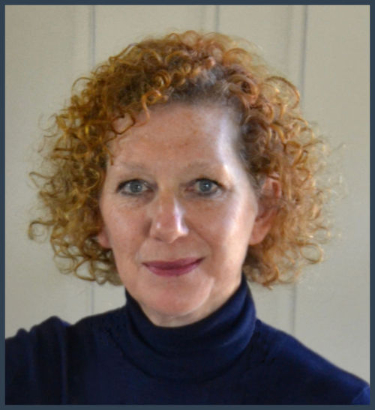

We’re excited to introduce you to the always interesting and insightful Lesley Thiel. We hope you’ll enjoy our conversation with Lesley below.
Lesley , thanks for joining us, excited to have you contributing your stories and insights. How did you learn to do what you do? Knowing what you know now, what could you have done to speed up your learning process? What skills do you think were most essential? What obstacles stood in the way of learning more?
I came to painting from a relatively brief multimedia background, that followed a career in scientific research. I had absolutely no idea how the art world worked, and no understanding of artistic techniques, or language. What I had was an intense desire to capture what I saw as beautiful and fascinating about the living world. To me, art was a license to examine and interpret. In retrospect, I should have taken part in some art courses but, instead, I bought books on techniques, and then just set to, working eight hours a day, or more, to develop my skills. If I had taken those courses, I would have saved myself a lot of time and frustration, but I must admit the lessons I learned the hard way have built my confidence in my practice.
The essential skills are twofold. Firstly, is the development of painting techniques, such as working with edges, the use of colour, the understanding of composition. The second strand has been developing an understanding of how the art world works. I came to this business (and it is a business) later than someone graduating art school. It means I’ve had to learn my lessons even as I presented myself as a professional artist. Thankfully, there are many like me, who have developed their practice organically, and we network and support one another.
Lesley , before we move on to more of these sorts of questions, can you take some time to bring our readers up to speed on you and what you do?
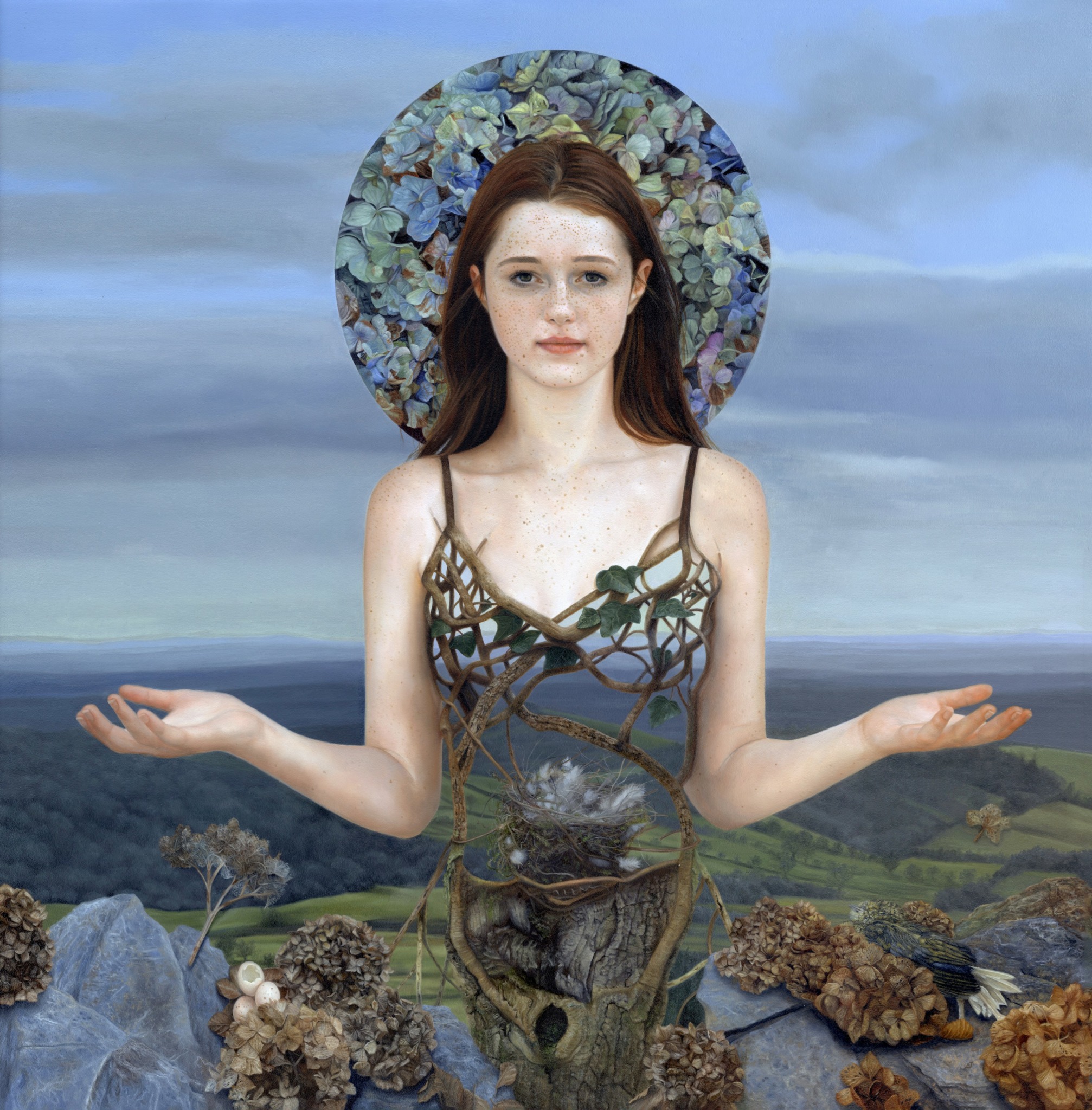
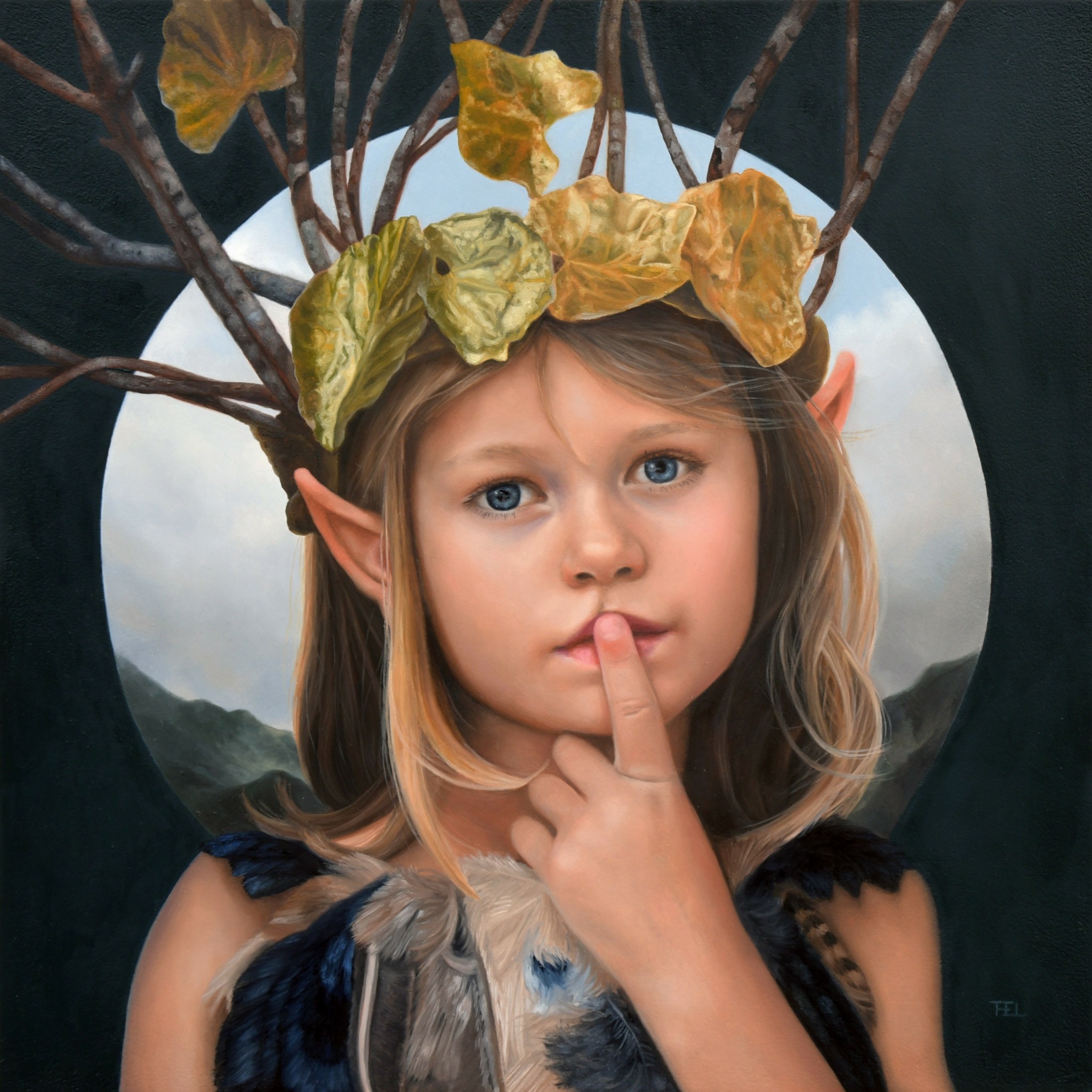
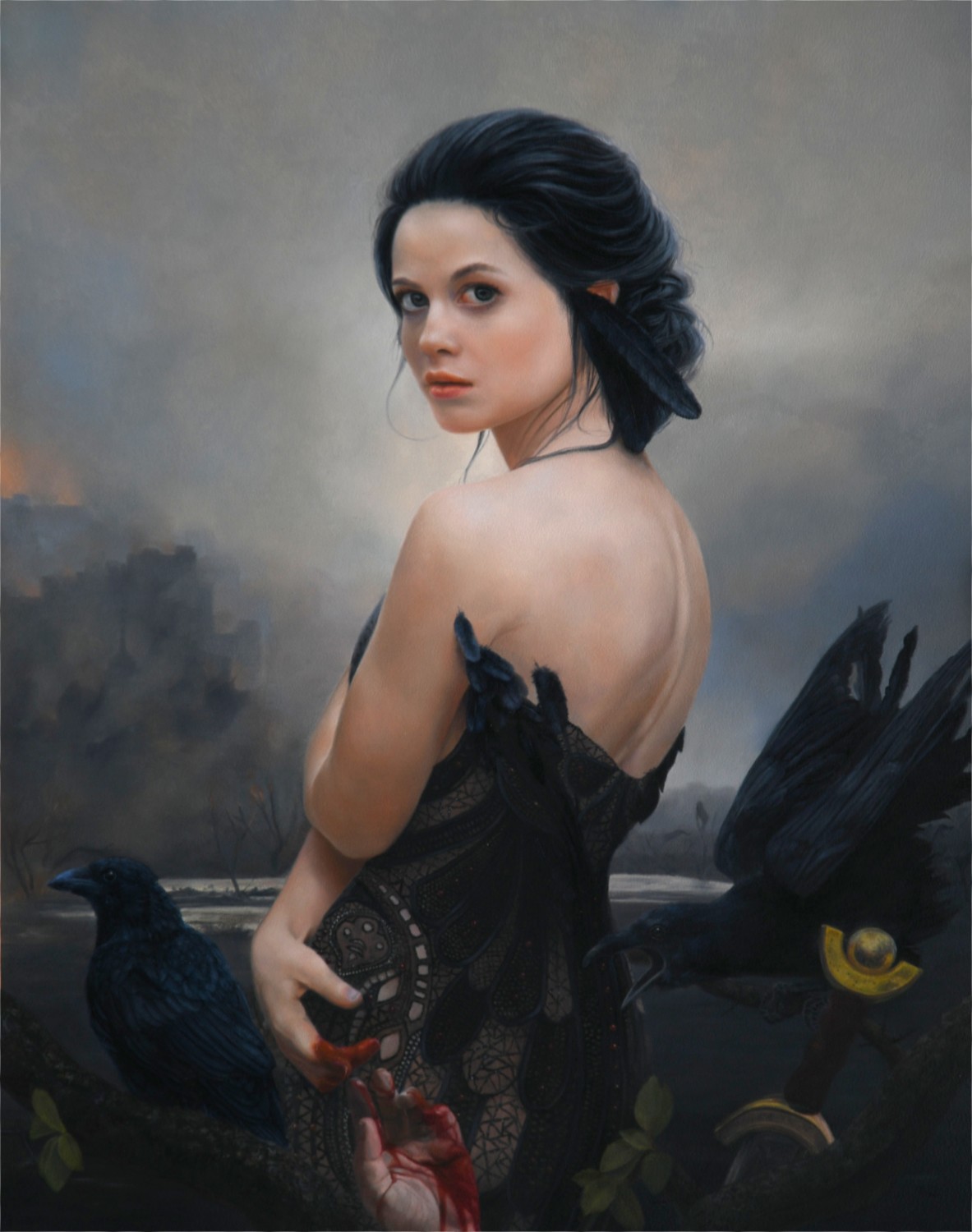
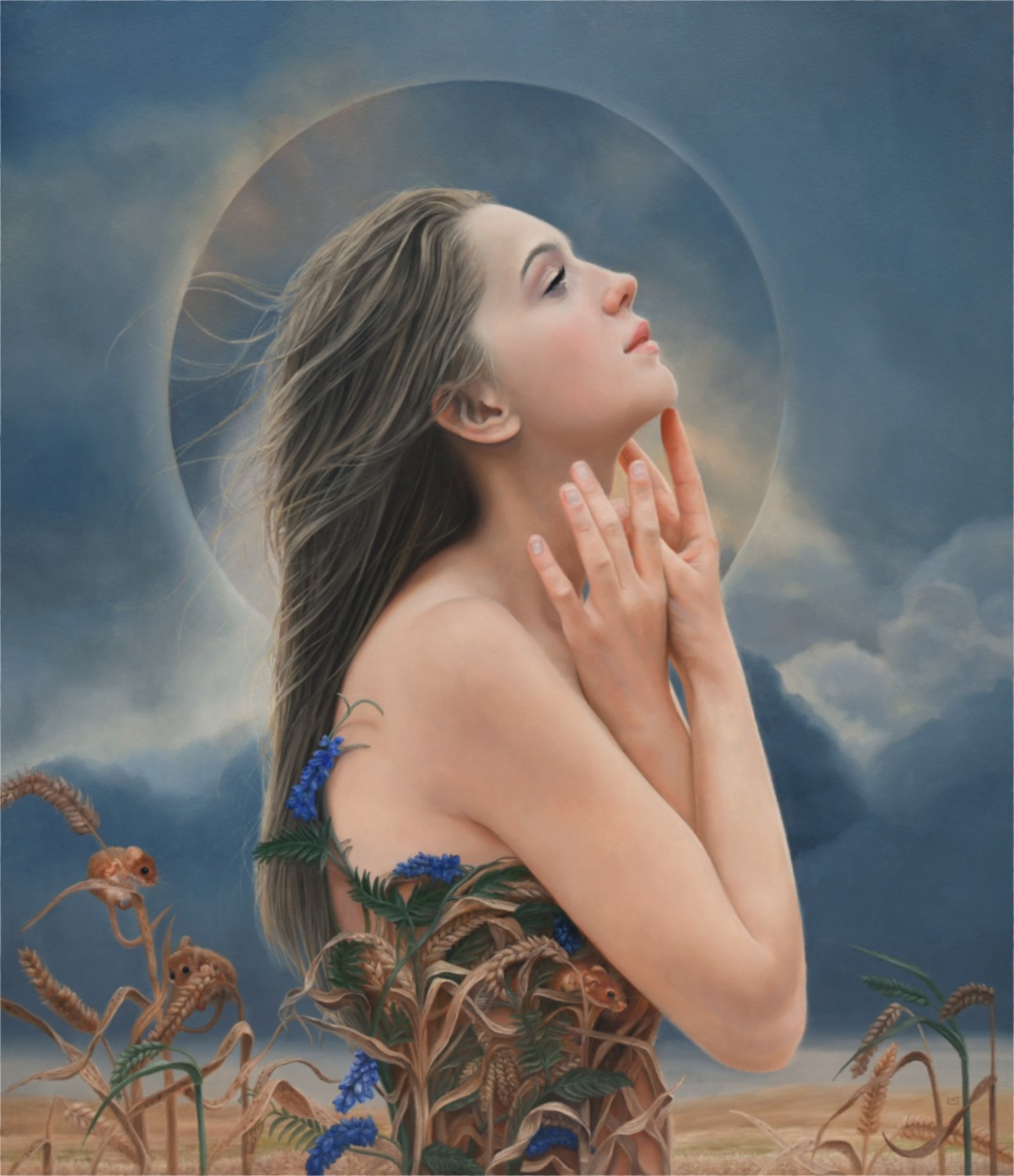
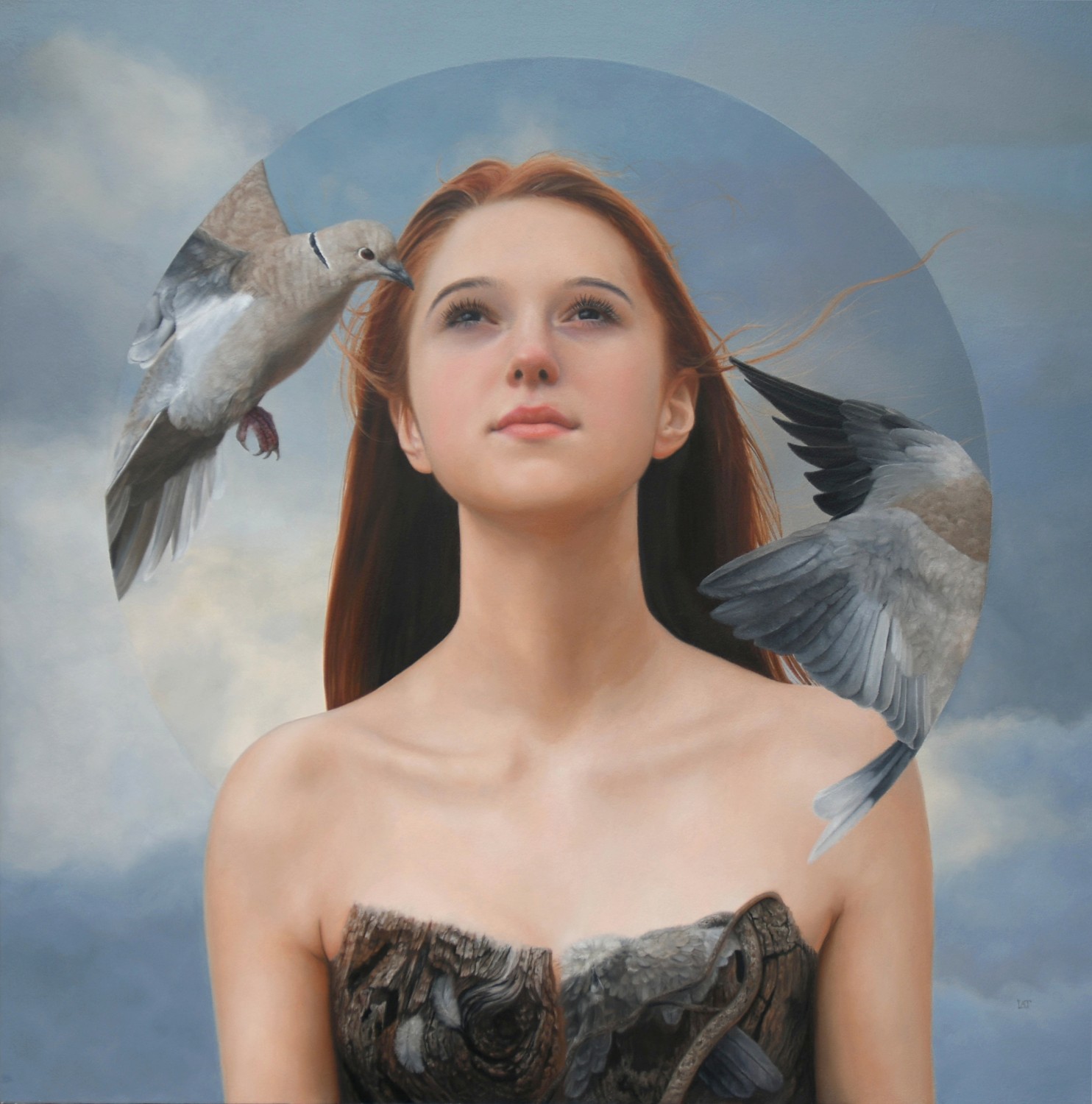
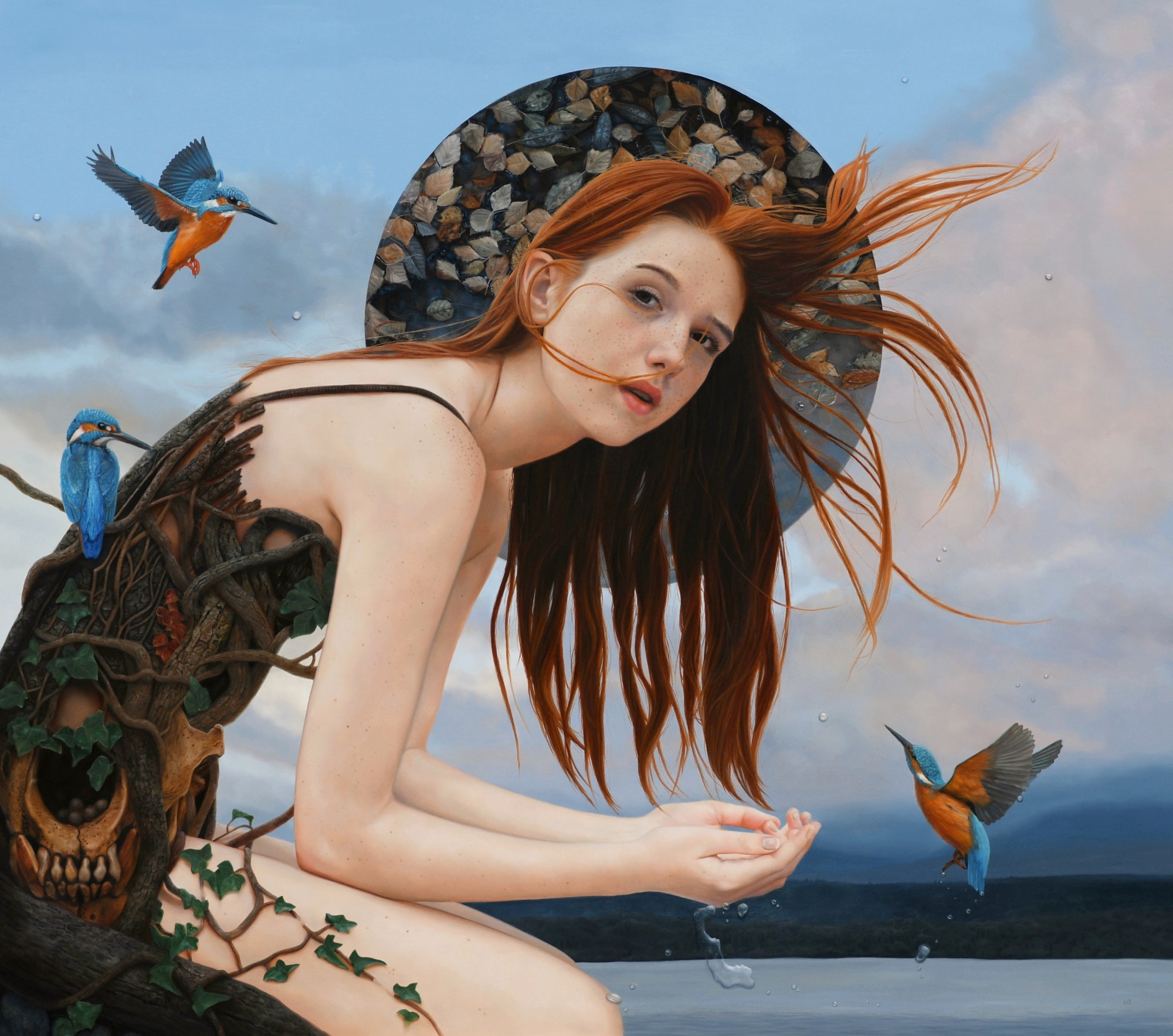
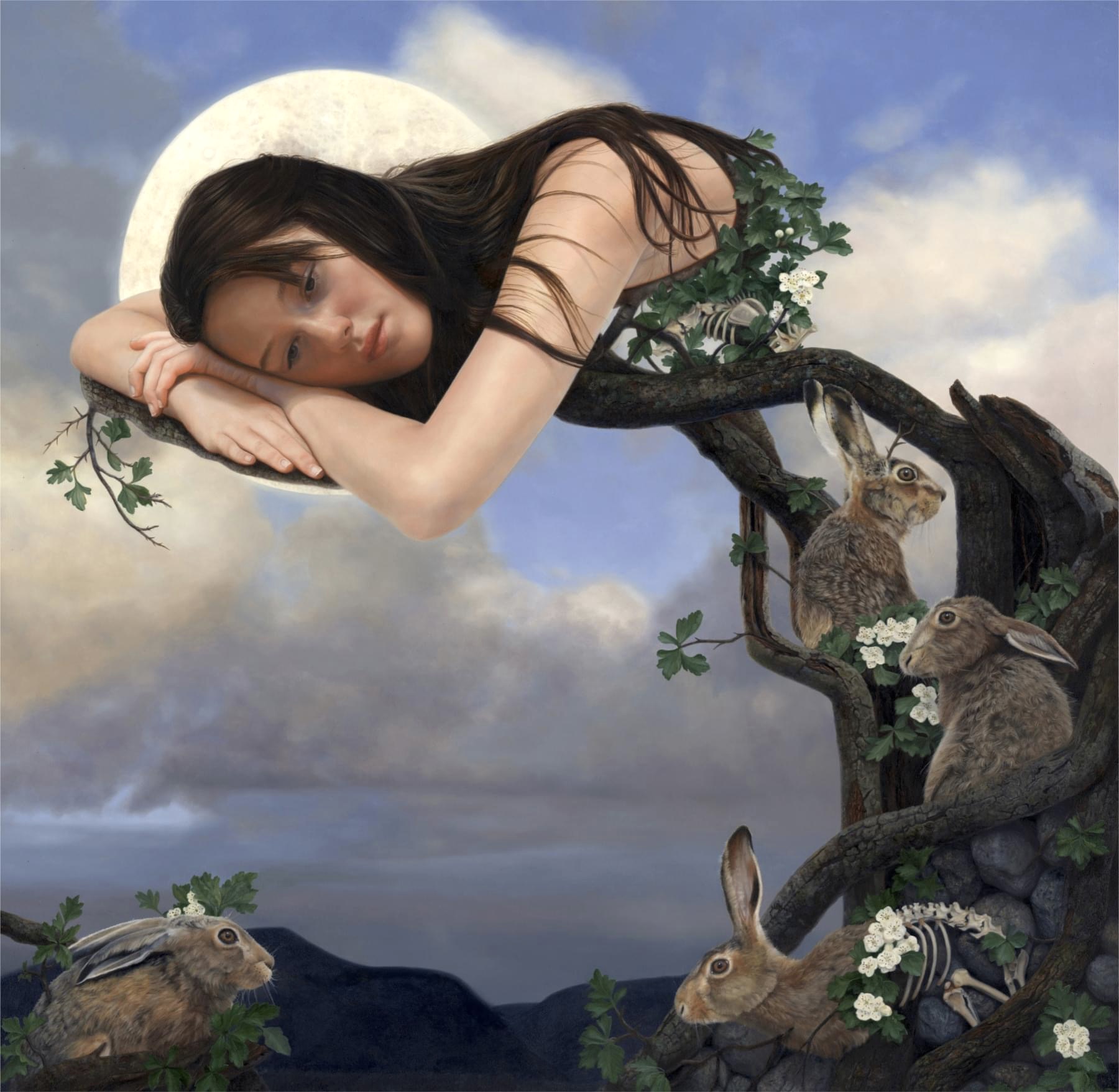
I’m a painter. That’s what I do. I paint in oils, and have done so for over 20 years. I do the occasional commissions, but the bulk of my creative output is sent to galleries around the world. I have the joy of working with some wonderful galleries. I measure this not by the sales of my work they’ve made, but by the wonderful human beings who run these galleries. They have supported me as my work has evolved. Painting is about ideas, first and foremost, and a partner at a gallery is a jewel: that person with whom you can discuss ideas, hopes, and plans.
Is there something you think non-creatives will struggle to understand about your journey as a creative?
I can’t count the number of times I’ve been told:” It must be nice to be an artist. To work when you feel like it.” The reality is that, as a professional artist, you have to show up at the easel whether you feel like it or not. You put in your eight or ten hours of painstaking work, often including weekends. You do it because your soul hungers for this act of creation.
As a professional artist, you have to find outlets for your work to be seen, which means approaching galleries and entering competitions. And so you encounter the pain of being an artist, in the form of rejection. Most artists I know are introverted, empathic and vulnerable souls, who have the courage to put something very very personal out into the world whenever they share their art. And they suffer rejection again and again.
Being an artist is a hard path, both emotionally and financially. The reward is in the creation of the work, and in the community of like minded creatives you find.
We’d love to hear your thoughts on NFTs. (Note: this is for education/entertainment purposes only, readers should not construe this as advice)
NFTs are one of those “if I had a dollar” situations for myself and many other artists. If I had a dollar for every time I’ve been approached by someone who says they want to buy one of my works as an NFT! I always say, ‘no!’
I reject the idea of NFTs on two levels: Firstly, I think a digital representation of a physical work only has value in as far as it allows you to appreciate the artistry without being present physically. A piece of art, in the flesh, shows you the presence of the artist in every brushstroke or line drawn. A physical piece of art has layers, from support upwards. It is a demonstration of the process of its creator. I think the idea of a digital copy of a physical work having value just because it’s on blockchain is silly. It’s not a real thing. It’s 1s and 0s on a storage disk. If the power goes out, it’s gone. NFTs are completely appropriate, if your starting point is a digital artwork, but not if your piece has physical form.
Secondly, I learned a lot about NFTs when they first appeared. About all the costs and the hoops you needed to jump through. I listened to people who had tried to make something out of NFTs of their work, wasting months and a lot of money on the endeavour. The people asking to purchase my works as NFTs always say they will guide me through the process of minting them as digital assets. For me, it feels as if that is the purpose of these things.
Contact Info:
- Website: https://www.lathiel.com
- Instagram: https://instagram.com/lesleythiel
- Facebook: http://www.facebook.com/pages/Lesley-Thiel-Artist/