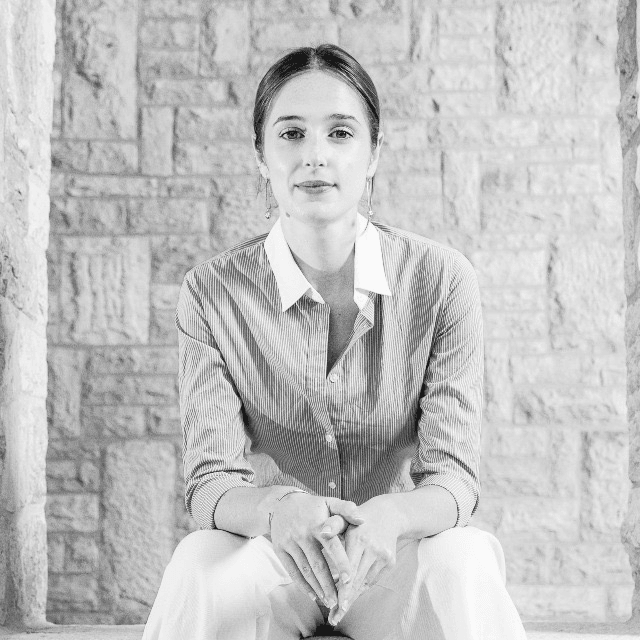

We caught up with the brilliant and insightful Leigh Pennington a few weeks ago and have shared our conversation below.
Leigh, appreciate you joining us today. Can you talk to us about how you learned to do what you do?
As a writer, I honed my craft through various and lengthy means. My formal education in the humanities and anthropological disciplines challenged me to adapt my work to a wide range of audiences while authoring coherent and compelling works. Years of working as a freelance writer, composing everything from novels to arts and culture articles has developed this skill further. I currently work as an editor for an internationally recognized news source (I’d rather not disclose which one for personal reasons) and spend my days reading and editing the works of thousands of esteemed and local authors. This continuous inflow of the writings and ideas of others keeps my own mind as a writer sharp.
I have always been more interested in discovering people, places, and experiences that differ from what I consider to be part of myself and my norm. This led me to oral history as a methodology for speaking across and recognizing boundaries of affinity and difference. I like to talk. I like to hear other people talk. I think sharing stories face to face with another person is the one of the essential functions that defines the continuity of humanity. The transference and acknowledgement of memory and experience. I am currently wrapping up my Masters degree in Oral History at Columbia, which has given me the skills to conduct thorough and non-leading interviews. To come in with no pre-conceived notions or assumptions and converse.
Knowing what I know now, what I could have done to speed up my learning process was to start publishing my own work sooner. I hesitated for a long time to put myself and my work in the public eye for fear of irrelevancy. I wanted to successfully transfer stories, subjects, and ideas affectively for an audience that actually needs such words. I wanted my writing to mean something to people, and so I pushed back my urge to submit work for publication. My biggest obstacle was myself.
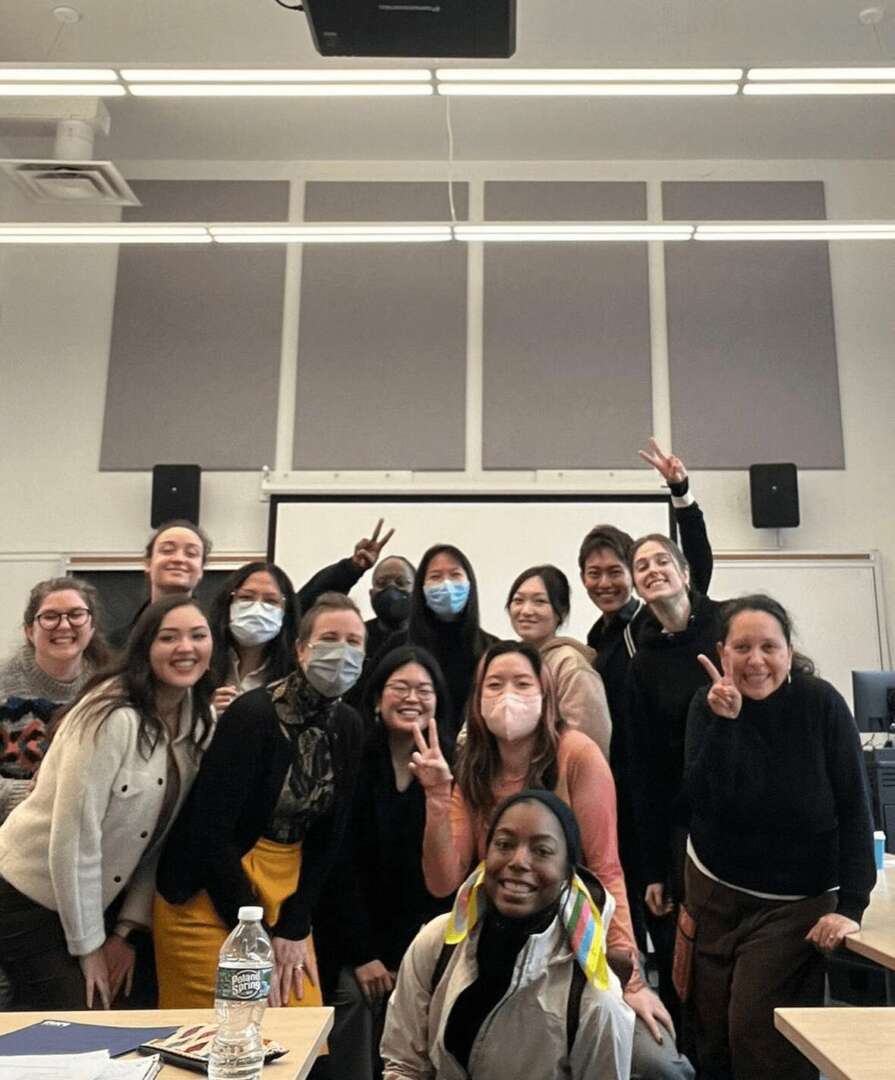
Great, appreciate you sharing that with us. Before we ask you to share more of your insights, can you take a moment to introduce yourself and how you got to where you are today to our readers.
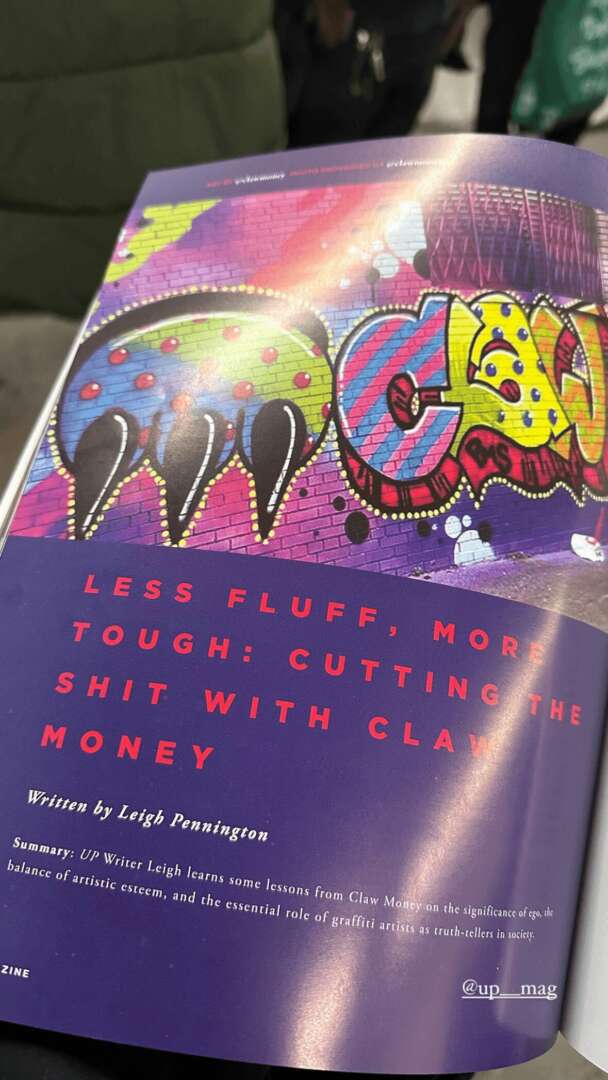
I started freelance arts and culture writing after I completed first Masters degree as a way to supplement my income. Most often the projects I was hired to complete were building life narratives. This process occasionally required interviewing, leading to me to want to expand my skills as an interviewer. I applied for the Oral History Masters program at Columbia University, was admitted and have spent the last two years sharpening my interview techniques as well as expanding my reach of thought concerning interviewing ethics. I apply what I have learned in my current Masters program to the work I do for Up Magazine, one of New York’s most respected publications on street art and graffiti. I try to not ask leading questions during my interviews. These would be questions that could be answered with a yes or no. It is always better during an interview to ask open ended inquiries typically characterized by questions that begin with what or why. This allows artists to answer the question as they see fit, rather than formulating a response they believe I wish to hear based on pre-drawn conclusions. What I am most proud of is my reliability as a journalist and a writer, the code of ethics that I have gathered and apply to all of my work.
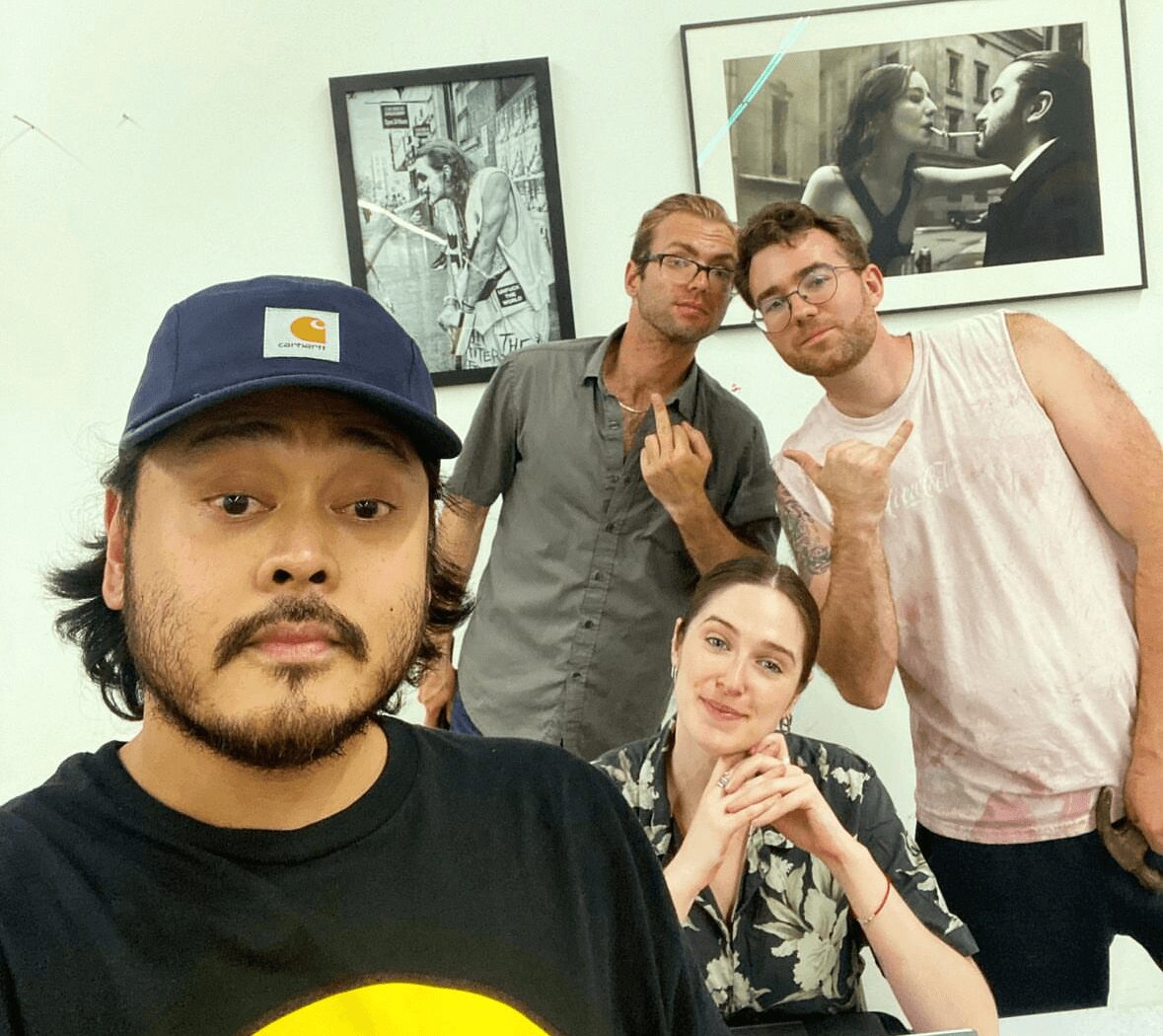
Learning and unlearning are both critical parts of growth – can you share a story of a time when you had to unlearn a lesson?
Do not make a person to person interview overly intellectual or academic. People are people and they want to be addressed as such during an interview. I only recently started writing for Up Magazine, when they assigned me to interview and write a piece on a very prominent graffiti artist. I was admittedly and wrongfully terrified. With her lengthy career, that has spanned the last few decades, I wondered what could ask her that she hasn’t already been asked? This was my first excursion into the world of graffiti art, diving headfirst into a community that I had never approached as a writer, or as a person in any substantial way. I thought due diligence and extensive research would be enough. And my god, it was not. In fact, it had a negative affect on my whole approach, shaping it into an overly fluffed, lacking, and flitty angle. She schooled me, hard, but it was for the best as it taught me that extensive research does not an interviewer make. Instead I learned to focus on letting go and just simply having a conversation guided by a few interview topics rather than concise lines of questioning based on what I had read on the artist prior.
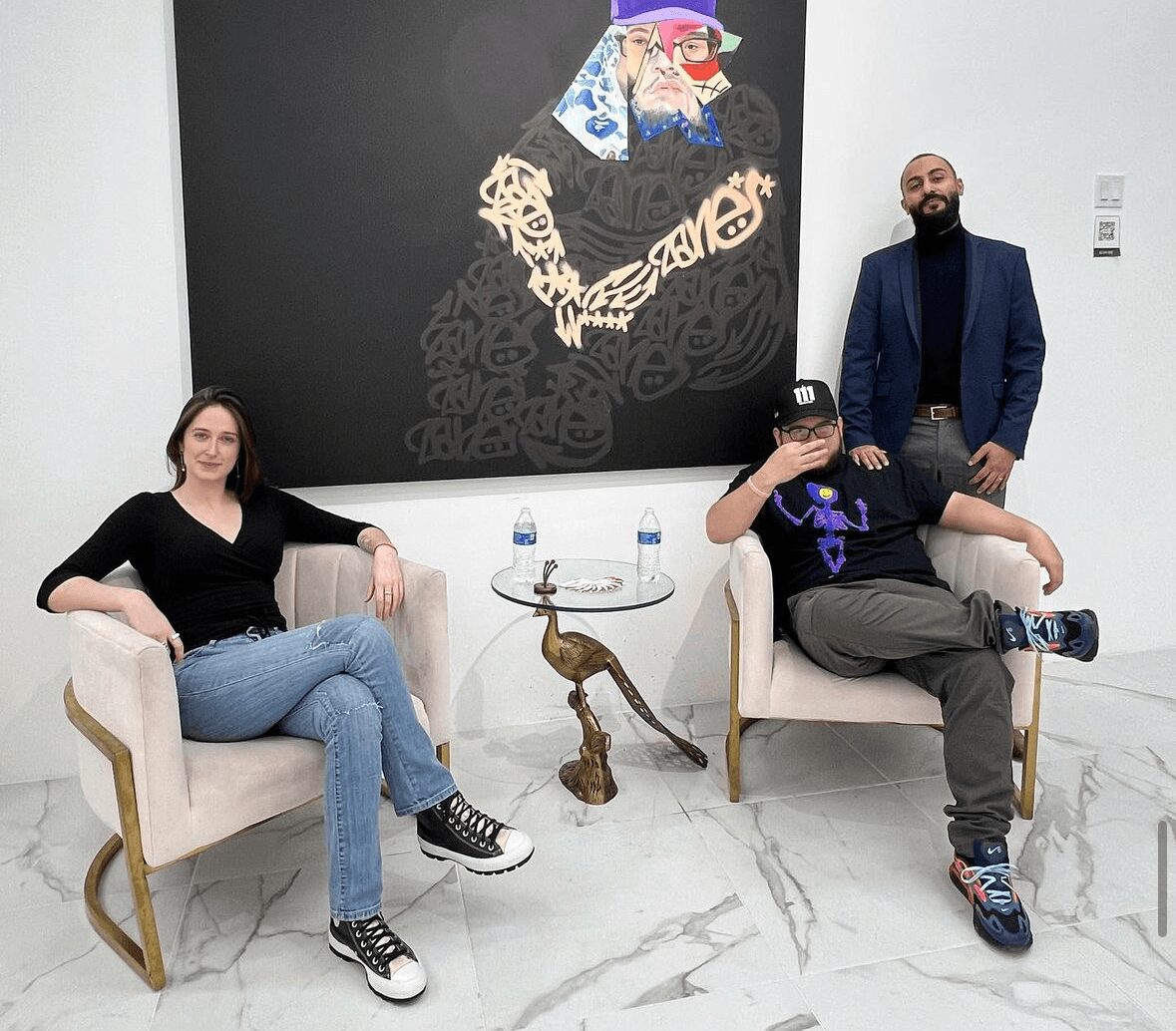
For you, what’s the most rewarding aspect of being a creative?
For me, one of the most rewarding aspects of being a writer and interviewer comes when I can make individuals feel seen and understood. That I have represented their journey or their work honestly all wrapped up in a beautifully written package. It is important for me that my narrators feel that their voice does not disappear during the writing process. This is why I practice what in oral history is referred to as ‘shared authority’. My narrators own my work just as much as I do, because it is not my story, therefore I do not consider myself the leading authority on what I write about them. They are.
Contact Info:
- Instagram: https://www.instagram.com/lb_pennington/
- Linkedin: https://www.linkedin.com/in/leigh-pennington-92b3a0203/
- Other: https://oralhistory.columbia.edu/current-student-bios/people/leigh-pennington-2022