



We were lucky to catch up with Ledora Yerks-Birdlow recently and have shared our conversation below.
Hi Ledora, thanks for joining us today. We’d love to hear about how you went about setting up your own practice and if you have any advice for professionals who might be considering starting their own?
Early Days and Decision to Start My Own Practice:
The journey to establishing my own counseling and coaching practice began from a deep-seated passion for mental health awareness and a desire to improve relationship dynamics among individuals and couples. The idea took root during my years of gaining experience in various counseling settings, where I observed a recurring need for specialized, empathetic, and holistic approaches to mental health and relationship issues.
The decision to start my own firm was both exhilarating and daunting. It stemmed from a realization that I could create a unique space that not only addressed these issues from a clinical standpoint but also provided a nurturing environment for personal growth and healing. My vision was to create a practice that felt more like a community than a clinic, where clients felt seen, heard, and genuinely supported.
Main Steps in Establishing the Practice:
Business Planning: The initial step involved meticulous business planning. This included defining the mission and vision of my practice, identifying the target demographic, and determining the services to be offered. It was crucial to establish a clear business model that balanced my aspirations with practical viability.
Legal and Ethical Considerations: Ensuring compliance with all legal and ethical standards was paramount. This involved obtaining the necessary licenses, adhering to state and federal laws governing mental health services, and ensuring all client interactions were bound by confidentiality and professional ethics.
Location and Infrastructure: Selecting an accessible and welcoming location was vital. I wanted a space that would resonate with tranquility and confidentiality, providing a safe haven for clients. Setting up the office required careful consideration of both aesthetics and functionality to foster a conducive environment for therapy and coaching.
Building a Client Base: Establishing a client base was challenging. It involved networking, community engagement, and leveraging social media to raise awareness about the practice. Building relationships with other healthcare providers for referrals was also crucial.
Continuous Learning and Adaptation: Staying abreast of the latest research, methods, and techniques in counseling and relationship coaching has been integral. It ensures the services provided are evidence-based and tailored to meet the evolving needs of clients.
Key Challenges:
Financial Uncertainty: One of the most significant challenges was financial management, especially during the early stages when client numbers were unpredictable. Balancing operational costs with income required diligent financial planning and sometimes meant making tough decisions to ensure sustainability.
Building Trust: As a new practice, establishing trust within the community and with potential clients took time. It involved consistent effort in demonstrating expertise, reliability, and genuine care for client well-being.
Work-Life Balance: As passionate as I am about my work, ensuring a healthy work-life balance was initially challenging. The lines between personal and professional life often blurred, demanding conscious effort to establish boundaries.
Reflecting on the Journey:
Knowing what I know now, I would place even greater emphasis on the importance of self-care and establishing a support network from the outset. The journey of starting and running a practice can be isolating, and having a support system is invaluable for personal and professional resilience.
Advice for Aspiring Professionals:
For young professionals considering starting their own practice, my advice would be to:
Embrace Patience and Persistence: Building a practice is a marathon, not a sprint. Embrace the process and stay committed to your vision, even when the path seems daunting.
Invest in Relationships: Networking and building relationships within and outside your field can provide invaluable support, referrals, and opportunities for collaboration.
Prioritize Self-Care: The nature of our work demands emotional investment. Prioritizing your own mental health is crucial to sustaining your practice and effectively supporting your clients.
Stay Adaptable: The field of mental health is ever-evolving. Staying flexible and open to learning will allow you to continually refine your practice to meet the changing needs of your clients.
Starting my practice has been one of the most challenging yet rewarding endeavors of my career. It has allowed me to live my passion, contribute to the well-being of individuals and couples, and continuously grow both personally and professionally.
Great, appreciate you sharing that with us. Before we ask you to share more of your insights, can you take a moment to introduce yourself and how you got to where you are today to our readers.
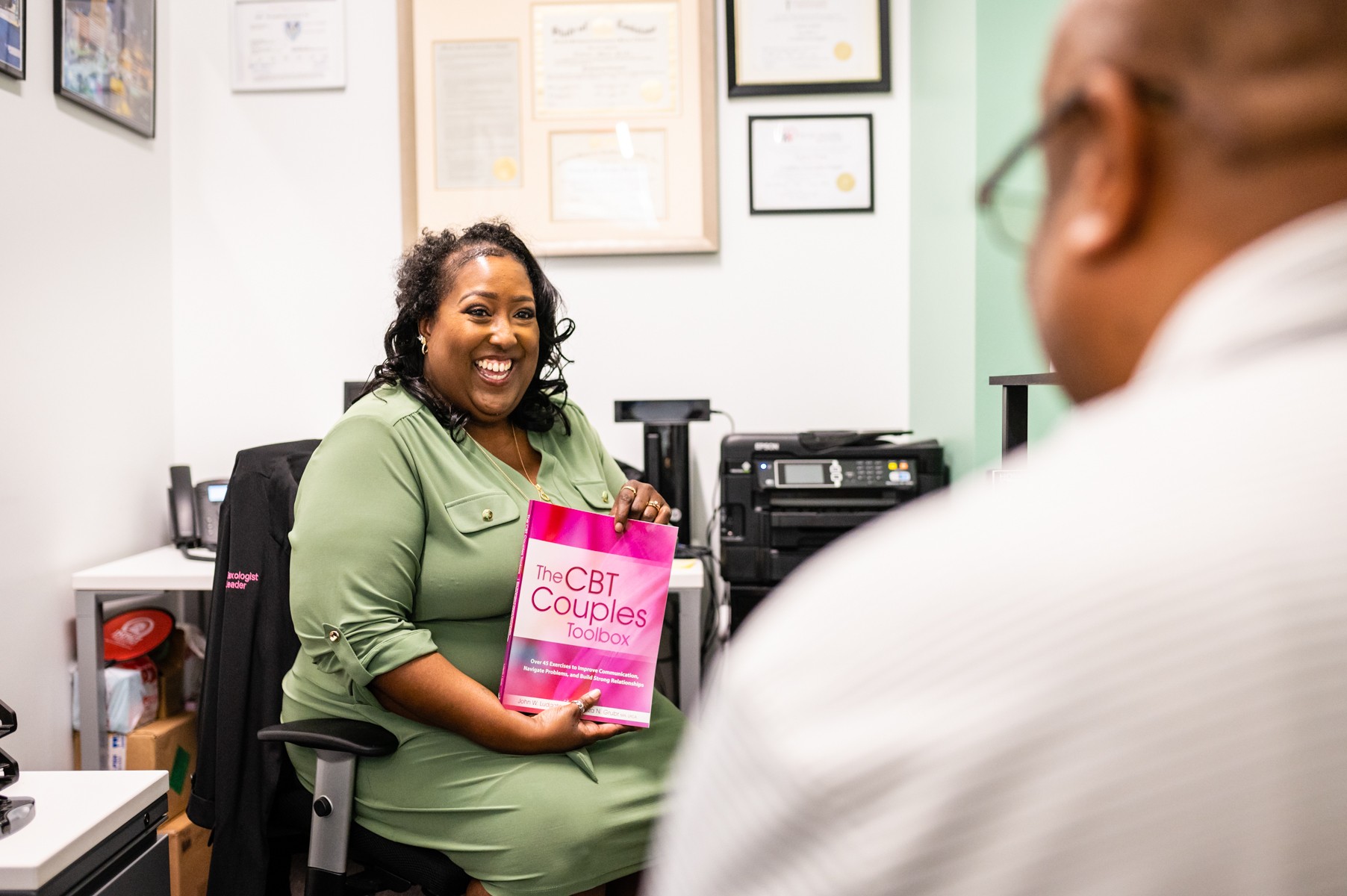
My name is Ledora, and I am a Licensed Professional Counselor Supervisor and Relationship Coach based in the vibrant city of New Orleans, LA. My journey into this fulfilling field was driven by a deep-rooted passion for understanding human behavior and a sincere desire to support individuals and couples in navigating the complexities of their relationships and mental health.
Background and Entry into the Field:
My path into counseling and coaching was not a linear one; it was shaped by personal experiences, academic pursuits, and a series of revelatory moments that underscored the profound impact of mental health and relationships on one’s overall well-being. After completing my studies in psychology and counseling, I spent several years working in various settings, from community mental health centers to private practices. While advancing my education even more with the getting my degree in Sexology to study of love as I like to call it. These experiences provided me with a rich tapestry of insights into the myriad challenges people face and the resilience they harness in their journeys toward healing and growth.
Services and Creative Works:
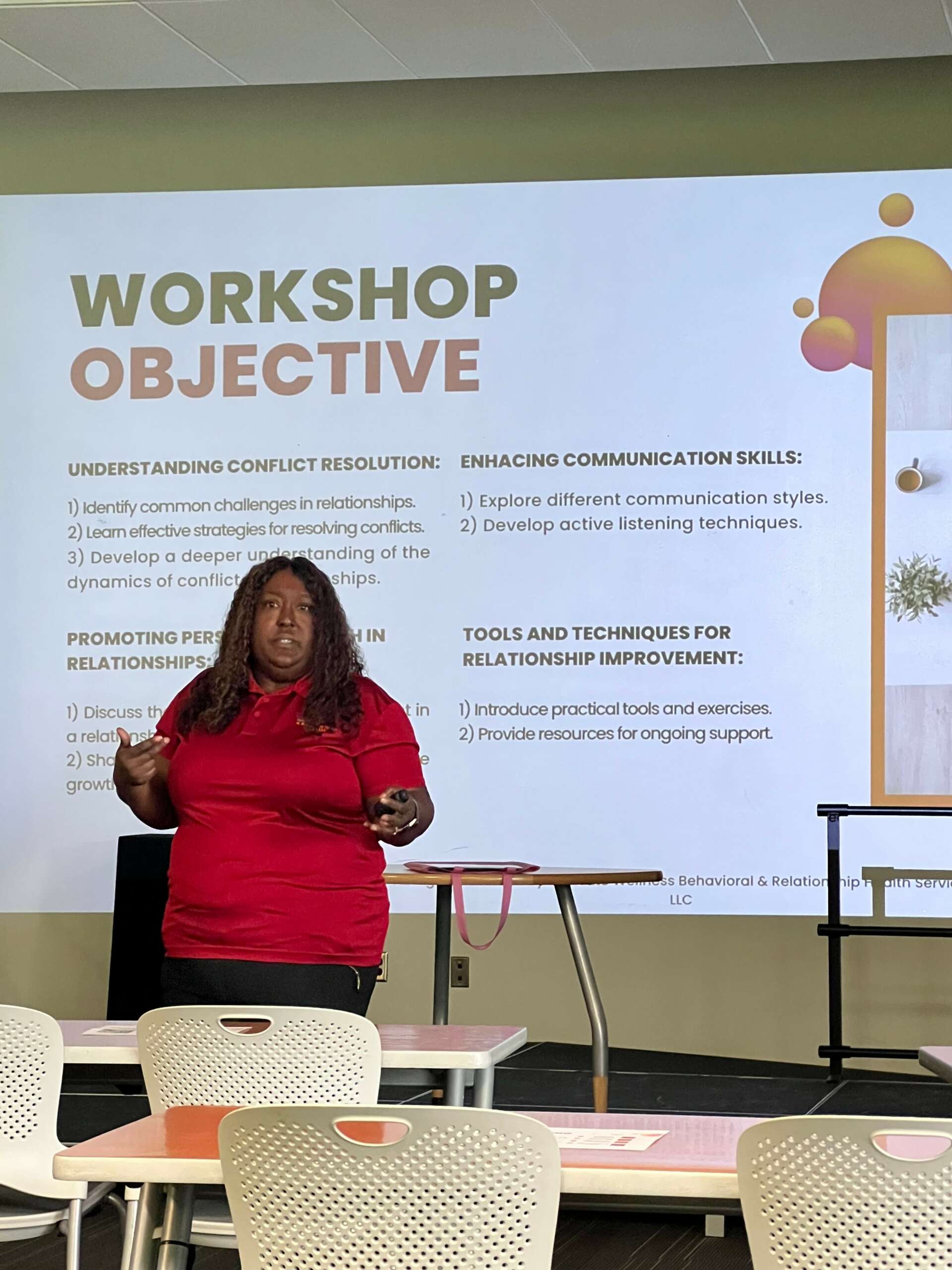
In my practice, I offer a range of services tailored to the unique needs of my clients. This includes individual counseling for mental health issues such as anxiety, depression, and stress, as well as relationship coaching for couples seeking to strengthen their bonds, improve communication, or navigate through difficult times. I also provide supervision for up and coming counselor in the state of Louisiana, While also providing companies staff development retreats and training. I also hold various retreats across the country for couples, and singles looking to enhance their life more with each other and self-love. My approach is integrative, combining elements from various therapeutic modalities to offer personalized support that resonates with the individual experiences of my clients.
Solving Client Problems and Unique Approach:
What sets my practice apart is the emphasis on creating a warm, inclusive, and non-judgmental space where clients feel truly heard and understood. I believe in the power of empathy and authentic connection as the foundation for therapeutic relationships. My work is deeply informed by the belief that every individual possesses the inherent capacity for change and growth, and my role is to facilitate that journey with compassion, respect, and professional expertise.
In addition to traditional counseling and coaching, I am passionate about developing and facilitating retreats designed to enhance mental health and relationships. These retreats are crafted as immersive experiences that combine therapeutic work with the rejuvenating power of travel, offering participants a unique opportunity to embark on a journey of self-discovery and renewal in beautiful, serene settings.
Pride and Brand Identity:
What I am most proud of is the tangible impact my work has had on the lives of my clients. Witnessing their journey from vulnerability to strength, from confusion to clarity, and from isolation to connection is profoundly rewarding. It is a privilege to be a part of their stories and to contribute to their process of transformation.
For potential clients, followers, and fans, I want you to know that my practice is more than just a service; it’s a commitment to fostering wellness, resilience, and meaningful connections. Whether you are grappling with personal challenges, seeking to enhance your relationship, or looking to embark on a journey of self-improvement, my practice is here to support you with empathy, expertise, and a genuine investment in your well-being.
Looking Ahead:
As I look to the future, my goal is to continue expanding the reach and impact of my work, not just within my local community but also on a broader scale through retreats, workshops, and digital platforms. We have recently stated a podcast called “Sexologist Speaks with Ledora”, It is all about relationships, and everything in between you can find it on all platforms that you get your podcast on. I am dedicated to advancing mental health awareness, destigmatizing the seeking of help, and creating spaces where individuals and couples can thrive.


Putting training and knowledge aside, what else do you think really matters in terms of succeeding in your field?
In addition to the foundational pillars of training and knowledge, I believe that empathy, resilience, and continuous personal growth are instrumental for success in the field of counseling and relationship coaching. These qualities transcend the technical aspects of our profession and touch the very heart of what it means to truly connect with and support others on their journey toward healing and fulfillment.
Empathy: Empathy is the cornerstone of effective therapy and coaching. The ability to genuinely understand and share the feelings of another person goes beyond mere sympathy. It involves a deep, intuitive connection that fosters trust and openness in the therapeutic relationship. Empathy allows us to meet our clients where they are, validate their experiences, and offer support that resonates with their unique emotional landscapes.
Resilience: Our work often involves navigating complex emotional terrains and bearing witness to the profound struggles and vulnerabilities of our clients. Resilience enables us to sustain our emotional and psychological well-being in the face of these challenges. It’s about maintaining our own equilibrium, so we can be a steady presence for our clients, guiding them through their darkest moments with hope and steadfast support.
Continuous Personal Growth: The pursuit of personal and professional development is crucial in our field. This means being a lifelong learner, not just in terms of staying abreast of the latest research and therapeutic techniques, but also in deepening our understanding of the human condition, including our own. Engaging in regular self-reflection, seeking supervision, and embracing our own therapeutic work ensures that we continue to grow and evolve, both as professionals and as individuals. This ongoing process of self-discovery and improvement not only enhances our capacity to support our clients but also ensures that we model the very principles of growth and resilience we aim to foster in those we serve.
In essence, while training and knowledge provide the framework for our practice, it is empathy, resilience, and a commitment to continuous personal growth that truly enable us to make a meaningful difference in the lives of our clients. These qualities help us to navigate the complexities of human emotions and relationships with grace and effectiveness, making them indispensable for success in the field of counseling and relationship coaching.


Do you have any insights you can share related to maintaining high team morale?
Managing a team effectively and maintaining high morale is critical in any setting, but it’s especially so in fields like ours, where the emotional and psychological well-being of both clients and practitioners is paramount. Here’s how I approach this: This is actual a part of our standard operating procedures here at Motivate Wellness.
Fostering Open Communication:
Creating an environment where open, honest communication is encouraged is foundational. Team members should feel comfortable sharing their thoughts, concerns, and ideas without fear of judgment. Regular team meetings, one-on-one check-ins, and open-door policies can facilitate this. It’s important to not only talk but to actively listen to what team members have to say, validating their experiences and contributions.
Building Trust and Respect:
Trust and respect are the bedrocks of any successful team. This means leading by example, demonstrating integrity, and treating every team member with dignity and respect, regardless of their role. Acknowledging good work, providing constructive feedback, and maintaining confidentiality are all crucial practices that reinforce trust.
Promoting Professional Development:
Investing in the professional growth of your team members can significantly boost morale. This might include offering opportunities for further training, attending conferences, or engaging in peer supervision sessions. Encouraging and supporting team members to pursue their interests and specialties not only contributes to their personal satisfaction and growth but also enhances the collective skill set and versatility of your team.
Recognizing and Rewarding Contributions:
Acknowledging the hard work and achievements of your team members can have a profound impact on morale. This recognition can take many forms, from verbal acknowledgments in team meetings to more formal rewards or incentives. Celebrating successes, no matter how small, can foster a sense of accomplishment and belonging.
Ensuring Work-Life Balance:
Promoting a healthy work-life balance is essential, especially in emotionally demanding fields like ours. Encourage your team to take their full vacation time, offer flexible working arrangements when possible, and be vigilant about not overburdening individuals with excessive caseloads. Demonstrating that you value their well-being outside of work can significantly enhance morale.
Creating a Supportive Culture:
Cultivating a team culture where support and collaboration are valued over competition can greatly enhance morale. This can involve team-building activities, peer support groups, or simply fostering a spirit of camaraderie in day-to-day interactions. When team members feel supported by their colleagues and leadership, they are more likely to be engaged and motivated.
Leading with Empathy:
As leaders, it’s crucial to lead with empathy, recognizing that team members are individuals with unique personal and professional challenges. Being sensitive to these challenges and offering support and flexibility when needed can make a significant difference in morale.
In summary, managing a team and maintaining high morale involves a combination of open communication, trust, respect, investment in professional development, recognition of contributions, a commitment to work-life balance, a supportive culture, and empathetic leadership.
Contact Info:
- Website: https://motivatewellnesscenter.com
- Instagram: https://www.instagram.com/motivatewell
- Facebook: https://www.facebook.com/motivatewell
- Linkedin: https://www.linkedin.com/company/motivate-wellness-behavioral-relationship-health-services-llc/
- Twitter: https://www.twitter.com/motivatewell
- Youtube: https://www.youtube.com/channel/UCs6nmGFl8g9OJycv-S58Zbg
- Other: Podcast: https://podcasters.spotify.com/pod/show/motivate-wellness Motivate Wellness Academy: https://motivatewellness.podia.com/ Our Relationship Page: https://fireanddesire.org