

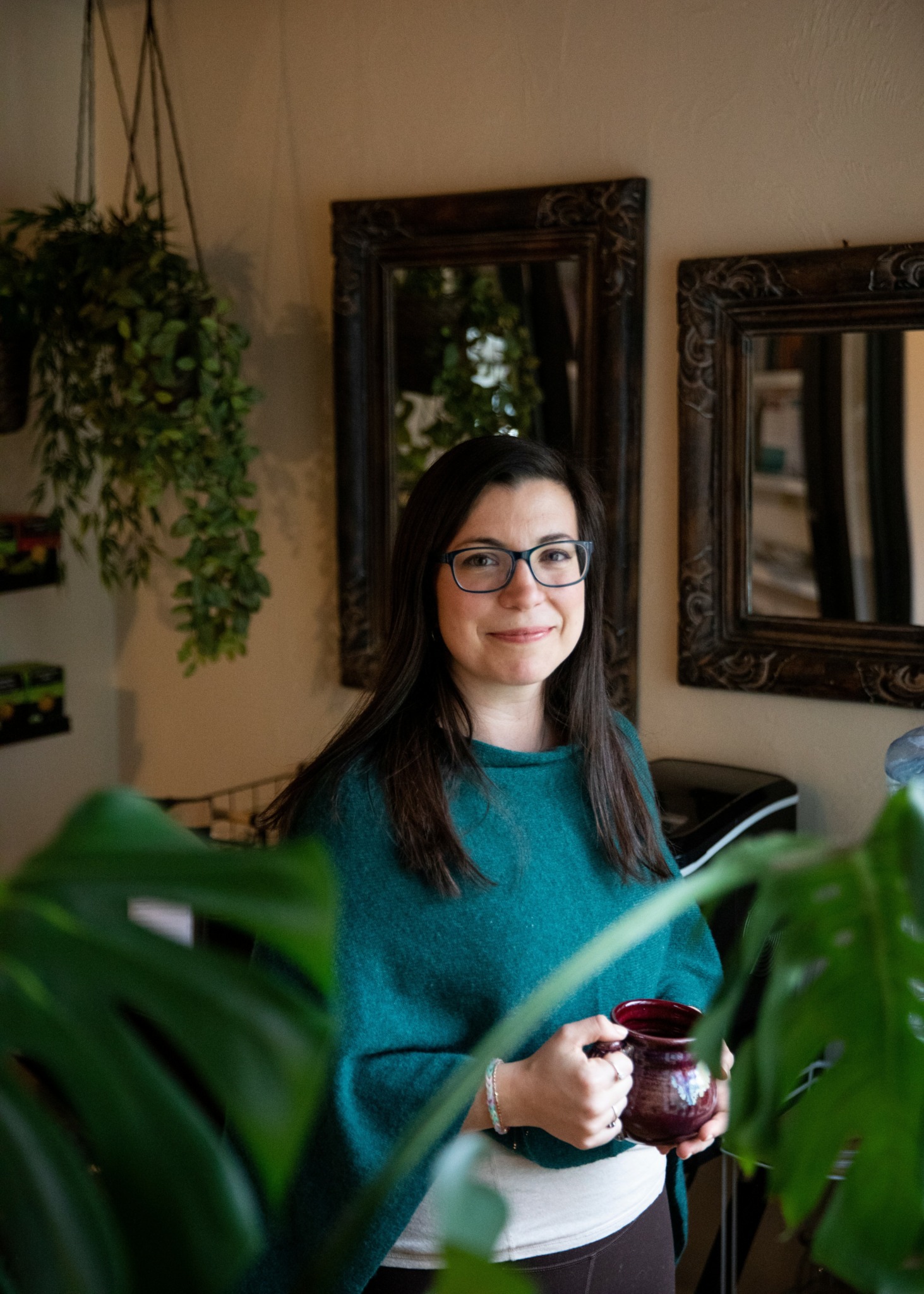

We recently connected with Lauren Oliver and have shared our conversation below.
Lauren, appreciate you joining us today. If you had a defining moment that you feel really changed the trajectory of your career, we’d love to hear the story and details.
The moment that shifted the trajectory of my career came when I was working at an Integrative Medical Practice during the height of the Covid pandemic. I worked as the apothecary manager and spoke to many patients every single day, but since lockdown, it was primarily over the phone.
I remember answering the phone one day and speaking with this woman who was really struggling with the symptoms of her chronic illness, and was asking if there were supplements beyond what was indicated in her treatment plan that would help her. What was most notable to me though was not what she was saying but HOW she was speaking. She was speaking so quickly, and was hardly even pausing for me to respond to her questions. I’d had a number of similar conversations in the weeks since we’d gone into lockdown, but it finally landed with me in that moment how much the fear and nervous system dysregulation people were experiencing was causing them to struggle. Up until that point, I’d witnessed people make tremendous 180 degree progress by following their treatment plans, but things had shifted dramatically. Outside of work, I had been a yoga teacher for 4 years at the time and really wished I could just teach this patient to pause, connect with her body, and breathe. That was when I decided I wanted to work with people on a deeper level, and soon after discovered yoga therapy, got certified, and the rest is history.
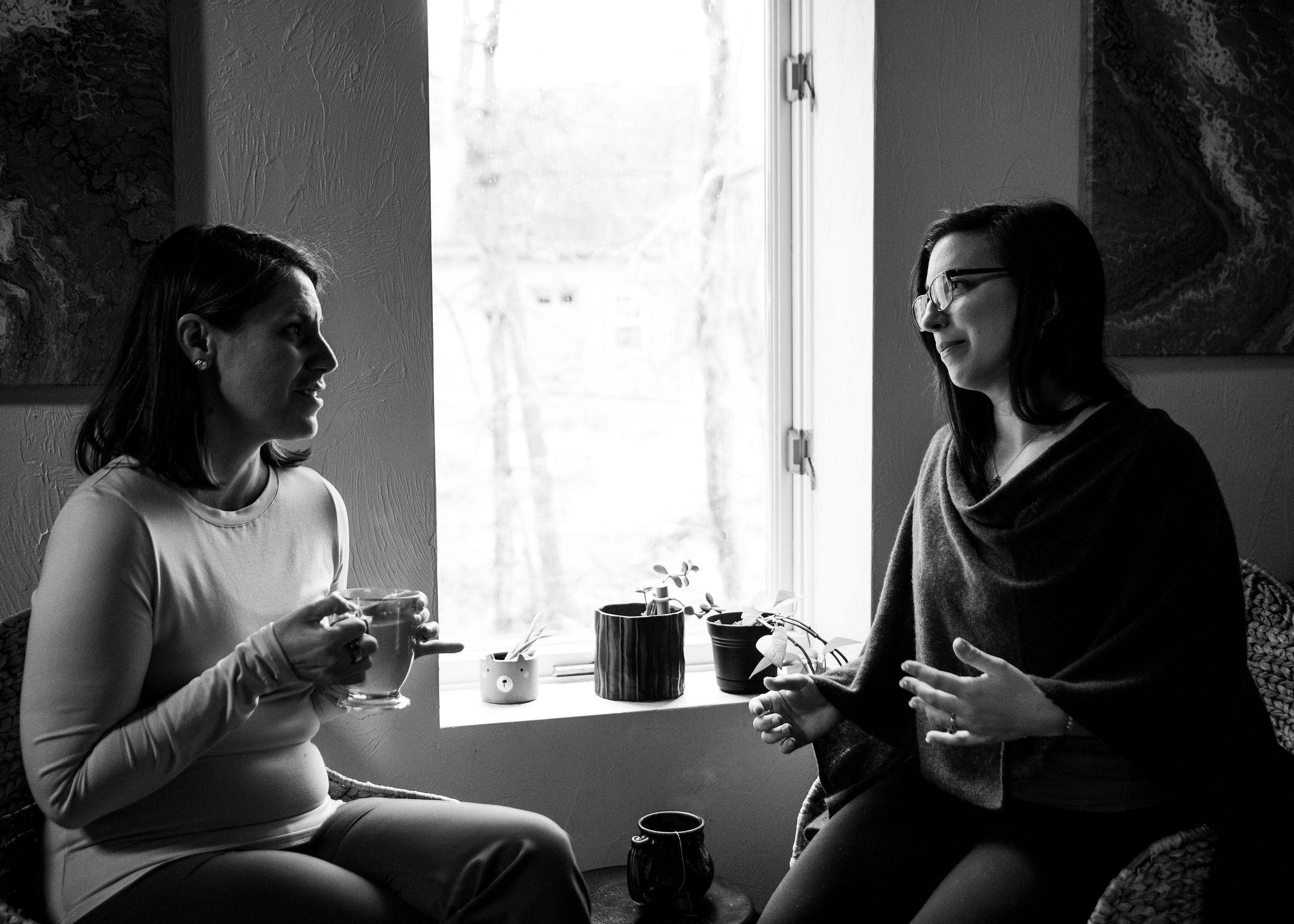
Lauren, before we move on to more of these sorts of questions, can you take some time to bring our readers up to speed on you and what you do?
I’m a yoga therapist and integrative health coach specializing in chronic pain and women’s health, with a focus on pelvic and low back pain, painful periods, and nervous system dysregulation. While there is plenty of attention paid to the physical body in my practice, I also look at your nervous system, your stress and movement patterns, and your lived experience, because chronic pain is never just one thing.
I got into this work because, like many of my clients, I’ve navigated my own experiences with pain, stress, and feeling dismissed or underserved by conventional approaches. For example, it took me 15 years to get diagnosed with endometriosis, so I deeply understand how frustrating navigating the medical system can be. All of my experiences struggling with my own health really lit a fire in me to understand the body more deeply, not just structurally, but neurologically, hormonally, and emotionally. Over time, I realized that so many people are doing “all the right things” and still not getting better, which led me to specialize in a more holistic, root-cause approach.
The work I do now blends yoga therapy, nervous system regulation, breathwork, pain science, and integrative health coaching. I support clients through 1:1 sessions, group programs, workshops, and digital resources. A lot of what I teach helps people understand why their pain is happening, because when you understand the mechanism, it becomes a lot less scary and a lot more workable.
Most of my clients are dealing with chronic, recurring, or “mysterious” symptoms: things like unexplained pelvic pain, low back pain, hip pain, painful or irregular cycles, and stress-related flare-ups. They’ve often tried physical therapy, medications, or other interventions and still feel stuck. What I help them see is that pain is not just structural, it’s deeply tied to the nervous system, inflammation, stress patterns, and even the stories we carry in the body. It’s when we work across all of those layers that things start to shift.
What sets my work apart is that I don’t take a one-size-fits-all approach, and I also don’t stay on the surface. I’m not here to just give someone stretches and send them on their way. We’re looking at how your body is responding to stress, how your habits and environment are influencing your symptoms, how your breath and movement patterns are either supporting or aggravating your system. It’s collaborative, educational, and designed to give people tools they can actually use in real life.
I’m also really passionate about making this work feel accessible and empowering. There’s a lot of fear-based messaging in the health space, especially around chronic pain and women’s health. My goal is the opposite, I want people to feel capable in their bodies. There’s PLENTY that can be done to shift pain, even if it’s been there for years.
What I’m most proud of is the way my clients start to relate to their bodies differently. Yes, their pain often improves or resolves, but beyond that, they feel more in control, more at ease, and more confident and trusting of themselves. Getting out of pain often means getting back to the kinds of activities that once brought them so much joy, and so those wins feel especially fulfilling to witness.
If you are struggling with chronic pain or chronic symptoms, I want you to know that you are not broken, and your body is not betraying you or failing. There is a reason your symptoms are happening. And when you learn how to work with your body instead of fighting it, things can change in ways that feel both relieving and sustainable.
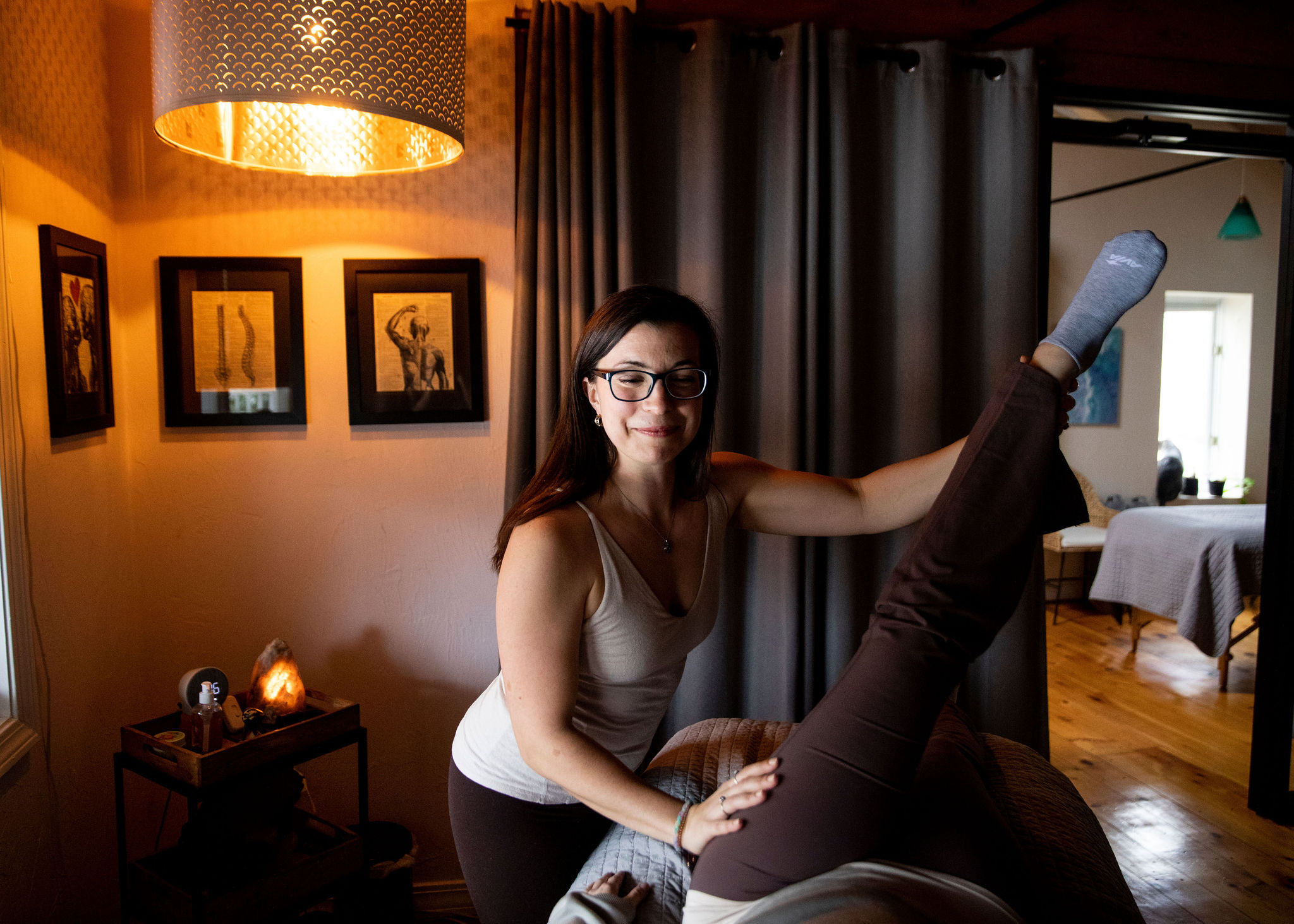
If you could go back, would you choose the same profession, specialty, etc.?
1000 times yes! I truly feel like this work chose me, and I finally caught on. I’ve always wanted to do something that helps others, have always been fascinated by the human body and how it works, and grew to understand after much disillusionment as a young adult, that conventional medicine was not going to be the path forward for me. I have witnessed my practice help people profoundly, and that is a level of fulfillment no money can buy. So while it can be really challenging sometimes to be an entrepreneur, there’s really no other path for me, as far as I’m concerned.
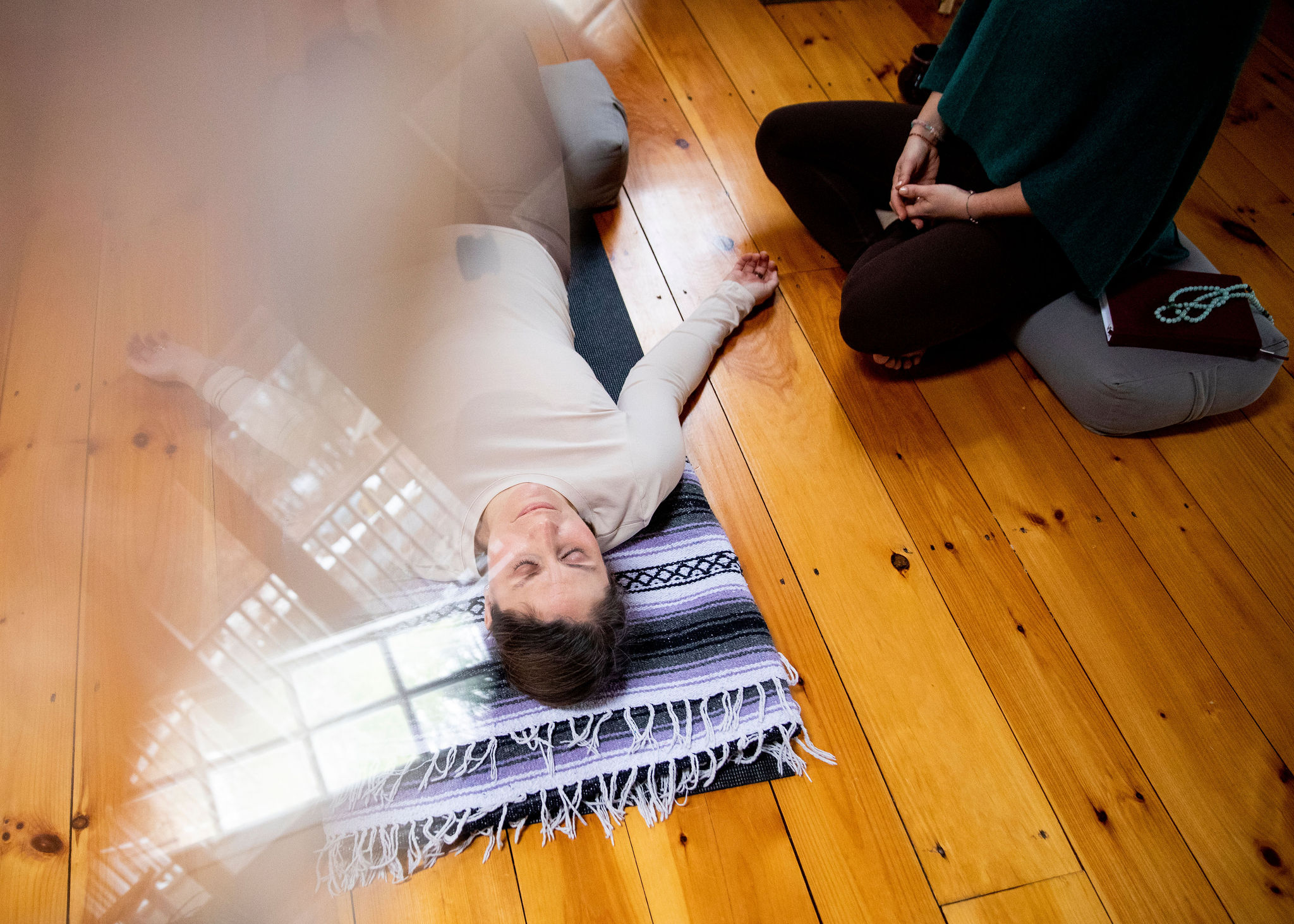
Other than training/knowledge, what do you think is most helpful for succeeding in your field?
Embodiment. Without a doubt.
In a field where you’re supporting people with chronic pain, stress, and nervous system dysregulation, it’s not just about what you know, it’s also about how you show up. People can feel the difference between someone who understands the work intellectually and someone who actually lives it.
For me, that means doing my own work consistently. Regulating my own nervous system. Paying attention to my body. Practicing the same tools I give my clients regularly, and integrating new practices into my own life before bringing them to the table with others. Because if I’m asking someone to slow down, to listen to their body, to be more mindful about their diet, to build safety internally… I need to be able to meet them there.
It also is essential for how I hold space. When I’m grounded and regulated, my clients feel that. It creates a level of safety and trust that you can’t fake or learn from a textbook.
I think that’s a big part of what makes this work effective. It’s not just sharing information; it’s transmission. And people know when it’s real.
Contact Info:
- Website: https://thevibrantbody.co
- Instagram: https://instagram.com/thevibrantbody/
- Other: lauren@thevibrantbody.co
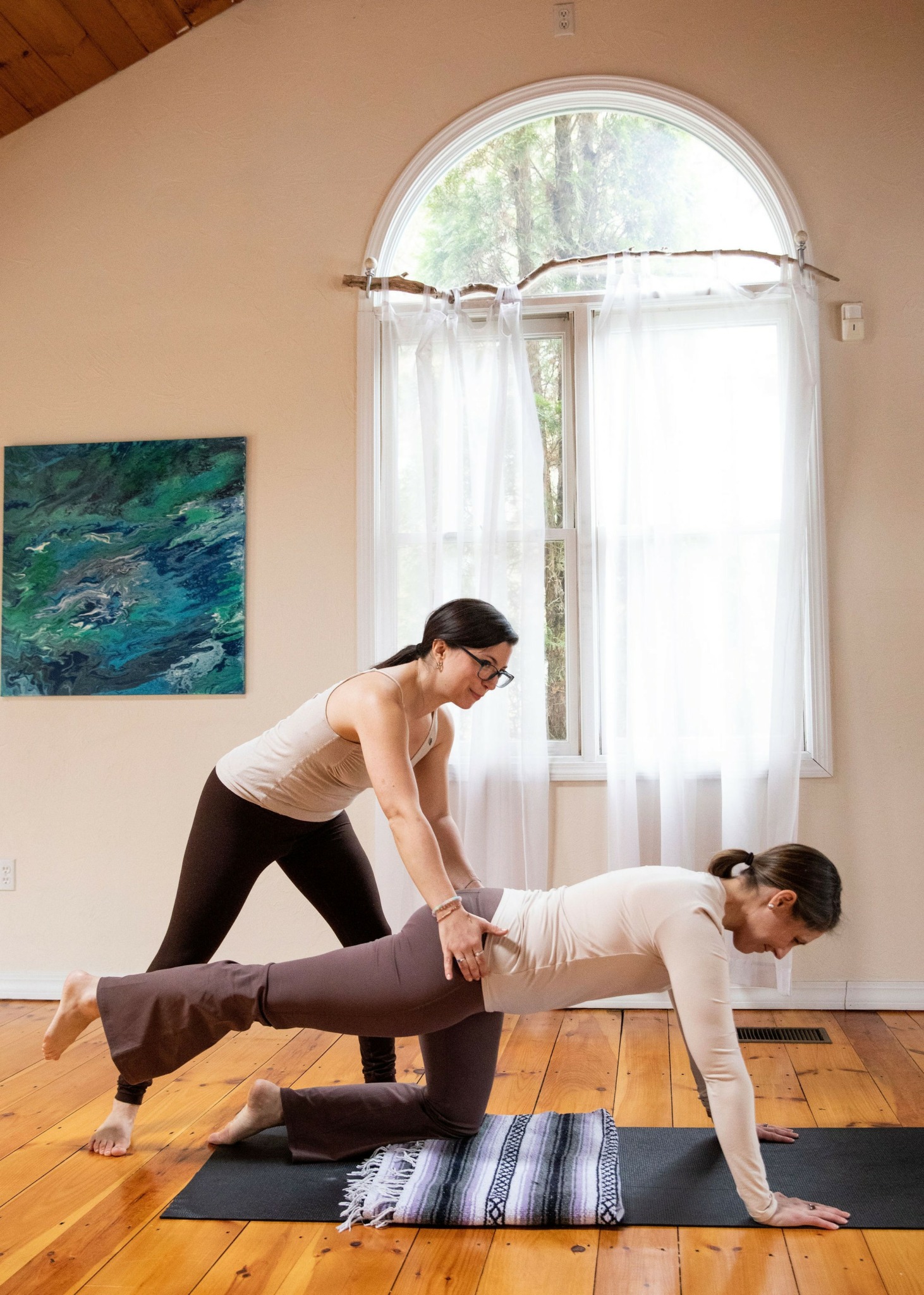
Image Credits
Hannah Cohen Photography