

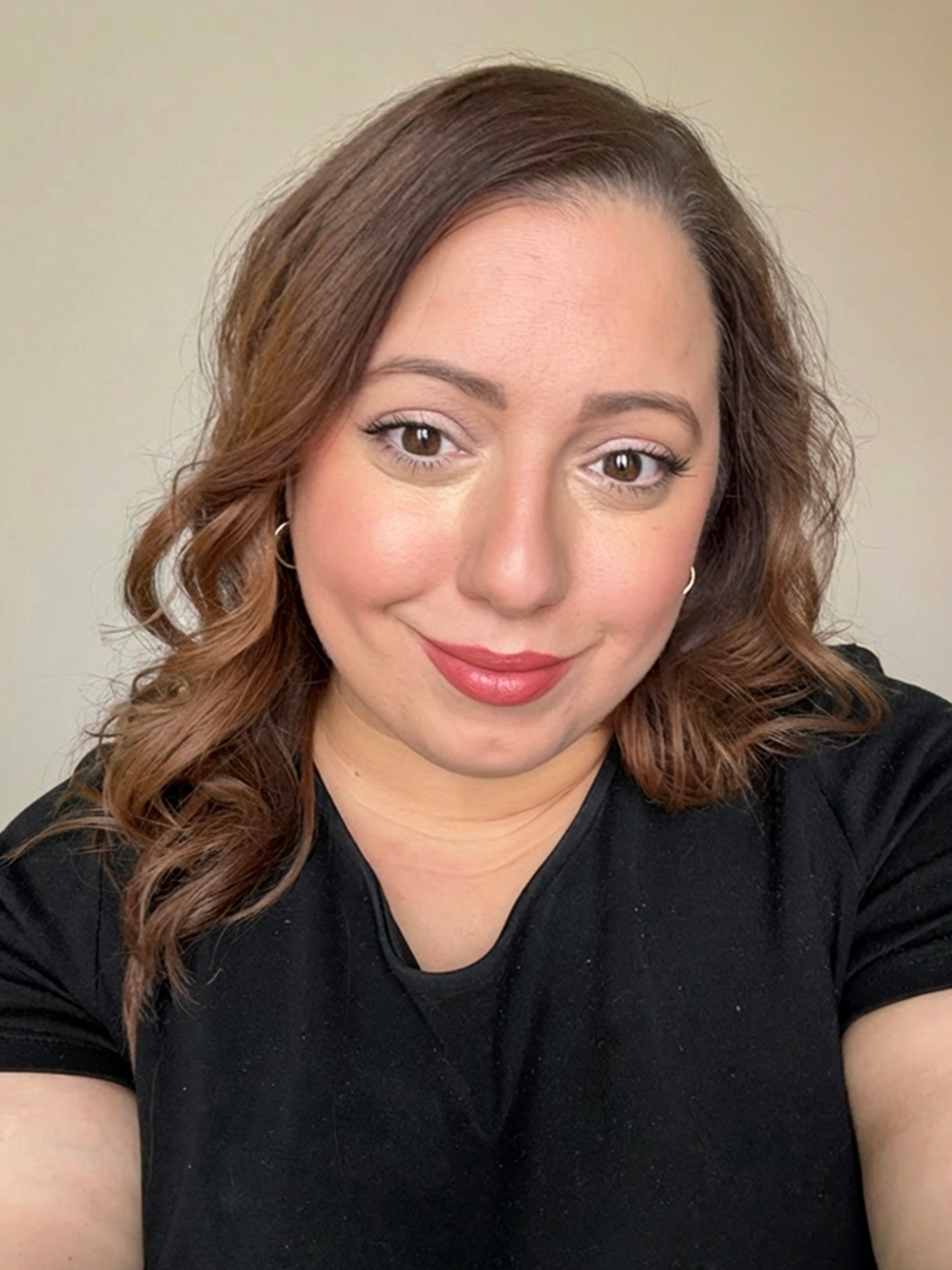

We caught up with the brilliant and insightful Lauren Aurigemma a few weeks ago and have shared our conversation below.
Lauren, appreciate you joining us today. Are you able to earn a full-time living from your creative work? If so, can you walk us through your journey and how you made it happen?
Yes, I’ve been able to earn a full-time living from my creative work, but it wasn’t like that from day one.
Early on, it was a mix of freelance projects, navigating pricing, and building consistency. I’ve always approached my work from a business lens, but it took time to align my creative skill set with the right clients, scope, and level of work.
A few things made the biggest difference:
• Expanding beyond design into full-scale brand strategy, marketing, and product development
• Getting in the room with higher-level decision makers and more established brands
• Taking on more integrated, end-to-end projects instead of fragmented deliverables
That’s when things became more stable and started to scale.
Key milestones were raising my rates, working with more established brands, and evolving from execution into more strategic and leadership-driven work.
If I could speed anything up, I would have trusted my value sooner, been more selective with clients earlier on, and focused on bigger, more integrated opportunities instead of smaller projects.
Most creatives don’t struggle with talent. The real shift comes from aligning your creativity with the right level of opportunity and access. Once that happens, everything changes.
Awesome – so before we get into the rest of our questions, can you briefly introduce yourself to our readers.
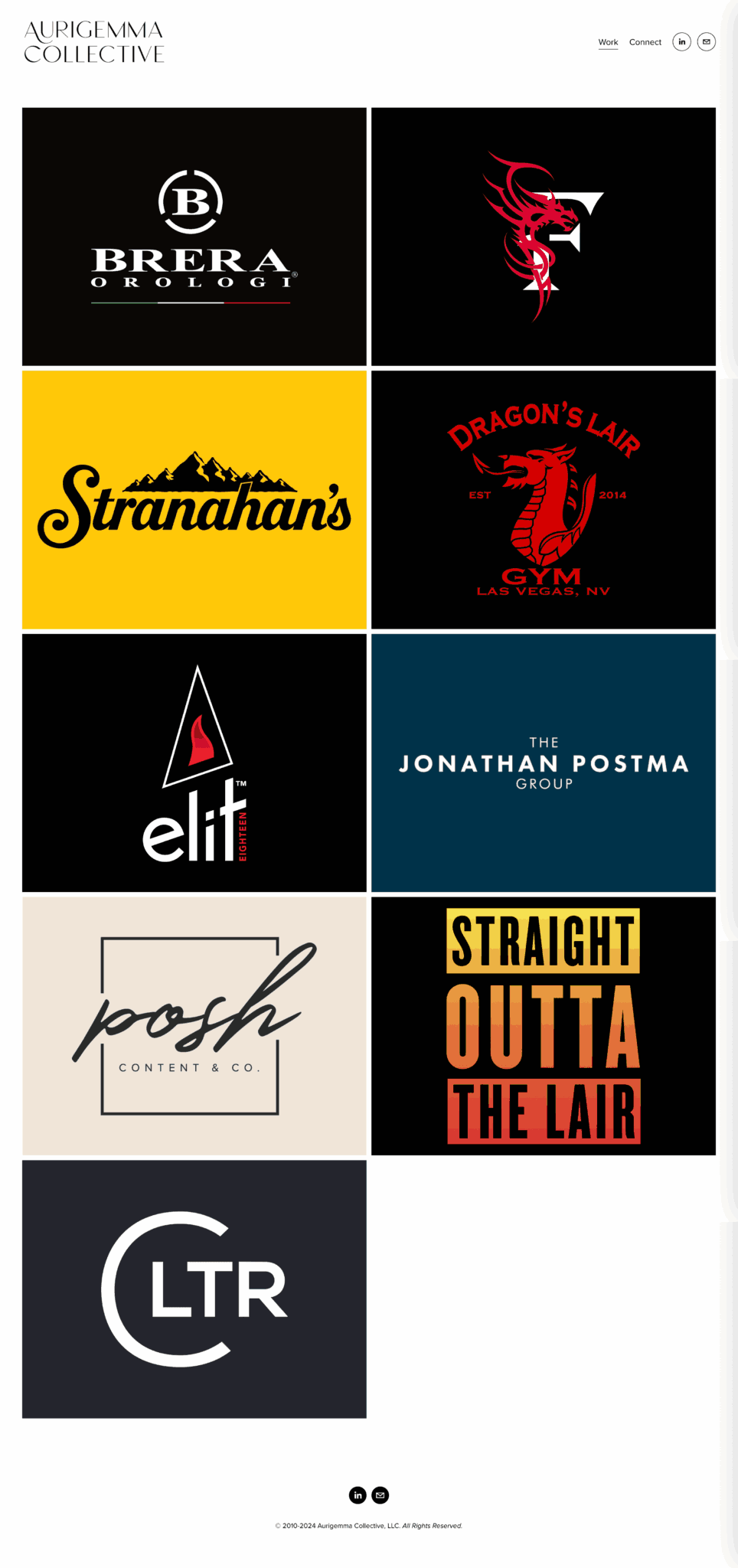
I’m Lauren Aurigemma, founder of Aurigemma Collective, a creative studio that sits at the intersection of brand strategy, design, marketing, and product development. In simple terms, I help businesses go from idea to “this actually feels like a brand,” or take what they’ve built and turn it into something more cohesive, intentional, and scalable.
I’ve always lived in both worlds, creative and business. I studied business, but I’ve been designing for as long as I can remember. Early on, I realized most clients weren’t just looking for design. They were looking for direction. Something that made everything make sense.
That’s really where my work lives now. I’m not just creating assets, I’m helping build the system behind the brand. That can look like brand strategy, creative direction, marketing, or even developing physical products. A lot of times, clients come in asking for one thing, but what they actually need is alignment across everything.
What sets me apart is that I don’t stop at the idea. I can take something from concept to execution, across every touchpoint. Vision is important, but it has to translate in the real world. That bridge is where a lot of things fall apart, and it’s where I tend to do my best work.
I’ve worked with early-stage founders building something from scratch and with more established brands that need to evolve. Being able to step into both and create clarity and momentum is something I’m really proud of.
The biggest thing I want people to know is that I don’t believe in one-size-fits-all solutions. Every brand is different, and forcing it into a template usually creates more problems than it solves. My approach is to build something that actually fits, functions, and grows with the business.
At the end of the day, I care about creating work that feels as good as it looks and actually works the way it’s supposed to.
What’s worked well for you in terms of a source for new clients?
The best source of new clients for me has always been referrals. Every meaningful opportunity I’ve had has come through people, not pitches.
I really believe it’s about who you know, not just what you do. When you do good work and build strong relationships, people remember and they refer you. That kind of trust carries a lot more weight than responding to bids or RFPs.
I’ve never relied on traditional outreach to win work. My business has grown through word of mouth, repeat clients, and being brought into conversations through existing relationships.
For me, relationships have always been the strongest growth strategy.
Do you have any insights you can share related to maintaining high team morale?
For me, it really comes down to communication, clarity, and respect.
Most issues on a team are about communication. If expectations aren’t clear, priorities aren’t aligned, or feedback isn’t consistent, things start to break down quickly. I try to make sure everyone knows what they’re responsible for, what success looks like, and how their work fits into the bigger picture.
Clarity naturally supports everything else. When people understand the direction and their role within it, they can actually do their job well without second-guessing.
Trust still matters, but I see it as something that’s built through strong communication. When people feel informed, supported, and not left guessing, they’re more confident and more engaged.
I also lead by example. I don’t expect anything from my team that I wouldn’t do myself, whether that’s work ethic, responsiveness, or accountability.
And just as important, I make sure people feel valued beyond just output. When people feel heard and respected, they’re more invested in the work.
At the end of the day, strong communication solves most problems before they start.
Contact Info:
- Website: https://www.aurigemmacollective.com/
- Instagram: https://www.instagram.com/laurenaurigemma
- Linkedin: https://www.linkedin.com/in/laurenaurigemma/
- Twitter: https://x.com/laurenaurigemma
- Youtube: https://www.youtube.com/@lauren.aurigemma
- Other: TikTok: https://www.tiktok.com/@laurenaurigemma
Image Credits
Both photos are credited to Lauren Aurigemma